The Split, the Heat, the Water
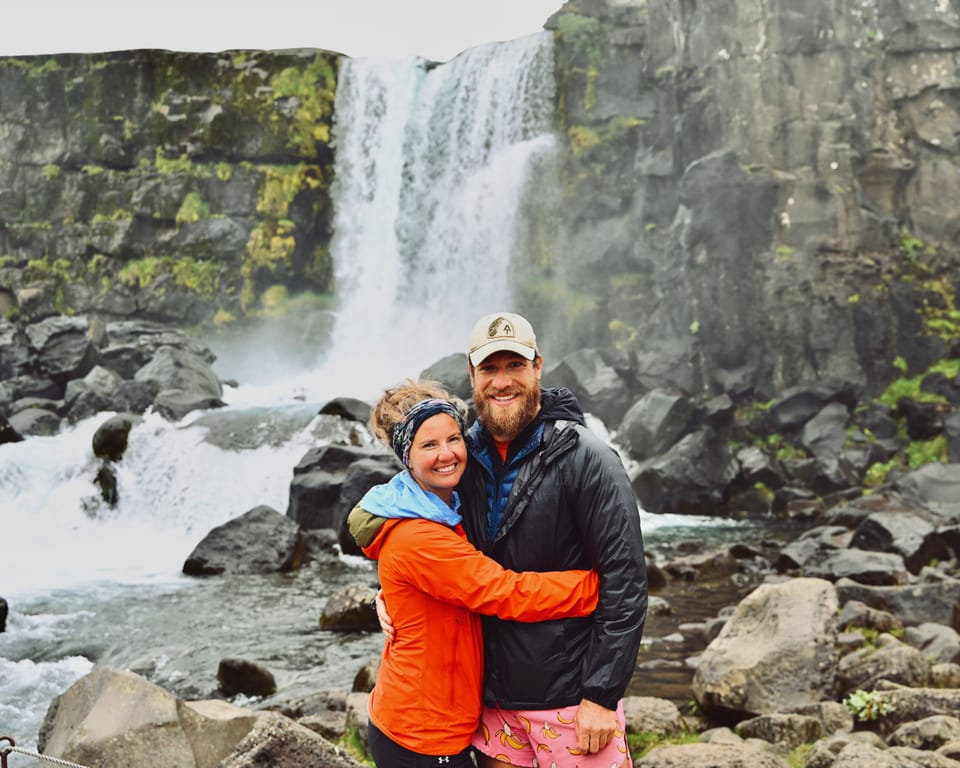
The Golden Circle didn’t feel like sightseeing. It felt like orientation.
The name comes from the short loop that connects some of Iceland’s most accessible sites, not from anything geological.
Within that loop, plate movement, geothermal heat, and glacial water all show up in one place.
The split
At Þingvellir, the geology isn’t subtle. You’re walking directly through the widening gap between the North American and Eurasian plates. The land isn't metaphorically pulling apart. It's actually doing it.
They’re separating at a rate of a few centimeters per year, which doesn’t sound like much until you realize it never stops. Over time, that movement creates fractures, corridors, and valleys in the lava rock.
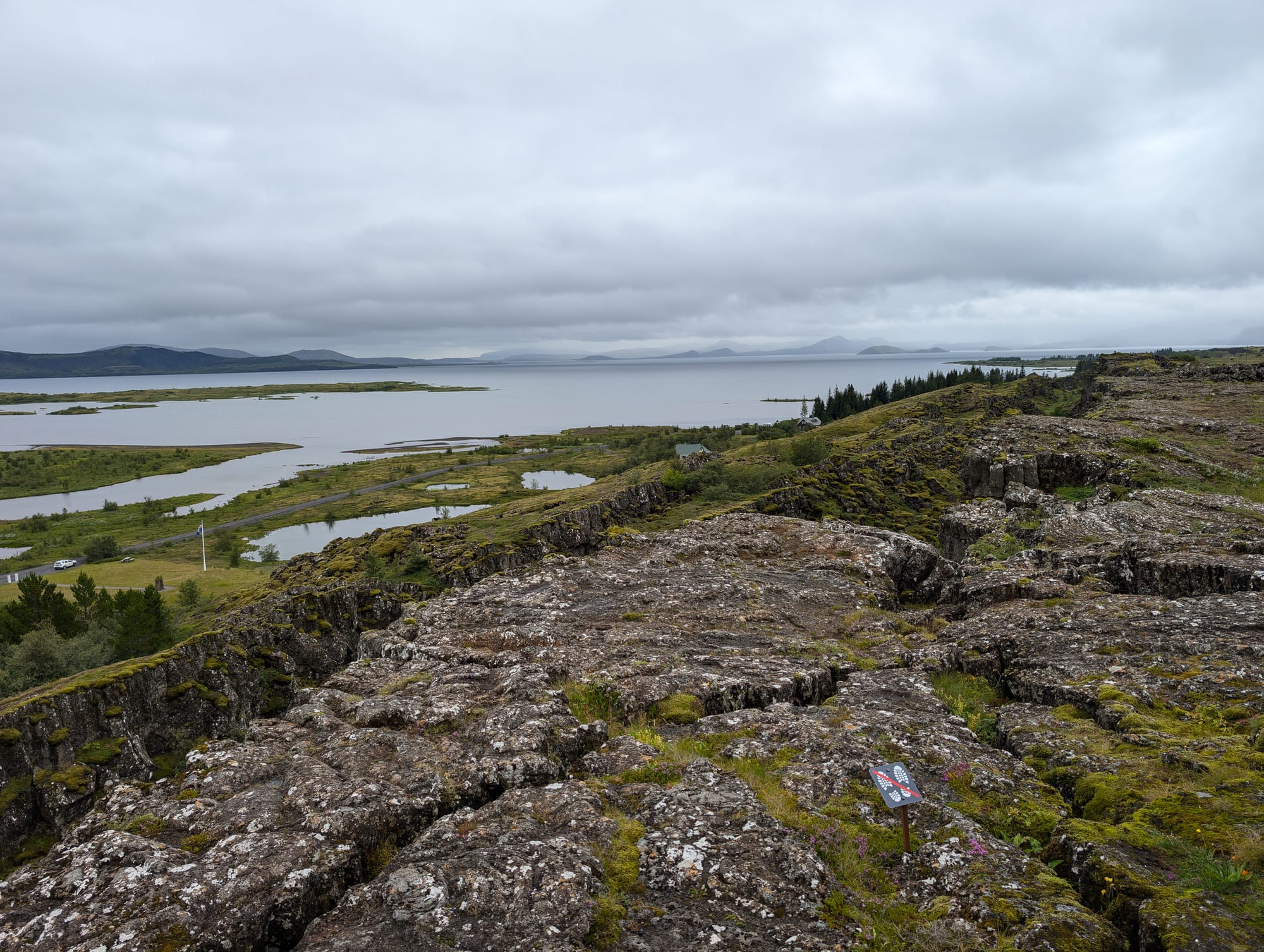
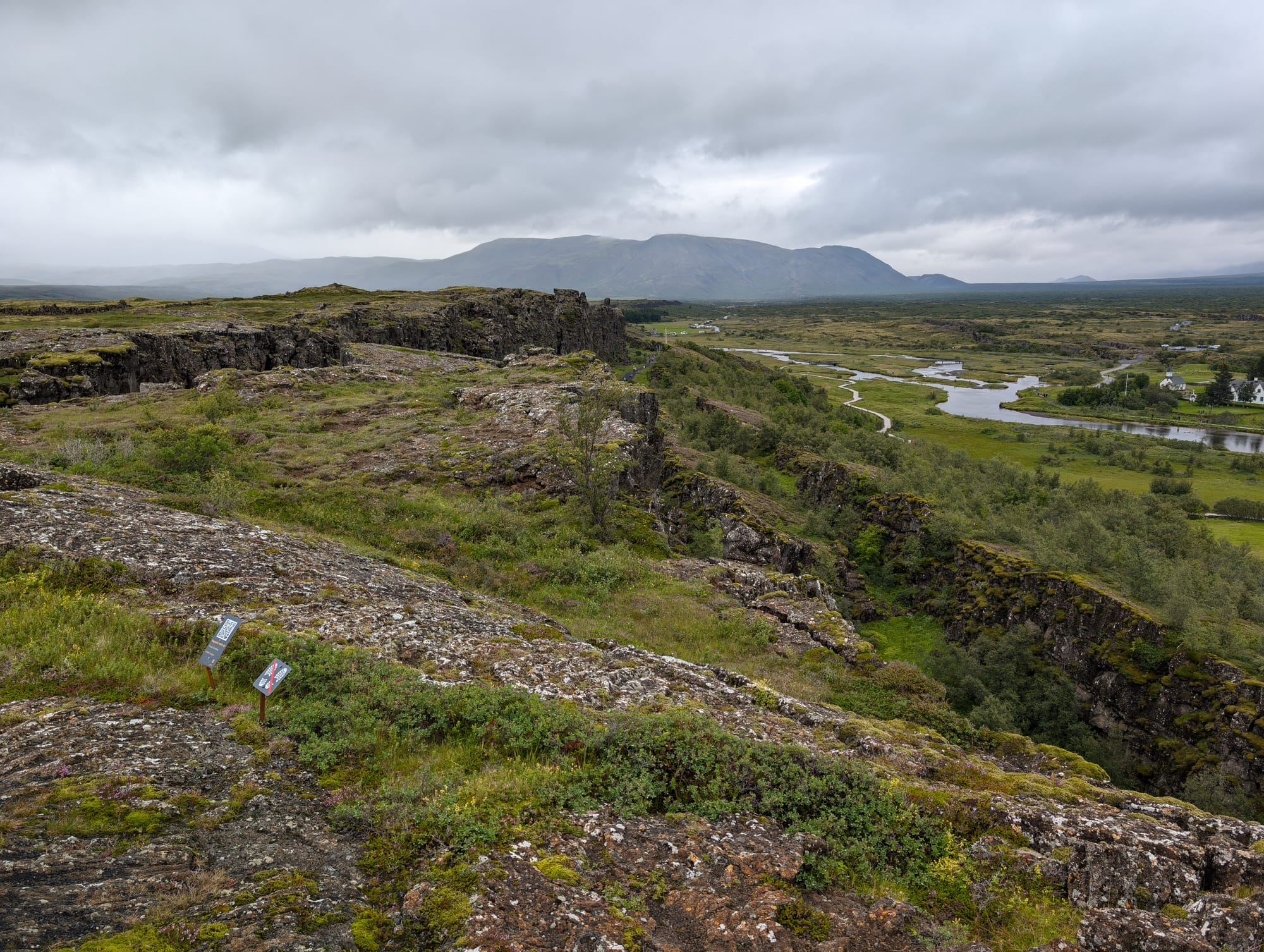
it might not look like much, but that split grows wider every year
That’s why Þingvellir looks the way it does. You’re not walking through a metaphor. You’re walking through a process.
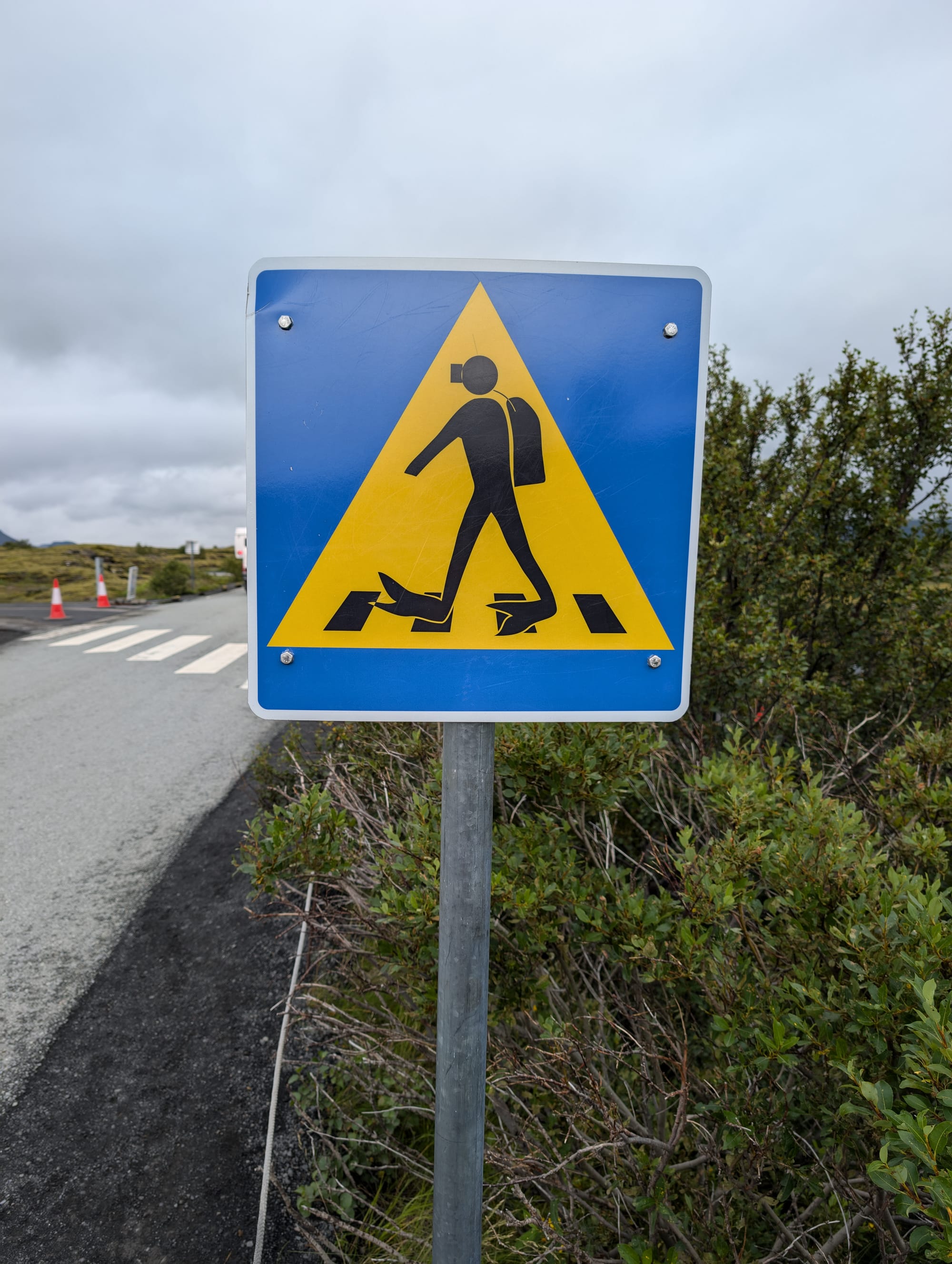
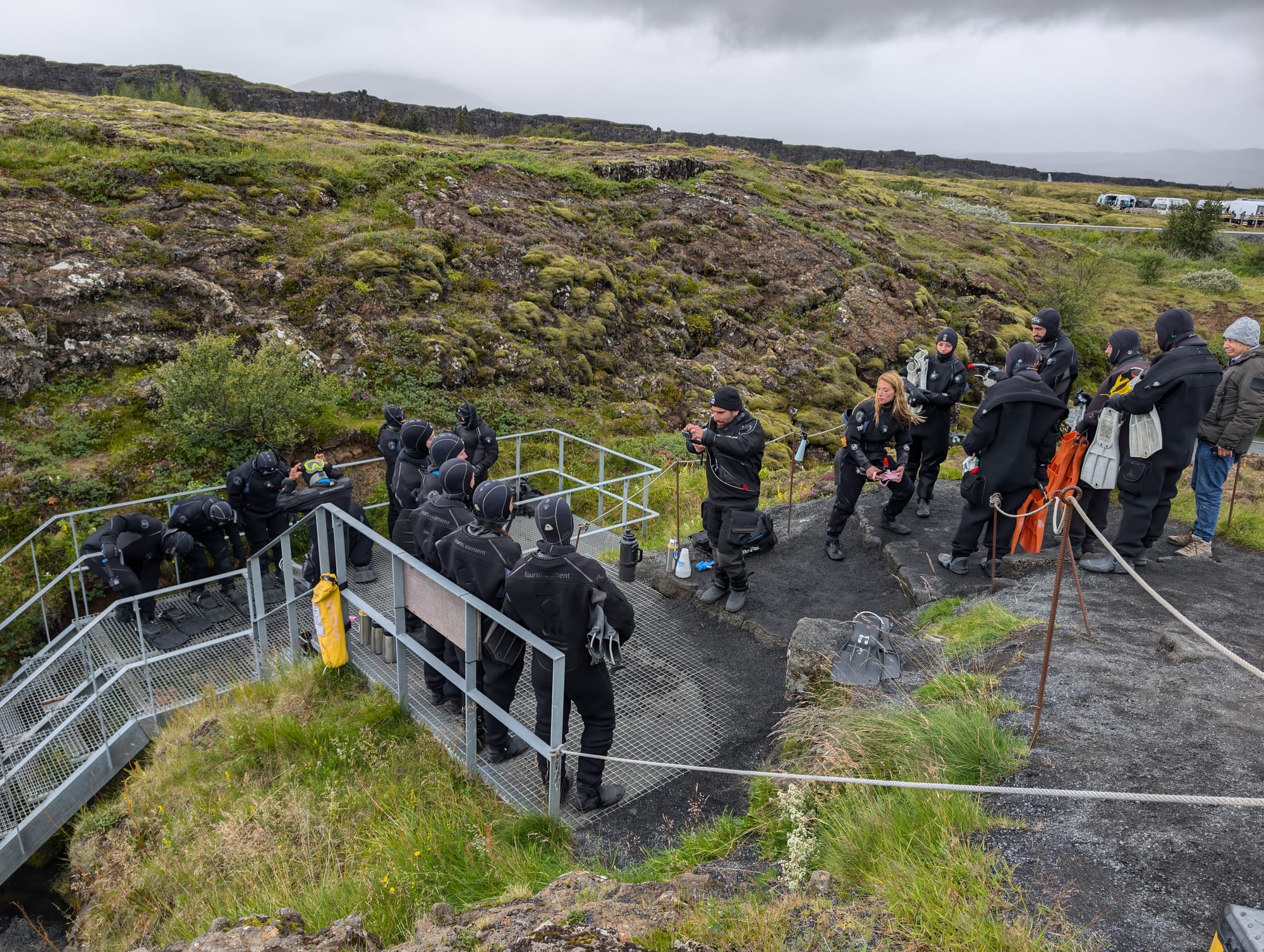
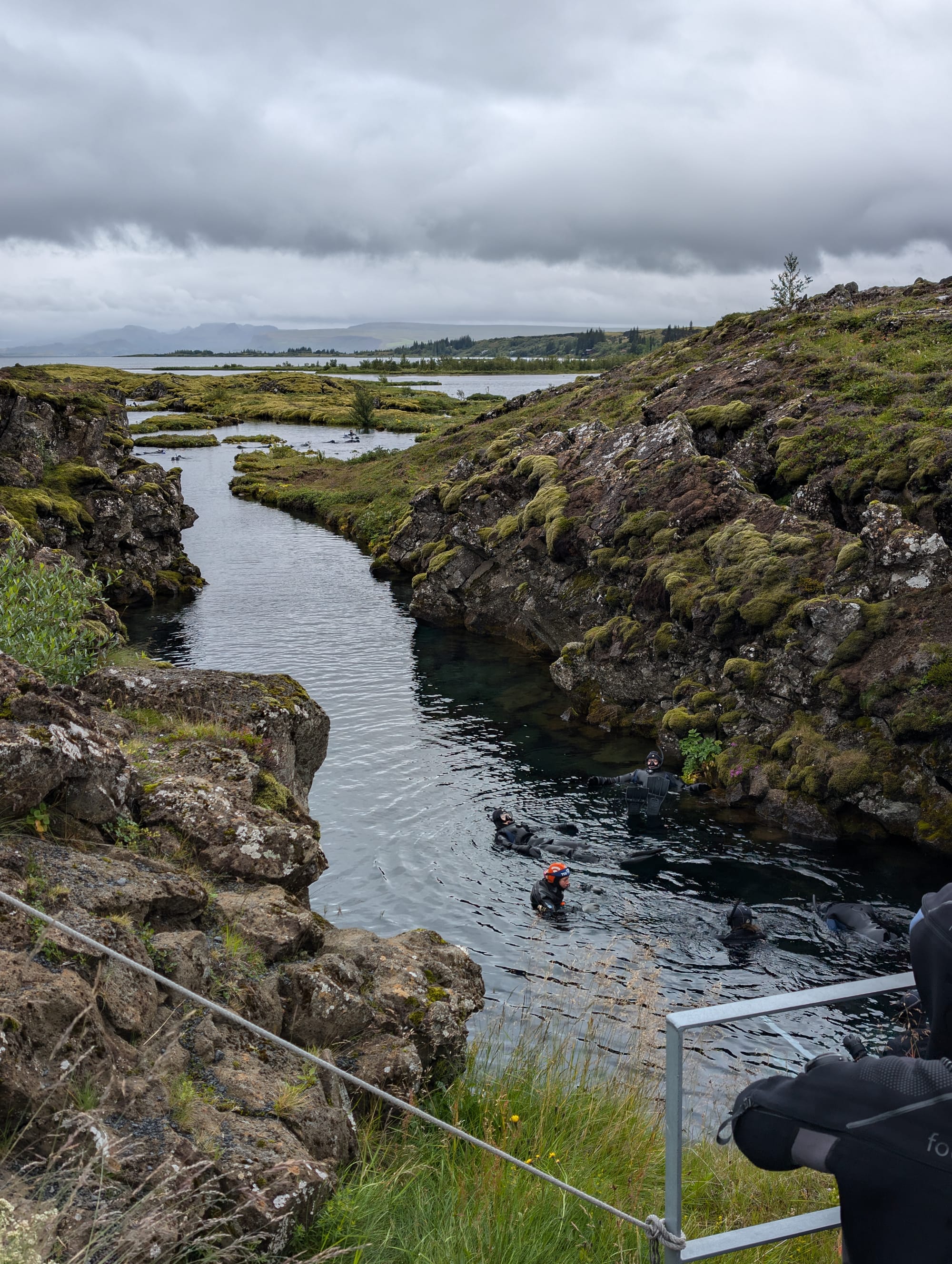
People were snorkeling and diving in Silfra, sealed into dry suits, floating between continents in water that’s both incredibly clear and painfully cold. Meltwater filtered through lava for decades before filling the fissure.
Why Iceland exists at all
Iceland didn’t rise as a finished island. It built itself upward.
Repeated volcanic eruptions laid down basalt on the seafloor. Over time, enough material accumulated to break the surface of the ocean. That process hasn’t stopped. Iceland isn’t drifting toward something. It’s actively being made.
Þingvellir sits right in the middle of that story.
Law, land, and the church
Þingvellir is also where Iceland organized itself.
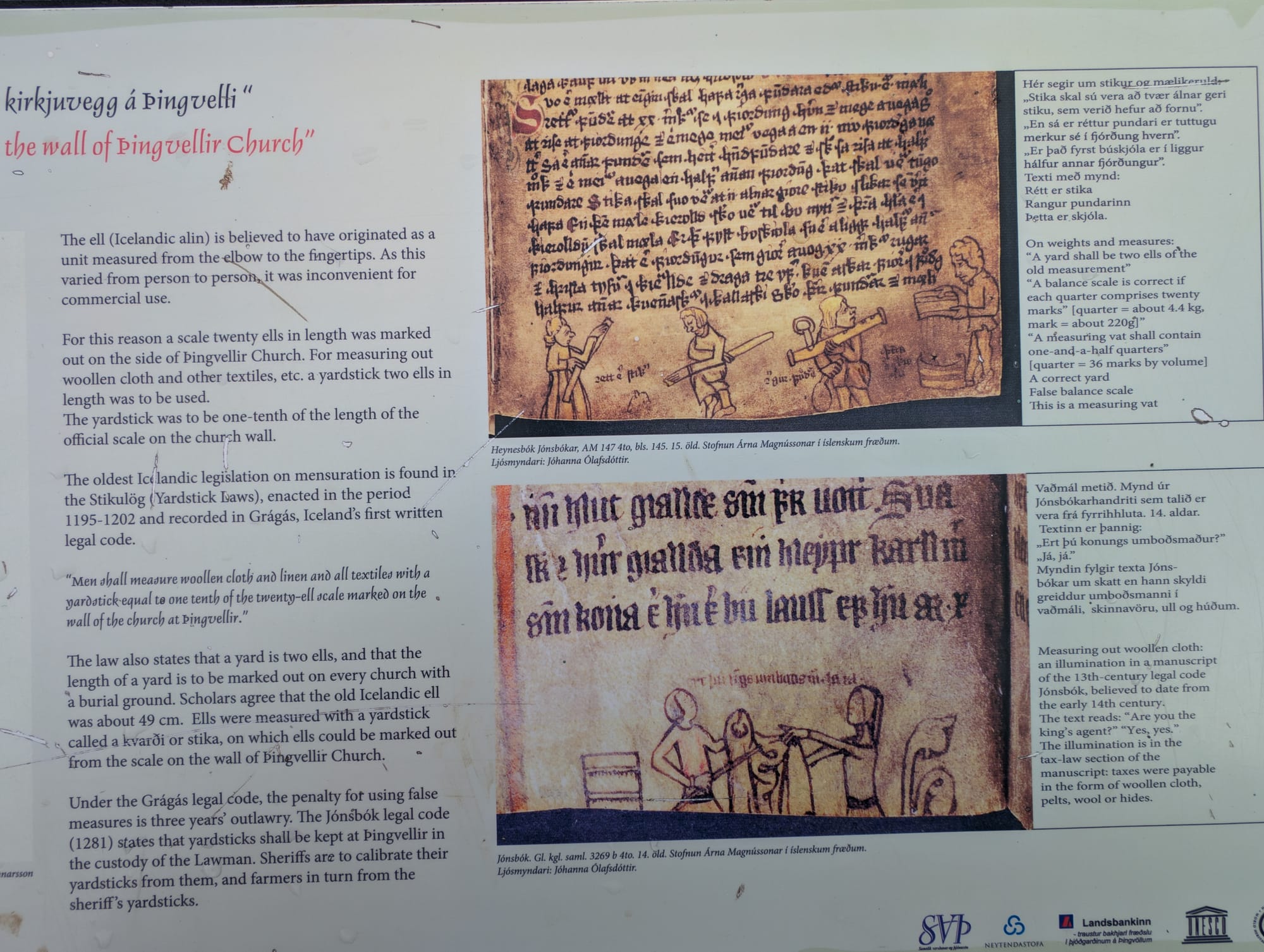
Around the year 930, Icelanders established the Alþingi, one of the world’s oldest parliamentary assemblies. People gathered here to make laws, resolve disputes, and set standards.
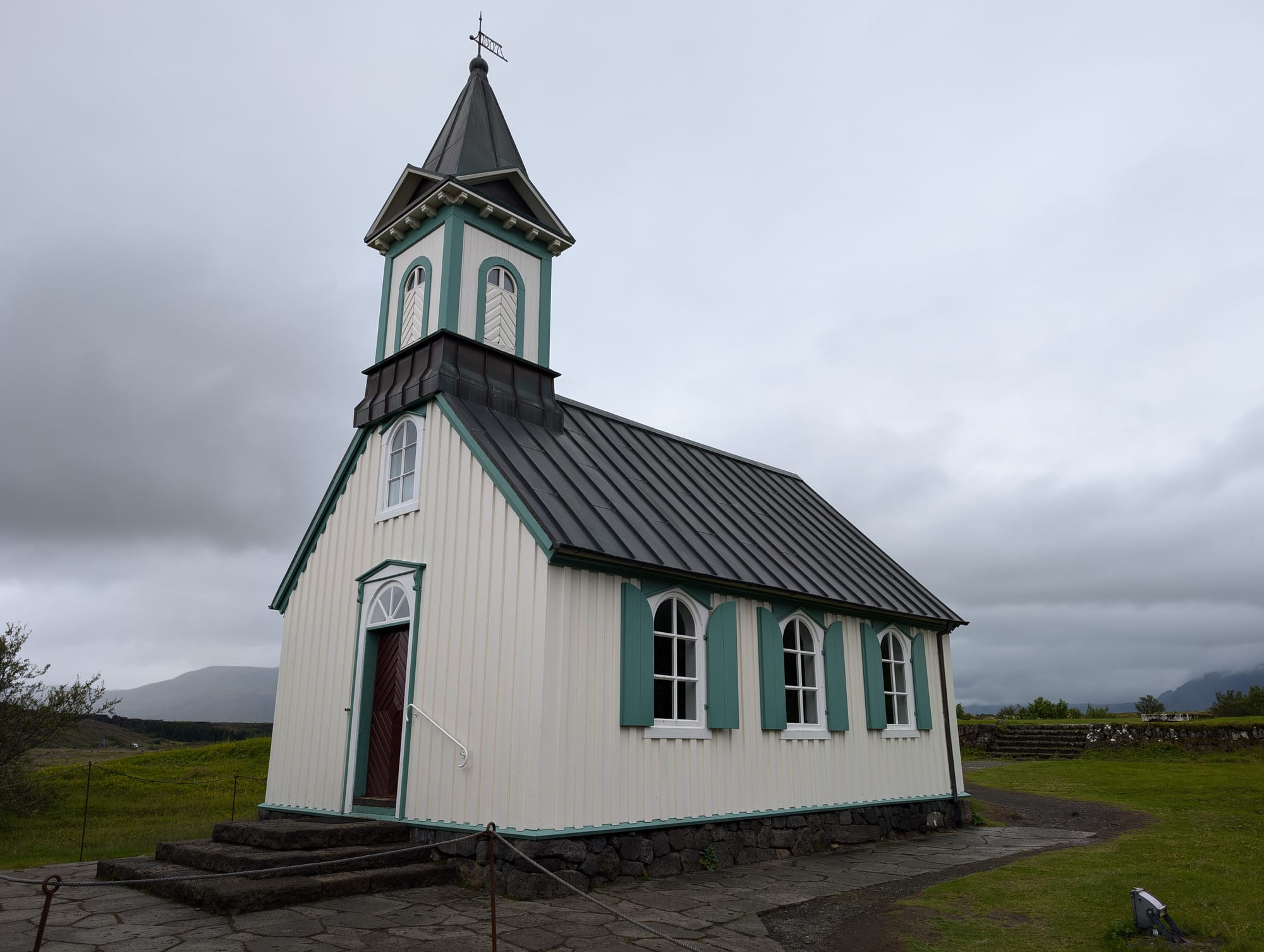
The church sits within that long tradition. Law, religion, and daily life overlapped here, and rules were made tangible. The textile and measurement references tied to Þingvellir reflect that mindset. Standards weren’t abstract. They were visible and enforced in physical space.
The heat
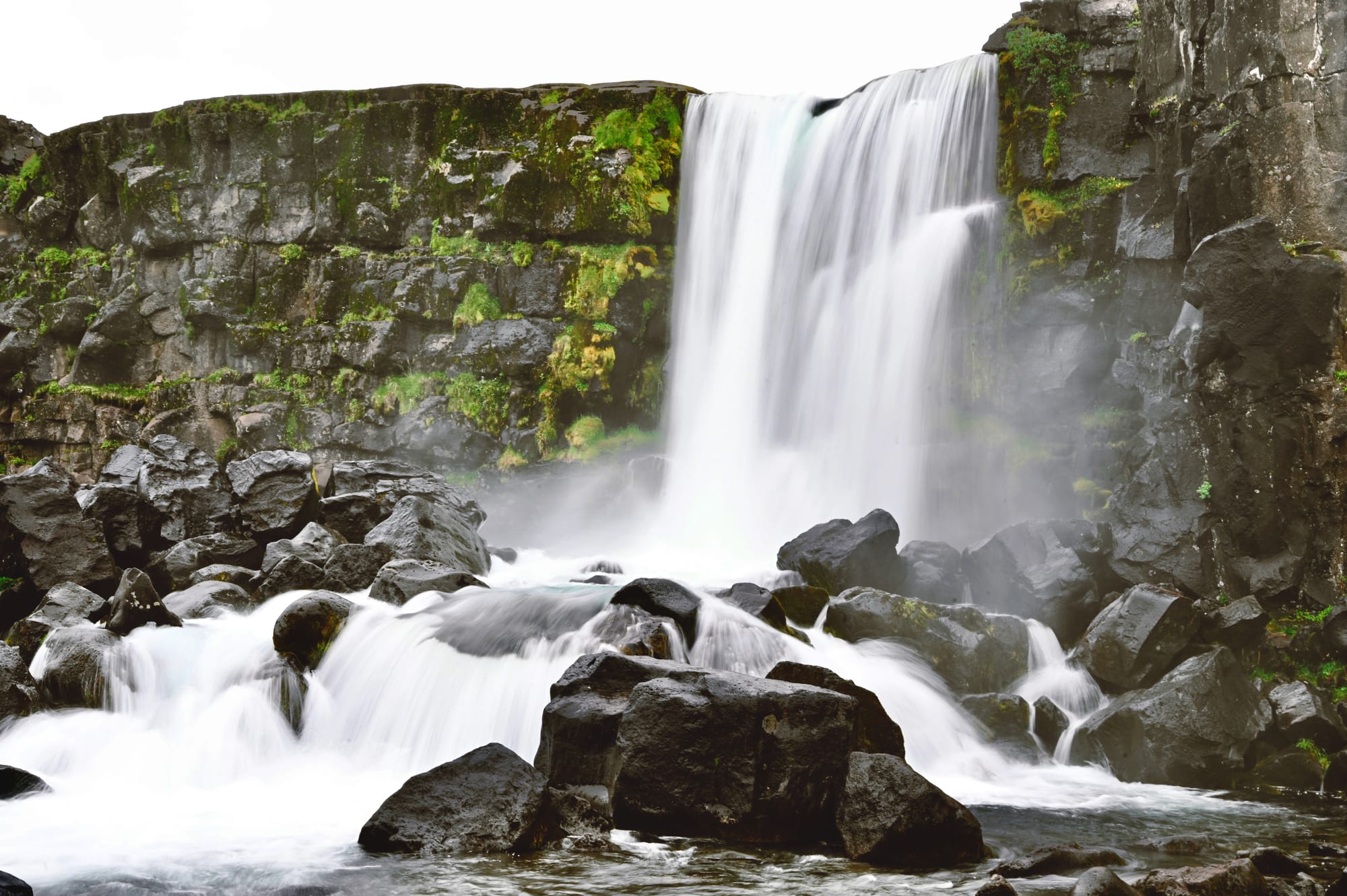
From there, we stopped at geothermal areas where heat vents directly from the ground.
This is where Iceland’s geology becomes infrastructure. That heat is captured and used to warm homes, generate electricity, and support daily life. The same magma that reshapes the land also powers it.
The geysers (what's going on underground)
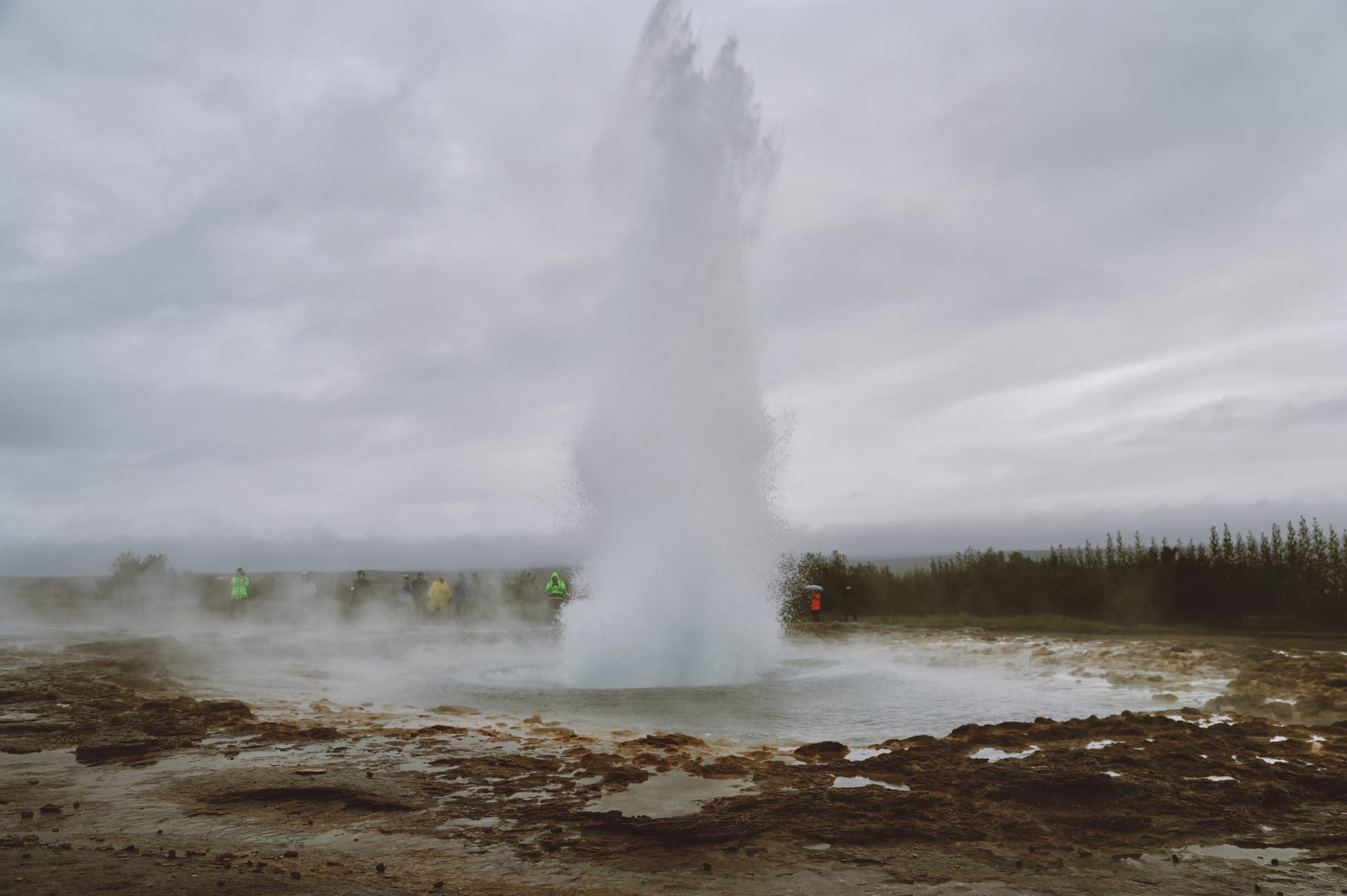
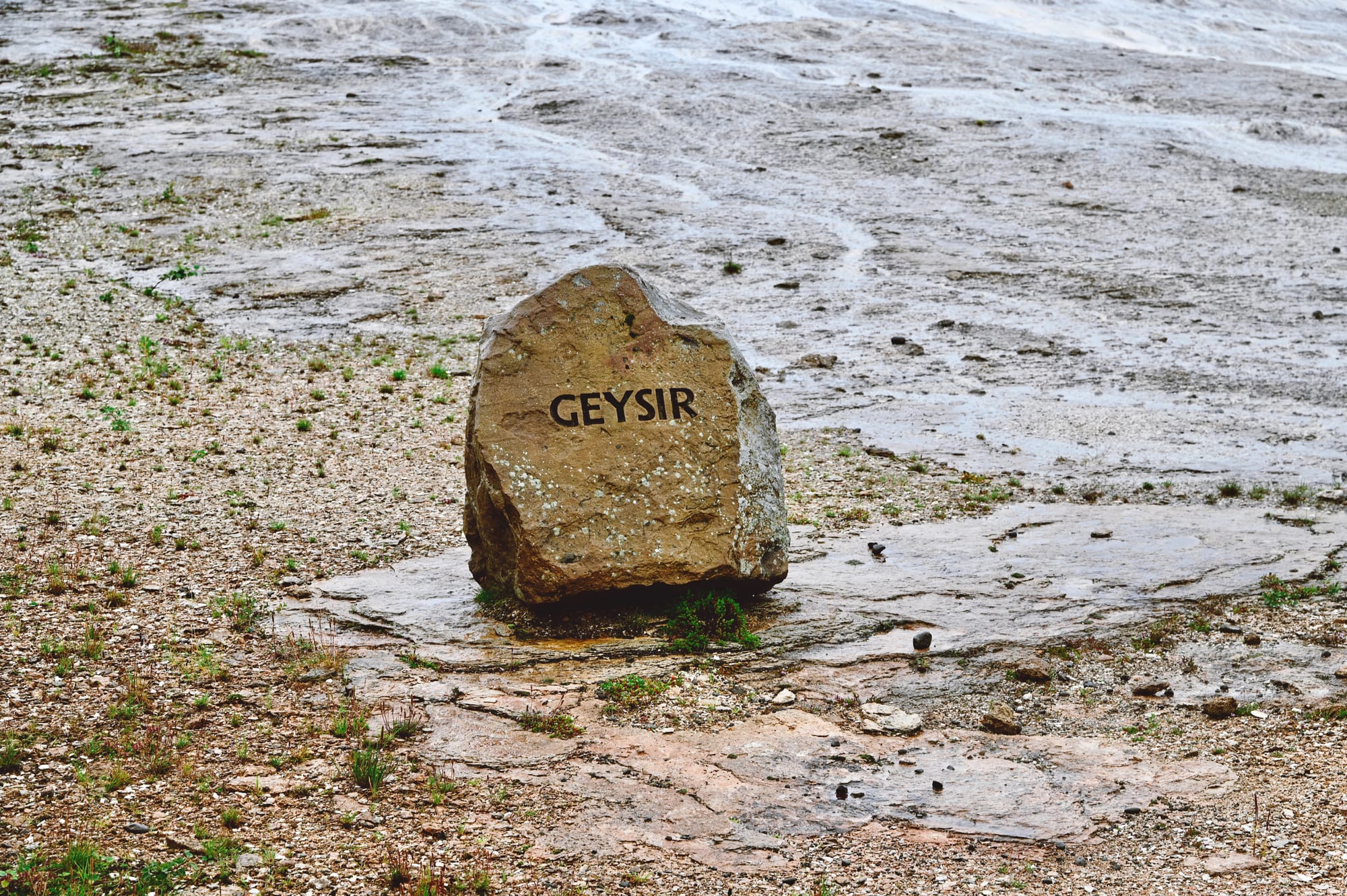
At the Geysir geothermal area, the sulfur smell hits first, then the waiting.
Geysers are rare for a reason. You don’t just need heat and water. You need plumbing.
Underground, rain and meltwater seep down toward hot rock heated by magma closer to the surface. That water gets superheated, but because it’s trapped in a narrow, irregular channel, it doesn’t boil right away. Pressure builds instead. When that pressure finally overcomes the weight of the water above it, the system releases all at once.
Eruption.
Strokkur works so reliably because its underground system resets quickly. After each eruption, cooler water refills the chamber, pressure builds again, and the cycle repeats. Every few minutes, like clockwork.
The original Geysir (the one that gave all geysers their name) is mostly dormant now. Strokkur is the workhorse. Same system, slightly different plumbing.
What makes Iceland special is how close all of this is to the surface. In most places, heat like this is buried too deep to matter. Here, it’s right under your feet.
The water
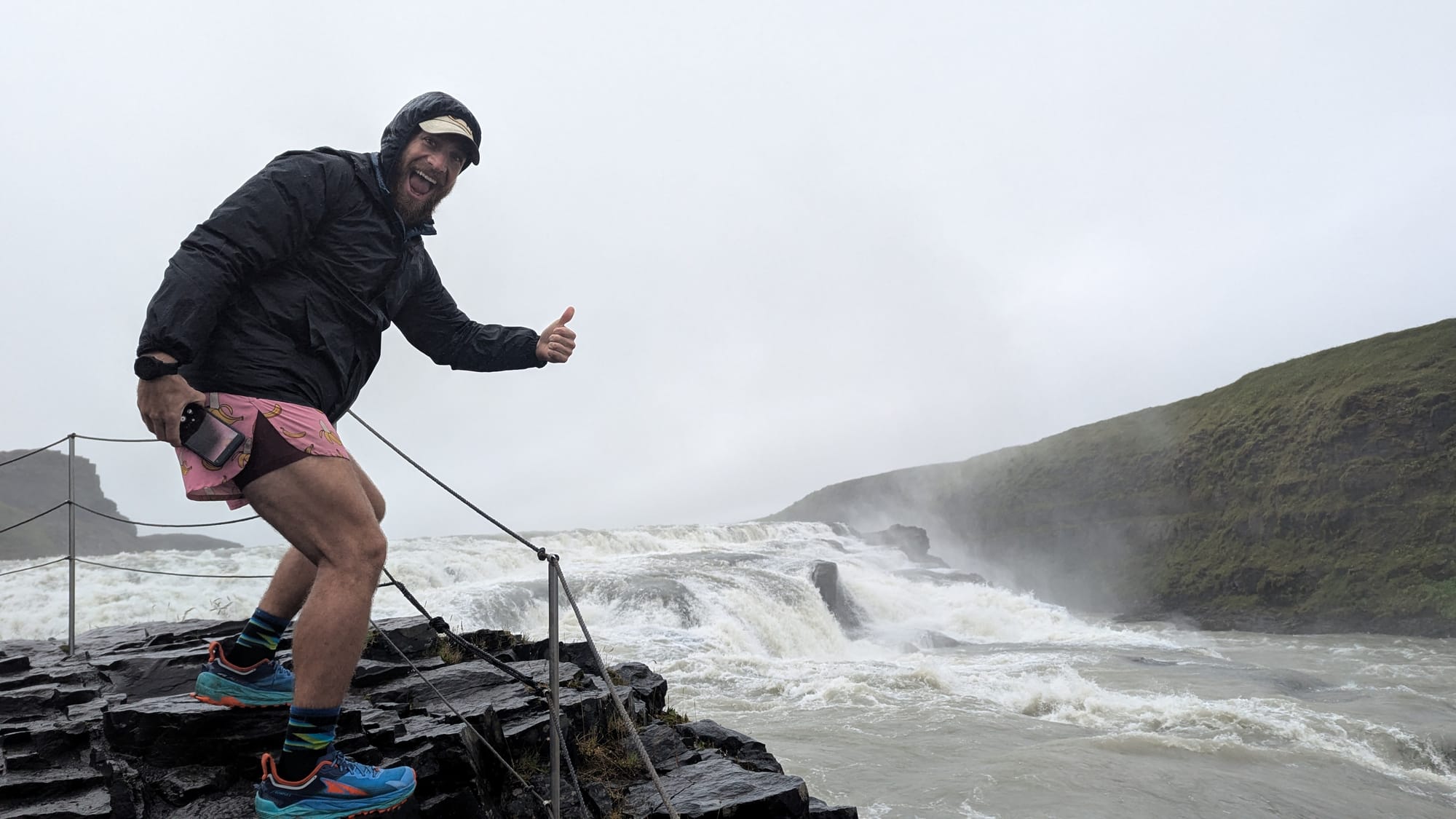
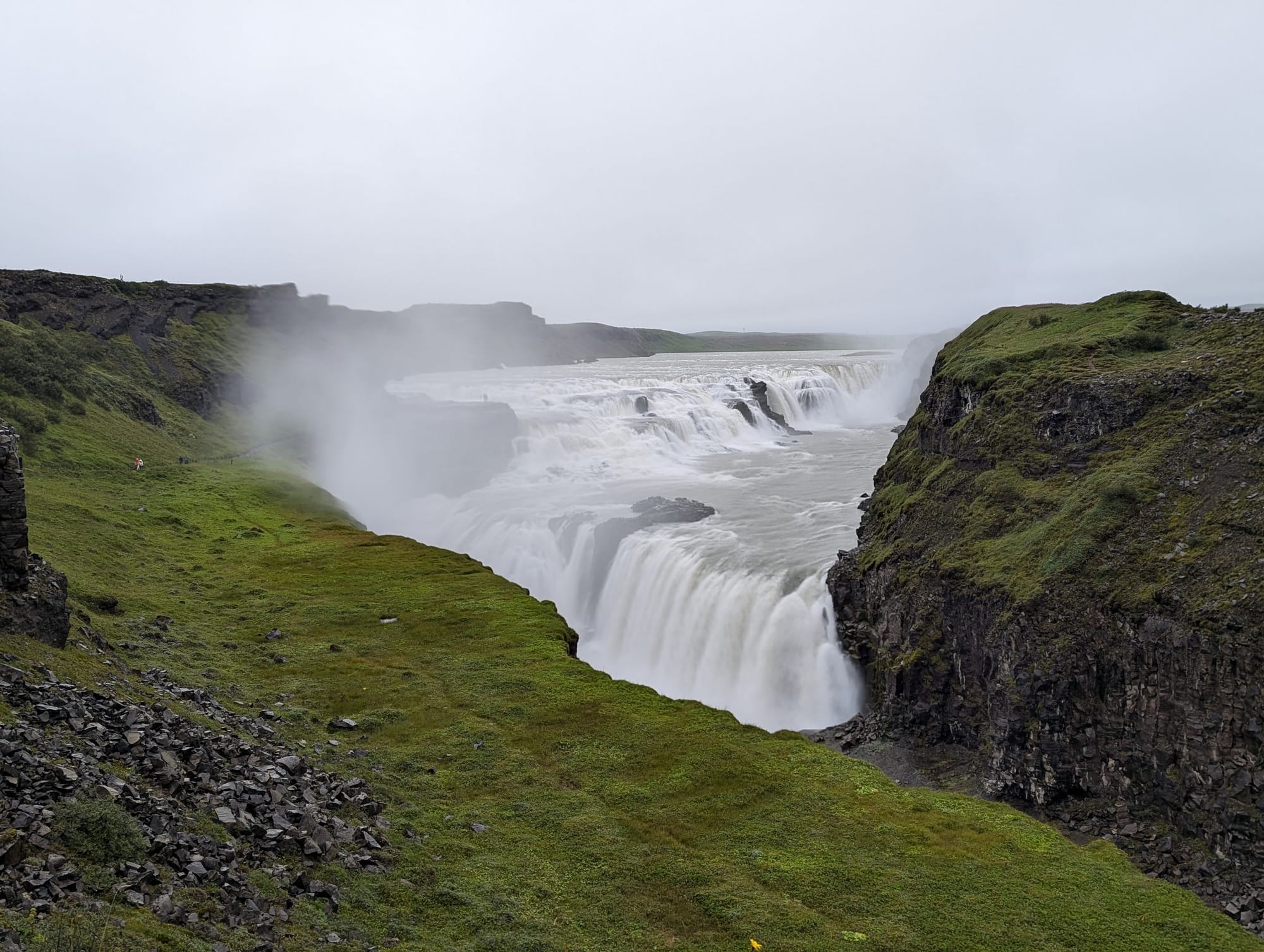
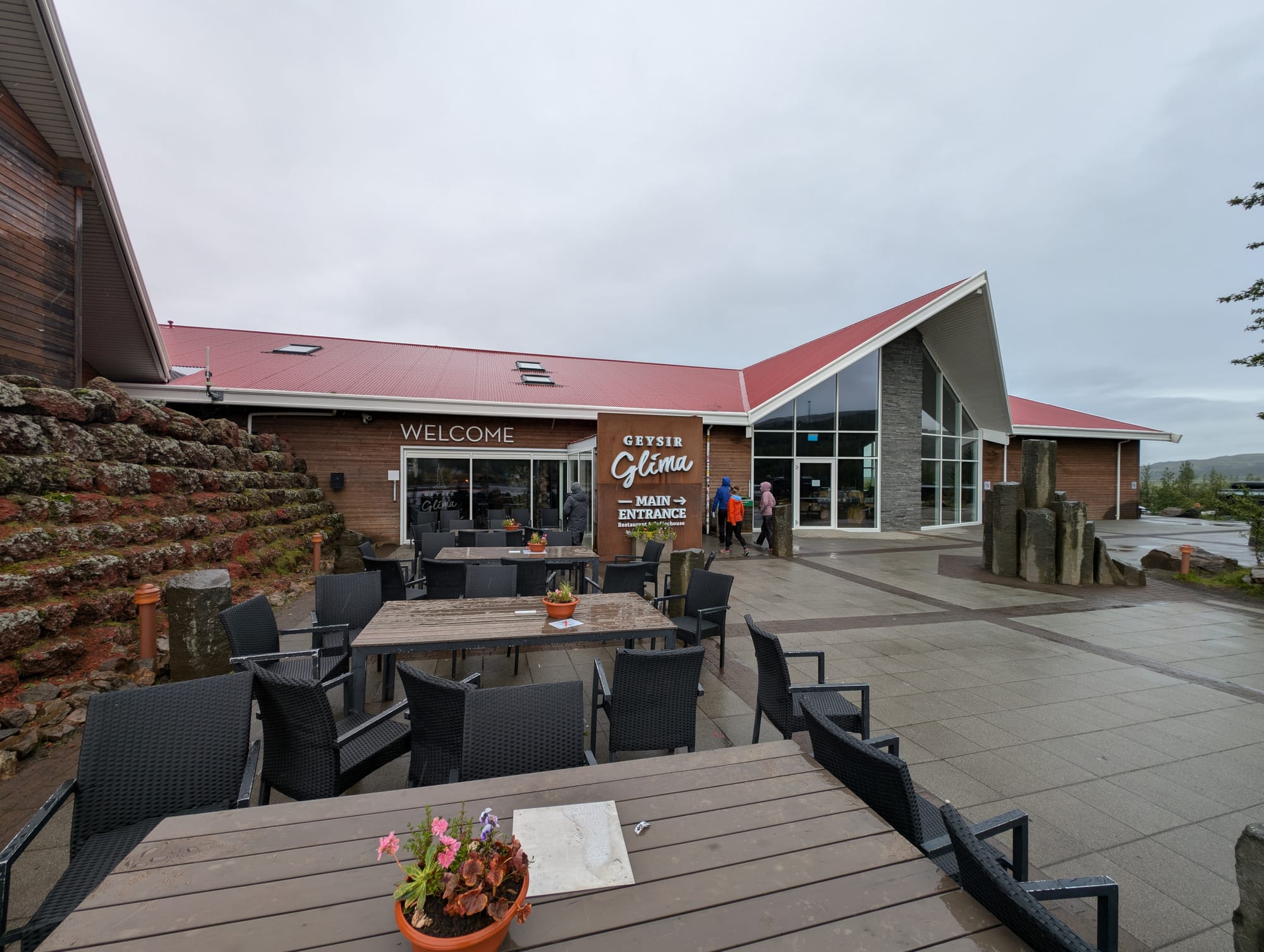
Gullfoss is fed by meltwater from Langjökull, one of Iceland’s larger glaciers. That water has been moving through this system for thousands of years, carrying sediment and steadily cutting the canyon below the falls.
It’s technically two drops in sequence, not one. The river narrows quickly and falls into a tight channel, which is why it feels louder and more forceful than you might expect from the approach.
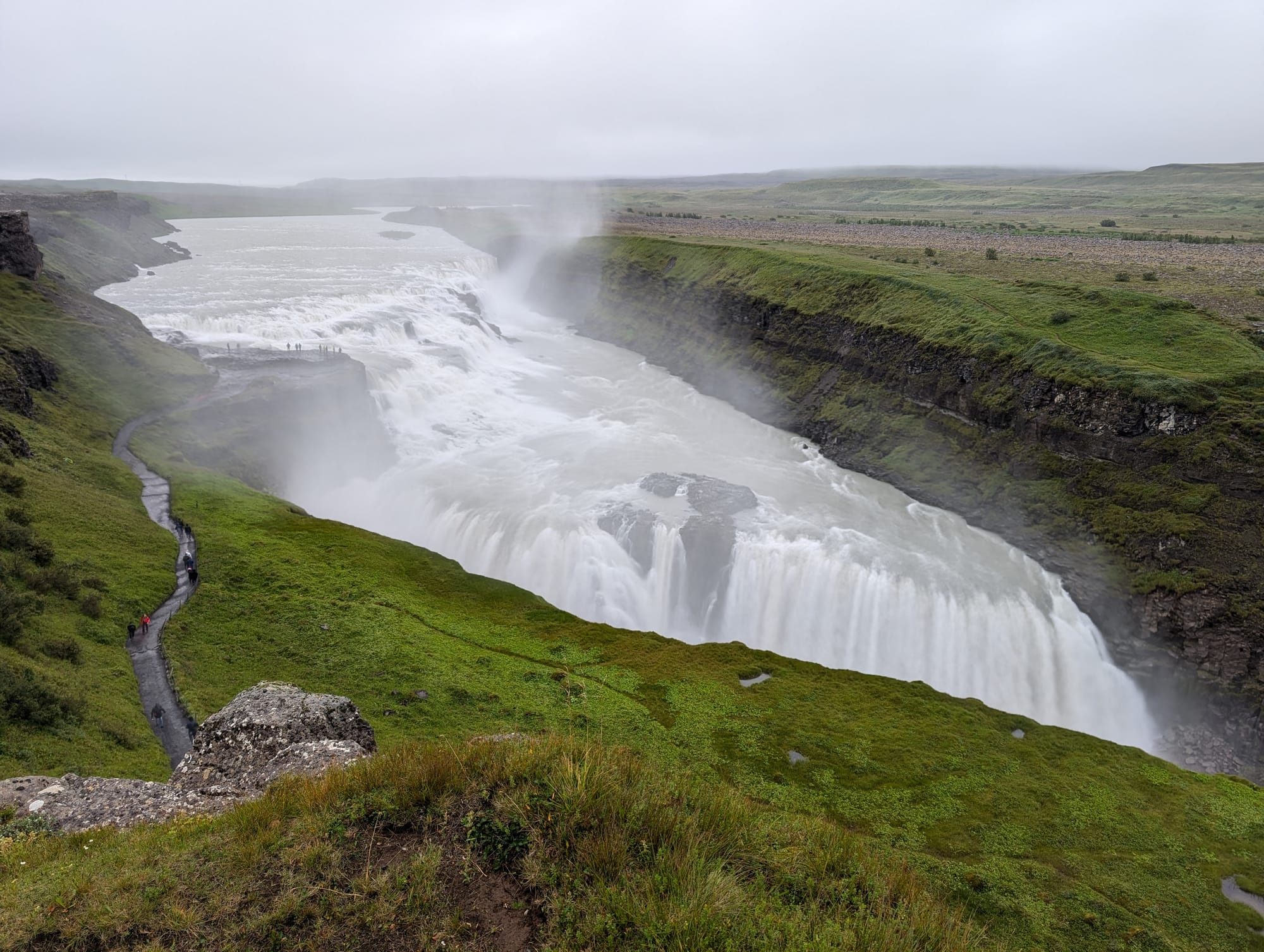
Because the water is glacial in origin, the flow is fairly consistent through the melt season. This isn’t a flashy, rain-dependent waterfall. It’s a working part of Iceland’s hydrologic system.
This was also one of the earliest flashpoints for Icelandic conservation. In the early 20th century, there were serious plans to dam the river for hydropower. Local resistance helped stop it.
Standing there, it makes sense why.
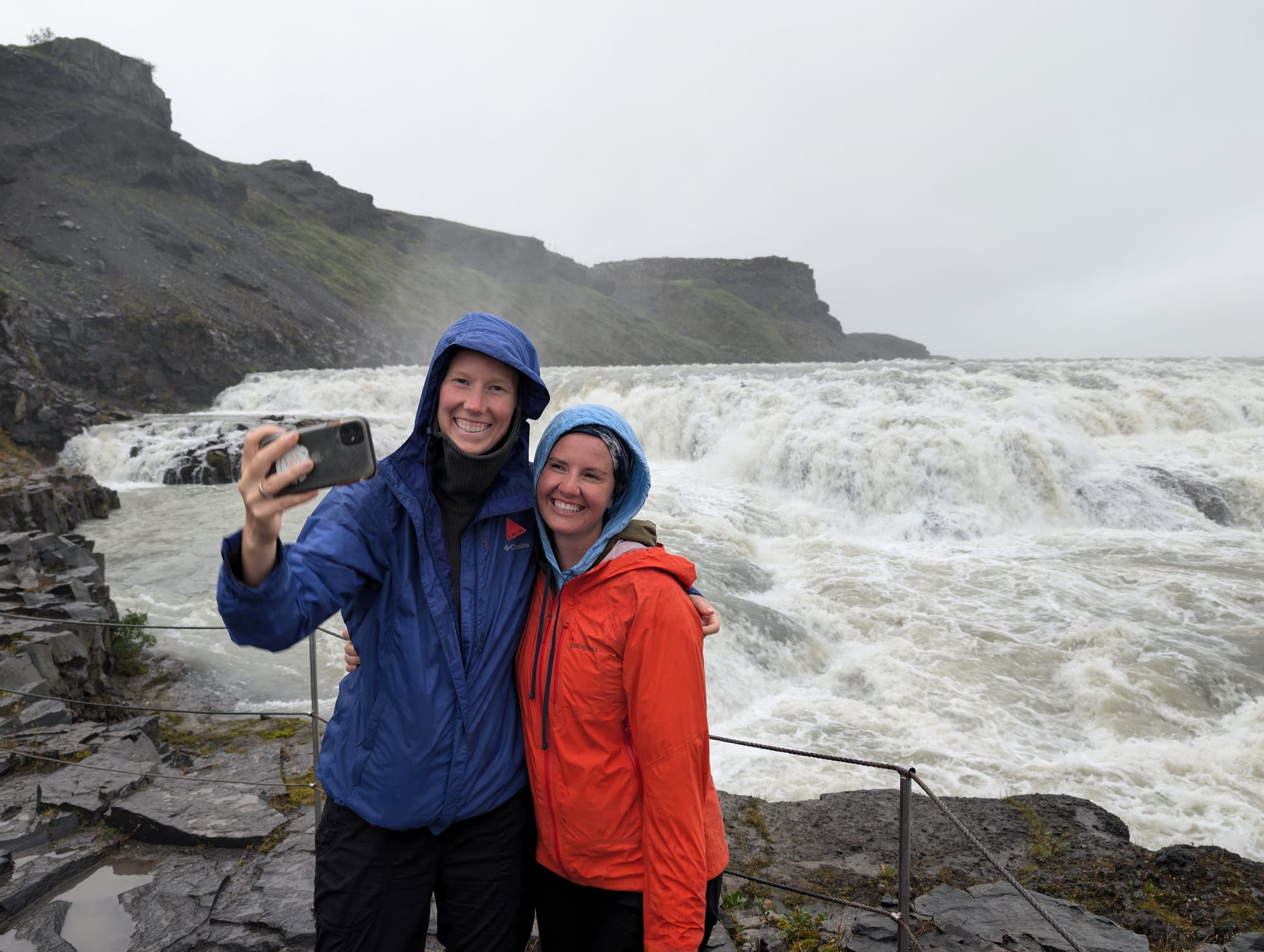
Loud. Powerful. Unapologetic. It doesn’t feel like a waterfall you visit. It feels like one you’re allowed to stand near briefly.
This is where the realization starts to settle in: Iceland is going to throw waterfalls at you constantly. This is just the beginning.