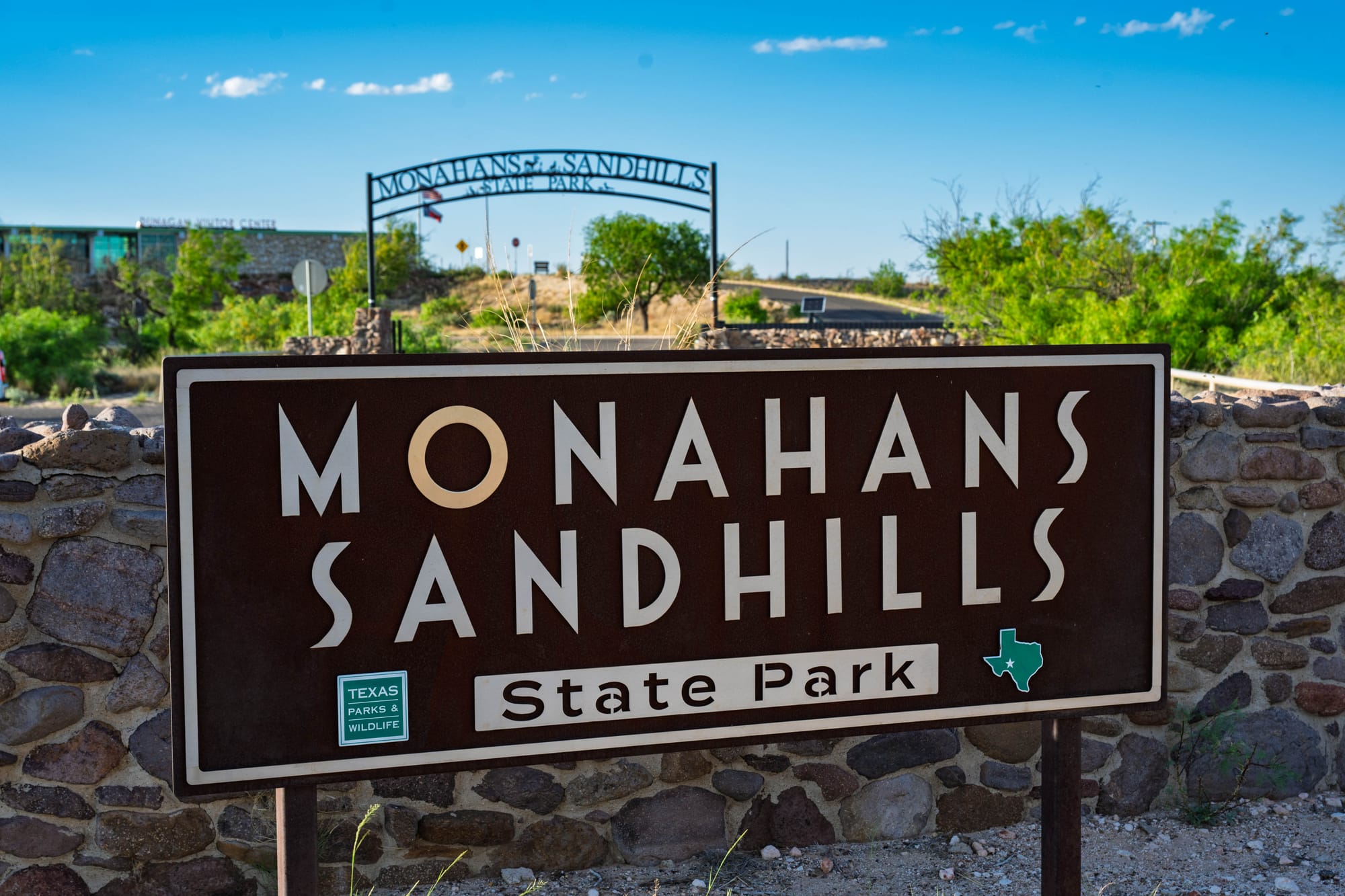
Monahans Sandhills State Park
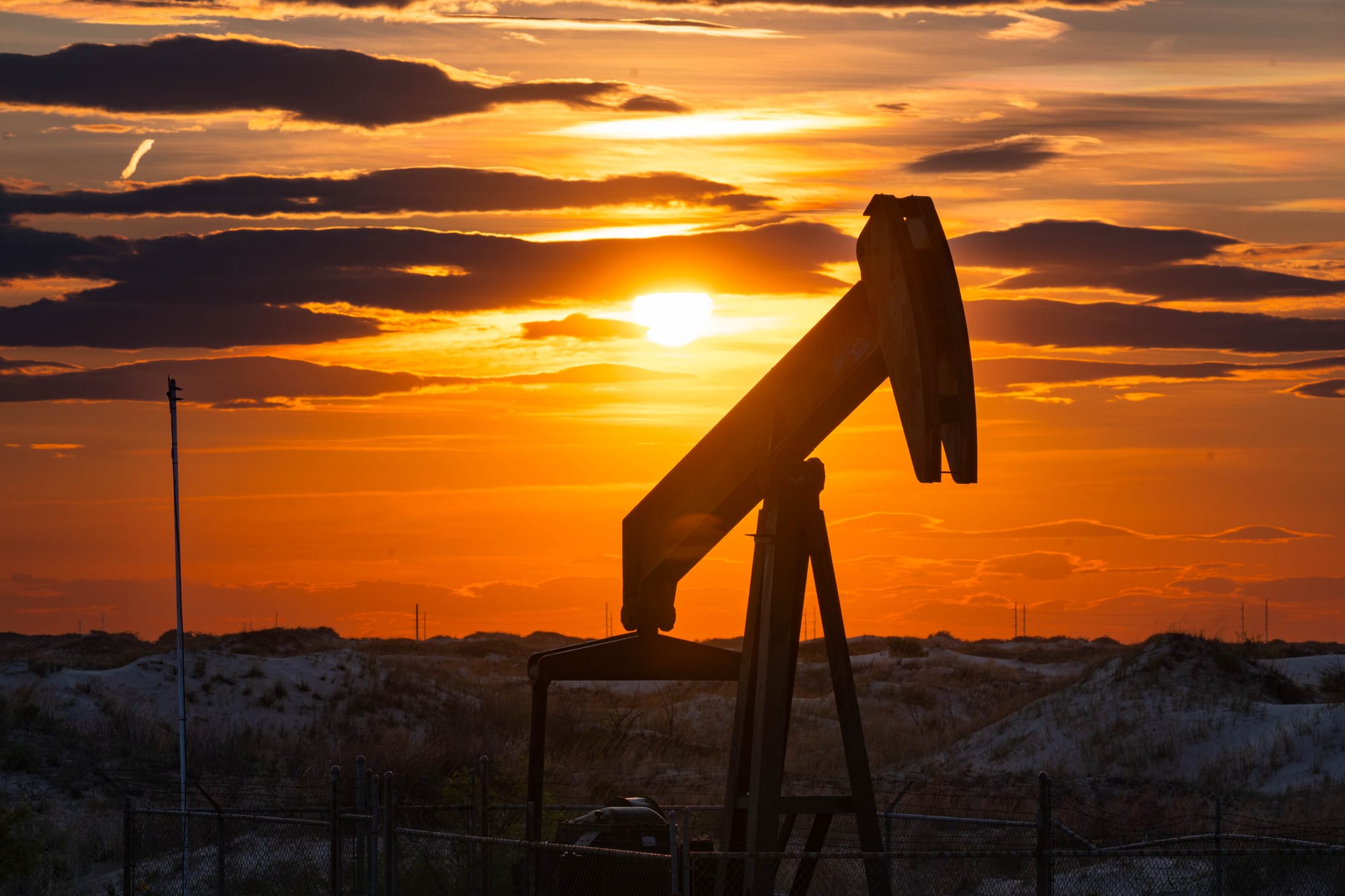
We left San Angelo and continued westward, this was the first stretch where the oil infrastructure of West Texas really started to show itself.
Pumps, storage, equipment yards, trucks. It was constant. This part of Texas runs on something different. This was our first real look at the Permian Basin in motion.
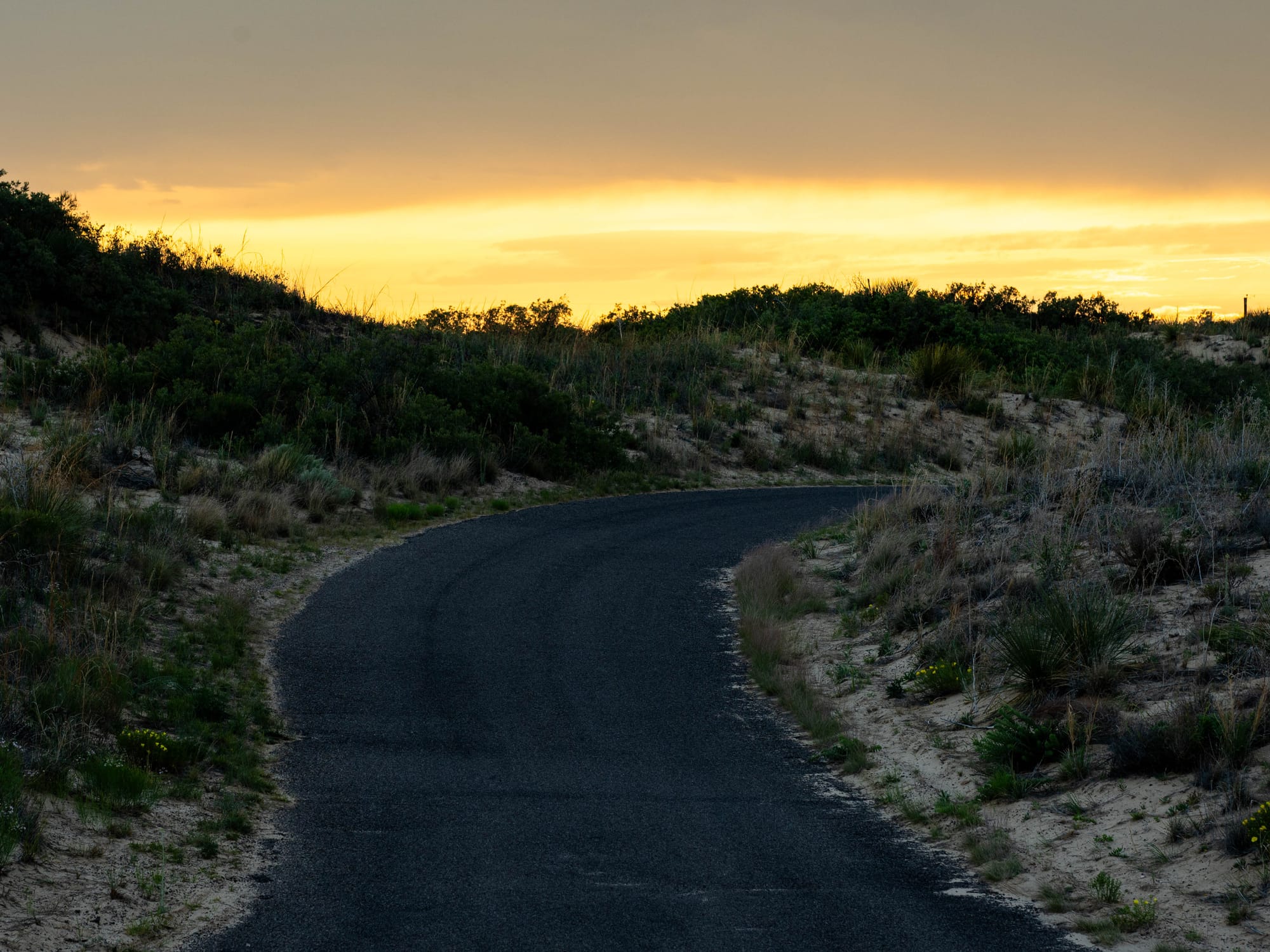
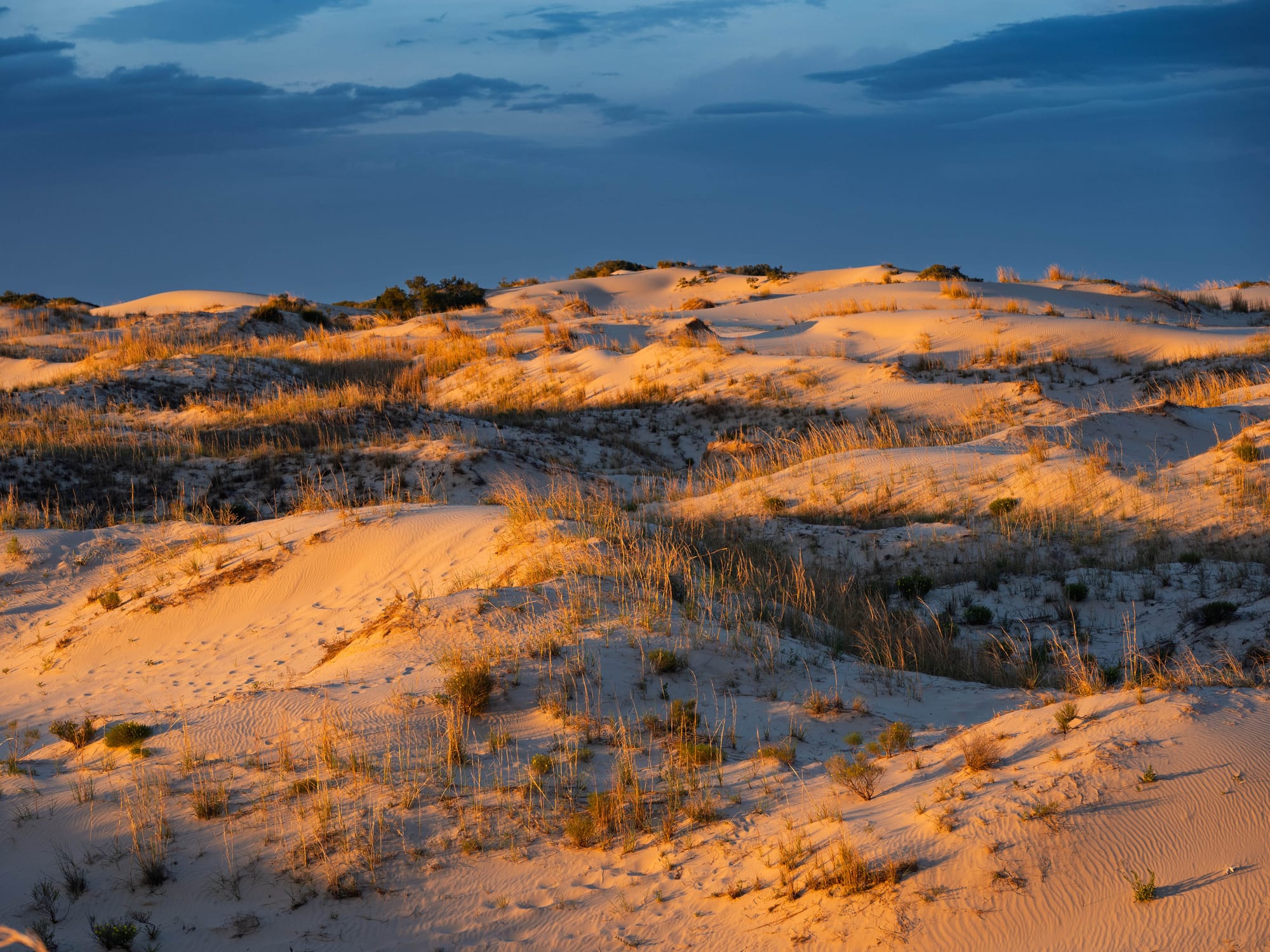
The campground sits about two miles in from the entrance, and the drive winds through low dunes and sandy roads. It is manageable, but immediately different from a typical park entrance.
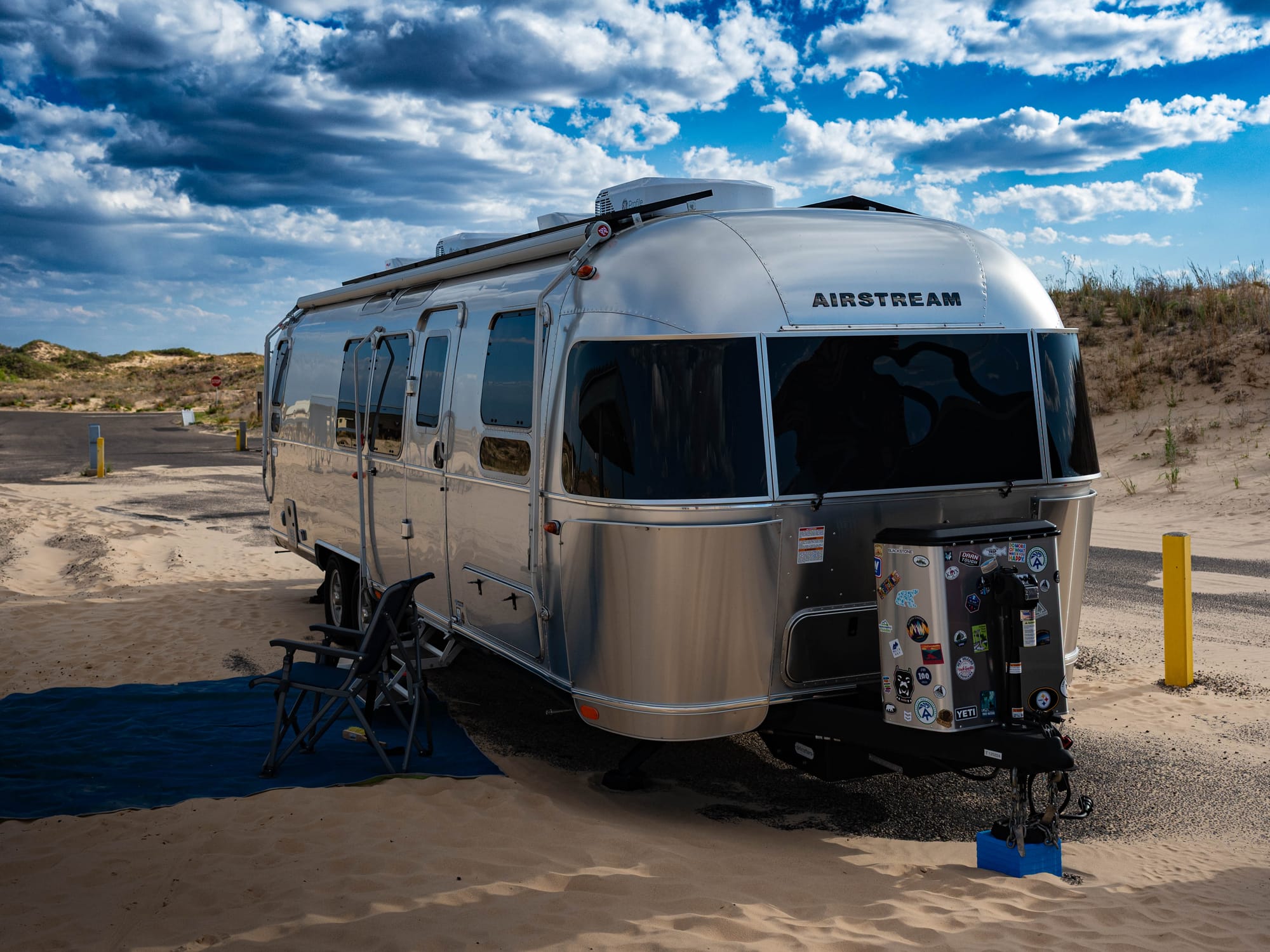
We pulled into the Willow Draw Campground and settled into a pull-through site. Everything there is built around sand. The rig sits on it, you walk on it, and the landscape is dunes in every direction.
The park was quiet from the start. Not empty, but lightly used. Most people came in for the afternoon and left the next morning. Only a handful of rigs stayed for multiple days.
The timing split things up a bit. The morning after we arrived, I took Sam to the airport, and she did not return until the evening before we left. So most of the stay was just me and the dogs.
🗺️ The Lay of the Land
- Location: Monahans, Texas · 31.5945, -102.9095 · [Google Maps]
- Official site: Monahans Sandhills State Park
- Landscape: sand dunes · desert grassland
- Vibe: sand, sandy, and wind
- Our stay & conditions: April 2026 · 4 nights · breezy throughout, cool mornings, warm afternoons, clear and dry conditions
🏕️ Camp Setup
- Site types: Water & electric pull-through and back-in sites (Willow Draw) · Group camps · Primitive camping
- Arrival & setup: Moderate
- Hookups: 💧 / ⚡ | 🧻
- Connectivity: 📶 AT&T ⚠️ | 📶 Verizon ⚠️ | 📶 T-Mobile ⟂ | 📡 Starlink ⟂ | 📶 Park Wi-Fi ⟂
- Facilities: Restrooms · Showers · Day Use BBQ areas
Legend:
🚽 = sewer at site · 🧻 = dump station
🟢 = solid for work · ⚠️ = usable with limits · ❌ = unusable
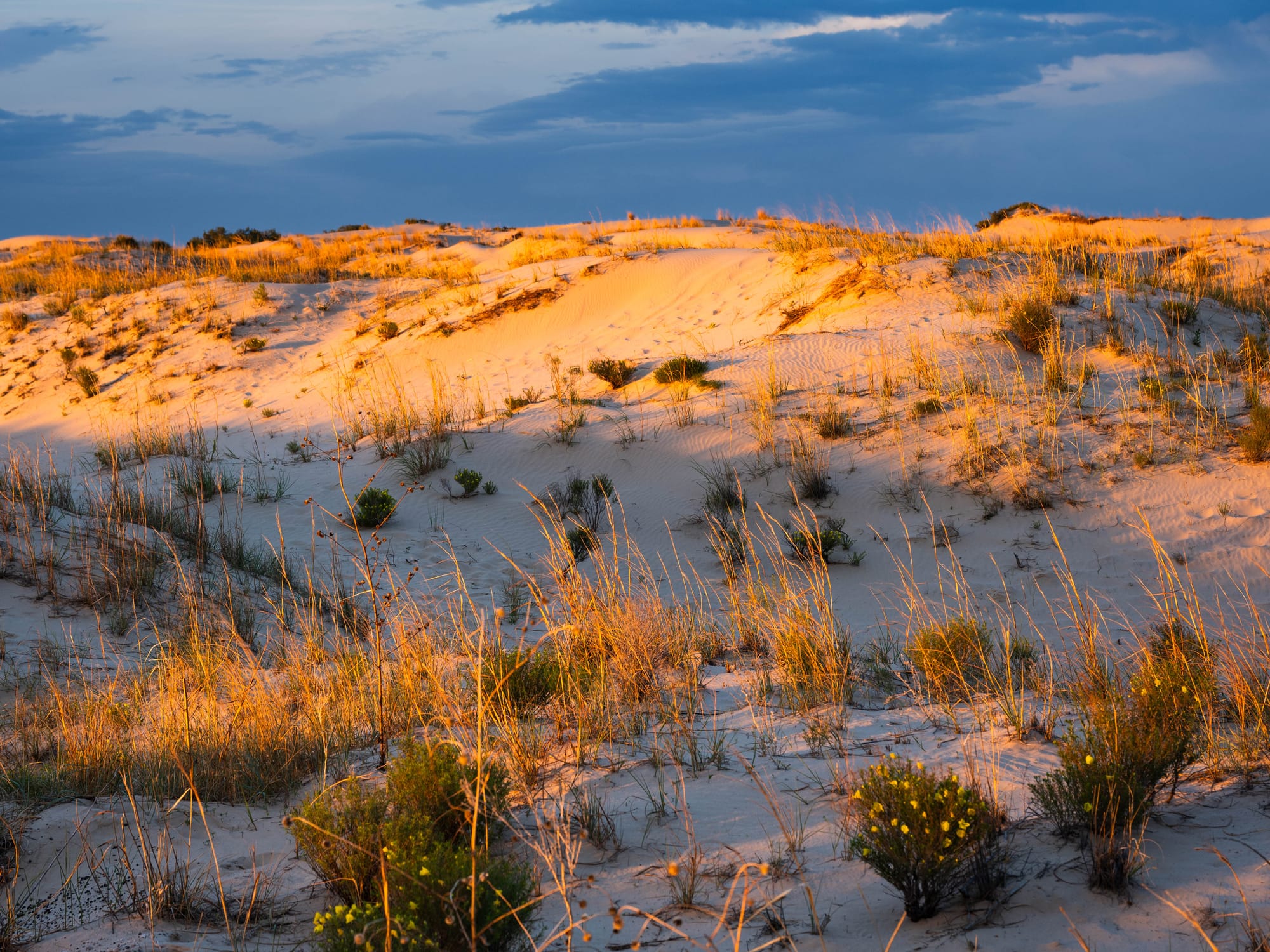
Without defined trails, the dunes set the rhythm.
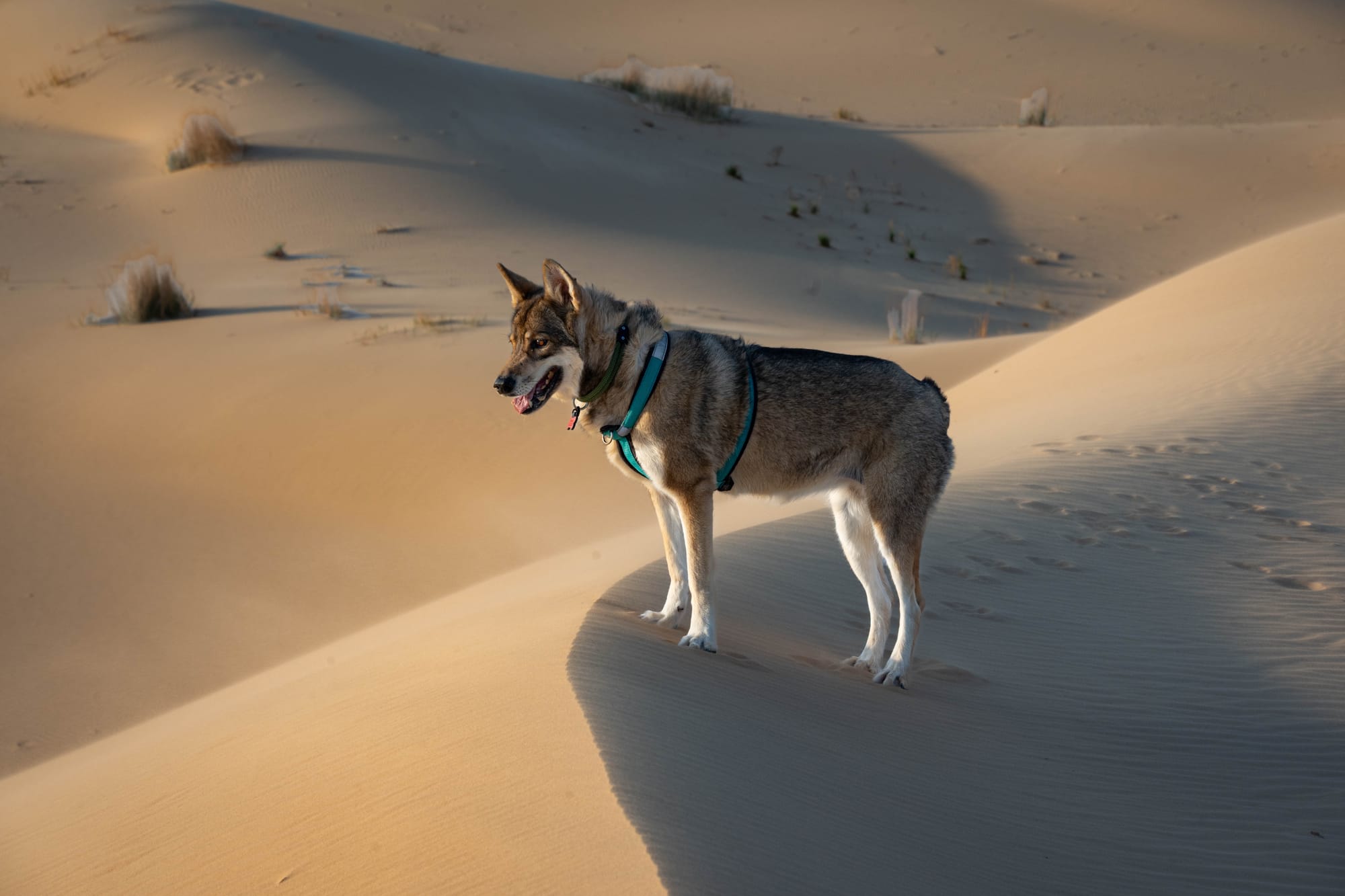
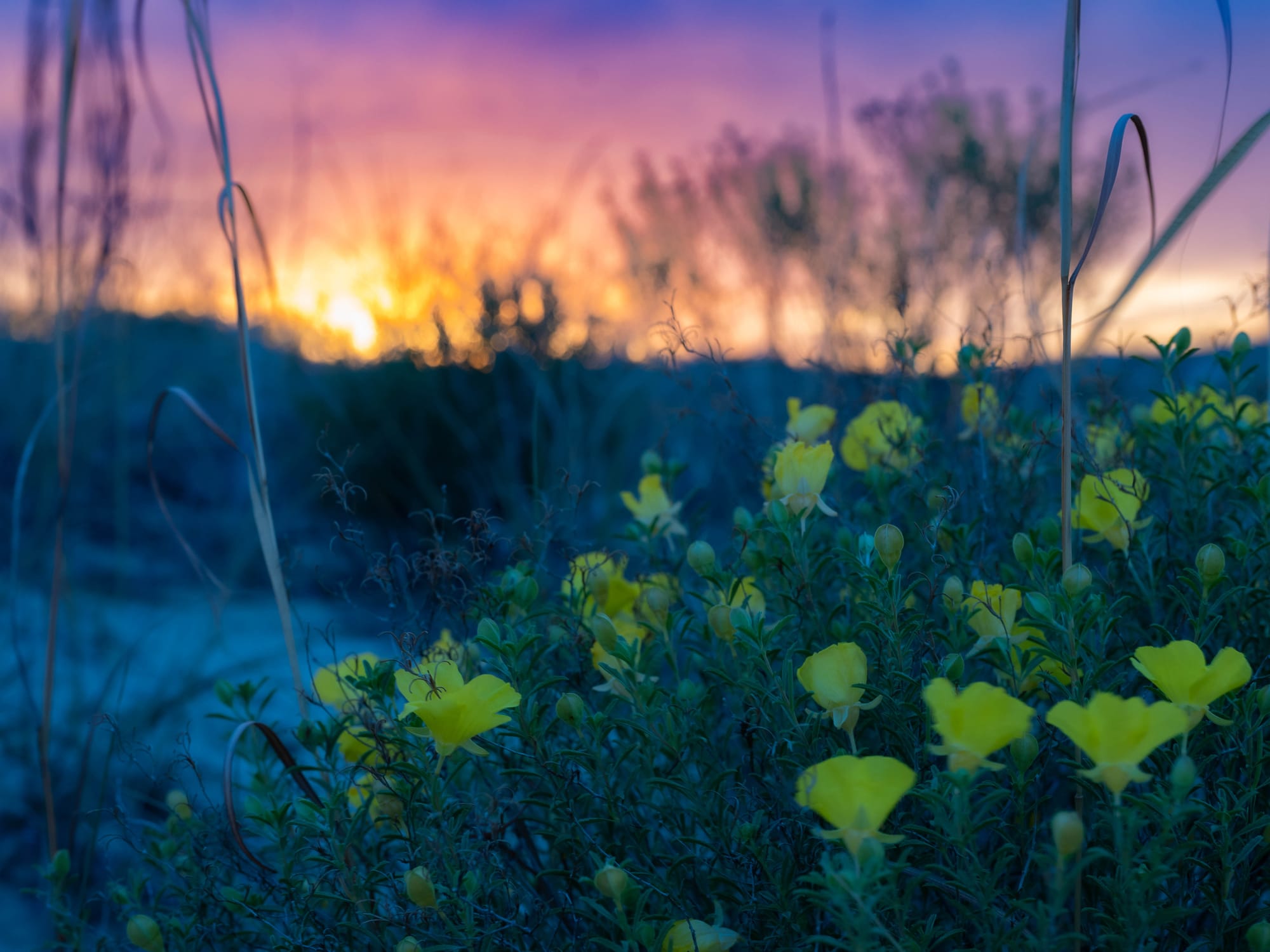
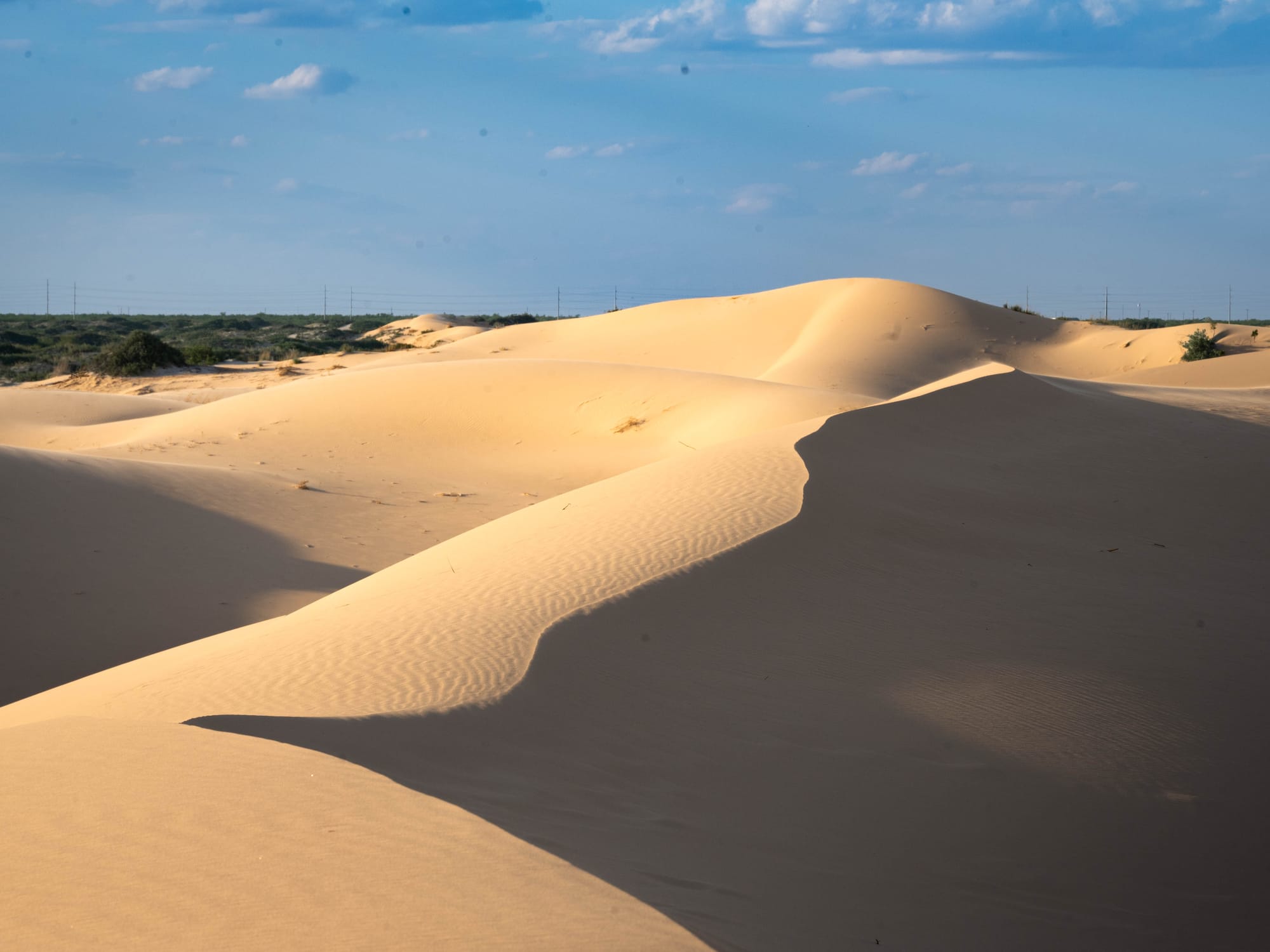
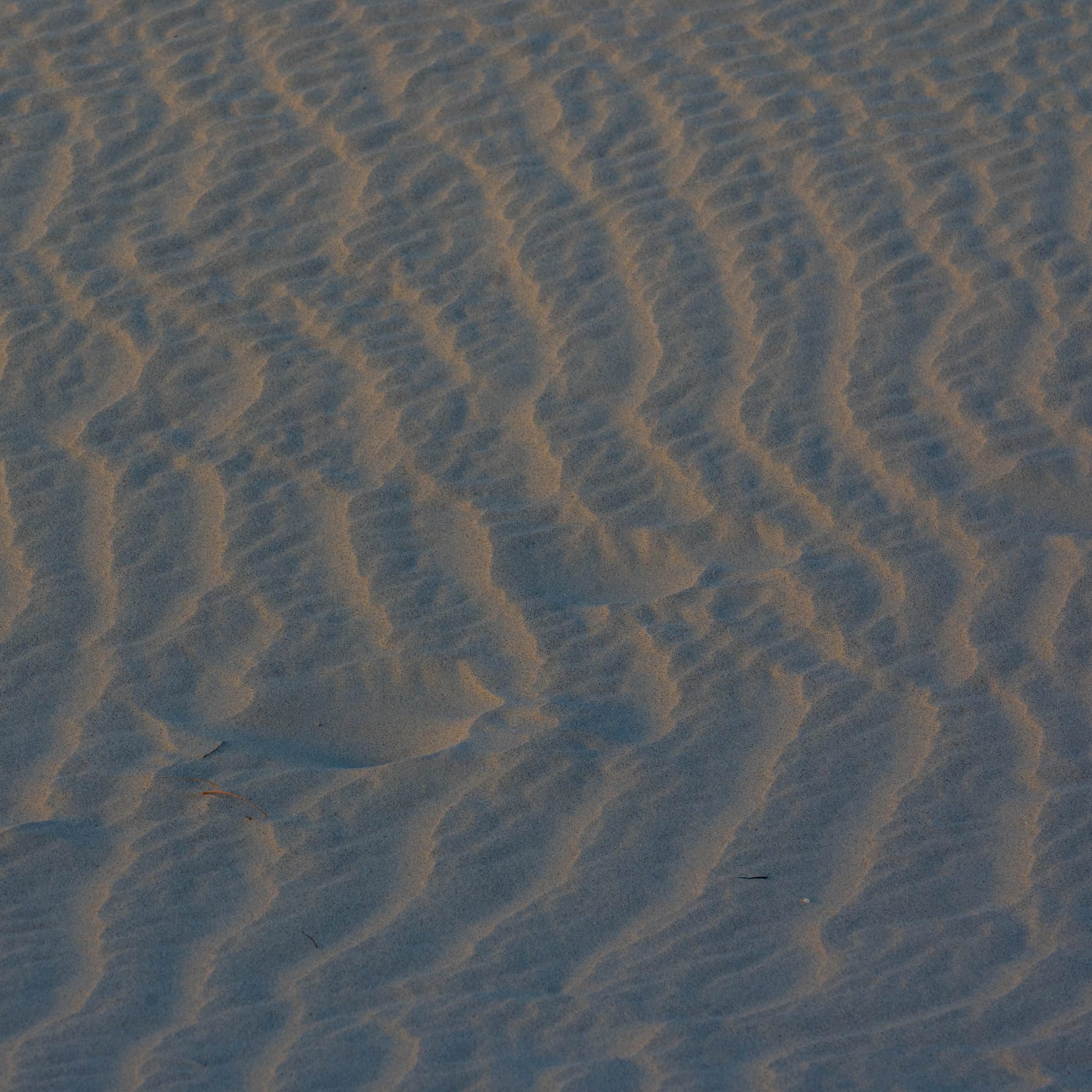
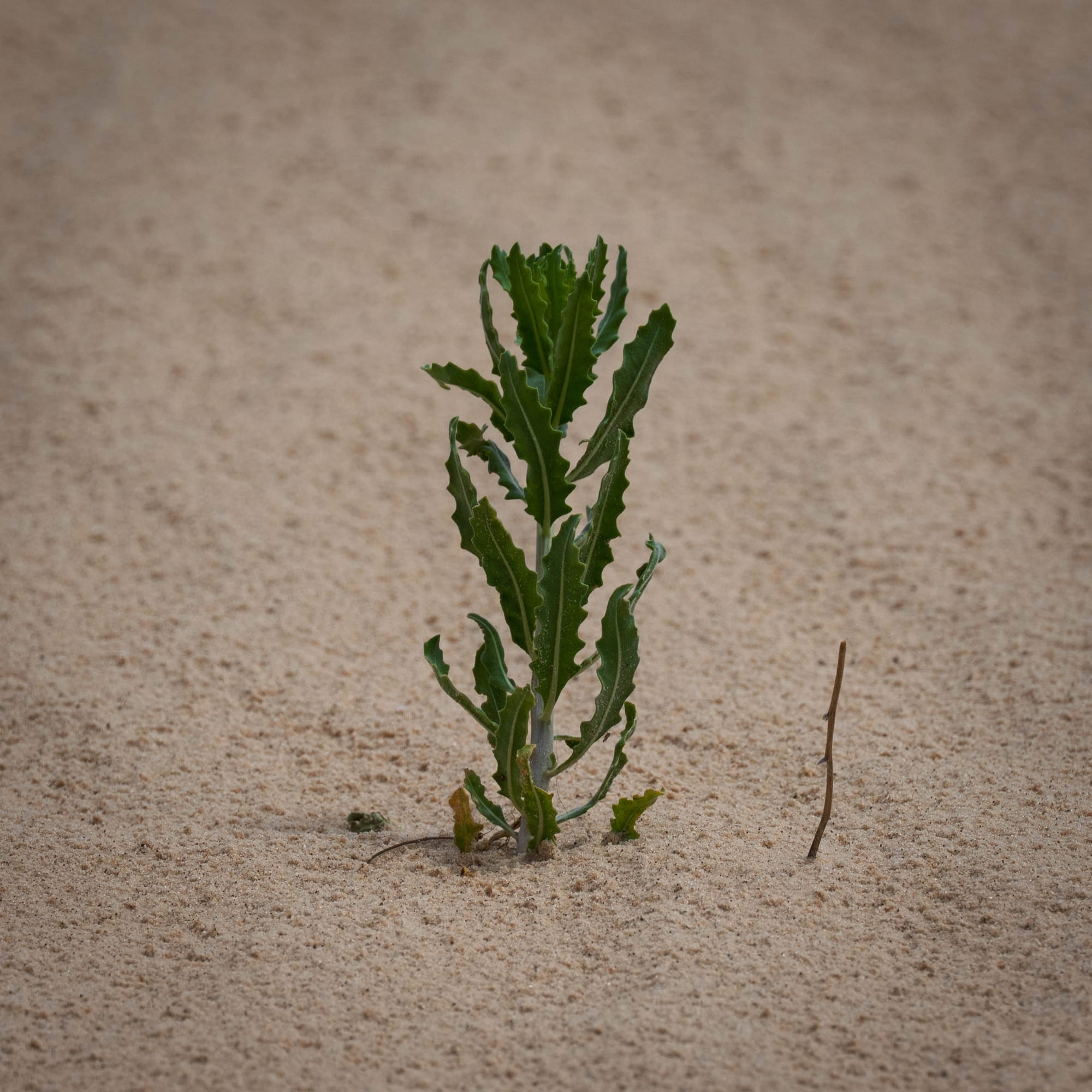
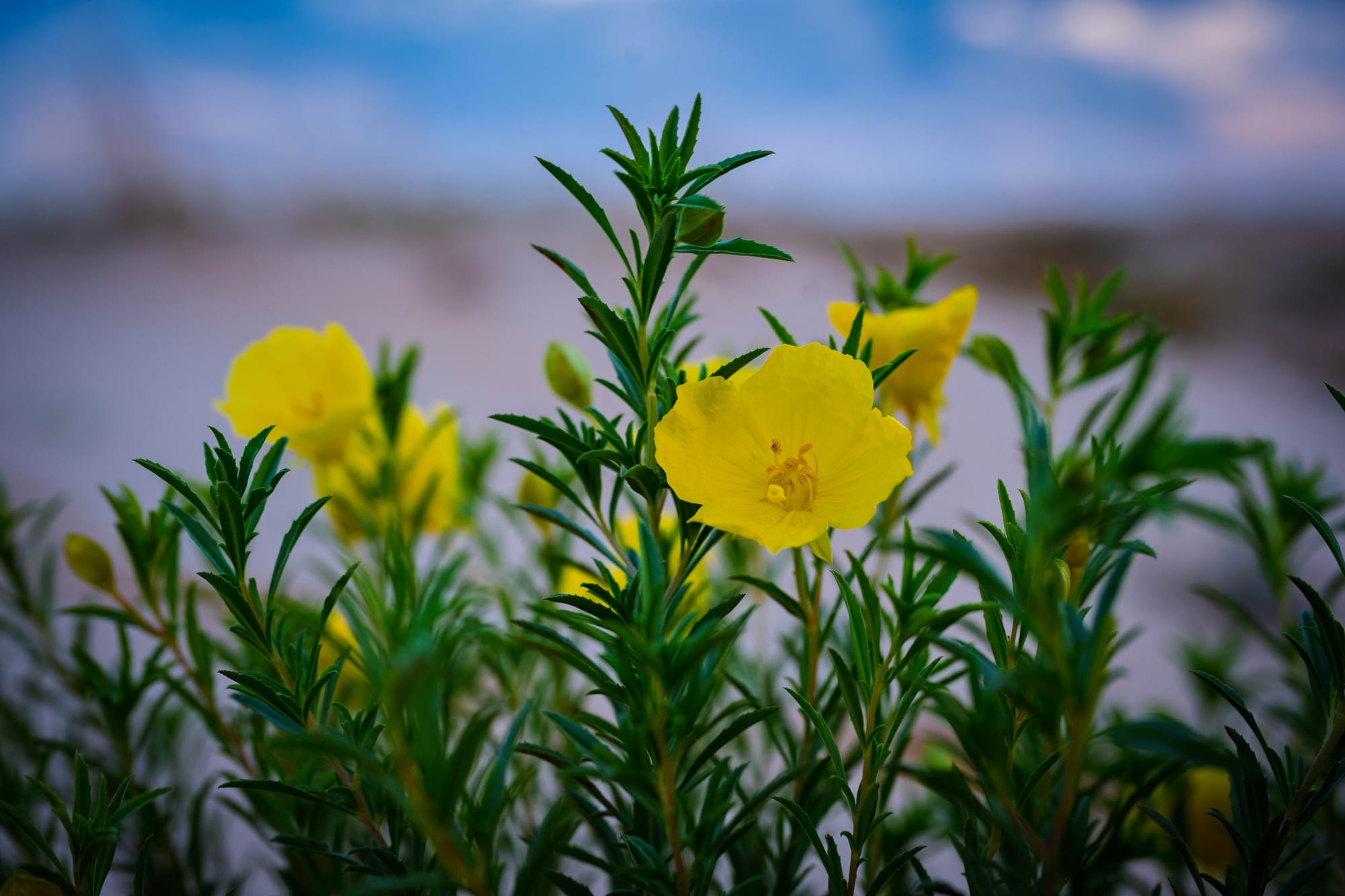
Most mornings we headed out early, walking straight from camp into the sand. The dunes start just a few hundred steps from the site, and from there you can move in any direction. Some areas are open sand. Others are covered in low brush and small flowers.
The sand is very fine and soft, constantly shifting underfoot. Even short walks take more effort. There is no path, just the direction you choose.
By midday, the heat and wind would pick up, and I would shift back to camp. That became time for work, cleaning the rig (so much sand to vacuum), and resetting things. The wind was constant. Not overwhelming, but always present. Enough that I rarely put the awnings out without thinking about it.
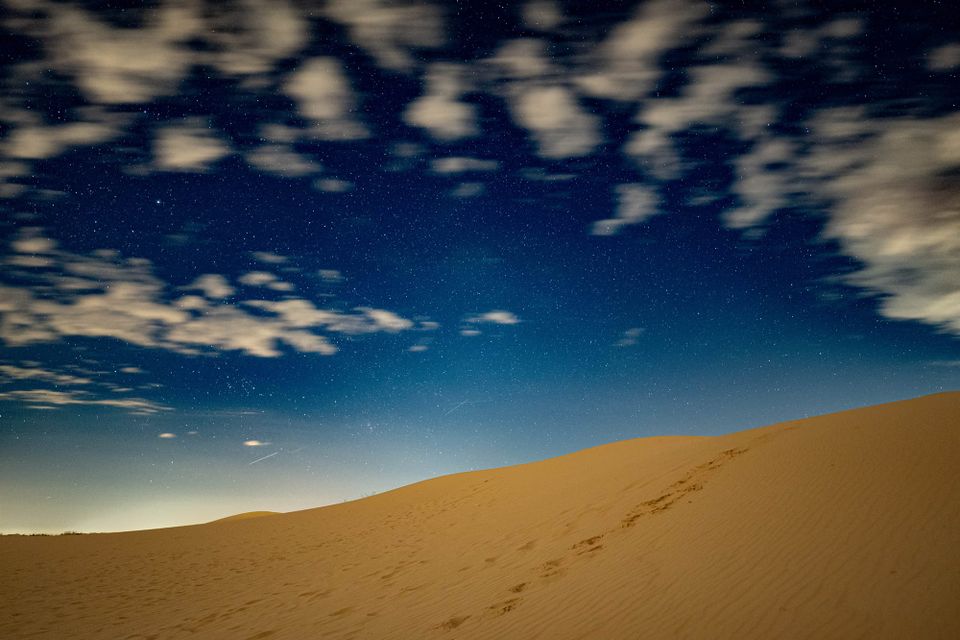
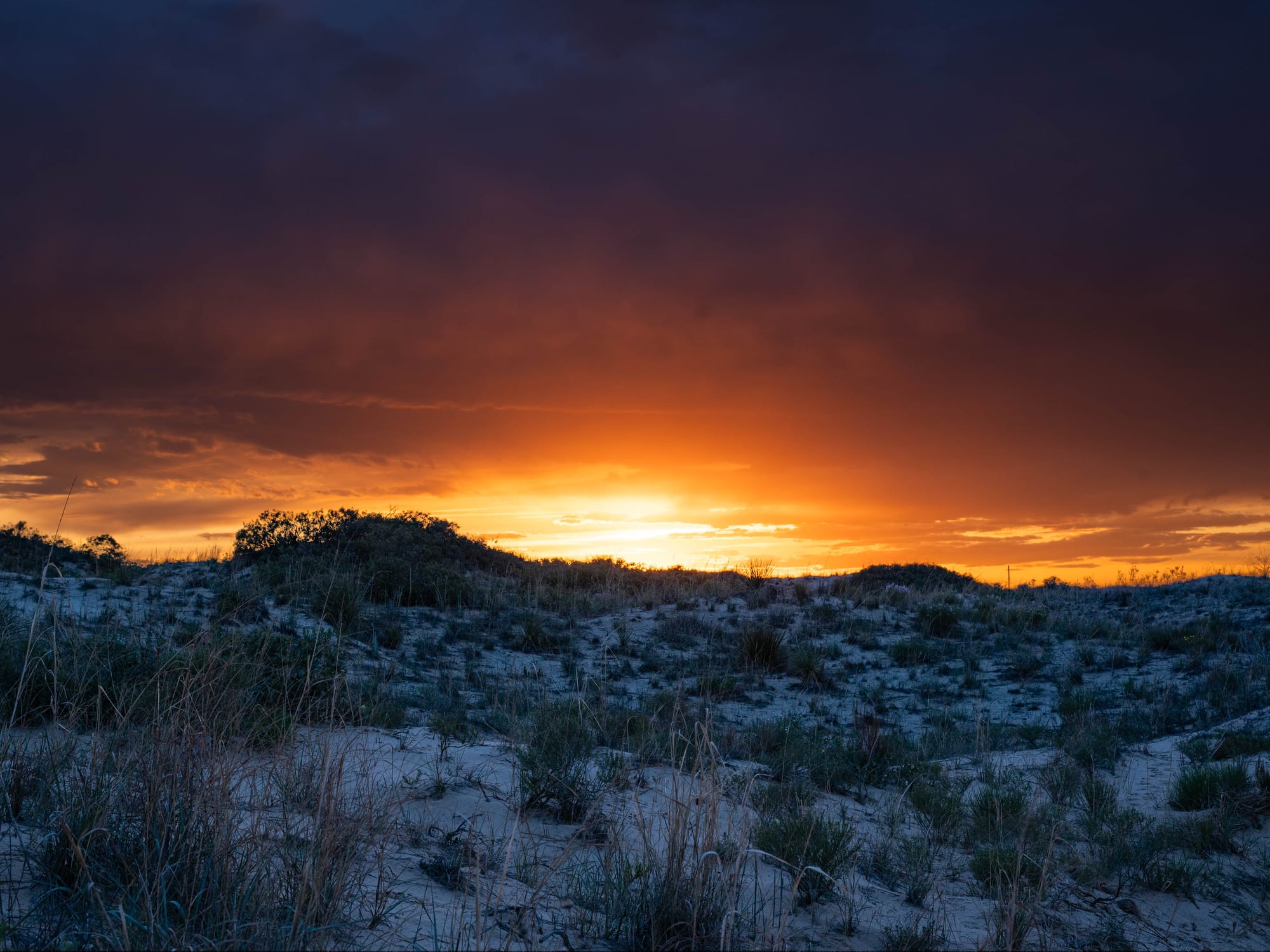
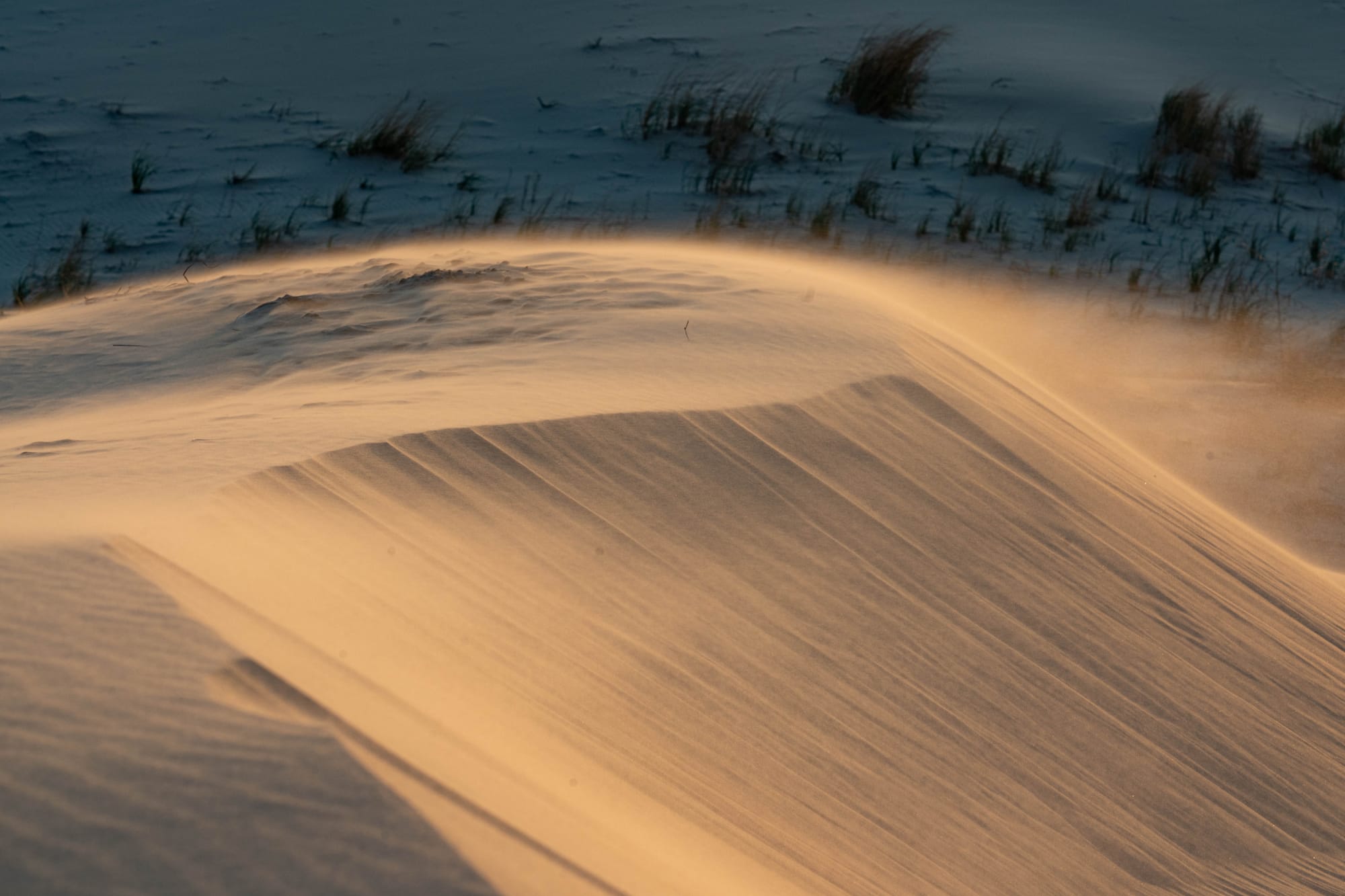
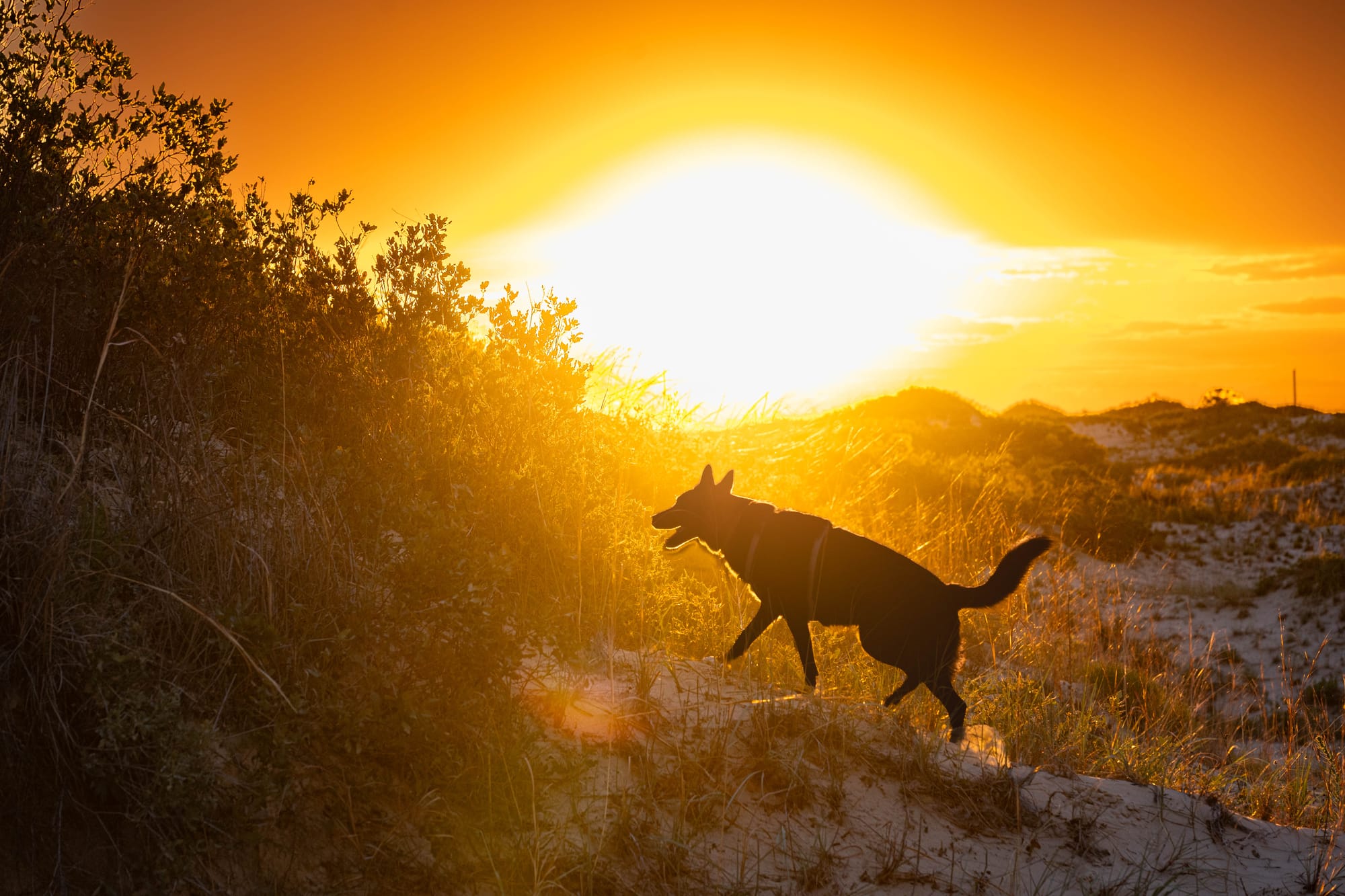
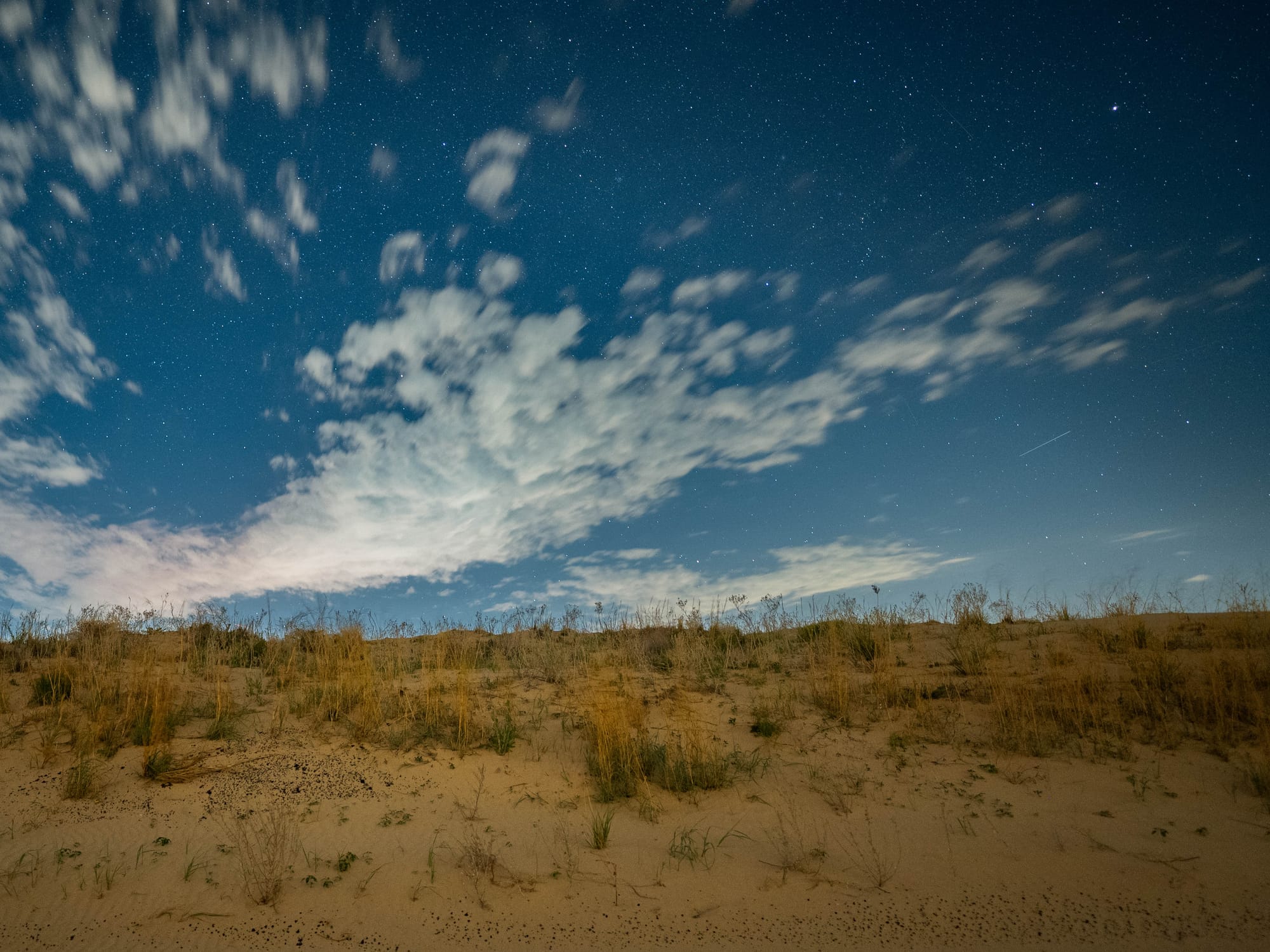
Evenings were the best part of the day. As the light dropped, we would head back out into the dunes. I spent time shooting sunset, blue hour, and some astro shots. With nothing blocking the horizon, the sky opens up in a way that is hard to replicate elsewhere.
It was a simple loop each day. Walk, reset, walk again.
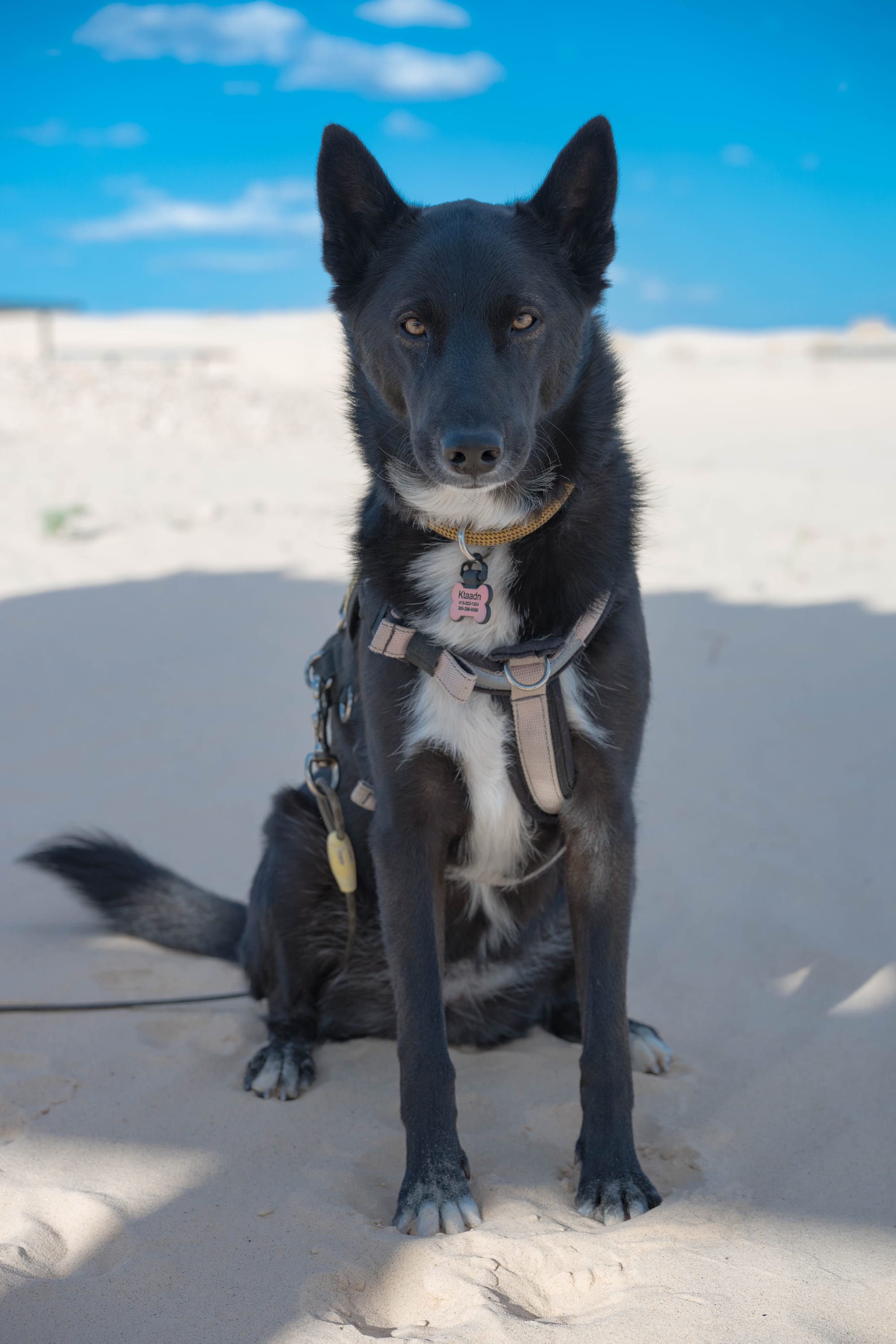
Sam got one morning out on the dunes before we left, which was enough to get a sense for what the place was about.
🚴 On the Ground
- Activities available: ● 🥾 Hiking | ○ 🚴 Biking | ● 🐕 Dogs | ○ 🚣 Paddling | ○ 🎣 Fishing | ○ 🐦 Wildlife / Birding | ○ 🏊 Swimming | ● 📸 Photography | ● 🏕️ Camp-centric | ○ 🧗 Climbing
- Trail mileage available: 🥾 ⟂ | 🚴 ⟂ | 🚣 ⟂
- Crowd level: Quiet
Legend: ● = available · ○ = not available

Park Highlights
Monahans Sandhills State Park protects a stabilized dune system.
The dunes here are part of a large, stabilized sand sheet formed from sediments that were carried by ancient river systems, including the Pecos River, and later shaped by wind. Over time, grasses and vegetation anchored much of it in place. That is why the dunes shift but do not migrate like a true desert system.
That is also why the landscape feels split. Some dunes are open and clean, while others are covered in vegetation.
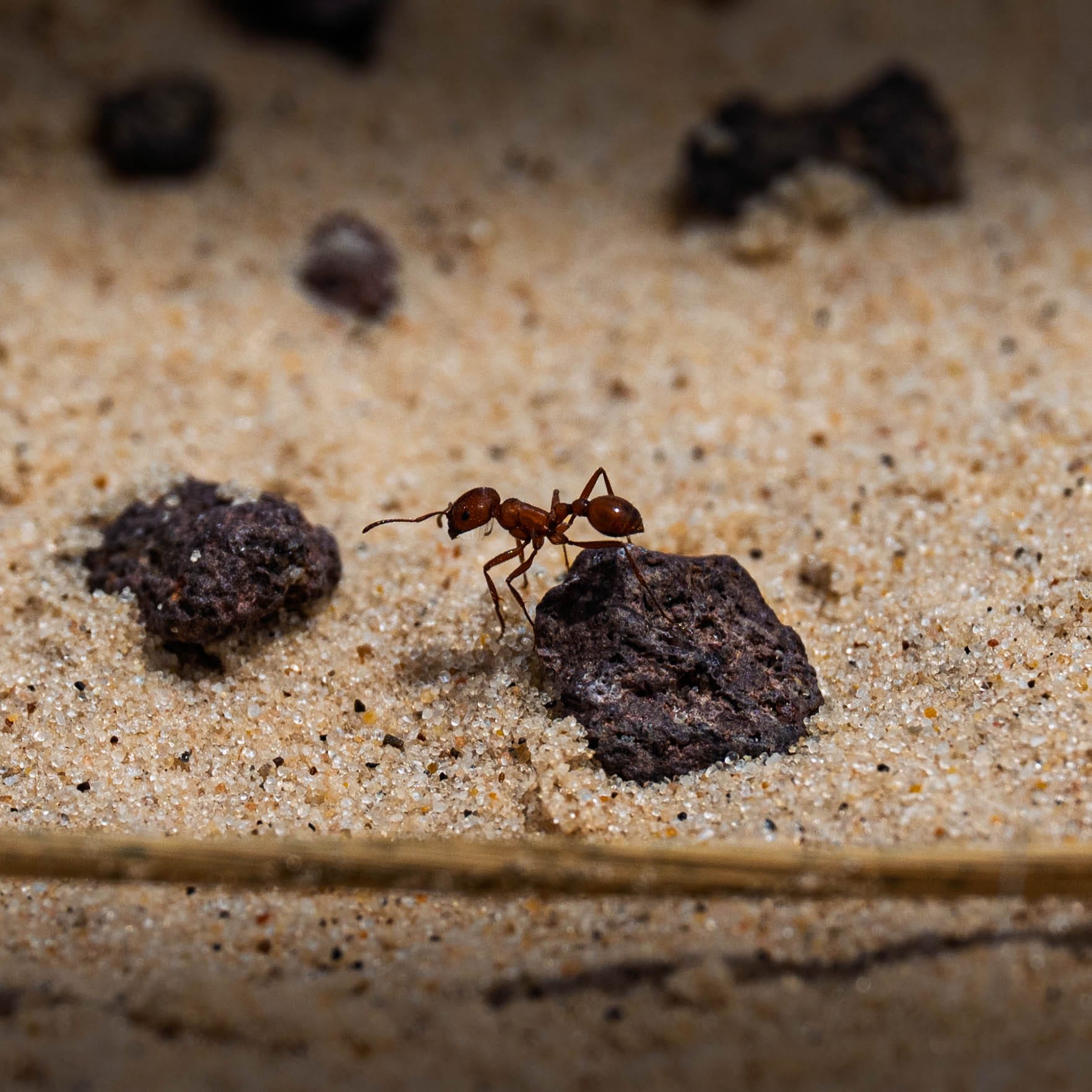
The park was set aside to preserve this system and the plant and animal life that depends on it. It is not large, but it protects a type of terrain that is not common in a public setting.
The surrounding region adds another layer. This is the Permian Basin, one of the most productive oil regions in the country. The development you see on the drive in is tied to deep underground formations laid down hundreds of millions of years ago, long before the dunes formed on the surface.
So the park sits between two timelines. Ancient sea beds turned into oil below, and wind-shaped dunes resting above.
⚡ TL;DR
- Park highlight: Massive, accessible sand dune system with direct walk-in access from camp
- Best for: Sand exploration, photography, and a completely different landscape than typical state parks
- Skip if: You want defined trails, shade, or wind-protected camping
- Worth planning around?: Possibly
Final Takeaways
Monahans Sandhills State Park is a simple place, but it stays with you.
There are no trails to follow, no major landmarks, and not much structure once you step off the campground. But that is the point. You move through it on your own terms.
The quiet campsites, open dunes, constant wind, and big sky made it feel different from anywhere else we had stayed.
I liked the dunes but would probably head to Great Sand Dunes National Park & Preserve (CO), White Sands National Park (NM), or Coral Pink Sand Dunes (UT) next time around.