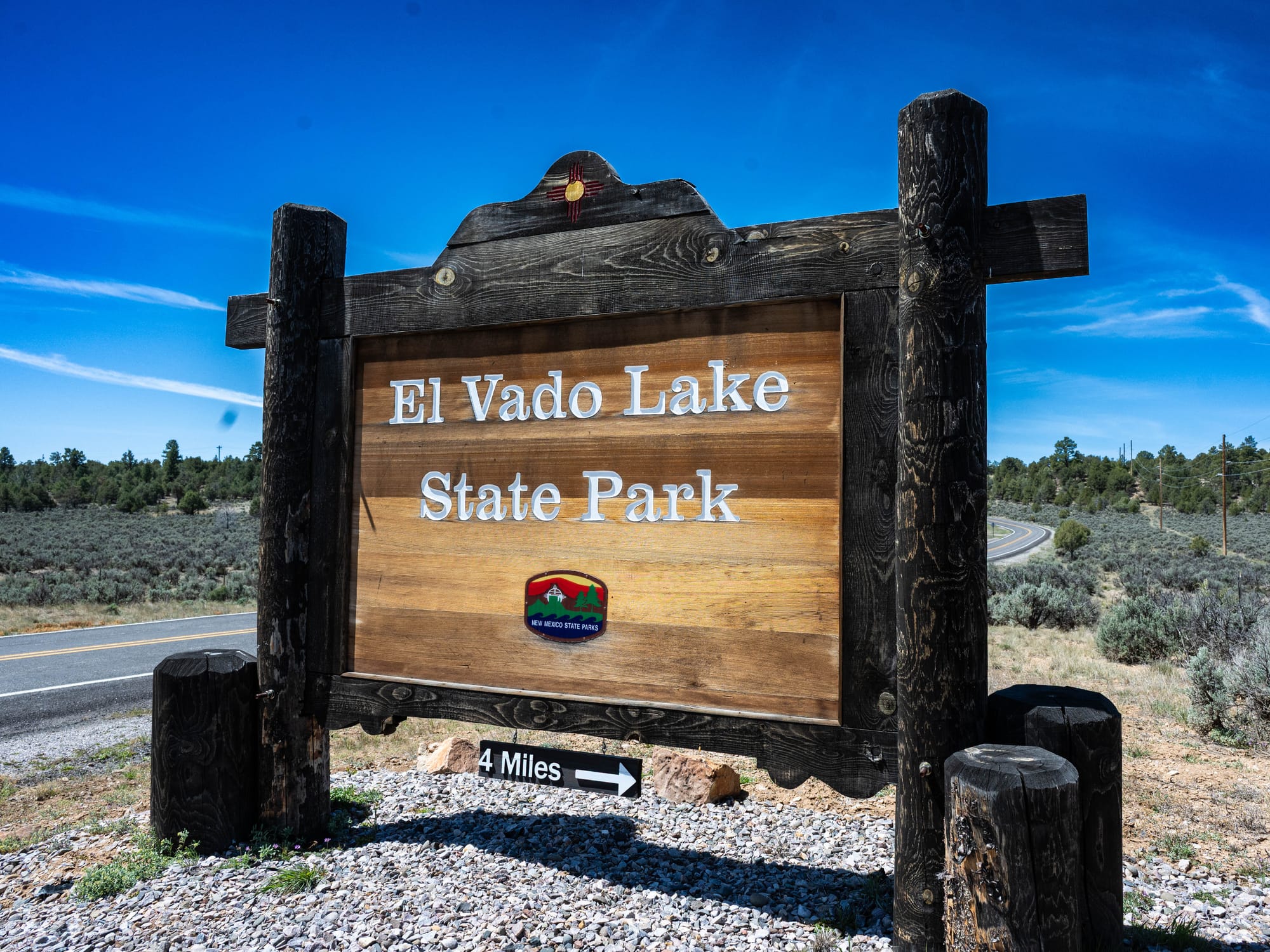
El Vado Lake State Park
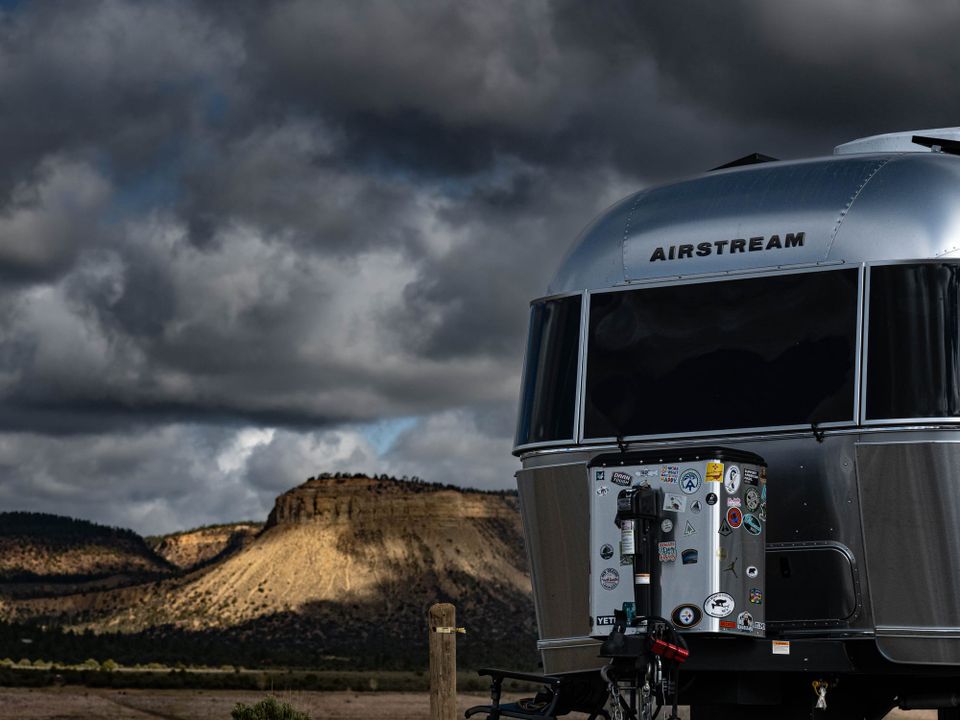
El Vado felt remote before we reached the park.
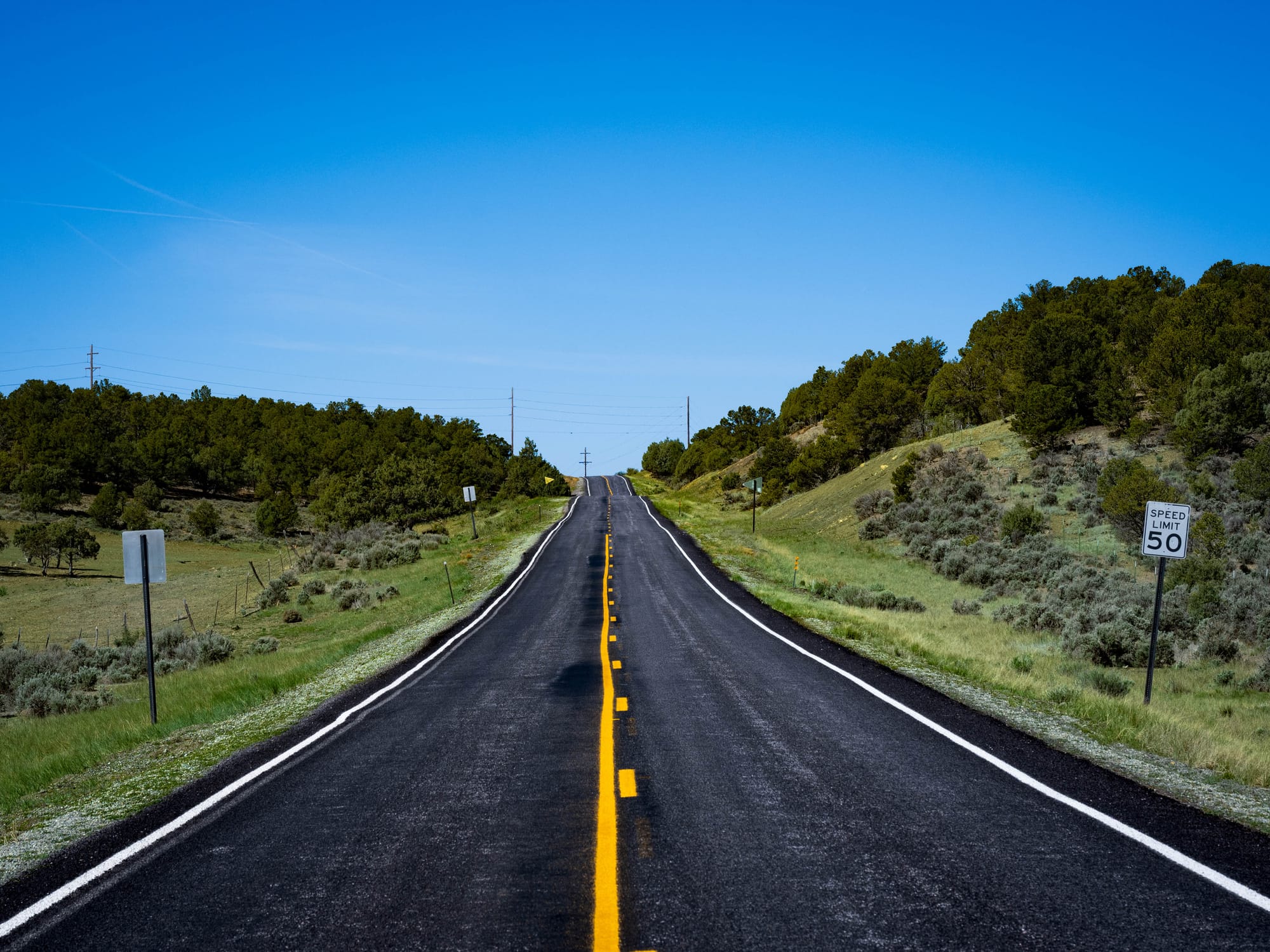
The drive north from Bottomless Lakes was one of our longest travel days so far, and the wind made it feel longer. Strong gusts pushed across the road most of the day. Sam had been hoping to see tumbleweeds, and she got the full version: hundreds of them blowing across the highway as we made our way north.
We broke up the drive in Santa Fe for wood-fired pizza, then continued into a very different part of New Mexico.
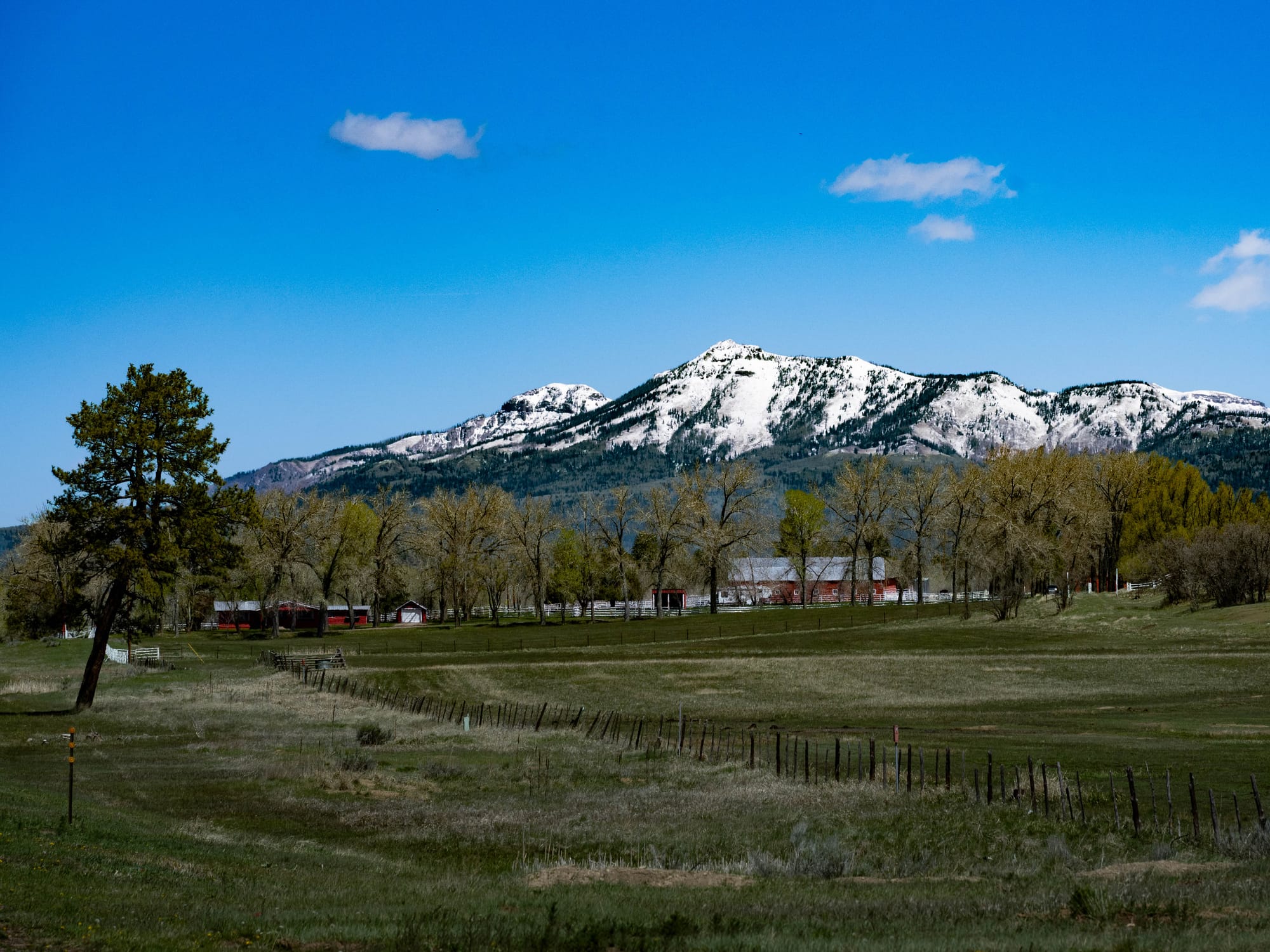
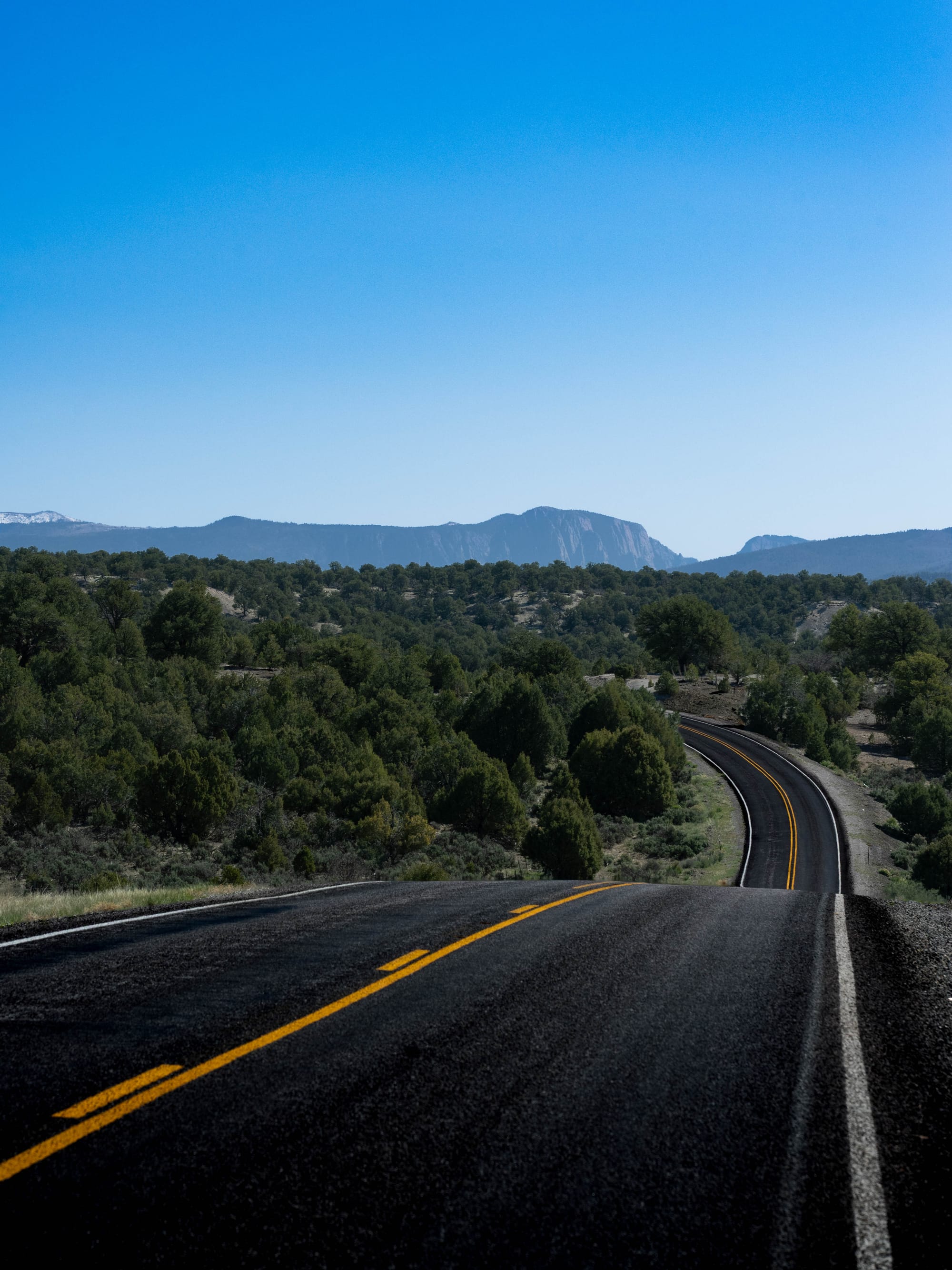
North of Santa Fe, the landscape changed fast. Wider valleys, colder air, white-capped mountains in the distance, and wide open roads. We both left that stretch knowing we would need to come back and spend more time there.
By the time we reached El Vado, it was starting to get dark.
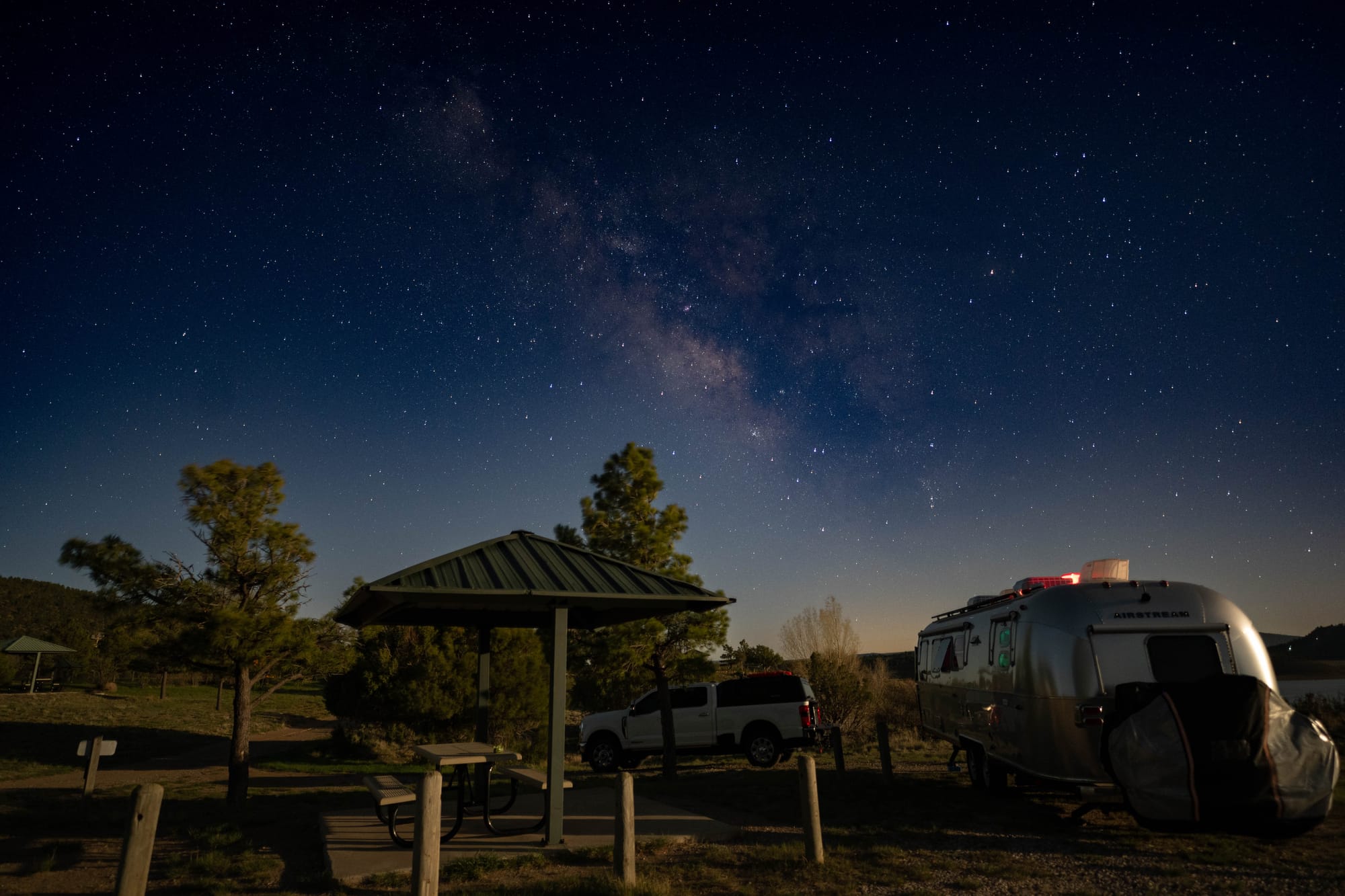
We booked a primitive site at Grassy Point instead of a hookup site because of the view. What we did not fully understand until arrival was how close the site sat to the edge. Getting in was manageable, but chocking the rig felt more serious than usual. The drop was real.
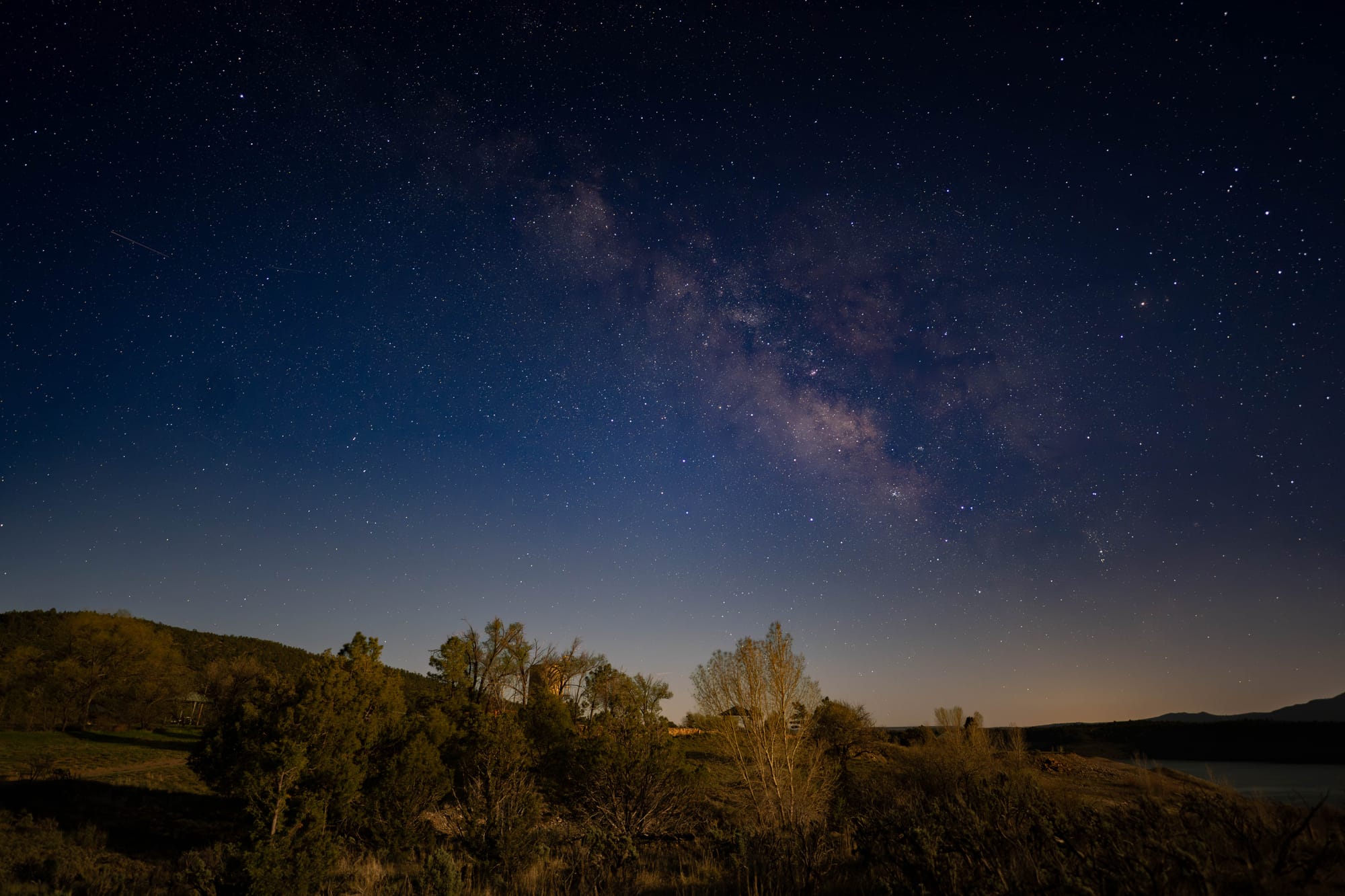
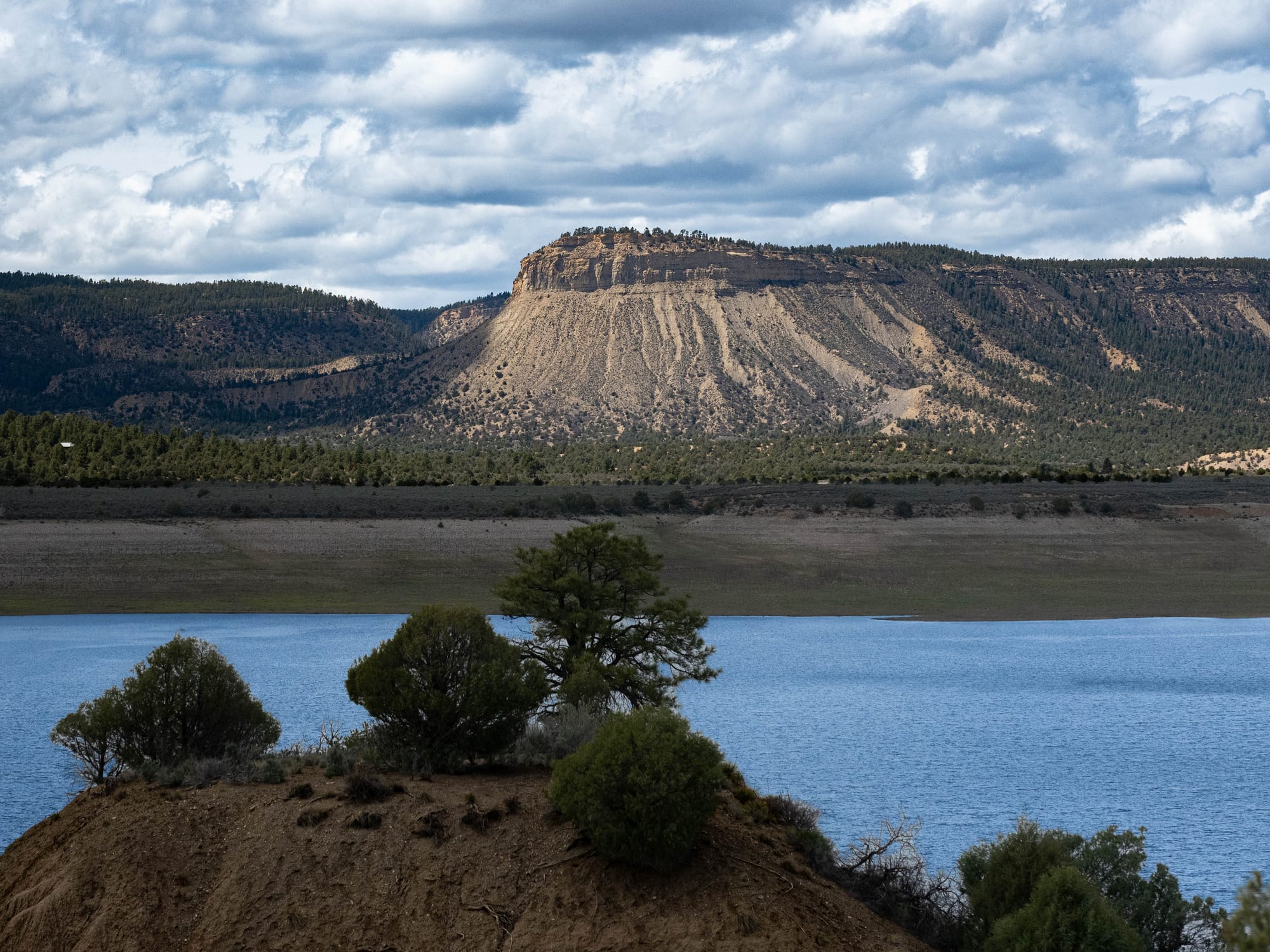
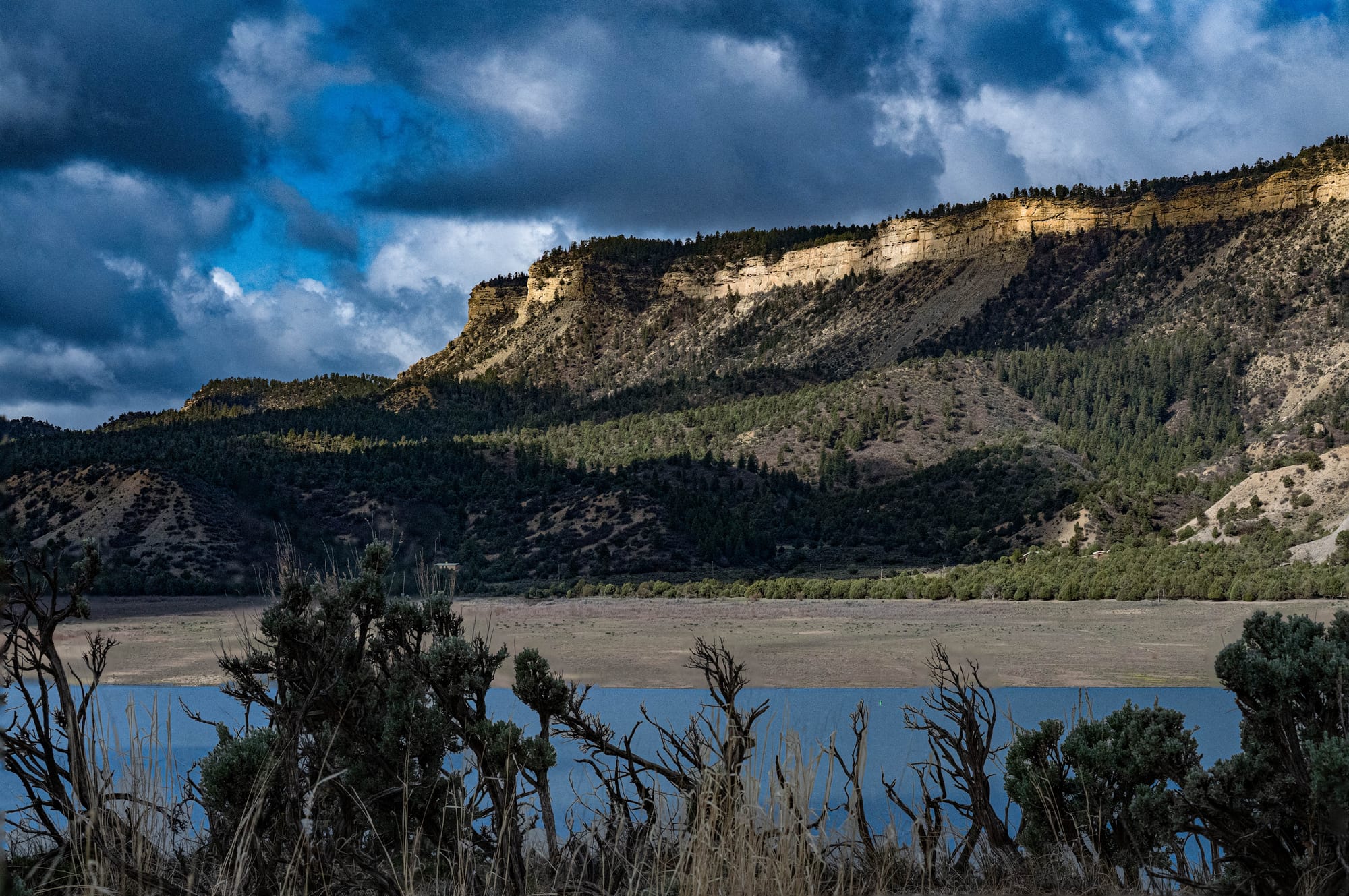
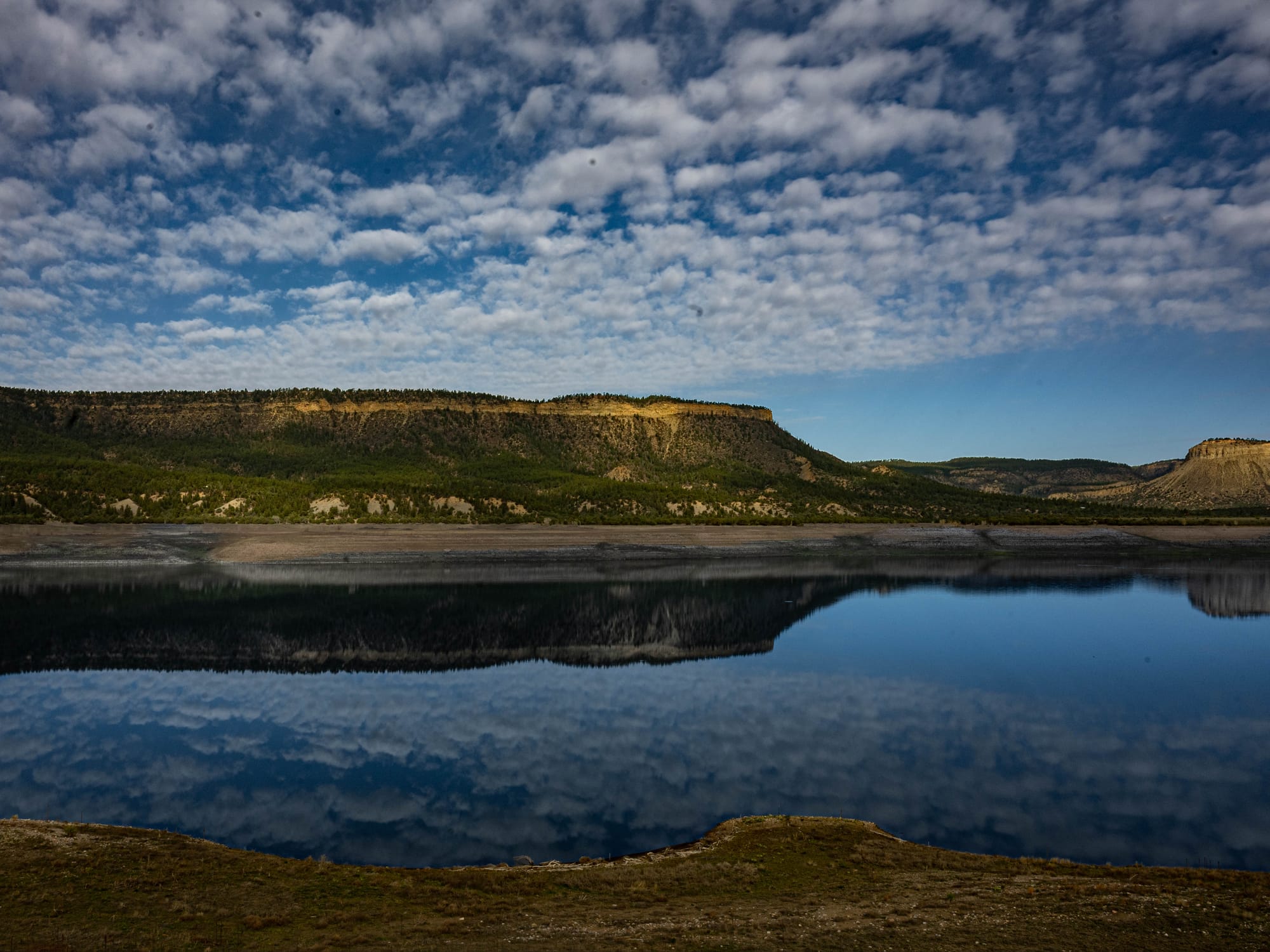
Once settled, the site was stunning.
No neighbors. The lake below us. Open sky in every direction.
🗺️ The Lay of the Land
- Location: Tierra Amarilla, New Mexico · 36.6140, -106.7380 · [Google Maps]
- Official site: El Vado Lake State Park
- Landscape: high desert mesa · mountain reservoir
- Vibe: Mountain views in an empty park
- Our stay & conditions: April 2026 · 4 nights · cold, windy mountain conditions with 30s–low 60s temperatures and strong gusts
🏕️ Camp Setup
- Site types: Water & electric RV campsites · Primitive campsites · Group campsites
- Arrival & setup: Moderate
- Hookups: | 🧻
- Connectivity: 📶 AT&T ❌ | 📶 Verizon ❌ | 📶 T-Mobile ❌ | 📡 Starlink 🟢 | 📶 Park Wi-Fi ⟂
- Facilities: Restrooms · Showers · Trail access · Lake access
Legend:
🚽 = sewer at site · 🧻 = dump station
🟢 = solid for work · ⚠️ = usable with limits · ❌ = unusable
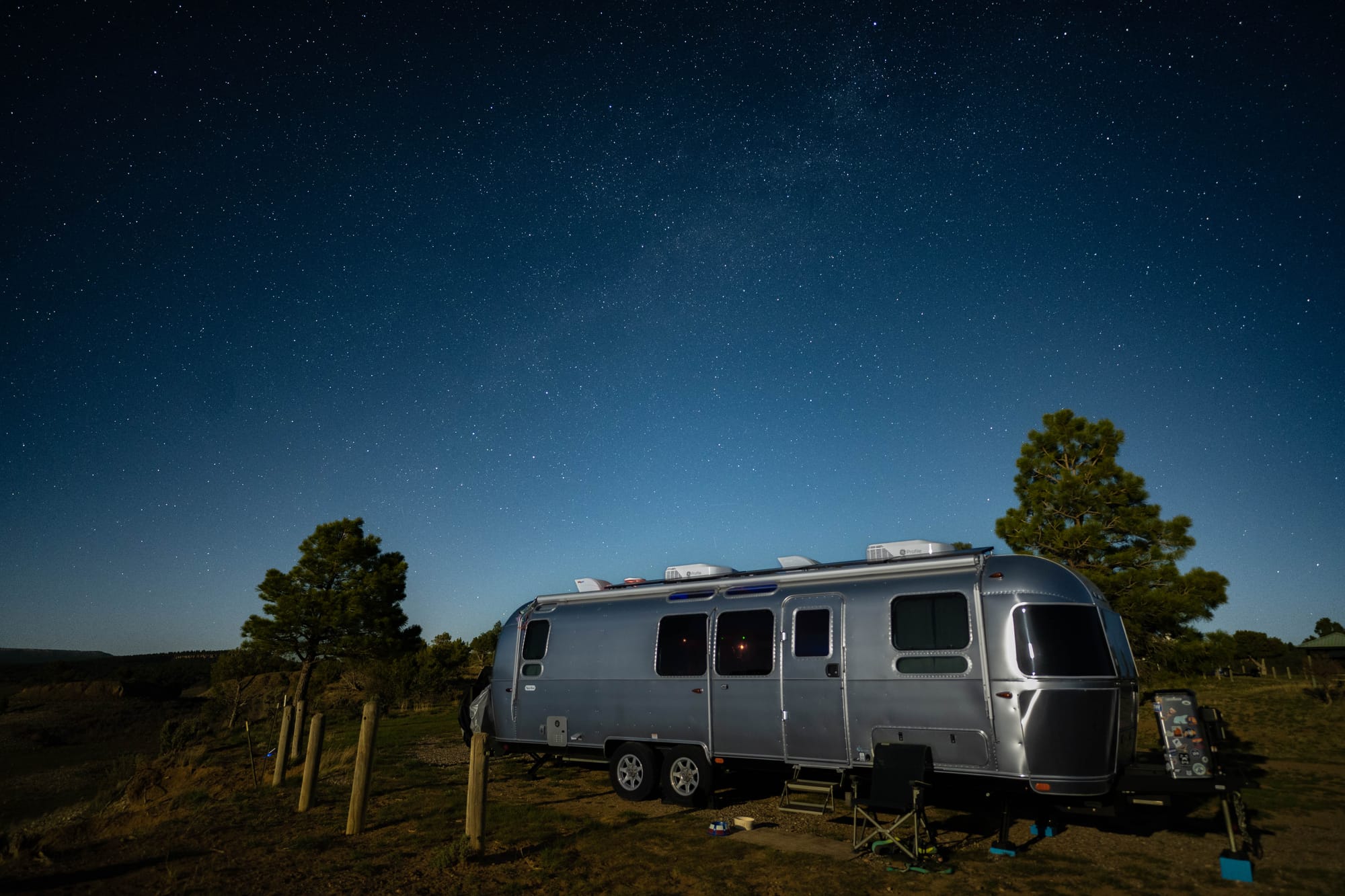
For most of the stay, it was just us and the camp host. A couple days in, one other rig arrived. That was about it.
The wind shaped the experience more than anything else. Awnings stayed in. Doors had to be held. Gusts moved the rig enough to notice from inside.
The weather shift was just as clear. We had come from warm desert days near Roswell into colder, higher-elevation conditions. Mornings were in the 30s, afternoons only reached the low 60s, and the wind kept the edge on everything.
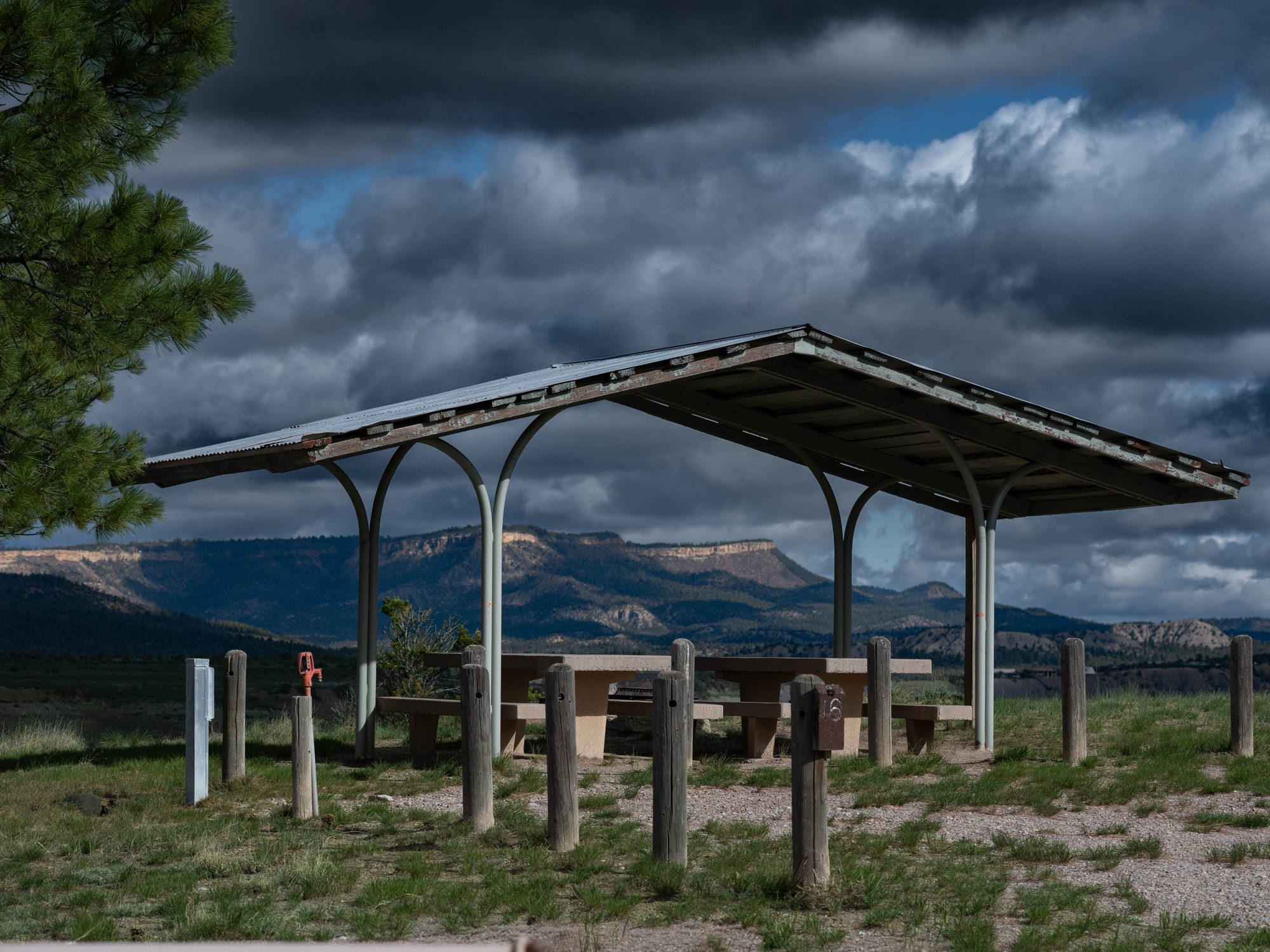
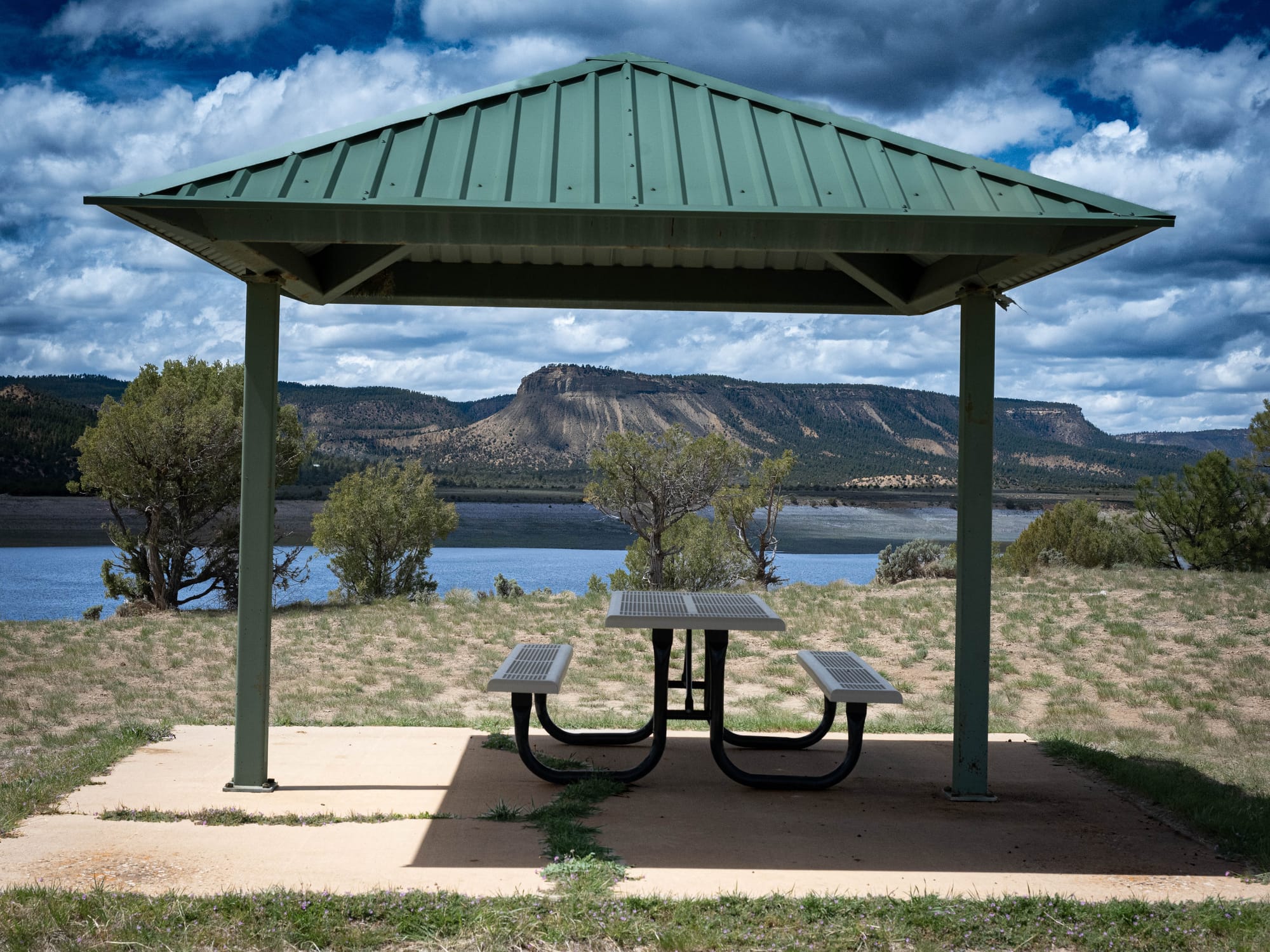
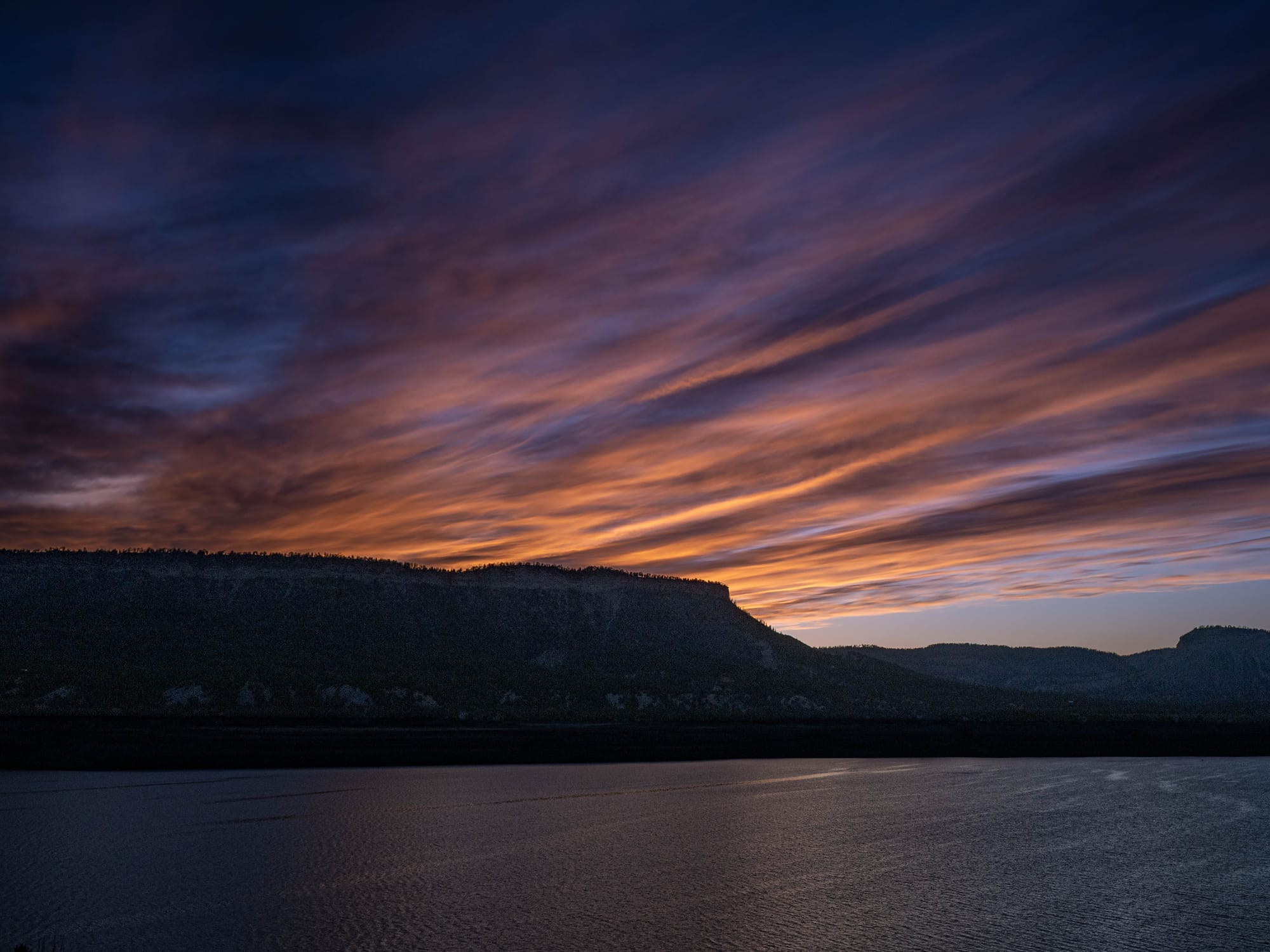
Most of our time at the park stayed simple. Walks near camp, looking out over the lake, and watching the light move across the water and surrounding hills. The lake was clear, and from Grassy Point the views carried the stay.
The drive into town became its own kind of field note. About 35 minutes each way for fuel and mail, with mountain views, very little traffic, and long stretches where the road felt almost empty.
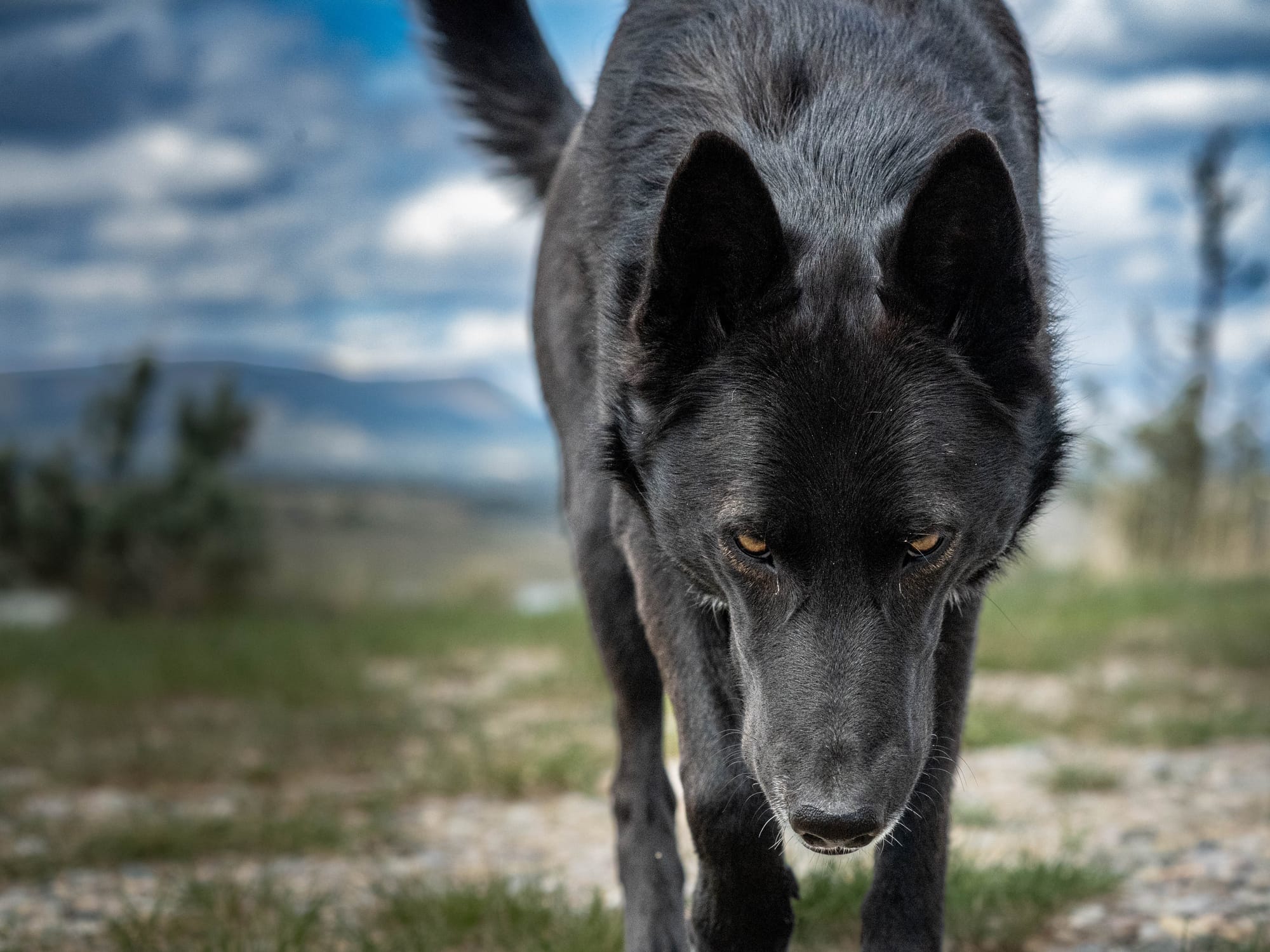
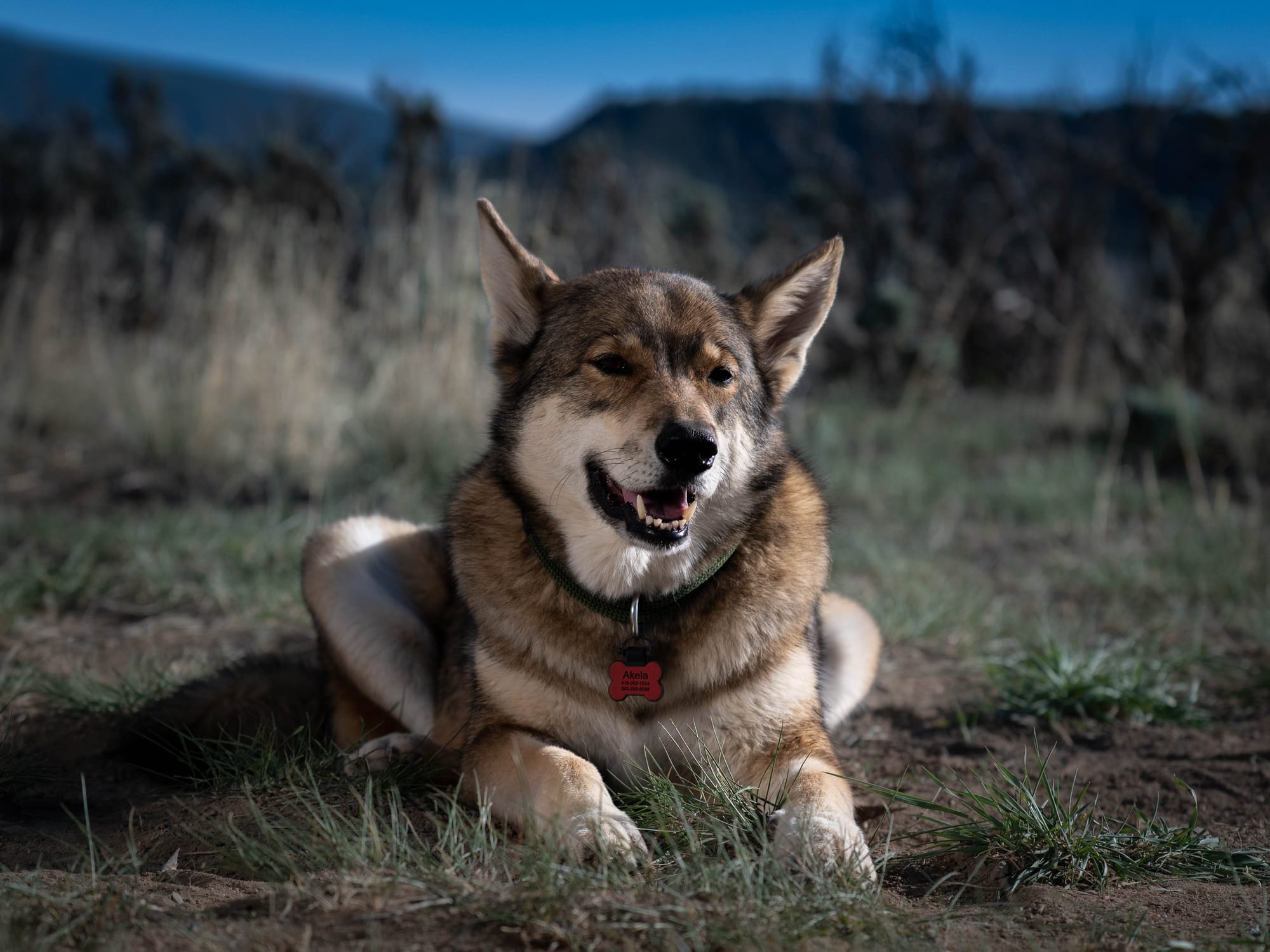
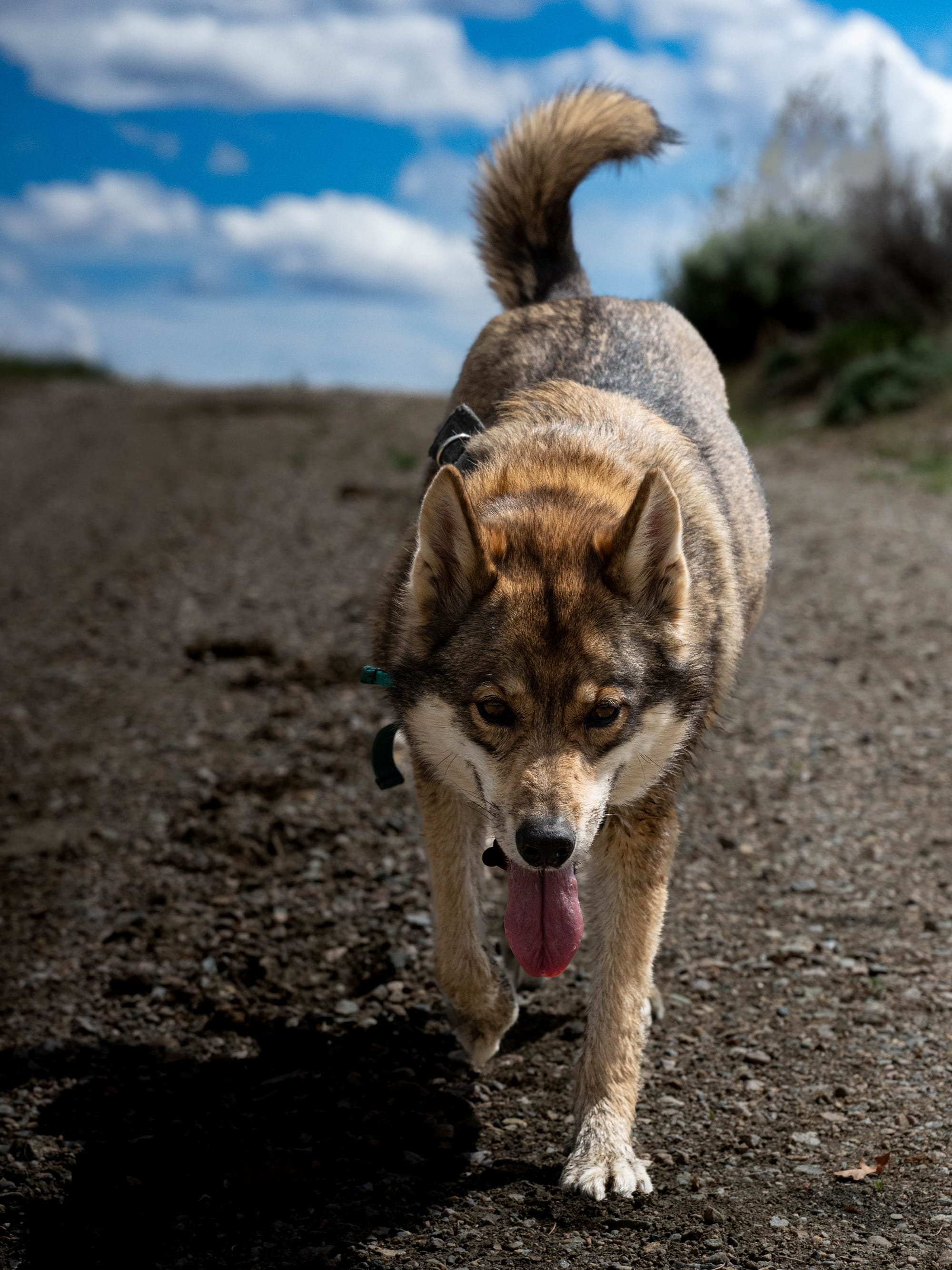
One night Akela took off after deer and disappeared for about 90 minutes before wandering back into camp like nothing had happened.
That was enough excitement.
🚴 On the Ground
- Activities available: ● 🥾 Hiking | ● 🚴 Biking | ● 🐕 Dogs | ● 🚣 Paddling | ● 🎣 Fishing | ● 🐦 Wildlife | ● 🏊 Swimming | ● 📸 Photography | ● 🏕️ Camp-centric | ○ 🧗 Climbing
- Trail mileage available: 🥾 5.5 mi | 🚴 5.5 mi | 🚣 ⟂
- Crowd level: Quiet
Legend: ● = available · ○ = not available
Park Highlights
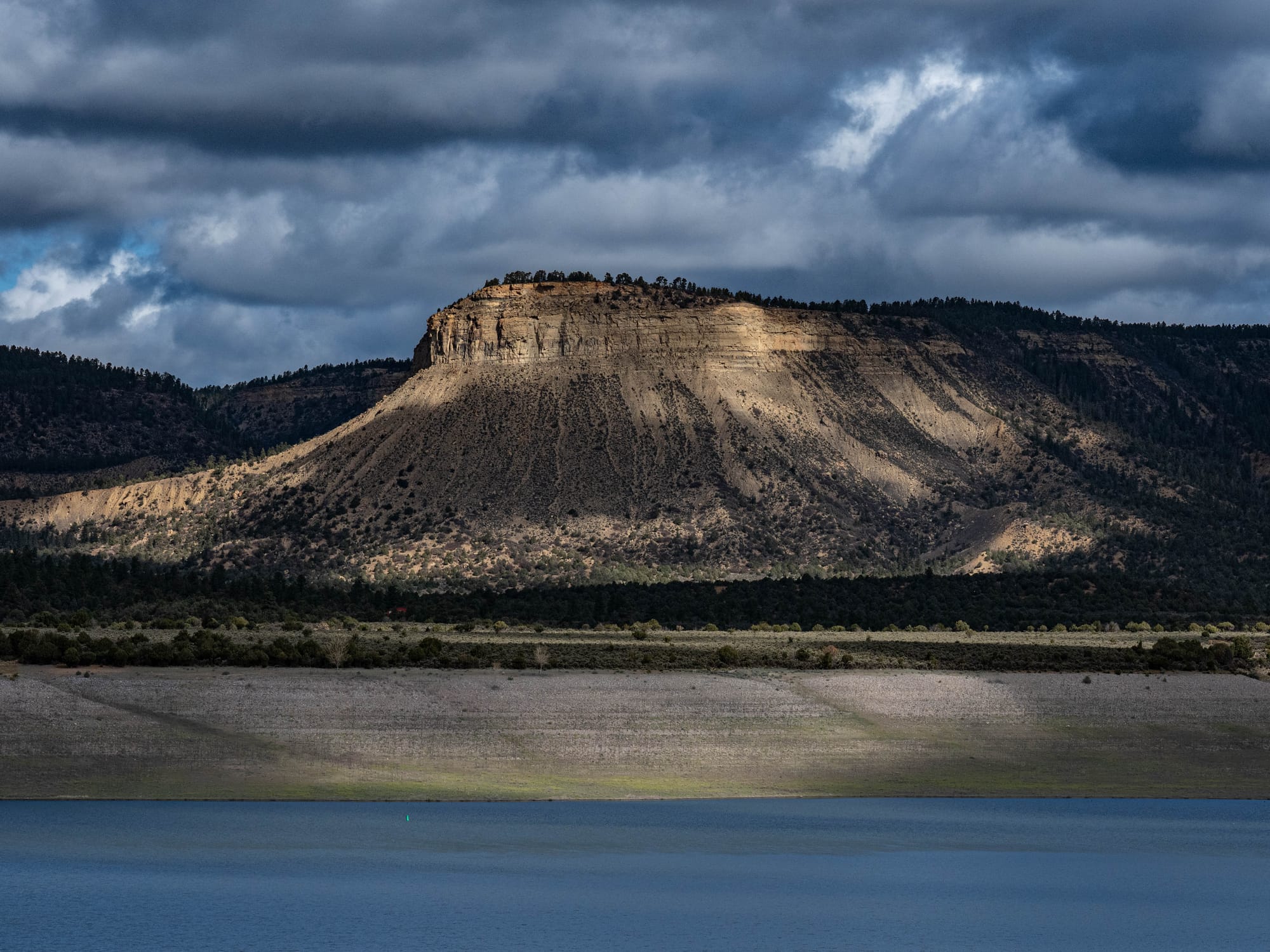
El Vado sits in a different New Mexico than the desert parks farther south.
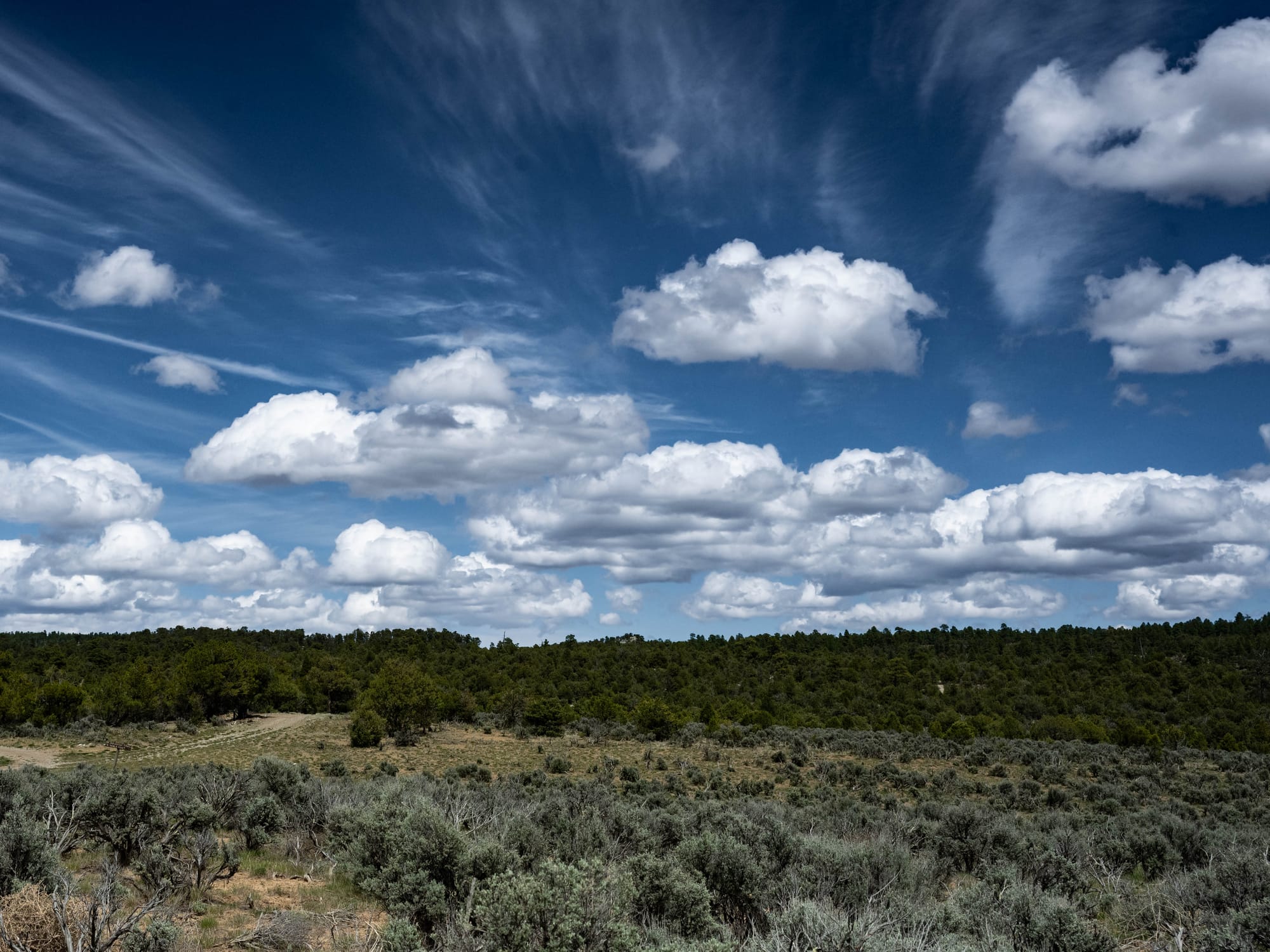
This is northern New Mexico, closer to the high country and the Rio Chama corridor. The elevation, colder nights, exposed mesas, and distant mountains all change the feel of the place. It is still dry and open, but not in the same way as Roswell or Carlsbad. The land feels bigger, colder, and more weather-driven.
The lake itself is a reservoir on the Rio Chama, created by El Vado Dam in the 1930s. It was built for water storage and irrigation. That helps explain why the park feels less polished than some lake parks. It is recreation layered onto a working water system.
The geography around it is what makes the place interesting.
El Vado sits near Heron Lake and the Rio Chama Wild and Scenic River corridor, with broad access to public lands, canyons, mesas, and mountain country. It feels like a hinge point between desert travel and the higher northern New Mexico landscapes.
Grassy Point gave us the clearest version of the park: primitive, exposed, and right on the edge. No hookups, but a view that made the tradeoff easy to understand.
⚡ TL;DR
- Park highlight: Cliff-edge primitive camping with big reservoir views and a remote northern New Mexico feel
- Best for: Quiet camping, lake views, solitude, and access to the Rio Chama / Heron Lake trail corridor
- Skip if: You need reliable cell service, sheltered camping, or early-season facilities fully open
- Worth planning around?: Maybe
Final Takeaways
El Vado was less comfortable than it was memorable.
I would choose it again for the quiet and wide northern New Mexico view.
The wind was constant, the site was exposed, and the early-season facilities were not fully open. This was one of those stops where the tradeoff was clear: fewer comforts, more presence. No hookups, no reliable cell service, early-season facilities not fully open, and wind that never really let up.
But for that cliff-edge view over the lake, it was worth it.