Chequamegon-Nicolet National Forest
The farther we drove into northern Wisconsin, the quieter it got.
Two-lane roads snaked beneath the trees for miles before the Chequamegon-Nicolet National Forest signs appeared. The houses eventually disappeared. Then most of the intersections did too. By the time we reached Two Lakes, the road had been surrounded by forest for so long that the campground felt buried in it.
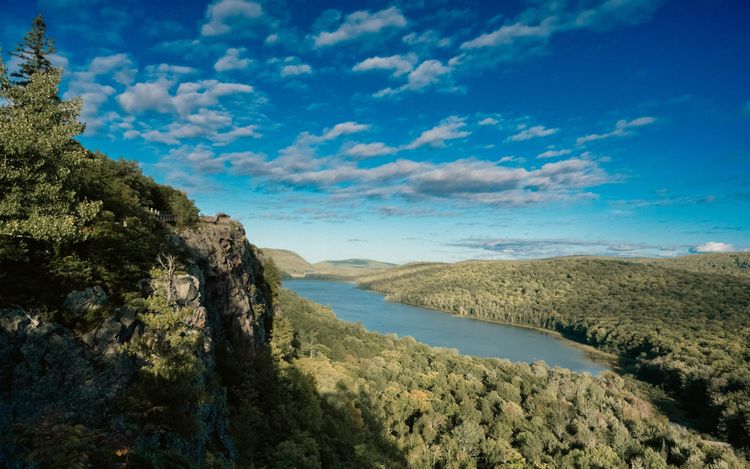
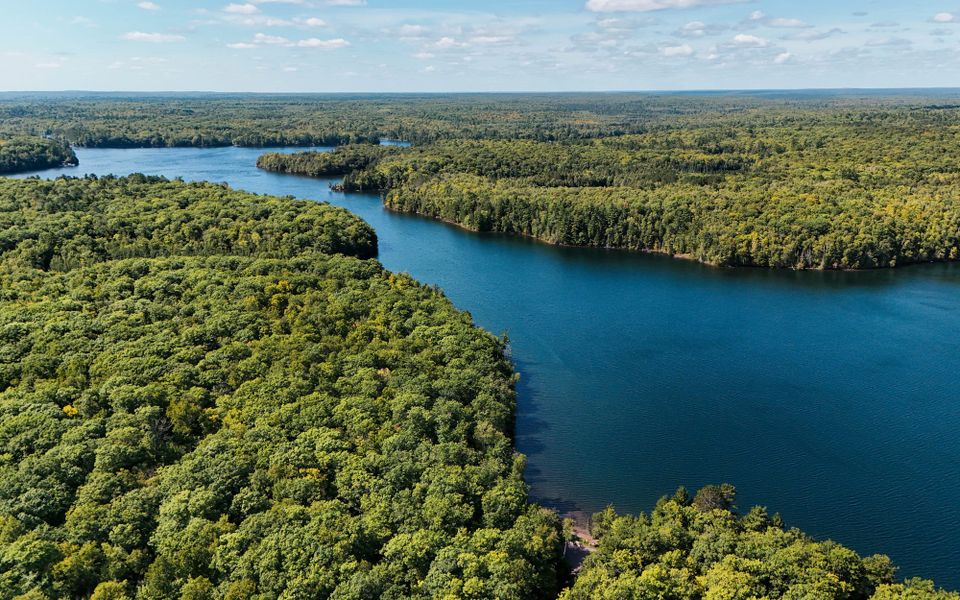
Forest everywhere. Lakes tucked between the hills. Water flashing through the trees. After months in western national forests, I kept looking for the distant ridge or exposed peak.
There wasn’t one.
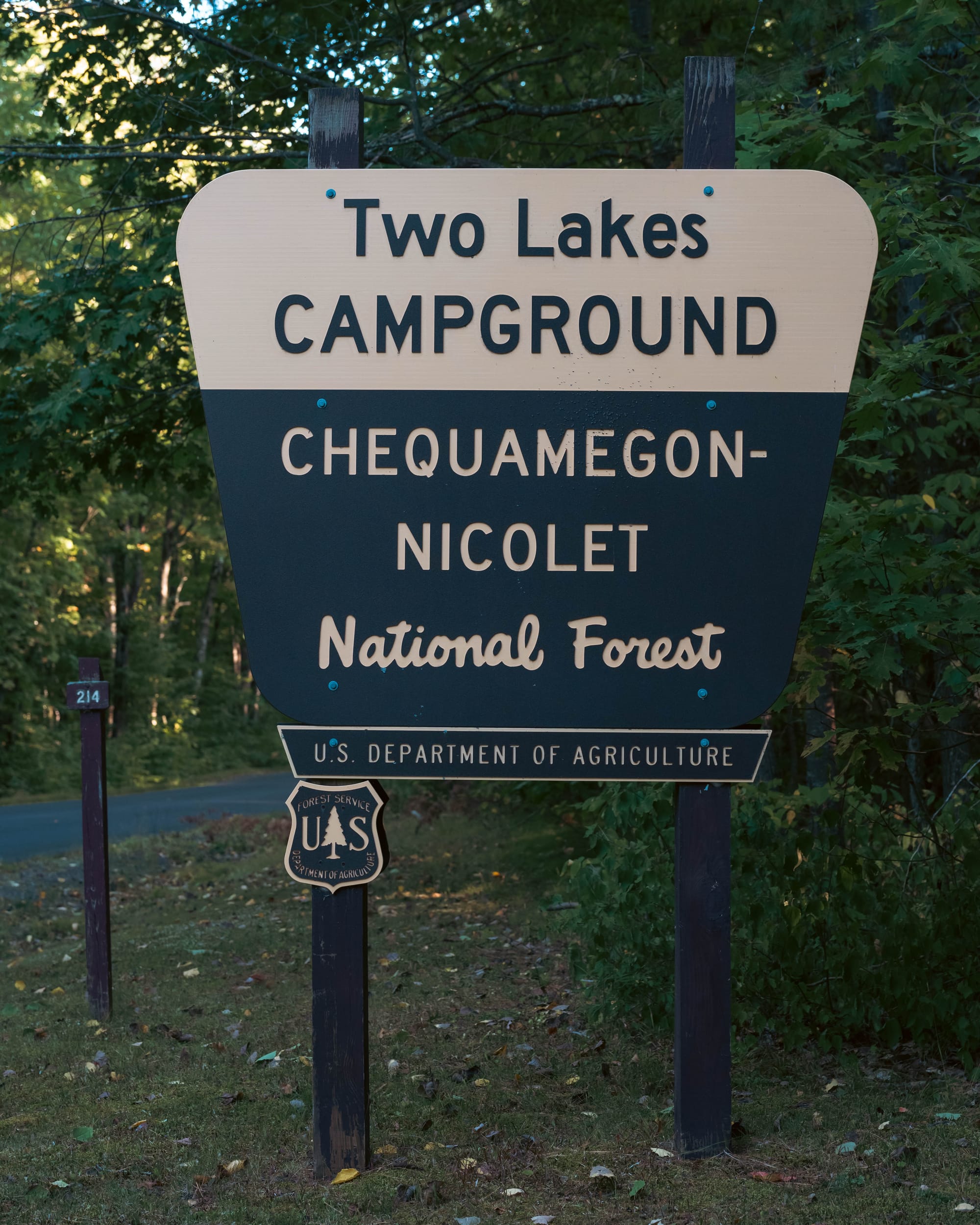
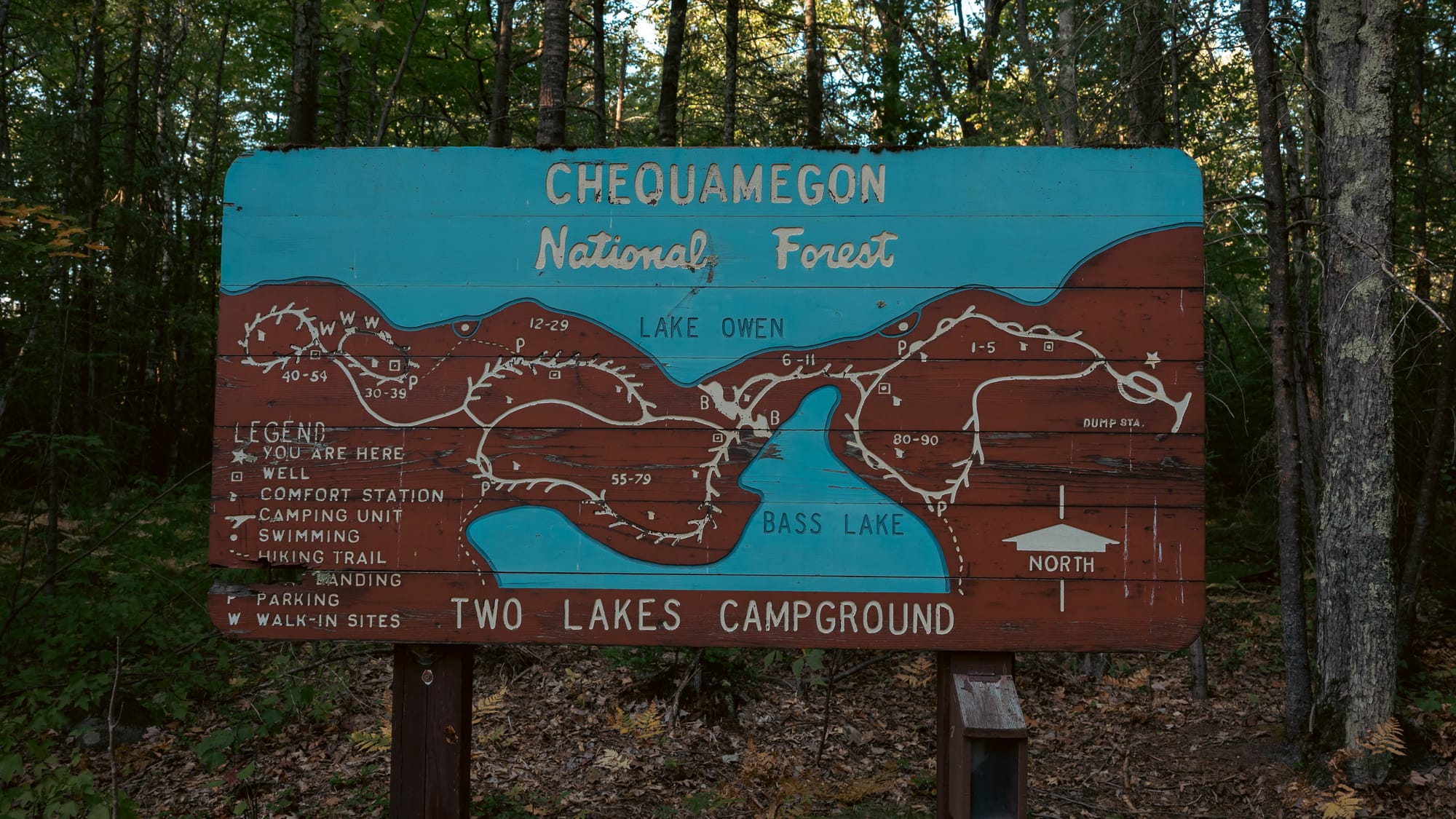
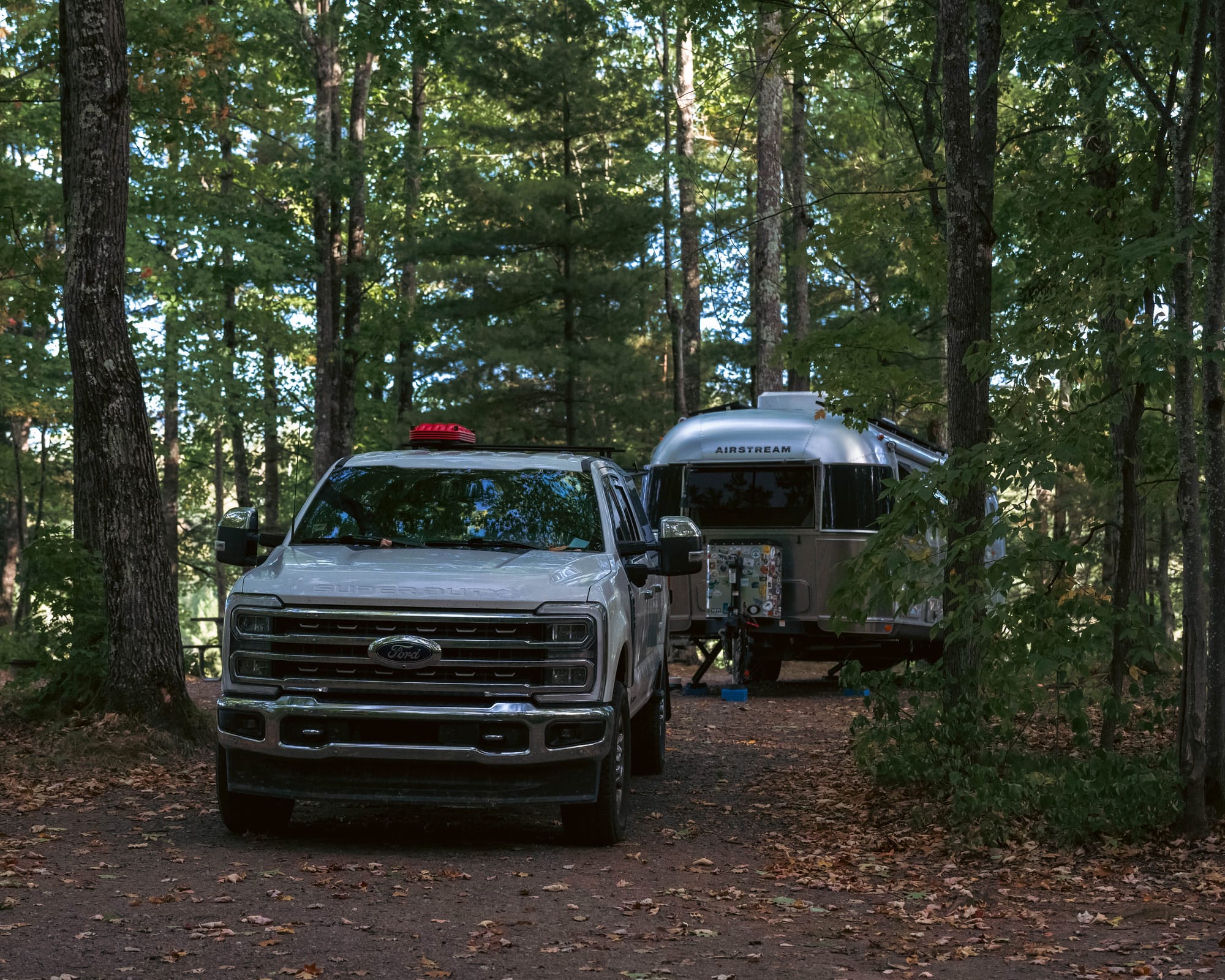
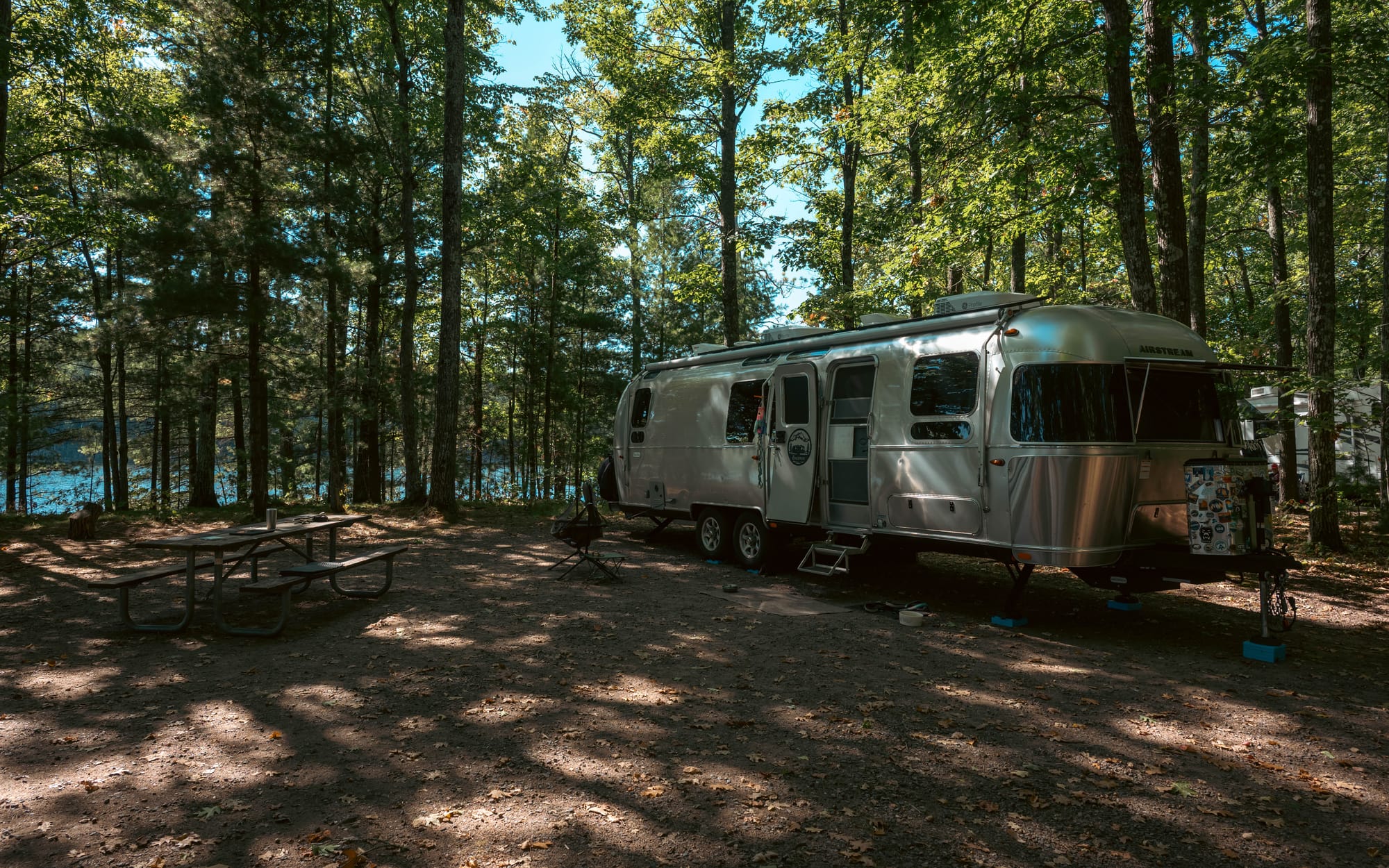
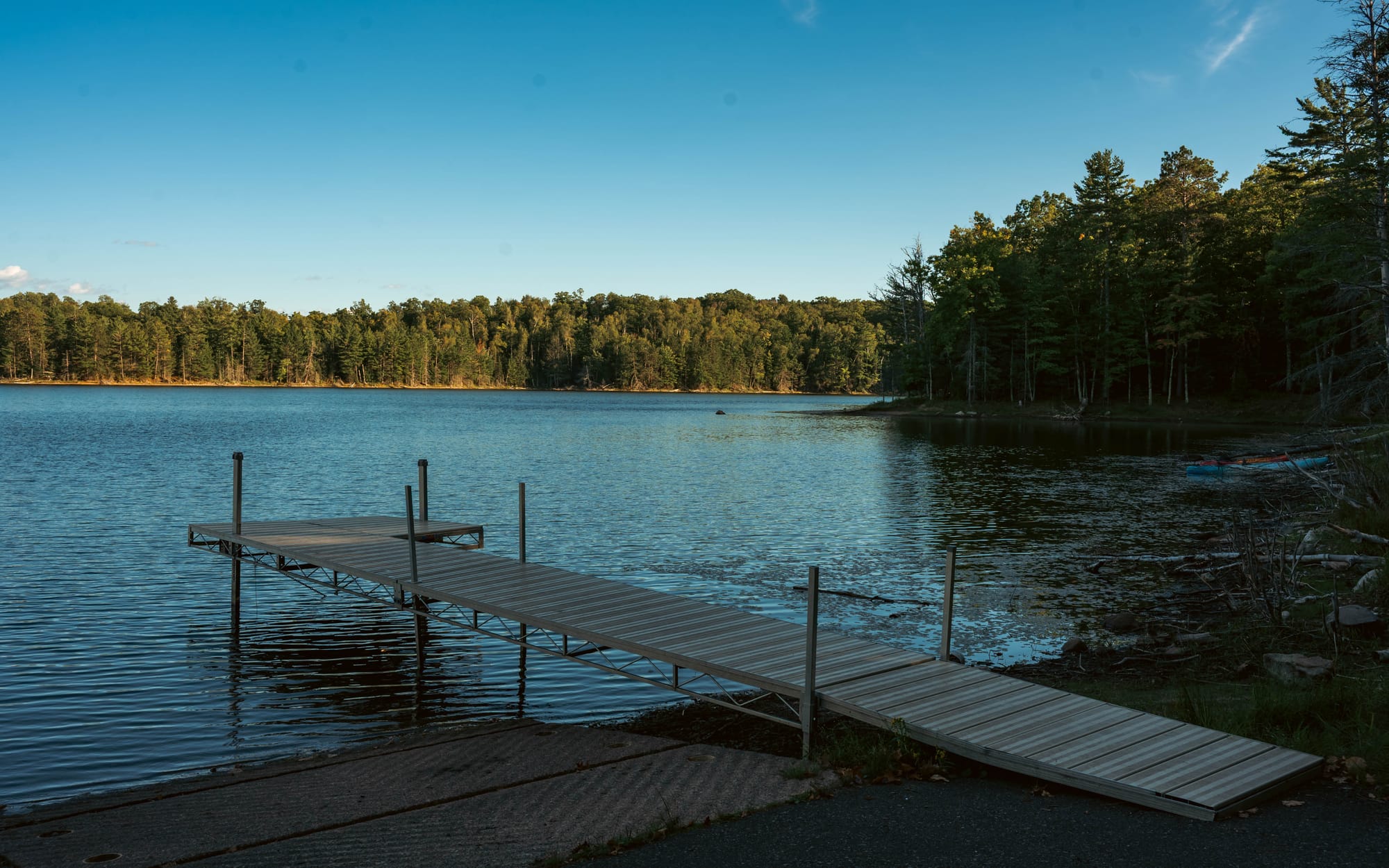
The campground wound between Bass Lake and Lake Owen, with water appearing through the trees seemingly everywhere. Our site sat near the end of the Bass Lake side, where a long back-in opened into a broad wooded site before sloping toward the shoreline.
We had lucked into an excellent spot.
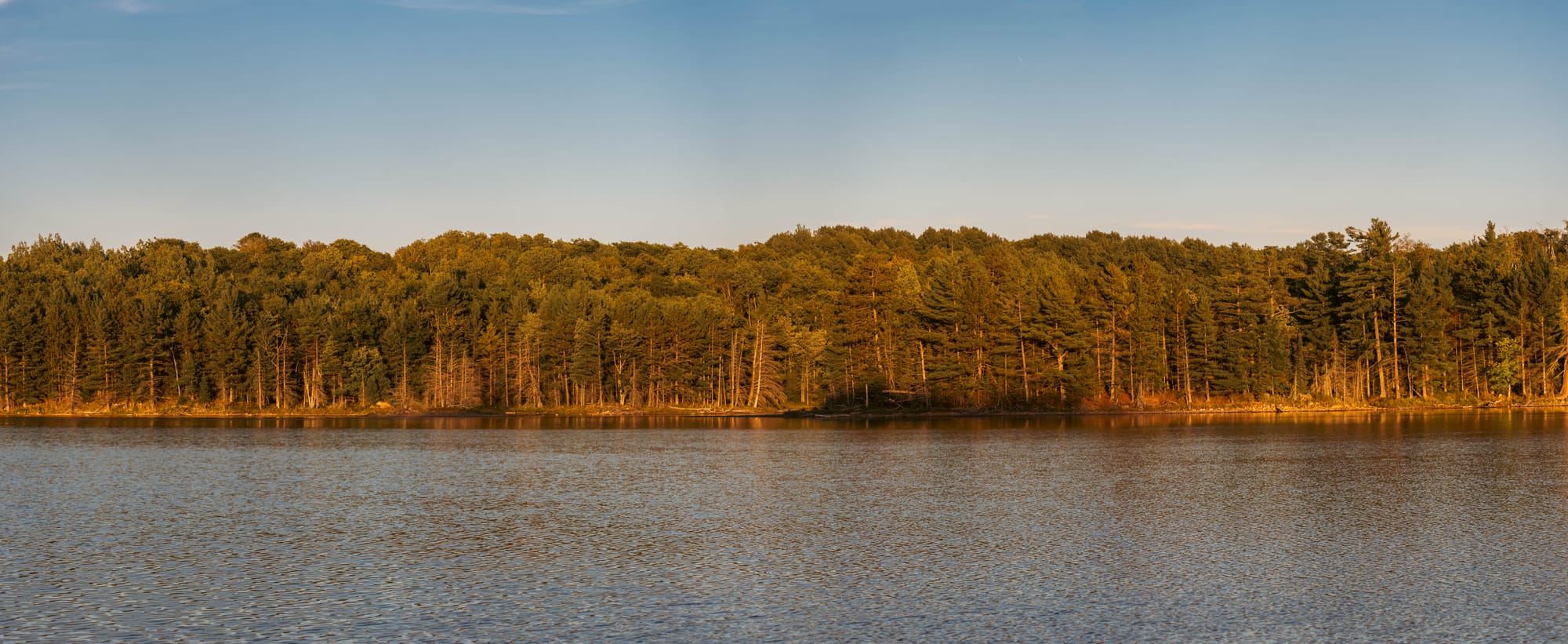
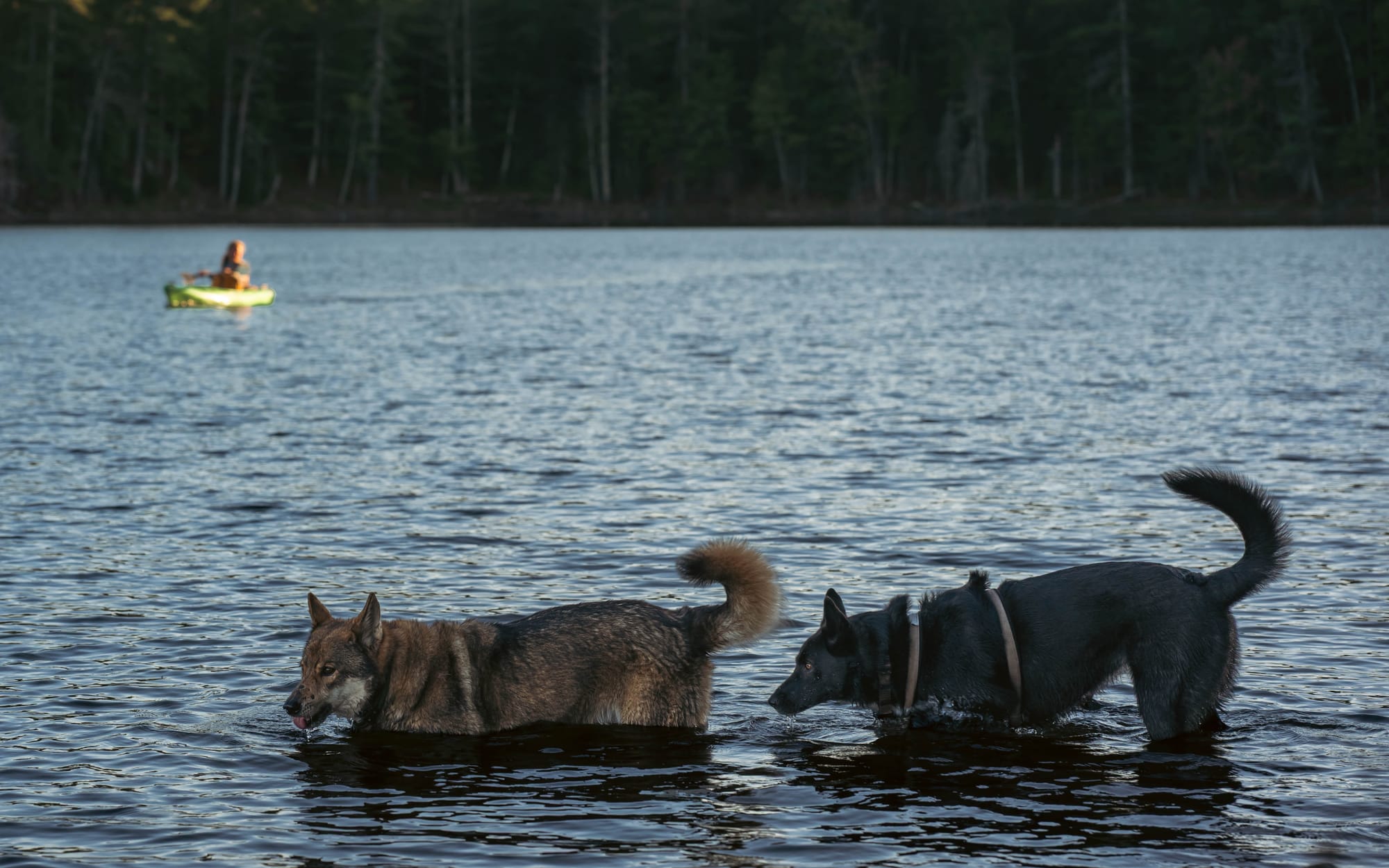
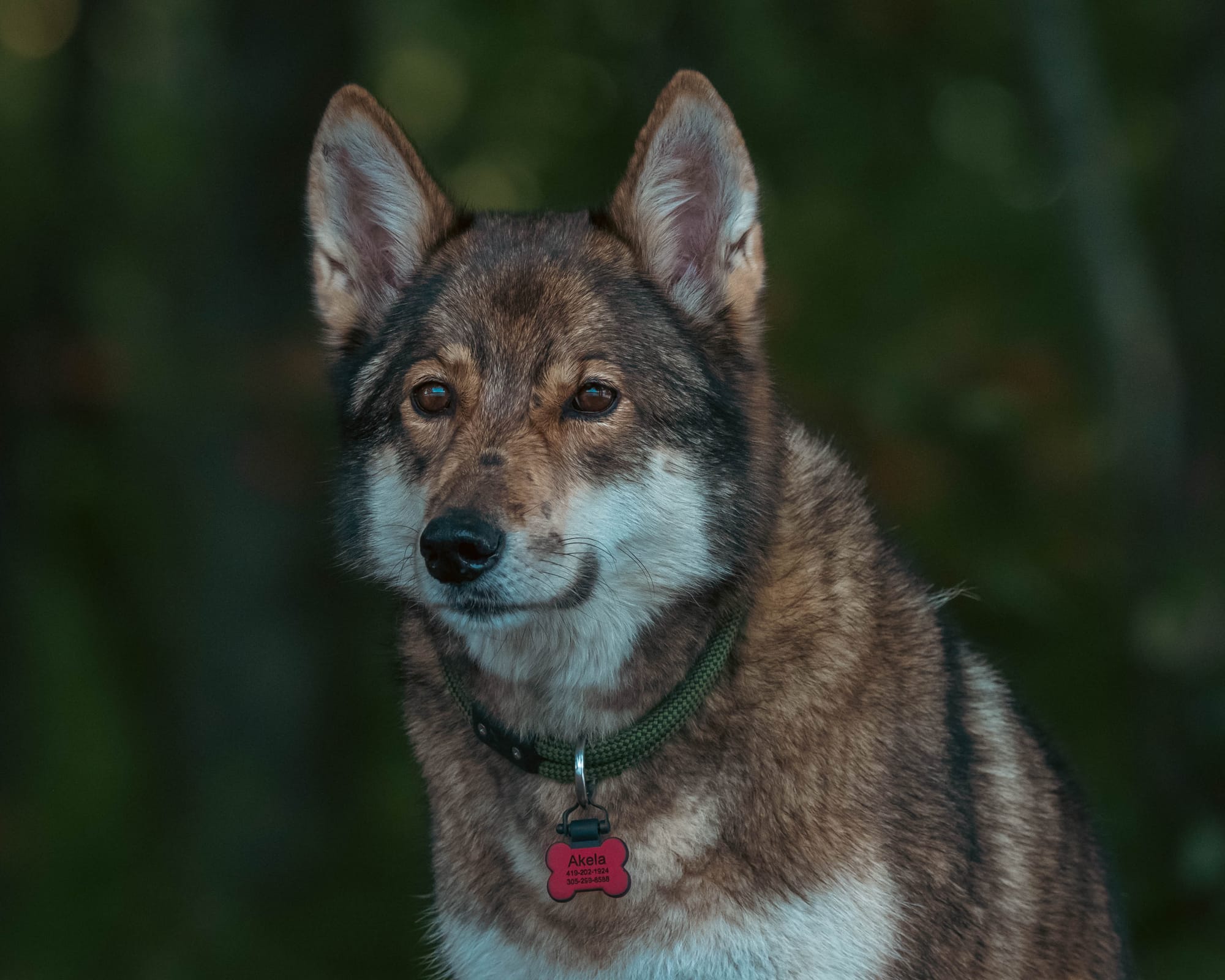
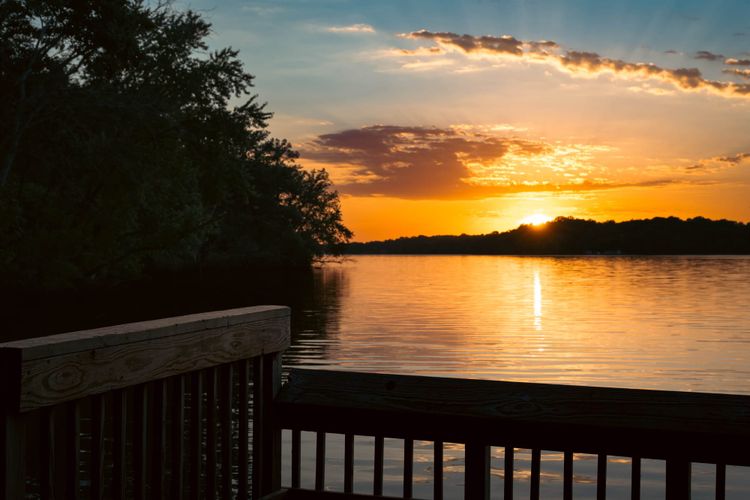
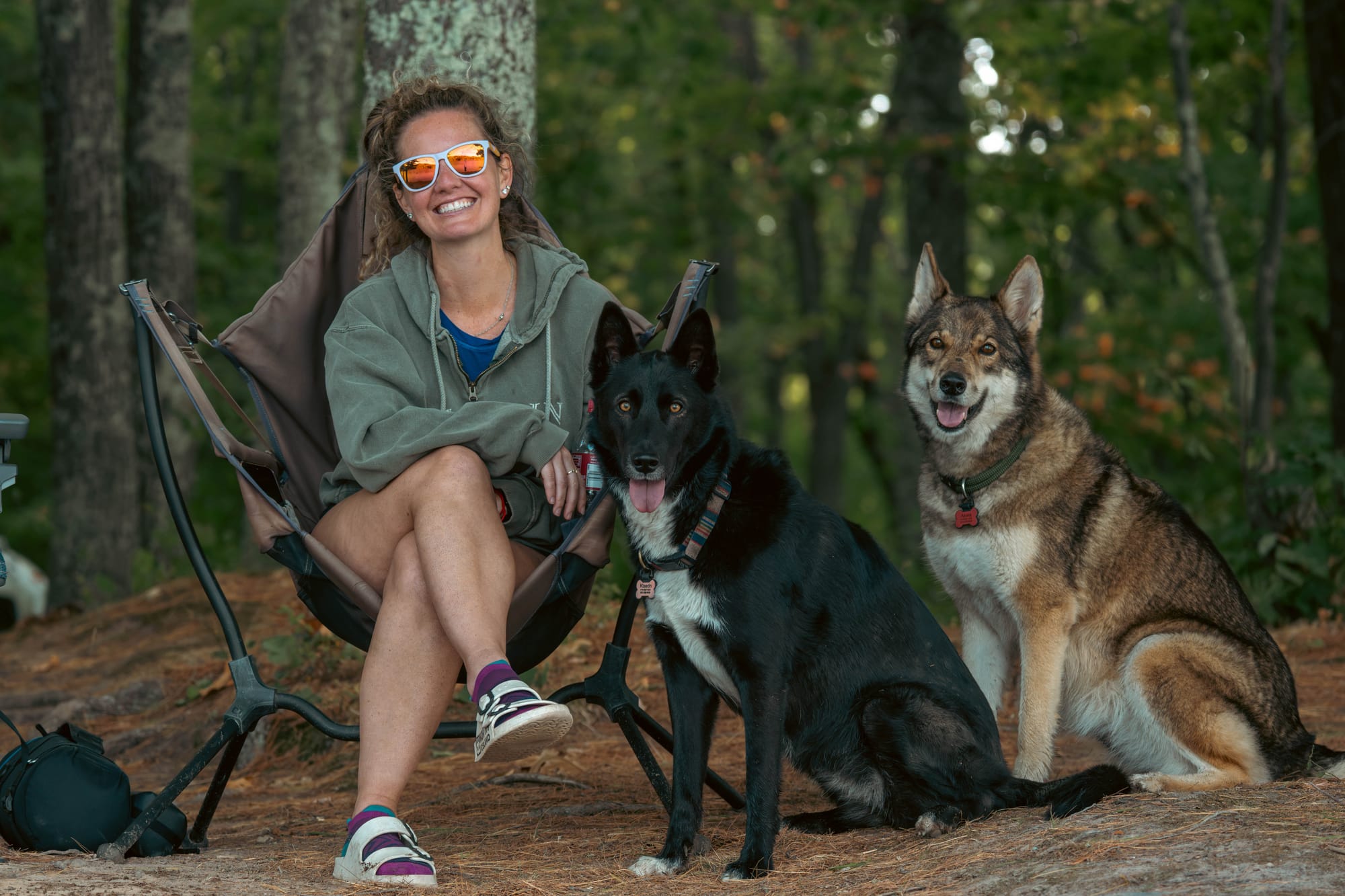
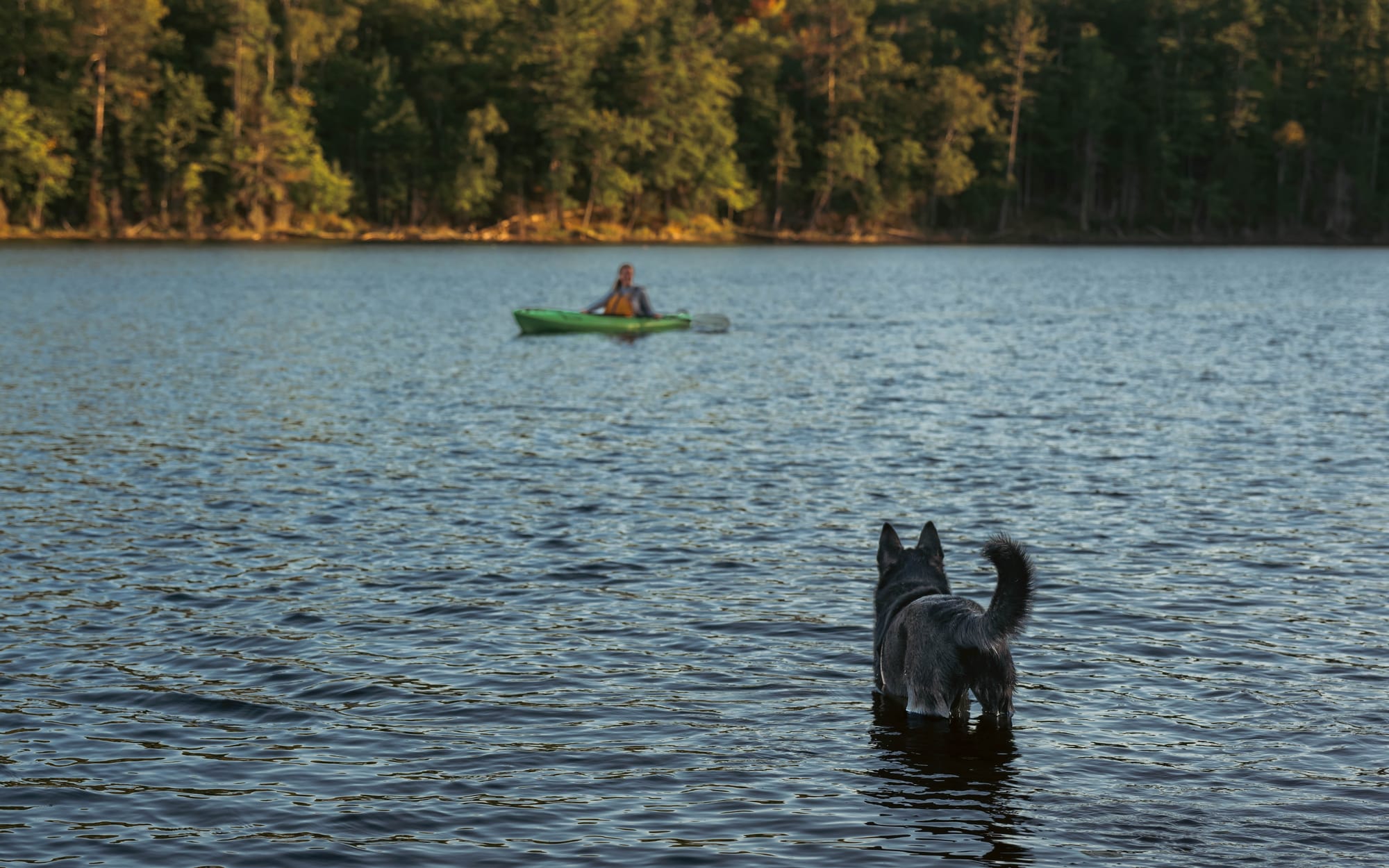
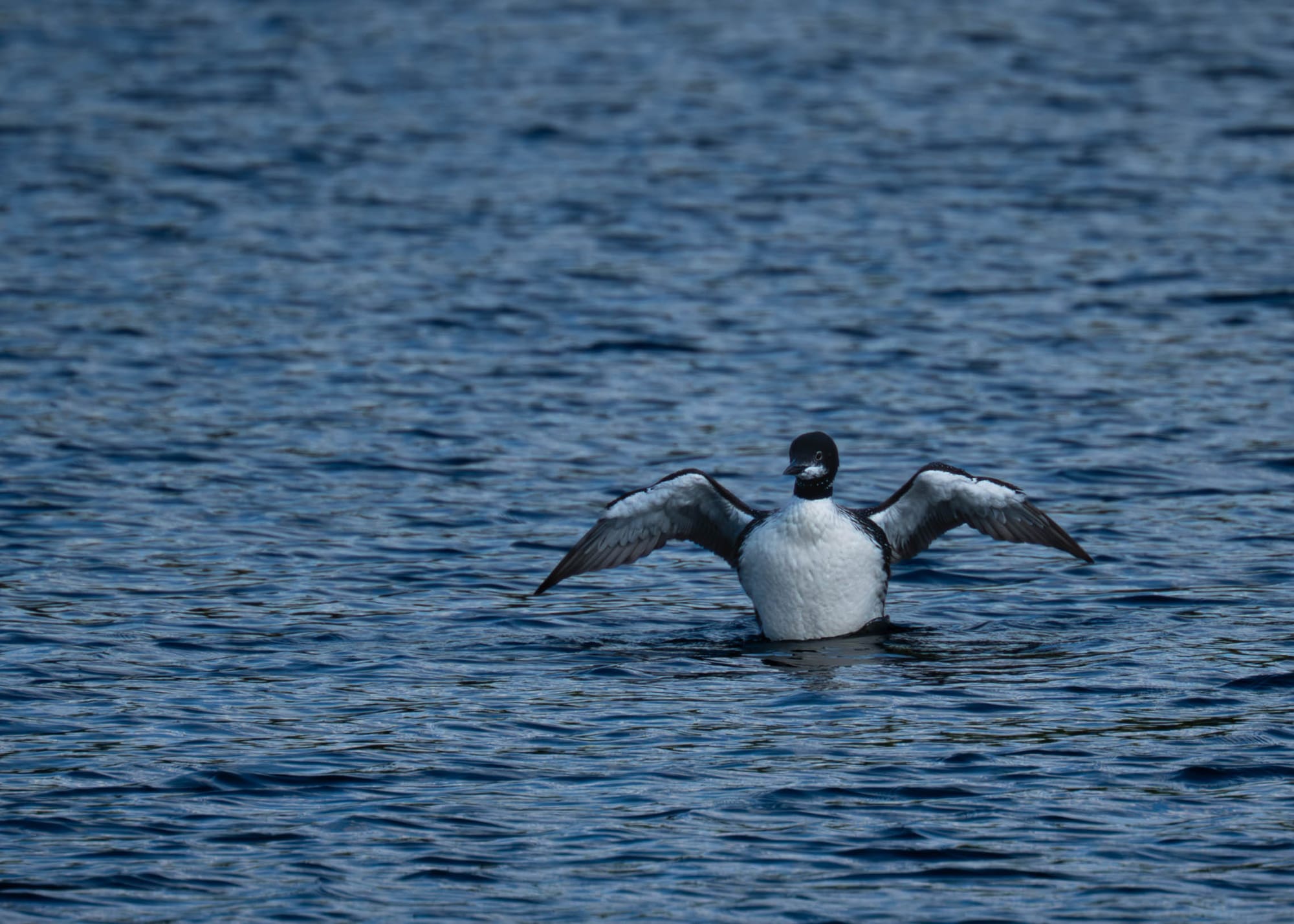
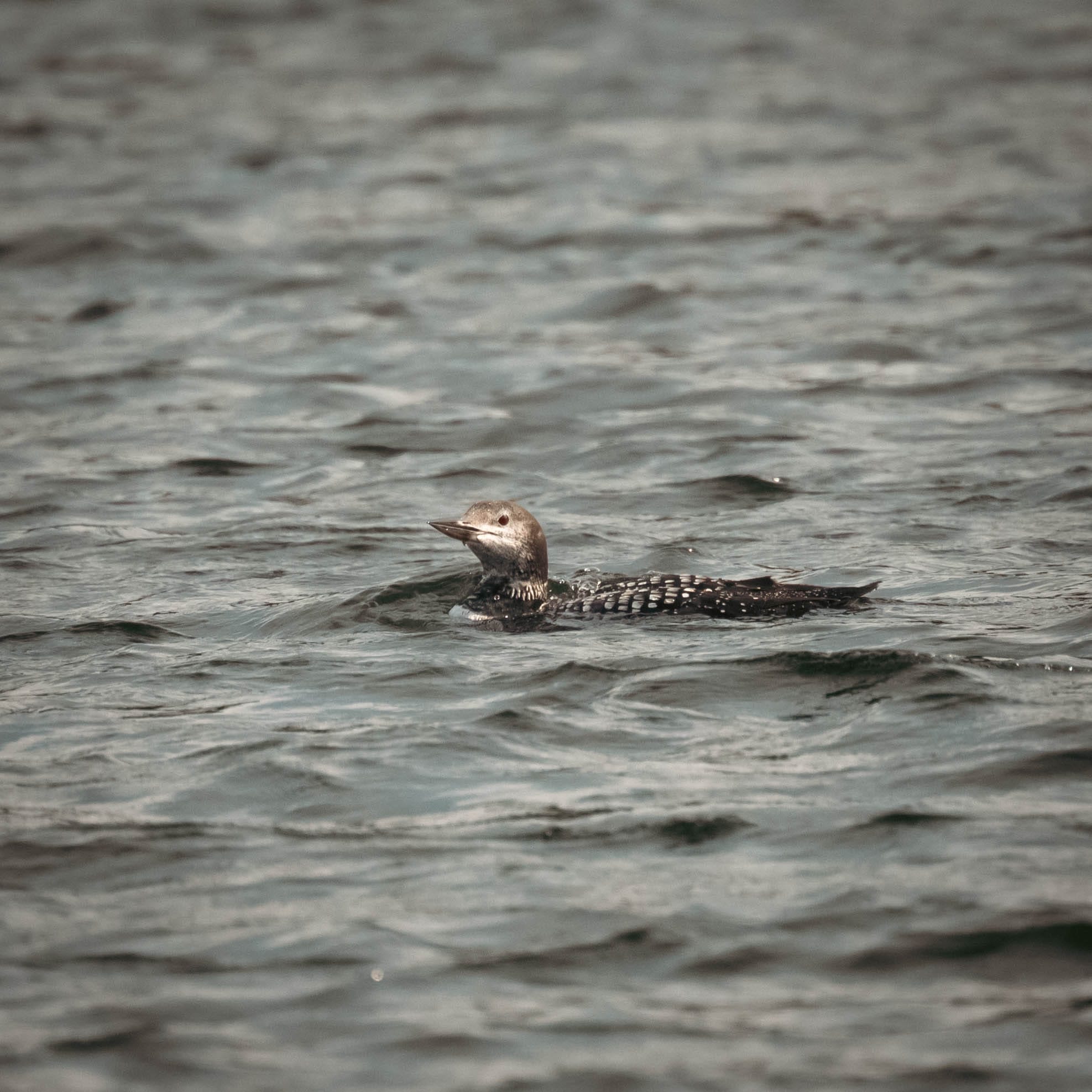
Morning coffee ended up beside the lake. Evening wine did too. The dogs swam whenever they could, and Ktaadn claimed a grassy patch near the shoreline where she could watch the loons.
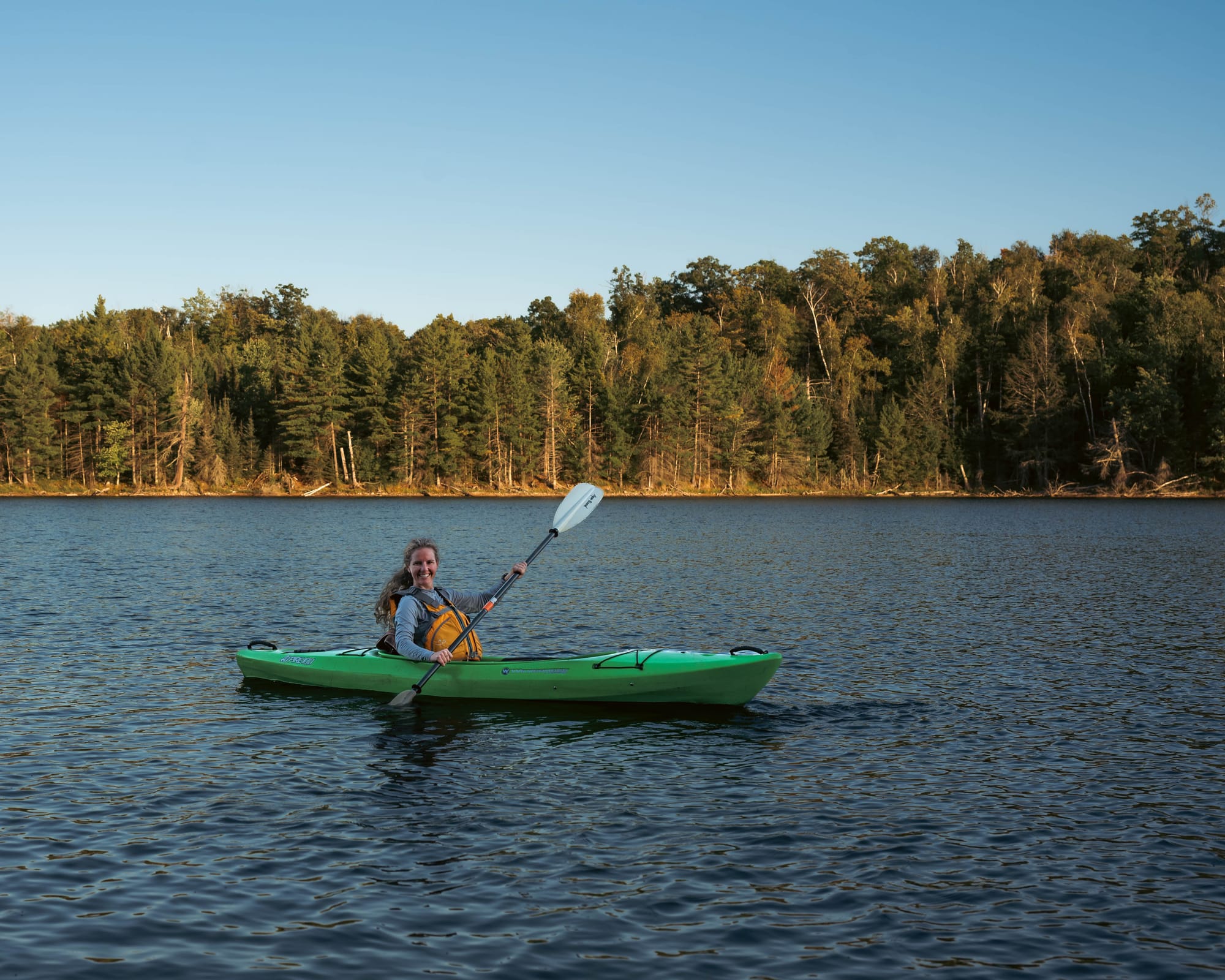
The campground was lightly occupied, and with nearly a hundred sites spread through the woods, long stretches felt empty. One evening Sam borrowed a neighbor’s kayak for a sunset paddle around the lake.
We've camped beside enough lakes and rivers this year that not carrying anything that floats is starting to feel like an oversight. Sam already knows her way around a canoe from years of paddling trips, so the missing piece isn't experience.
It's just the canoe.
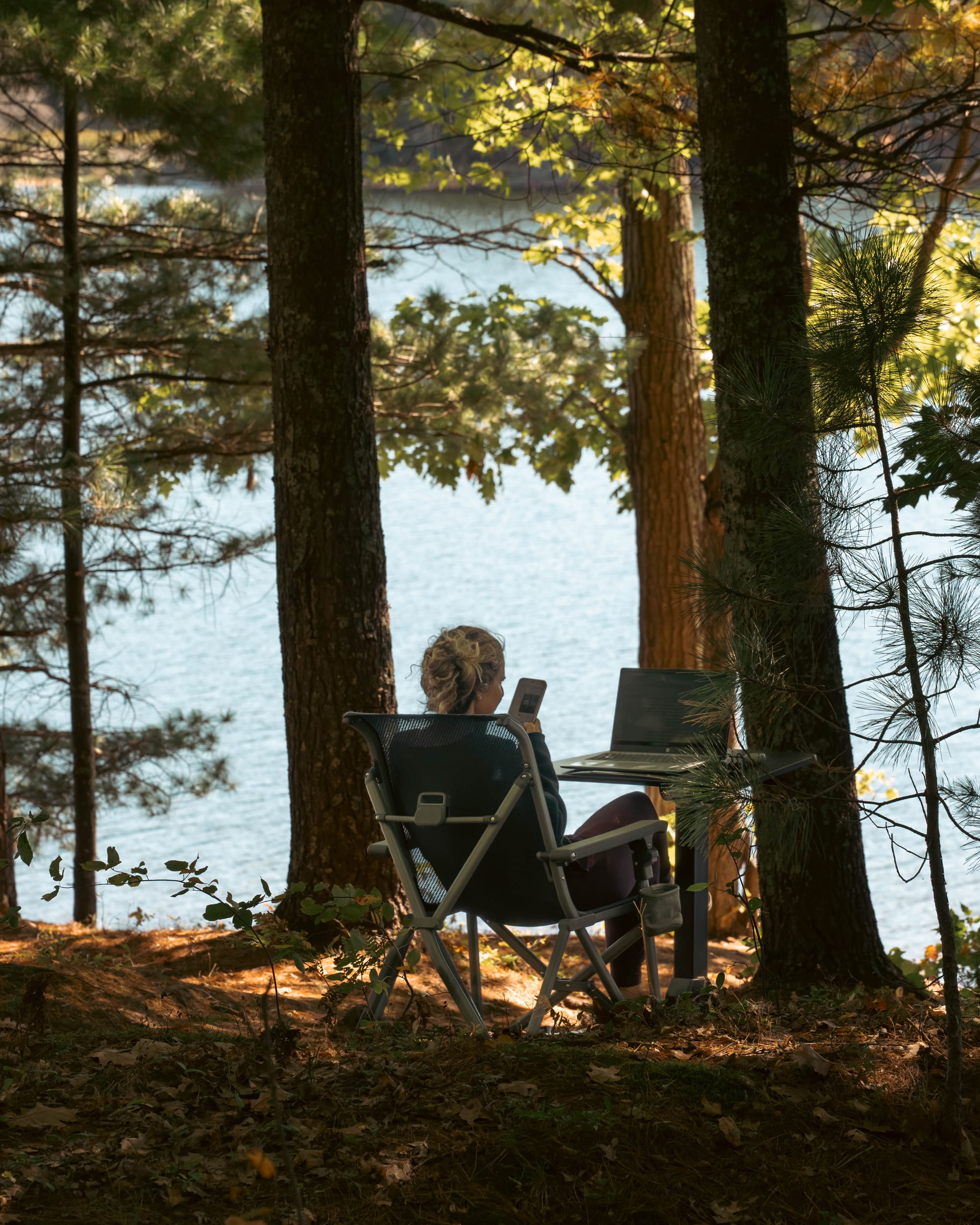
There wasn't enough open sky near the Airstream for reliable Starlink, so we moved the dish toward the shoreline. That put it too far from the trailer for a good Wi-Fi connection.
So Sam's office moved outside with it.
Fortunately, working outside was easy. The heat and humidity from southern Minnesota were gone. Cooler air, clear skies, a light breeze, and almost no bugs had finally given us the northern weather we’d been waiting for.
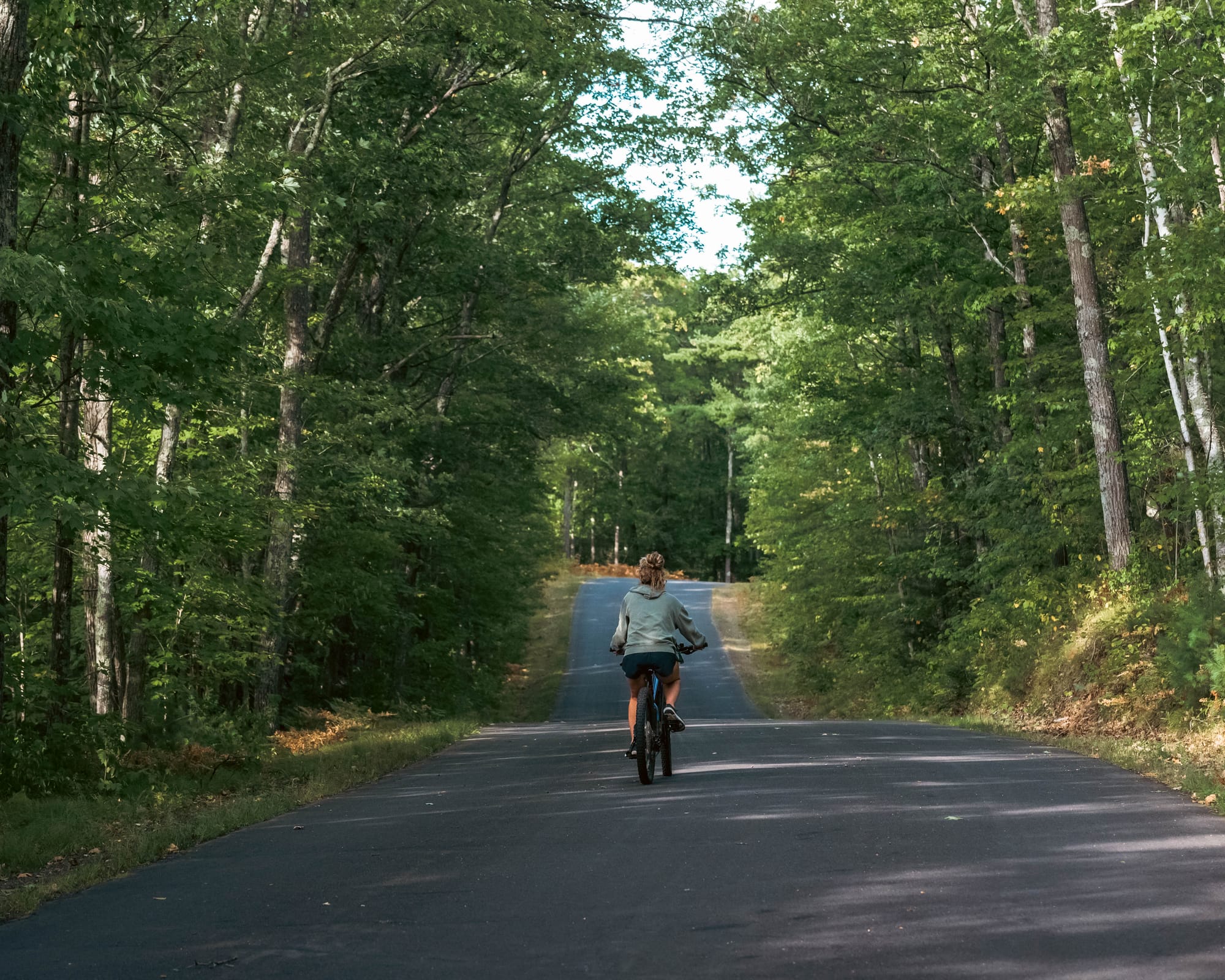
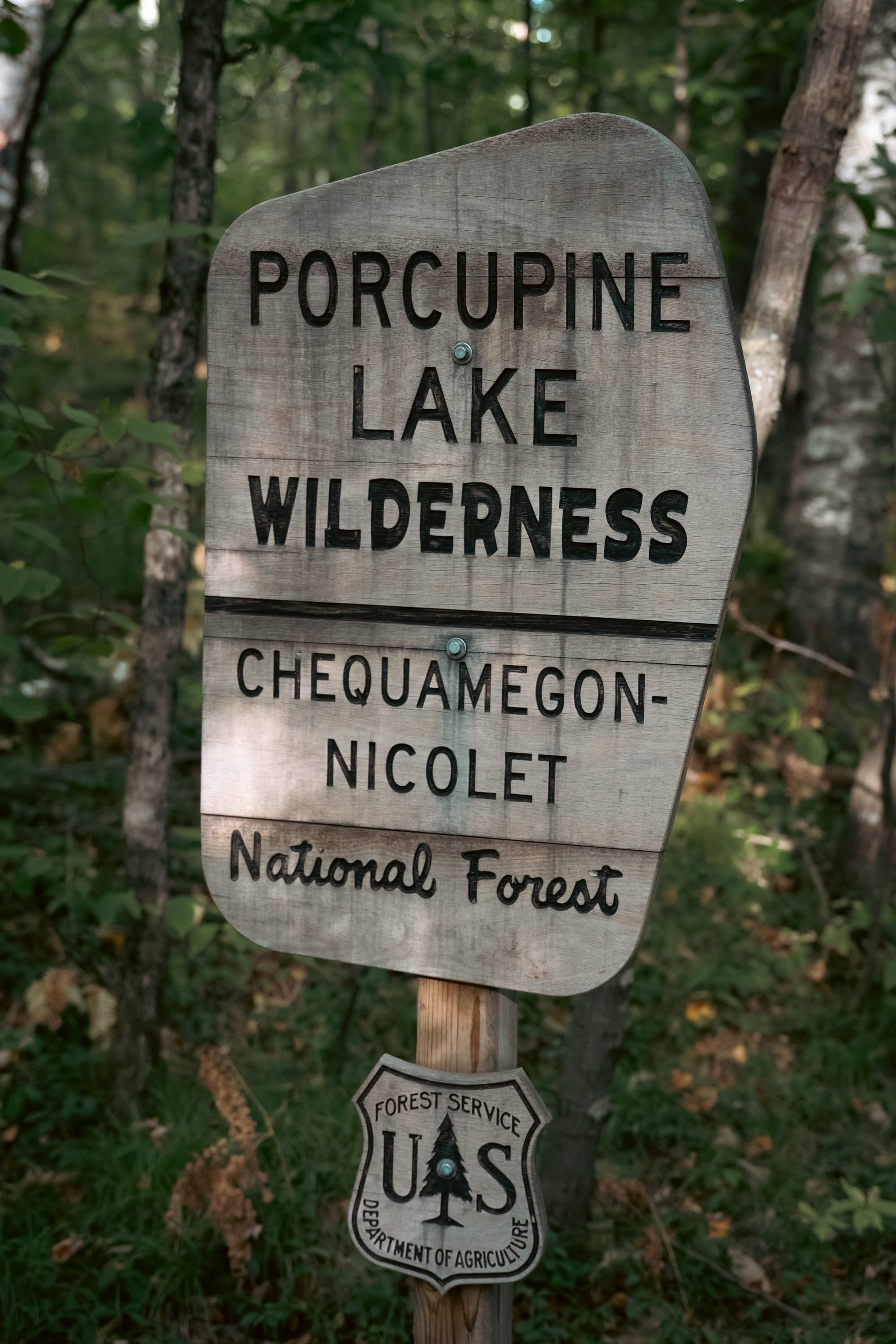
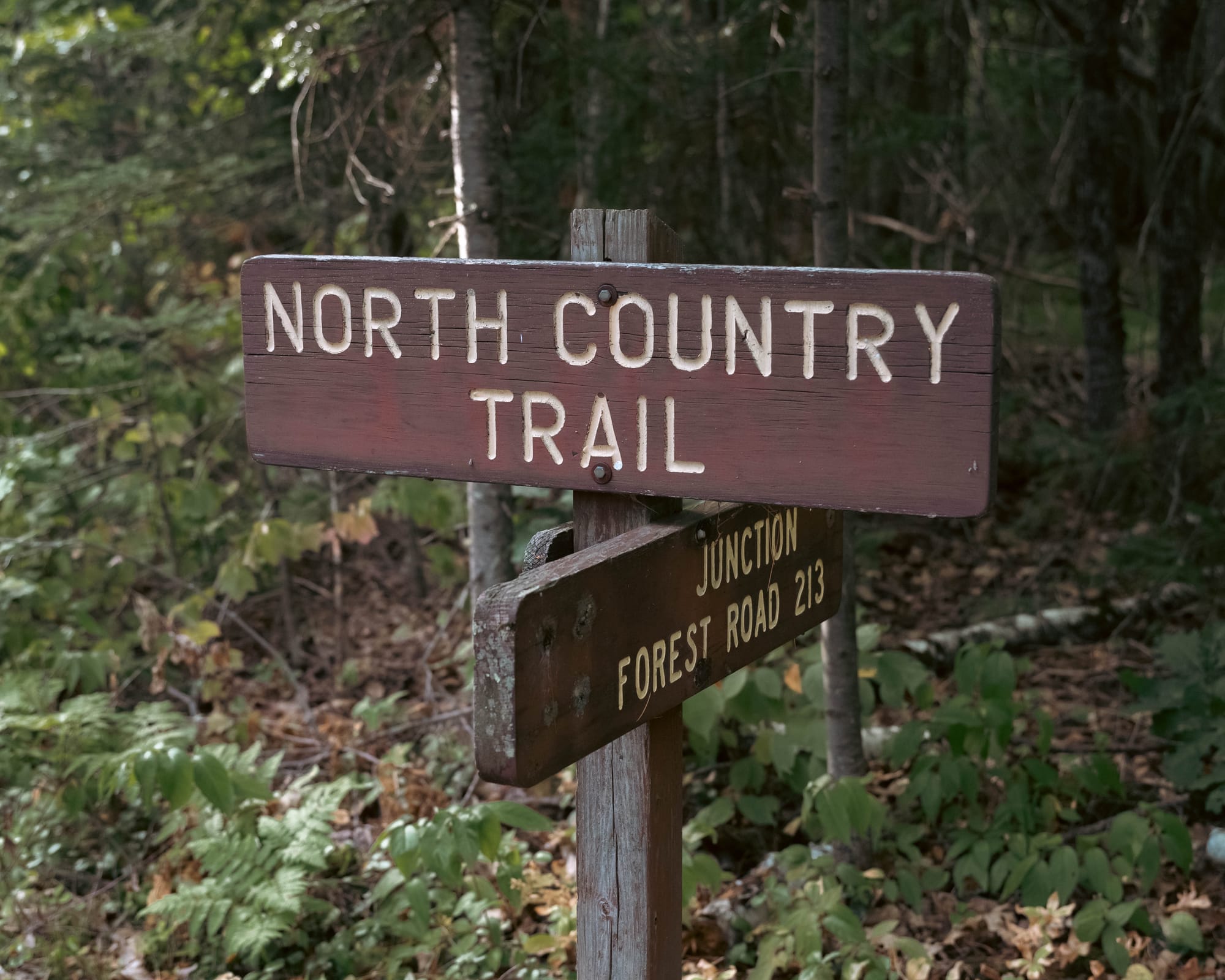
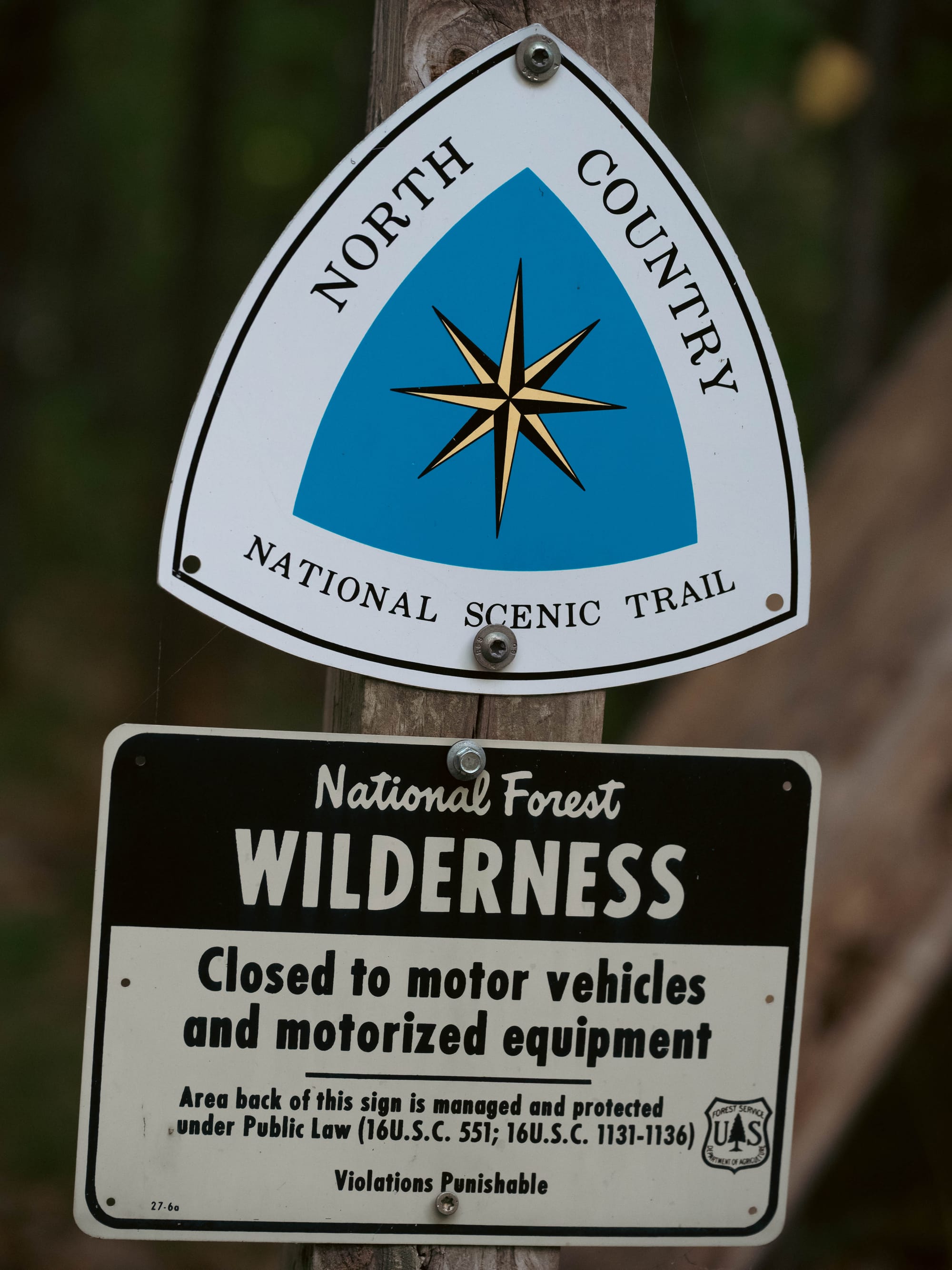
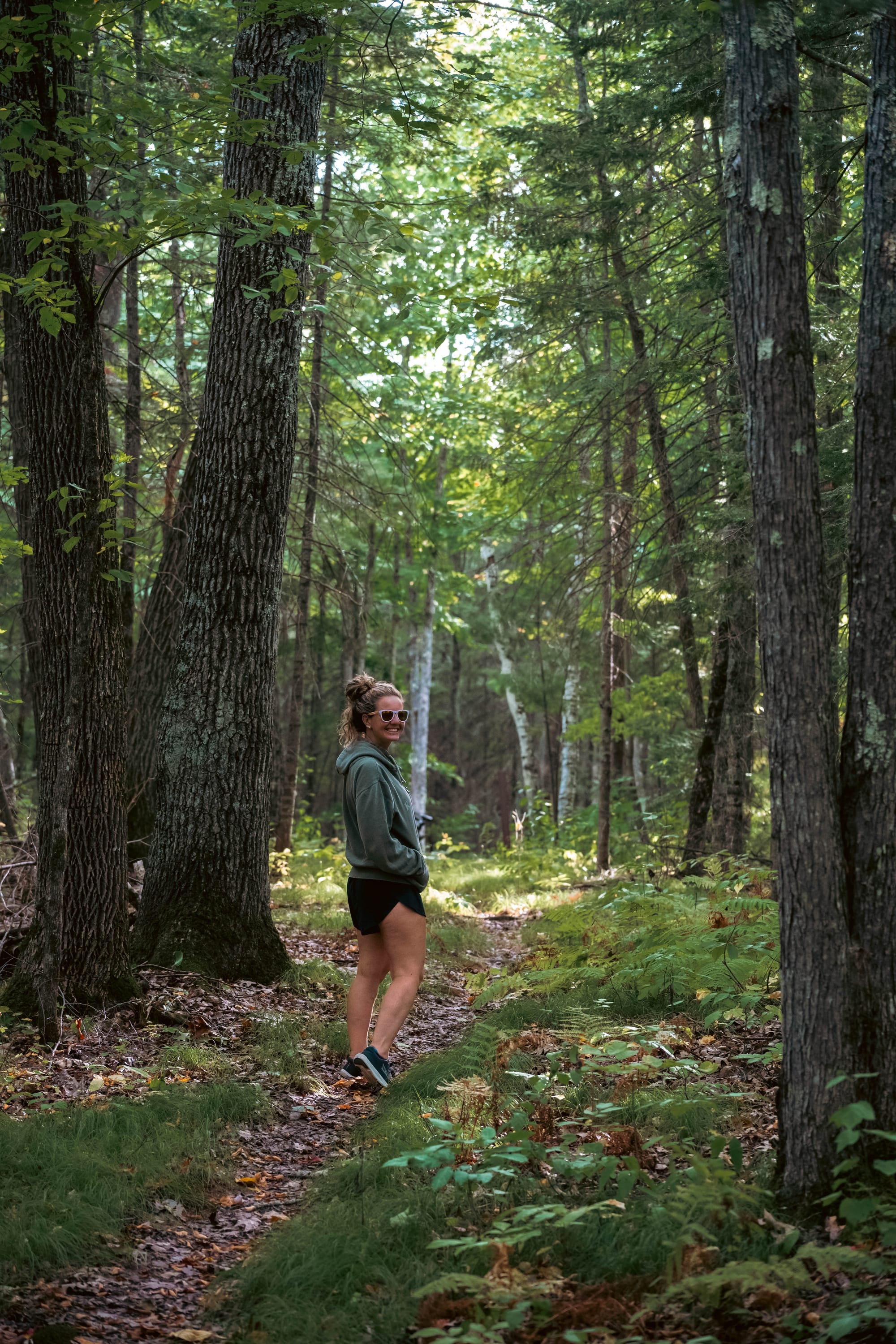
The North Country National Scenic Trail gave us miles to run and hike beyond the campground, but there wasn’t one trail or destination that defined the stay.
Instead, I kept noticing the landscape itself.
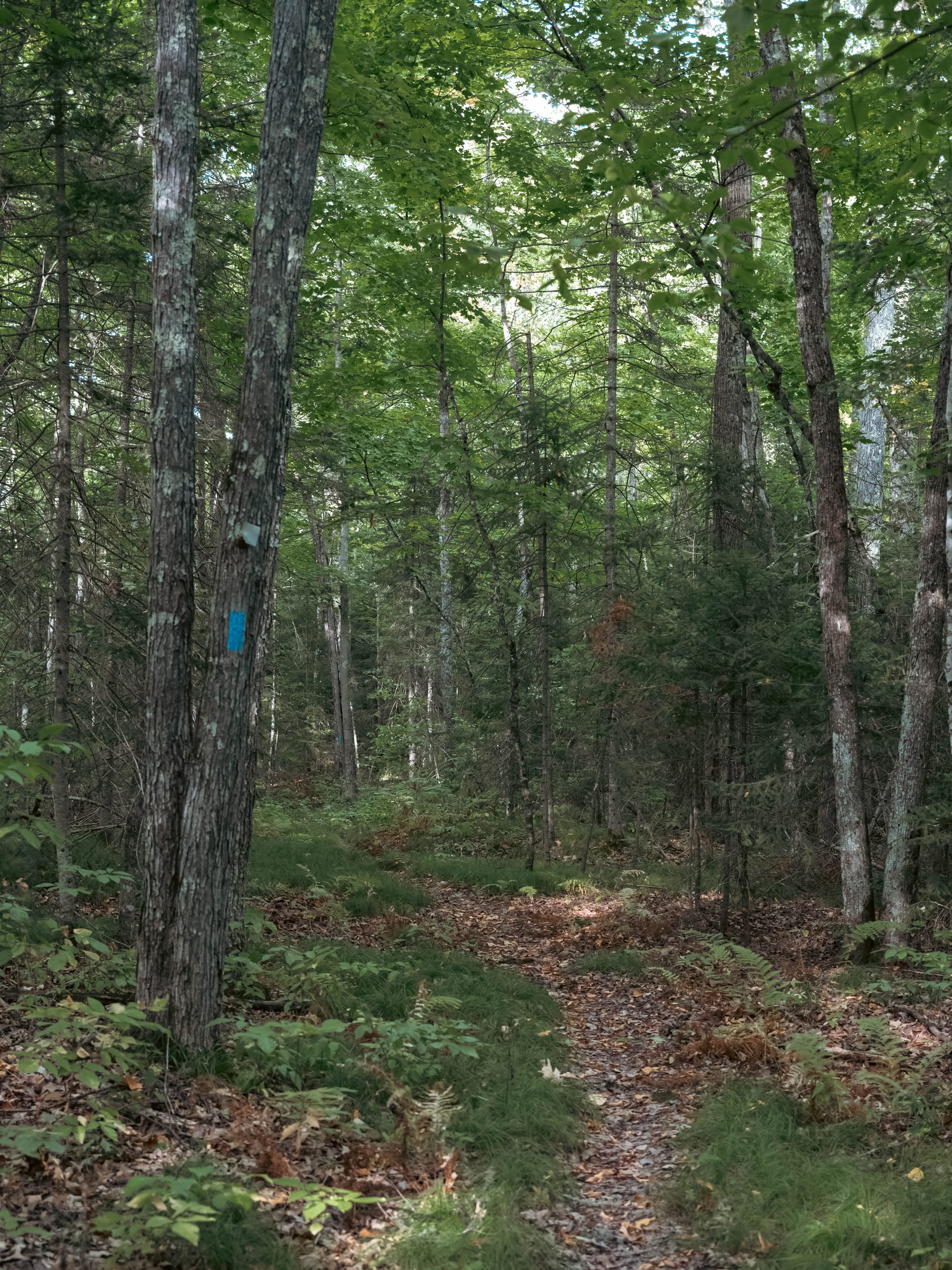
The hills. The lakes everywhere. And a forest so dense that it felt like it had always been there.
It hadn’t.
🧭 Lay of the Land
- Location: Two Lakes Campground · Wisconsin · 46.2964, -91.1827 · [Google Maps]
- Official site: [Chequamegon-Nicolet National Forest]
- Landscape: Glacial lake country · Northern hardwood-conifer forest
- Our visit: September 2026 · 4 nights · mild days, cool nights, mostly clear and dry
🏕 Camp Setup
- Site types: Back-in · Pull-through · Walk-in tent
- Arrival & setup: Easy
- Hookups: 🧻
- Connectivity: 📶 AT&T ❌ | 📶 Verizon ❌ | 📶 T-Mobile ❌ | 📡 Starlink ⚠️ | 📶 Park Wi-Fi ❌
- Facilities: Restrooms · Trail access
Legend:
🚽 = sewer at site · 🧻 = dump station
🟢 = solid for work · ⚠️ = usable with limits · ❌ = unusable
Park Highlights
Much of what makes northern Wisconsin look the way it does starts with ice.
Glaciers repeatedly advanced across the region, carrying rock and sediment with them. When the last ice retreated, it left behind an uneven surface of ridges, depressions, and deposits that shape the land today.
Water filled many of the low spots.
Even the rocks breaking through the green belong to a much older landscape. Precambrian bedrock sits beneath the glacial deposits across the region, while the terrain on top records a history of ice moving across it.
The forest covering those hills has a more recent story.
By the early twentieth century, logging had worked through much of northern Wisconsin. The white pine that once dominated large portions of the region was especially valuable, and timber operations moved through it aggressively.
The view in 1920 looked nothing like the forest we drove through.
Cutover land was left covered in stumps. Fires burned across the region. Some land was sold for farming, but the soils and short growing season made agriculture difficult. Many parcels were abandoned or forfeited when owners stopped paying taxes.
The federal government began acquiring some of those lands, and Chequamegon and Nicolet National Forests were both established in 1933.
The work from there wasn’t simply to protect an existing forest.
It was to rebuild one.
Natural regeneration did part of the work. Reforestation did more. Civilian Conservation Corps crews planted trees, built roads and firebreaks, fought fires, and developed some of the early recreation infrastructure across the forests.
Chequamegon and Nicolet were later combined administratively, and today the national forest covers more than 1.5 million acres across northern Wisconsin.
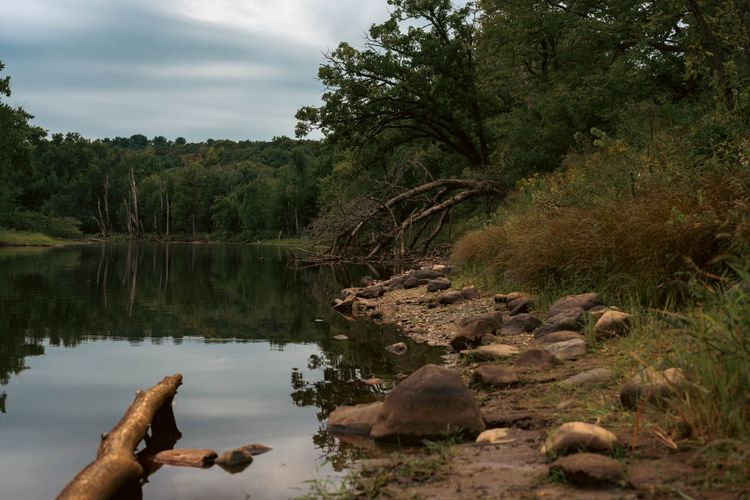
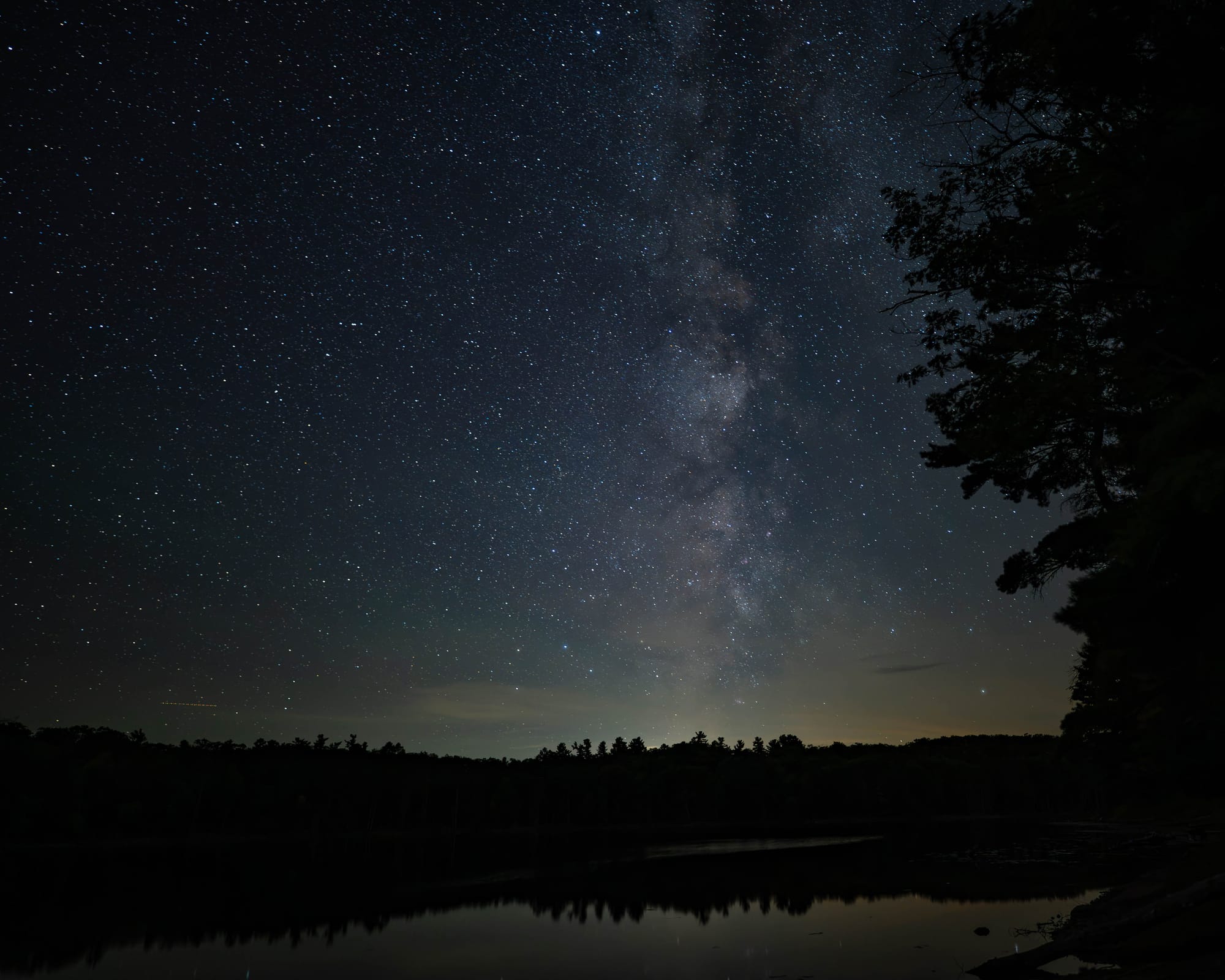
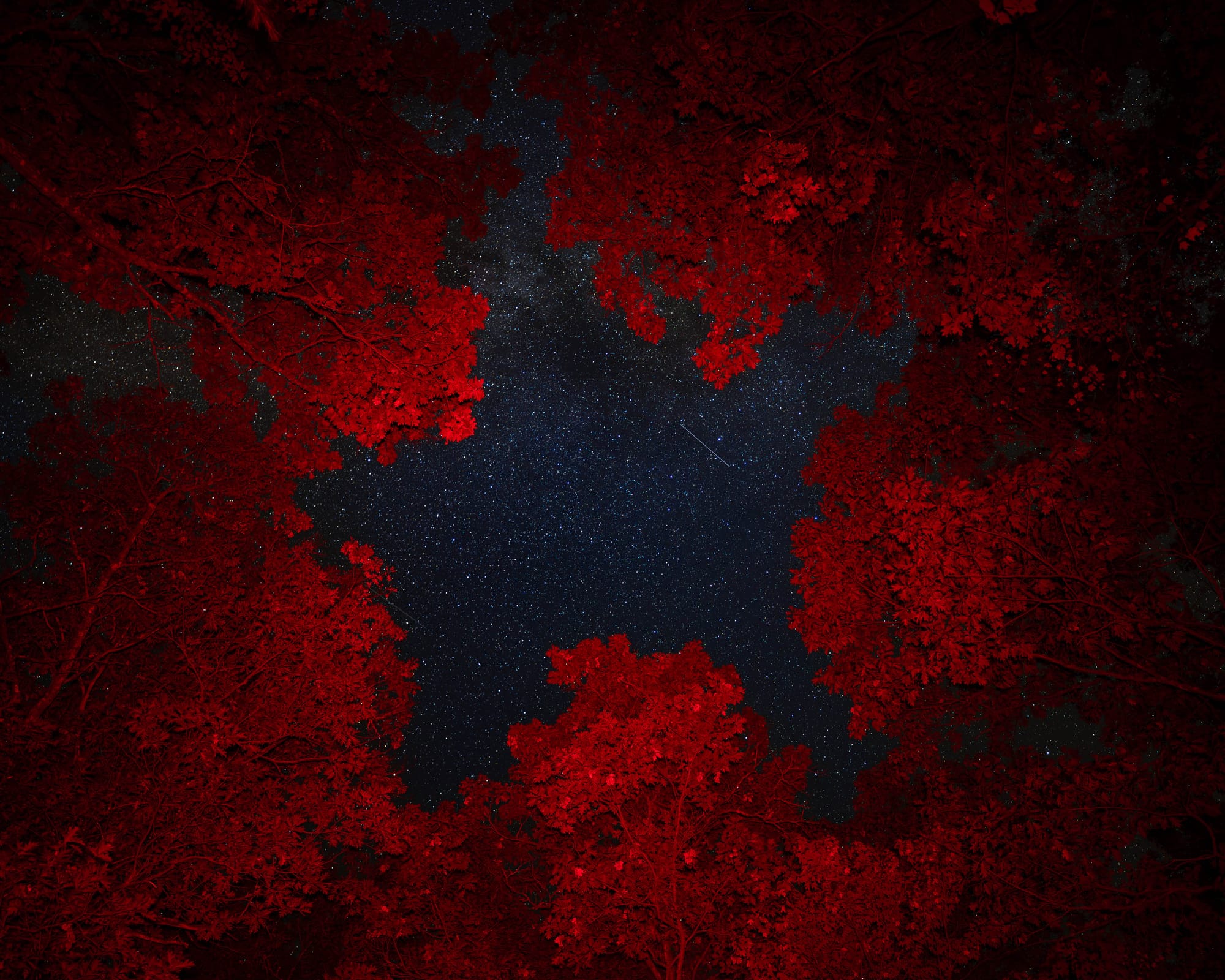
The lakes disappeared into trees in both directions. Loons moved across the water.
The forest felt endless.
A century ago, much of it wasn't.
🚴 On the Ground
- Activities available: ● 🥾 Hiking | ● 🚴 Biking | ● 🐕 Dogs | ● 🚣 Paddling | ● 🎣 Fishing | ● 🐦 Wildlife / Birding | ● 🏊 Swimming | ● 📸 Photography | ● 🏕️ Camp-centric | ○ 🧗 Climbing
- Trail mileage available: 🥾 54.5 mi | 🚴 ⟂ | 🚣 Bass Lake + Lake Owen
- Crowd level: Quiet
Legend: ● = available · ○ = not available
Boondocking Update
Three consecutive campsites beneath heavy tree cover finally caught up with the batteries.
We’d started the stretch at Sakatah Lake with full batteries. Limited solar, some A/C use, and partial generator charges had gradually worked the bank down through William O’Brien and into Two Lakes.
We ran the generator for about 90 minutes a day, but by our final night we finally reached the bottom.
Around 9 p.m., the batteries hit zero.
Our Victron system still showed roughly 20 percent, while the individual Epoch batteries showed what was actually happening: empty.
We ran the generator long enough to get through the night, then woke up to an empty bank again. Another couple of hours gave us enough power to finish breaking camp and get the inverter back online.
Three shaded stops made it obvious how much work the solar panels had been doing out West.
We’ve gone more than 20 days without hookups when the solar panels had regular access to the sun. Even with a large lithium bank, those panels had been replacing a meaningful portion of what we used every day.
Take that away long enough and the math changes.
The empty bank exposed one other problem. After days of partial charges, the Victron state-of-charge estimate had drifted far enough from the battery readings to stop being useful.
Next time we get that low, I’ll check the batteries directly.
⚡ TL;DR
- Park highlight: Wooded lakeside camping between Bass and Lake Owen with direct access to the North Country Trail
- Best for: Quiet lake camping, paddling, and hiking in the Northwoods
- Skip if: You need hookups or reliable connectivity
- Worth planning around?: Yes
Final Takeaways
Two Lakes didn't need a big objective.
Most days were some combination of miles through the forest, dogs in the water, work outside, and time beside the lake.
That was enough.
We’d spent much of the summer in national forests where mountains pulled us toward the next trail, overlook, or ridgeline. Here, the water kept us close to camp.
Maybe that’s why the canoe conversation stuck.
We booked Two Lakes because it fit the route east.
We left trying to figure out where we'd carry a canoe.