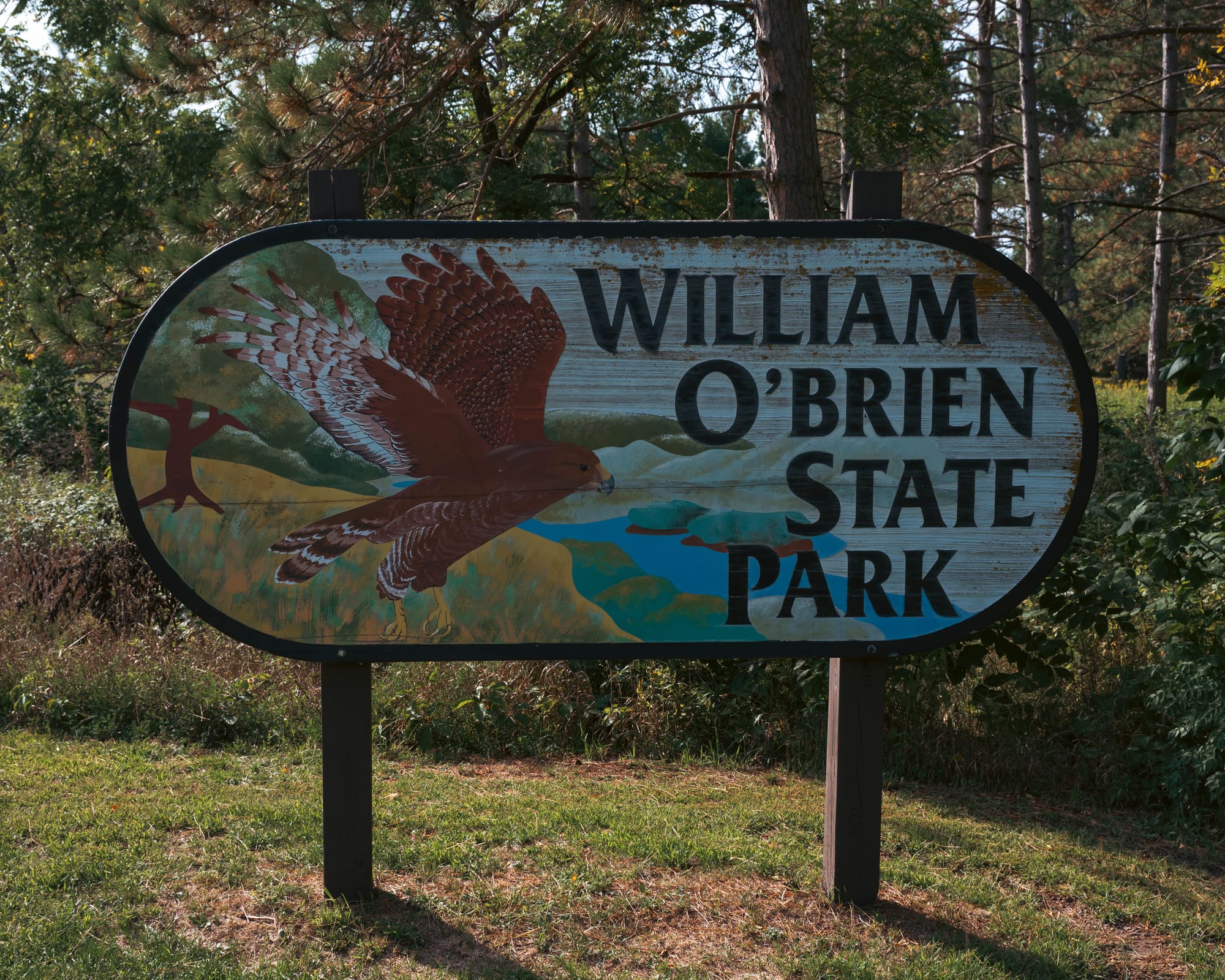
William O'Brien State Park
My last solo move with Eleanor started at Sakatah Lake and ended with a flight landing at MSP.
The dogs and I headed north, refilled the propane tanks, and pulled into William O'Brien State Park with enough time to get our site set up before turning around for the airport.
For once, everything lined up.
Eleanor backed easily into the large site, leveled without much trouble, and stayed there while the dogs and I headed straight back out. I didn't even let them out of the truck. By the time I reached MSP, Sam was through baggage claim and ready to go.
Moving days have produced dog puke, rolls in cow poop, spilled refrigerators, and plenty of other complications. It was nice to nail one.
The solo stretch gave me plenty of practice moving and backing the Airstream on my own. I felt noticeably better at both by the end of it, but nature and the dogs aren't much for conversation.
It was good to have my favorite human back.
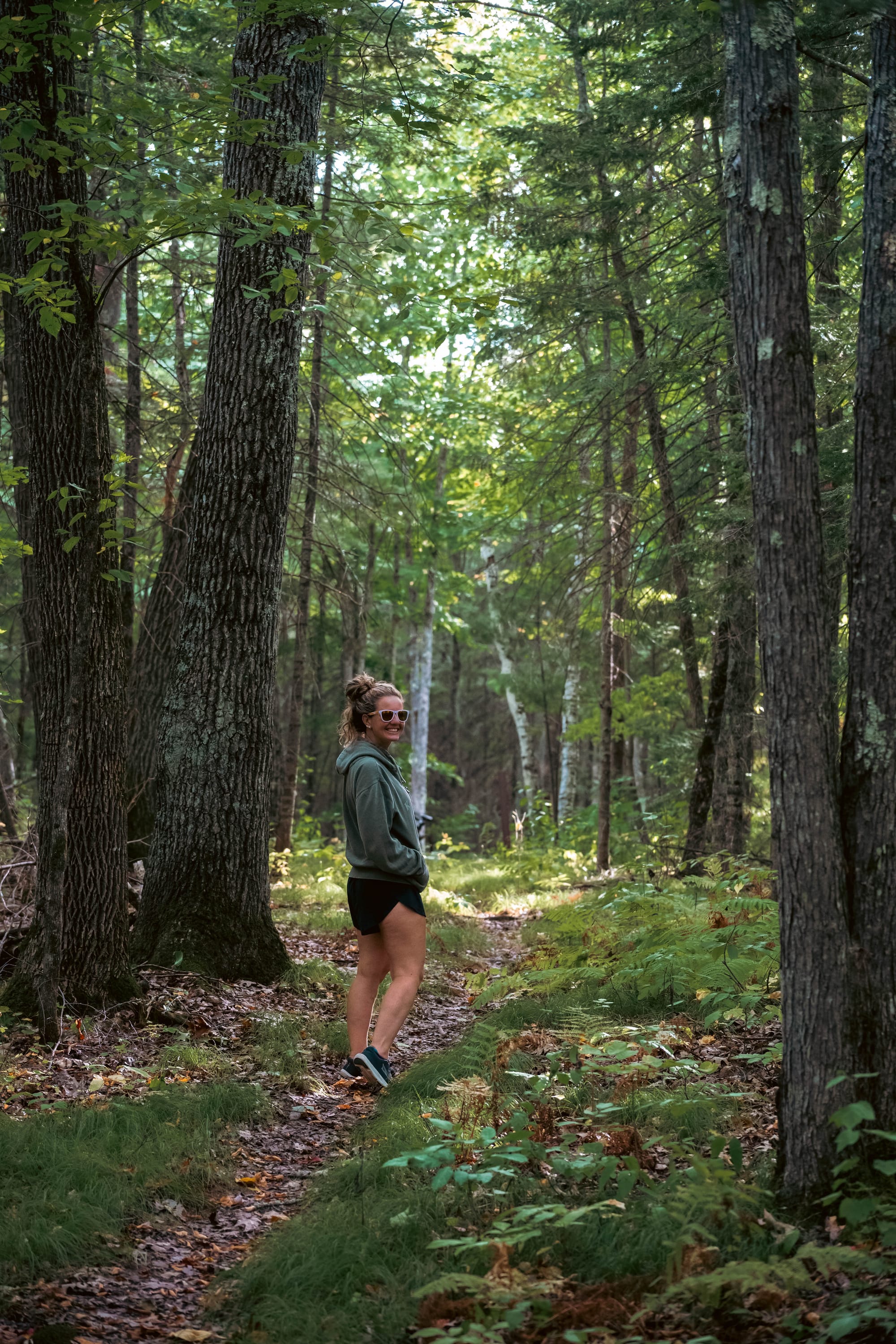
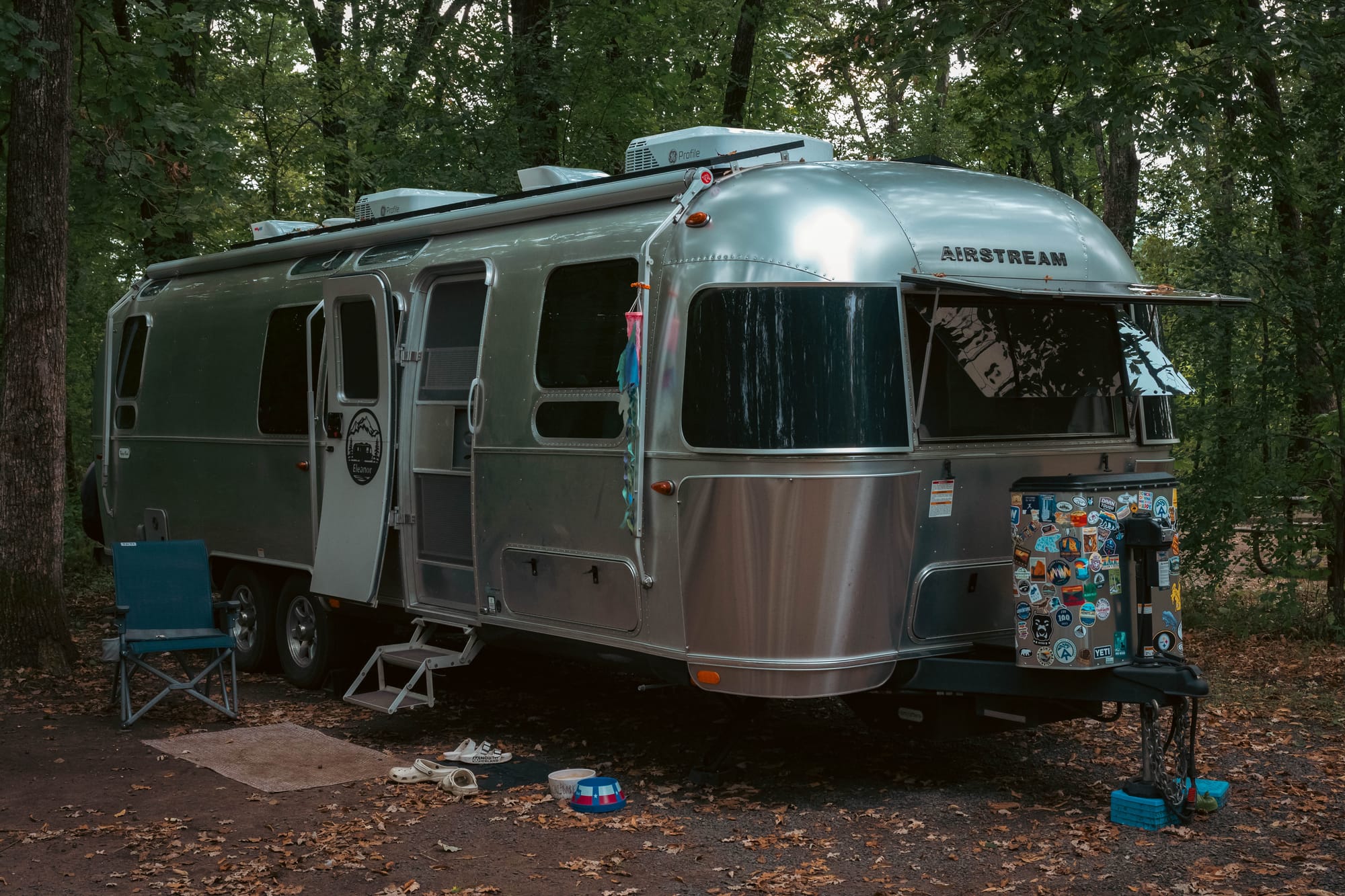
Site 117 sat beneath another thick Minnesota canopy in the Savannah Campground. We had no hookups and almost no useful solar, making William O'Brien our second stop in a row running almost entirely from the batteries and generator.
Cooler temperatures made this round considerably easier. The A/C ran for only an hour or two during the entire stay, mostly to pull moisture from the trailer.
The humidity hadn't gone anywhere.
One rainy night convinced us to buy a second small dehumidifier, although plugging two of them in while rationing electricity didn't make much sense. About an hour of generator time each day kept us going. We arrived around 50 percent battery and left four nights later around 30%.
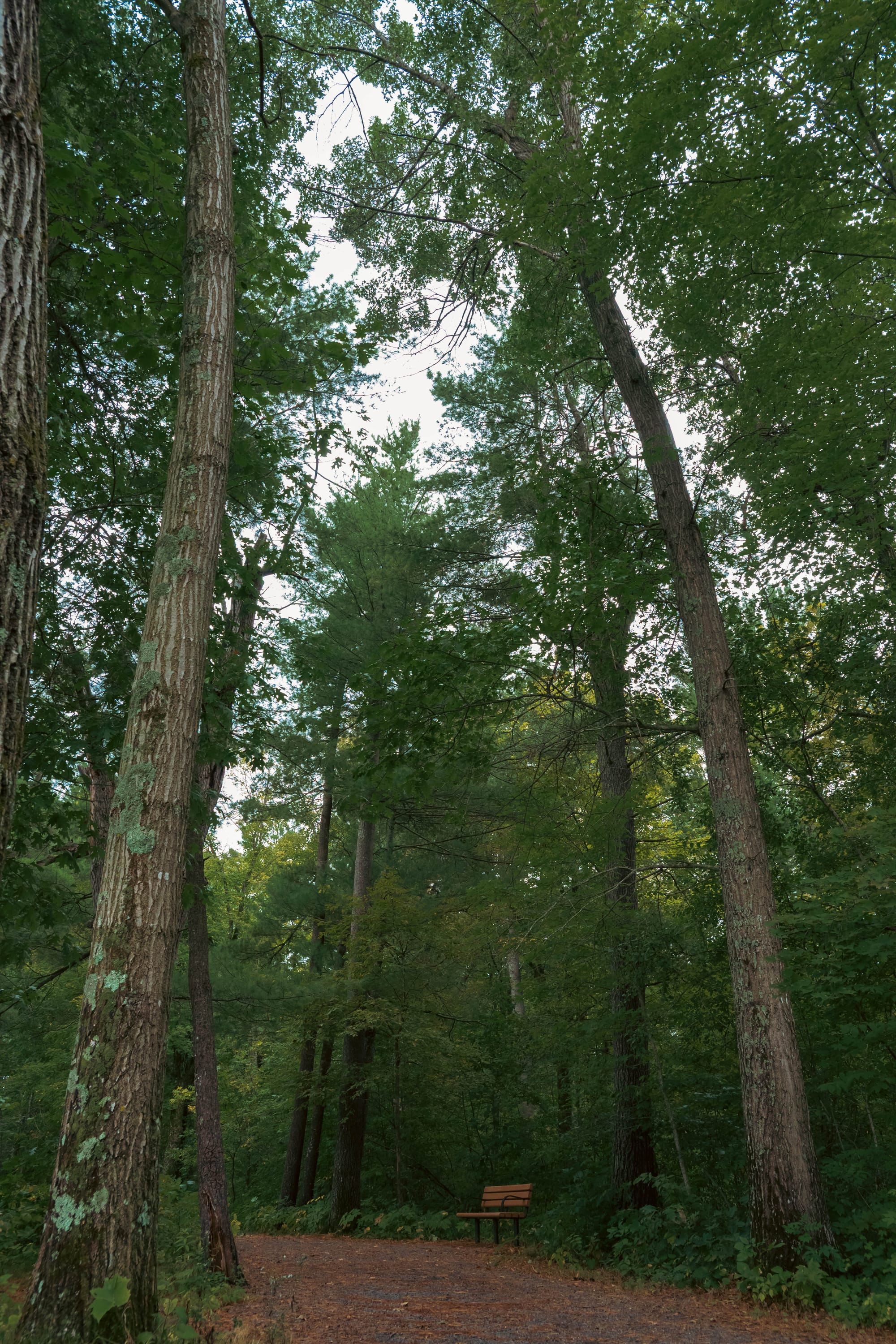
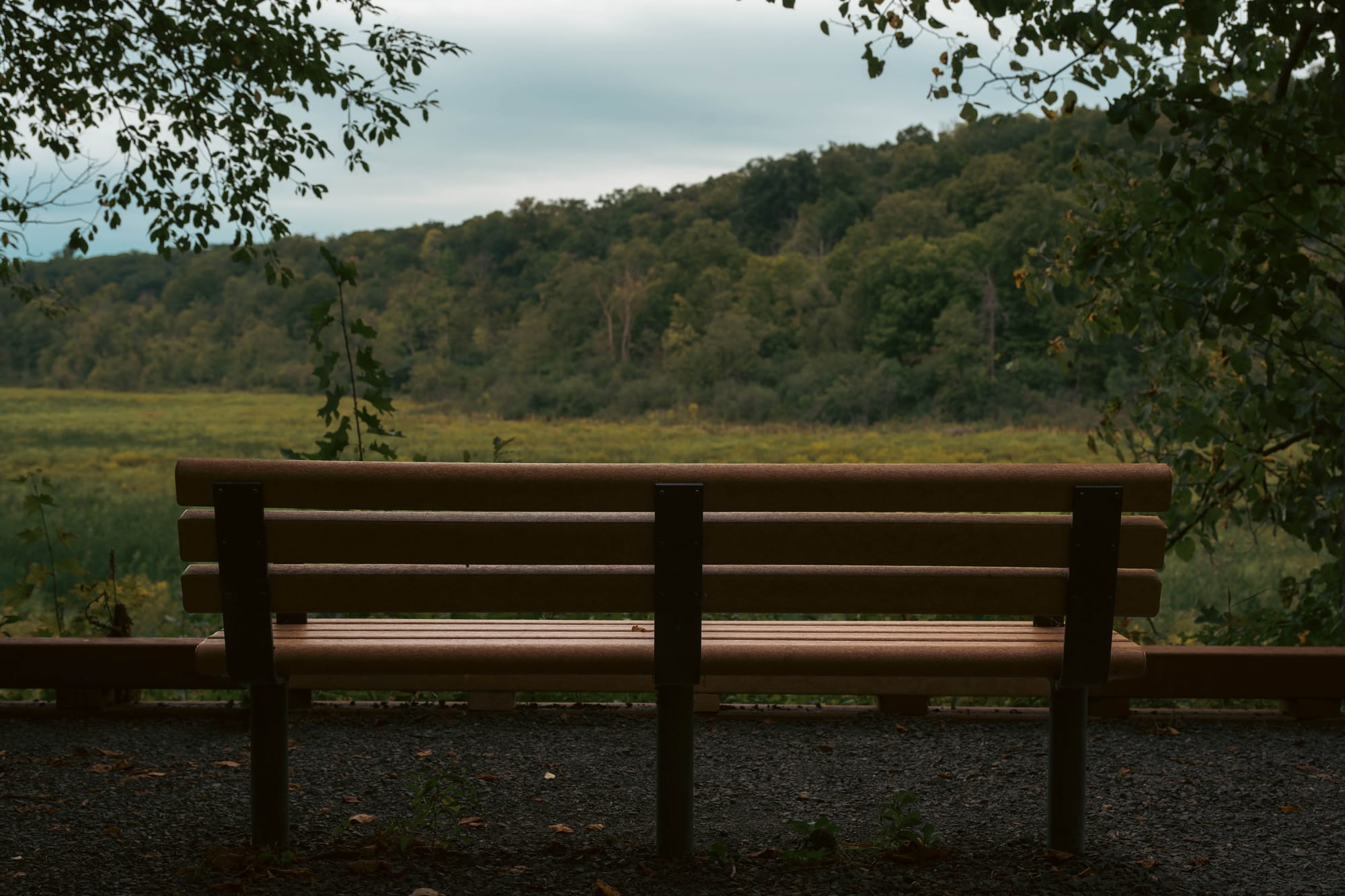
The holiday weekend kept the park active at first. By Tuesday, most of Savannah Loop was empty.
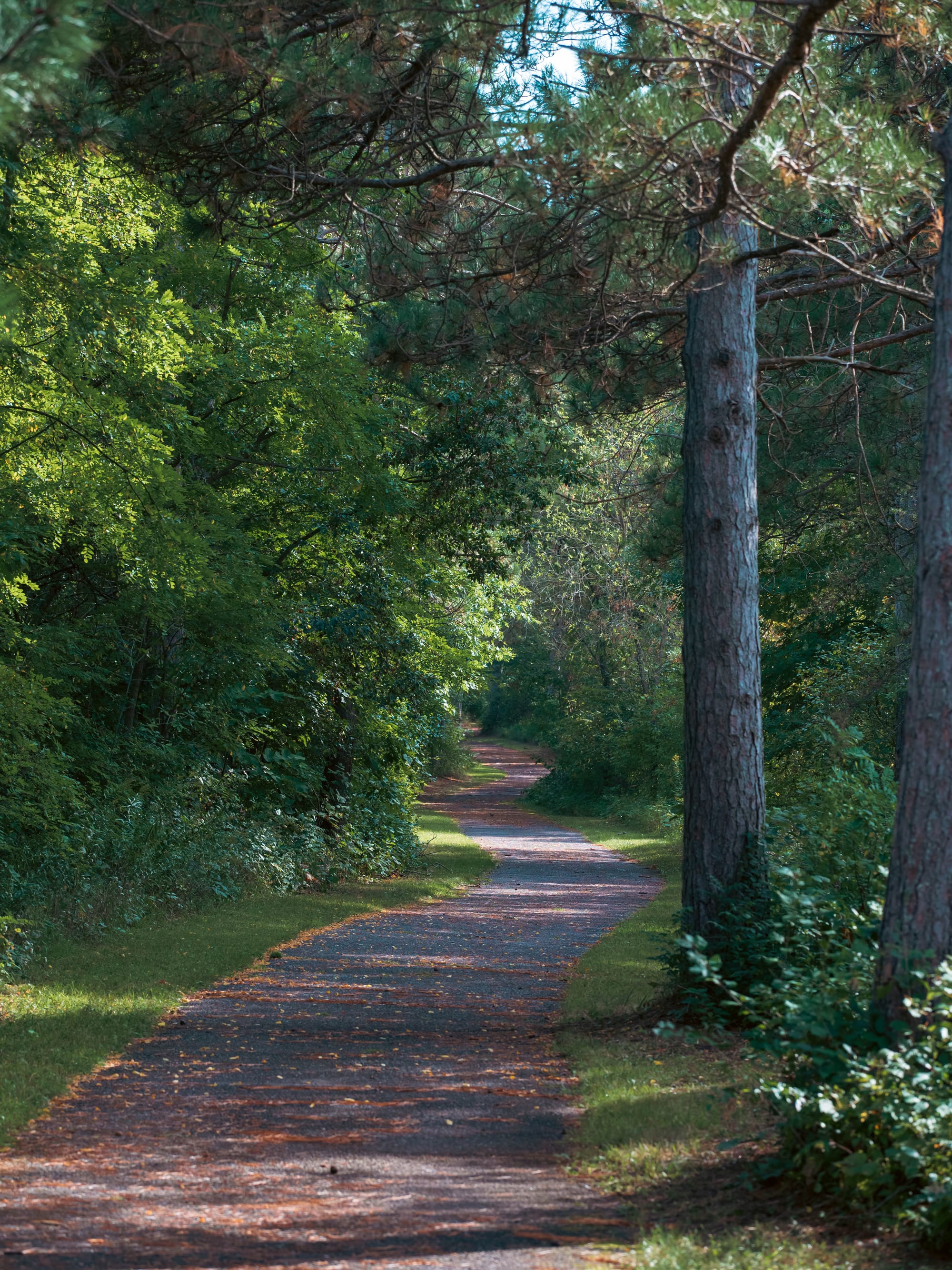
We covered a lot of ground while it emptied around us. Sam ran 12 miles in one long run, I accumulated about the same over several shorter runs, and we hiked another five miles together.
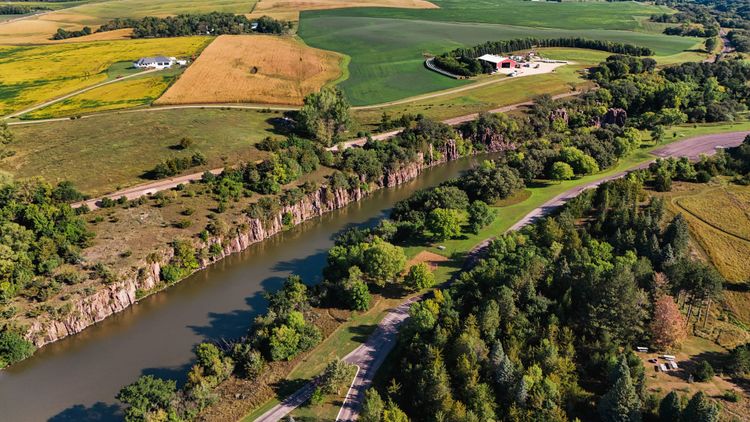
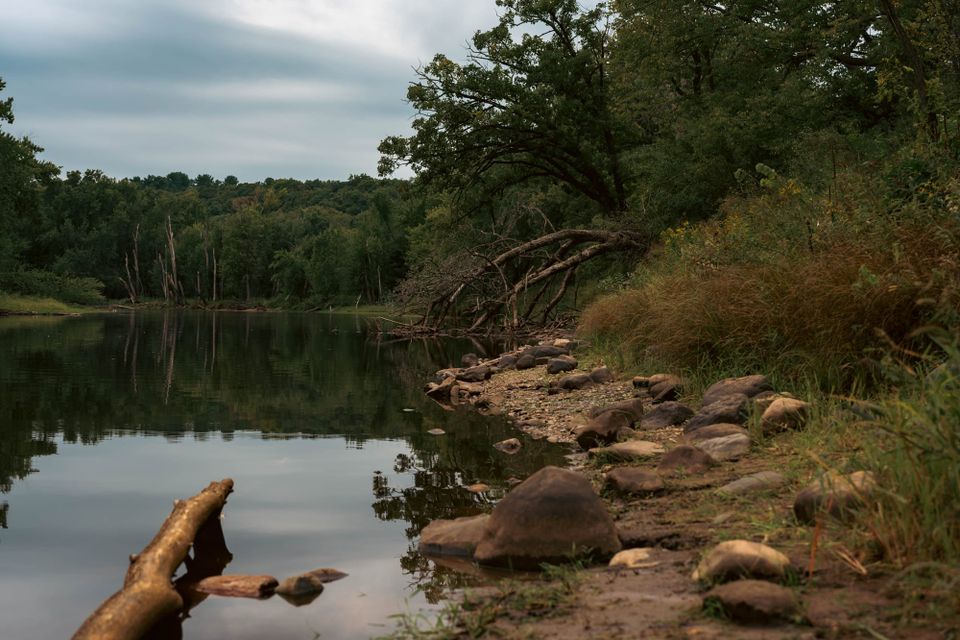
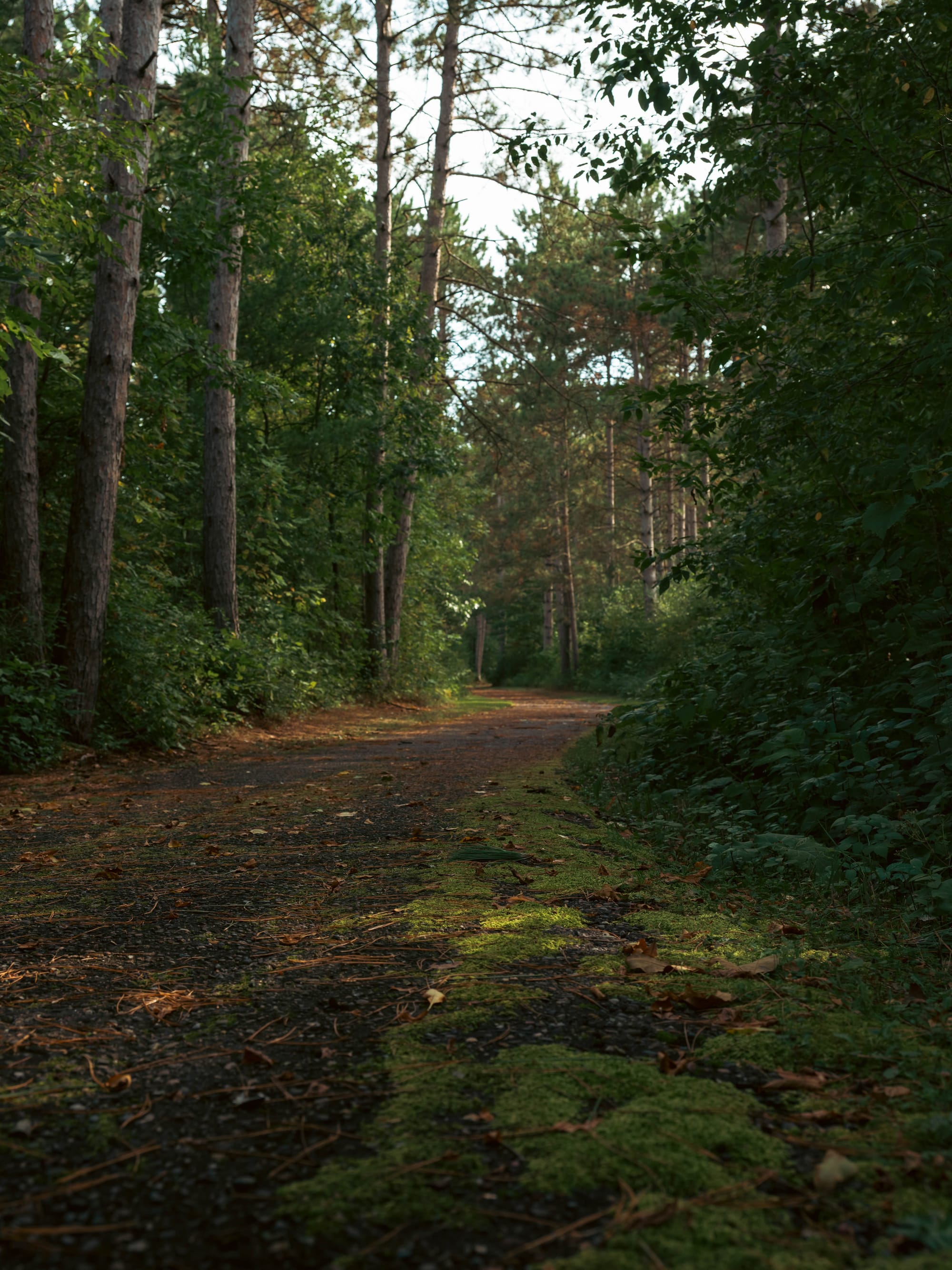
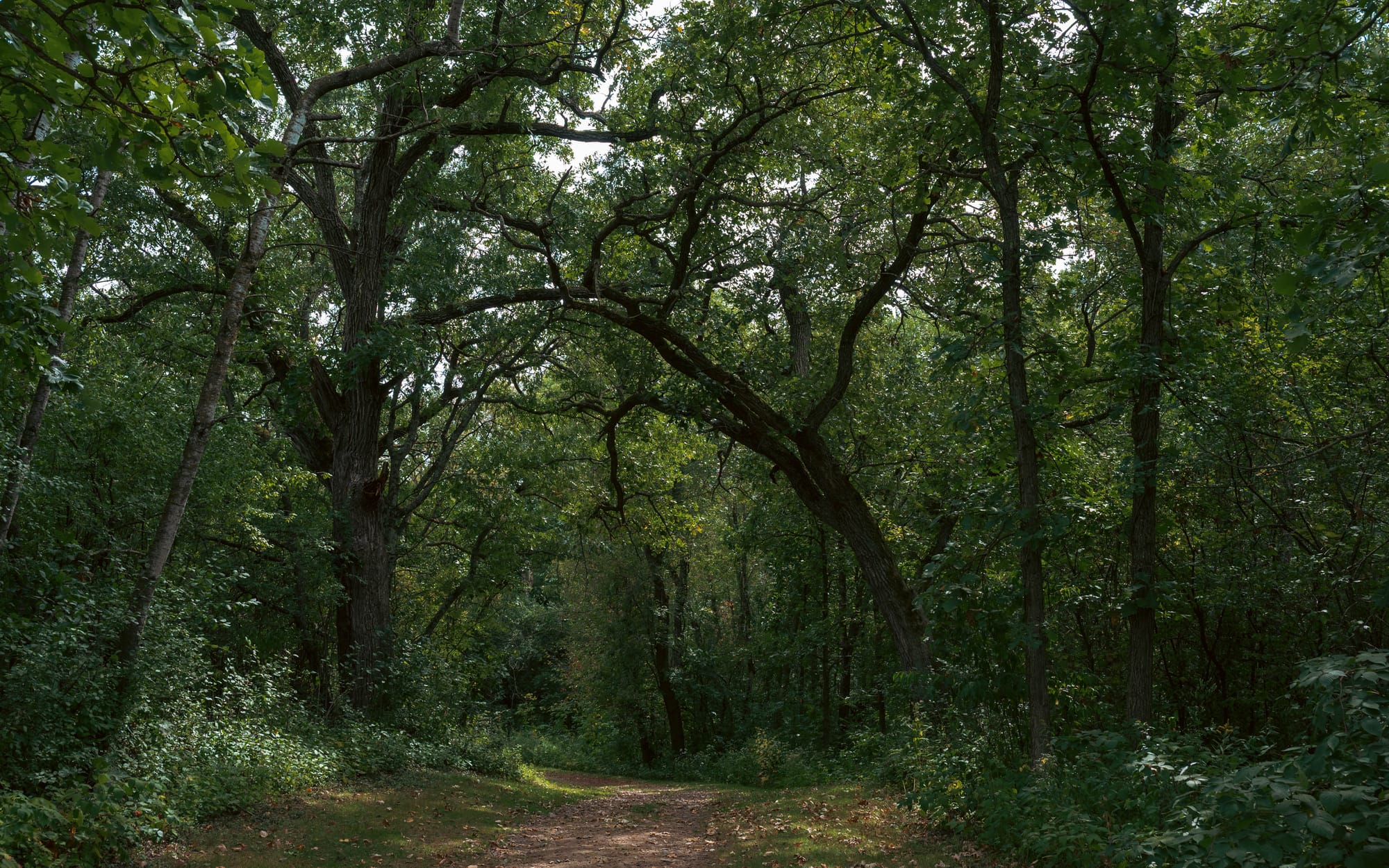
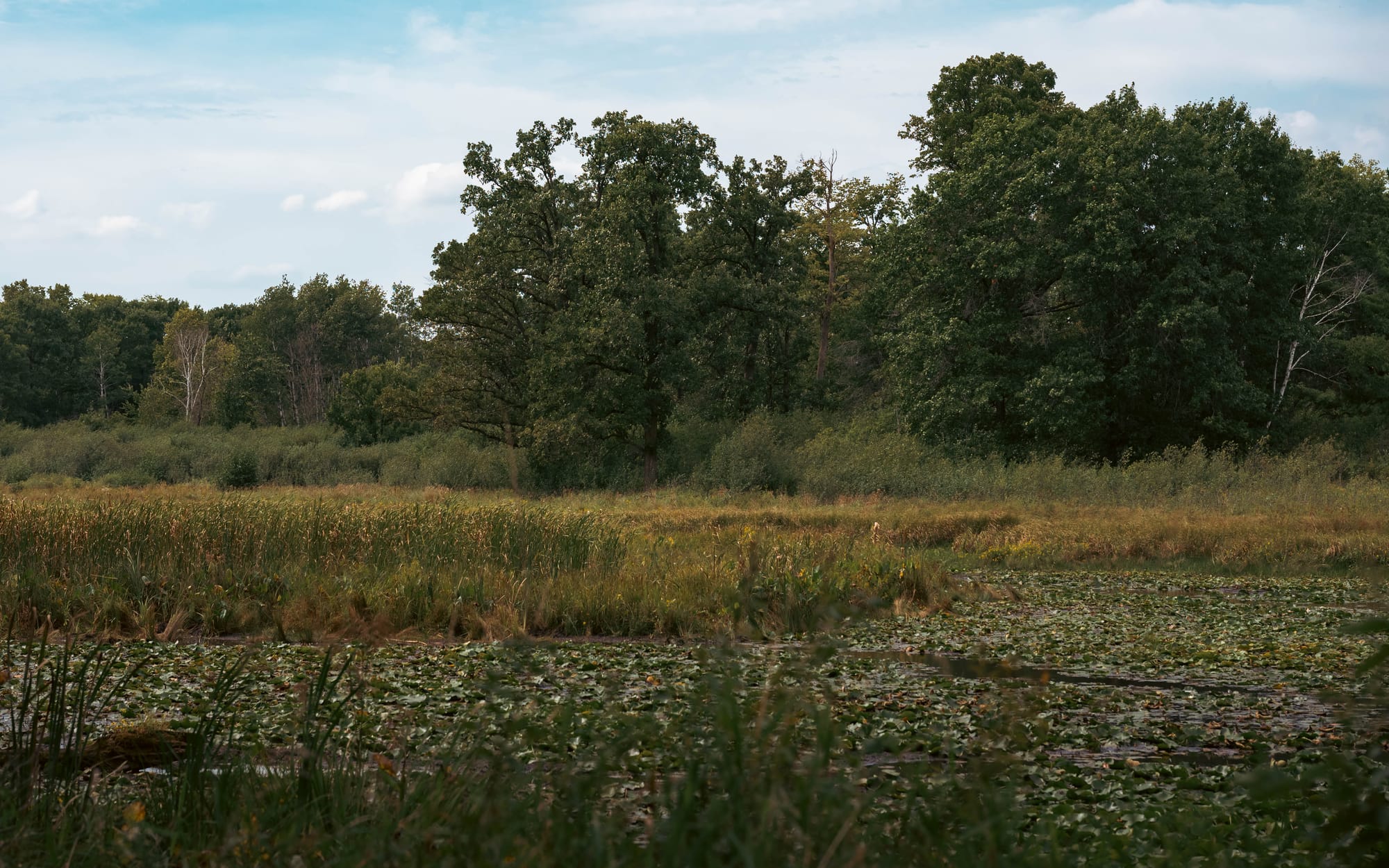
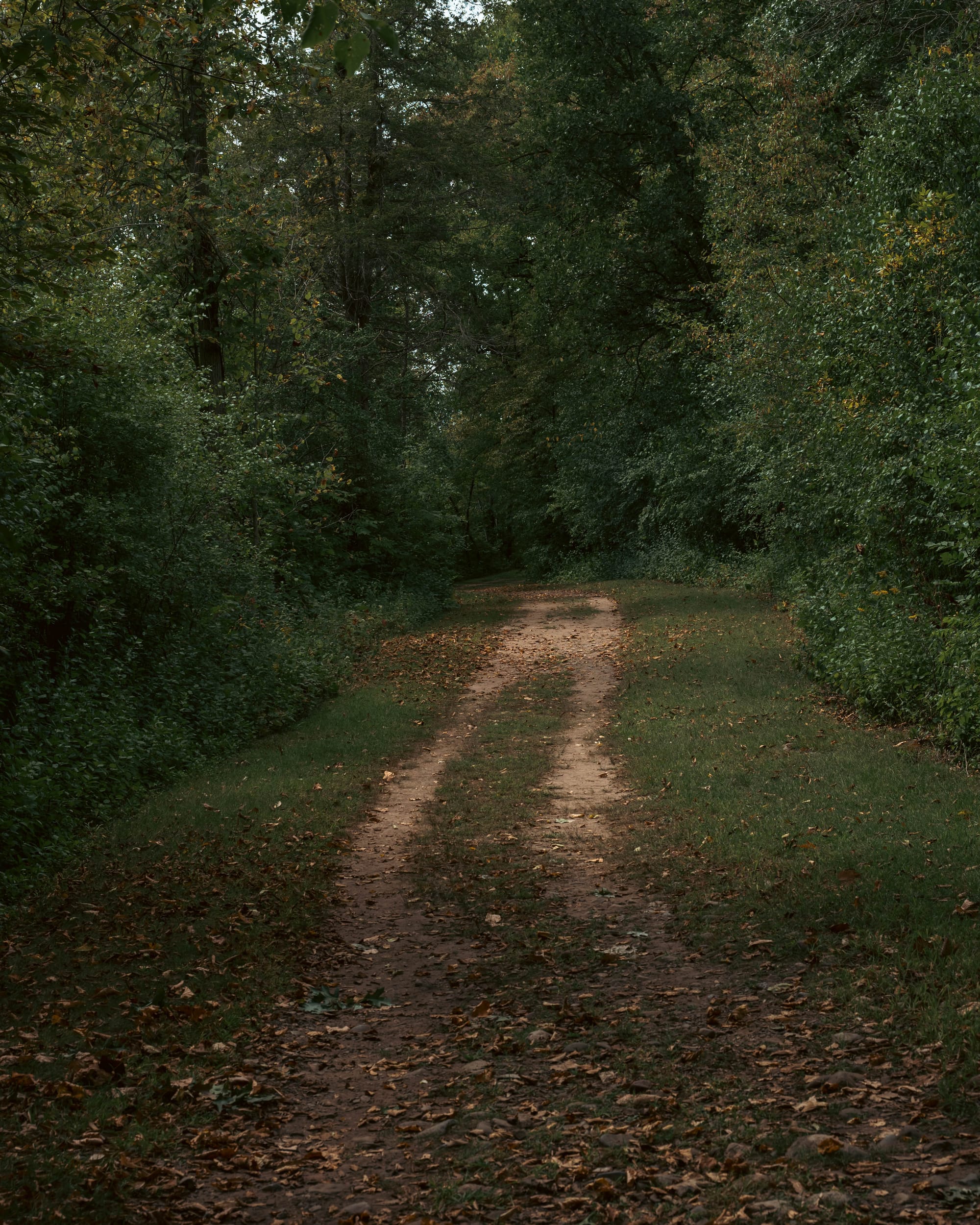
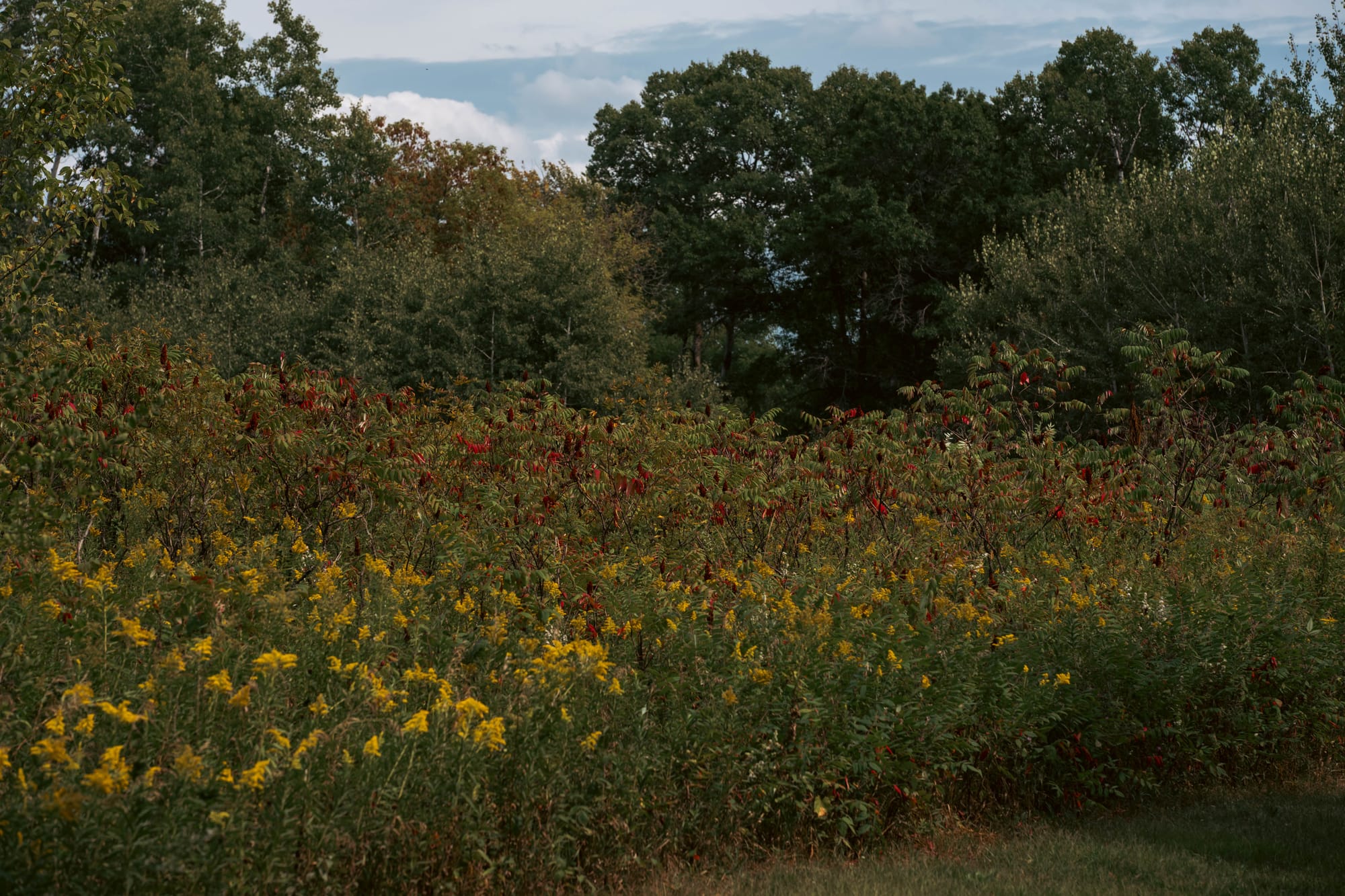
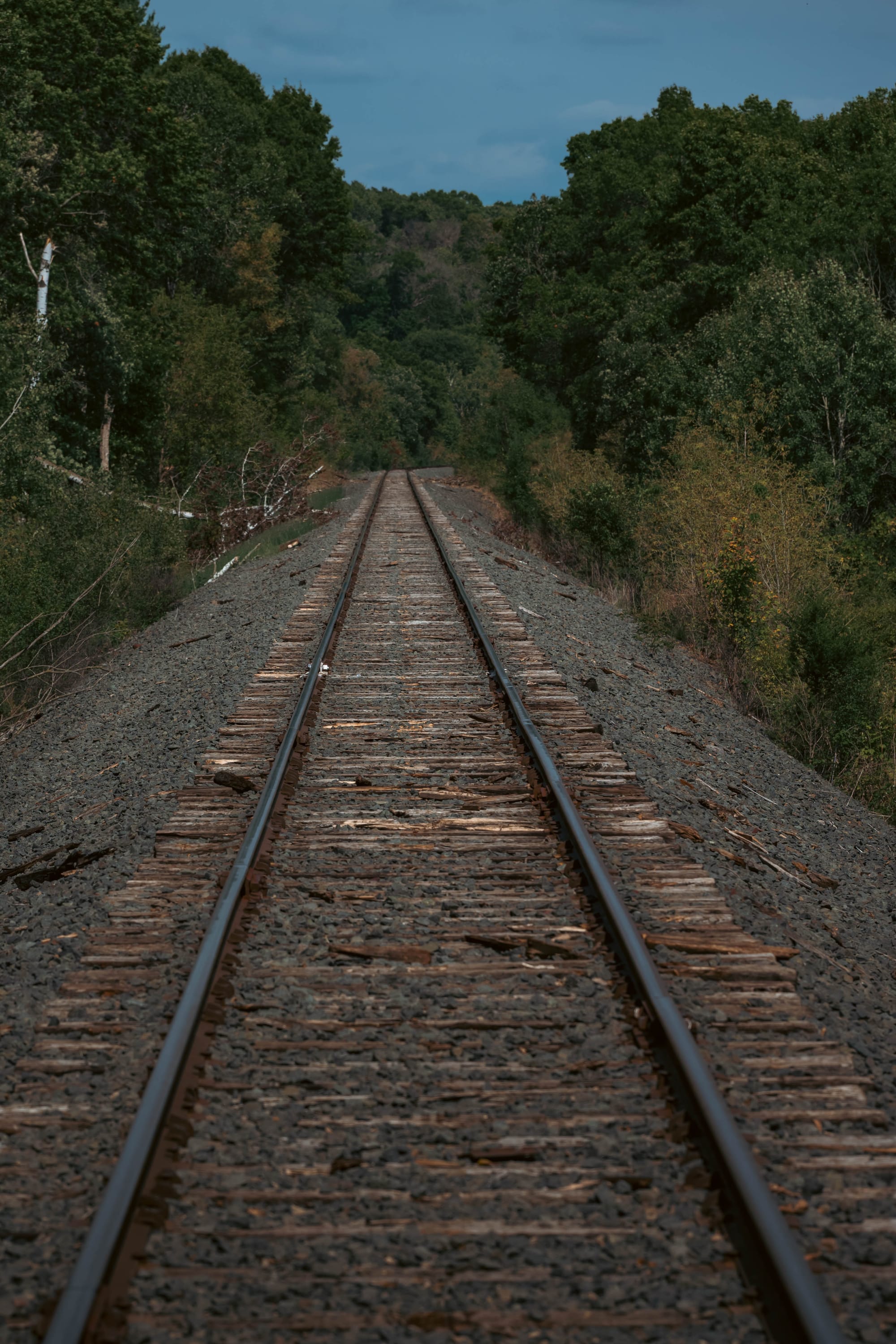
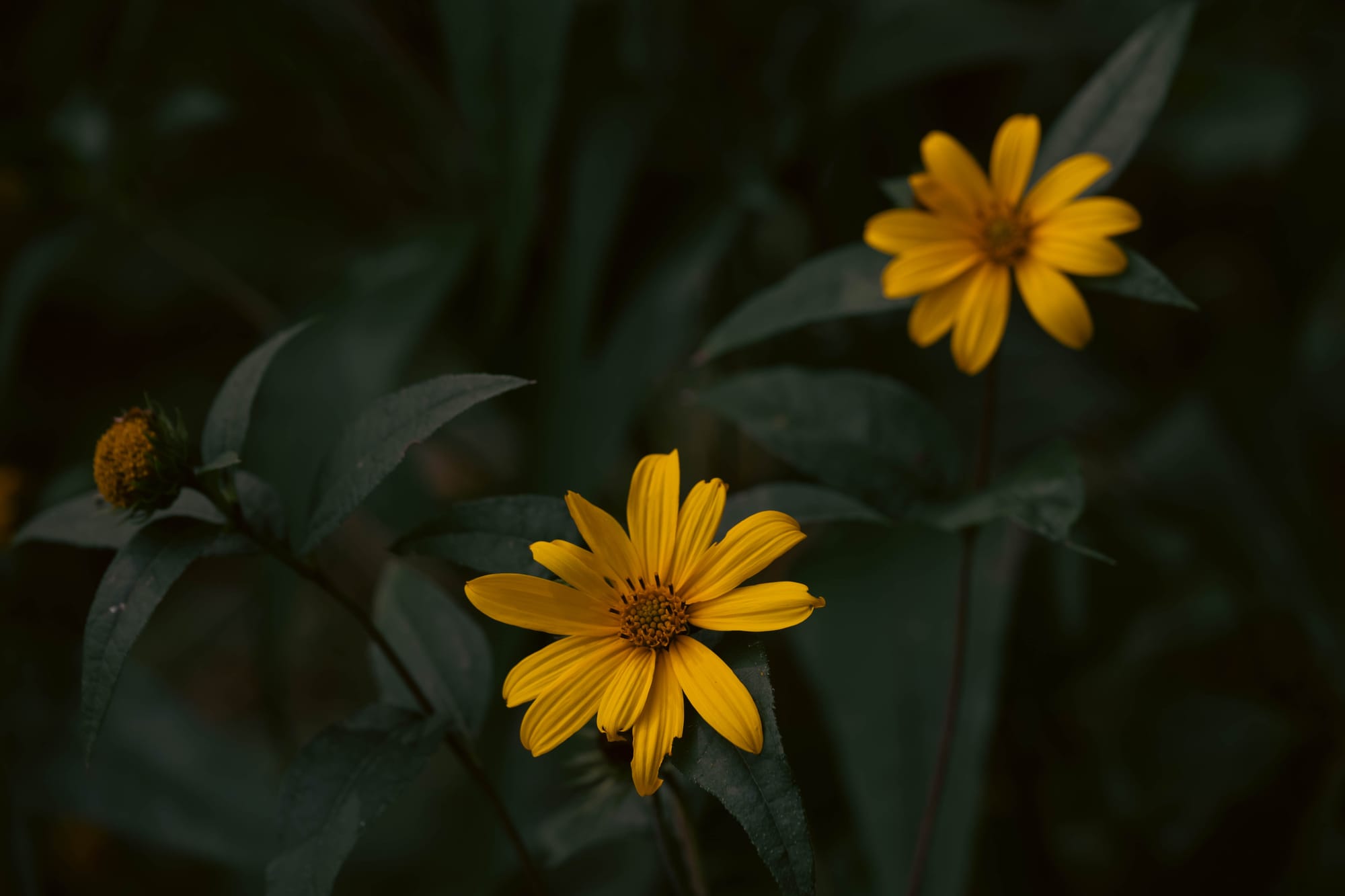
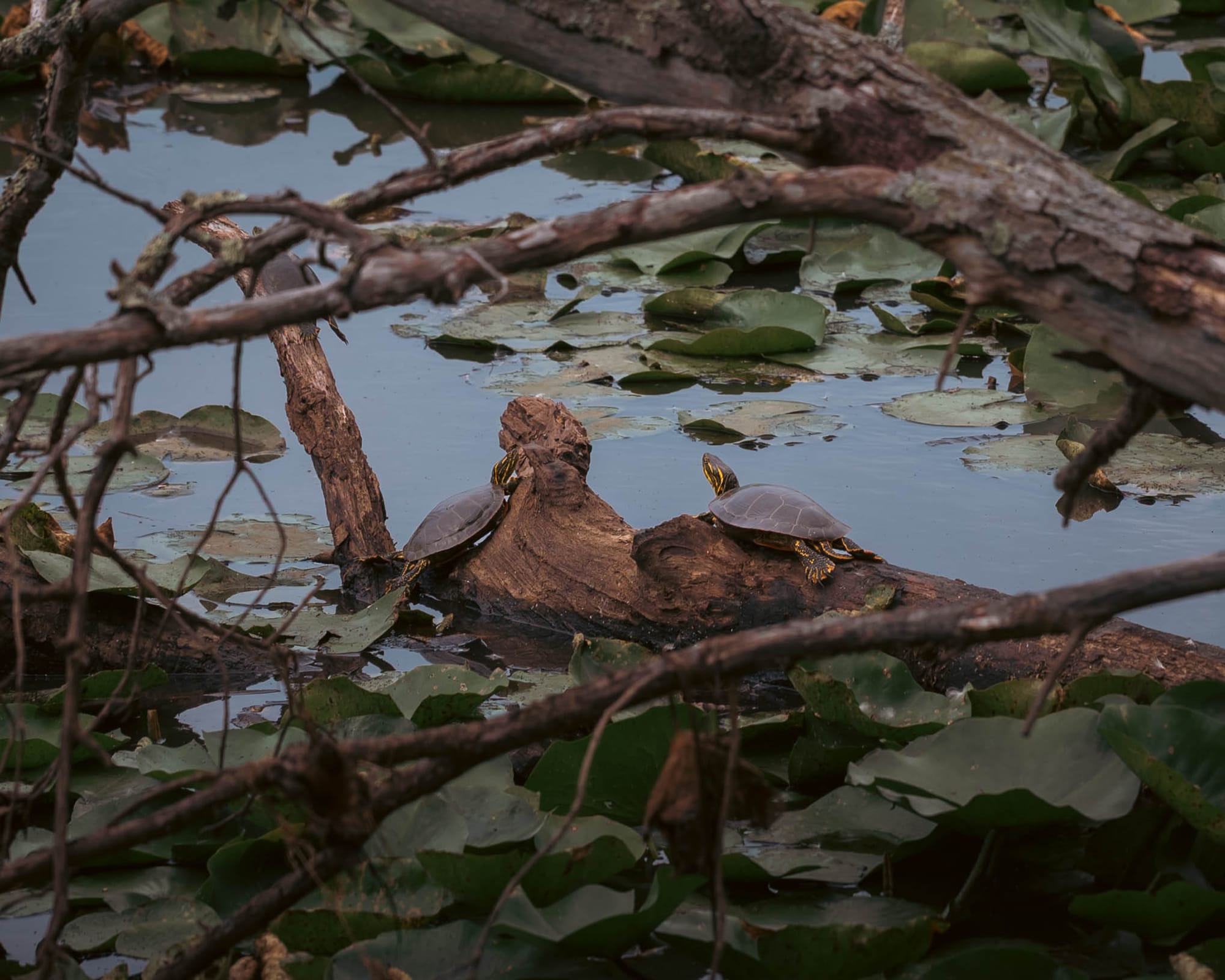
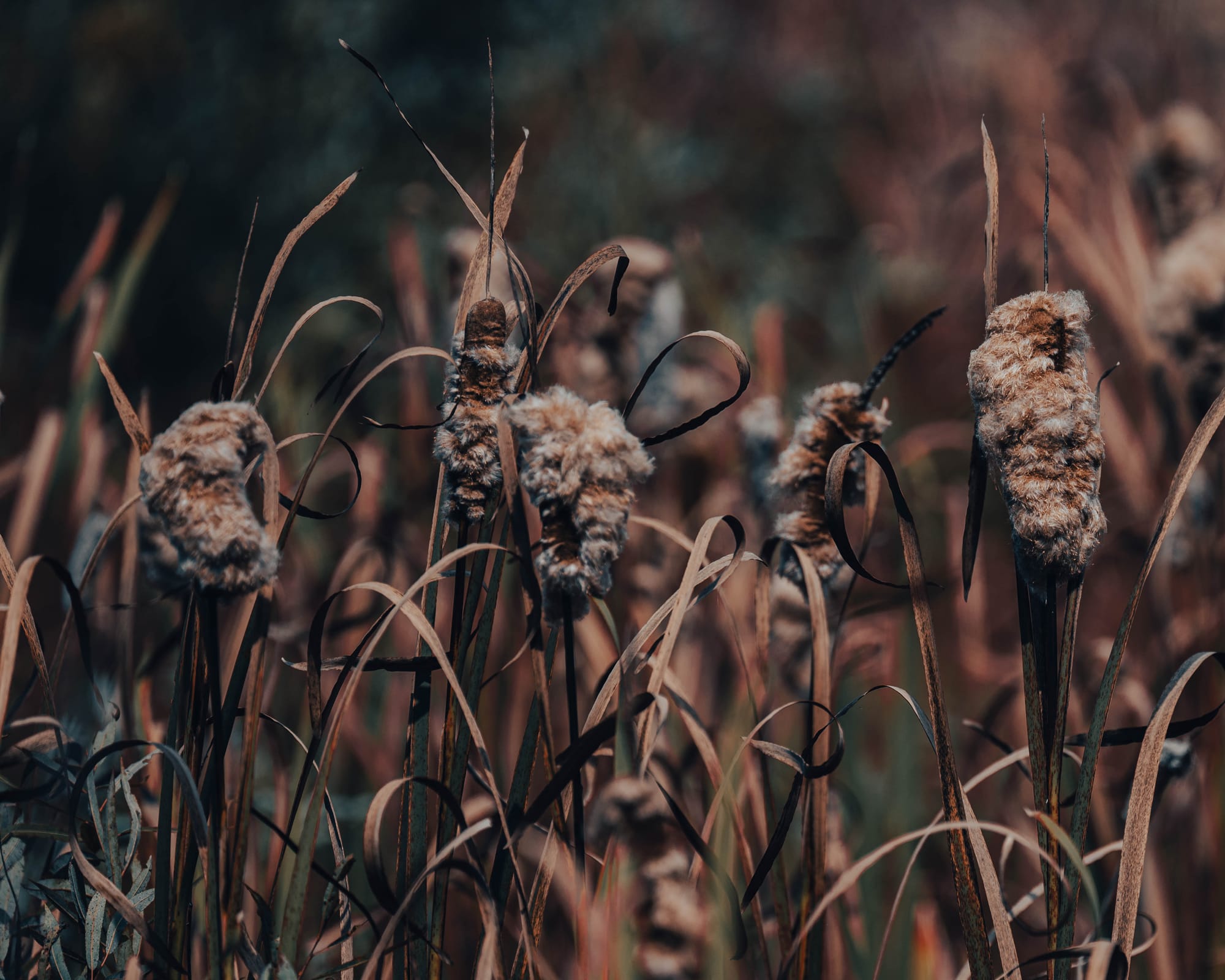
The miles showed off more variety than I expected. Dense hardwood forest around the campground gave way to oak savanna, wetlands, and more open stretches before trails dropped toward the St. Croix River.
We only followed the river for a short section, but its popularity was hard to miss. Cars and boat trailers crowded nearby roads over the weekend, and National Park Service signs marked the St. Croix National Scenic Riverway.
I knew almost nothing about it.
🧭 Lay of the Land
- Location: Marine on St. Croix · Minnesota · 45.2249, -92.7739 · [Google Maps]
- Official site: [William O'Brien State Park]
- Landscape: St. Croix River valley · Oak savanna–hardwood forest
- Our visit: September 2026 · 4 nights · warm, humid, with one rainy night
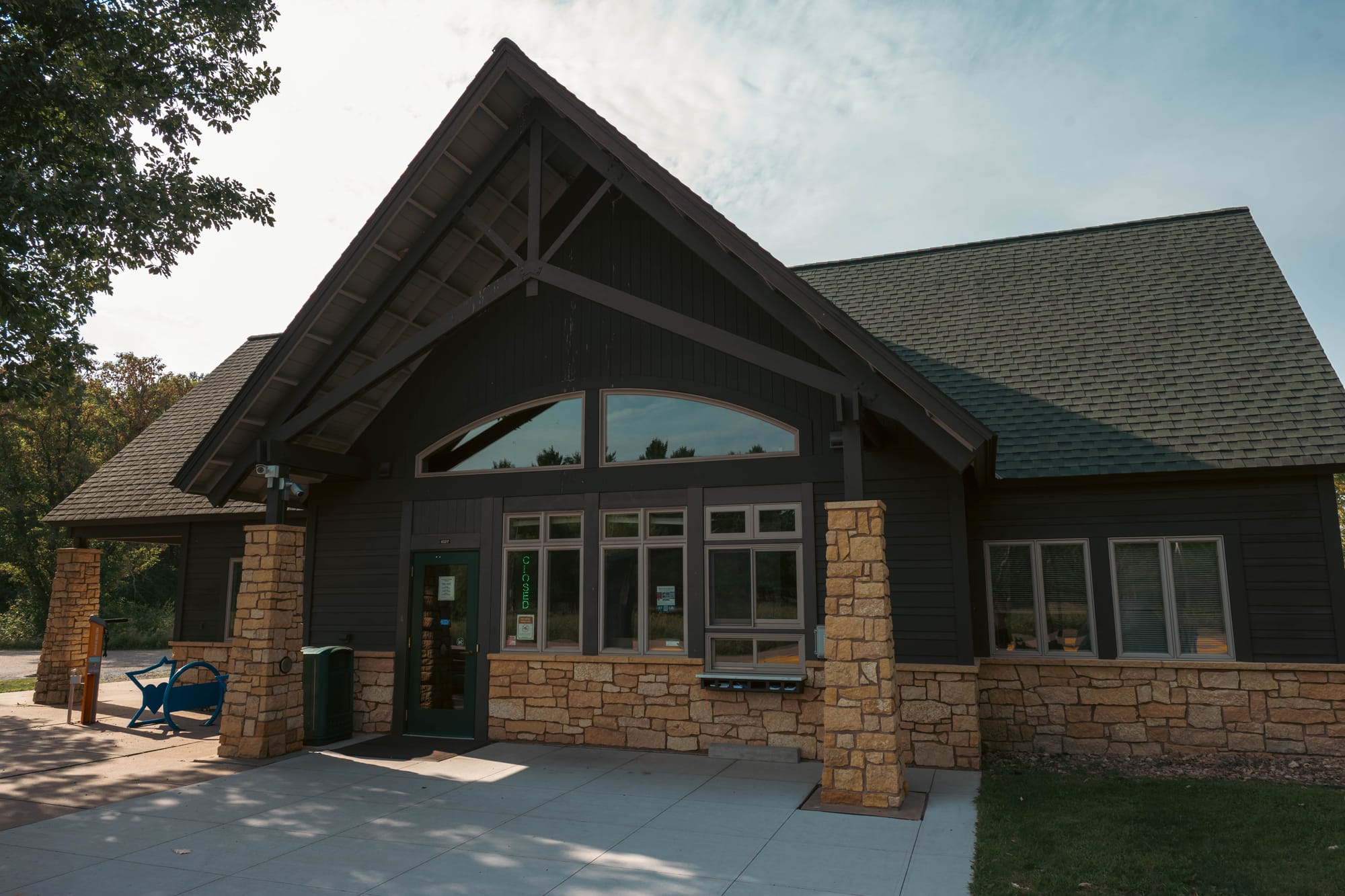
🏕 Camp Setup
- Site types: Back-in · Pull-through · Primitive · Electric
- Arrival & setup: Easy
- Hookups: 🧻
- Connectivity: 📶 AT&T 🟢 | 📶 Verizon ⚠️ | 📶 T-Mobile 🟢 | 📡 Starlink ⚠️ | 📶 Park Wi-Fi ⟂
- Facilities: Restrooms · Showers · Potable water · Trail access
Legend:
🚽 = sewer at site · 🧻 = dump station
🟢 = solid for work · ⚠️ = usable with limits · ❌ = unusable
Park Highlights
William O'Brien State Park protects more than 1,800 acres where prairie, oak savanna, hardwood forest, wetlands, and river floodplain meet along the lower St. Croix.
William O'Brien acquired land here after the valley's white pines had been heavily logged. His daughter Alice donated 180 riverfront acres to Minnesota in his memory in 1945, and the state park opened two years later.
In 1968, the St. Croix became one of the original eight rivers protected under the Wild and Scenic Rivers Act.
Together with the Namekagon River, it now forms the St. Croix National Scenic Riverway, protecting more than 200 miles through Minnesota and Wisconsin.
“Wild and Scenic” isn't simply a description. The federal system protects selected free-flowing rivers for their natural, recreational, scenic, cultural, and other significant values. Along the St. Croix, remarkably clean water and long stretches of relatively undeveloped shoreline are part of what makes the river special.
The NPS signs and all those boat trailers made considerably more sense.
We were camping beside one of the country's first federally protected wild rivers.
The Lake That Wasn't There
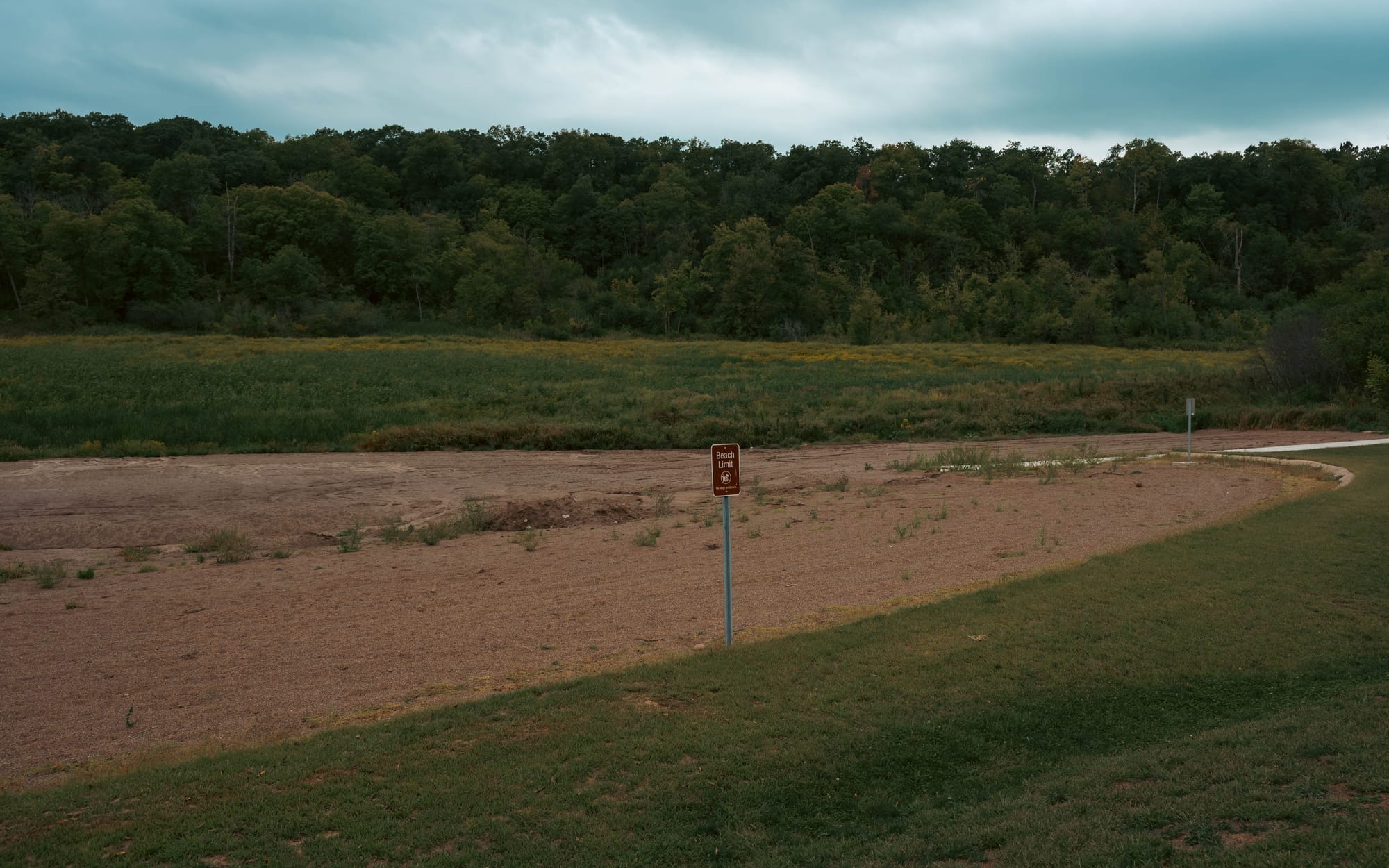
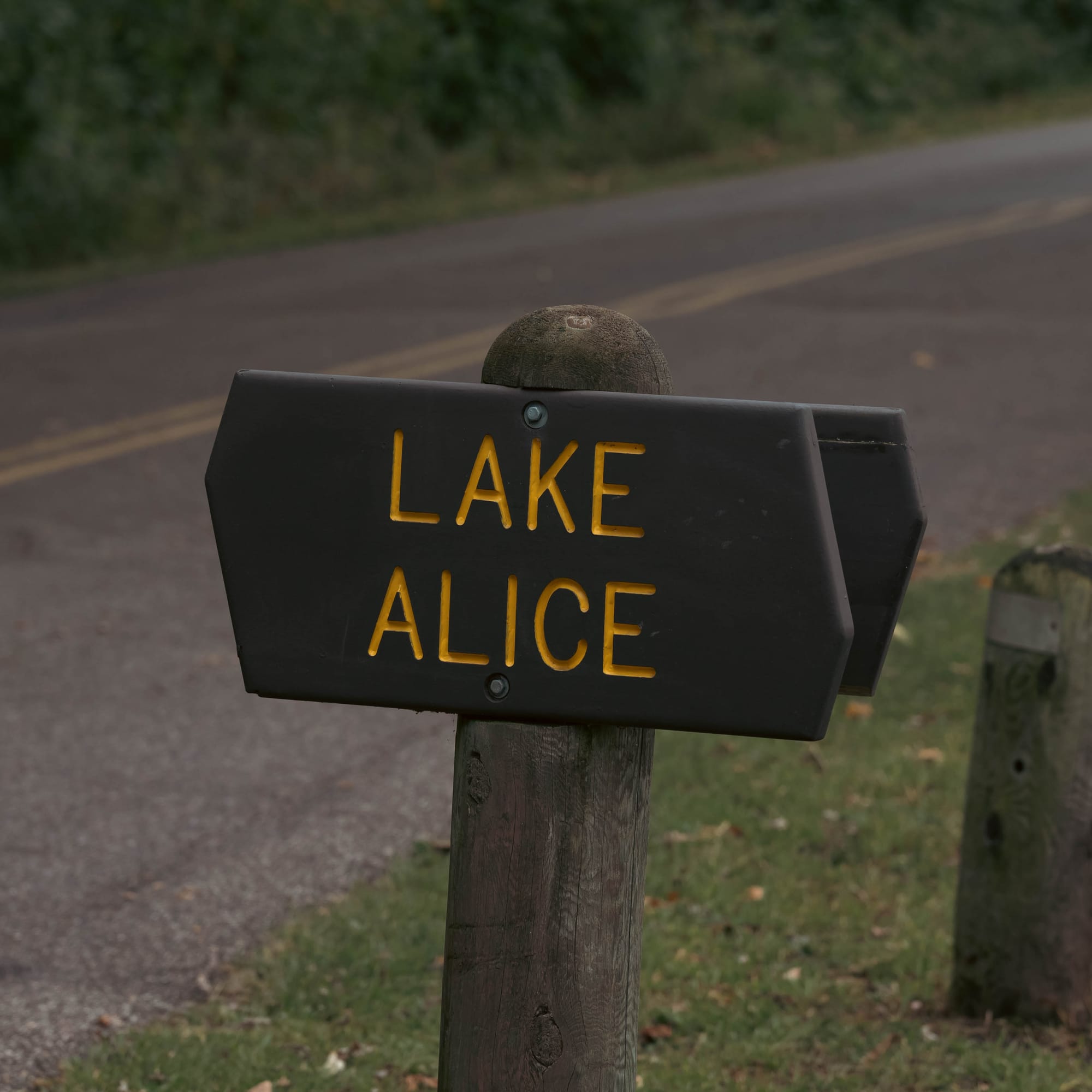
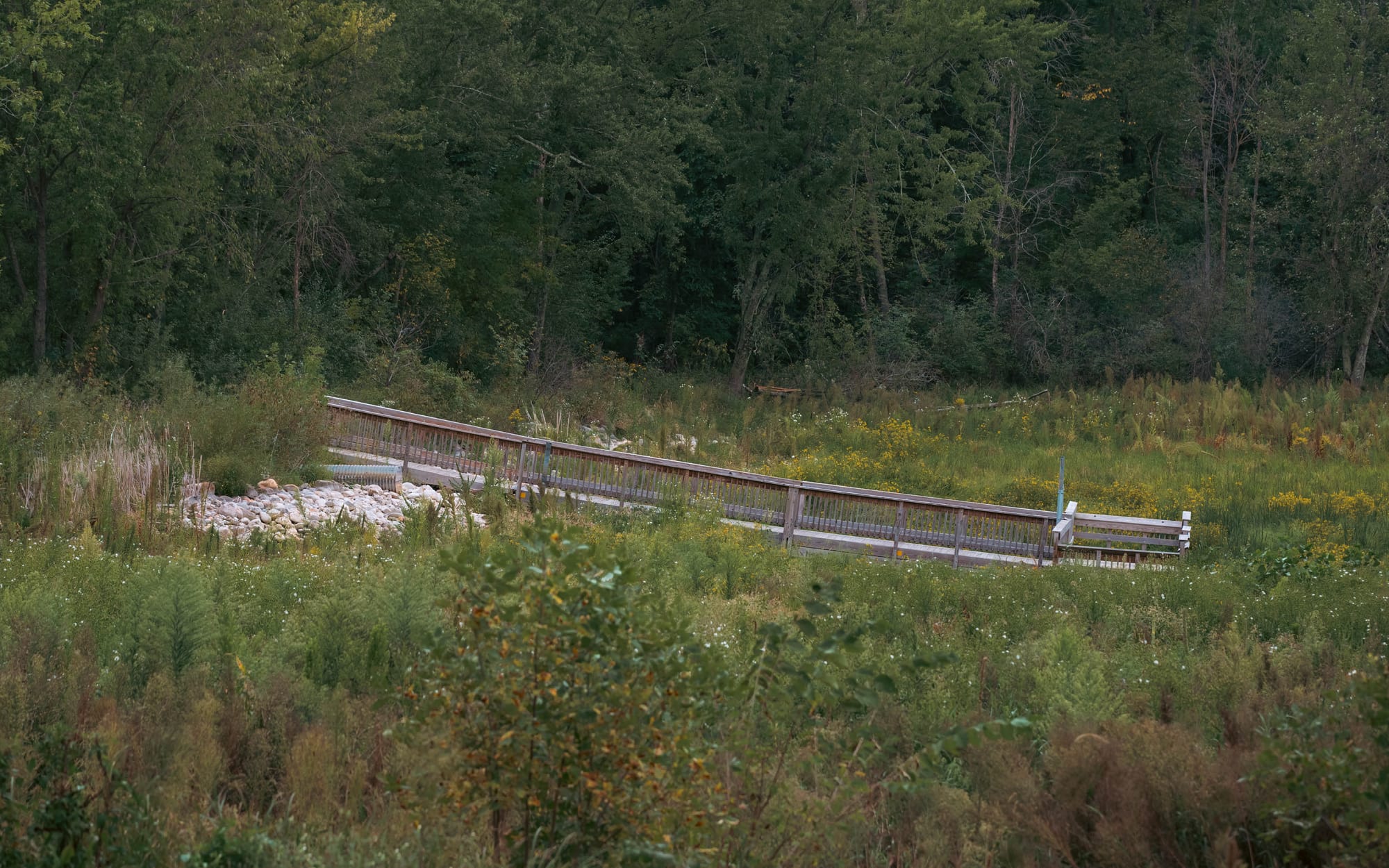
Lake Alice appears prominently on the park map, surrounded by trails, picnic areas, and facilities. Except when we visited, there wasn't much of a lake.
The water was gone.
The basin was largely empty. Vegetation had grown across areas that should have been underwater, and if it weren't for the shoreline and park infrastructure surrounding it, parts of the area barely looked like a lake belonged there.
A damaged valve failed in August 2025, allowing Lake Alice to drain into the St. Croix. The drawdown also deposited enough sediment near the park's St. Croix boat access to cause problems there.
During our visit more than a year later, the lake remained empty. The DNR was still in the design, permitting, and fieldwork stages of a larger reconstruction project, with replacement of the water-control structure and dredging scheduled to begin in 2027.
The picnic areas and newer-looking facilities along the edge made the scene even stranger. Everything suggested a lakeside gathering place except the missing lake.
🚴 On the Ground
- Activities available: ● 🥾 Hiking | ○ 🚴 Biking | ● 🐕 Dogs | ● 🚣 Paddling | ● 🎣 Fishing | ● 🐦 Wildlife / Birding | ○ 🏊 Swimming | ● 📸 Photography | ● 🏕️ Camp-centric | ○ 🧗 Climbing
- Trail mileage available: 🥾 ~12 mi | 🚴 1.5 mi | 🚣 St. Croix National Scenic Riverway
- Crowd level: Steady
⚡ TL;DR
- Park highlight: 1,800+ acres of hardwood forest, oak savanna, wetlands, and riverfront wrapped around the nationally protected St. Croix
- Best for: Trail running, hiking, paddling, and exploring the St. Croix Valley
- Skip if: A quiet weekend campground is the priority. River access and day-use areas can draw a crowd
- Worth planning around?: Yes
Final Thoughts
William O'Brien gave us more to explore than its size suggested.
We covered enough miles to see how quickly the landscape changed, but barely scratched the St. Croix itself. I arrived knowing almost nothing about the river and left wishing we'd spent more time along it.
Even the empty Lake Alice added something to the stay. It was strange enough to stop us in our tracks, and learning why it disappeared made the park a little more interesting.
Four nights felt right for this visit, but I'd come back.
Next time, I'd trade a few of those trail miles for a paddle on the St. Croix.