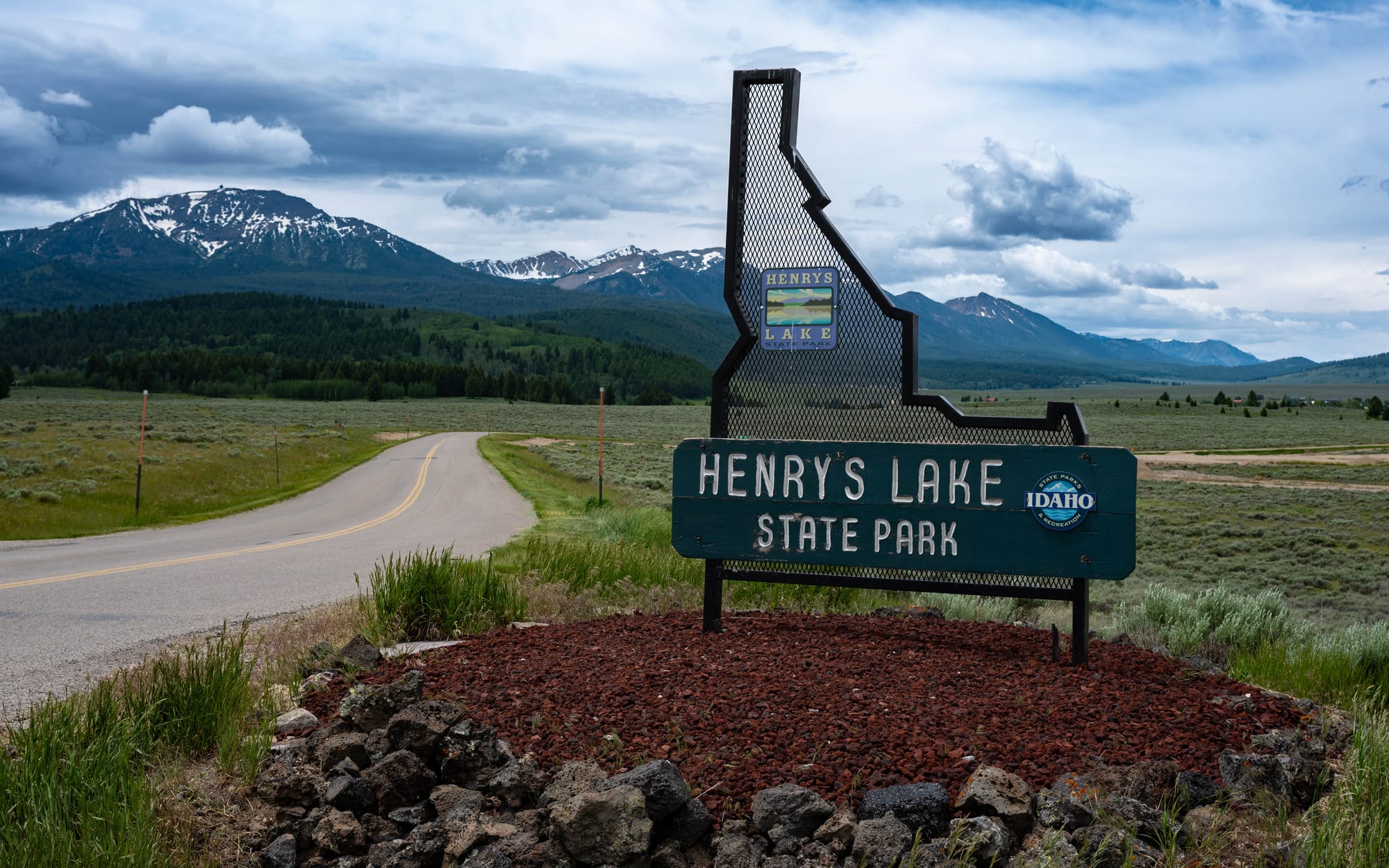
Henrys Lake State Park
Henrys Lake was supposed to be a filler stop before Yellowstone.
It did not stay that way.
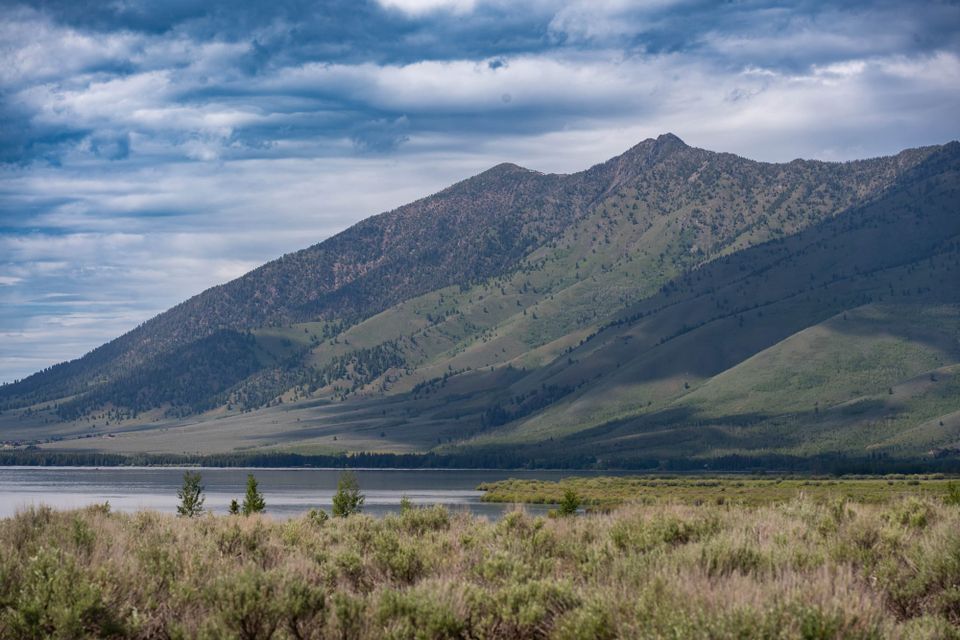
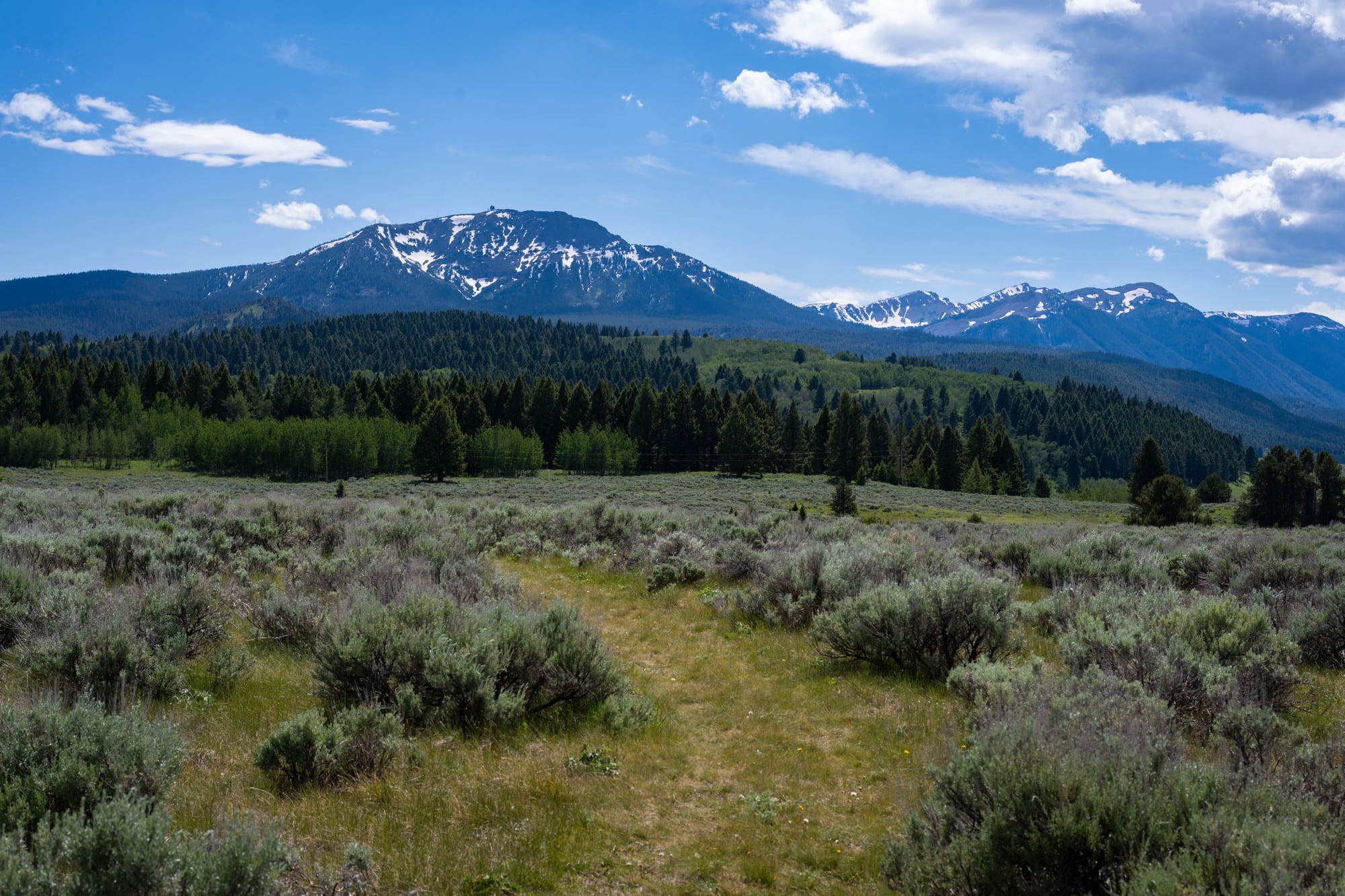
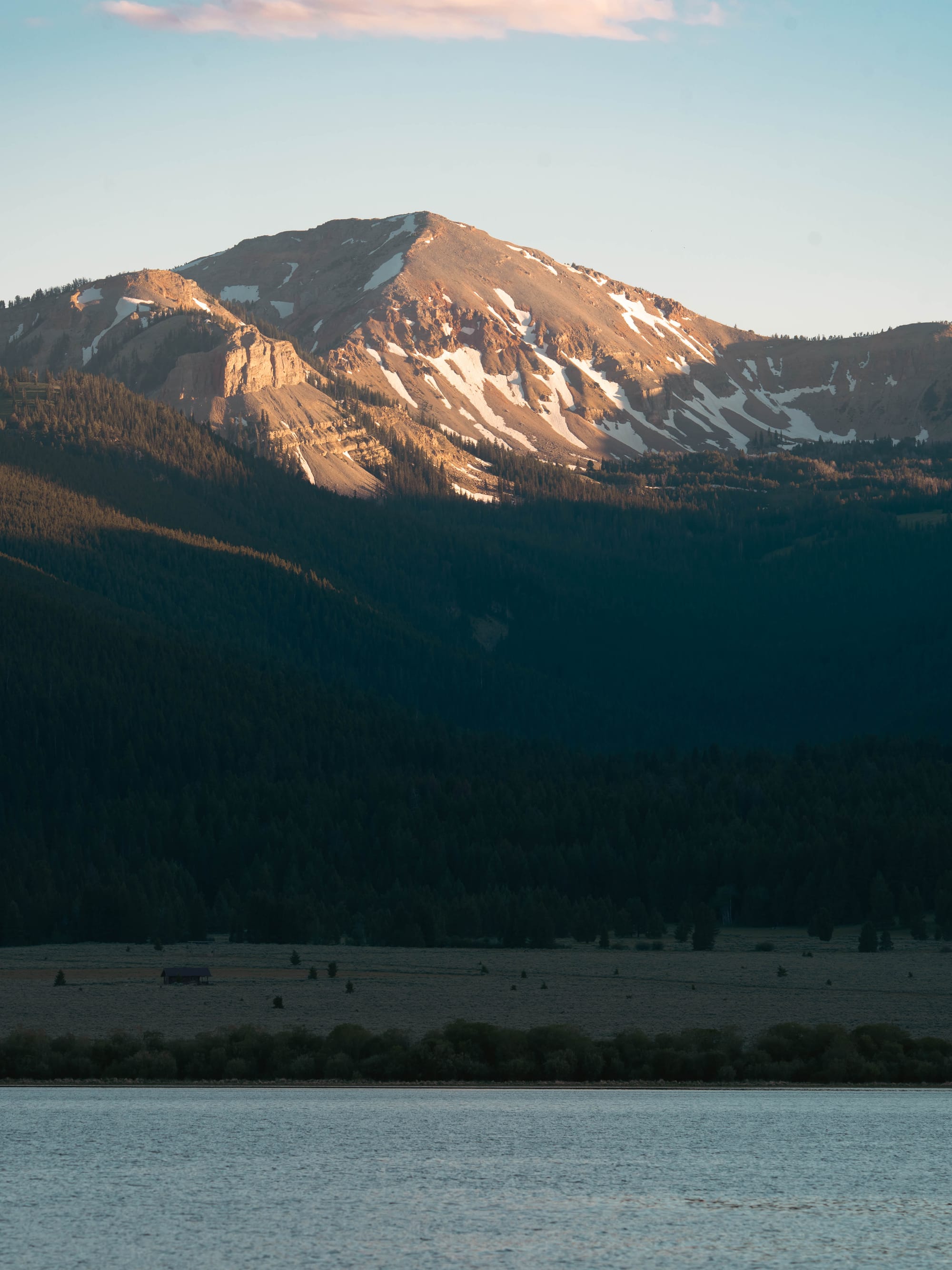
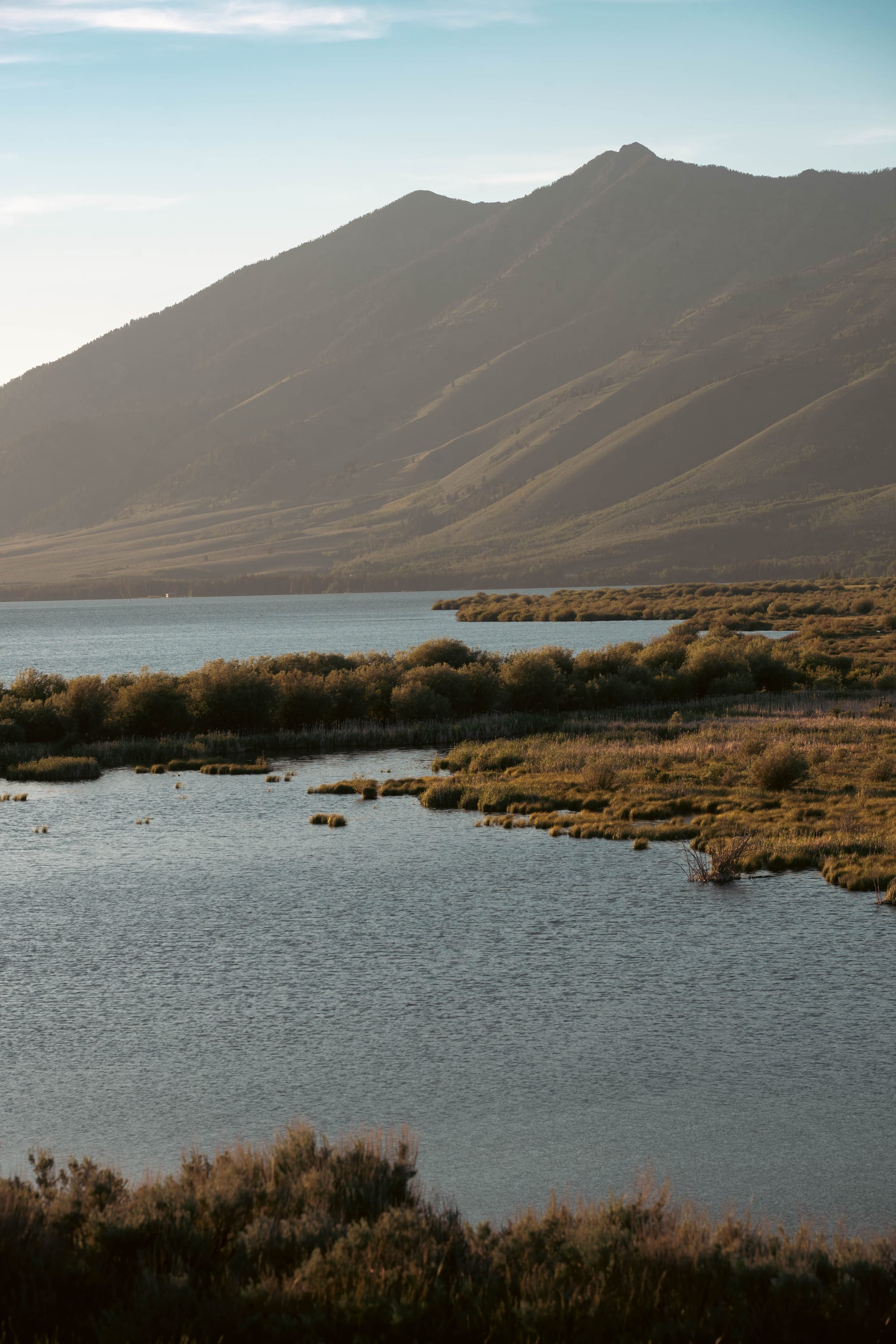
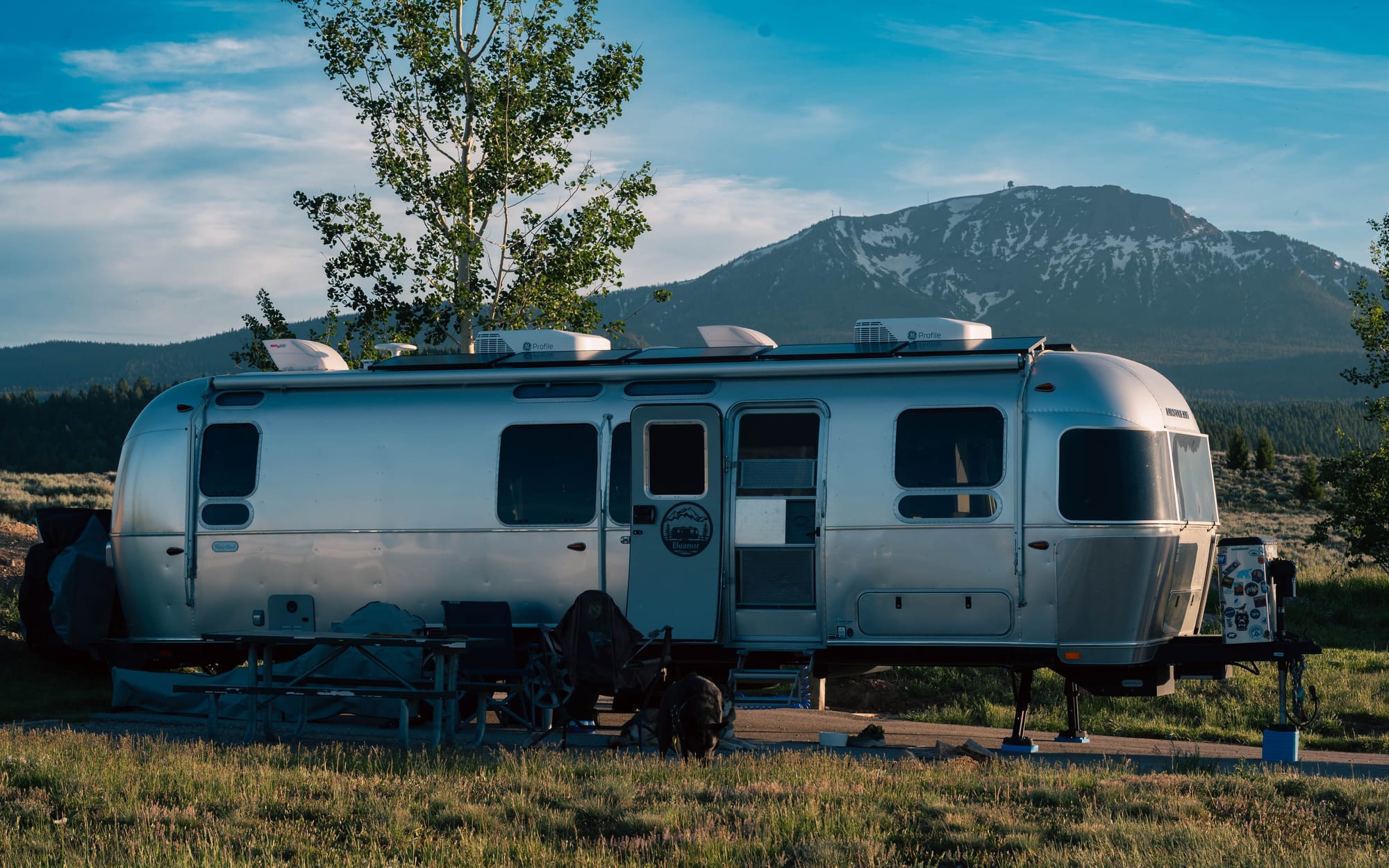
We arrived from Massacre Rocks and settled in with the lake straight ahead and mountains behind us. The campground was open and exposed, with little tree cover, but the tradeoff was the view. Henrys Lake sat wide in front of us, ringed by snow-capped peaks and big Idaho sky.
The campground stayed busy all week. That was the first clue that this park worked differently from a lot of the state parks we had been visiting. Most places quiet down by Tuesday or Wednesday. Henrys Lake did not. A lot of people were clearly using it as a Yellowstone basecamp, which made sense once we realized how close we were.
We had Yellowstone reservations coming up, so we did not need to rush into the national park from here. That turned out to be the best thing about the stay. Instead of treating Henrys Lake as a staging area, we had time to explore the lake basin, the nearby national forests, West Yellowstone, and the Montana roads beyond the park.
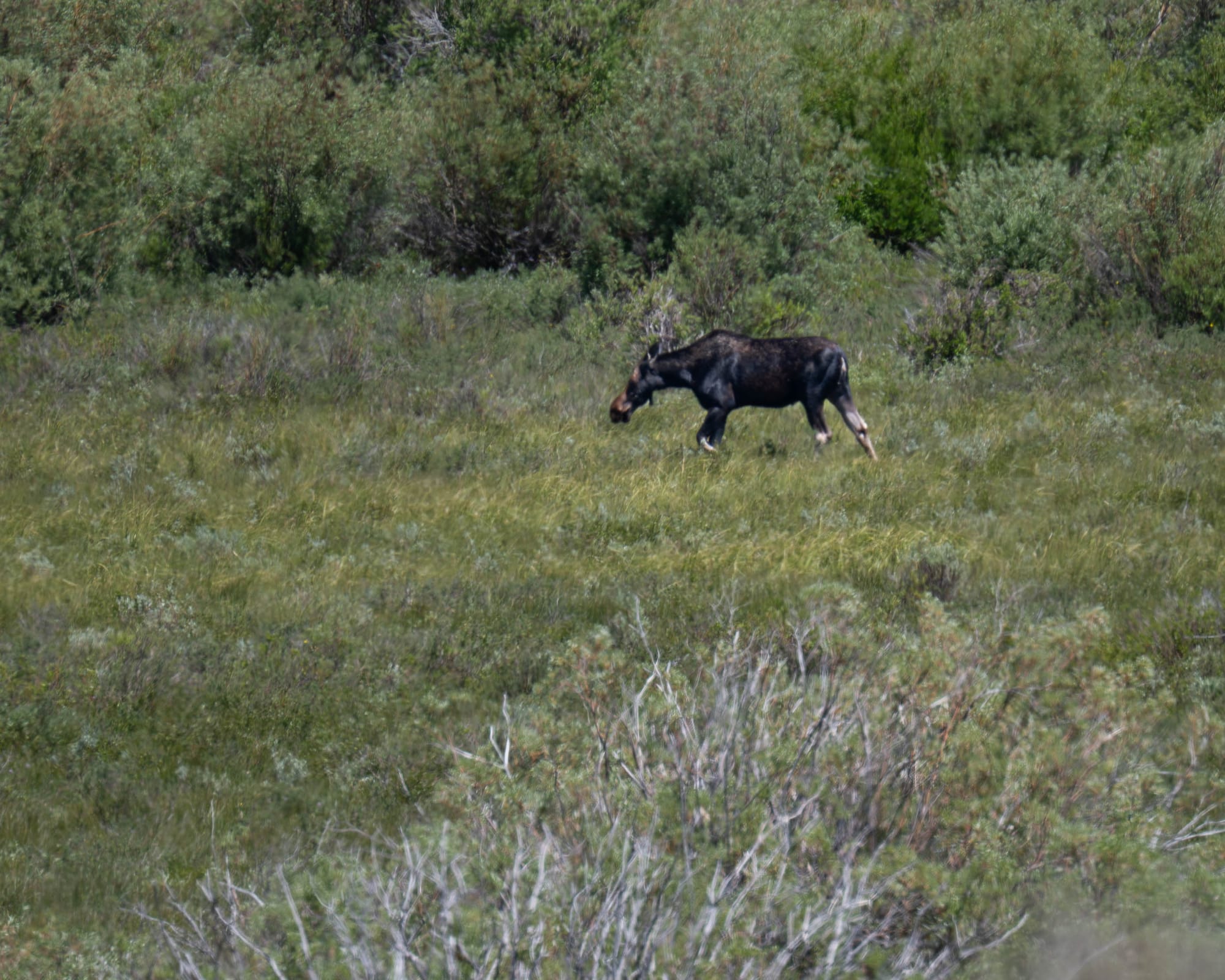
We walked the campground trails, watched the mountains change with the light, attended an evening ranger program, and saw three moose from camp one morning. That was my first time seeing a moose in the wild, and it happened while sitting outside with coffee.
There are much worse ways to start a day.
🗺️ The Lay of the Land
- Location: Island Park, Idaho · 44.6250, -111.3580 · [Google Maps]
- Official site: Henrys Lake State Park
- Landscape: Henrys Lake Mountains · Lake basin · Continental Divide · sagebrush steppe · wetlands
- Vibe: wide-open lake camping, mountain views, fishing culture, wildlife, and Yellowstone-adjacent access
- Our stay & conditions: June 18–24, 2026 · 6 nights · bright, mild to warm days, cool mornings, and open lake wind
🏕️ Camp Setup
- Site types: RV sites · tent sites · cabins · hike-and-bike sites
- Arrival & setup: Easy
- Hookups: 💧 / ⚡
- Connectivity: 📶 AT&T 🟢 | 📶 Verizon 🟢 | 📶 T-Mobile 🟢 | 📡 Starlink ⟂ | 📶 Park Wi-Fi ⟂
- Facilities: Restrooms · Showers · Boat ramp · Fish cleaning station · Trail access
Legend:
🚽 = sewer at site · 🧻 = dump station
🟢 = solid for work · ⚠️ = usable with limits · ❌ = unusable
Park Highlights
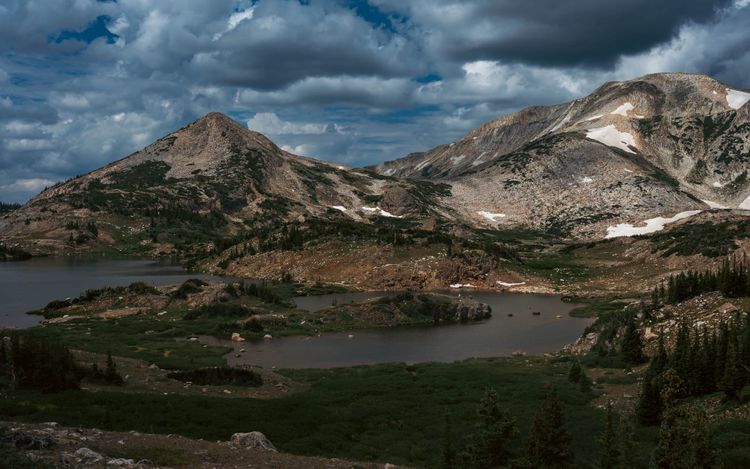
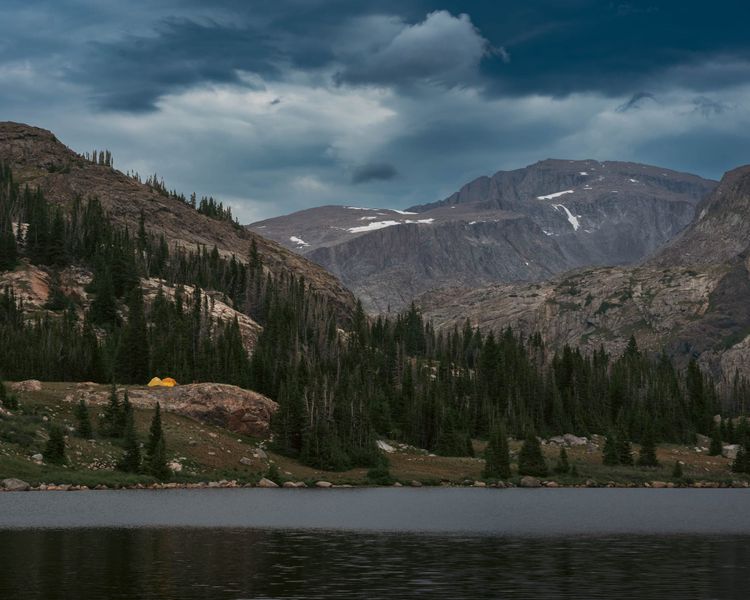
Henrys Lake sits on the shoreline of a 6,000-acre lake, surrounded on three sides by the Continental Divide near the Montana line just west of Yellowstone. Located about 15 miles from Yellowstone National Park, the location explains the park’s popularity, but it does not fully explain the place.
Henrys Lake is part of a high mountain basin, not a roadside reservoir. The Henrys Lake Mountains rise behind the campground. The lake spreads across the valley floor. Wetlands, sagebrush, and open shoreline fill the lower ground, while the surrounding roads climb quickly toward national forest, creek drainages, and the Montana side of the divide.
The park is best known for fishing. Henrys Lake has a long reputation as a trout lake, with cutthroat, brook trout, and cut-bow hybrids all part of the fishery. We did not fish, but the fishing culture was obvious around the campground: boats, early starts, quiet lake routines, and people who clearly knew why they were there.
Our moose sightings were the obvious highlight. Seeing one moose would have been memorable. Seeing three from the campground turned the stay into something else. Henrys Lake sits in the kind of landscape where that possibility makes sense: wetlands, willow edges, lake margins, and mountain cover all close together.
The ranger program added another layer.
One evening, we attended a park seminar with a guest speaker who had been a smokejumper at Yellowstone. He talked about the 1988 Yellowstone fires, how large and newsworthy they became, and how fire management thinking has changed over time. It was a useful reminder that this region is not static scenery. Fire, weather, forests, wildlife, tourism, and public land management are all part of the same system.
The park looks simple at first: lake, campground, mountains, boats. But the longer we stayed, the more it became a useful base for understanding the larger Yellowstone-area landscape without actually being inside Yellowstone.
🚴 On the Ground
- Activities available: ● 🥾 Hiking | ● 🚴 Biking | ● 🐕 Dogs | ● 🚣 Paddling | ● 🎣 Fishing | ● 🐦 Wildlife / Birding | ○ 🏊 Swimming | ● 📸 Photography | ● 🏕️ Camp-centric | ○ 🧗 Climbing
- Trail mileage available: 🥾 ~3 mi | 🚴 ~3 mi | 🚣 ⟂
- Crowd level: Steady
Legend: ● = available · ○ = not available
National Forest Hikes, Scenic Drives, and Earthquake Lake
Some of the best parts of the stay happened outside the park boundary.
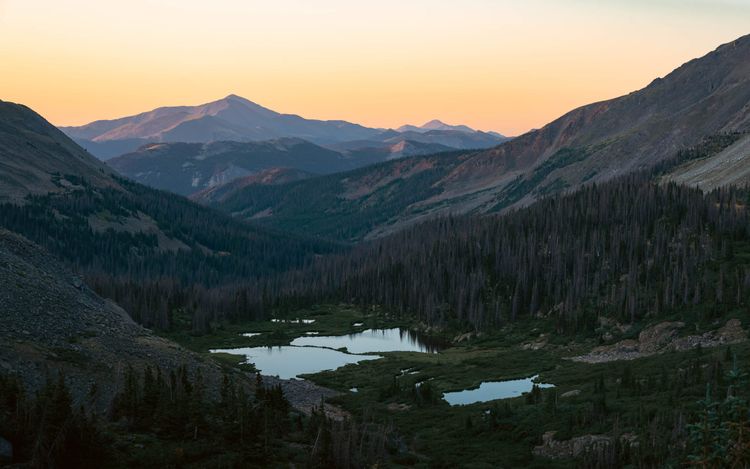
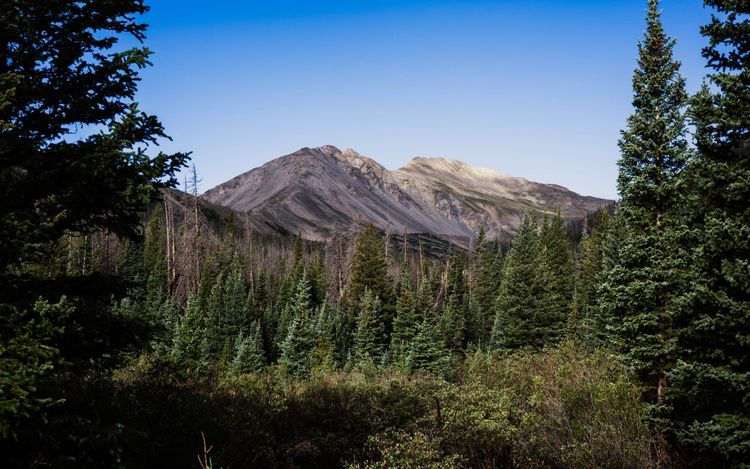
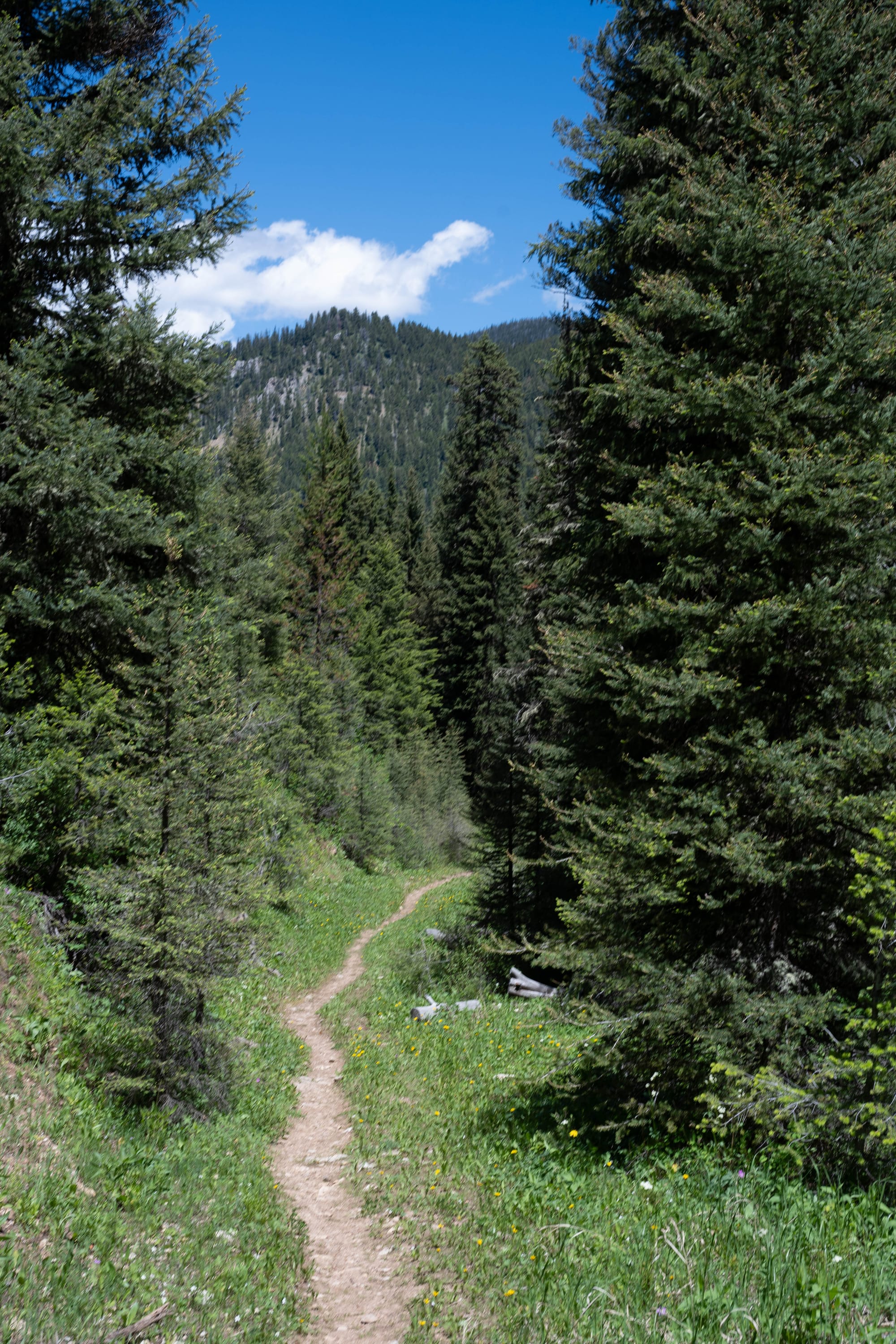
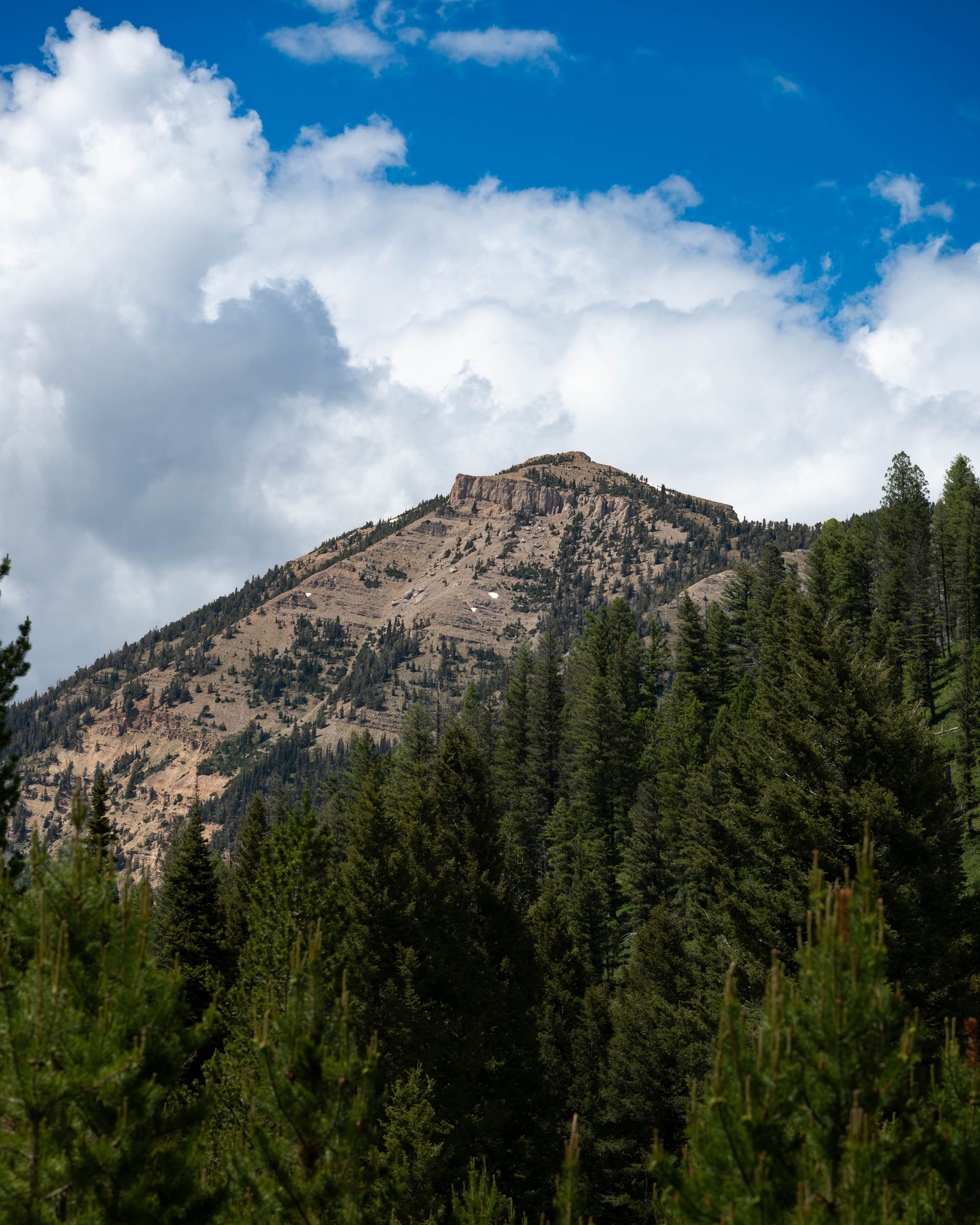
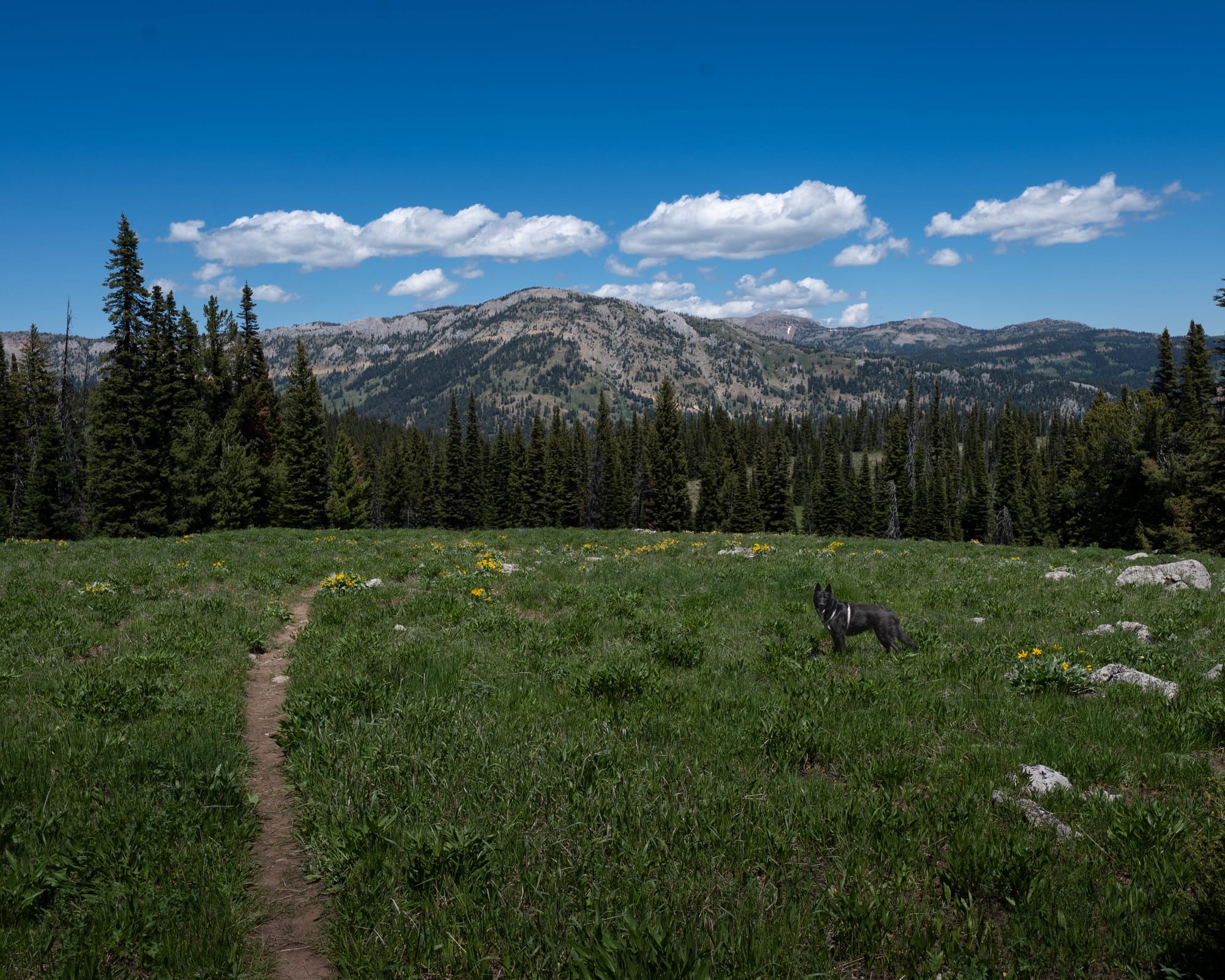
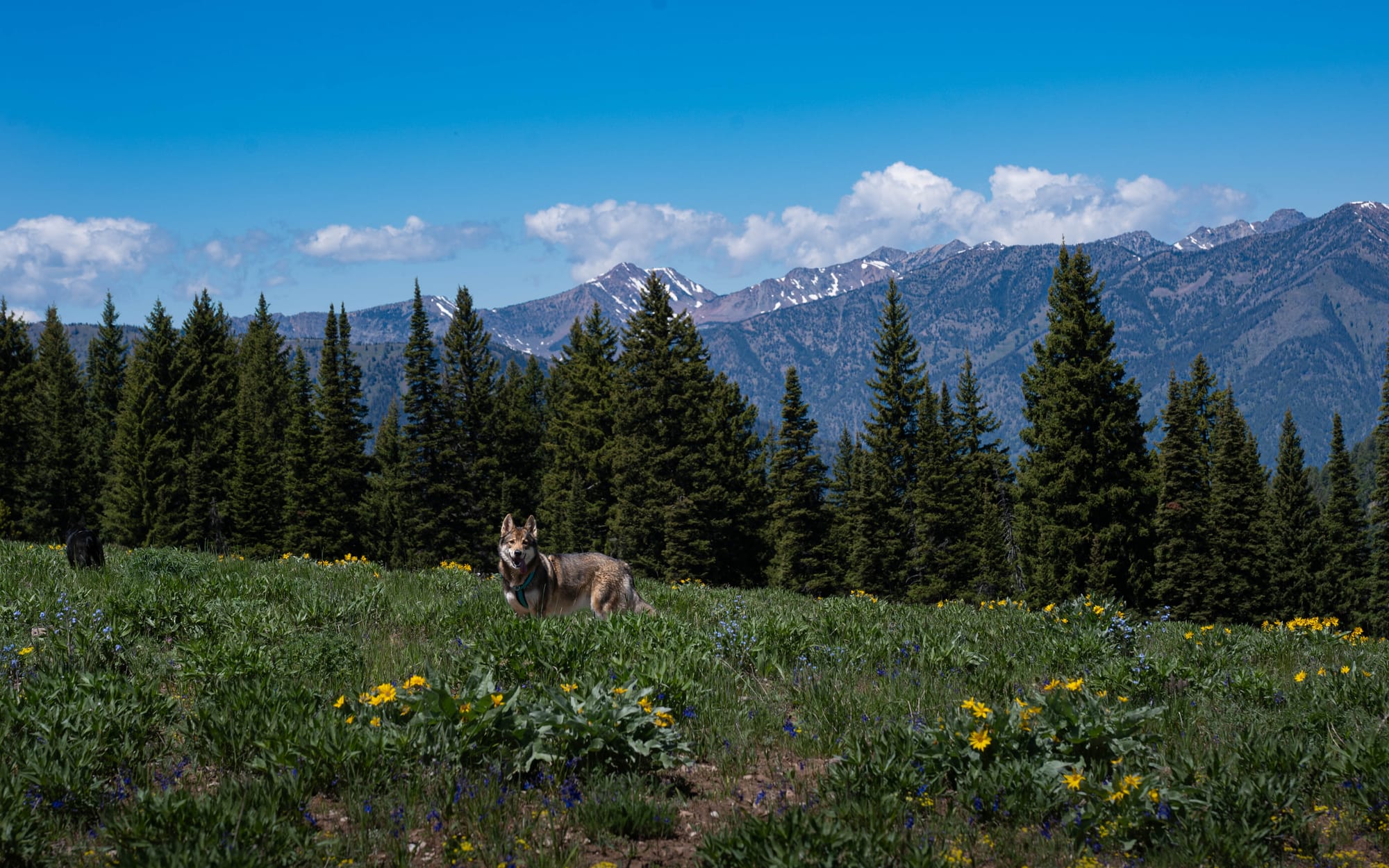
I hiked Mount Hebgen Summit with the dogs from a Forest Service road on the Montana side. It was about 6.5 miles with roughly 1,900 feet of elevation gain. The approach alone made it feel rural: gravel road, forest access, no people, and a trail that climbed into better views the higher we went.
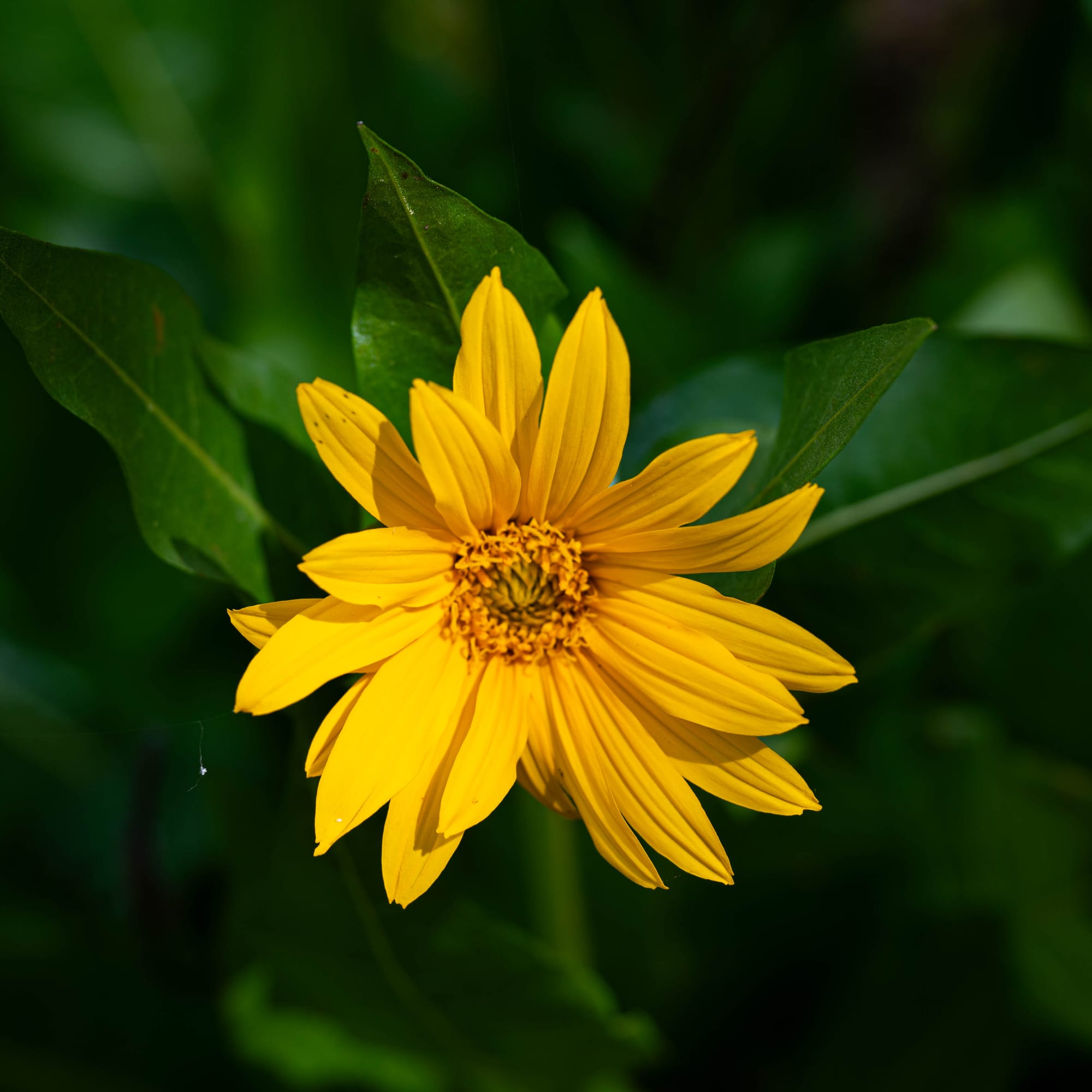
The wildflowers were in bloom, and the views opened toward Lionhead and the surrounding ranges. No major wildlife, just a steady climb, good elevation, and the kind of mountain views that made the trail worth the work to get to the summit.
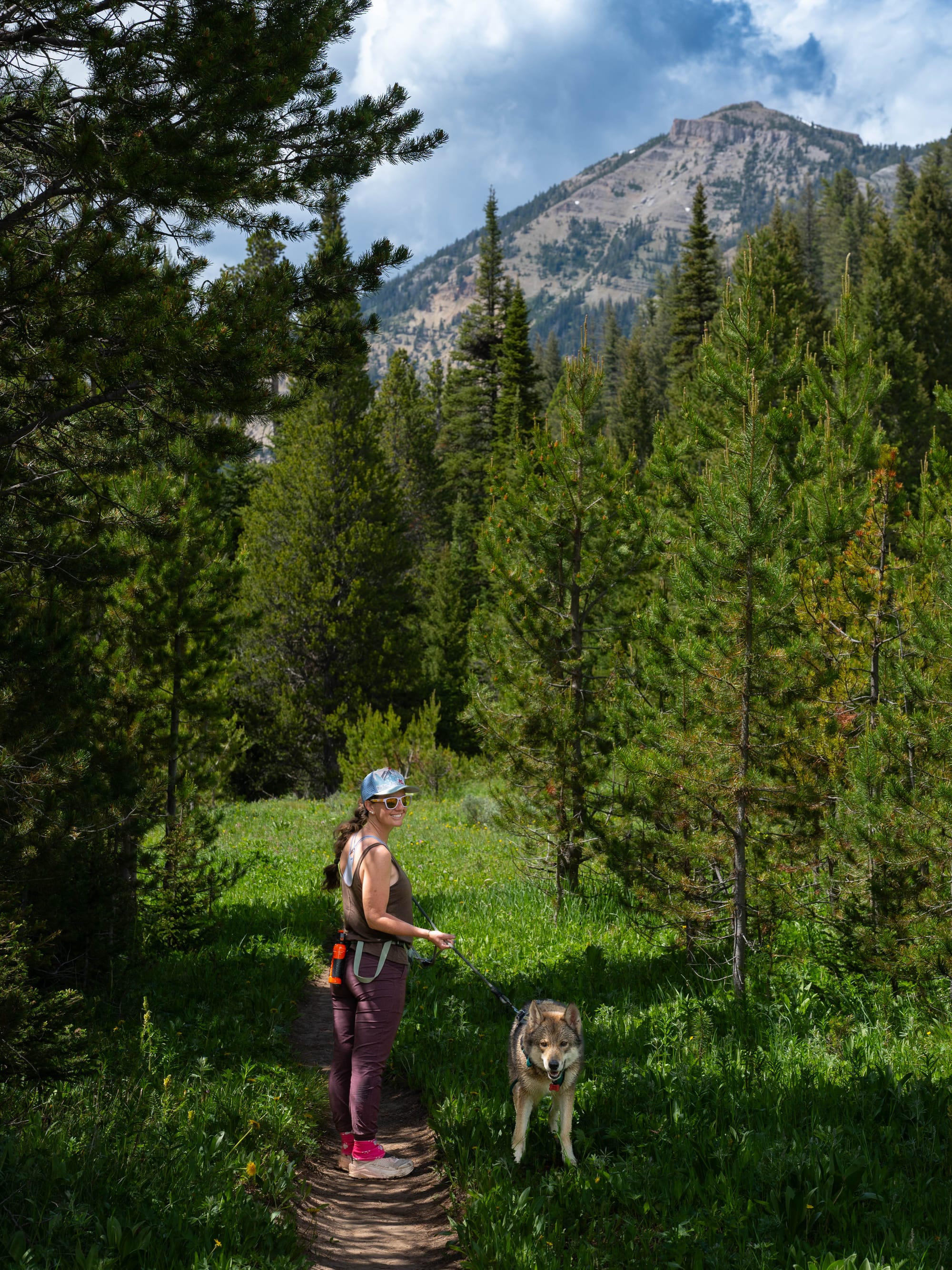
Sam and I also hiked from the Targhee Creek Trailhead.
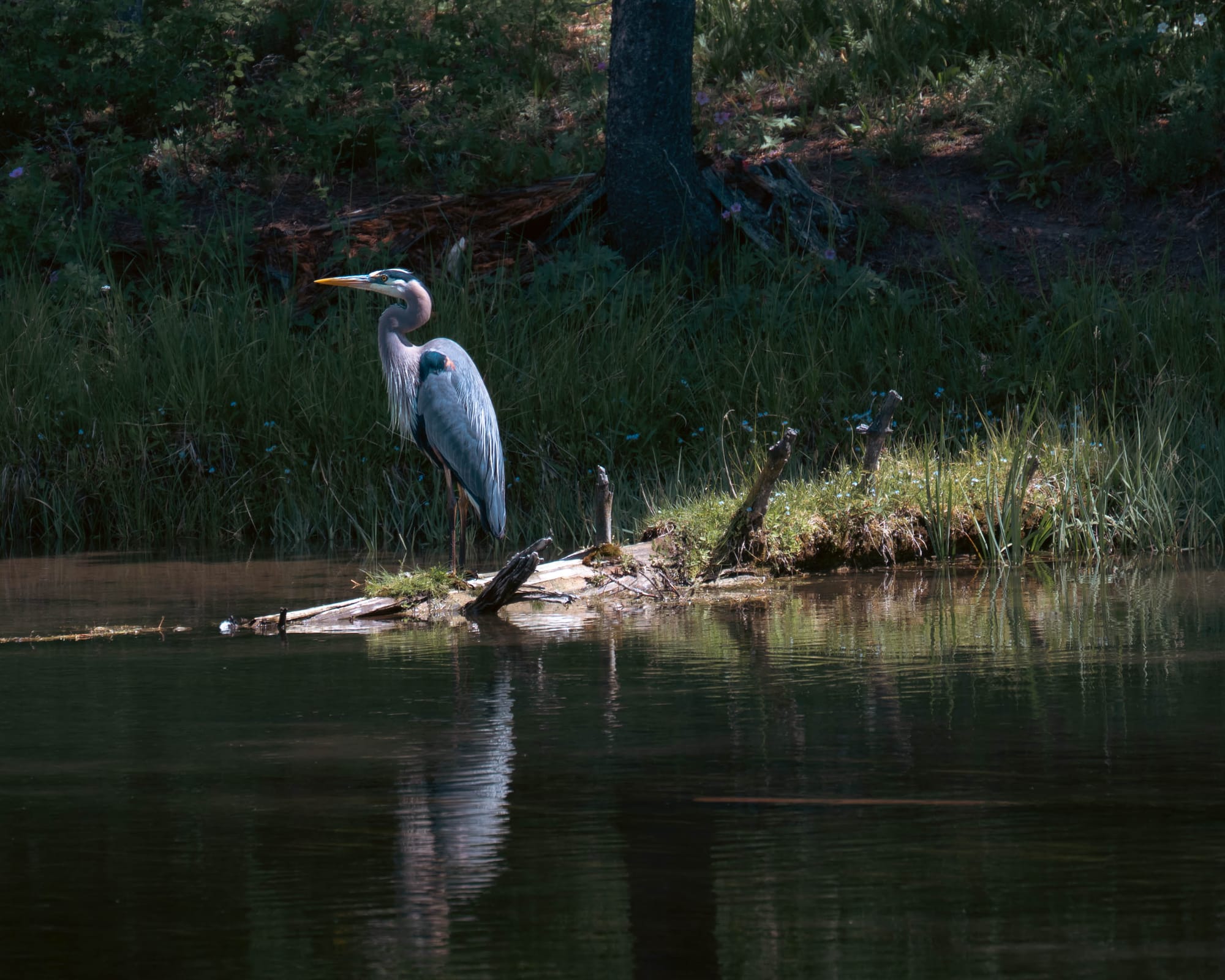
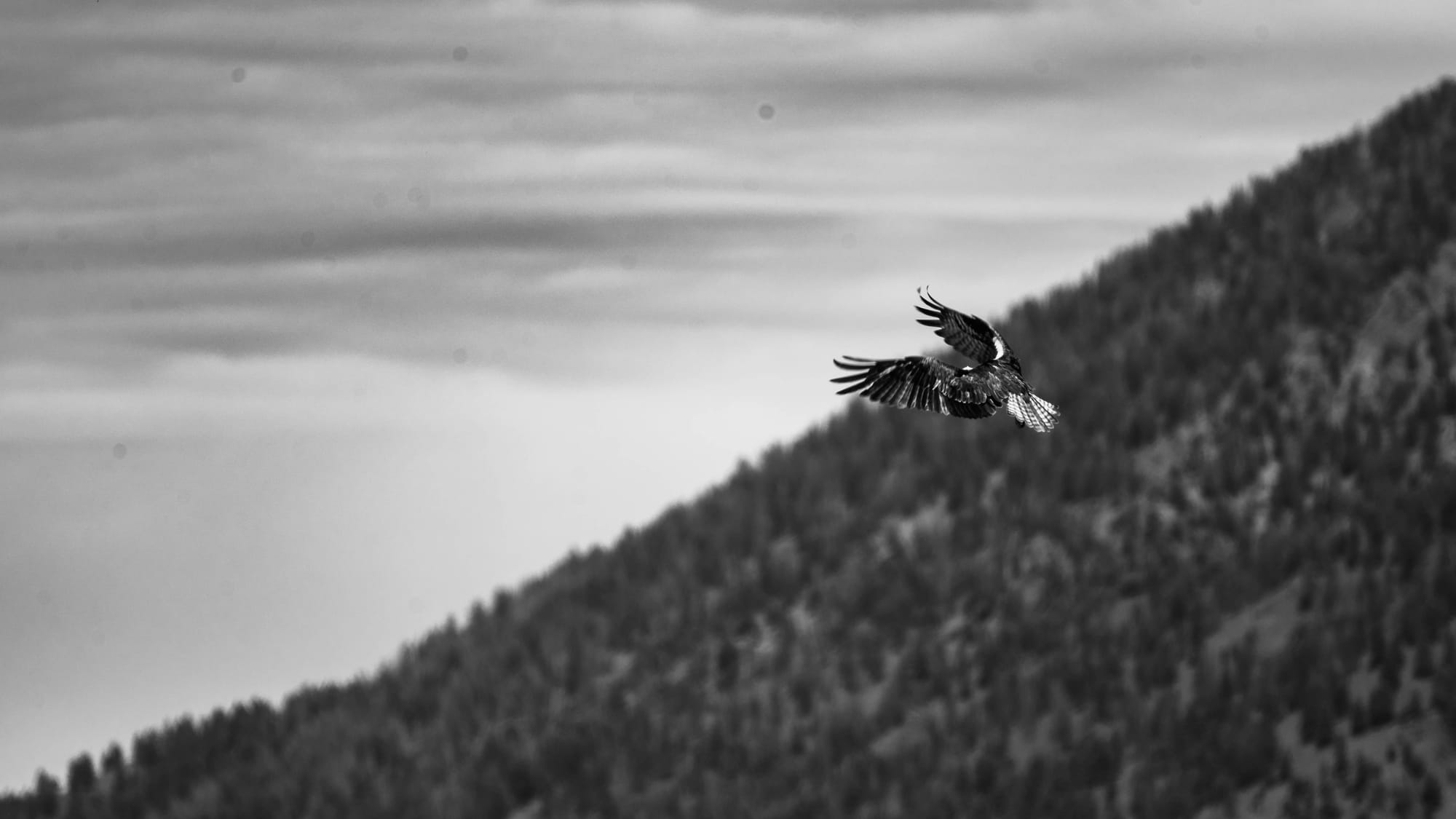
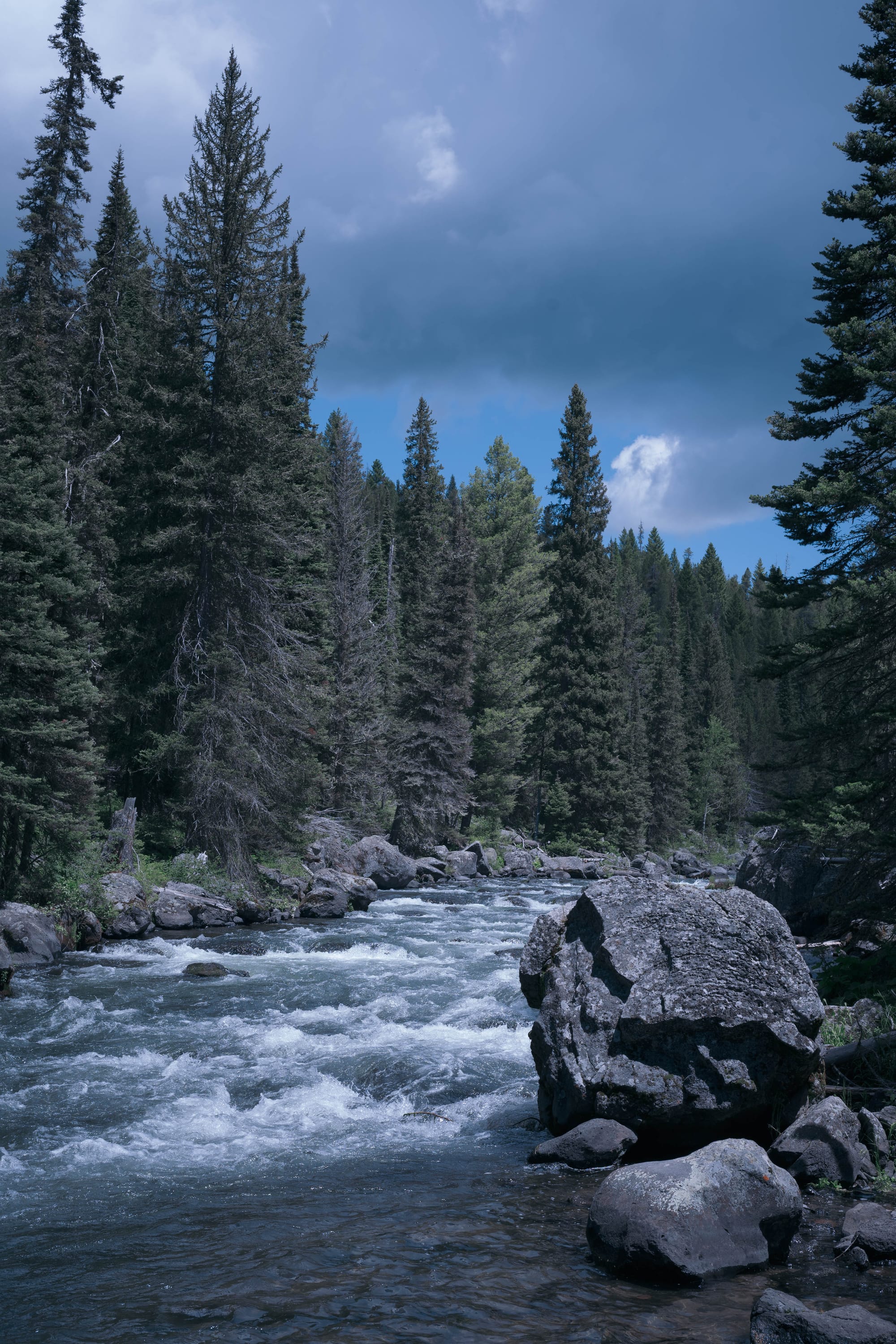
That one had a different shape. It was more forested, followed the creek, and started from a national forest campground that immediately went on our “come back someday” list. We saw yellow warblers, herons, egrets, and the trail had a quieter creekside rhythm than Mount Hebgen.
Both hikes were picked on a whim.
Both were better than expected.
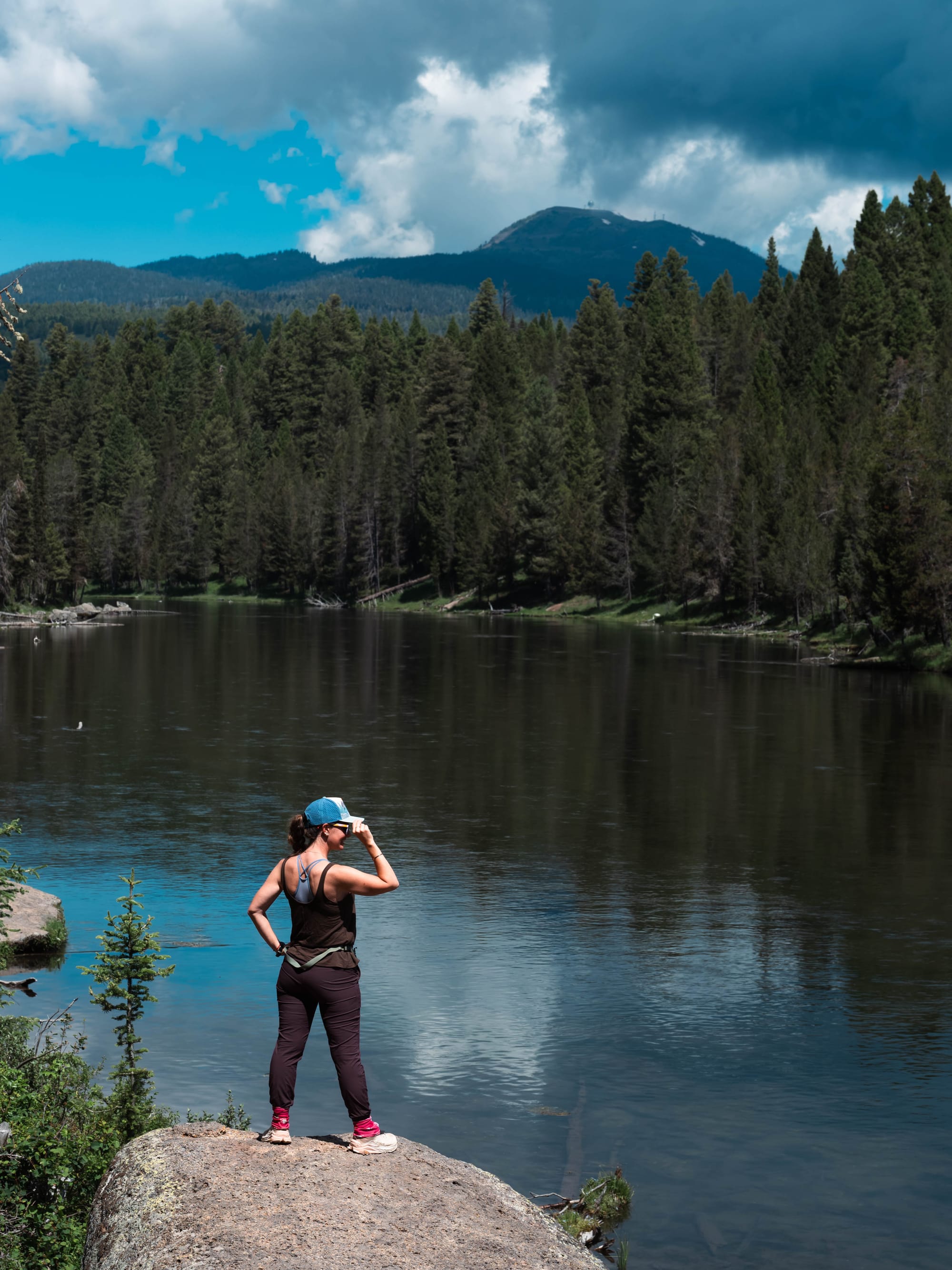
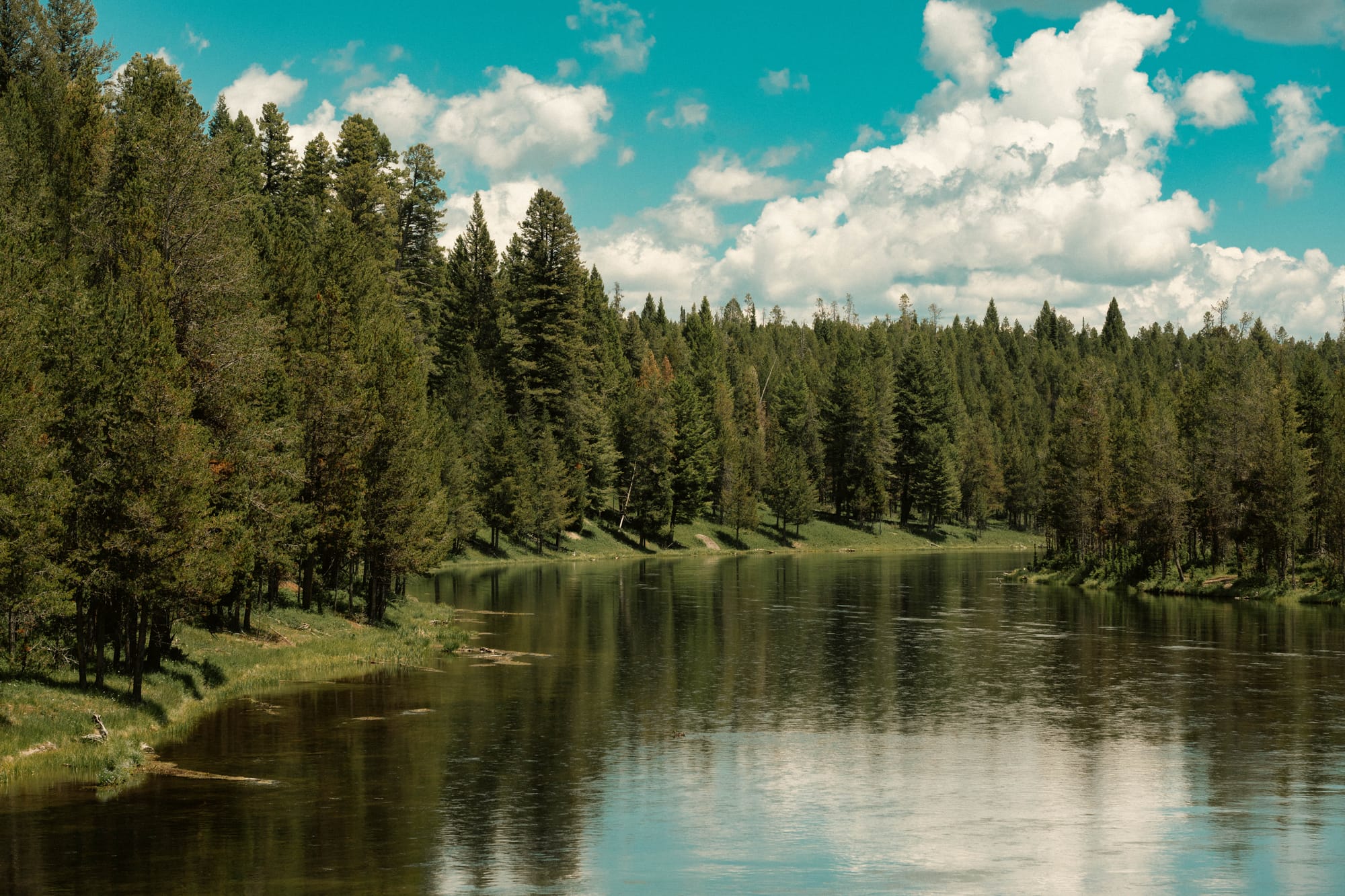
The scenic driving around Henrys Lake was just as epic. One of our favorite loops ran from the park area to Highway 20, north on 191 past West Yellowstone, then west on 287 and south on 87. It circled through a landscape that kept changing: lake basin, forested road, mountain passes, open valleys, the Madison River corridor, and the edge of the Greater Yellowstone ecosystem.
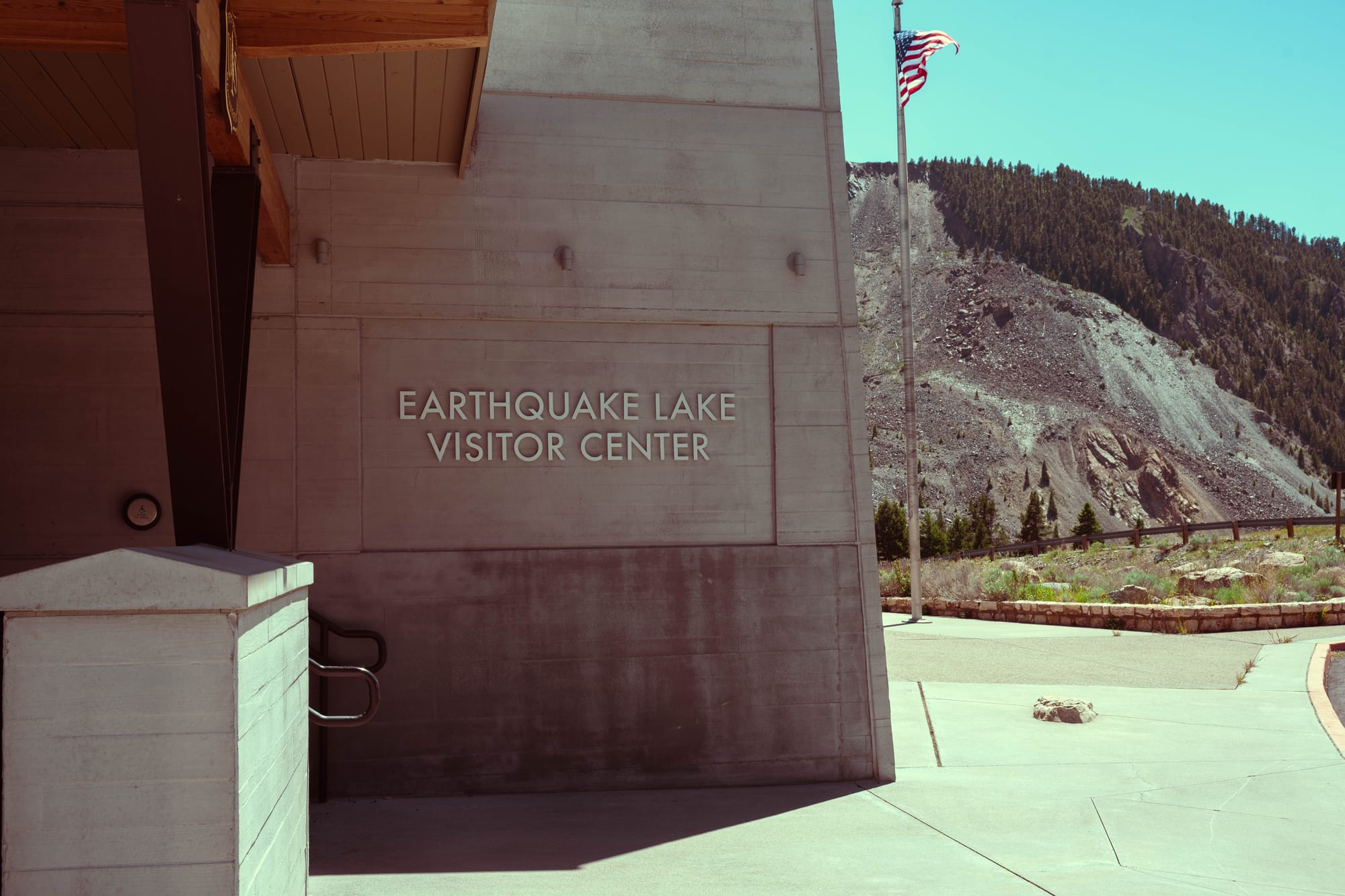
The Earthquake Lake stop gave that drive its focal point.
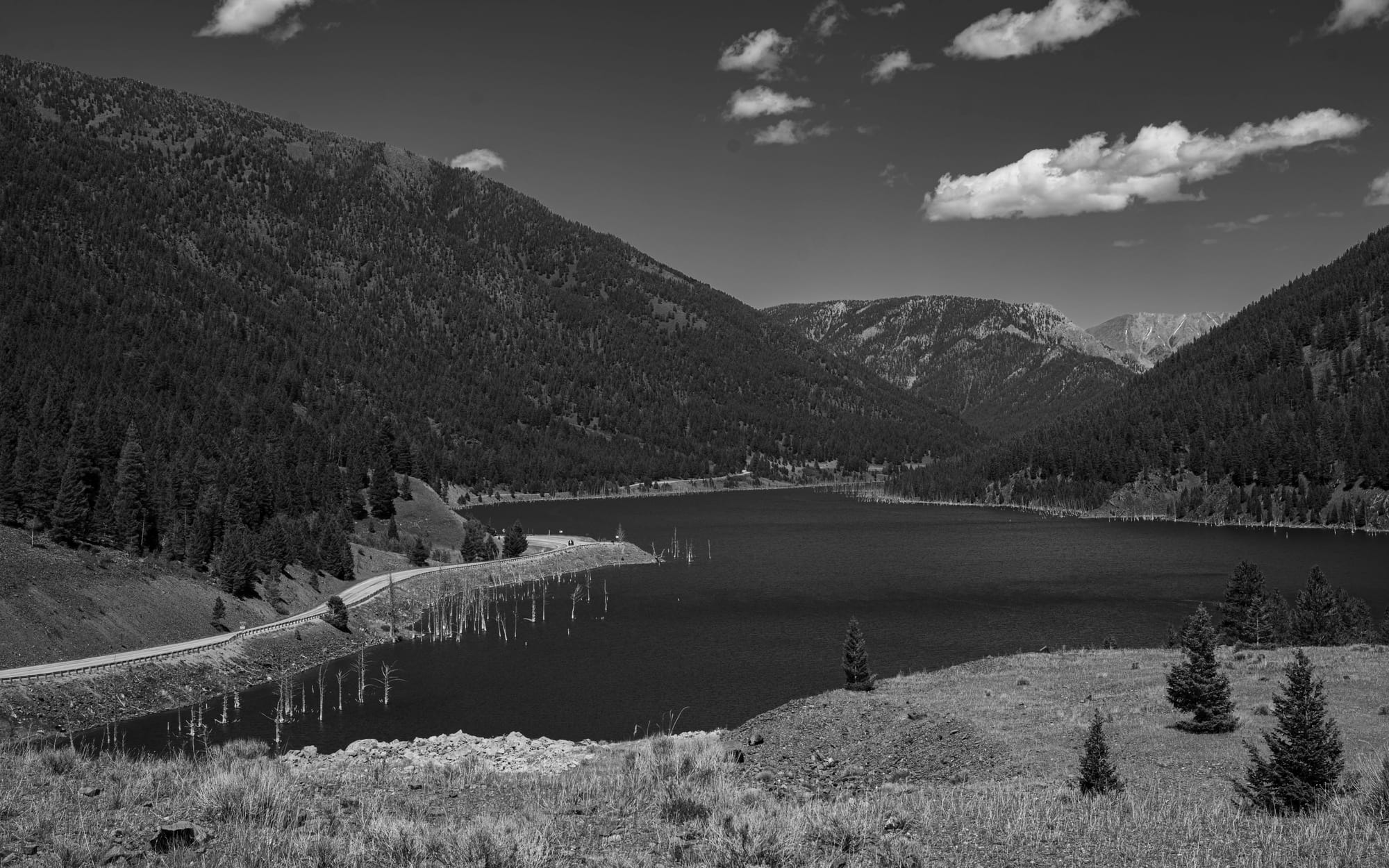
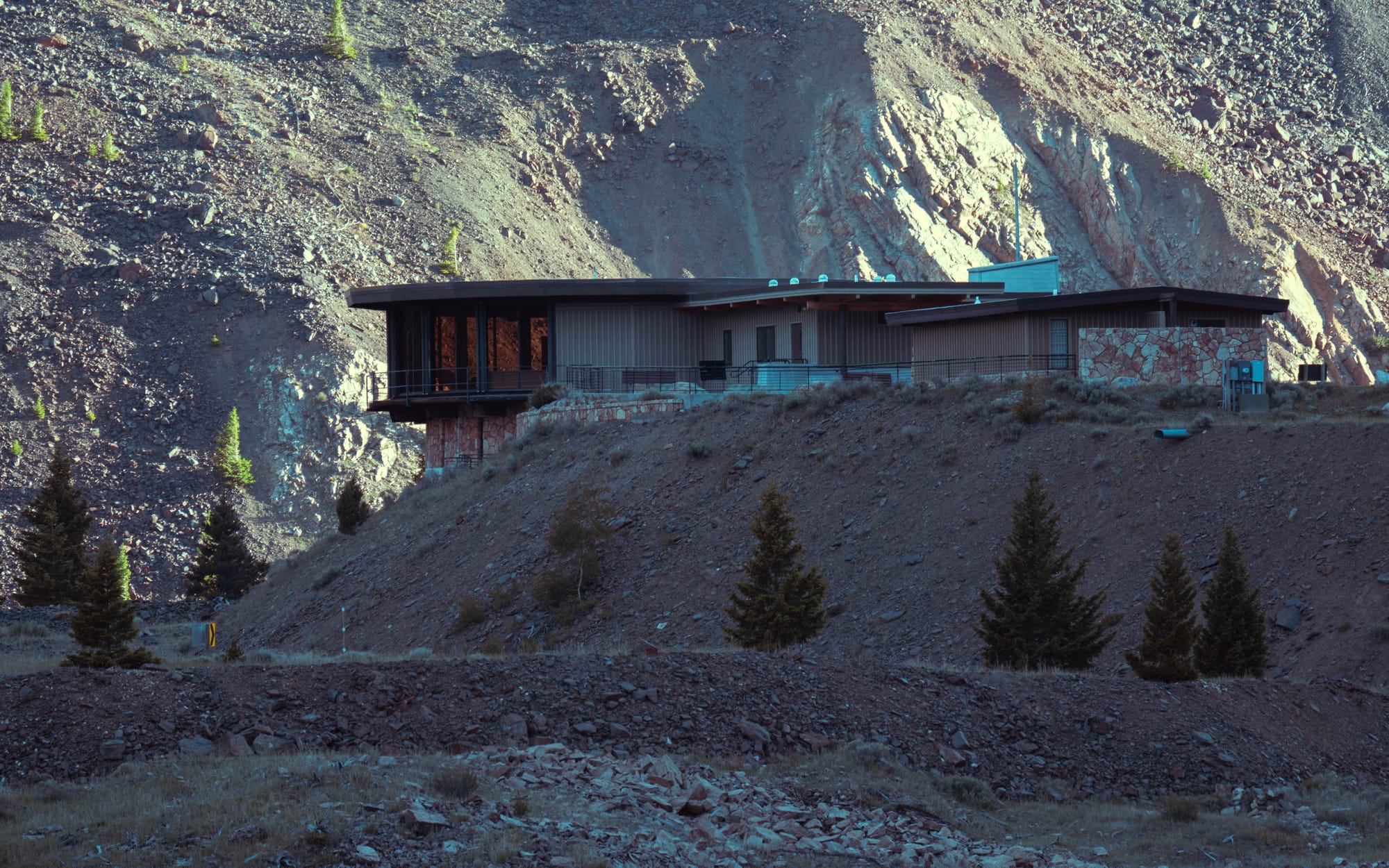
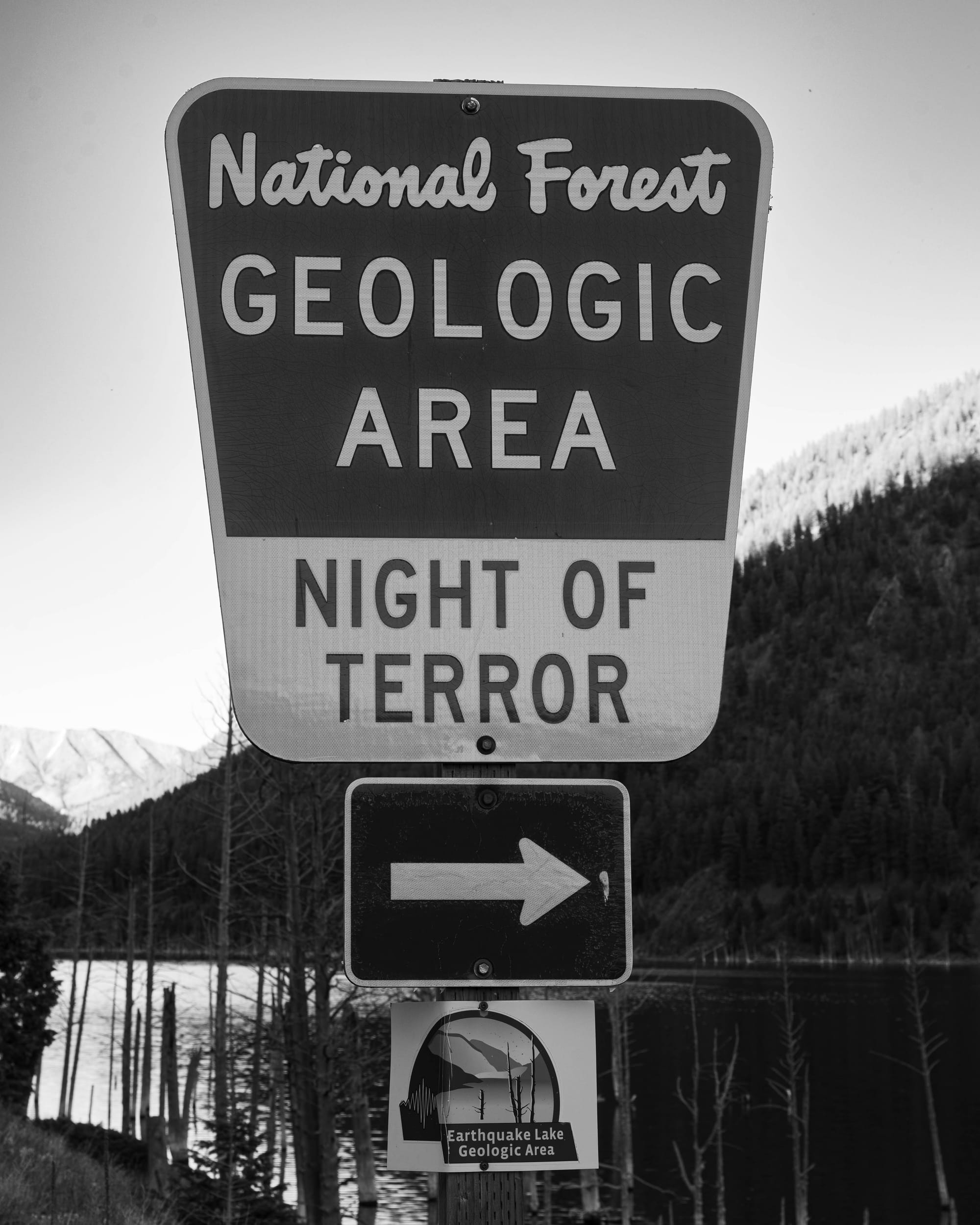
In August 1959, the Hebgen Lake earthquake triggered a massive landslide in Madison Canyon. The slide blocked the Madison River and created what is now Earthquake Lake. The U.S. Forest Service visitor center overlooks the mountain that fell and the lake that formed, with exhibits on earthquakes, plate tectonics, and the 1959 event.
It is a hard story to stand in front of.
The landscape does not look like an old news event. It still looks broken. The slide path, the lake, the drowned trees, the highway corridor, and the visitor center all make the scale easier to understand. The earthquake happened late at night, when people were camping in the canyon. Twenty-eight people were killed in the disaster.
That stop made the loop more than a scenic drive.
It showed how young and active this landscape still is. Mountains move. Rivers get blocked. Lakes form. Roads shift.
We also made it into West Yellowstone for souvenir shopping and a night at Yellowstone Playhouse Dinner Theater. We saw The Princeless Bride, which was ridiculous, funny, and exactly the right kind of low-stakes evening after a run of hikes and scenic drives.
⚡ TL;DR
- Park highlight: Wide-open lake views, moose sightings, and easy access to national forest hikes near West Yellowstone
- Best for: Fishing, wildlife, scenic drives, lake camping, and Yellowstone-area basecamp
- Skip if: You want shade, dense trees, or a campground that feels tucked away
- Worth planning around?: Yes
Final Takeaways
Henrys Lake State Park was one of the best surprises of Idaho.
We booked it because it fit the route before Yellowstone. It ended up being much more than a holding pattern. The lake views were excellent, the campground location worked well, the moose sightings were hard to beat, and the surrounding national forest gave us two strong hikes without much planning.
It is absolutely a Yellowstone-area basecamp. The full campground made that clear.
But Henrys Lake is better when you do not treat it only as a place to sleep before driving into the national park. The state park, lake basin, national forest roads, West Yellowstone, Targhee Creek, Mount Hebgen, and Earthquake Lake all gave the stay its own shape.
That was the biggest lesson of the week.
Being near Yellowstone is useful.
Having time to explore the country around Yellowstone is better.
Henrys Lake is one of our favorite Idaho state parks so far, and one of the few places on this route that felt both practical and exceptional. A wide-open lake, mountains on all sides, incredible nearby hikes, and a landscape that kept getting more interesting the longer we stayed.