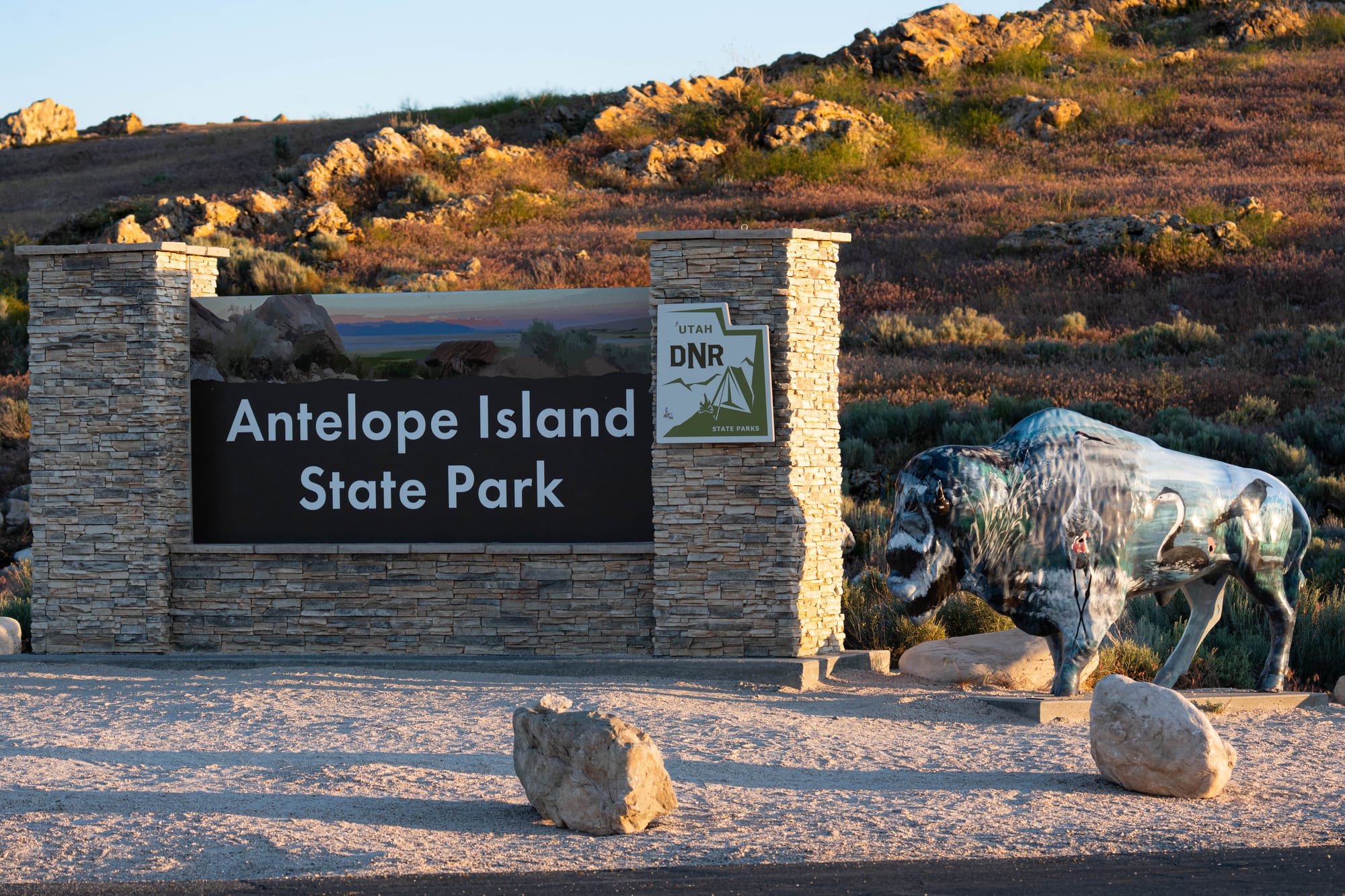
Antelope Island State Park
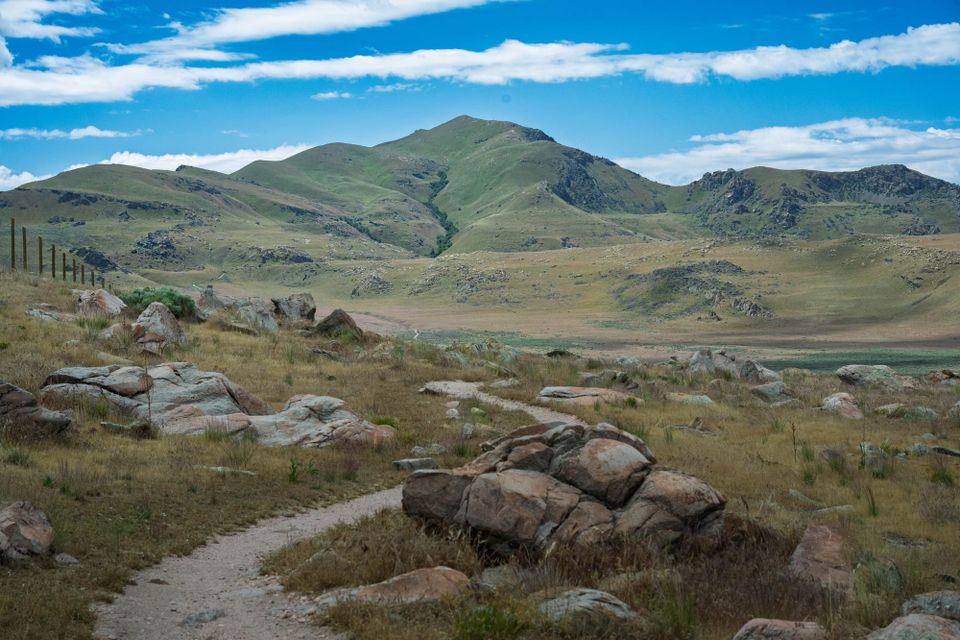
Antelope Island felt set apart.
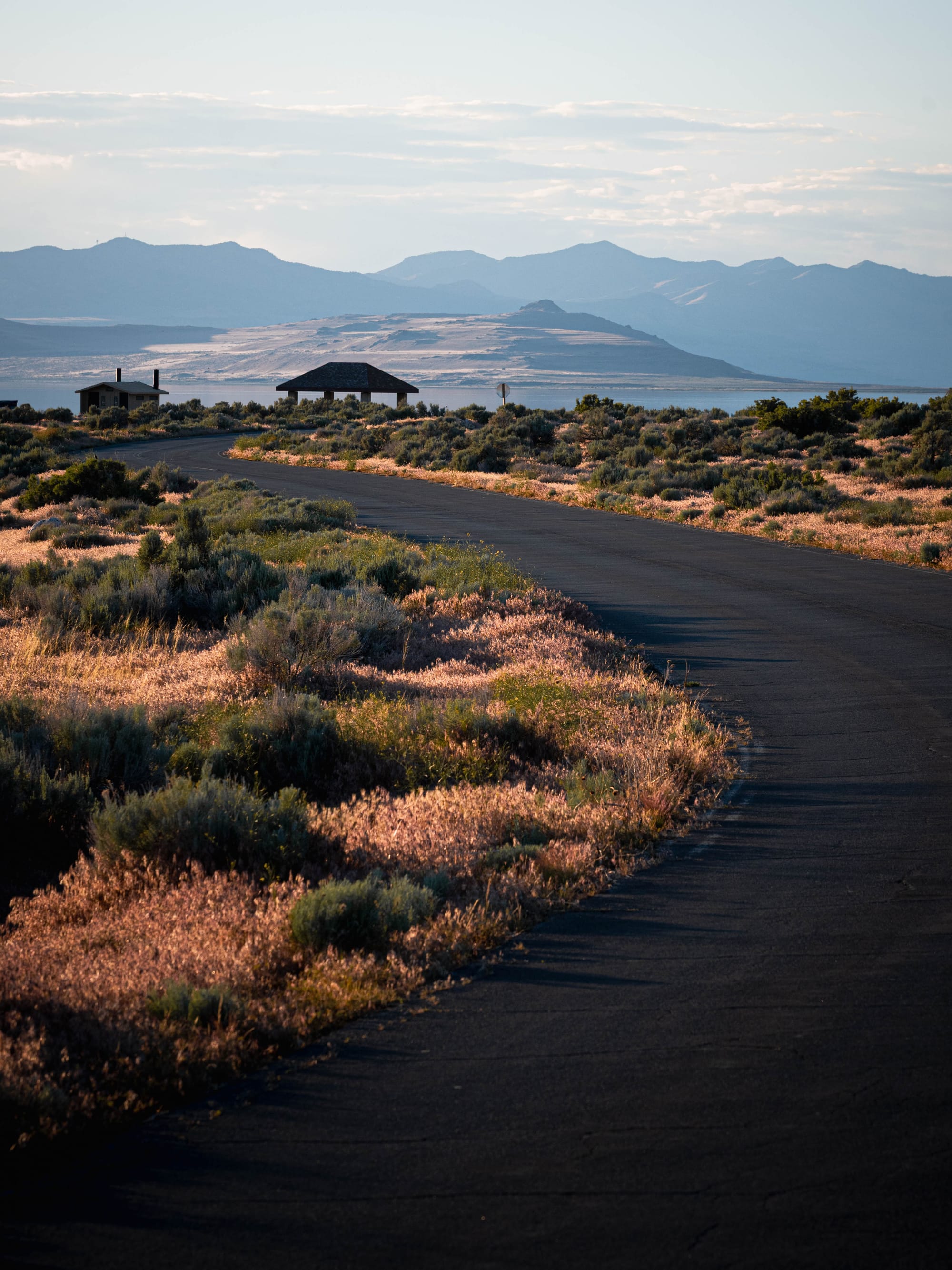
You reach it by crossing the causeway over the Great Salt Lake, leaving the towns and traffic of the Wasatch Front behind until the island rises out of the water, grassland, and exposed shoreline. It does not feel remote in mileage, but it feels separate.
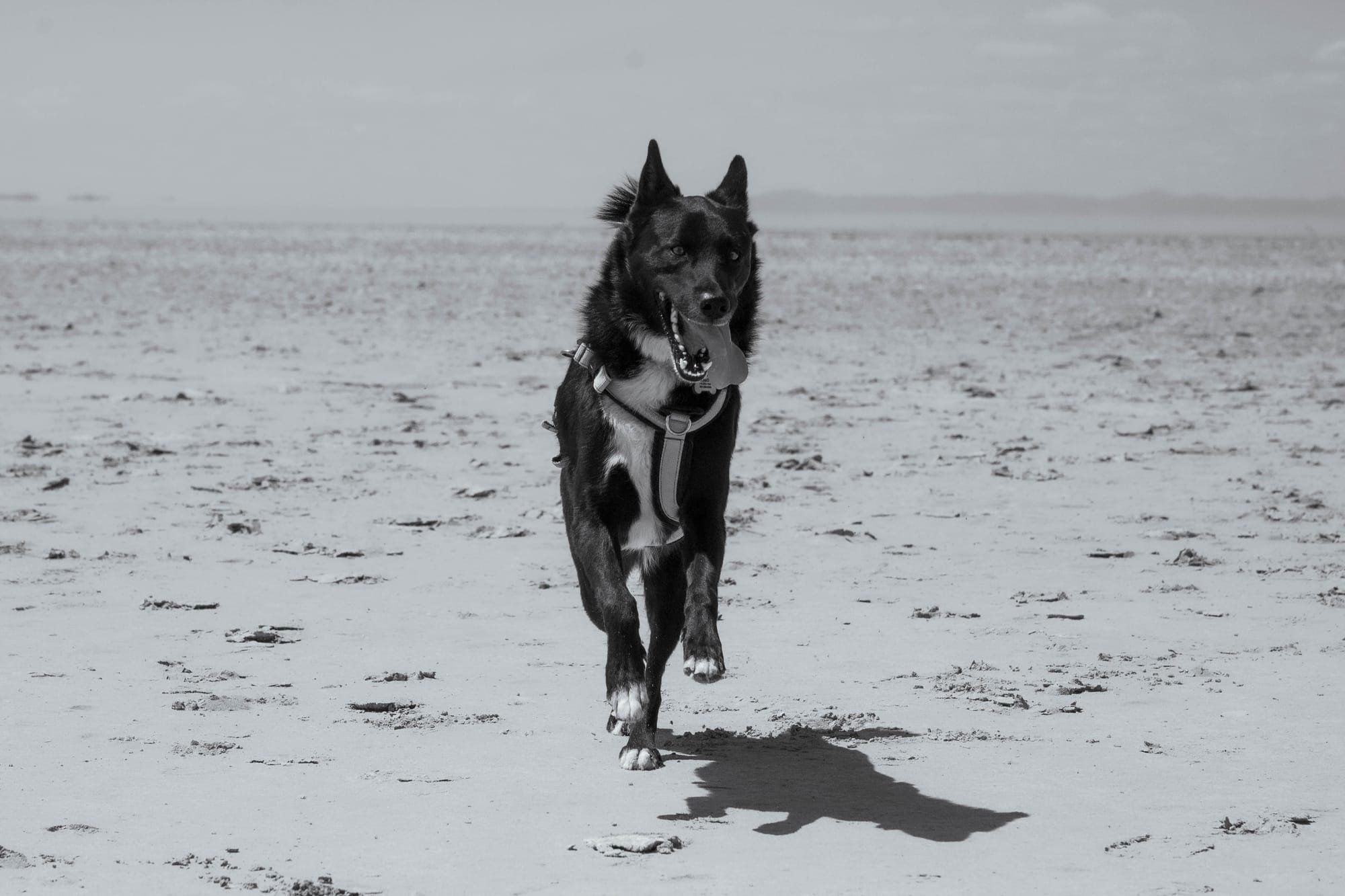
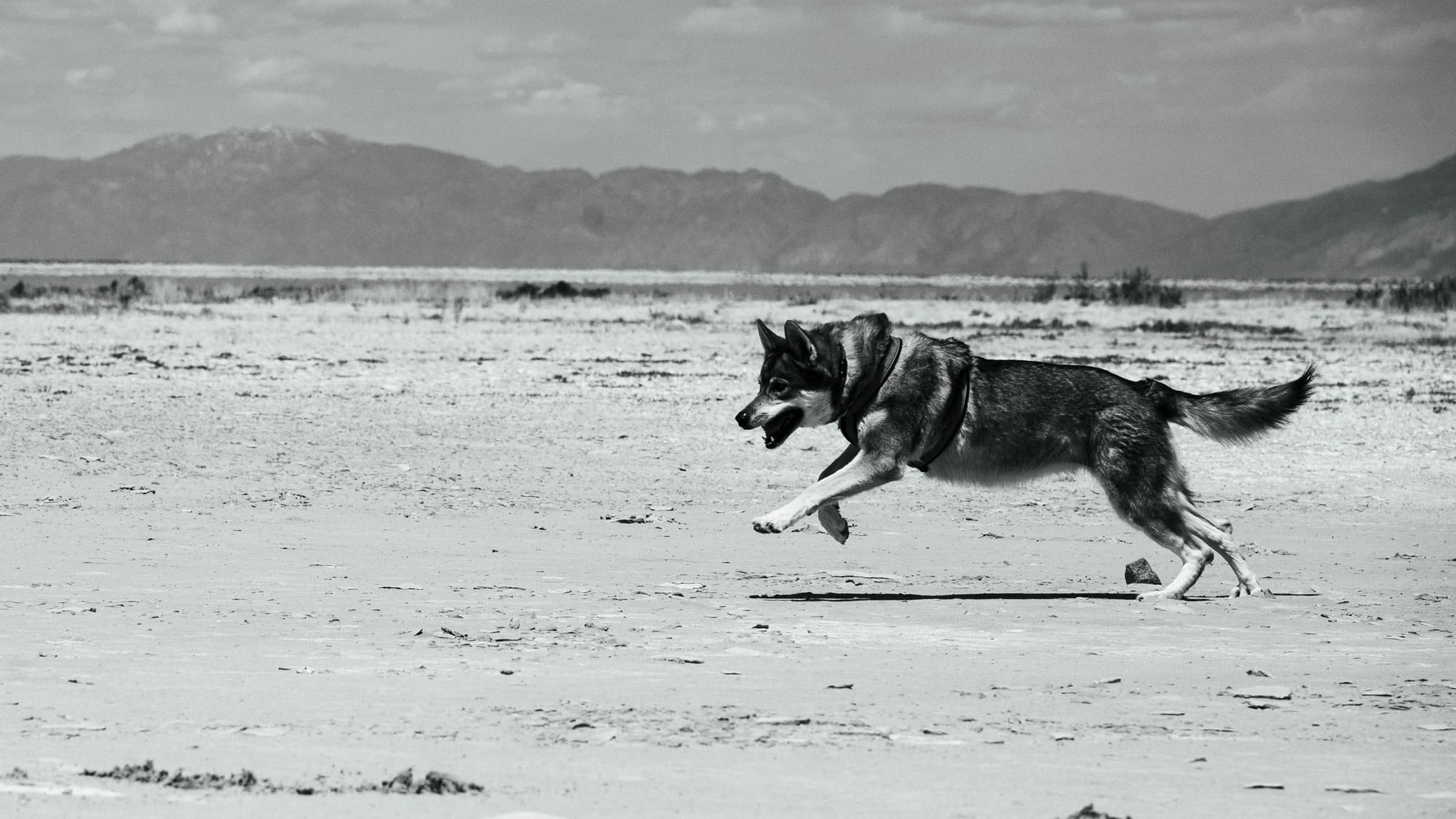
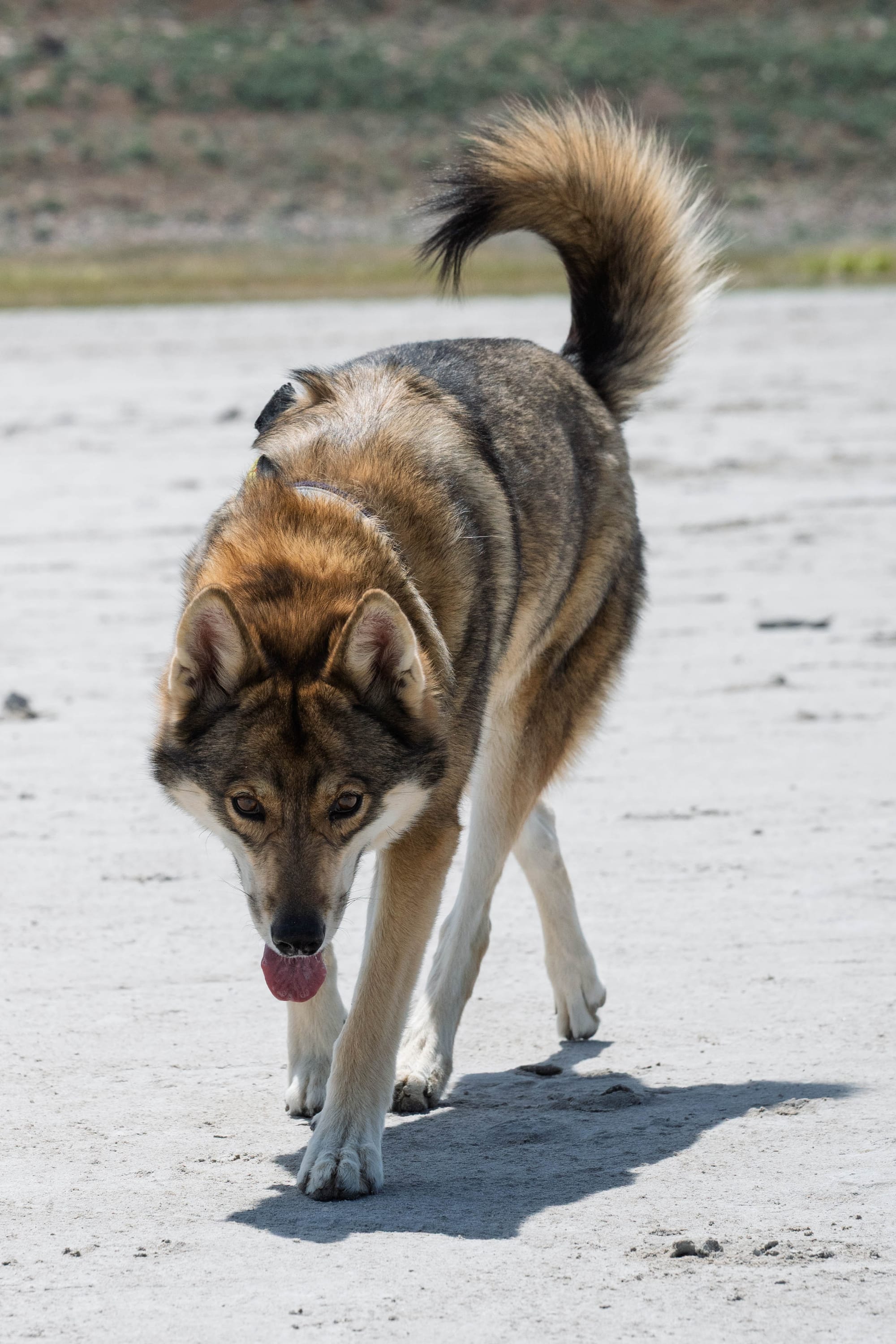
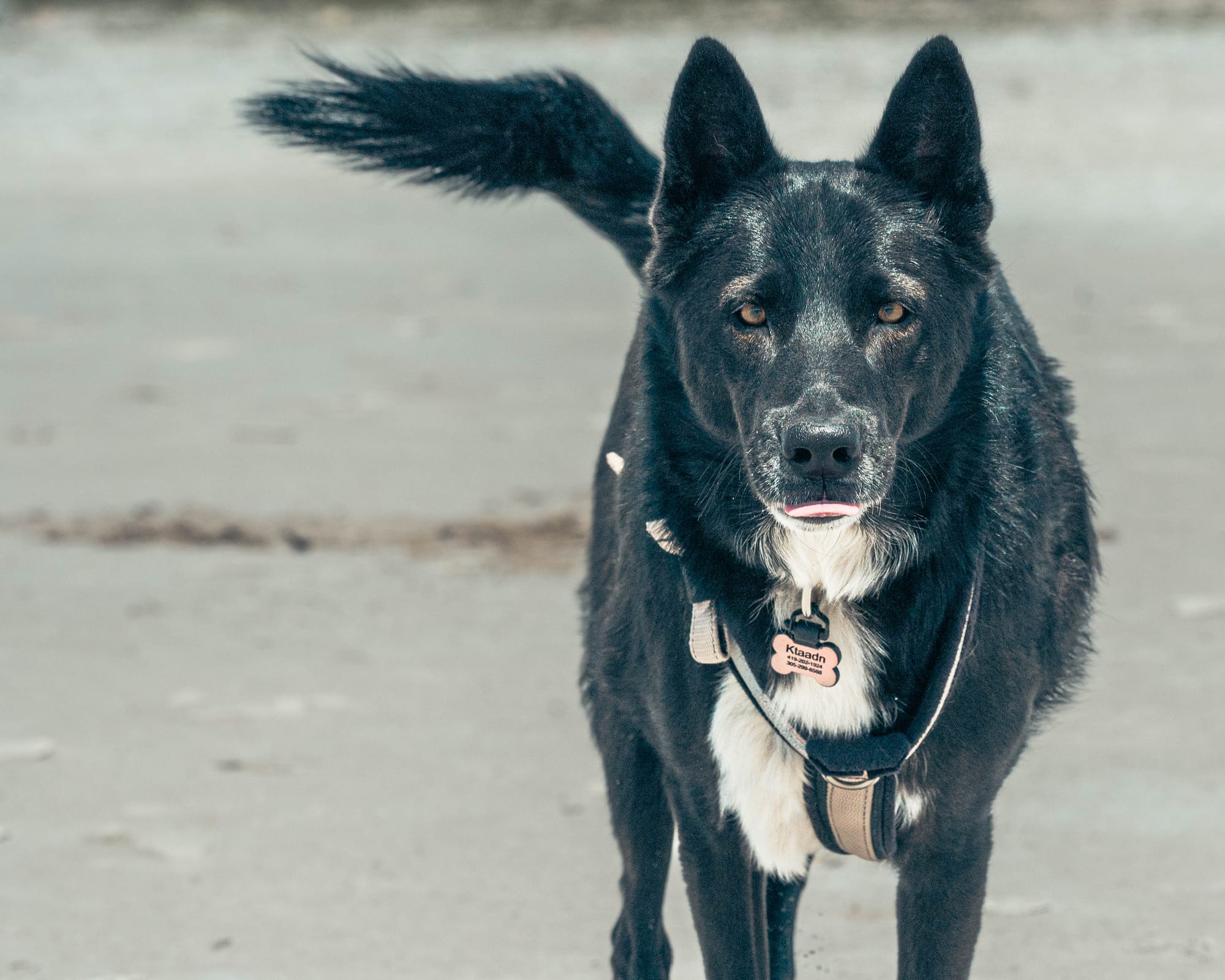
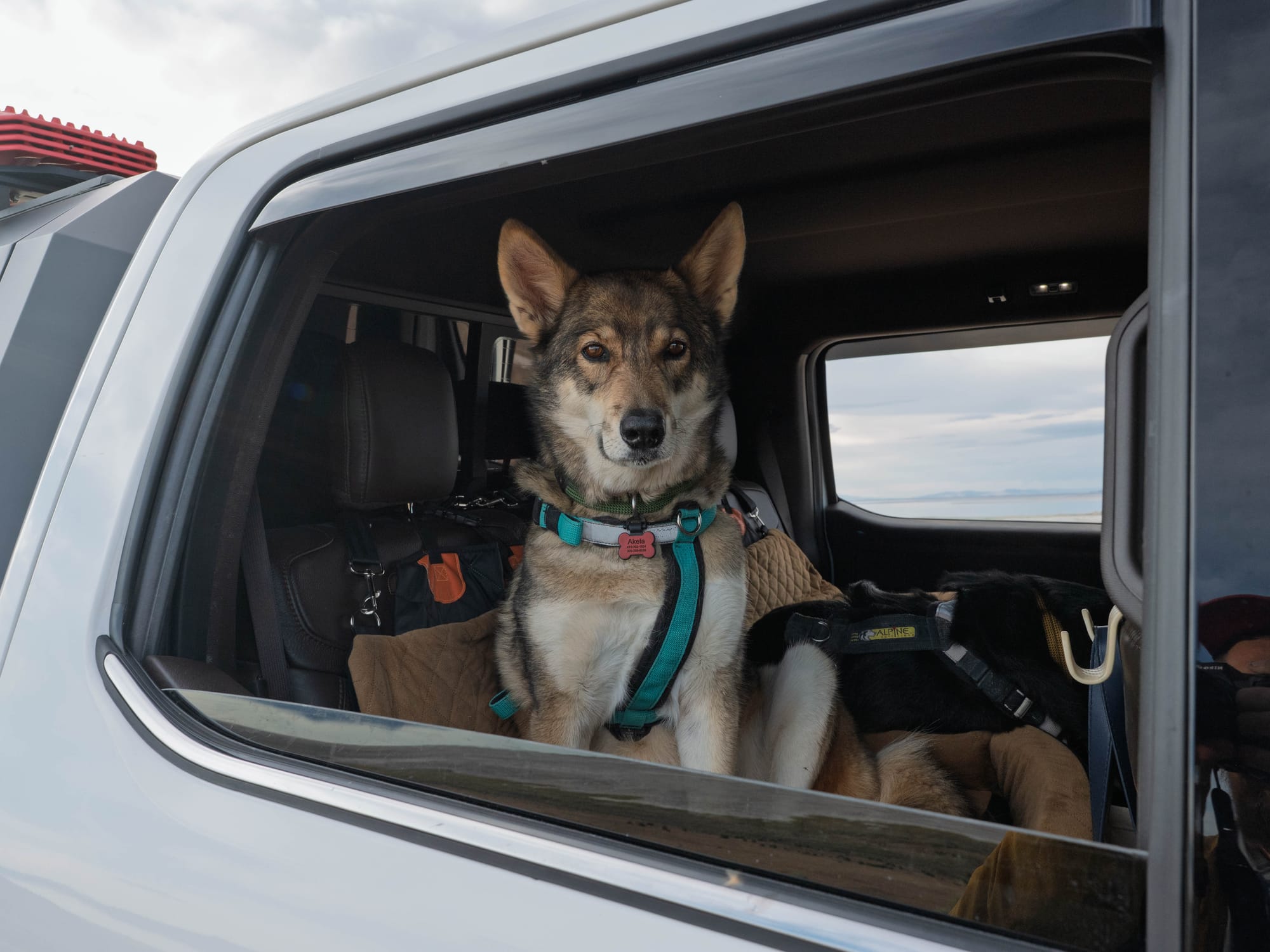
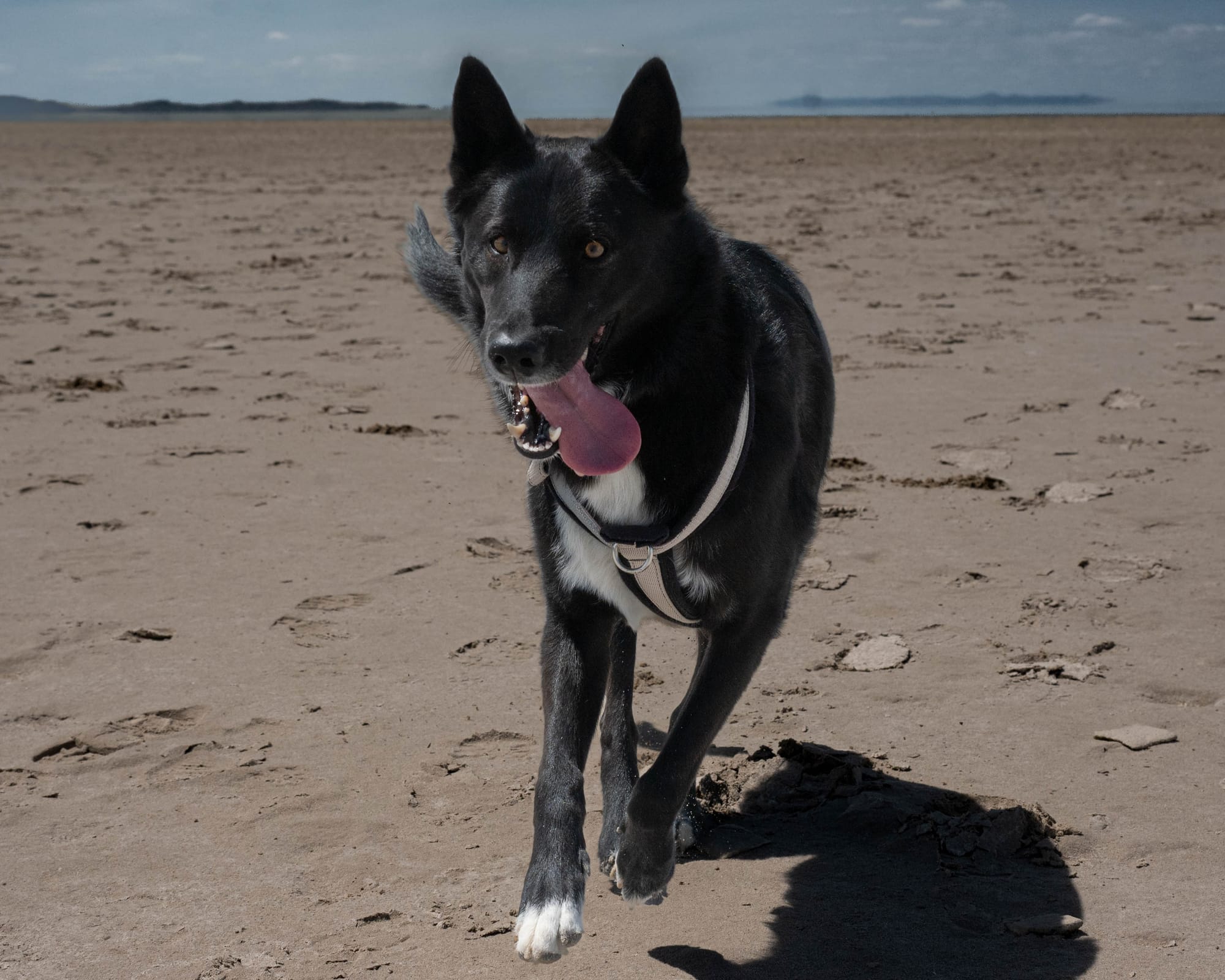
Sam only had one night before leaving for work on an Alaskan cruise, so most of the stay became me, the dogs, and the island.
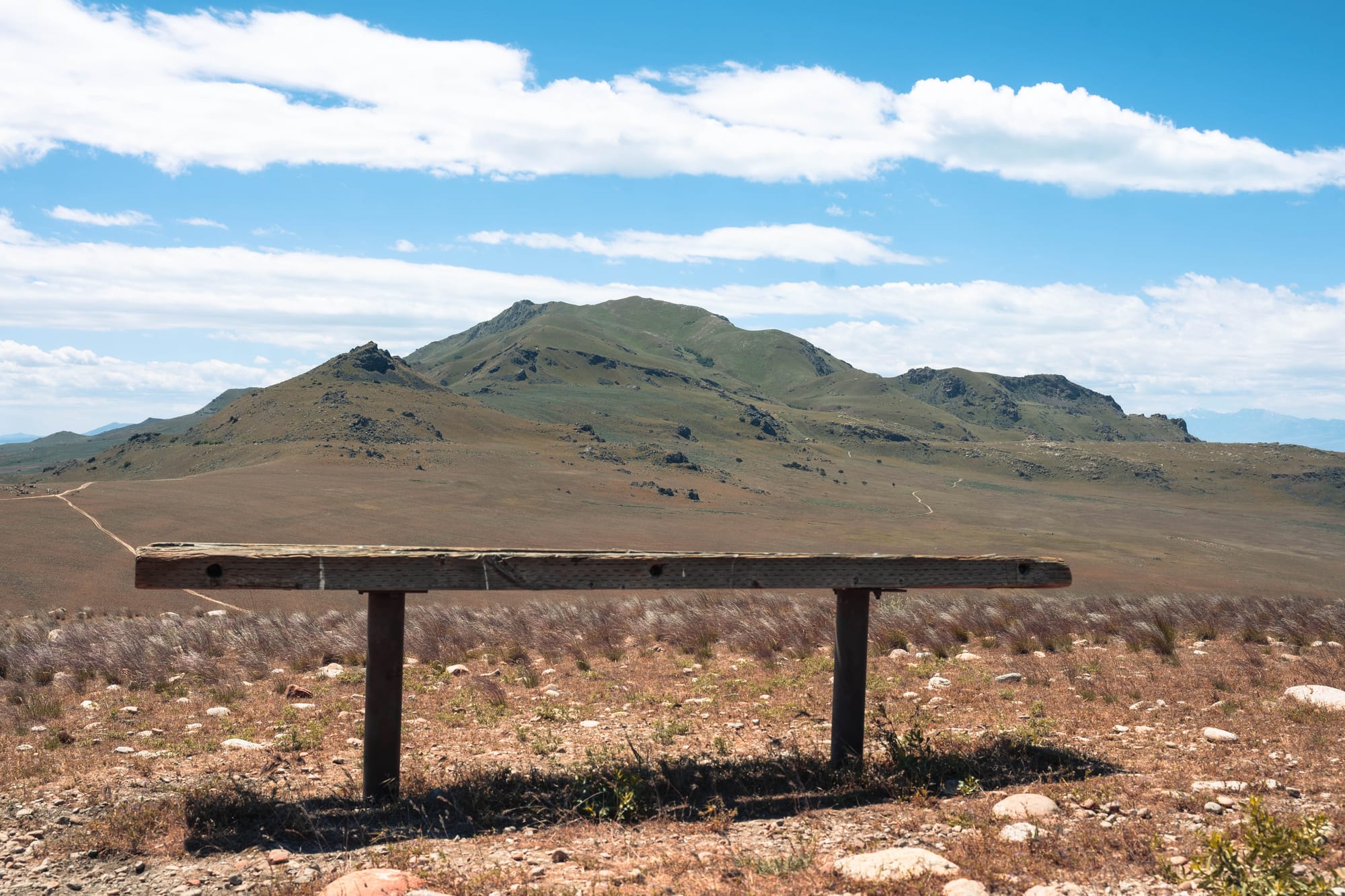
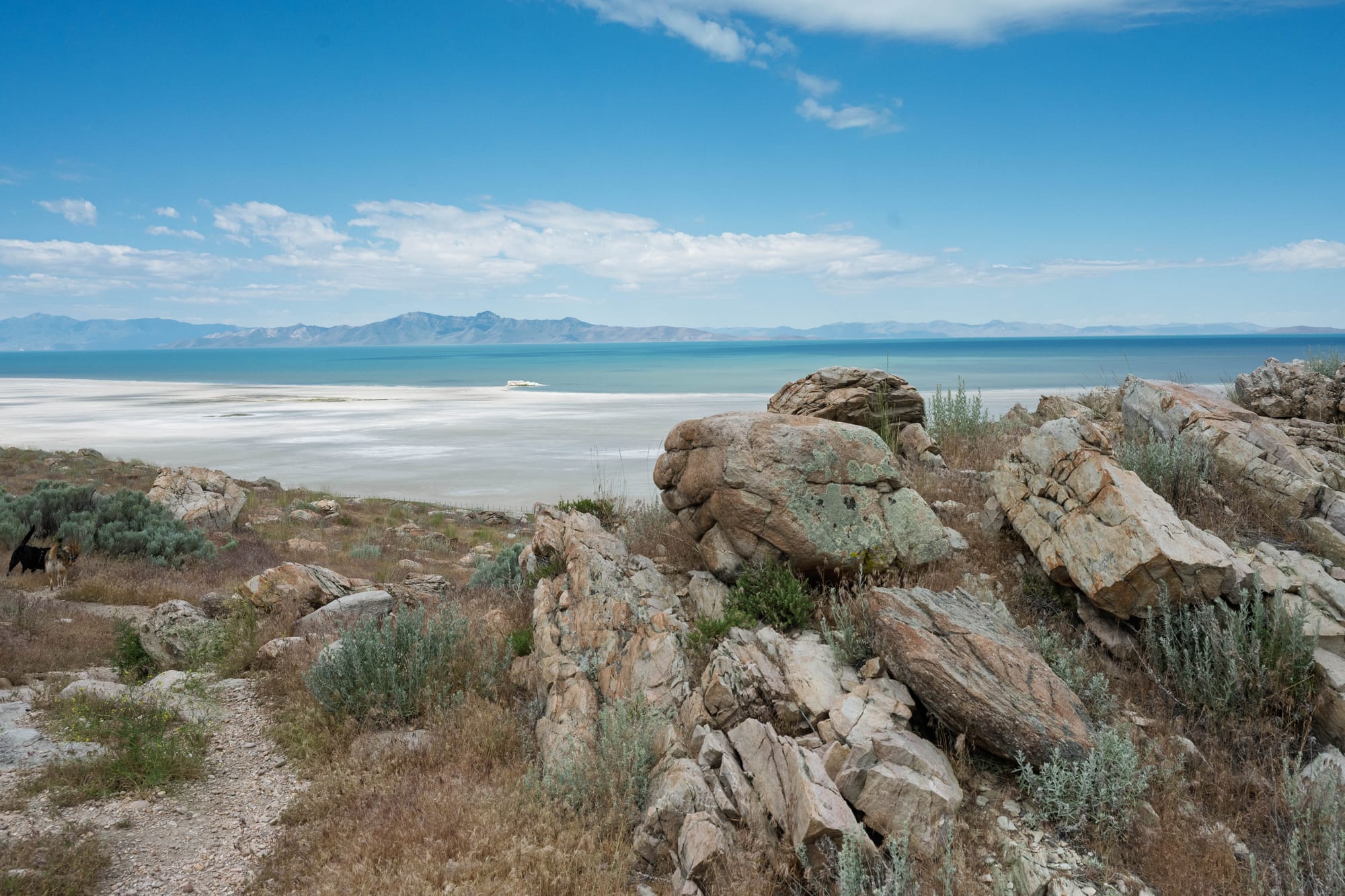
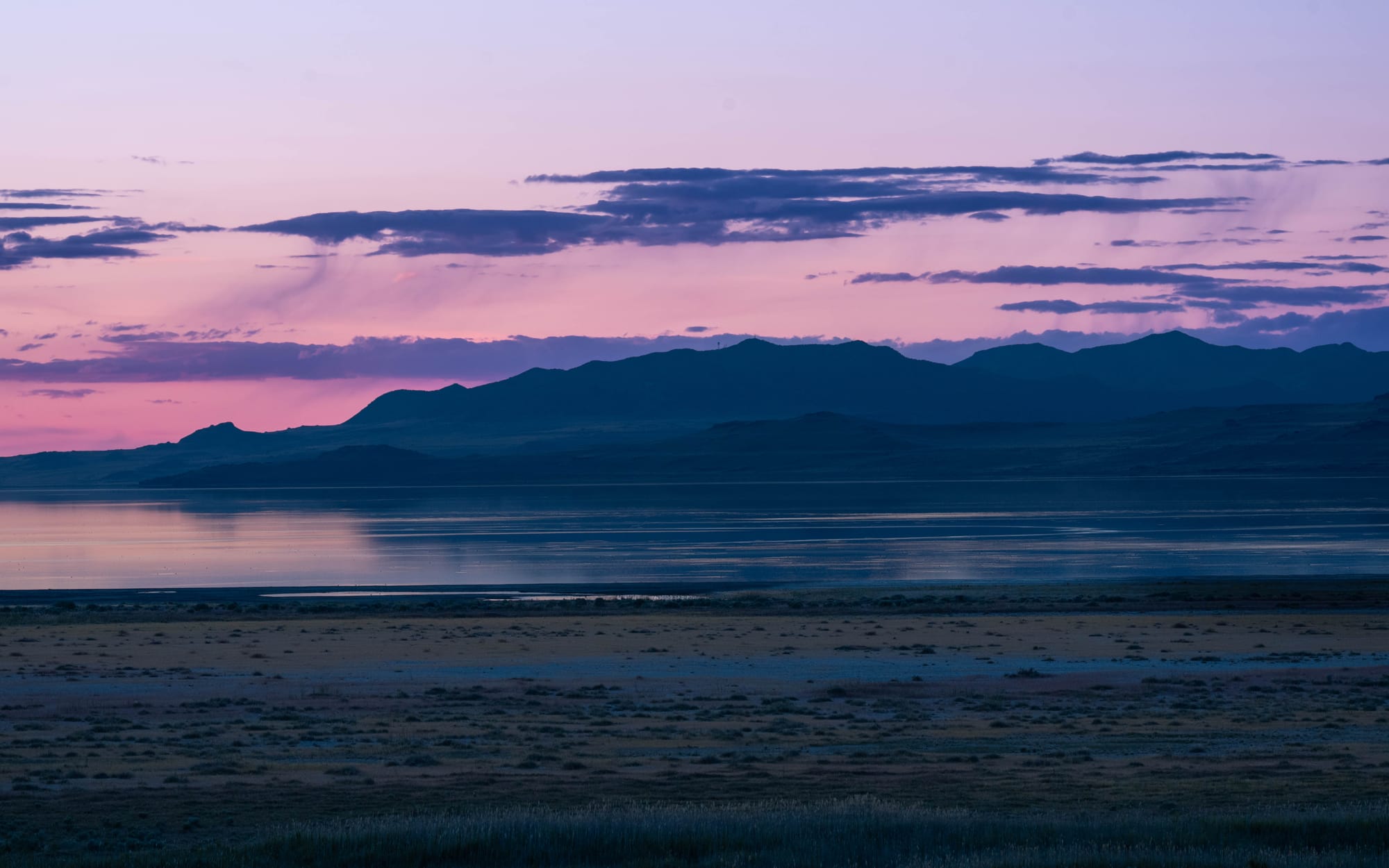
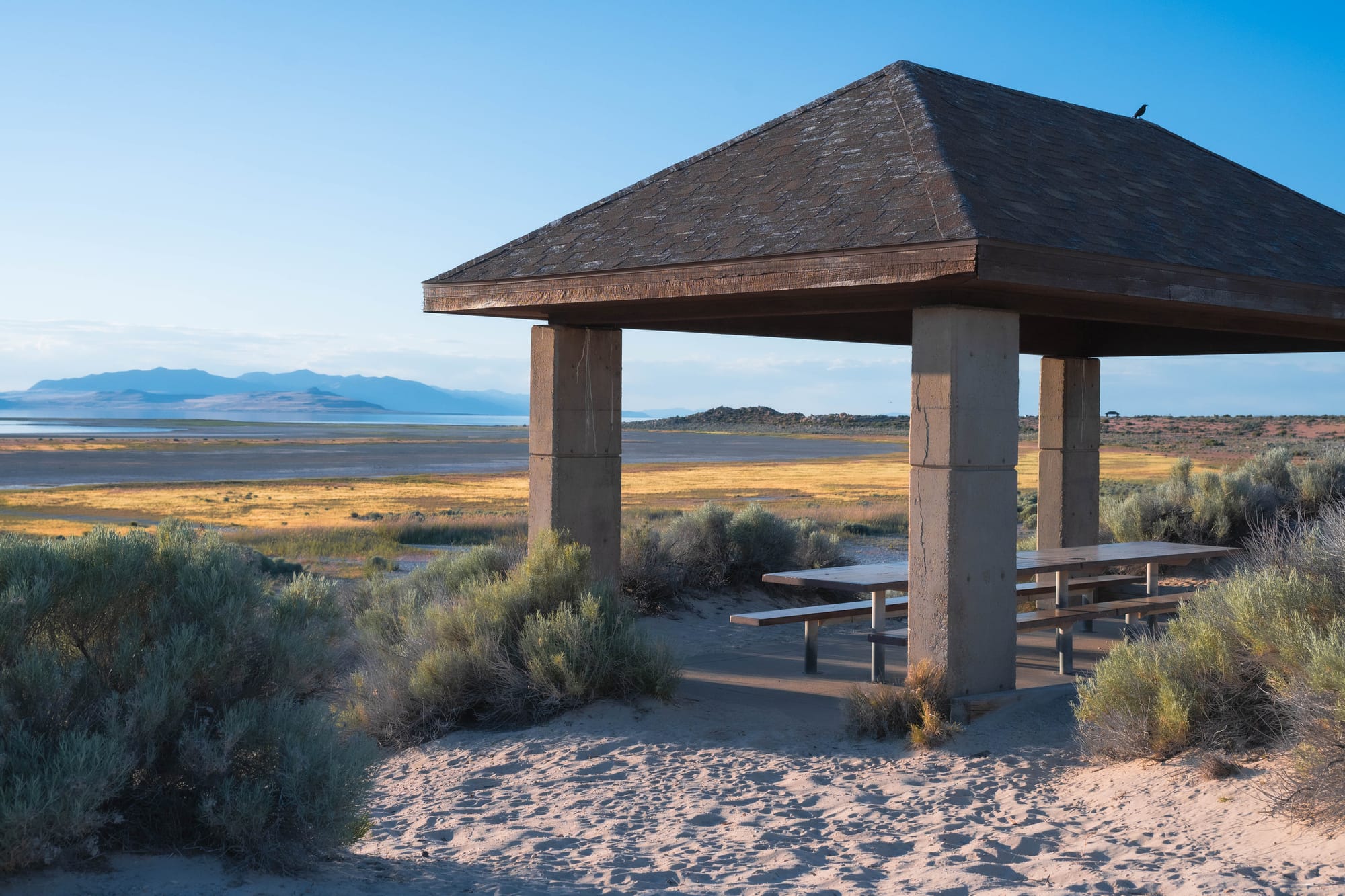
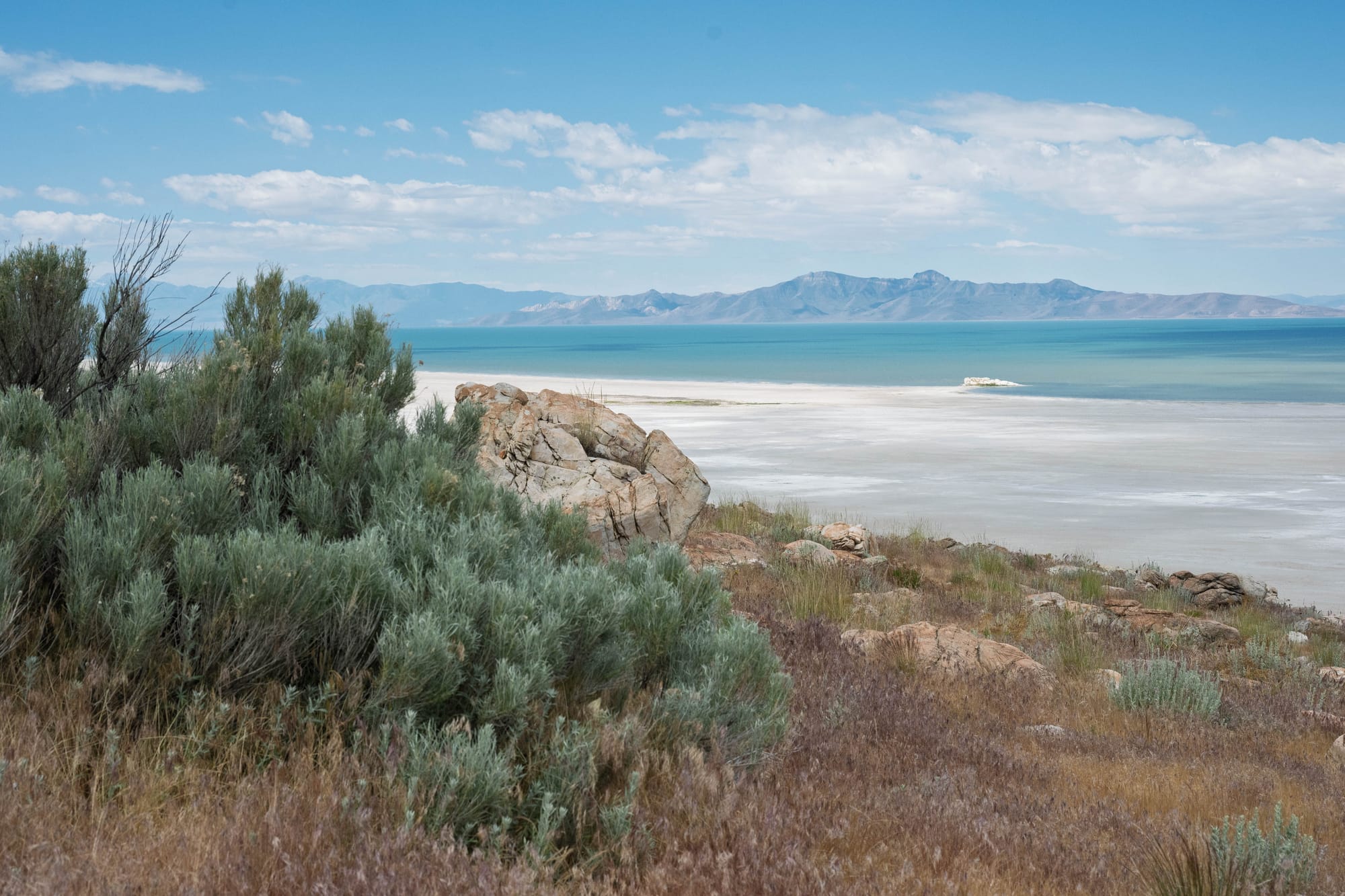
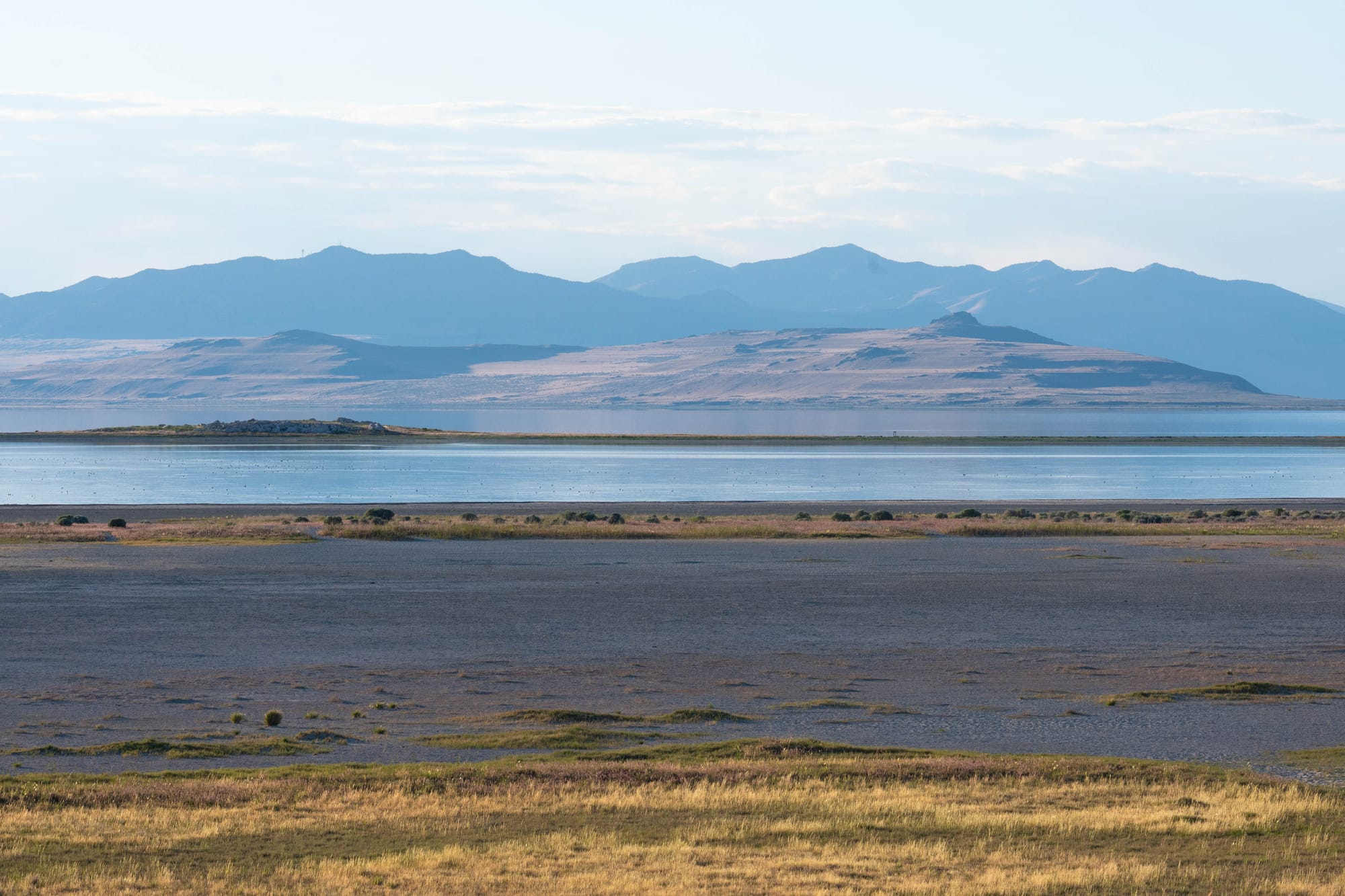
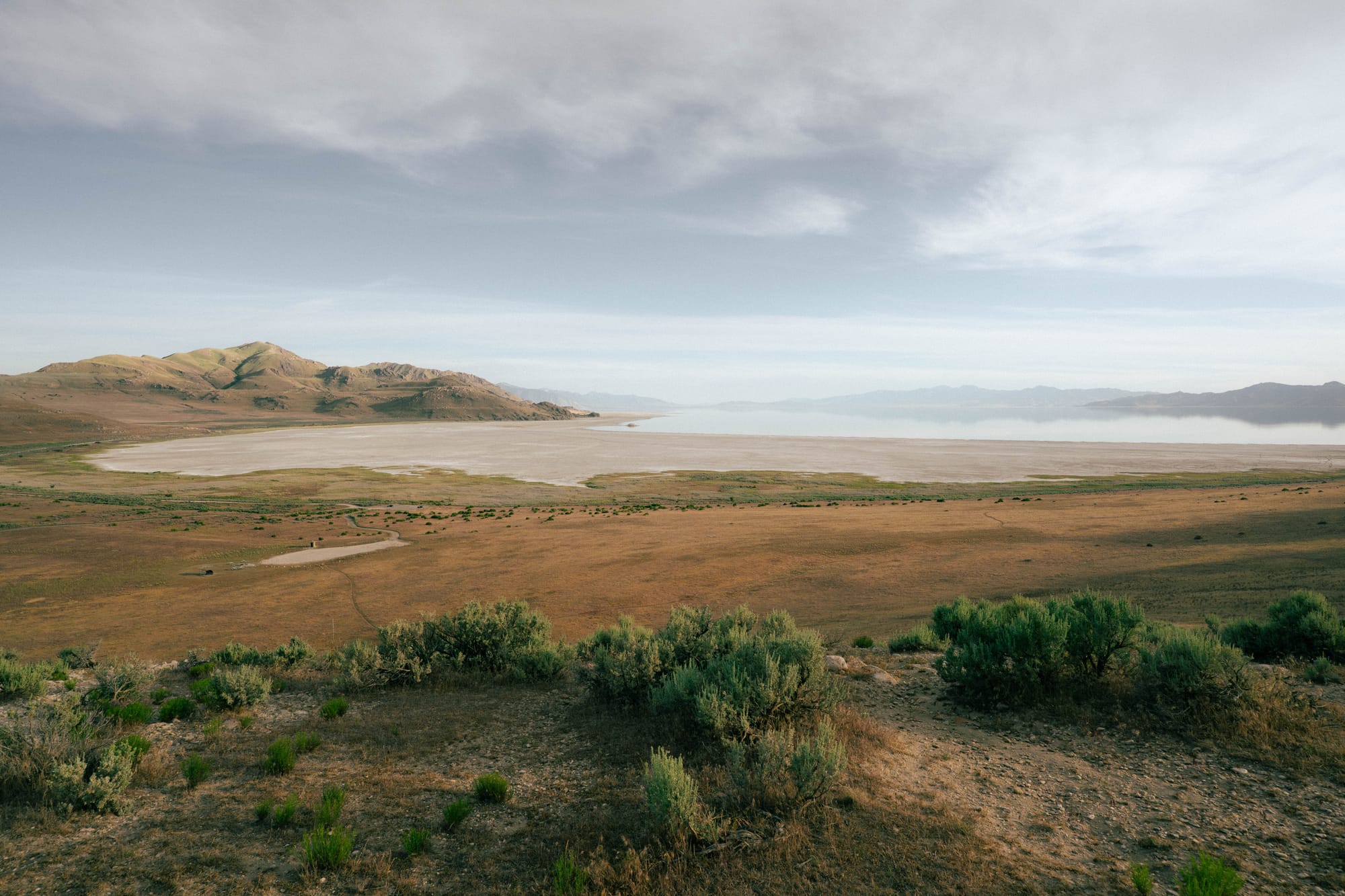
Antelope Island had more wildlife than any normal state park we have visited, more room to explore than I expected, and one of the strangest settings we have camped in so far: bison, grassland, saltwater, mountains, lakebed, and big open sky all in the same view.
🗺️ The Lay of the Land
- Location: Syracuse, Utah · 41.0560, -112.2404 · [Google Maps]
- Official site: Antelope Island State Park
- Landscape: salt lake island · grassland · shoreline basin
- Vibe: exposed, wildlife-heavy, off-grid, and strange in the best way
- Our stay & conditions: May 18–25, 2026 · 7 nights · warm afternoons, wind, big sky, and dry island air
🏕️ Camp Setup
- Site types: RV sites · tent sites · cottages
- Arrival & setup: Easy
- Hookups: 🧻
- Connectivity: 📶 AT&T 🟢 | 📶 Verizon 🟢 | 📶 T-Mobile ⚠️ | 📡 Starlink 🟢 | 📶 Park Wi-Fi ⟂
- Facilities: Restrooms · Showers · Trail access ·Bridger Bay Campground has 64 sites in two loops. 💧 / ⚡ available in the upper loop
Legend:
🚽 = sewer at site · 🧻 = dump station
🟢 = solid for work · ⚠️ = usable with limits · ❌ = unusable
Park Highlights
Antelope Island is the largest island in the Great Salt Lake, and it carries more history than the open landscape first suggests.
The island has been used for thousands of years, including by Fremont people long before it became part of Utah’s ranching and recreation history. John C. Fremont and Kit Carson reached the island in the 1840s and named it for the pronghorn they encountered there. Fielding Garr established a ranch on the island in 1848, and the ranch remains one of the major historic sites in the park.
The state purchased the north end of the island in the late 1960s and later Antelope Island State Park opened to the public in 1993.
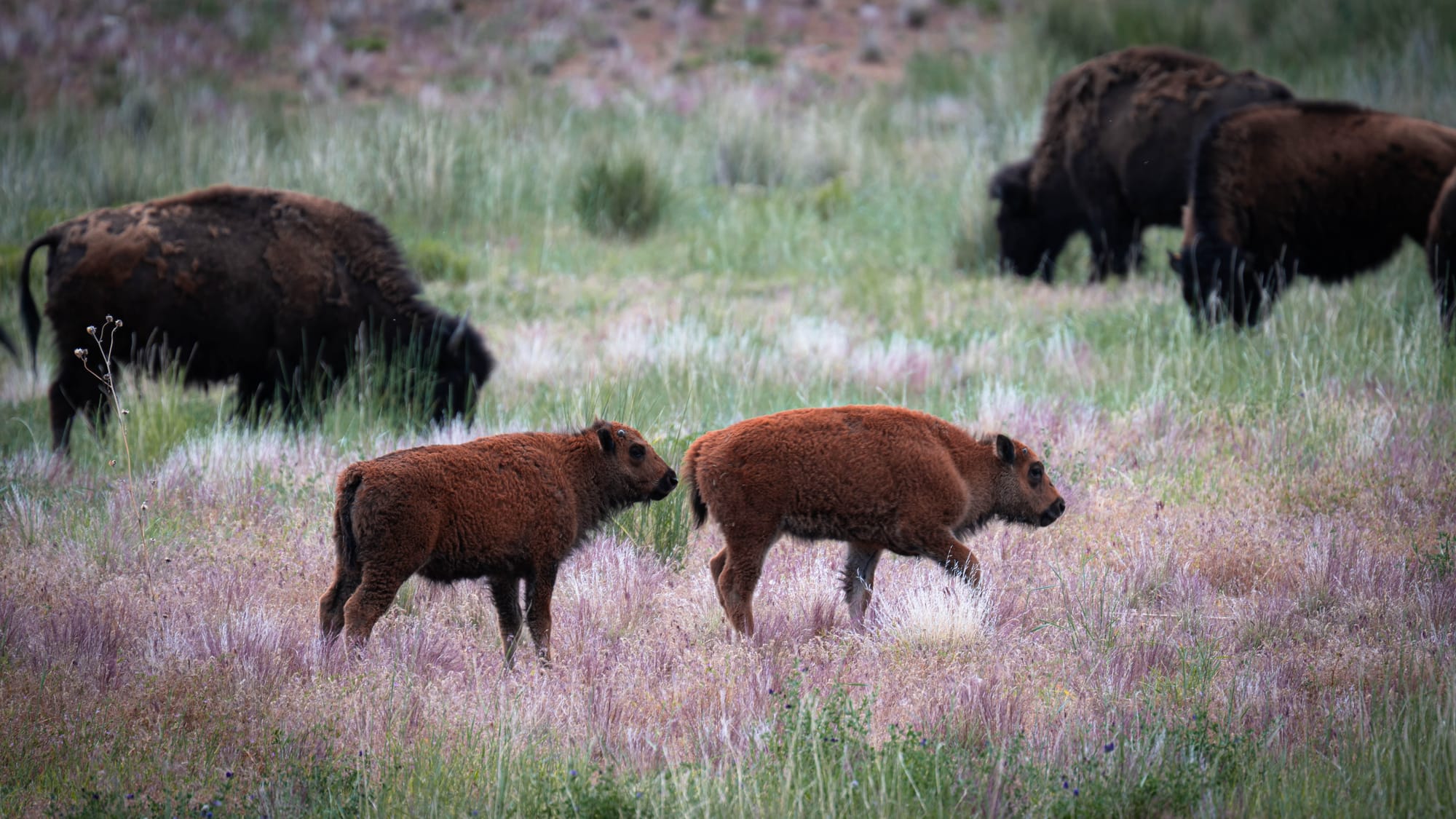
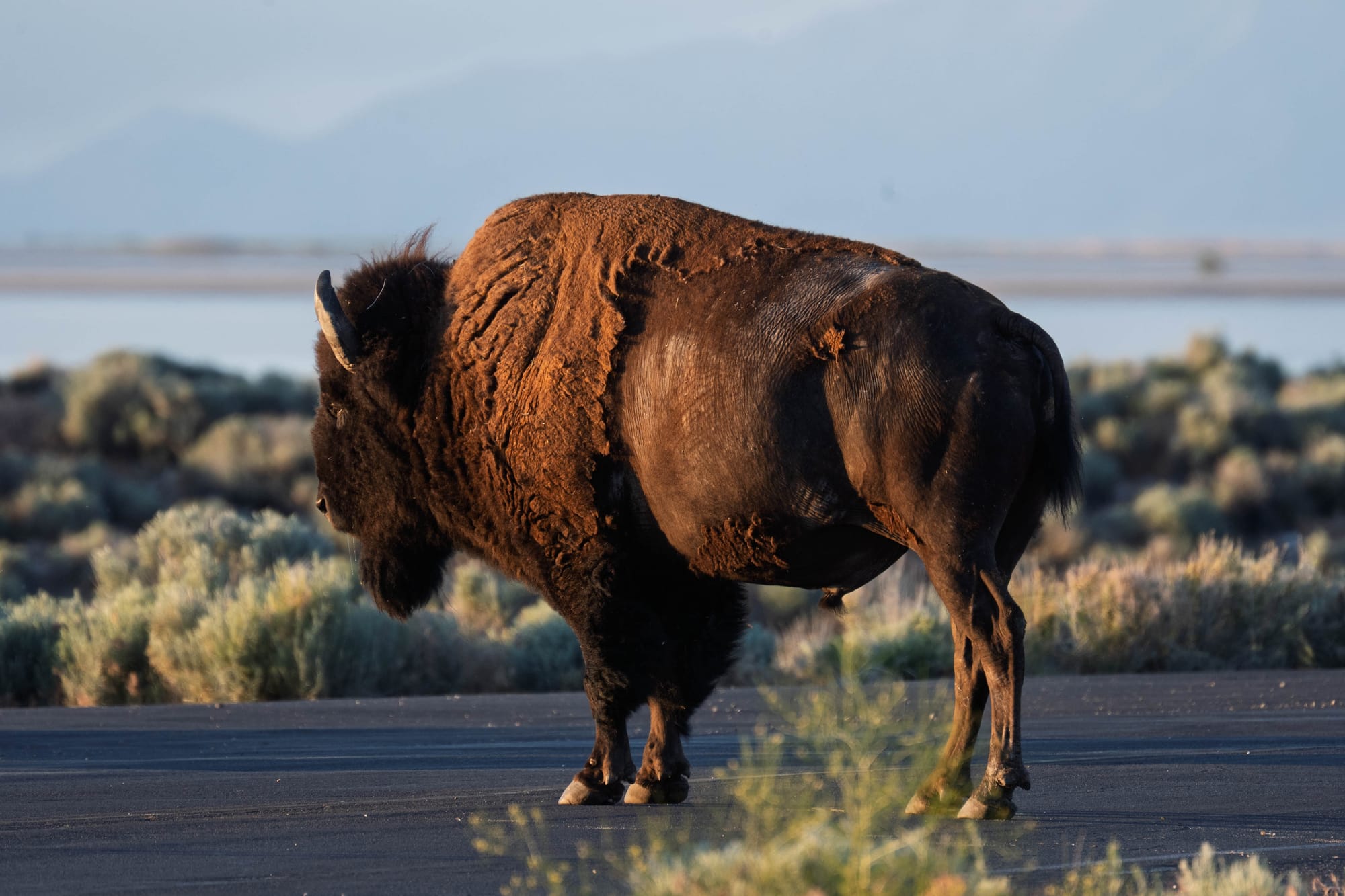
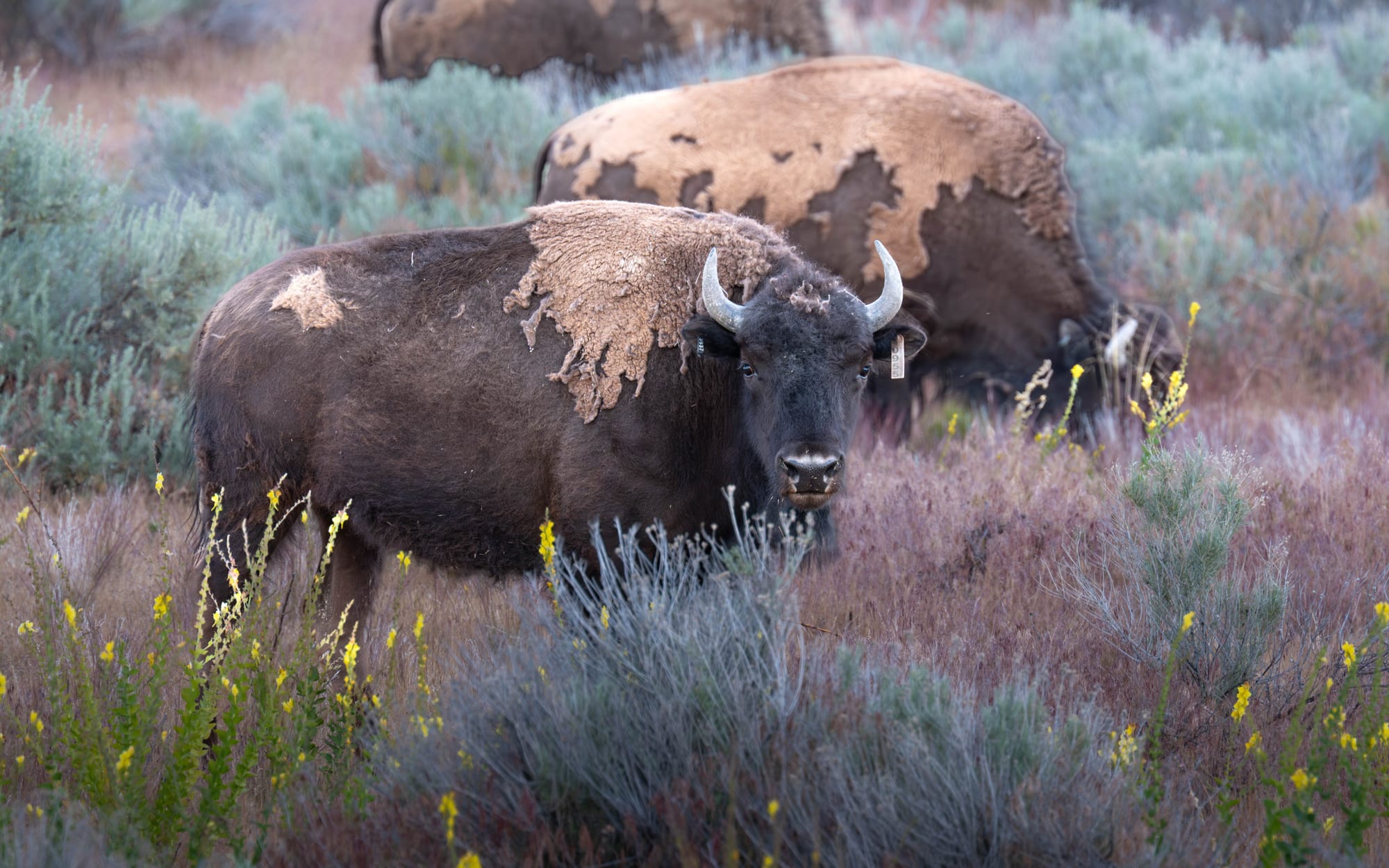
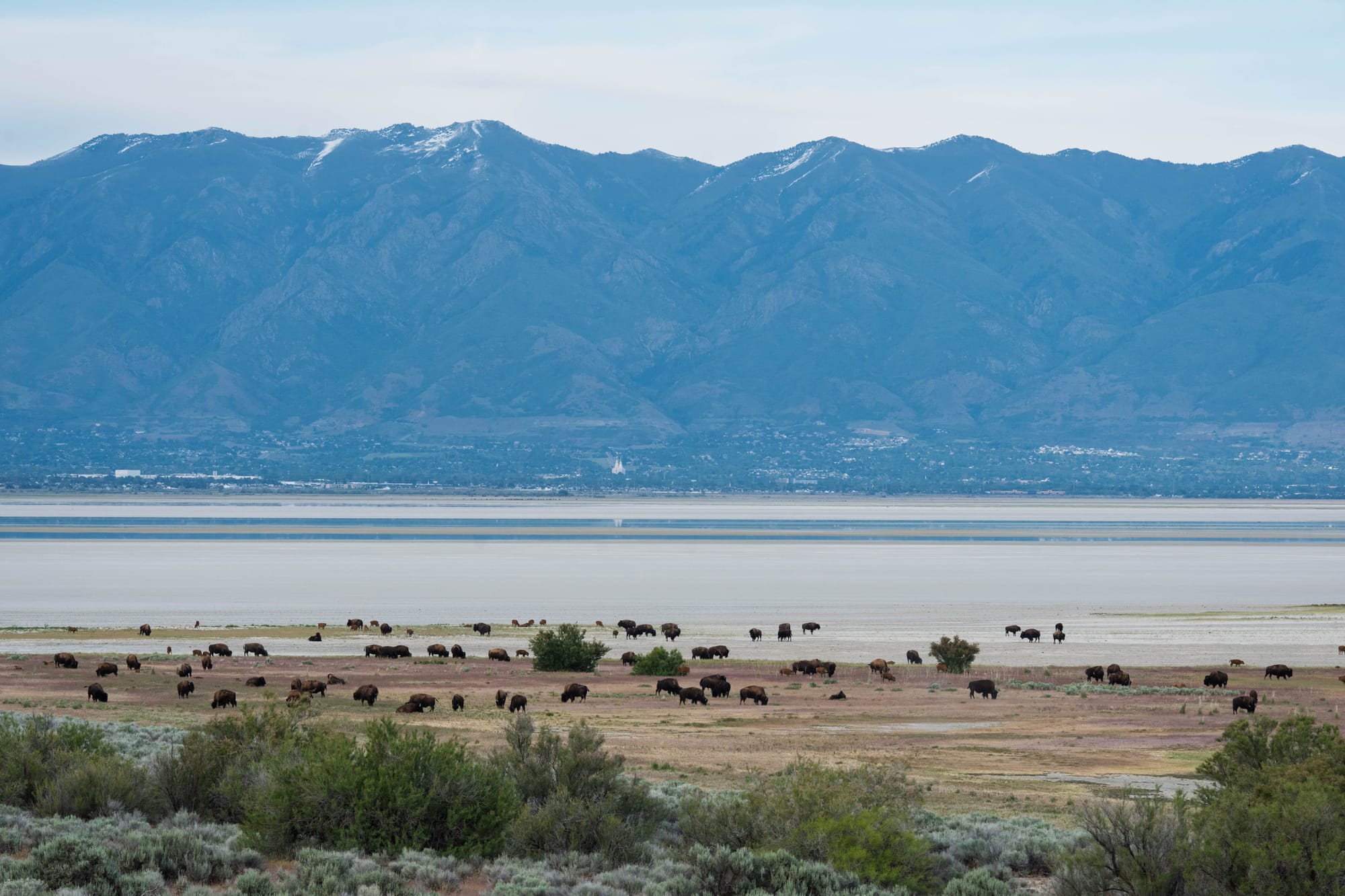
The bison are the park’s most obvious living history.
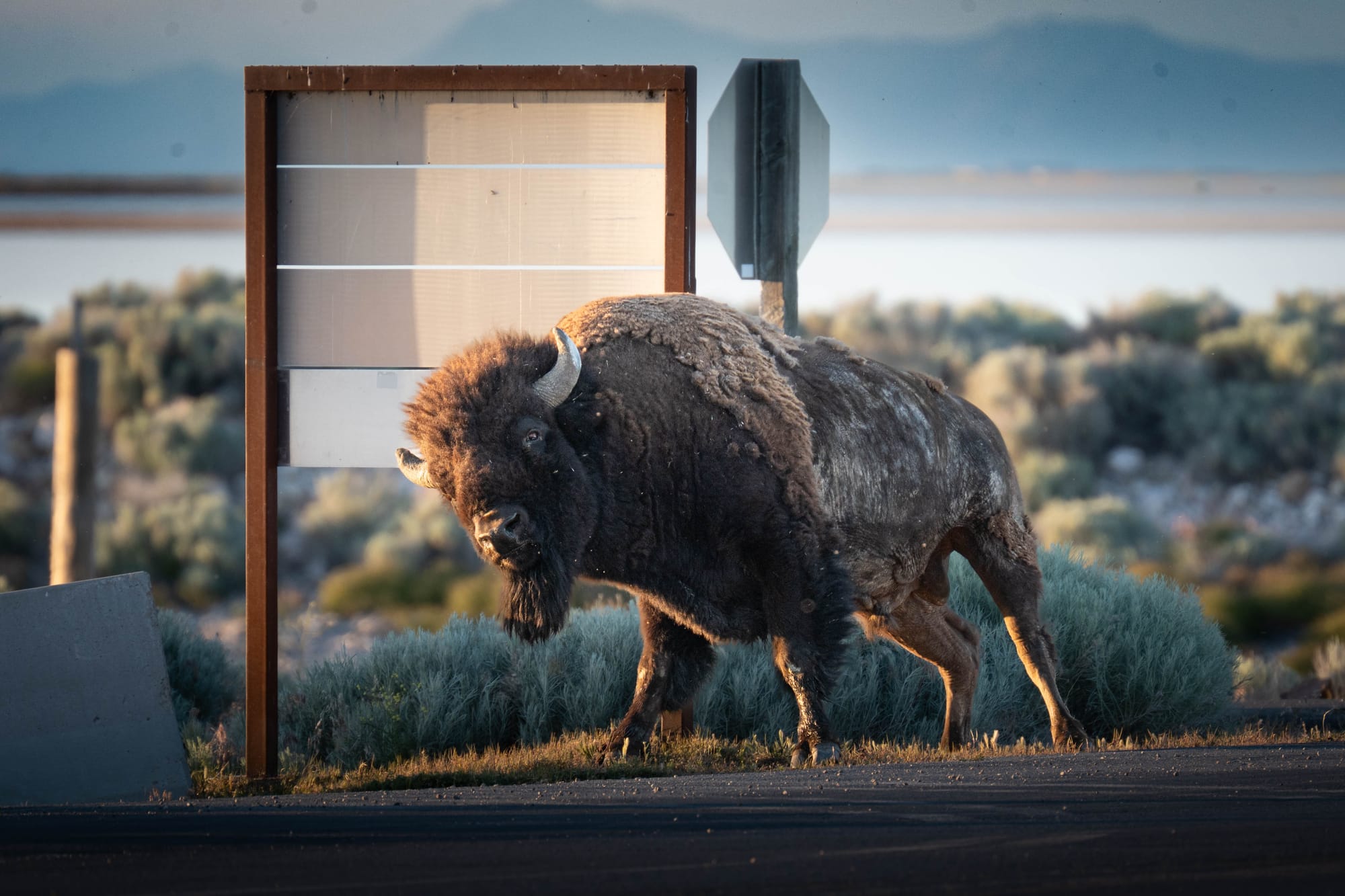
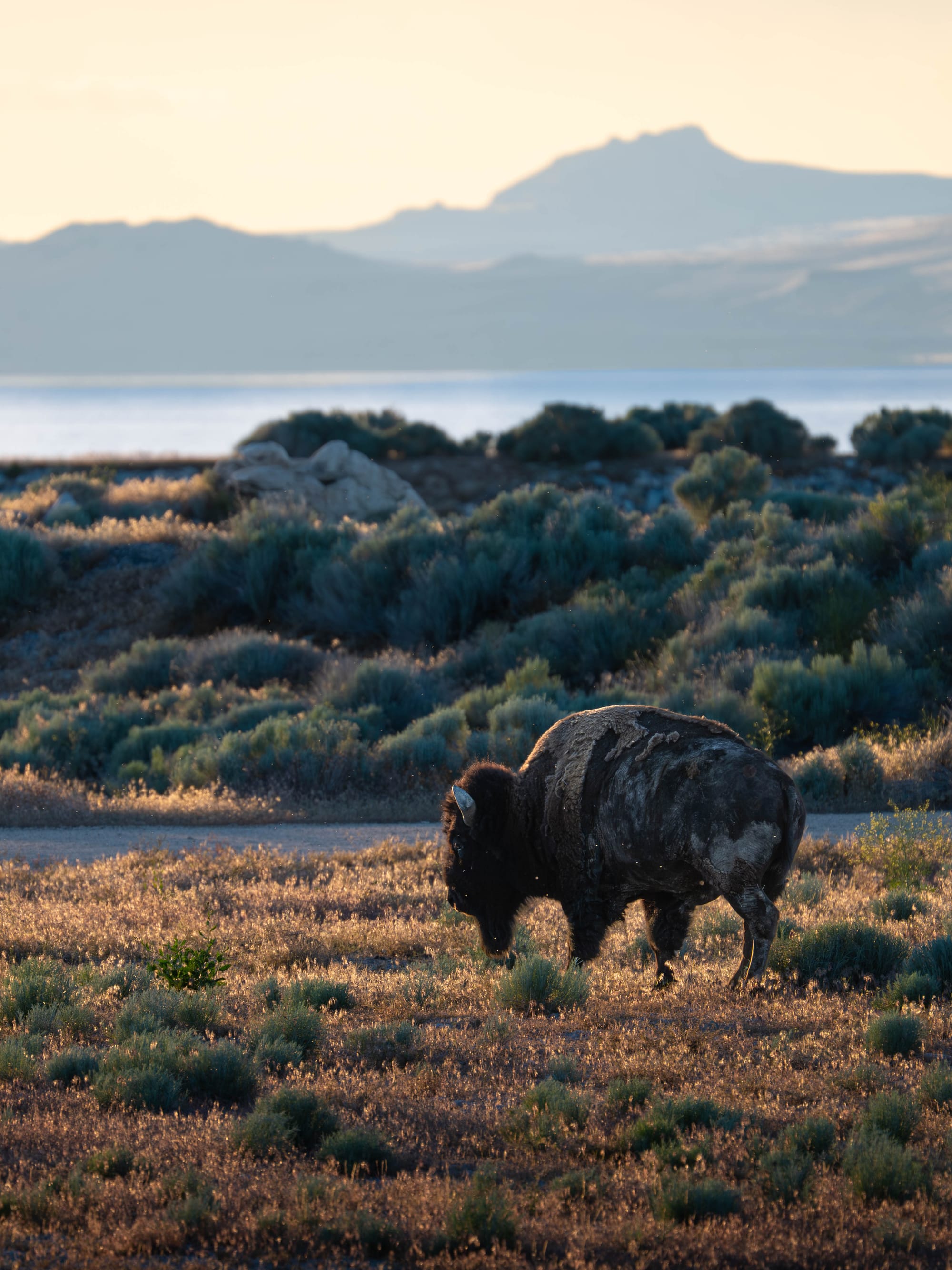
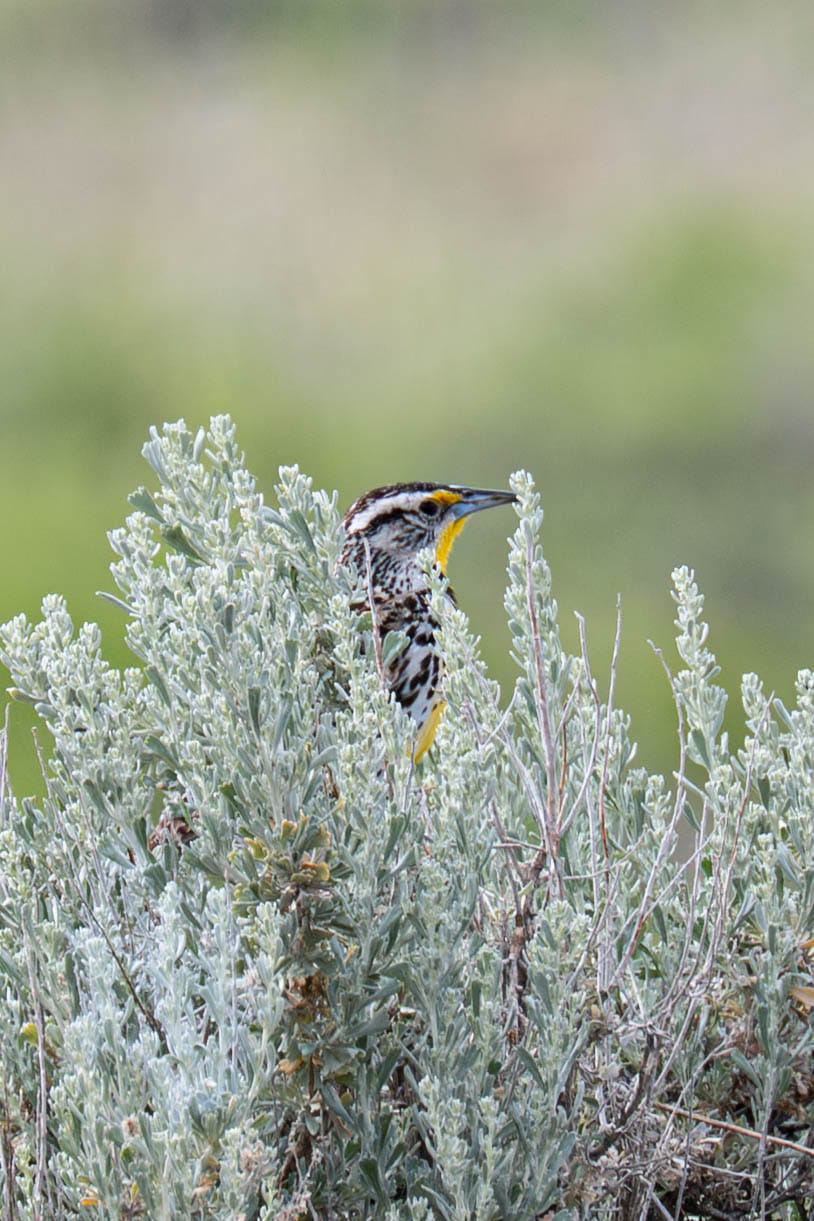
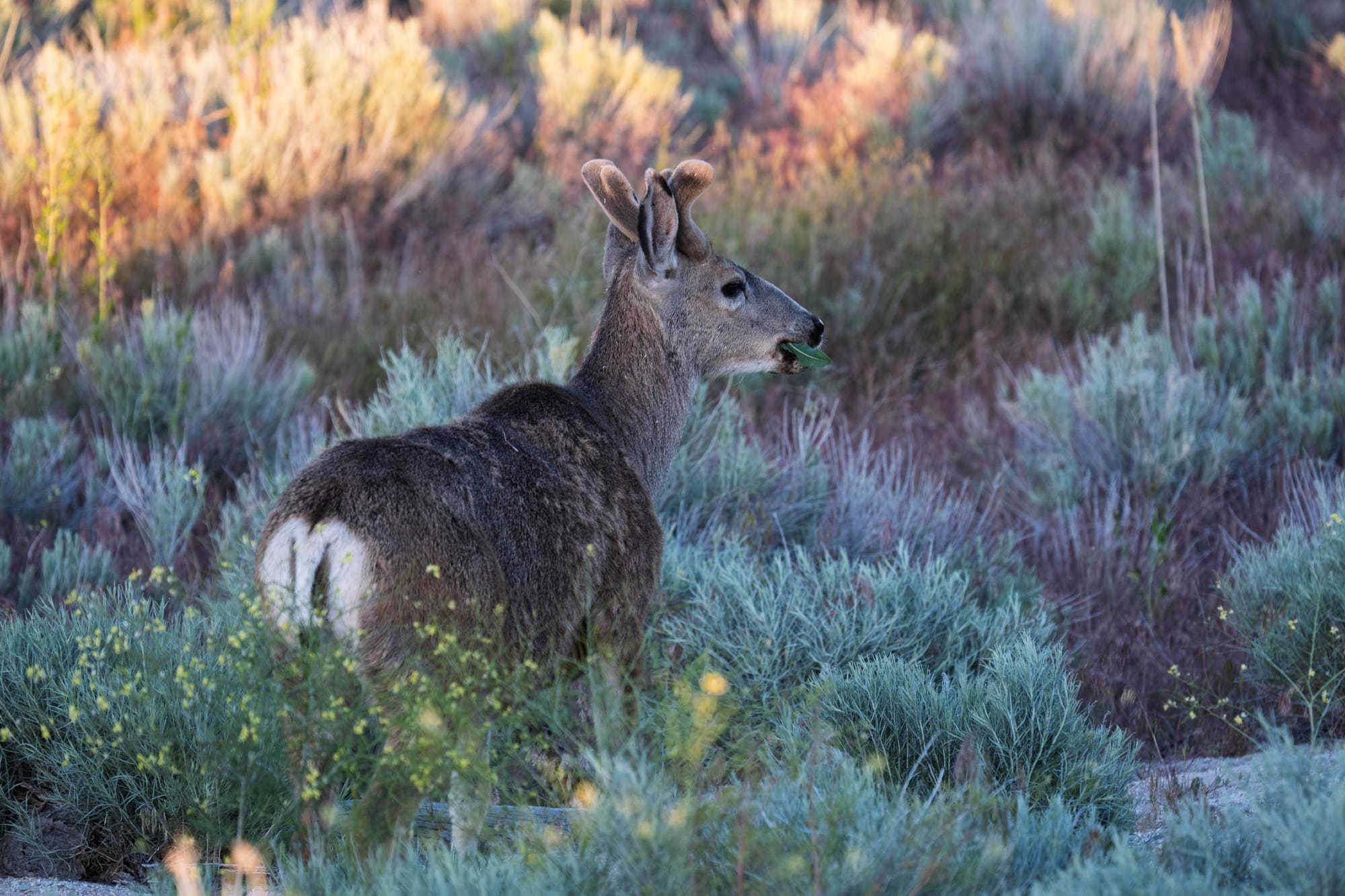
They were first brought to the island in 1893, and today they are everywhere in the visitor experience. We saw dozens and dozens of them across the island: near the road, across the hillsides, and out in the grassland. We also saw pronghorn, mule deer, coyotes, and more birds than I could name. Outside of a place like Living Desert Zoo and Gardens, this was probably the most wildlife we have seen in any park.
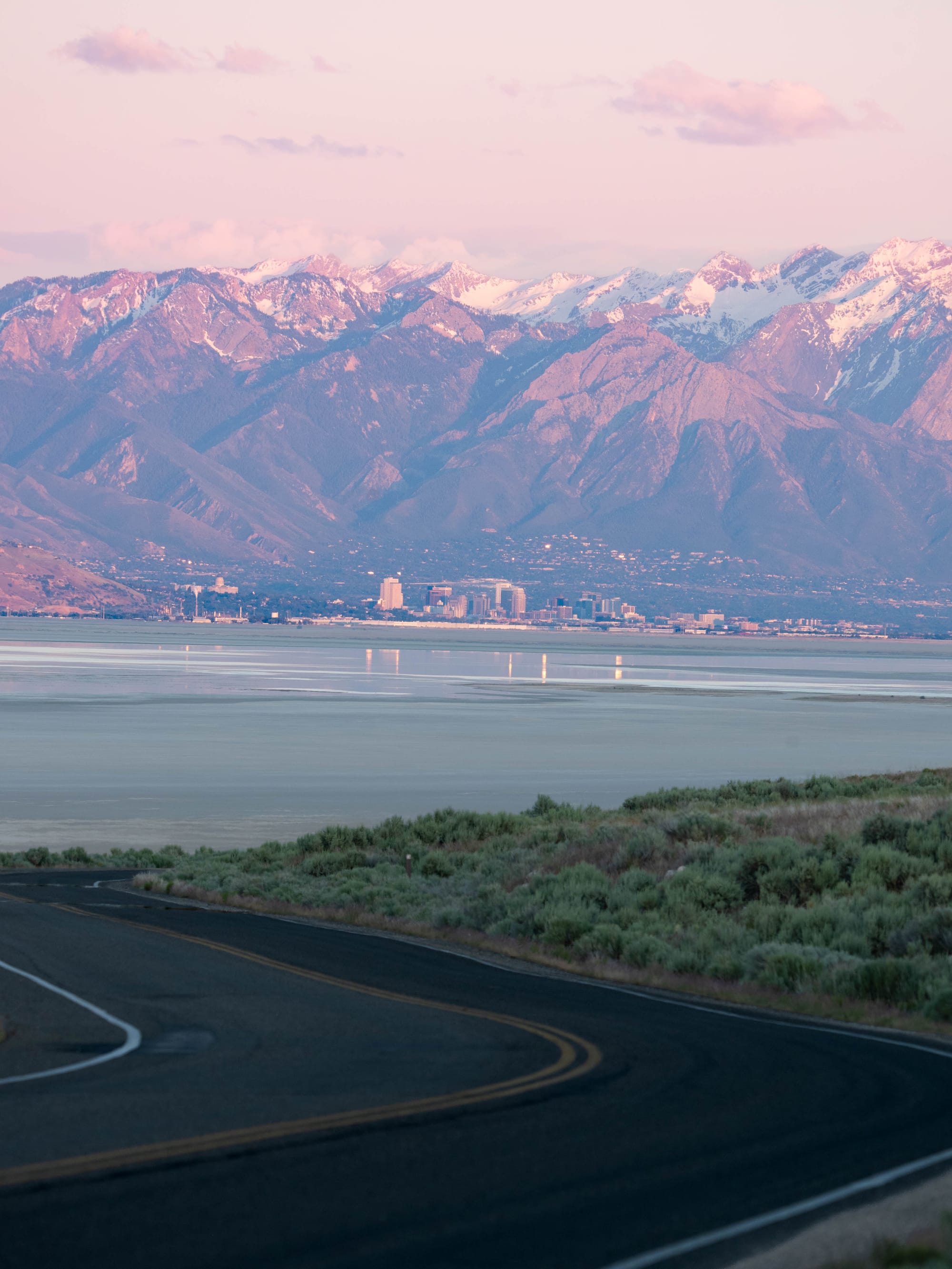
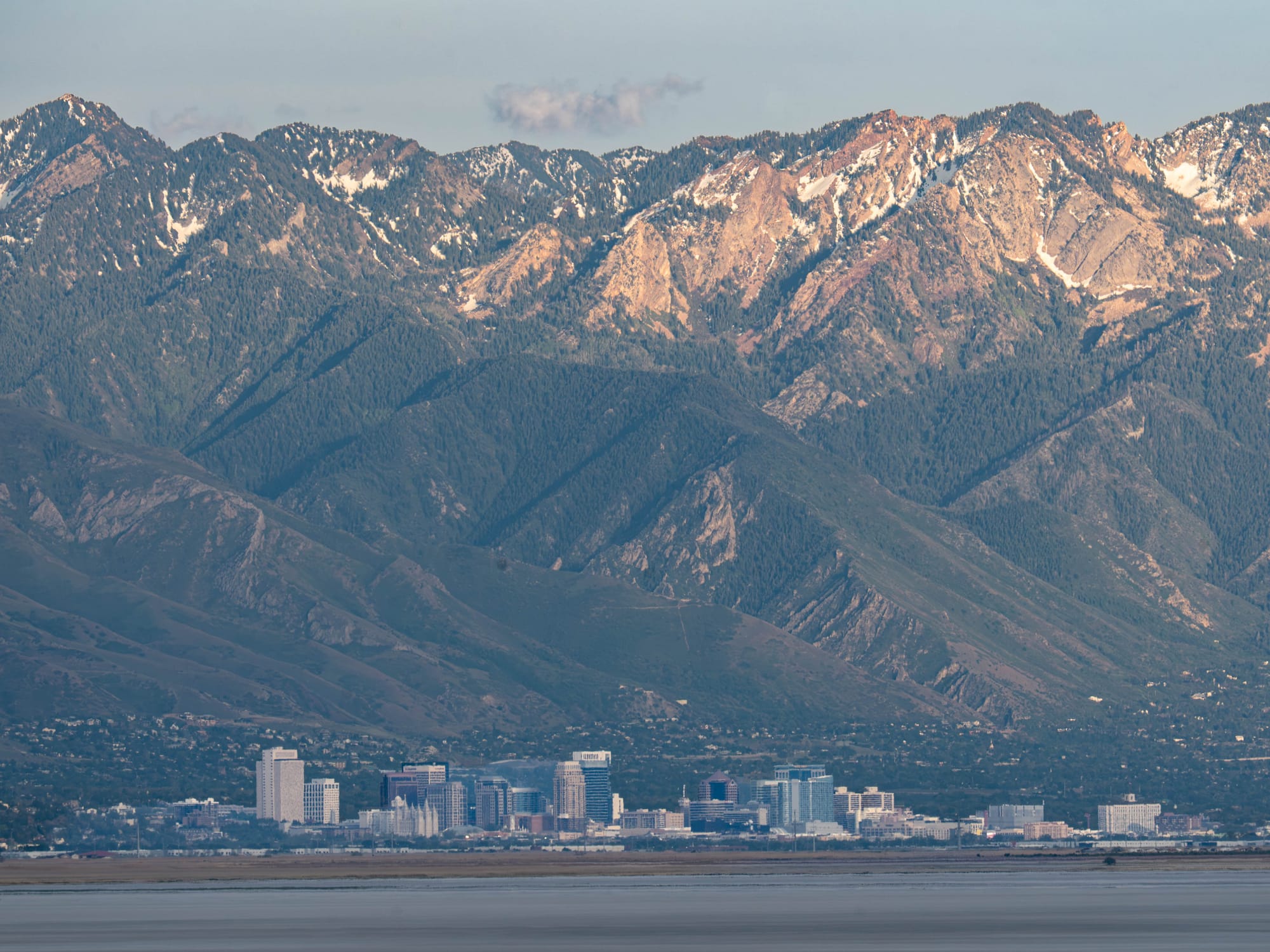
The island also gives you an unusual look at the Wasatch Front.
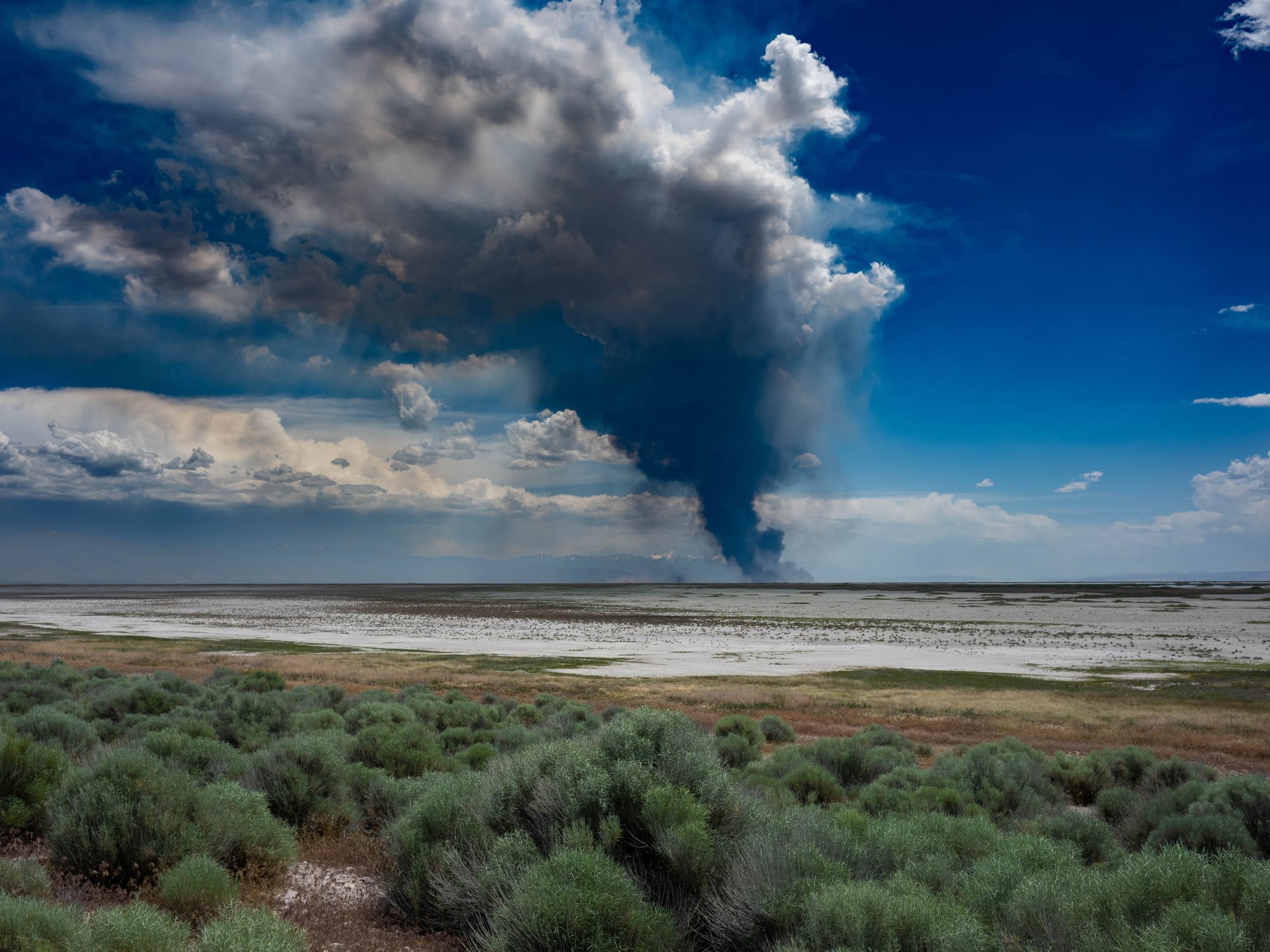
From Salt Lake City, the mountains dominate the view to the east. From Antelope Island, you get the reverse angle: the range lined up across the water and exposed flats, with the city tucked below it. To the west, the lake and basin keep stretching outward.
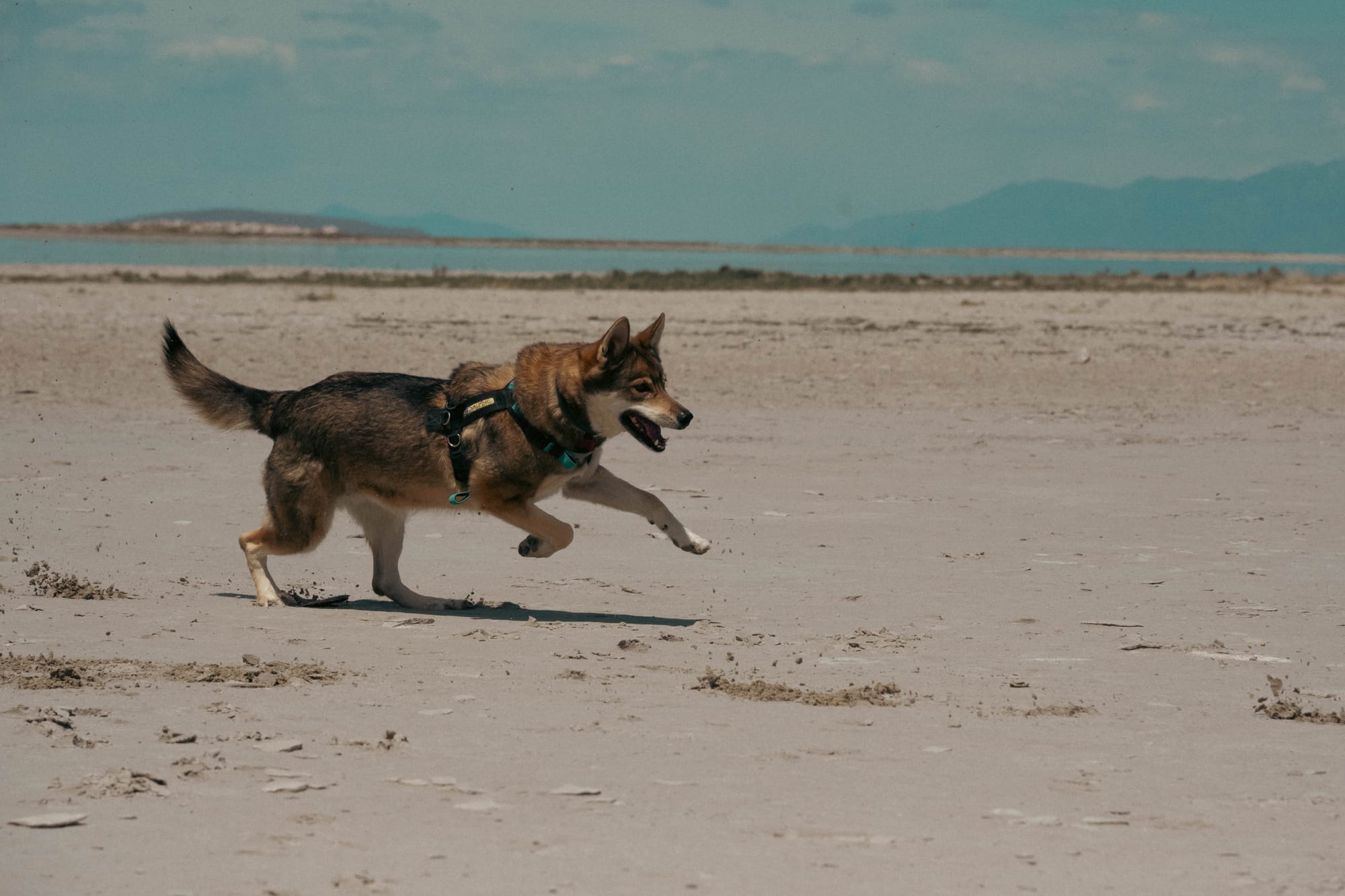
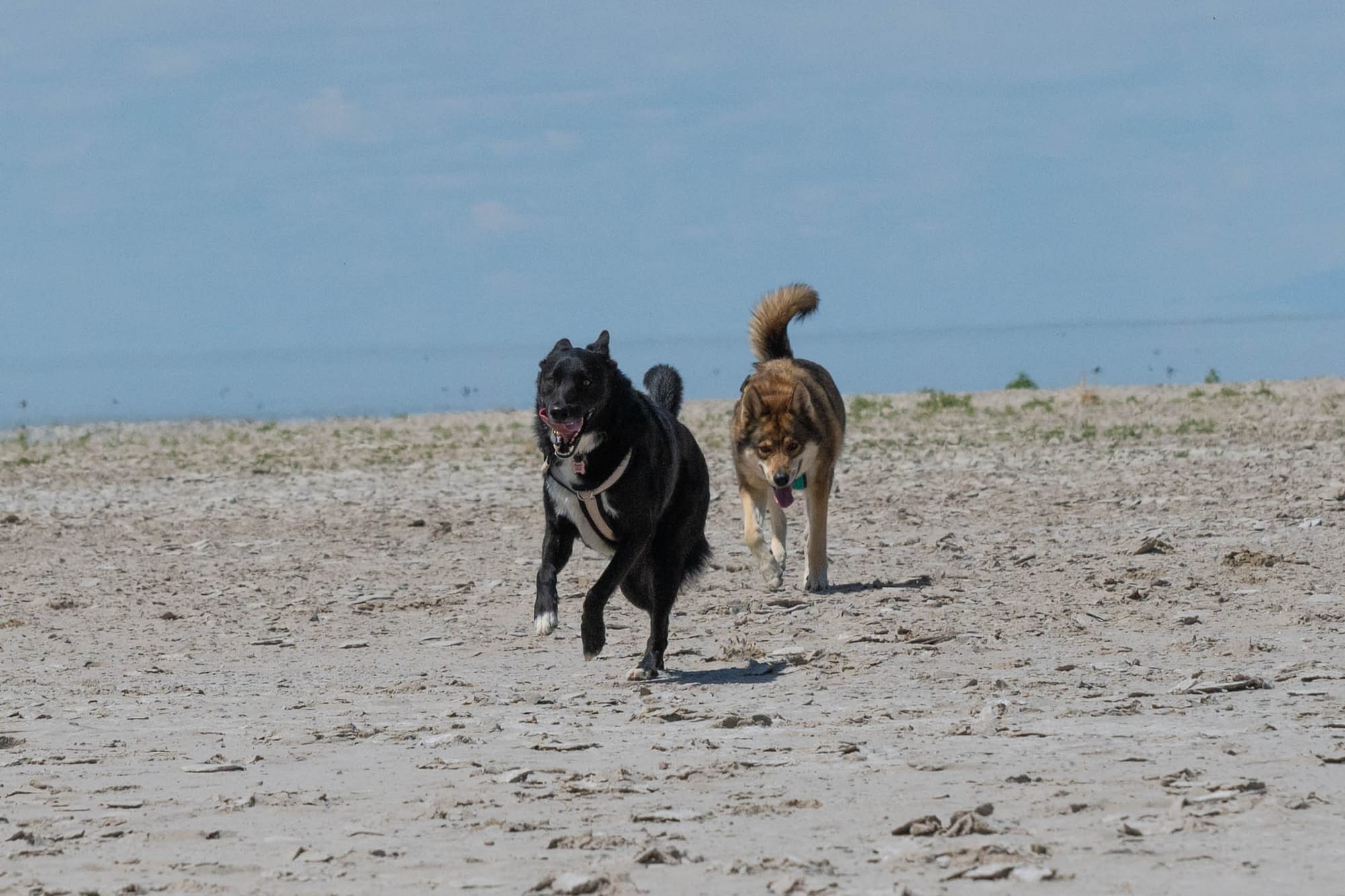
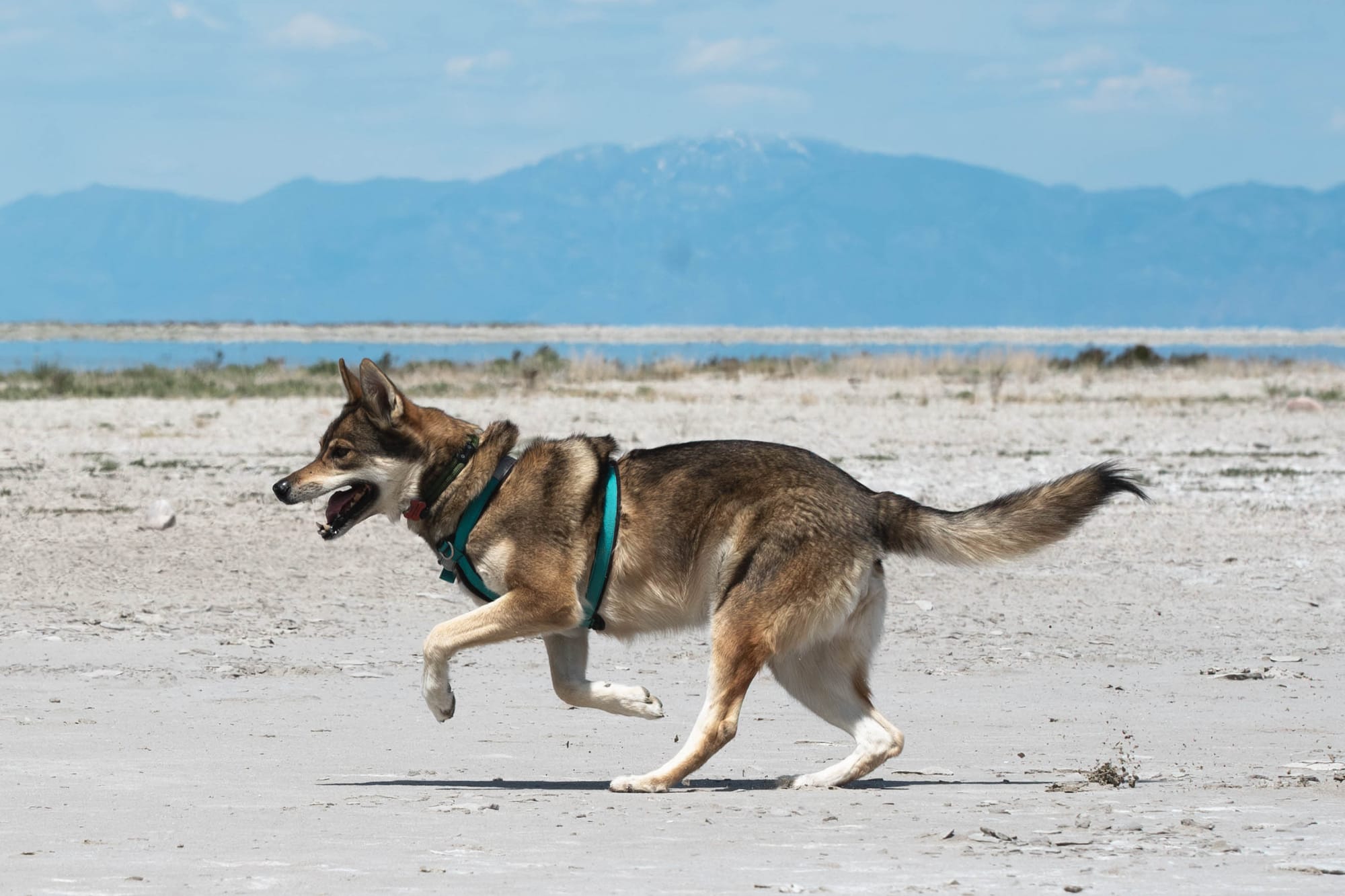
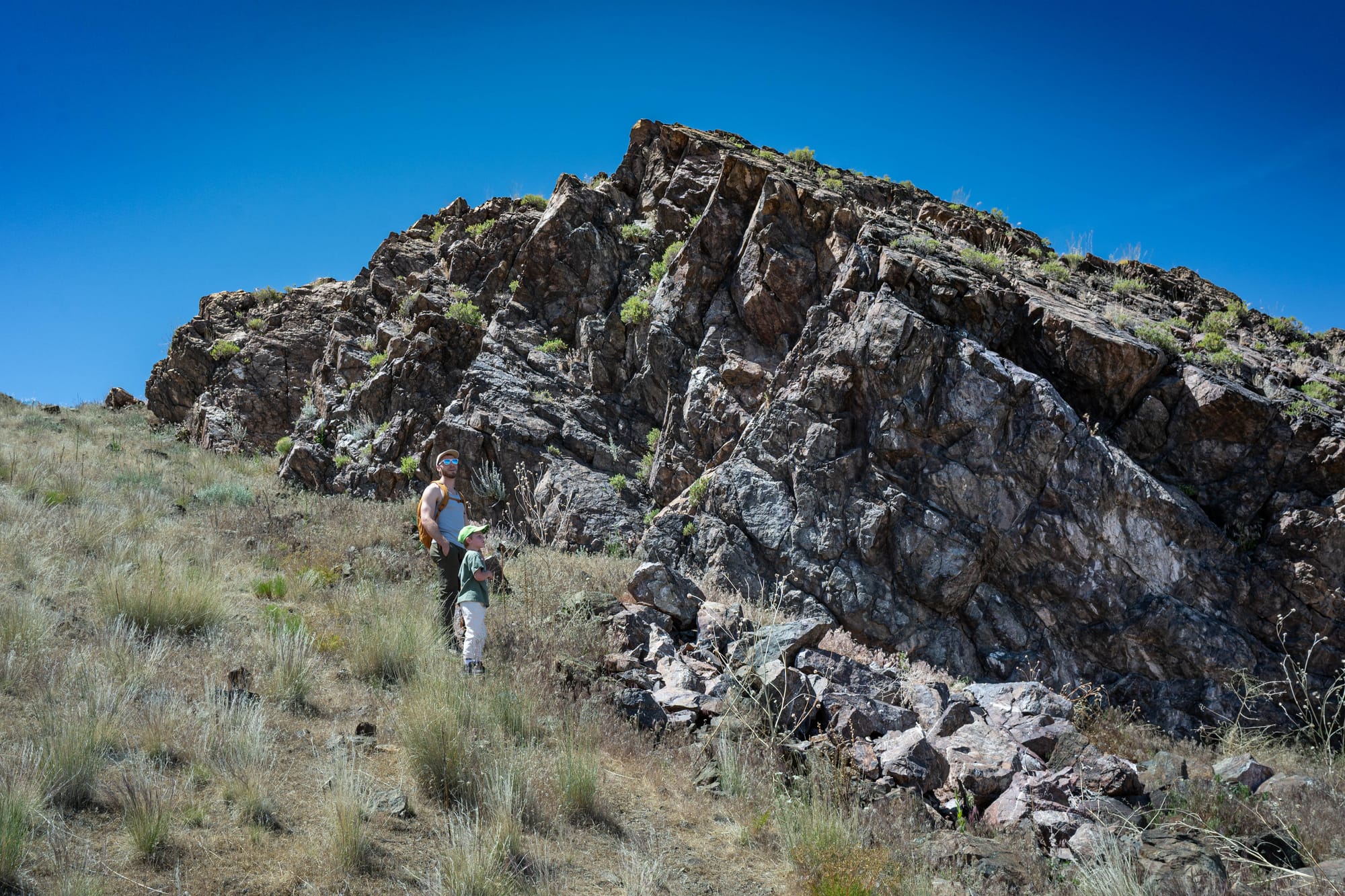
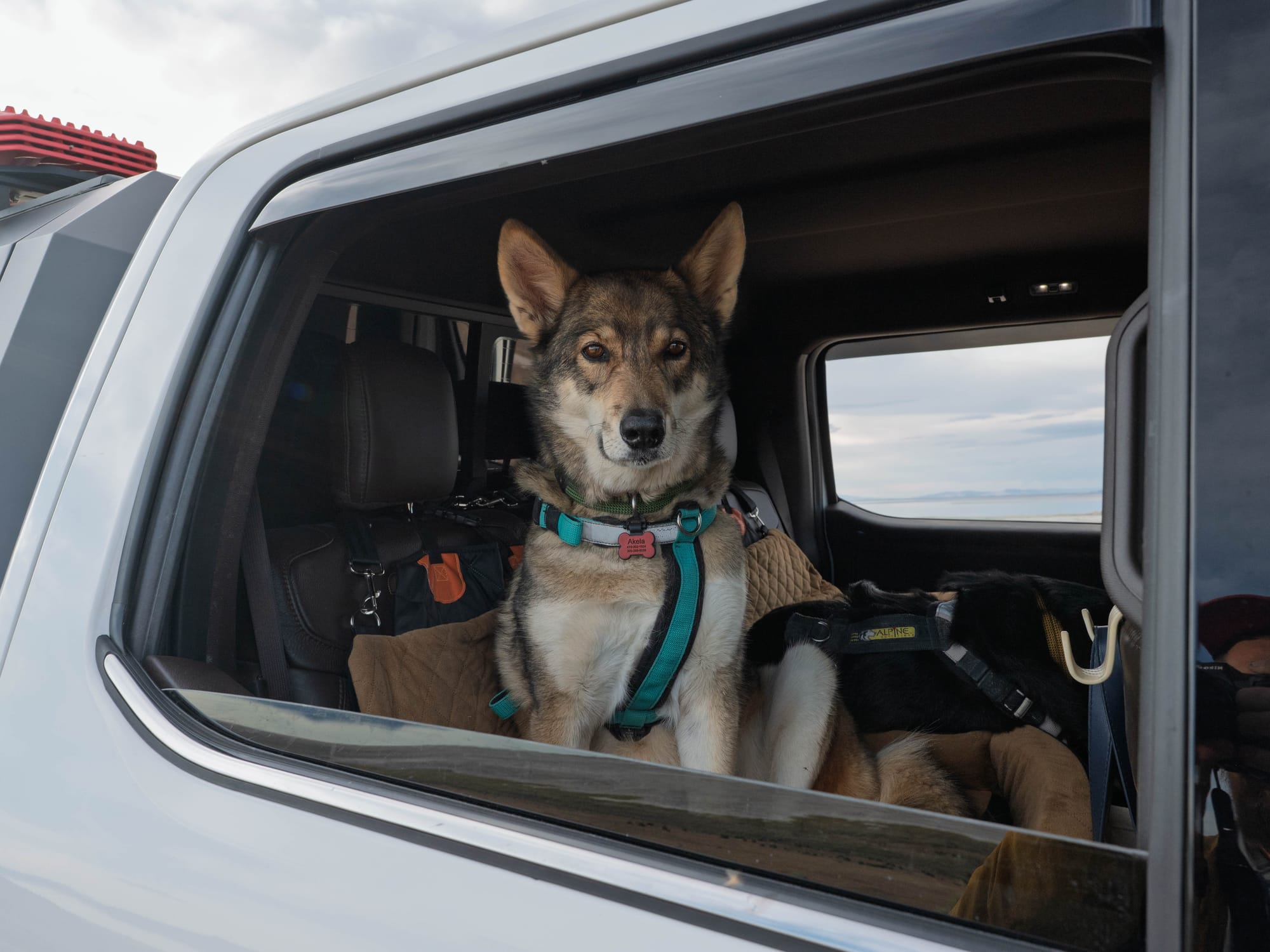
We used the week to cover a fair amount of the island. I biked the main road south, then took the 11-mile trail back north and around. The dogs and I hiked the southern tip trail, explored near Frary Peak, and did White Rock Loop. The park is exposed, so time of day matters, but the mornings and evenings were excellent.
The stay also came with a good road-life bonus. My friend Brandon, Morgan, and Brandon’s son Eli came out for a visit. We had pizza Friday night, then they came to the park Saturday for a hike, telescope time under the stars, a sleepover in the Airstream, and pancakes the next morning.
That part does not show up on a park map, but it matters.
One of the best parts of this traveling life has been seeing how often good people find their way back into the route.
Our Longest Off-Grid Test Yet
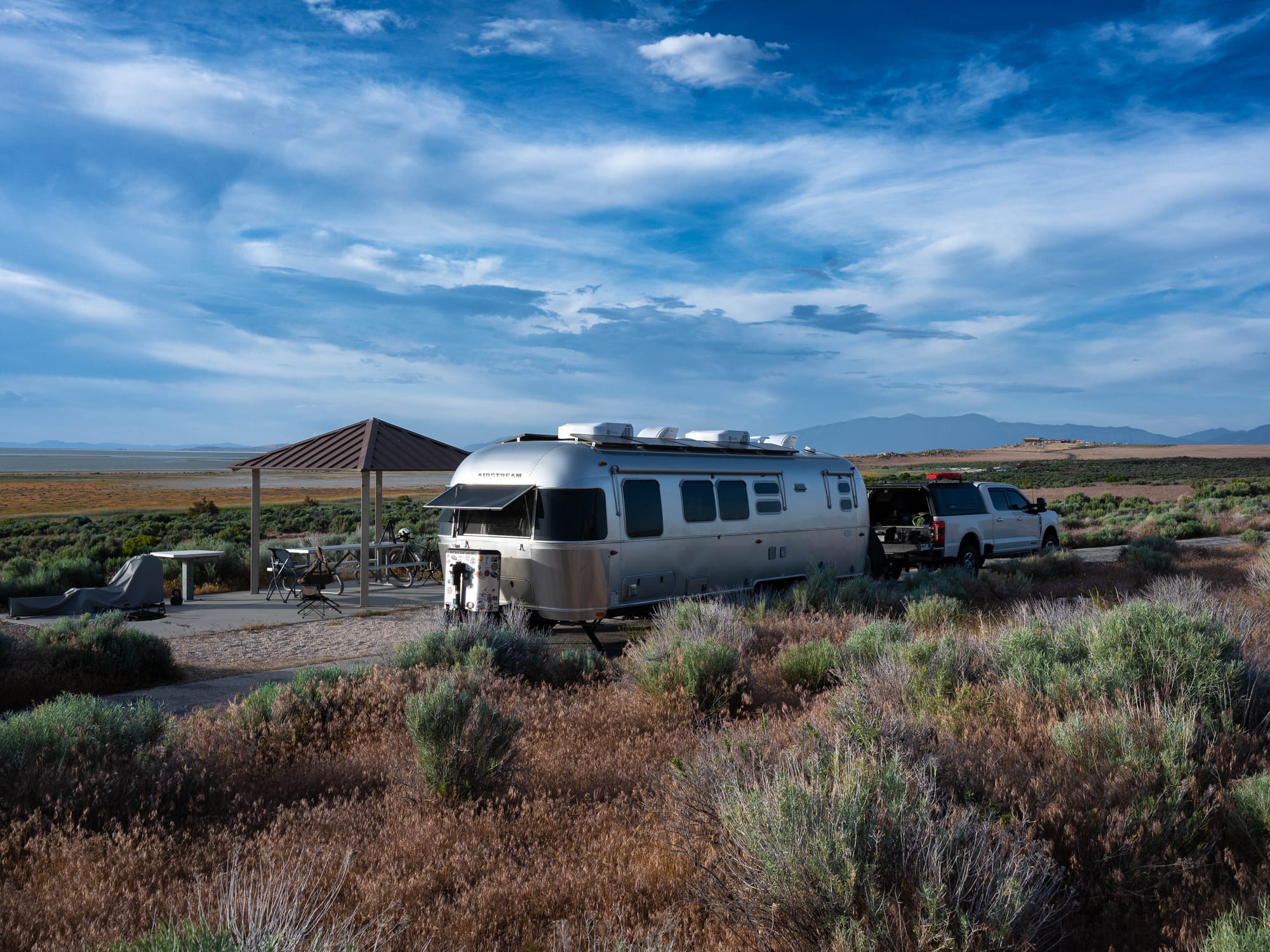
Bridger Bay Campground, site 25, became our longest off-grid test so far.
The site had no electric, water, or sewer, but the stay never felt difficult. Arrival and setup were straightforward, and the campground was easy to move through with the rig.
Seven nights was long enough to see how the Airstream systems actually behaved without hookups. By the end, the test felt less like a question and more like confirmation: the solar, batteries, tanks, and generator setup can handle a longer dry-camping stretch when we arrive prepared.
🚴 On the Ground
- Activities available: ● 🥾 Hiking | ● 🚴 Biking | ● 🐕 Dogs | ● 🚣 Paddling | ● 🎣 Fishing | ● 🐦 Wildlife / Birding | ● 🏊 Swimming | ● 📸 Photography | ● 🏕️ Camp-centric | ○ 🧗 Climbing
- Trail mileage available: 🥾 45+ mi | 🚴 25+ mi | 🚣 ⟂
- Crowd level: Quiet
Legend: ● = available · ○ = not available
The Great Salt Lake Problem
Antelope Island is beautiful, but the lake makes the beauty complicated.
The Great Salt Lake is not just scenic water around the island. It shapes the views, the wildlife, the shoreline, the salt flats, the air, and the sense of distance. It is also visibly under stress.
From the island, the receding lake does not feel like an abstract environmental issue. You can see exposed lakebed and shoreline that no longer meets the water the way it once did. As of 2026, the Great Salt Lake has retreated, more than 800 square miles.
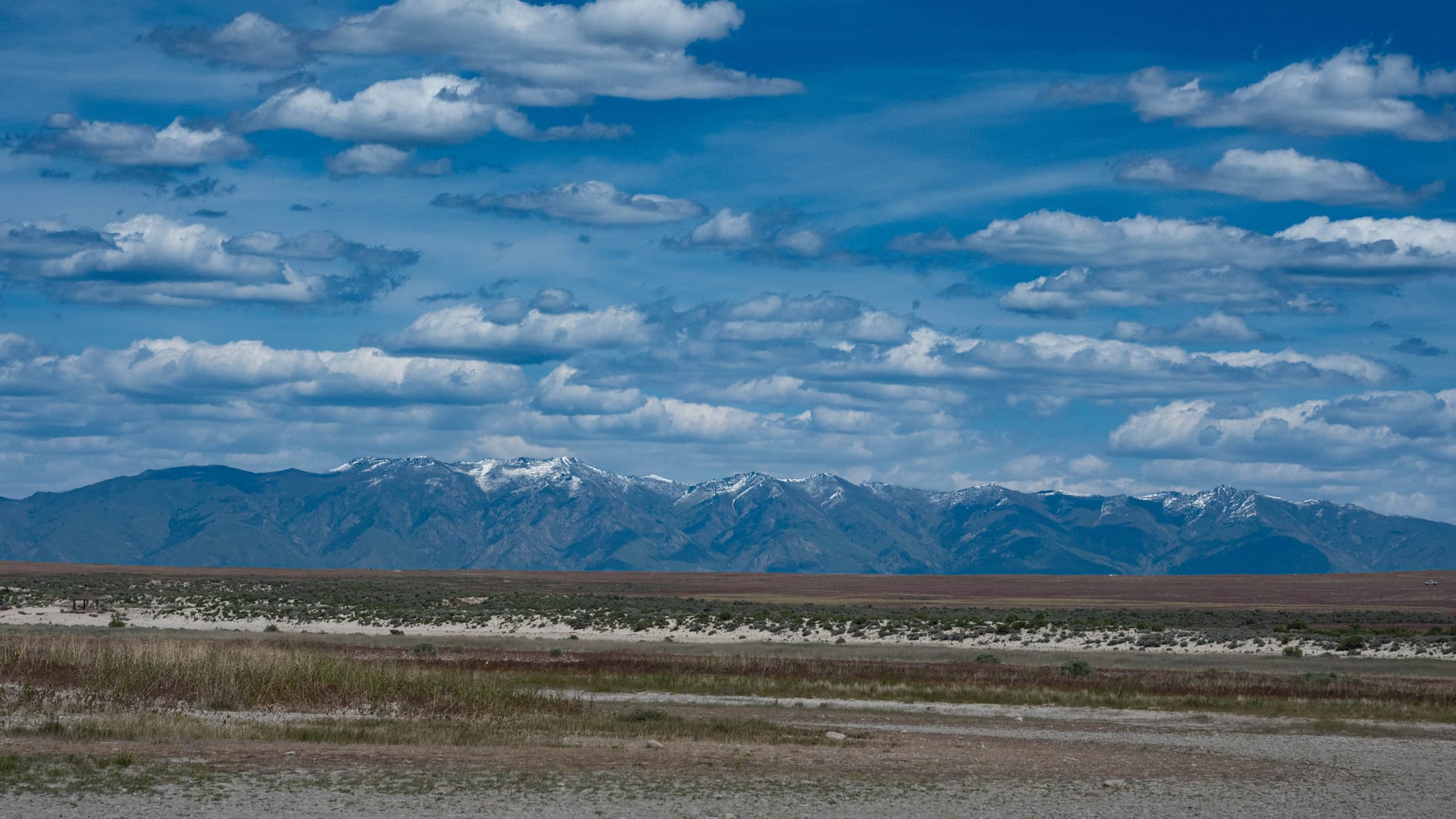
Researchers and state agencies have raised concerns about fine dust, air quality, and elements such as arsenic and other metals moving from dry lakebed into surrounding communities. The science and policy work around the lake is ongoing, but from Antelope Island the basic problem is easy to understand: if the lake keeps shrinking, more lakebed dries out, more habitat changes, and more dust becomes available to move with the wind.
Nobody in Utah seems eager to live next to a former Great Salt Lake.
The island is one of the best places to appreciate the lake, but it is also one of the best places to see how much is at stake.
⚡ TL;DR
- Park highlight: Free-ranging bison, big views, and a successful seven-night off-grid stay
- Best for: Wildlife, biking, hiking, dry camping, big sky, and Great Salt Lake views
- Skip if: You want shade or a park without bugs
- Worth planning around?: Yes
Final Takeaways
Antelope Island was one of the more memorable state park stays we have had.
It was not difficult, but it was more adventurous. The campground was easy, the site worked well, and the off-grid test went better than expected. The island gave the dogs and me plenty to explore while Sam was off working and seeing Alaska.
The wildlife was the big surprise.
Bison were everywhere. Pronghorn, mule deer, coyotes, and birds filled in the rest of the week. Add in the lake, the mountains, the open roads, the old ranch history, and the strange reality of camping on an island in the Great Salt Lake, and the park had more depth than I expected.
It also gave us another reminder of why this kind of travel works for us.
A week in one place is enough time to notice patterns. The wind. The light. The animals. The waterline. The way the mountains look from the other side. The friends who find you on the road.
Antelope Island was not just a place to camp.
It was a full week inside a very strange, very specific landscape.