Yellowstone National Park | The Galleries
Yellowstone gave us more photographs than any single post could hold.
The first two posts focused on understanding the park and the experiences that stayed with us. This one is simpler.
Five galleries.
Wildlife moving through the valleys. Water shaping the park. Mountains revealing its scale. Geothermal features reminding us that the ground itself is still active. Golden hour sunsets.
The photographs carry most of the story.
The notes alongside them add a little context to what we were seeing.
Wild Yellowstone
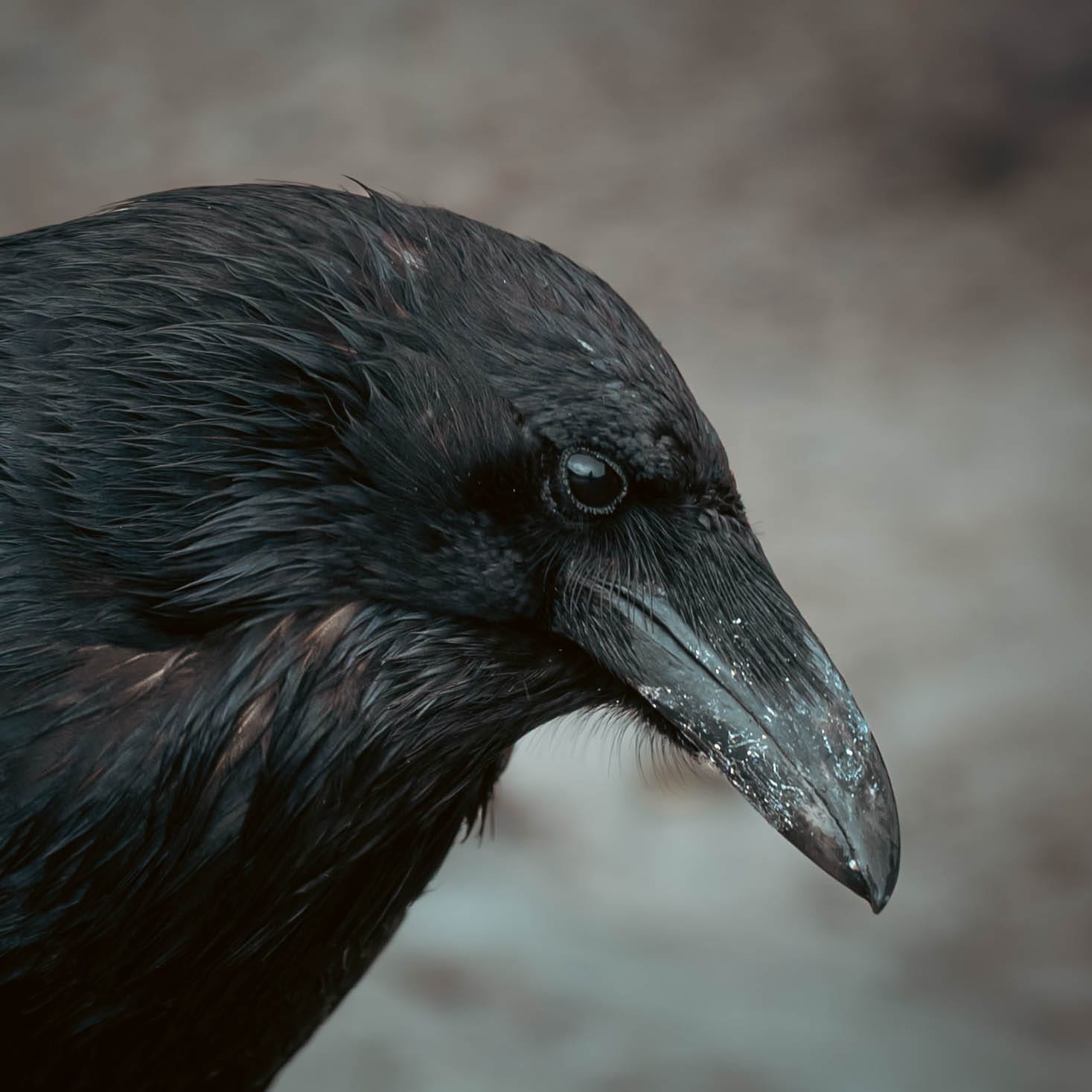
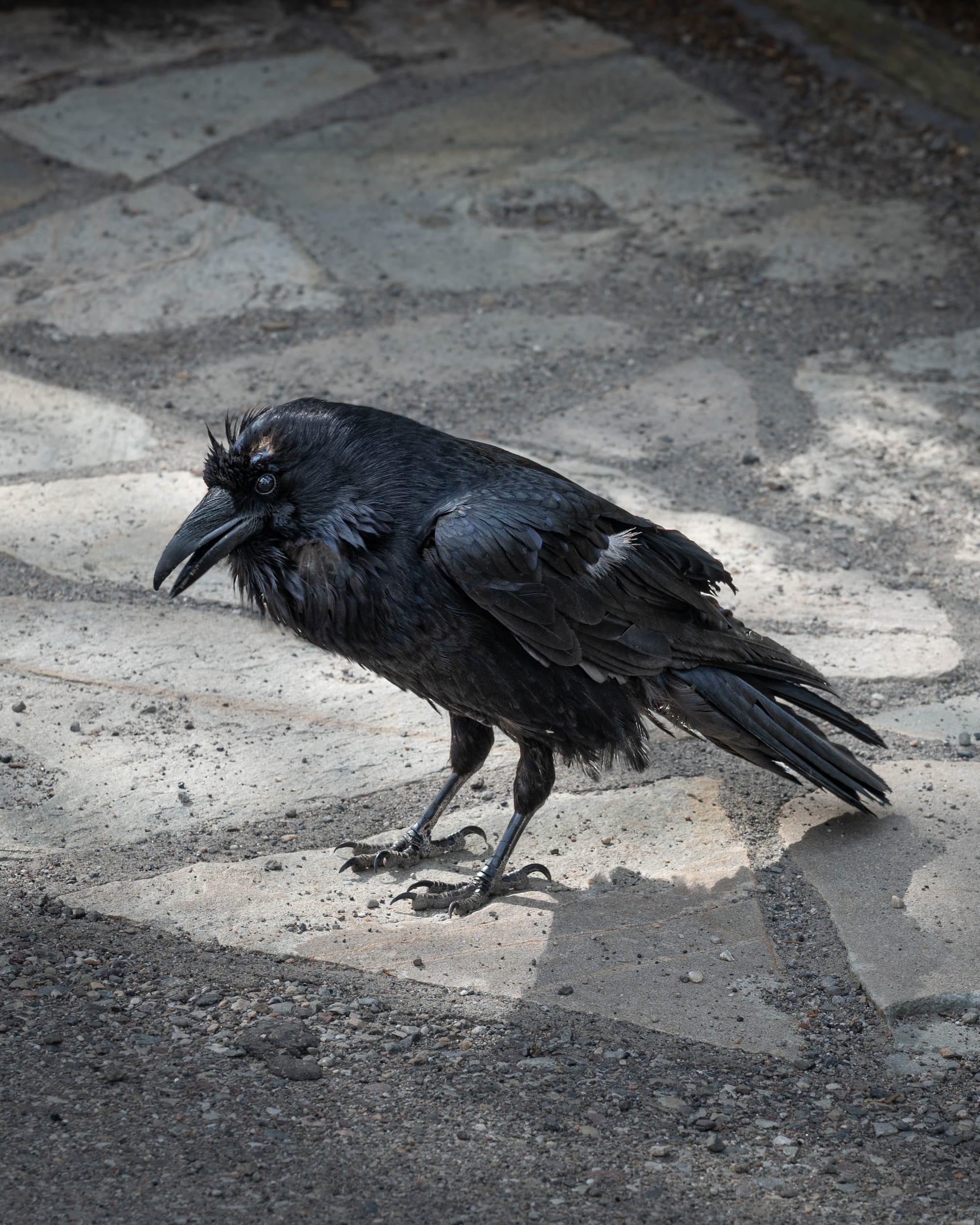
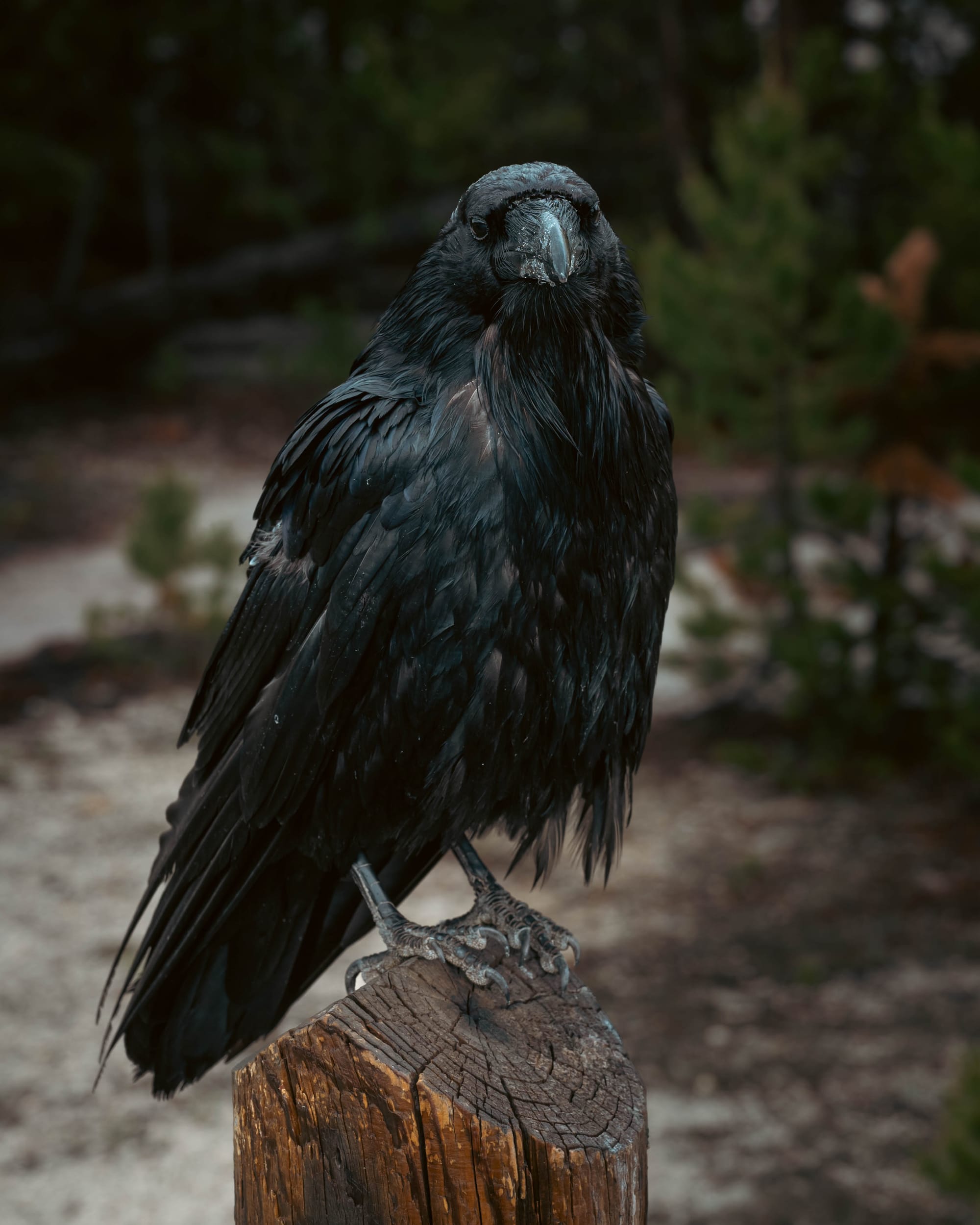
Yellowstone’s wildlife was rarely where we expected it to be. Long hikes sometimes produced little more than birds and marmots, while a slow drive through Hayden or Lamar could fill an entire memory card.
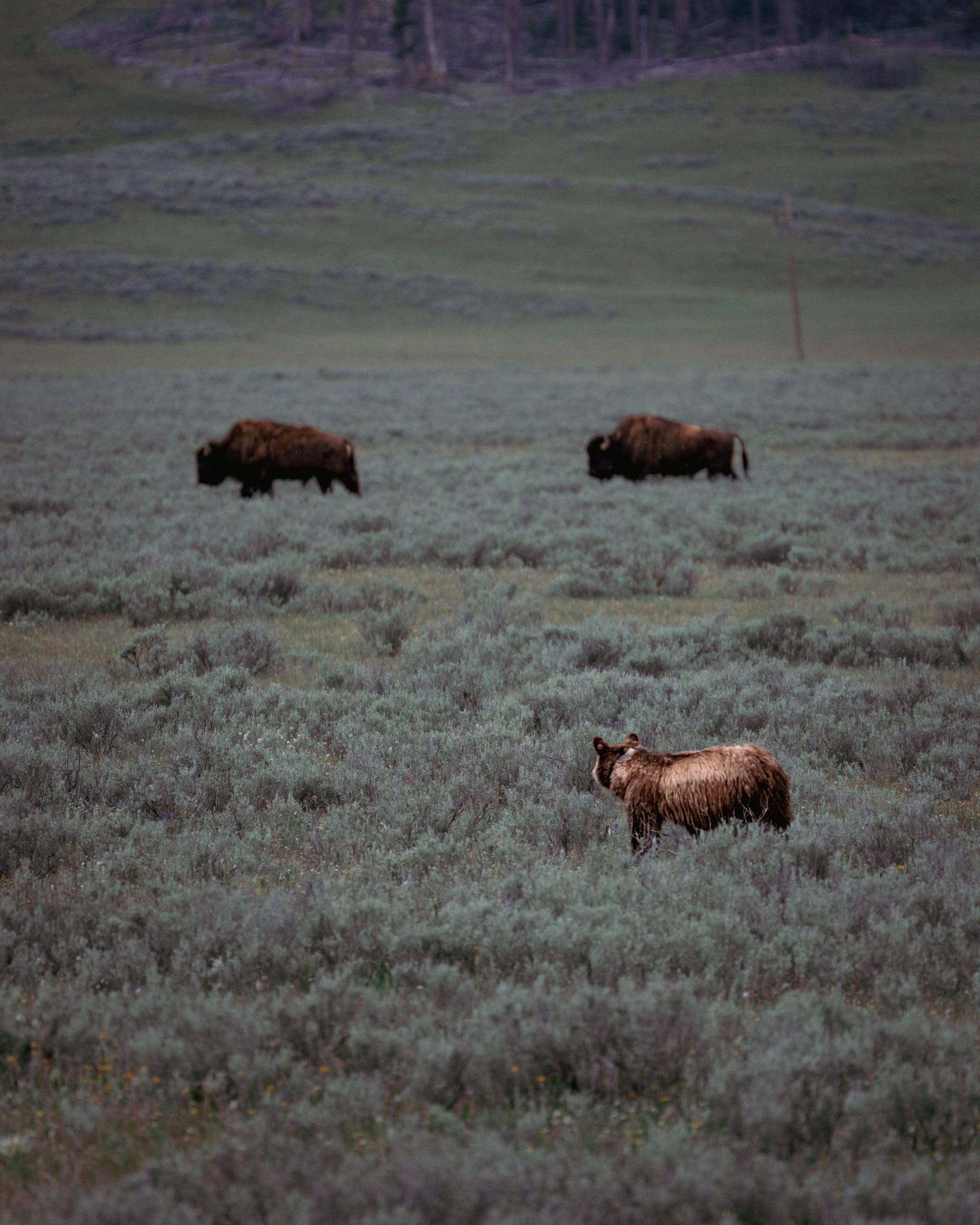
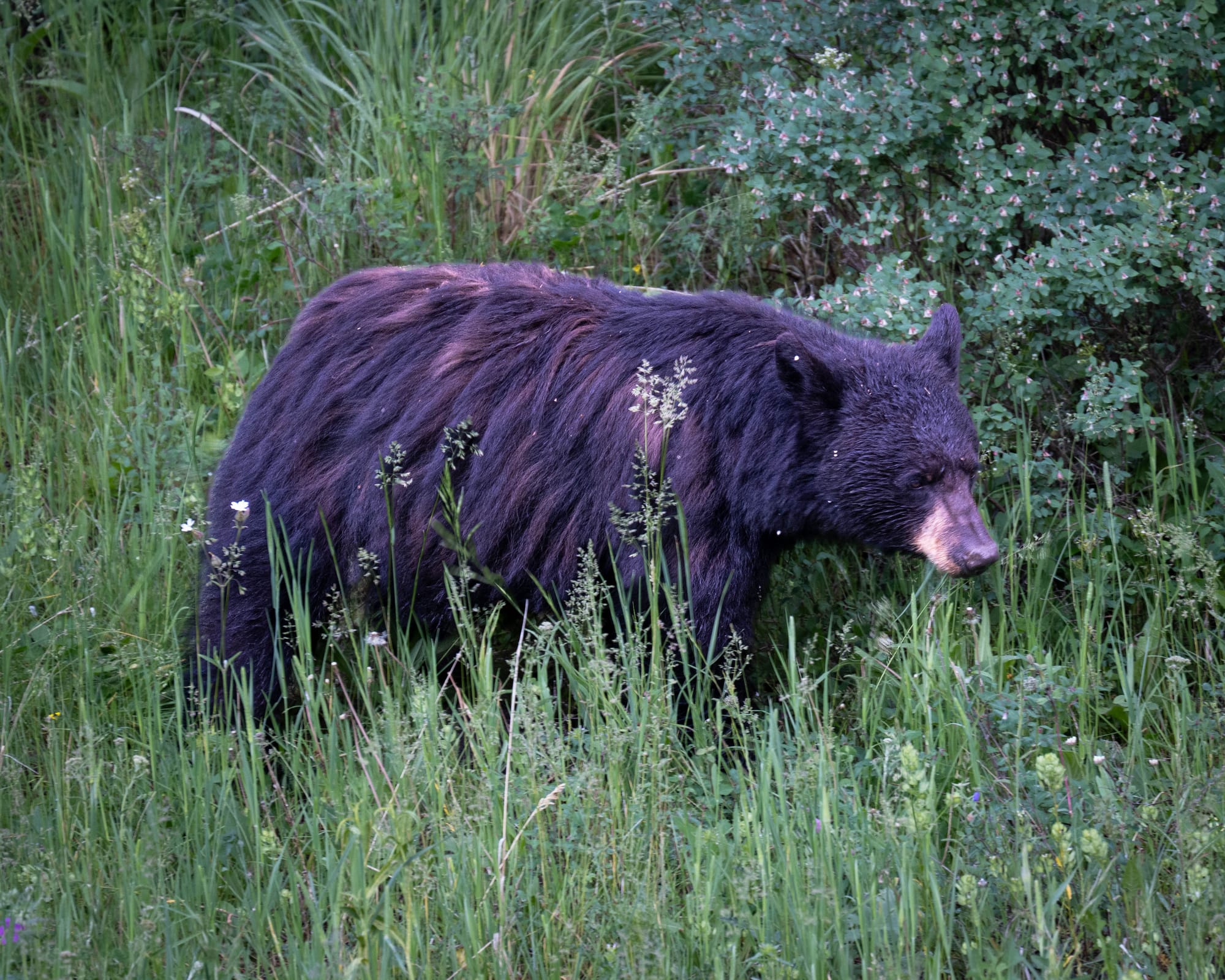
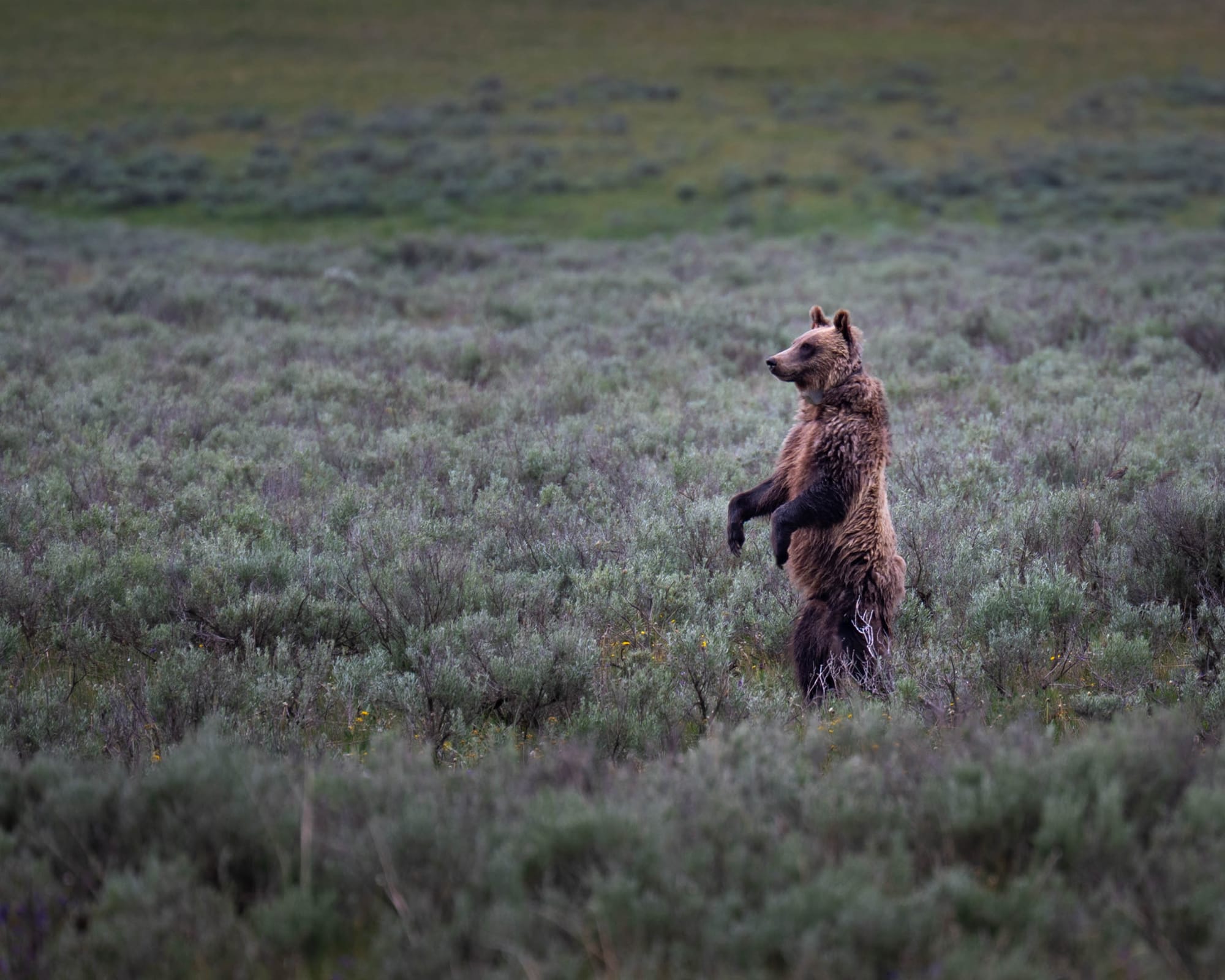
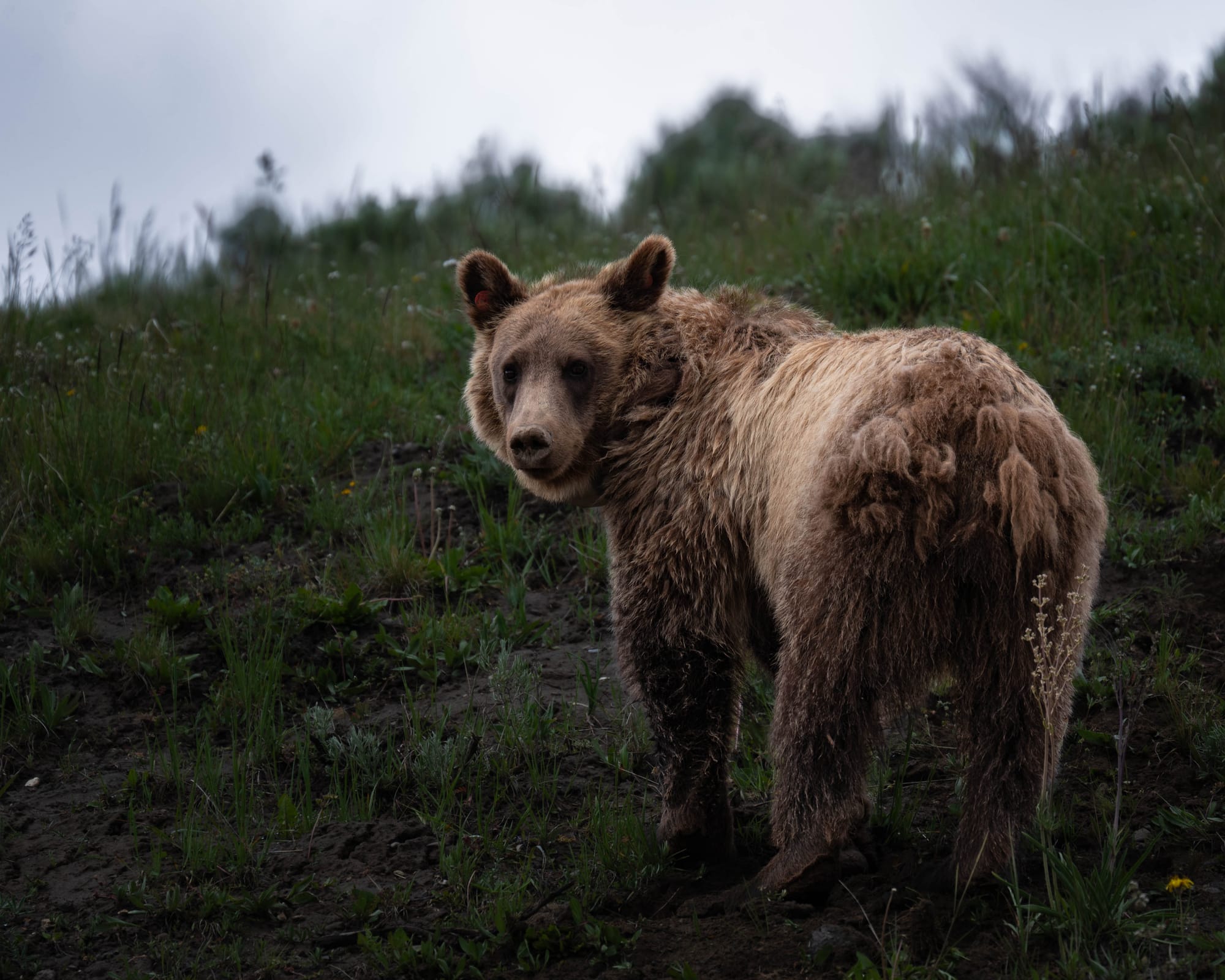
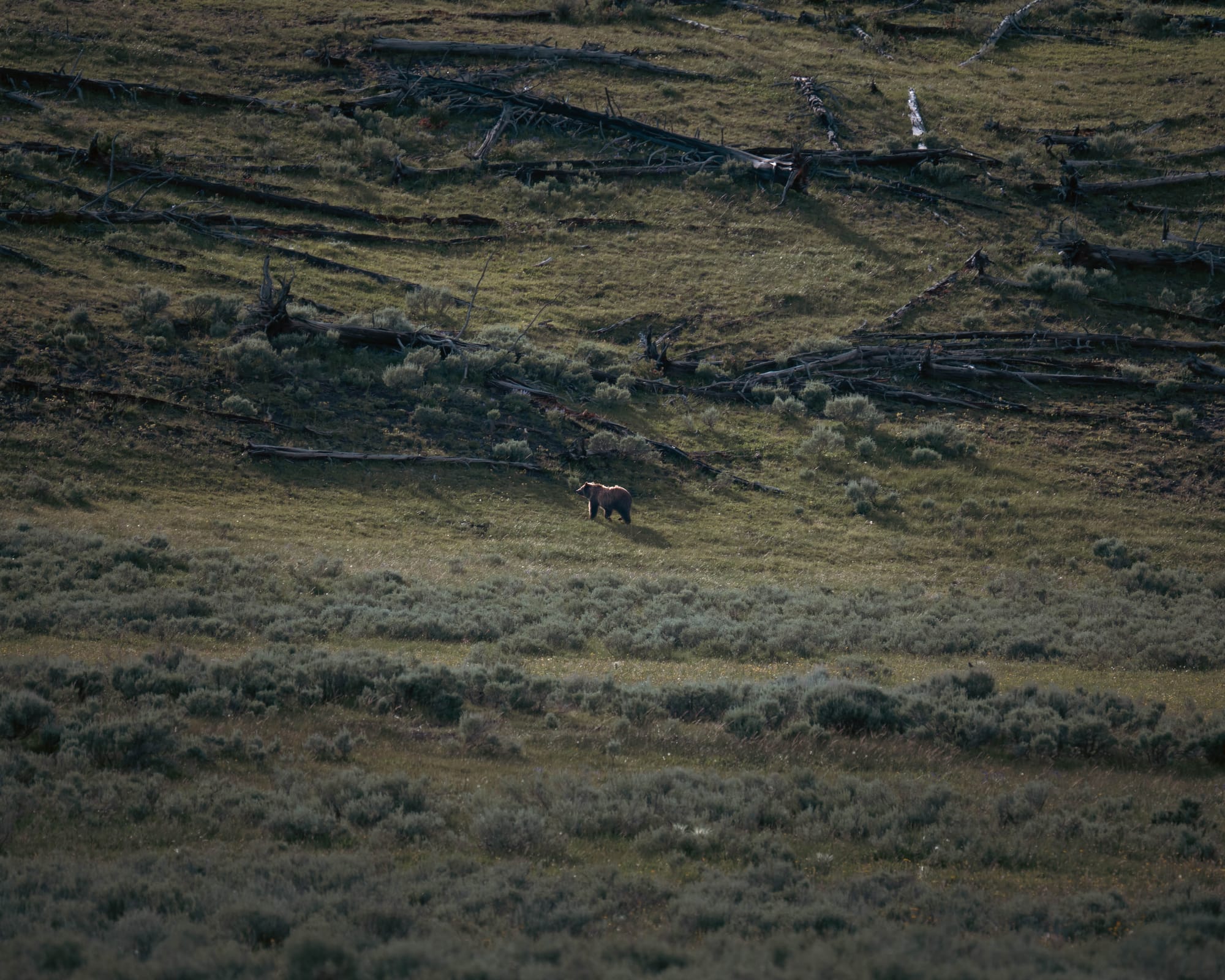
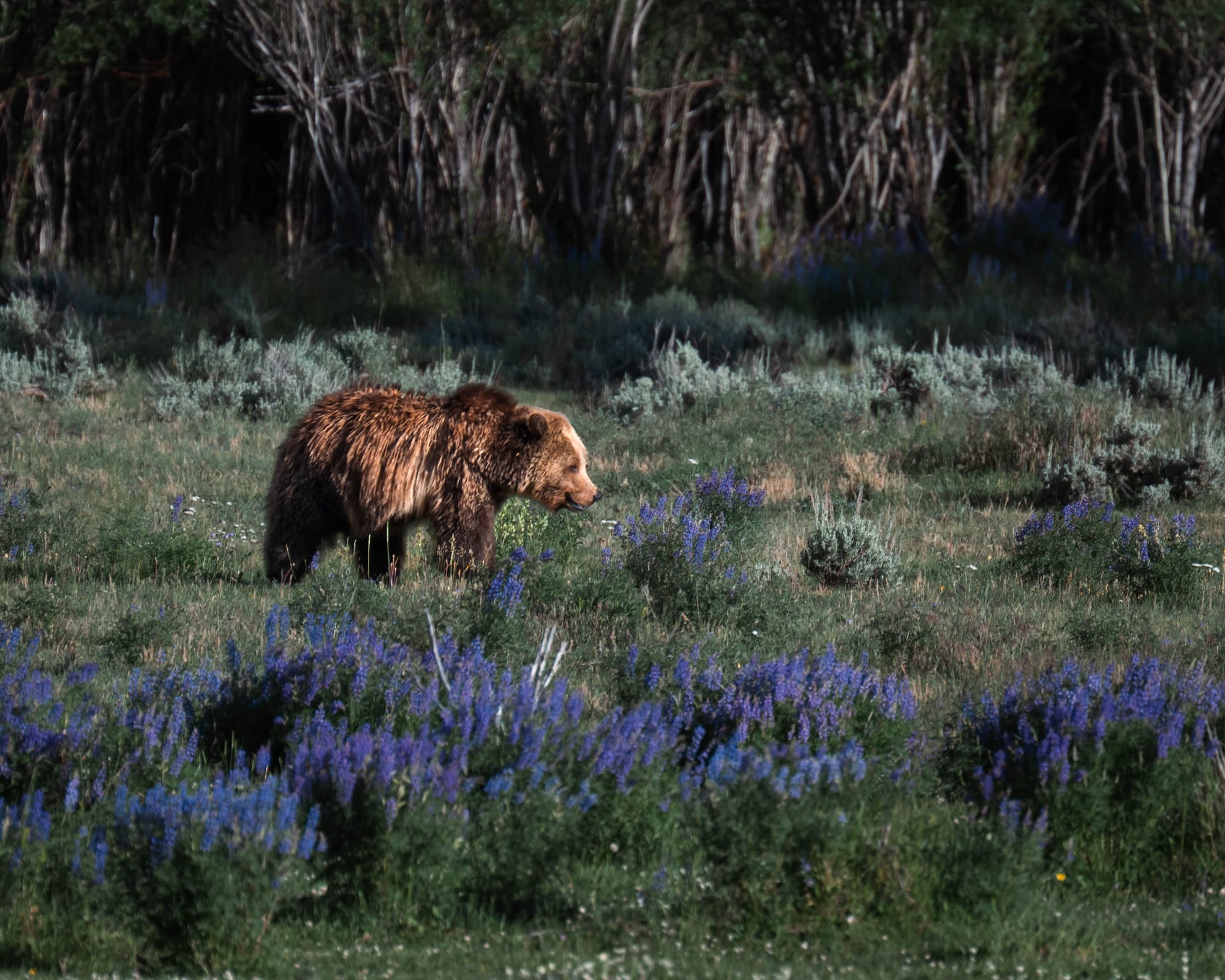
Bears
- Yellowstone is home to both grizzly bears and black bears.
- Color is not a reliable way to tell them apart. Black bears can be brown, cinnamon, or nearly blond.
- Grizzlies are better identified by their shoulder hump, shorter rounded ears, and dished facial profile.
- Much of Yellowstone’s best bear habitat lies along meadow edges, forest openings, and river corridors.
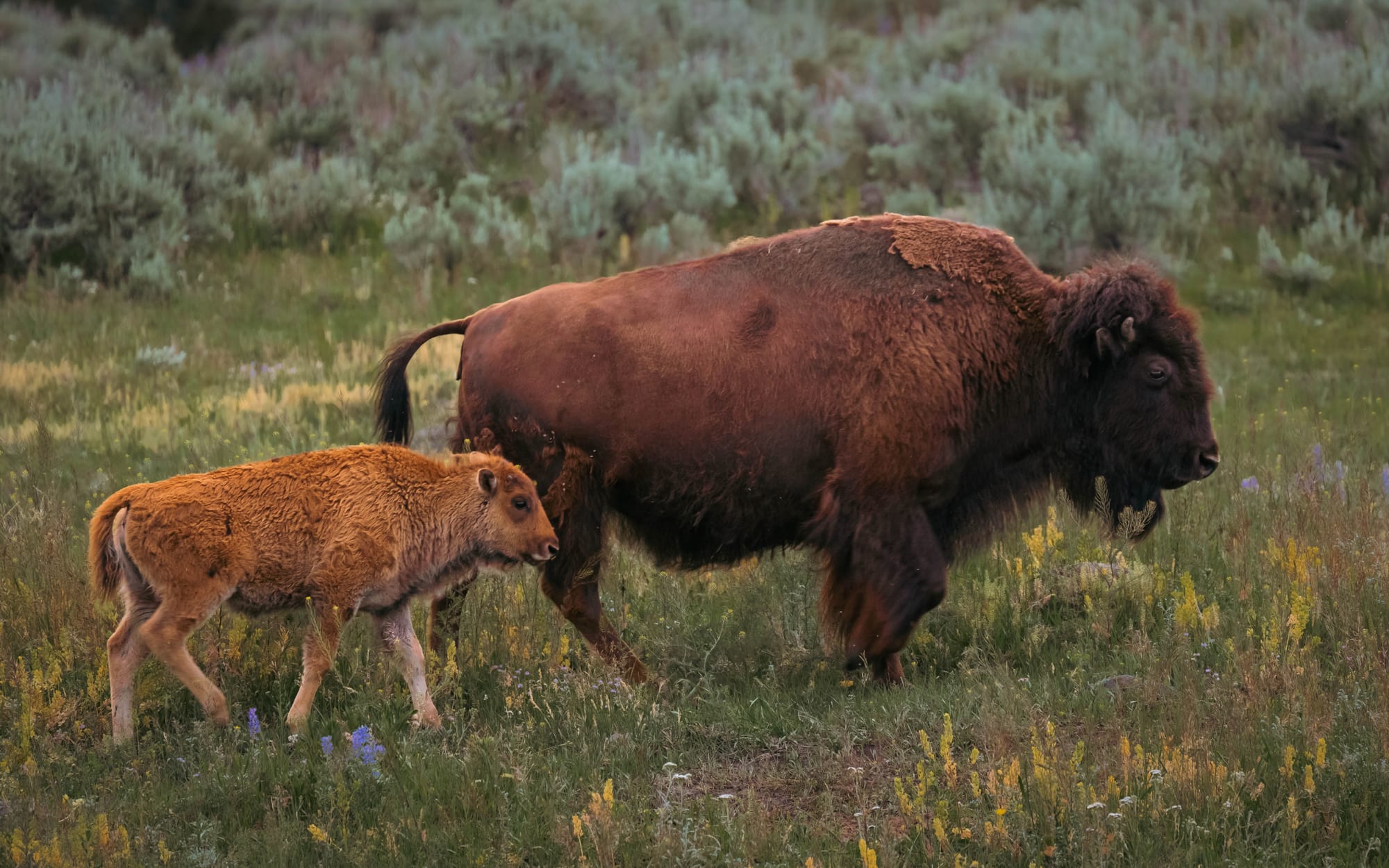
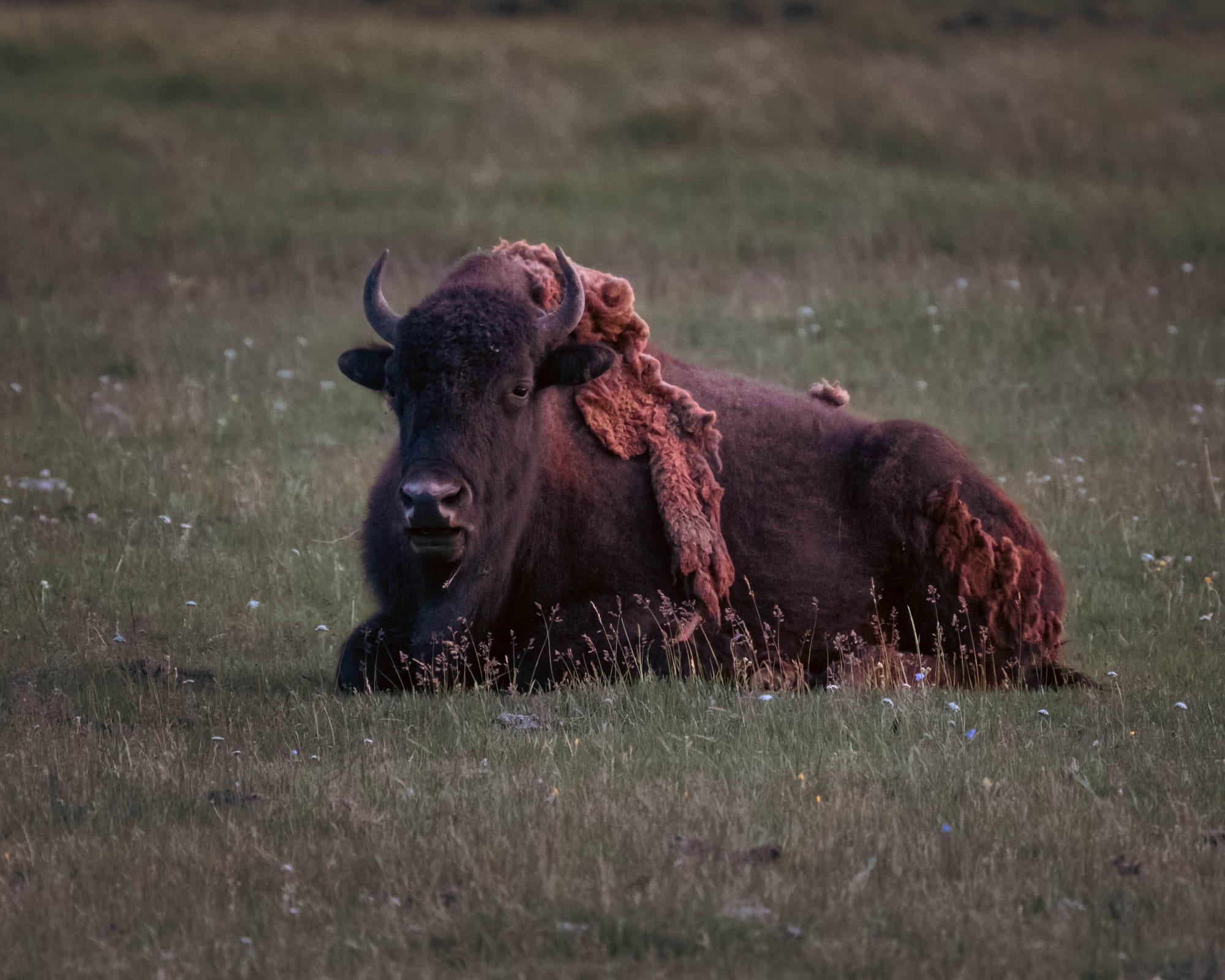
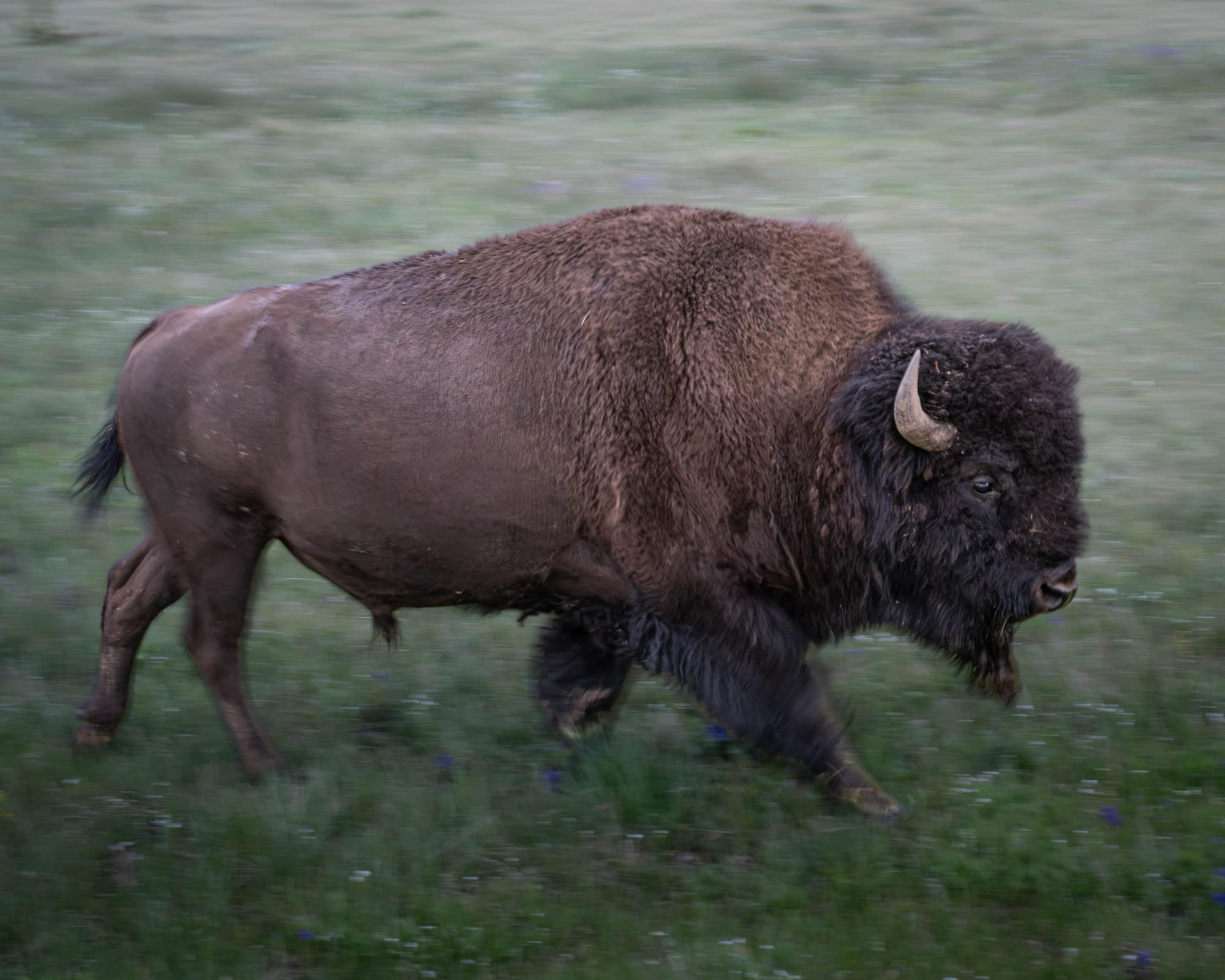
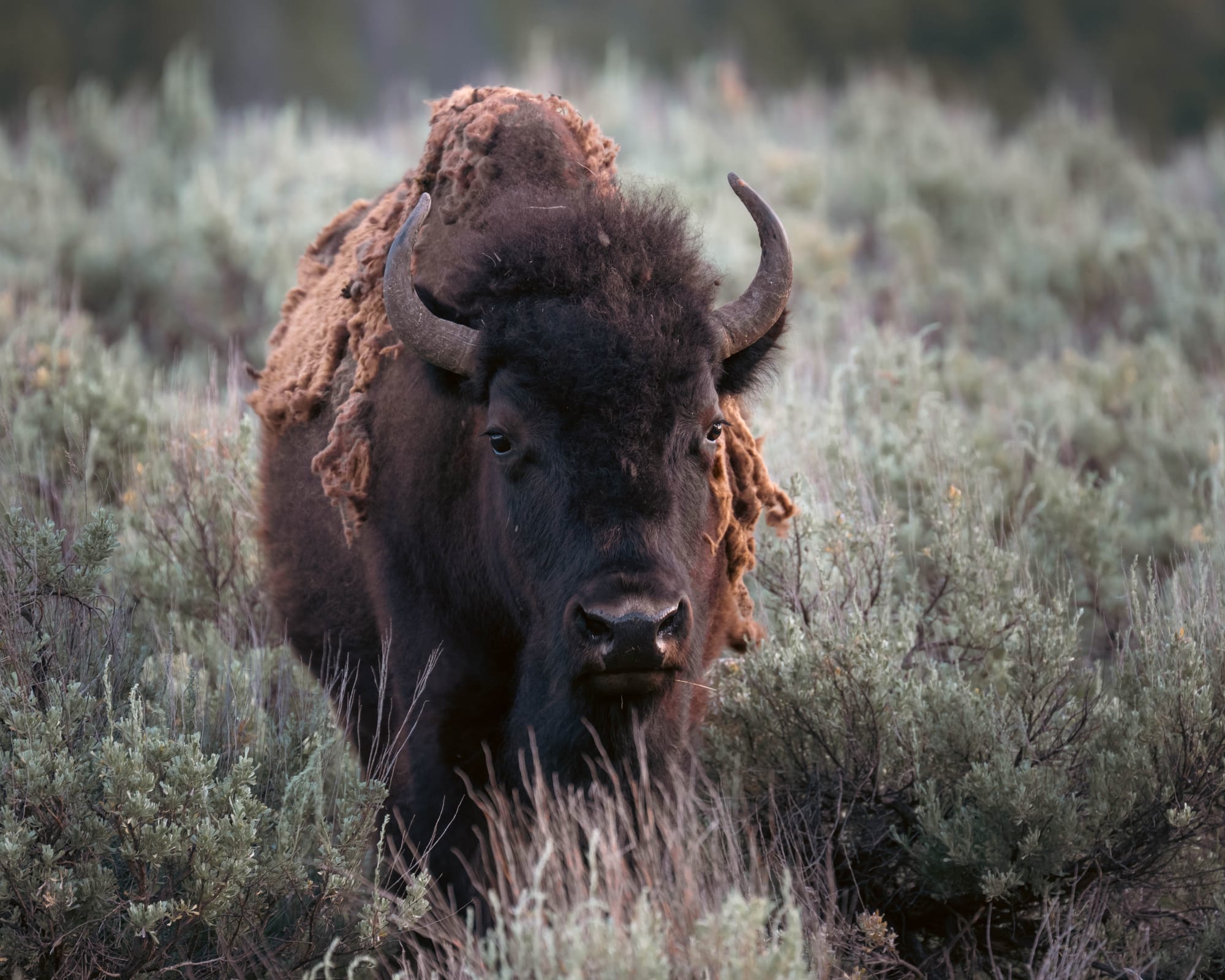
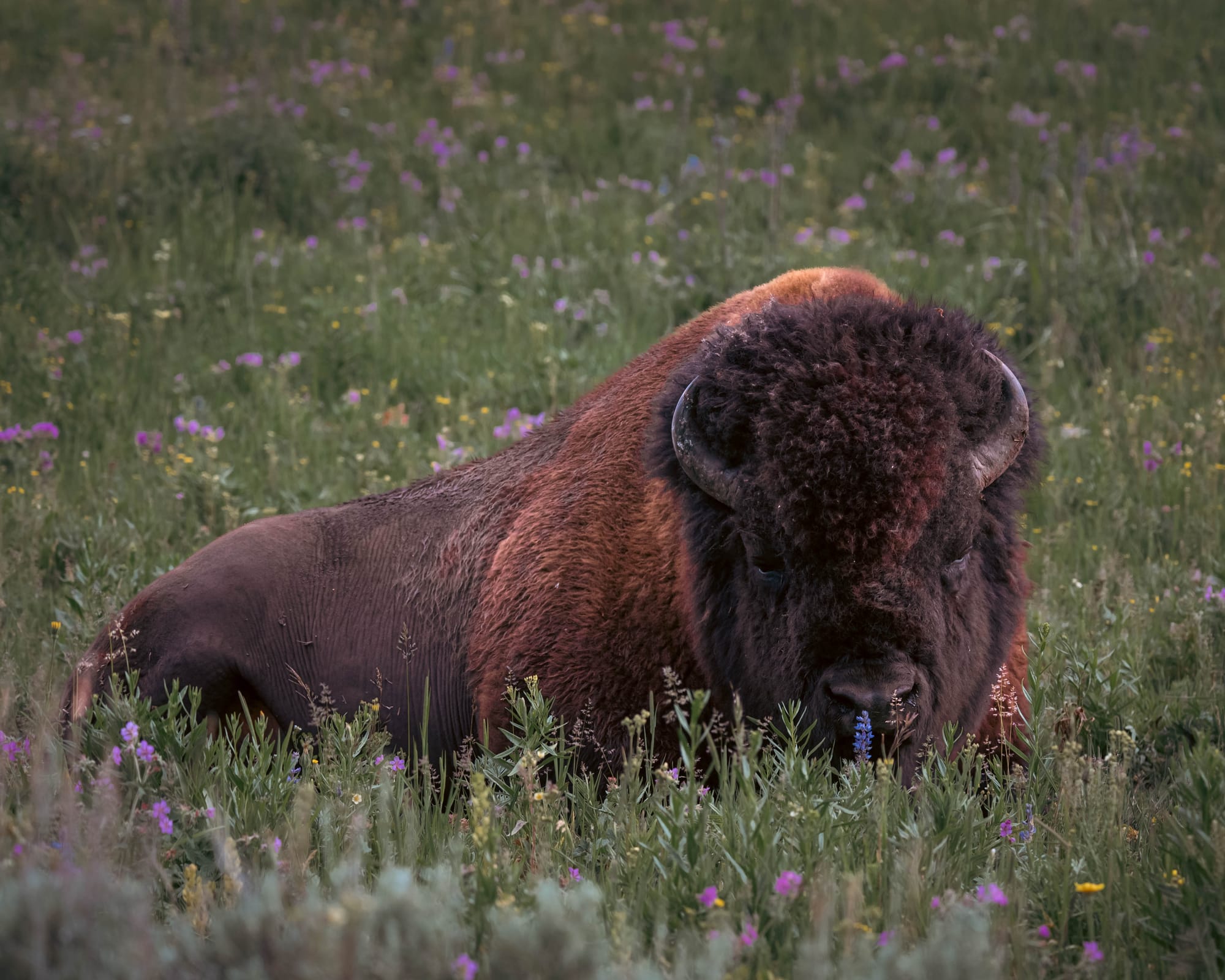
Bison
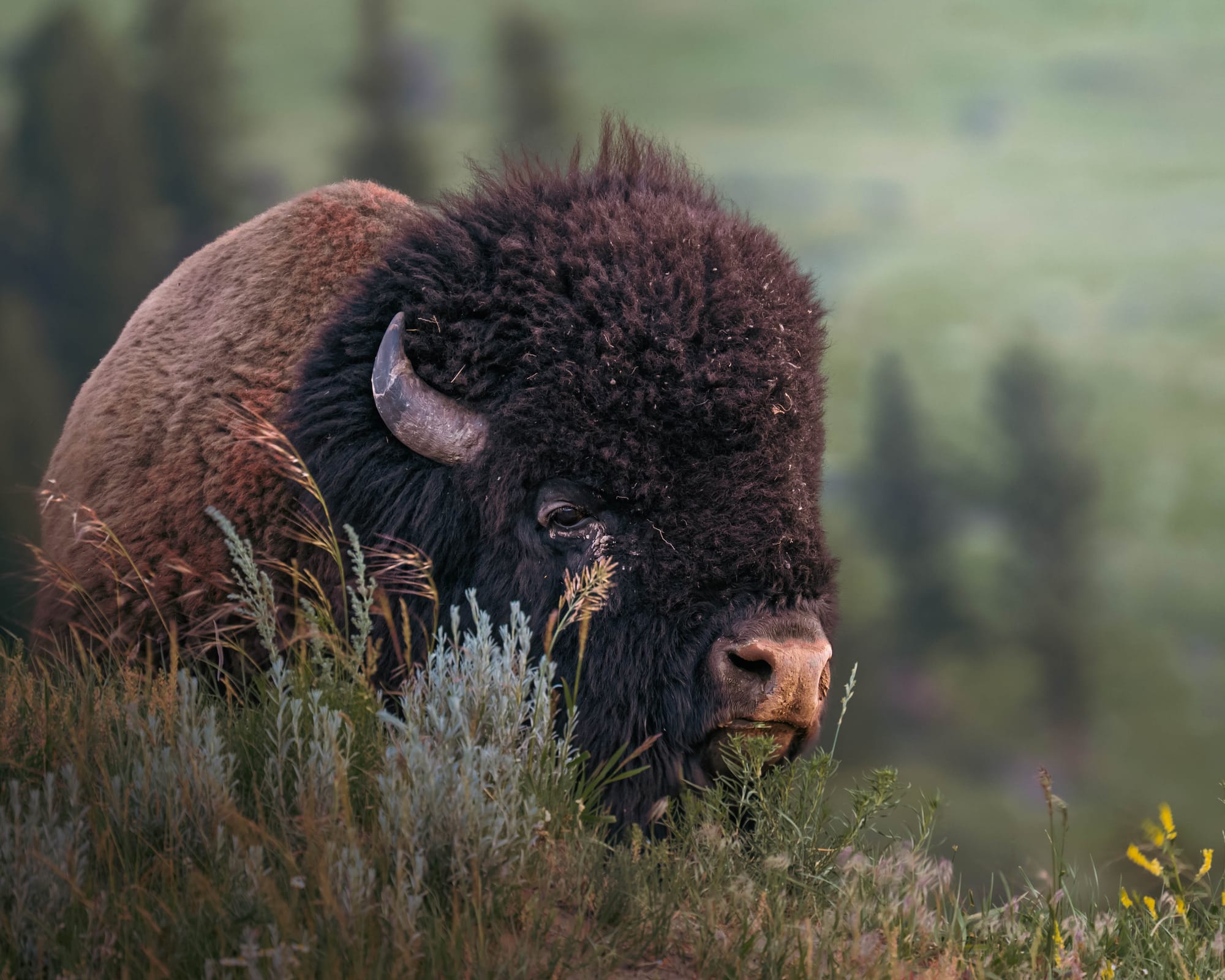
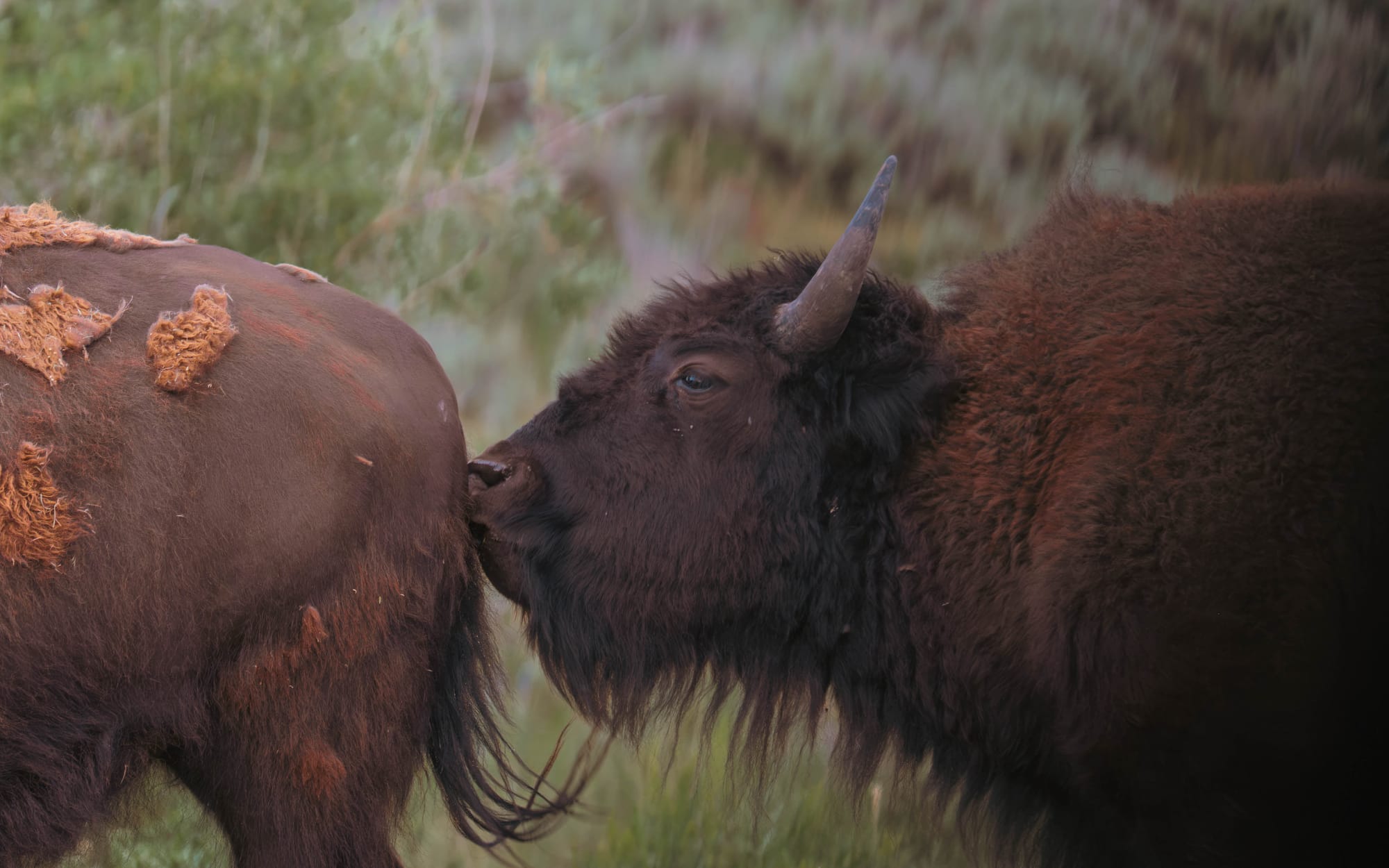
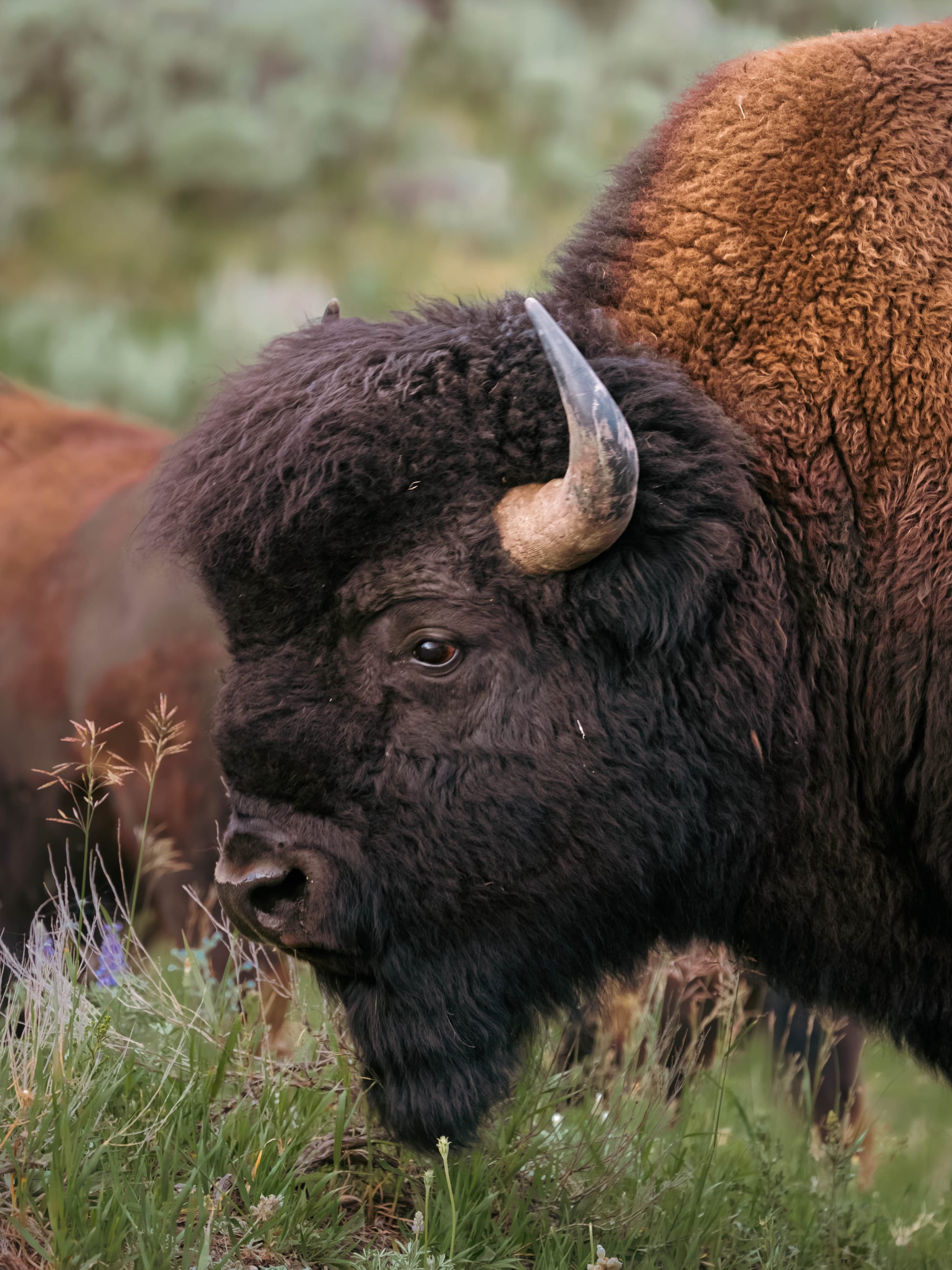
- Yellowstone contains the largest population of wild bison on public land in the United States.
- Its herds are descended from animals that survived the widespread slaughter of North American bison in the nineteenth century.
- Adult males can weigh around 2,000 pounds.
- Despite their size, bison can run much faster than most people expect.
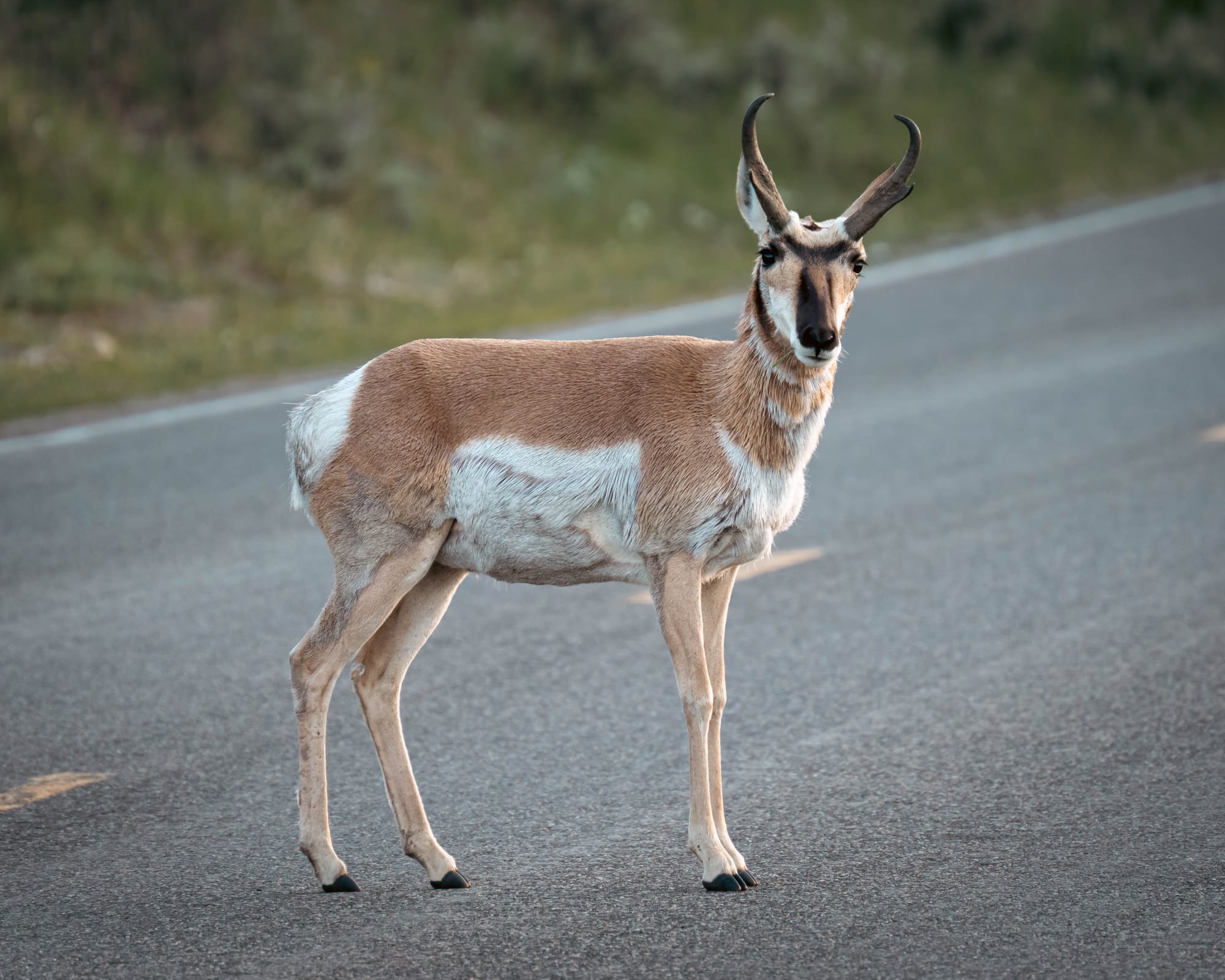
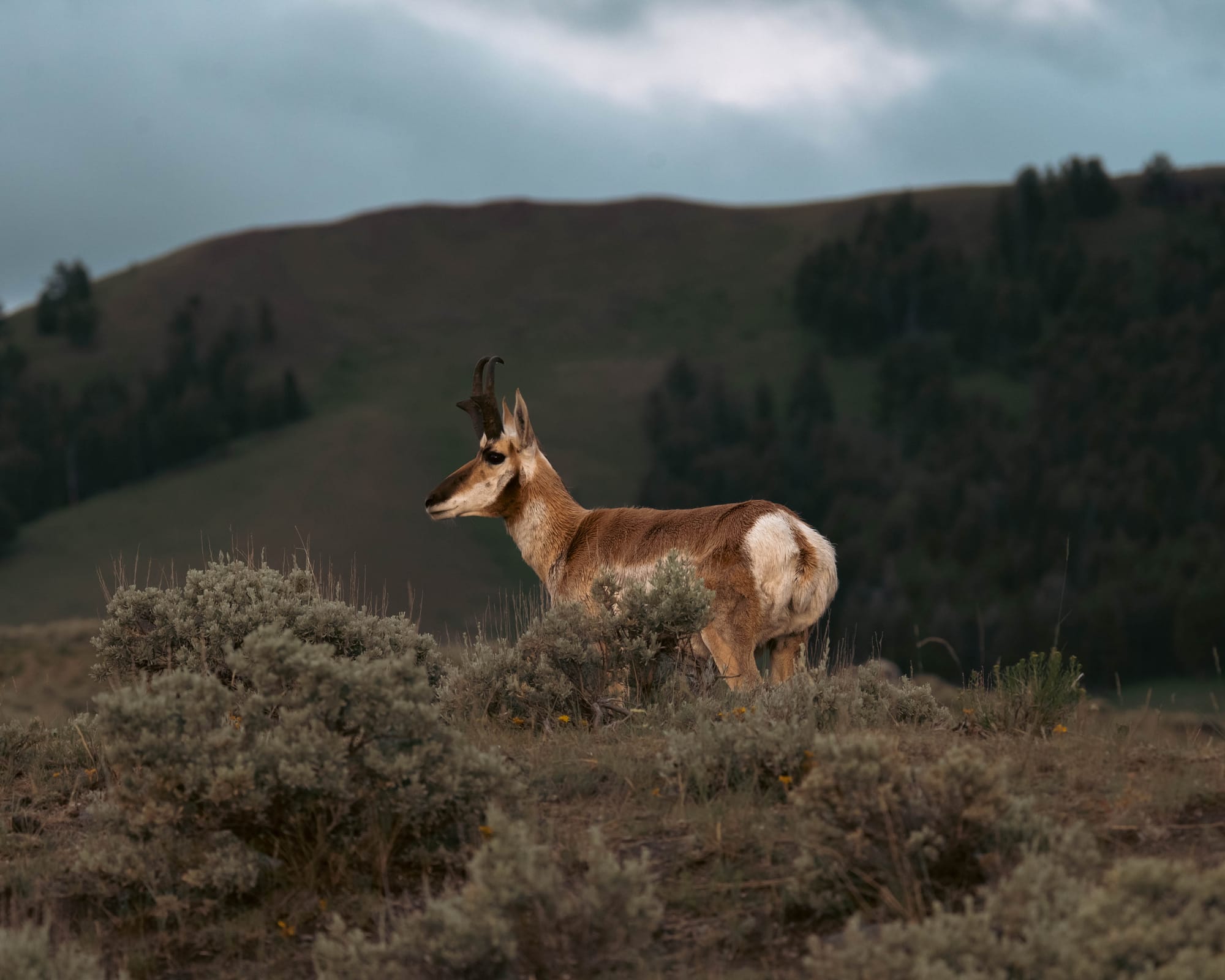
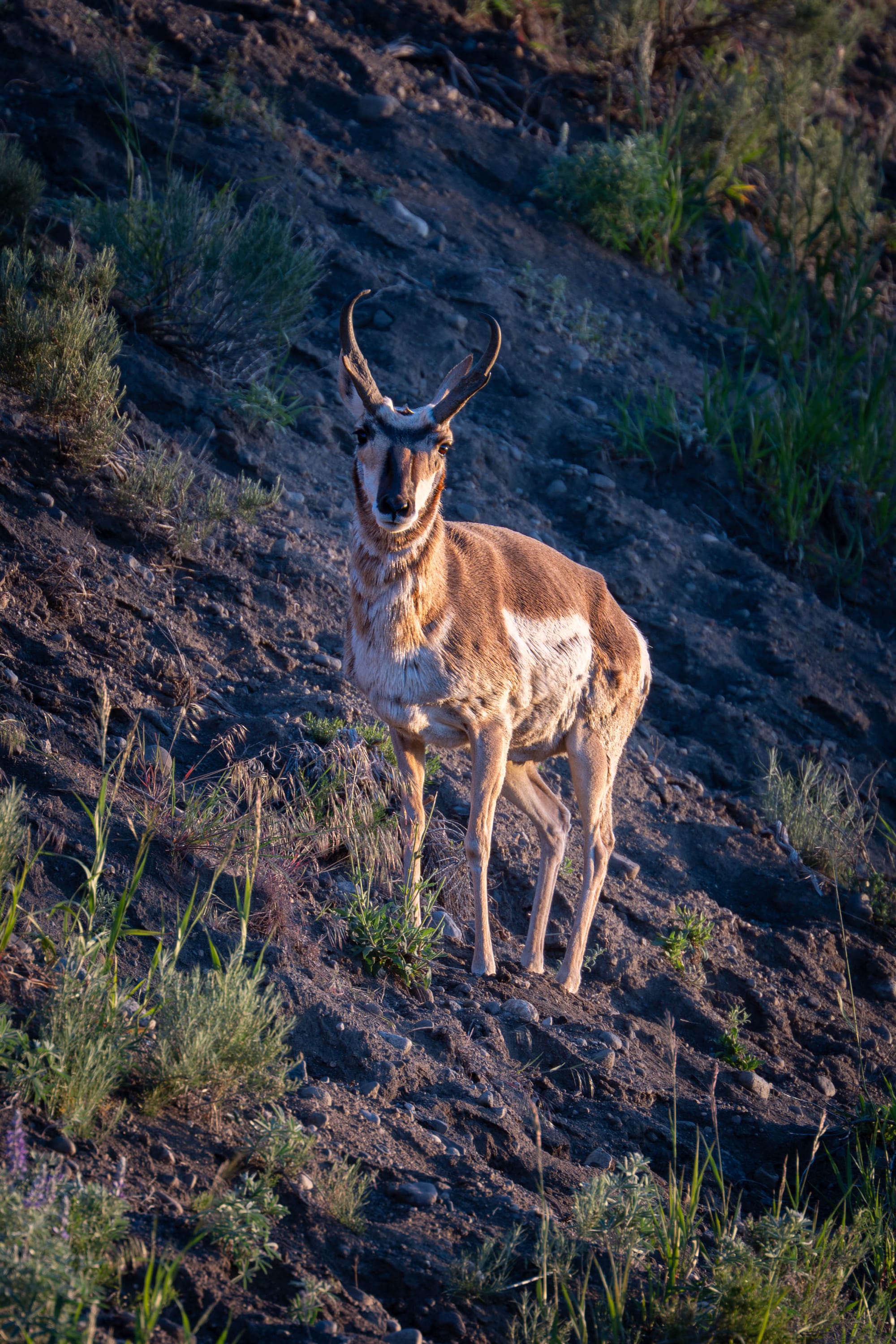
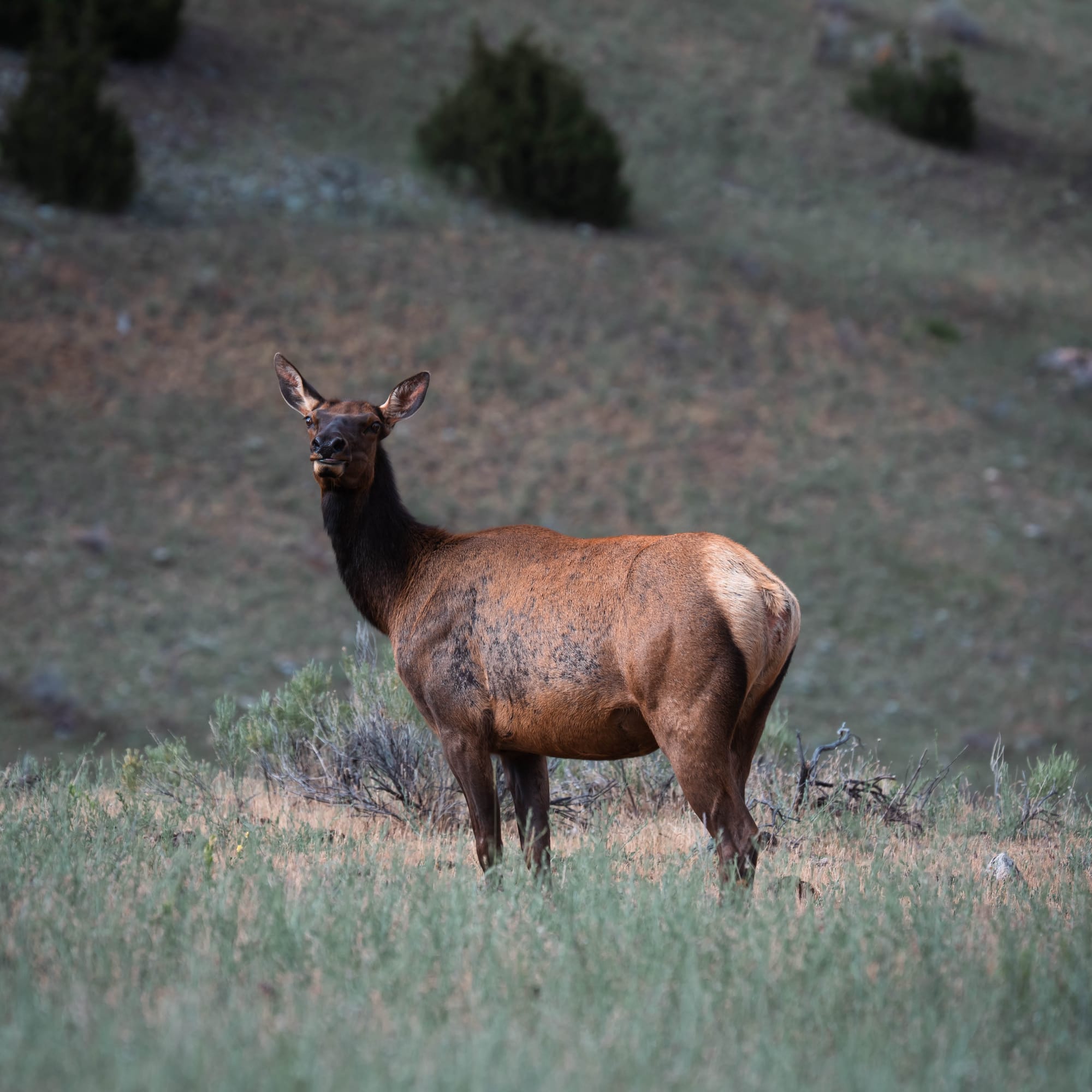
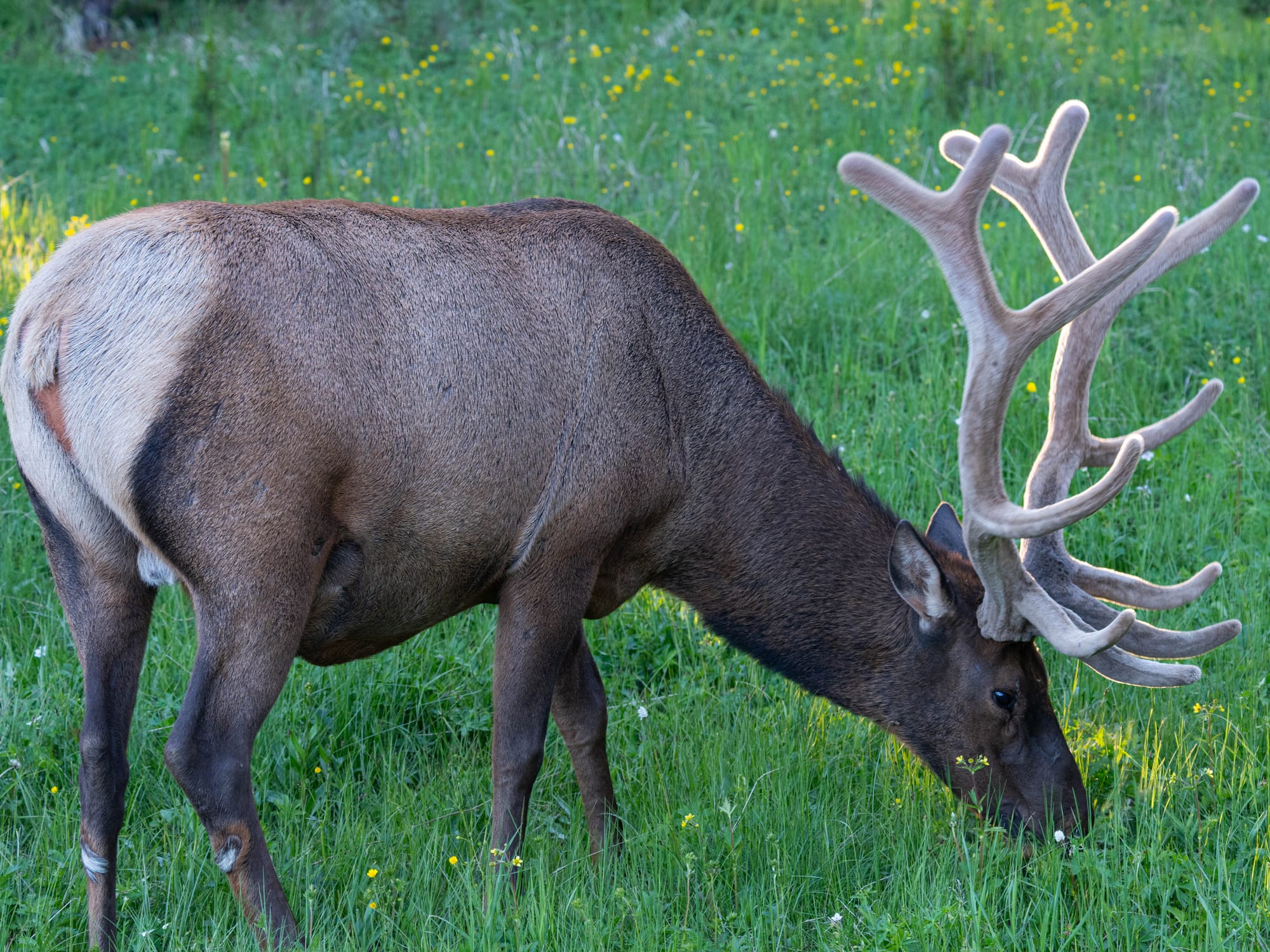
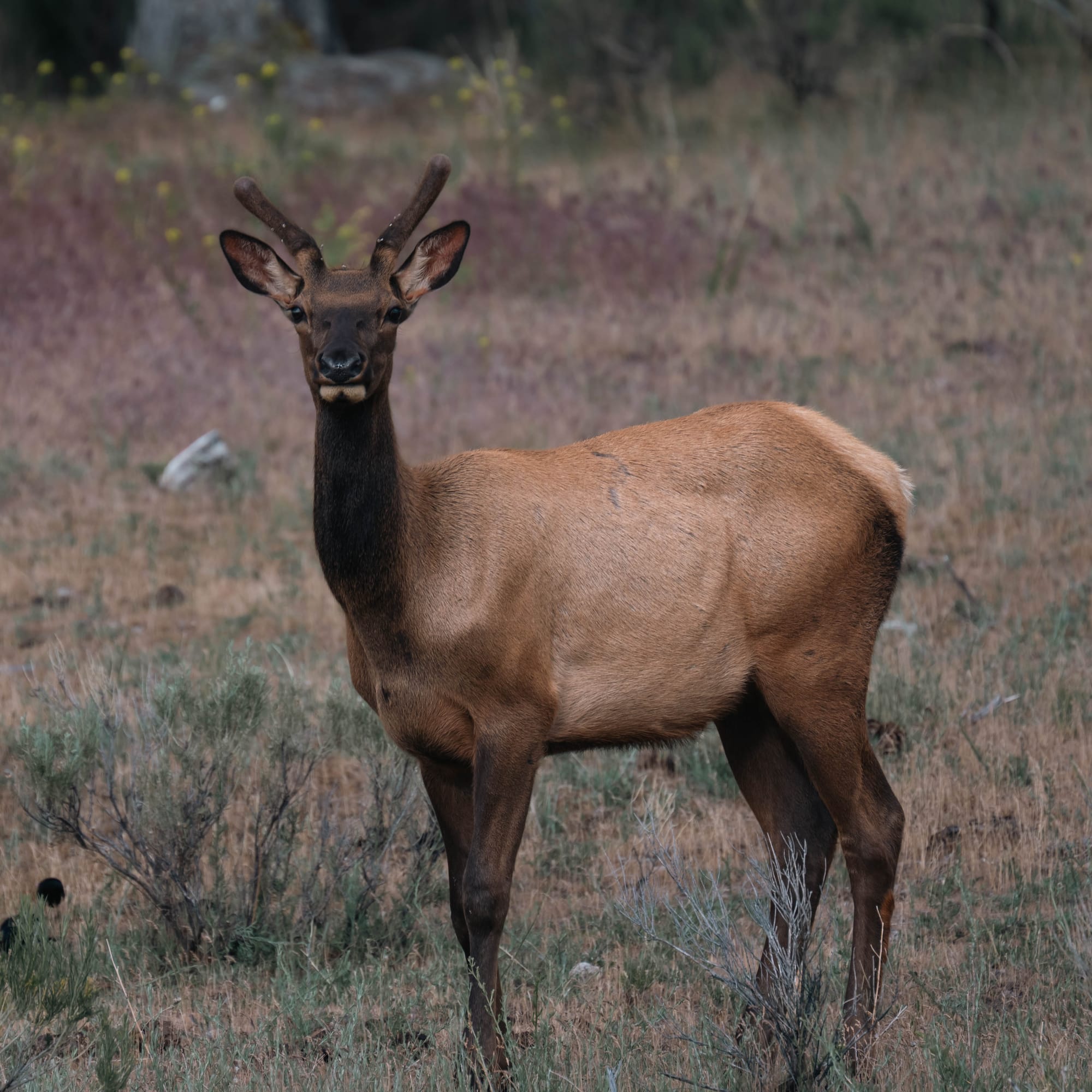
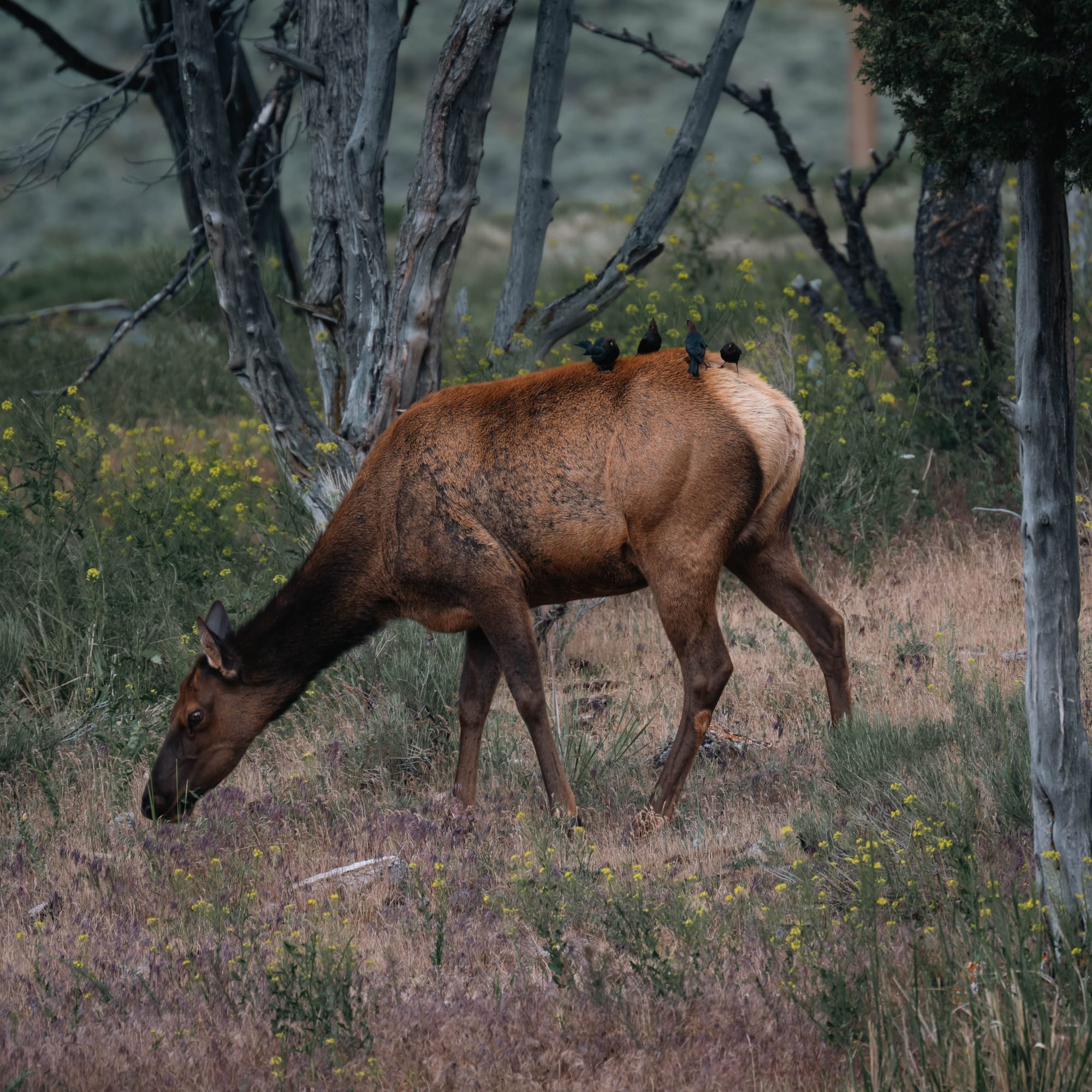
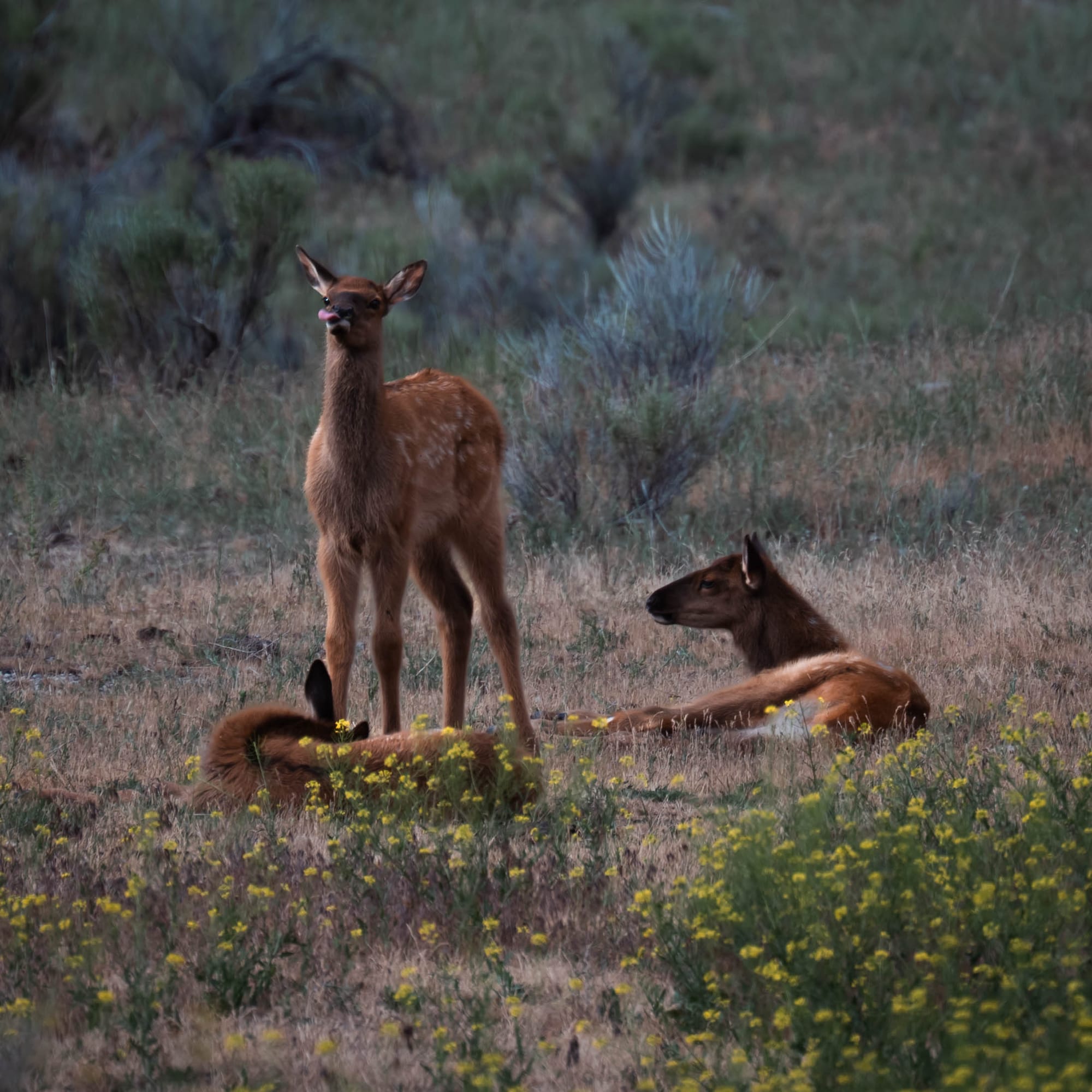
Elk and Pronghorns
- Elk are among Yellowstone’s most numerous large mammals.
- Pronghorn are not true antelope and are the only surviving member of their biological family.
- The open northern range supports some of the park’s most visible wildlife because animals can be seen across long distances.
Predators and Smaller Encounters
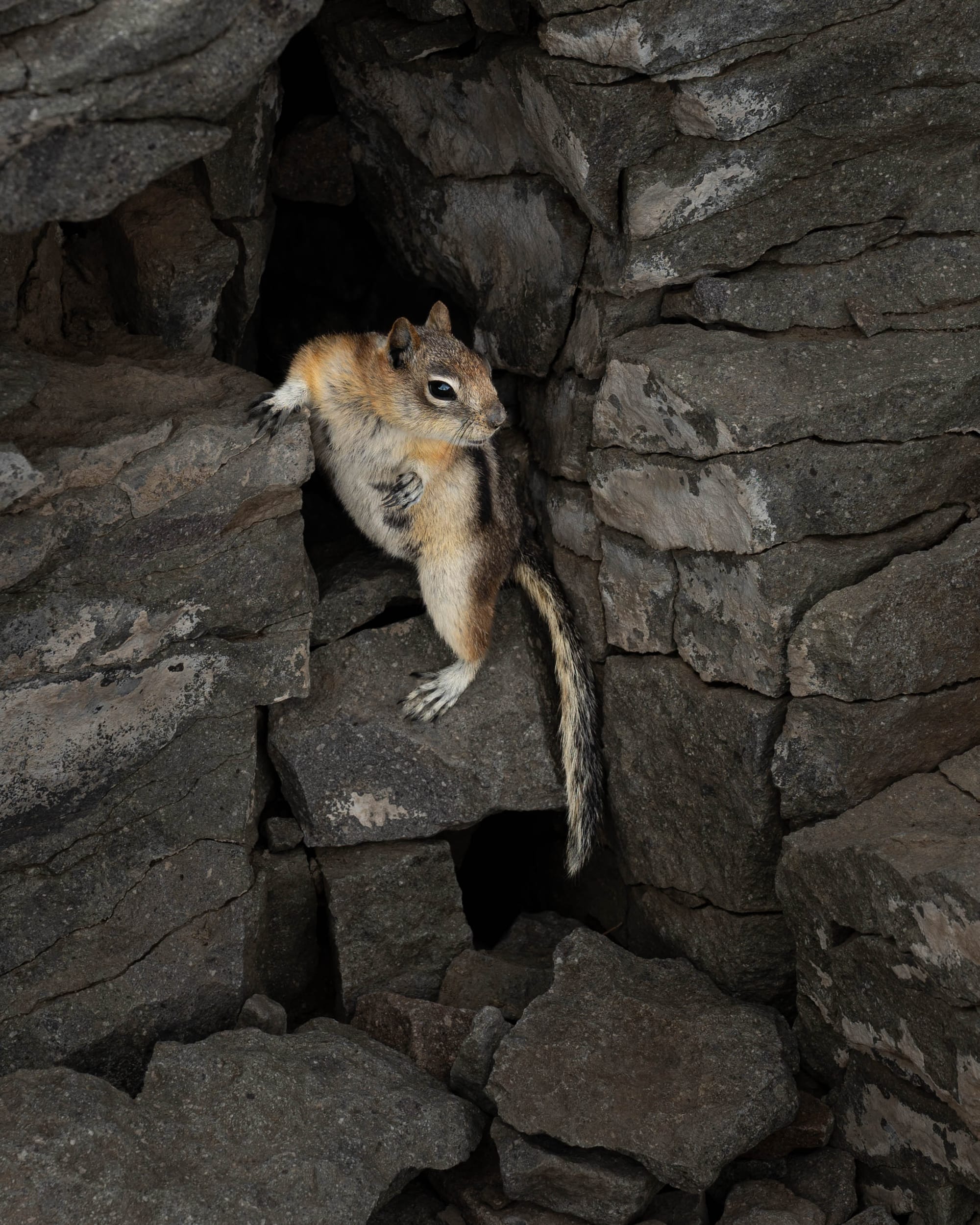
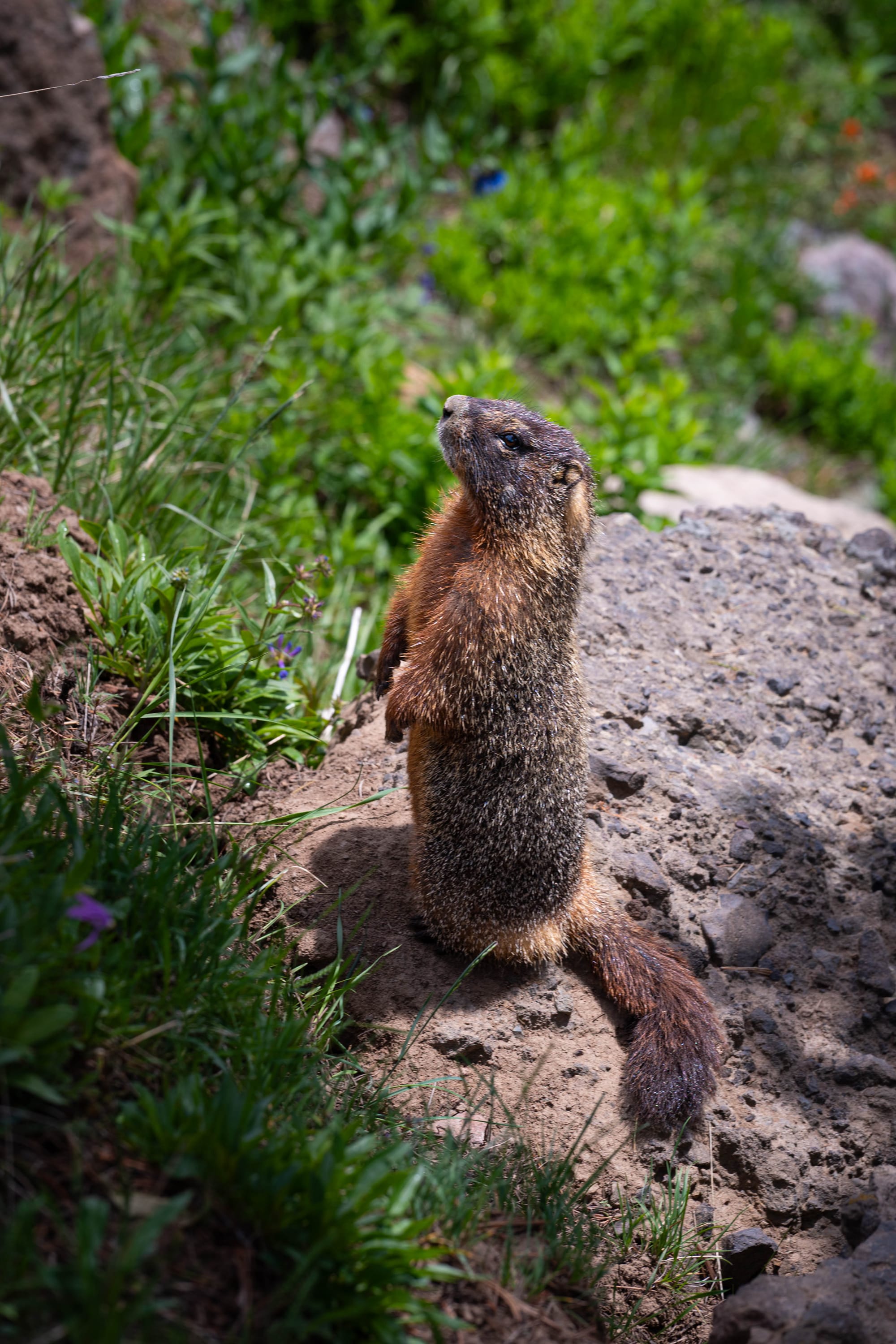
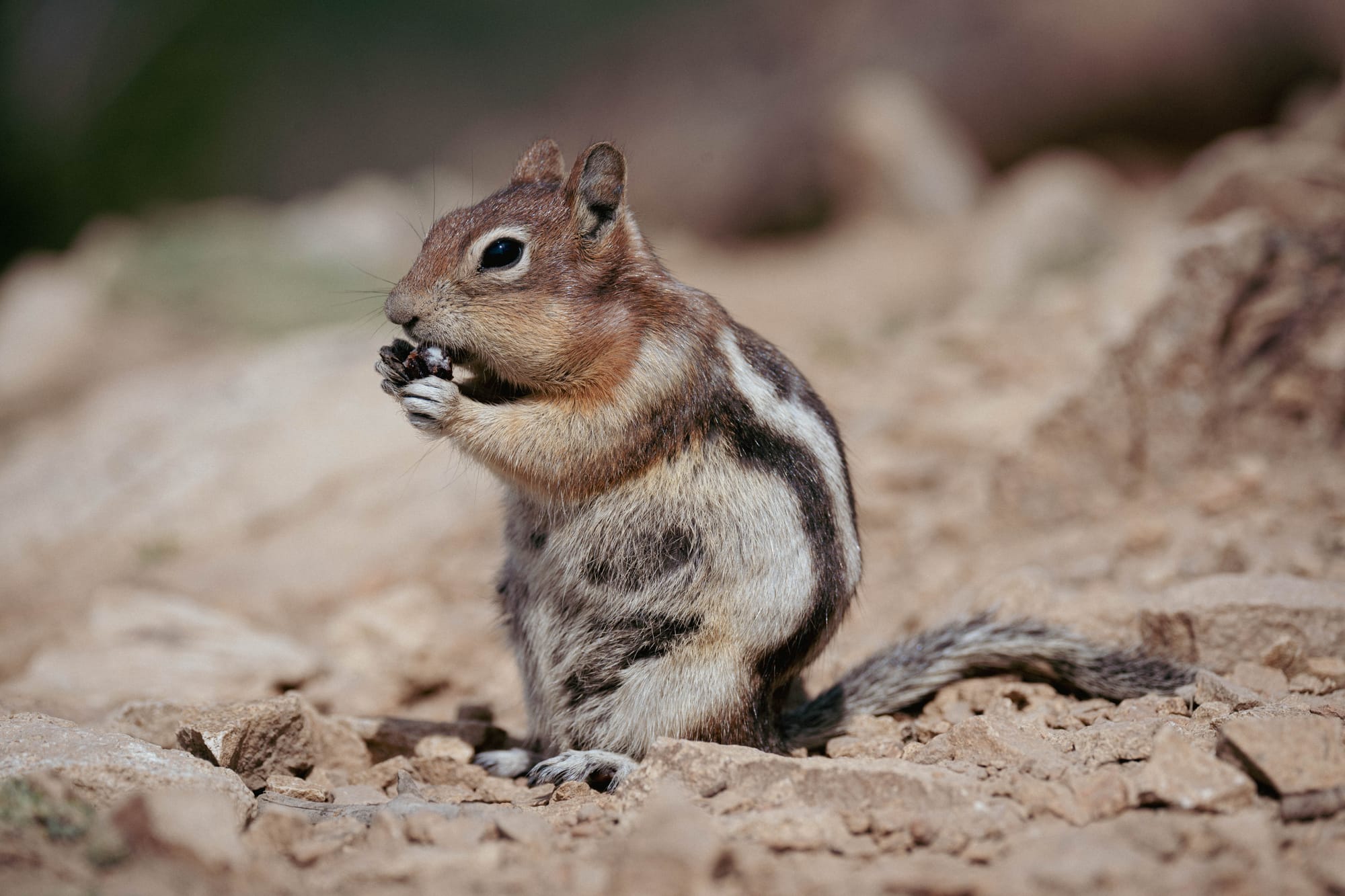
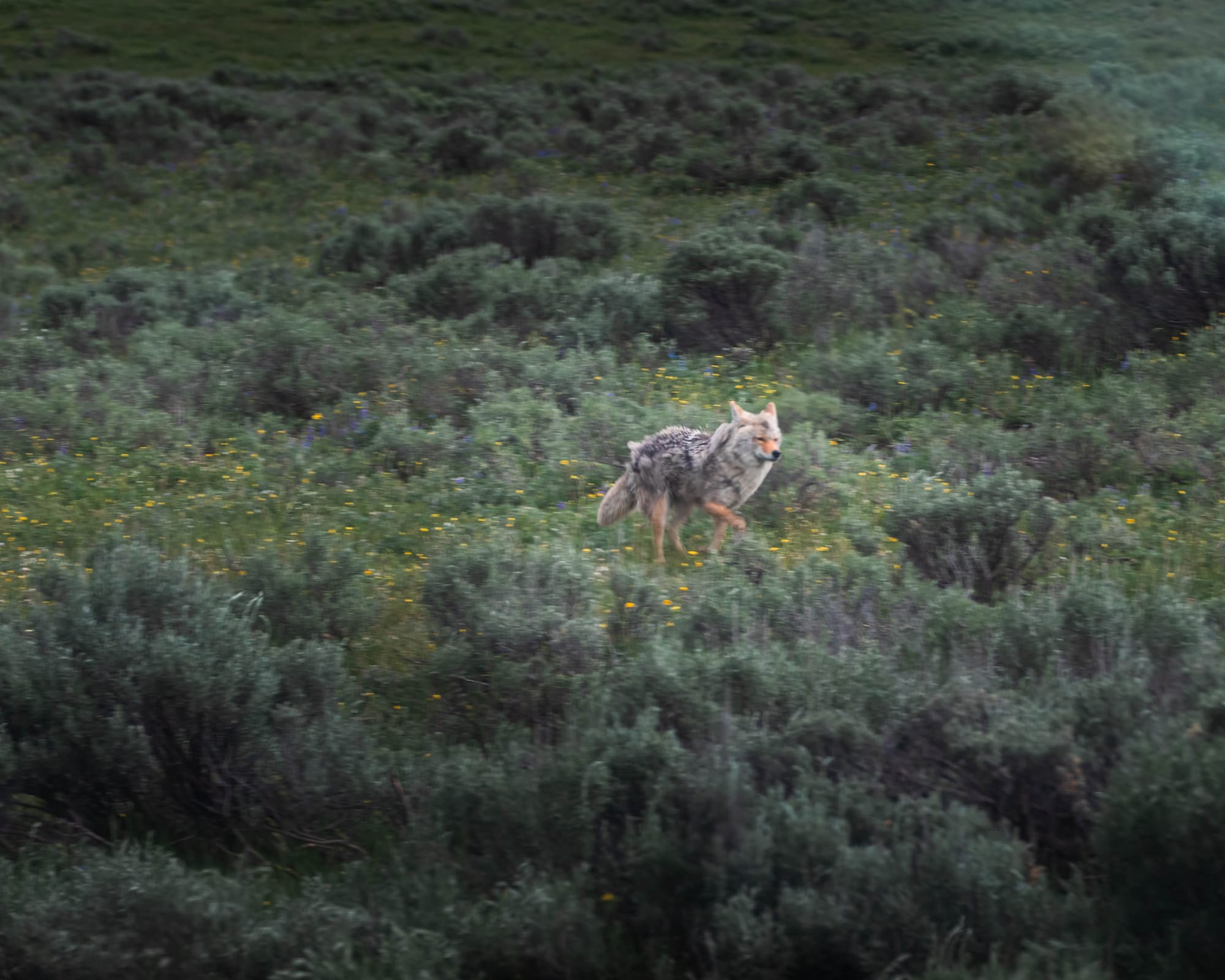
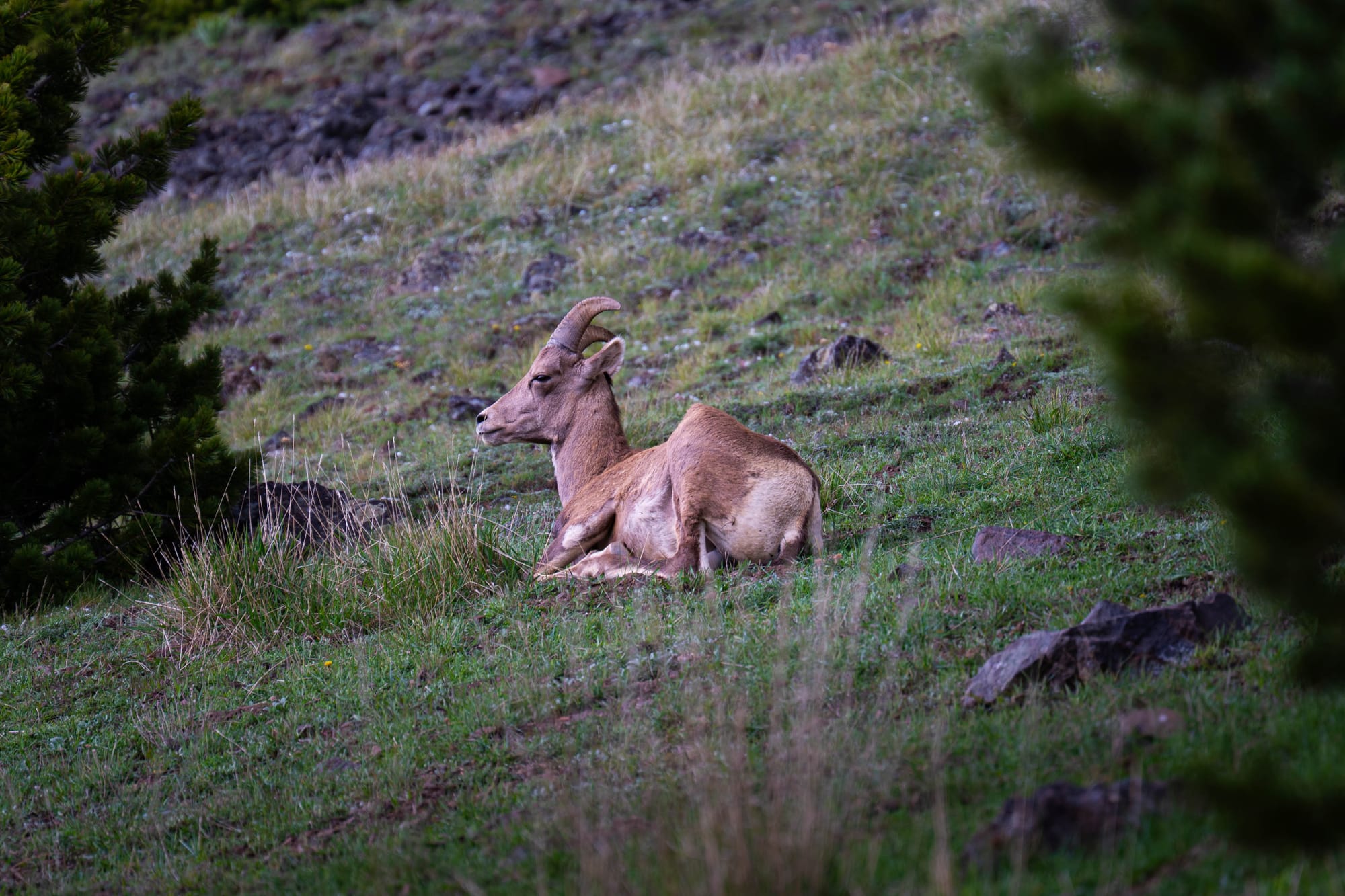
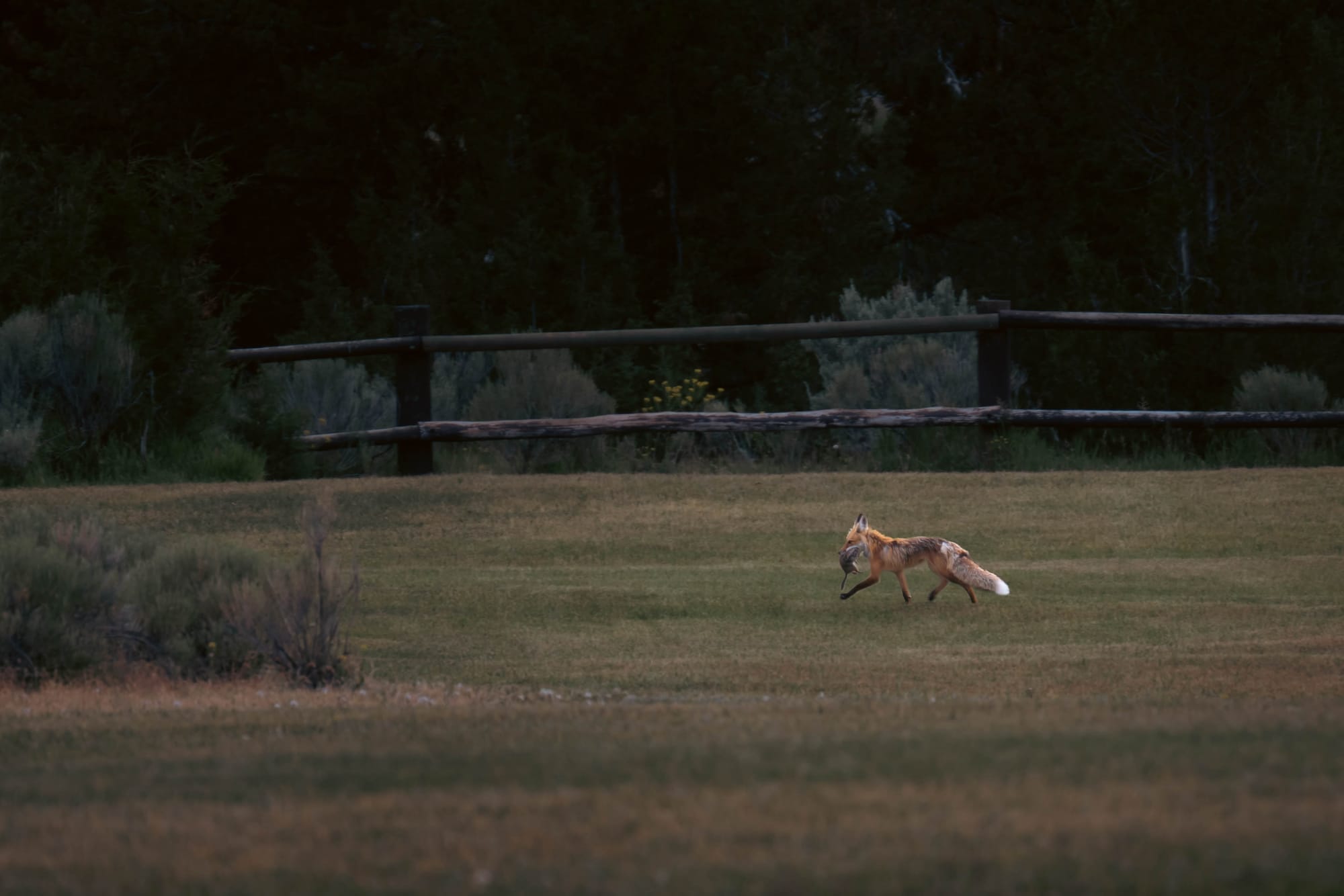
Foxes, coyotes, marmots, mountain goats, bighorn sheep, birds, and more
- Coyotes remained Yellowstone’s most visible canine even after wolves returned.
- Red foxes can survive across a wide range of elevations and habitats.
- Yellow-bellied marmots spend much of the year underground in hibernation.
- Mountain goats are not native to Yellowstone and likely moved into the region from nearby introduced populations.
Water Through the Park
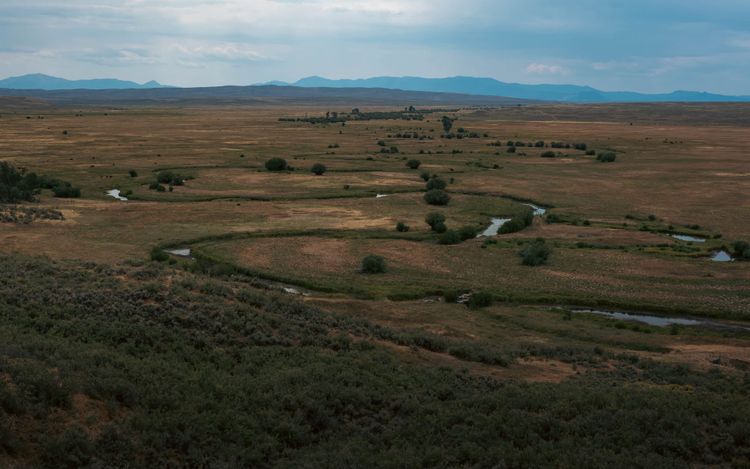
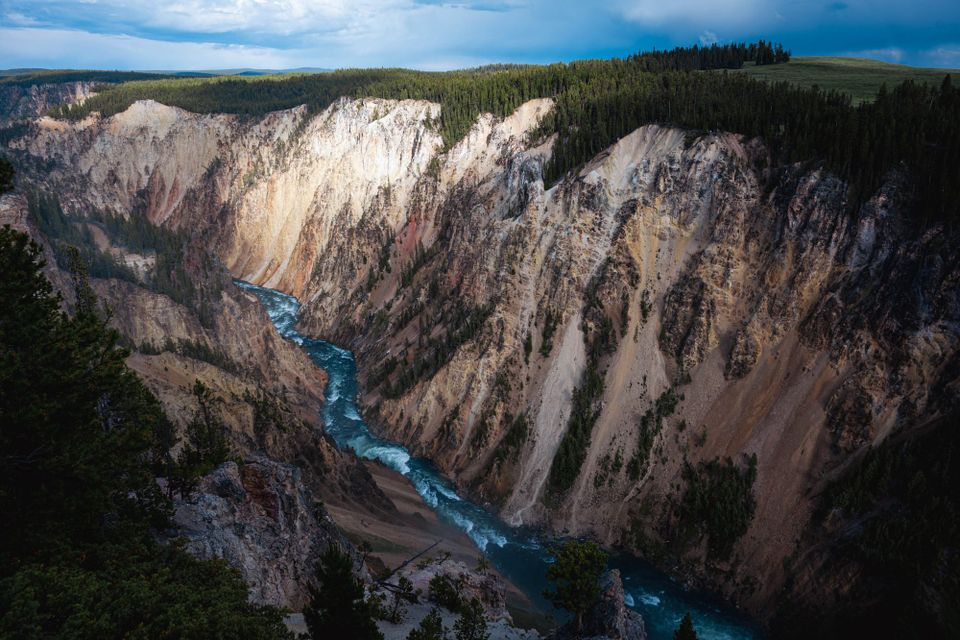
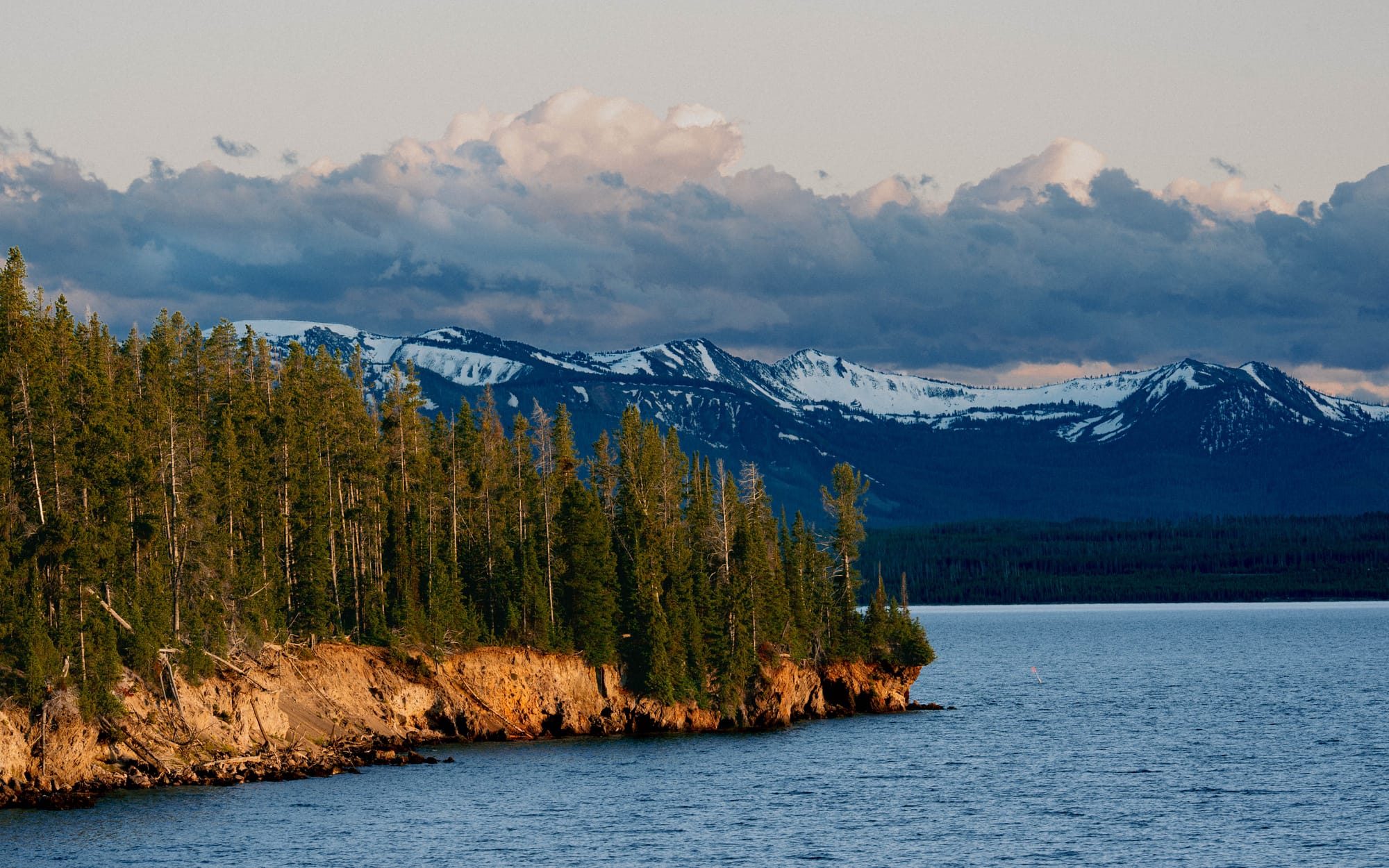
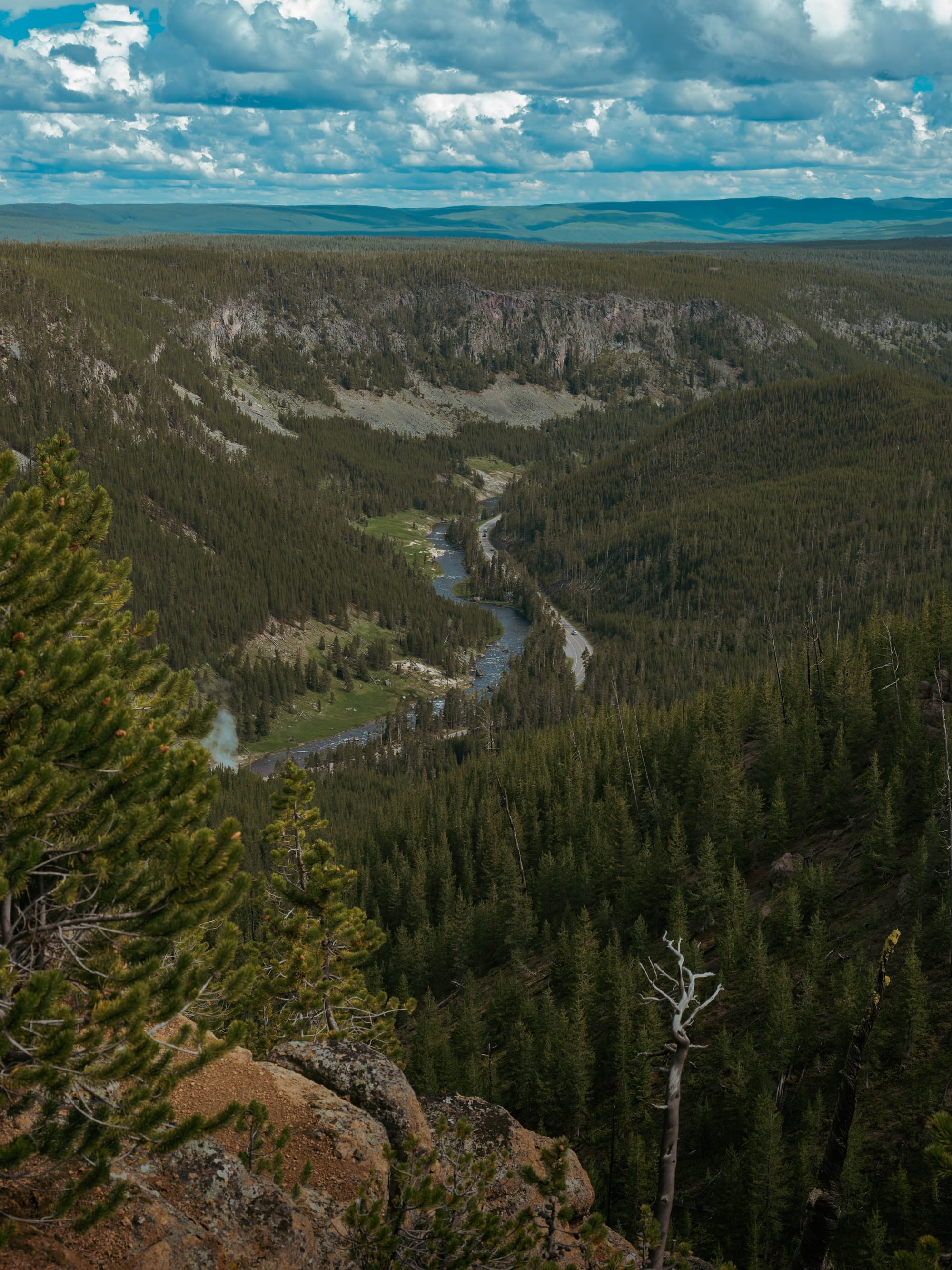
We first understood Yellowstone through its water. The lake slowed the landscape down, Hayden Valley spread the river wide, and the canyon compressed it into something far more dramatic.
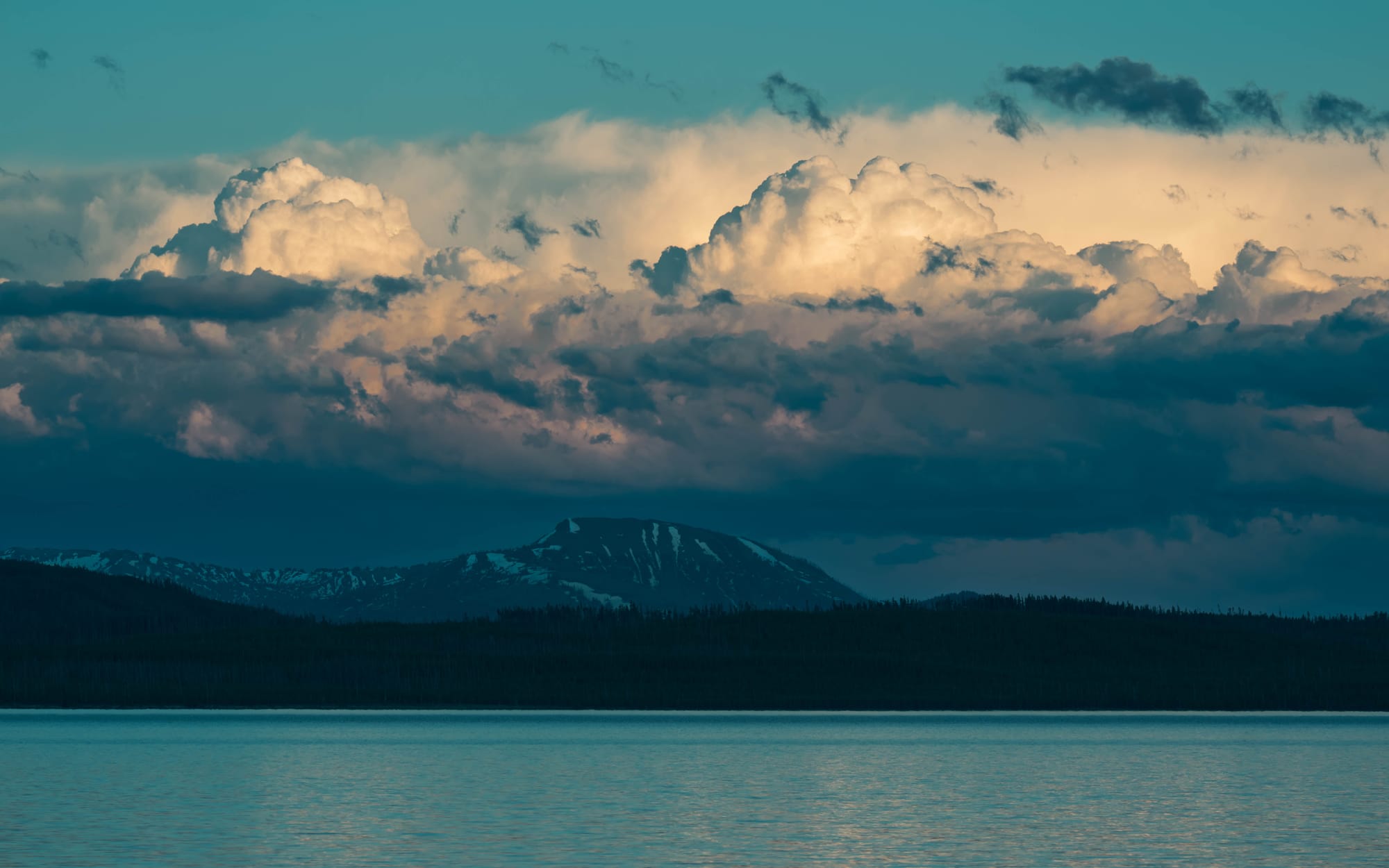
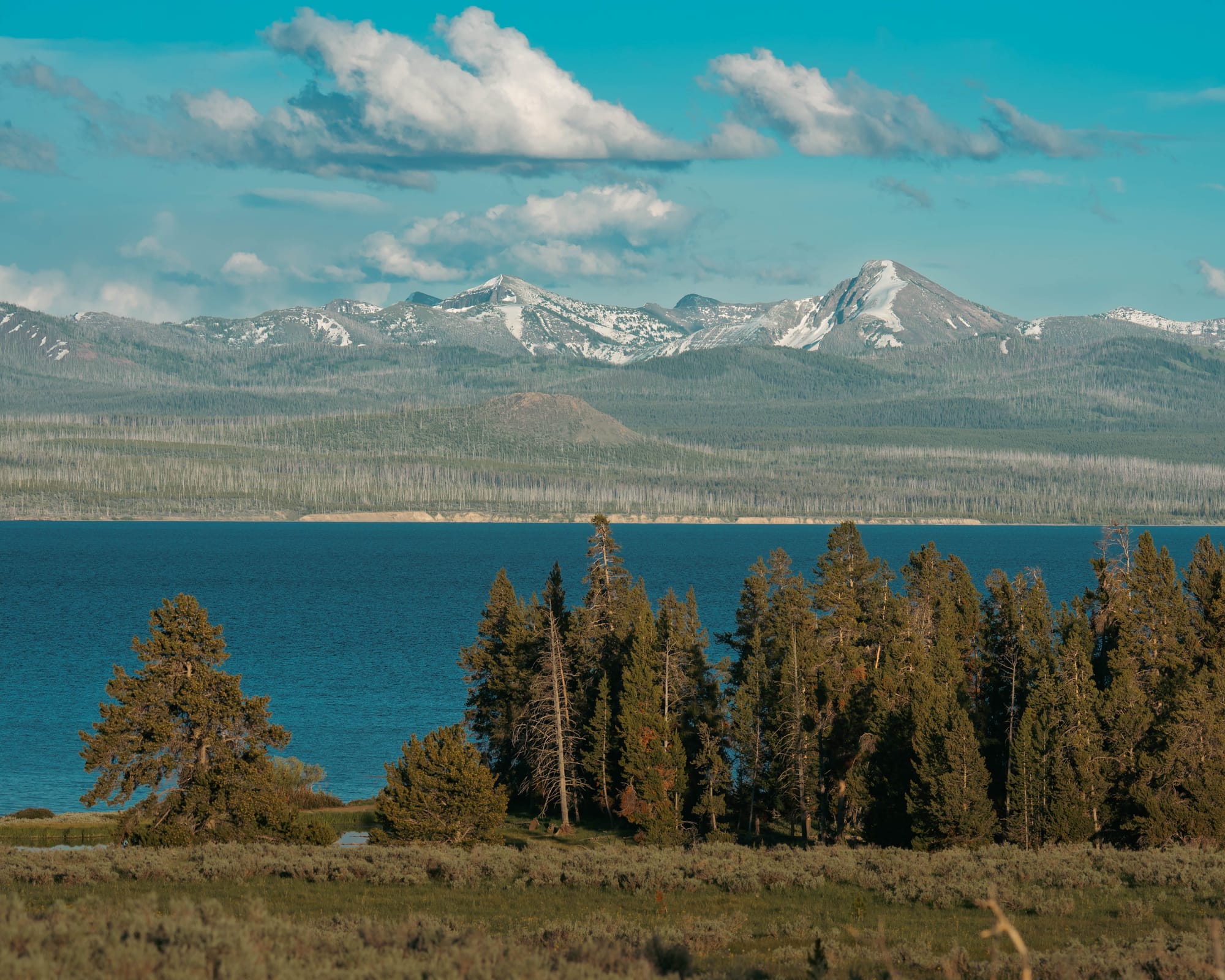
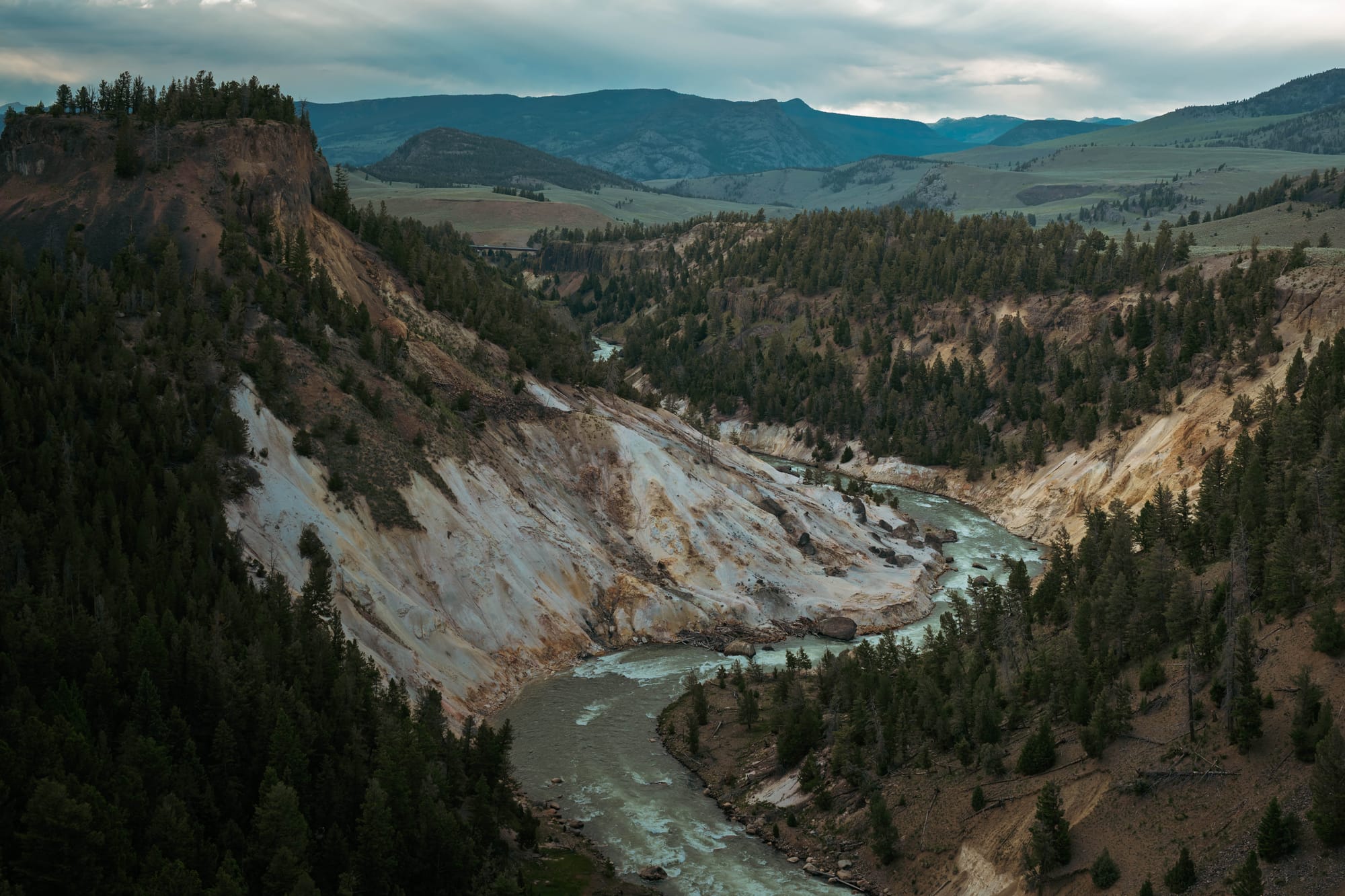
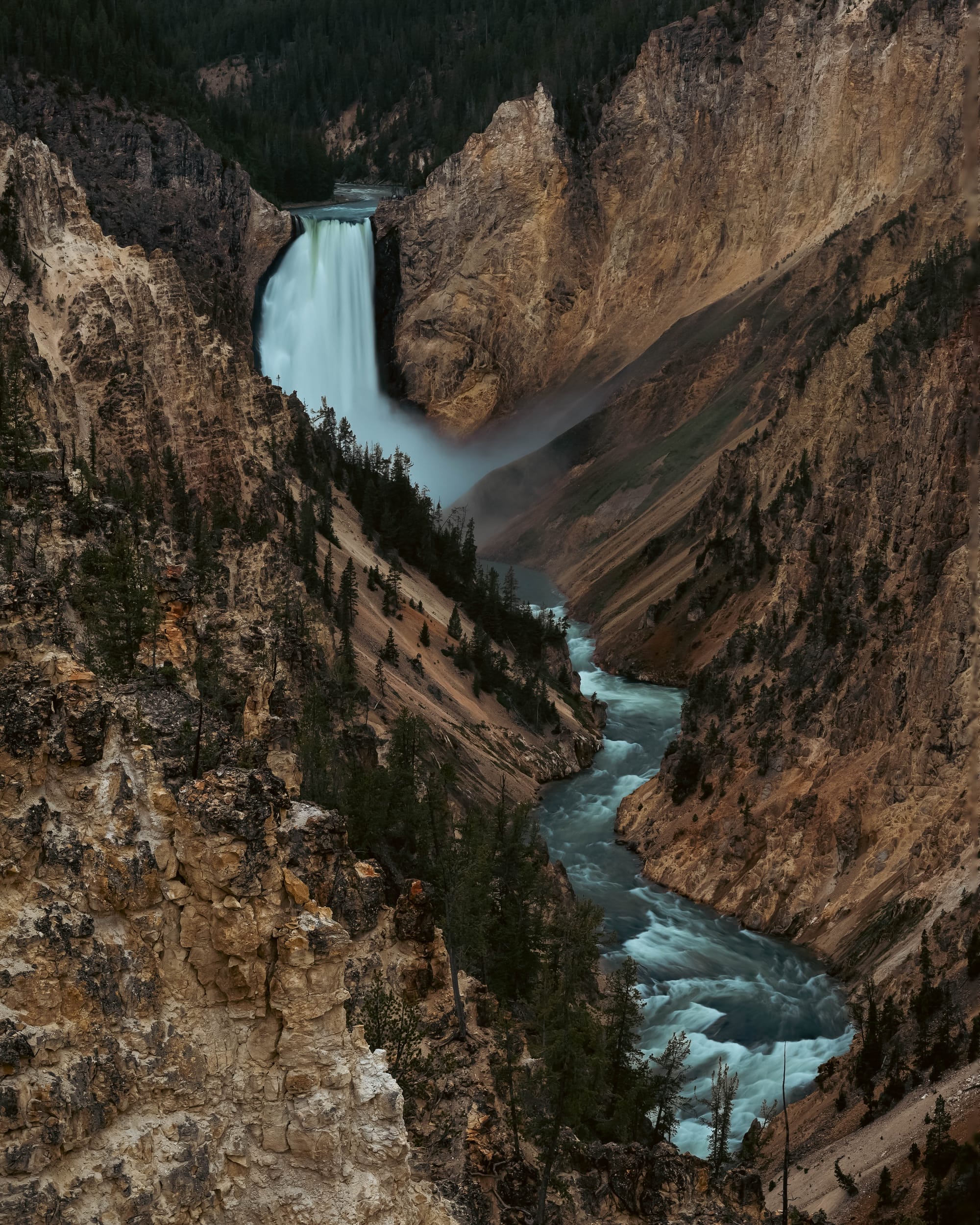
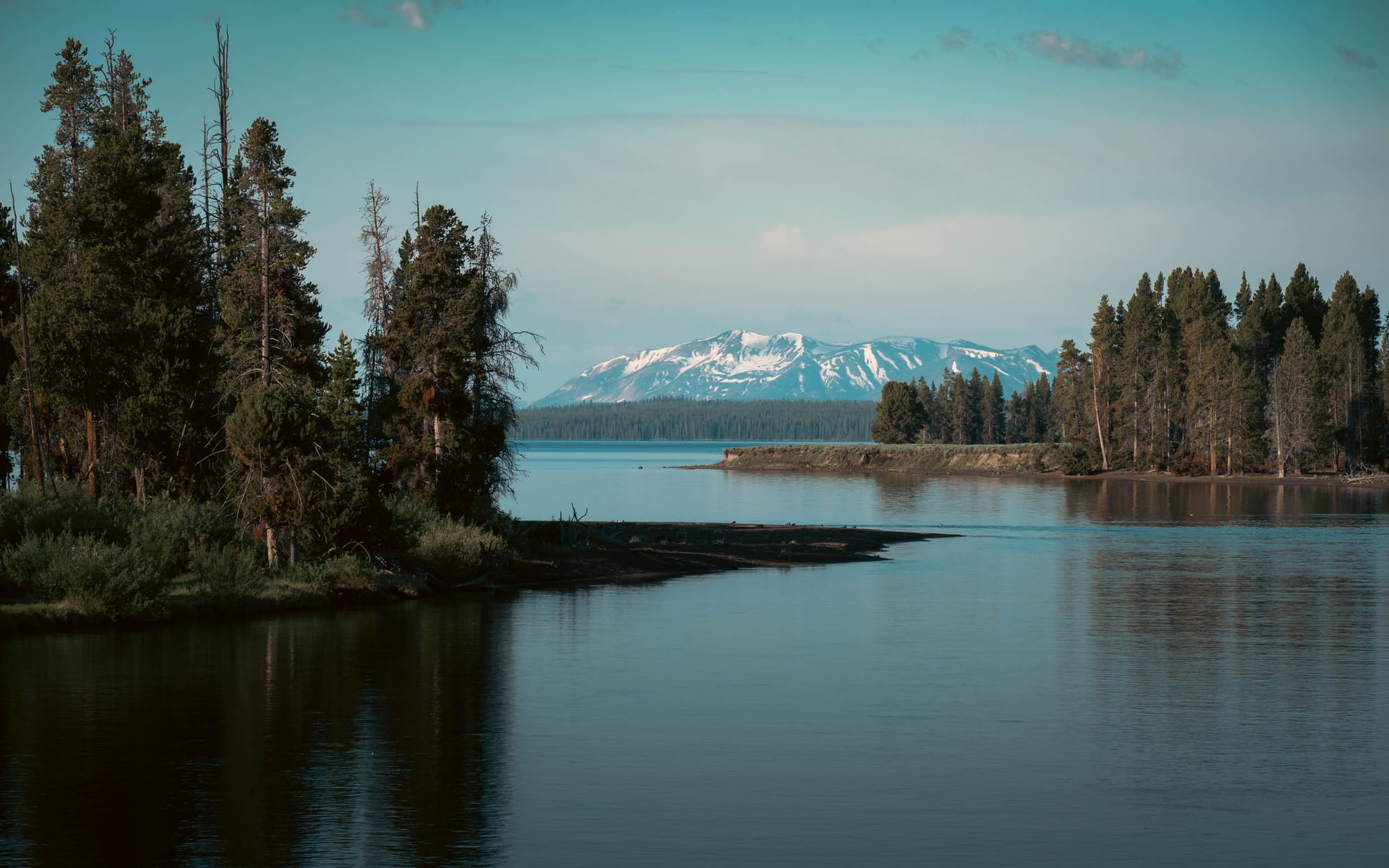
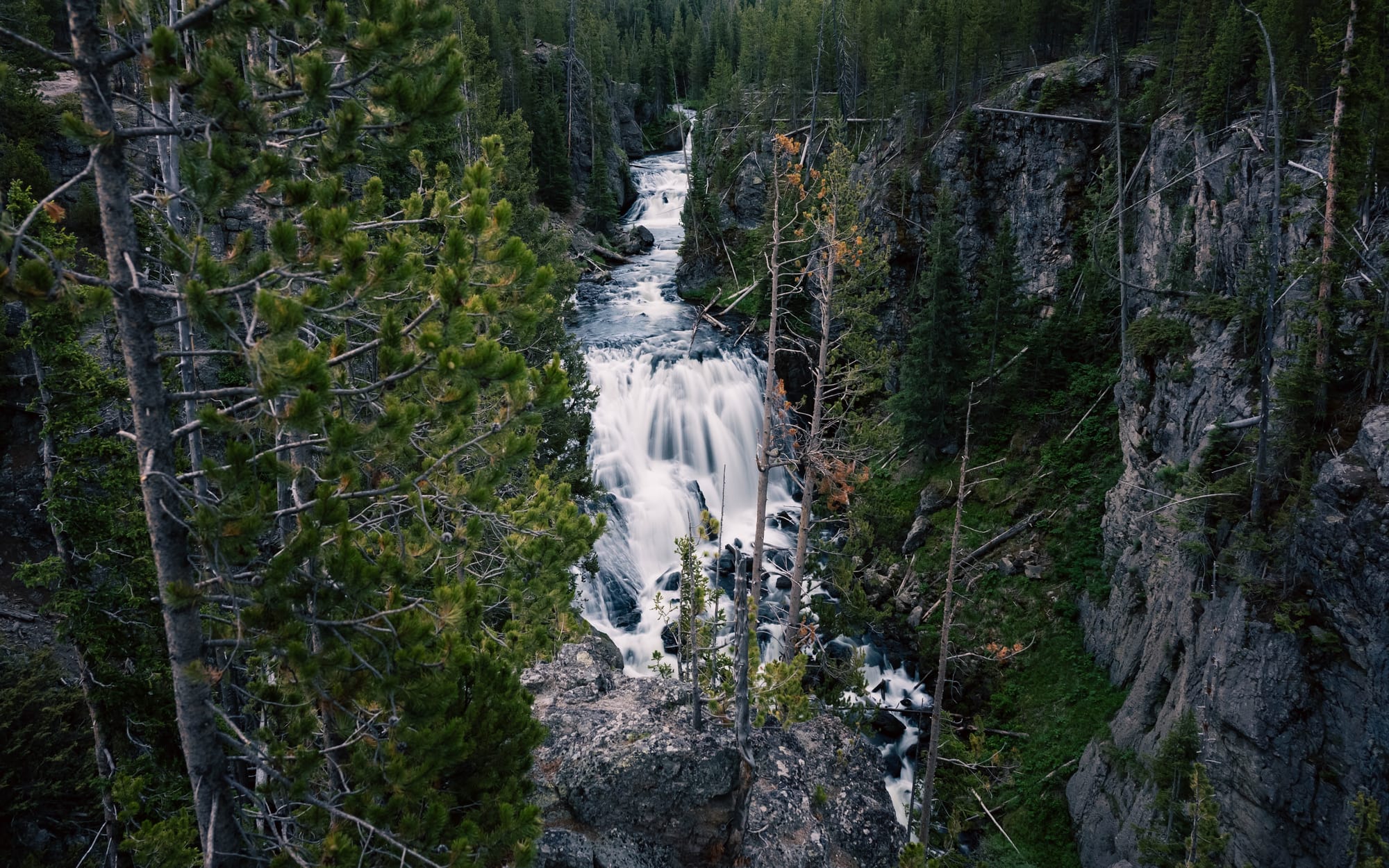
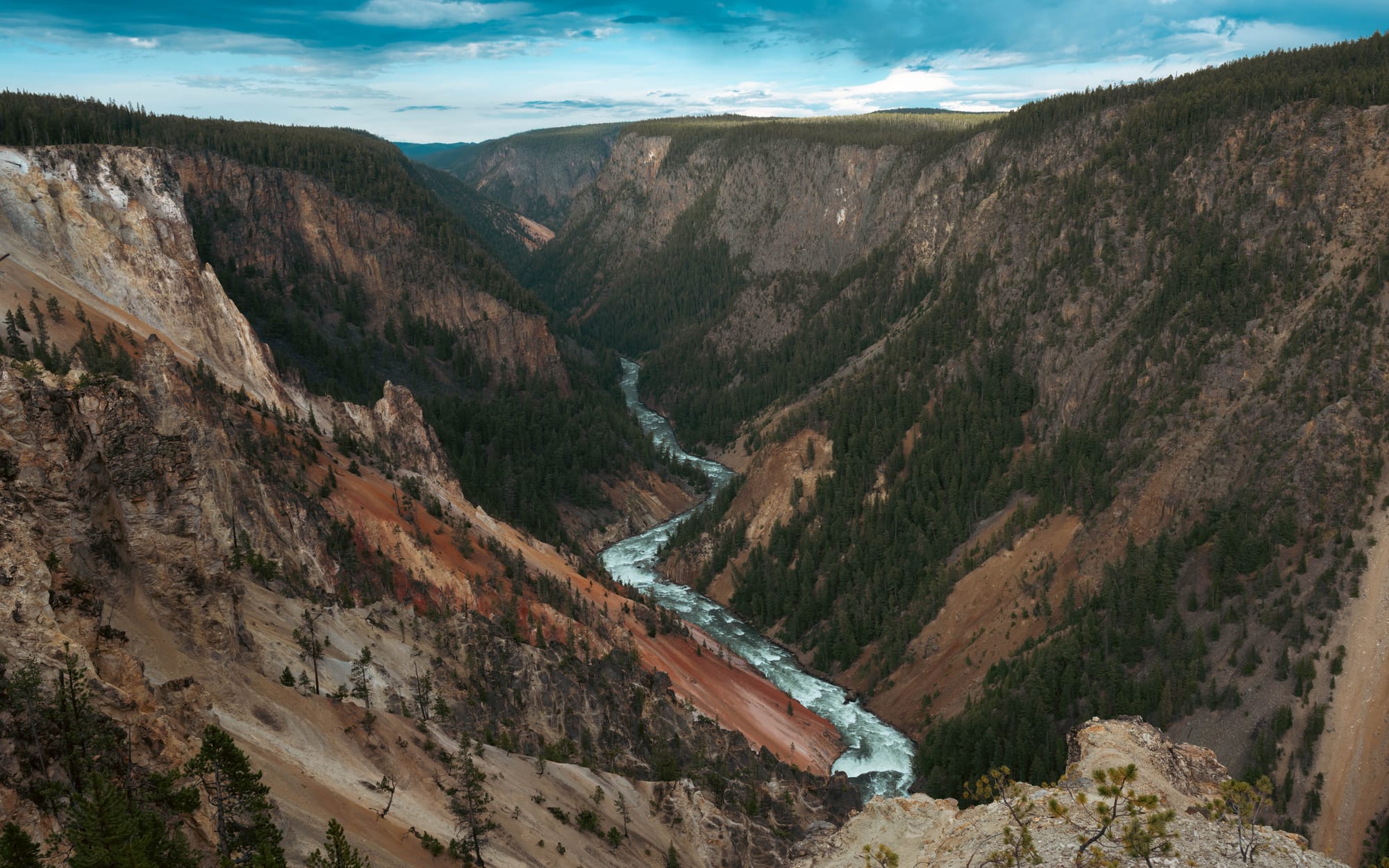
- Yellowstone Lake is the largest high-elevation lake in North America at roughly 7,733 feet above sea level.
- The Yellowstone River flows into and out of Yellowstone Lake.
- Lower Falls drops 308 feet.
- Shoshone Lake is the largest backcountry lake in the contiguous United States without road access.
Mountains and High Country
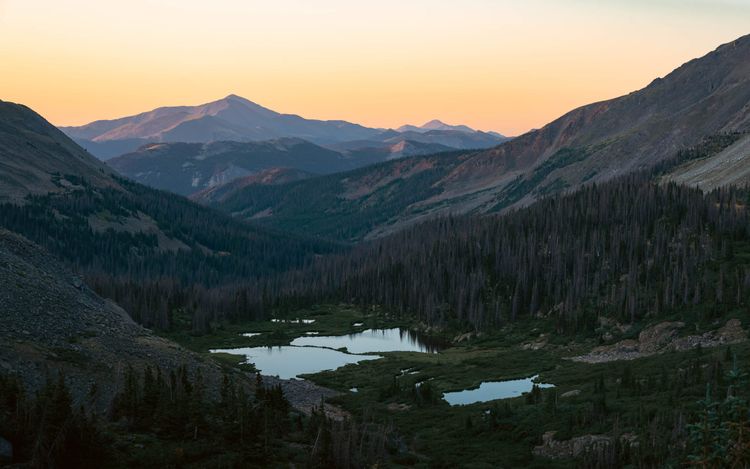
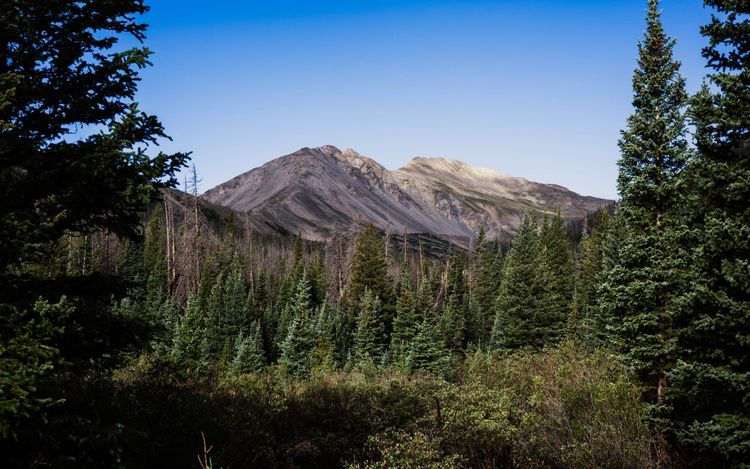
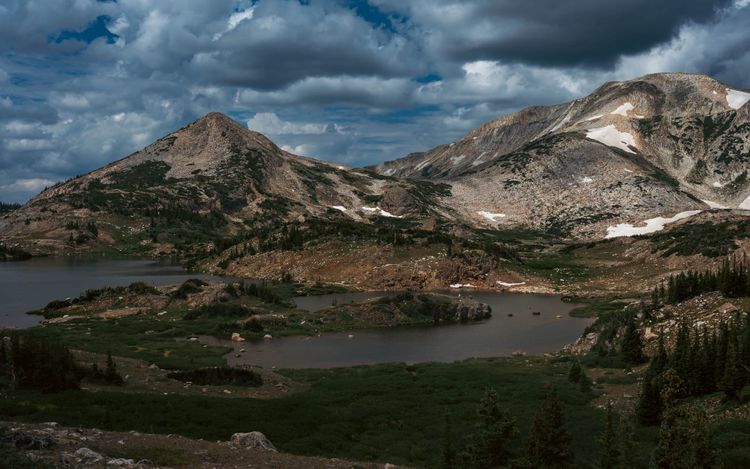
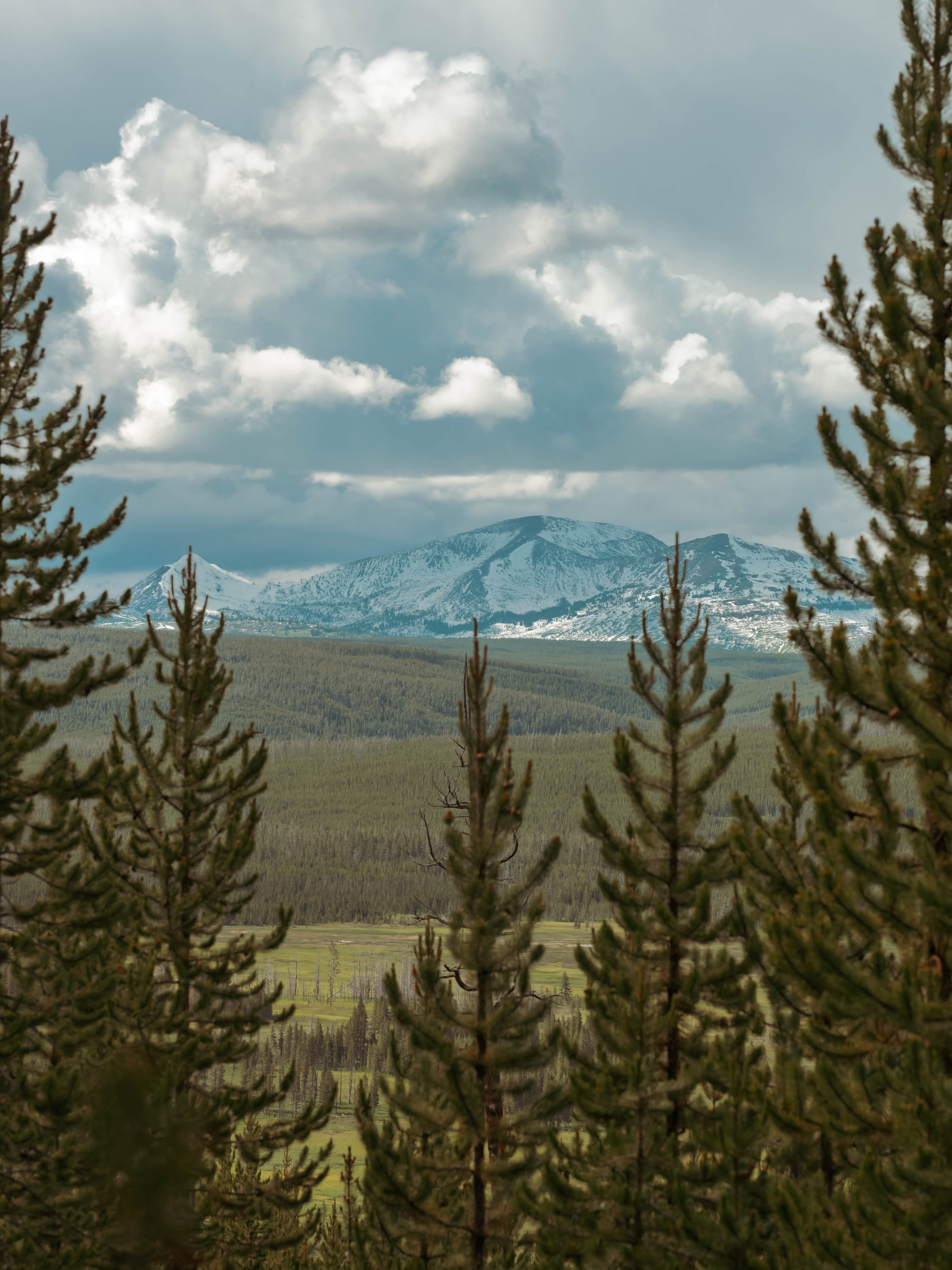
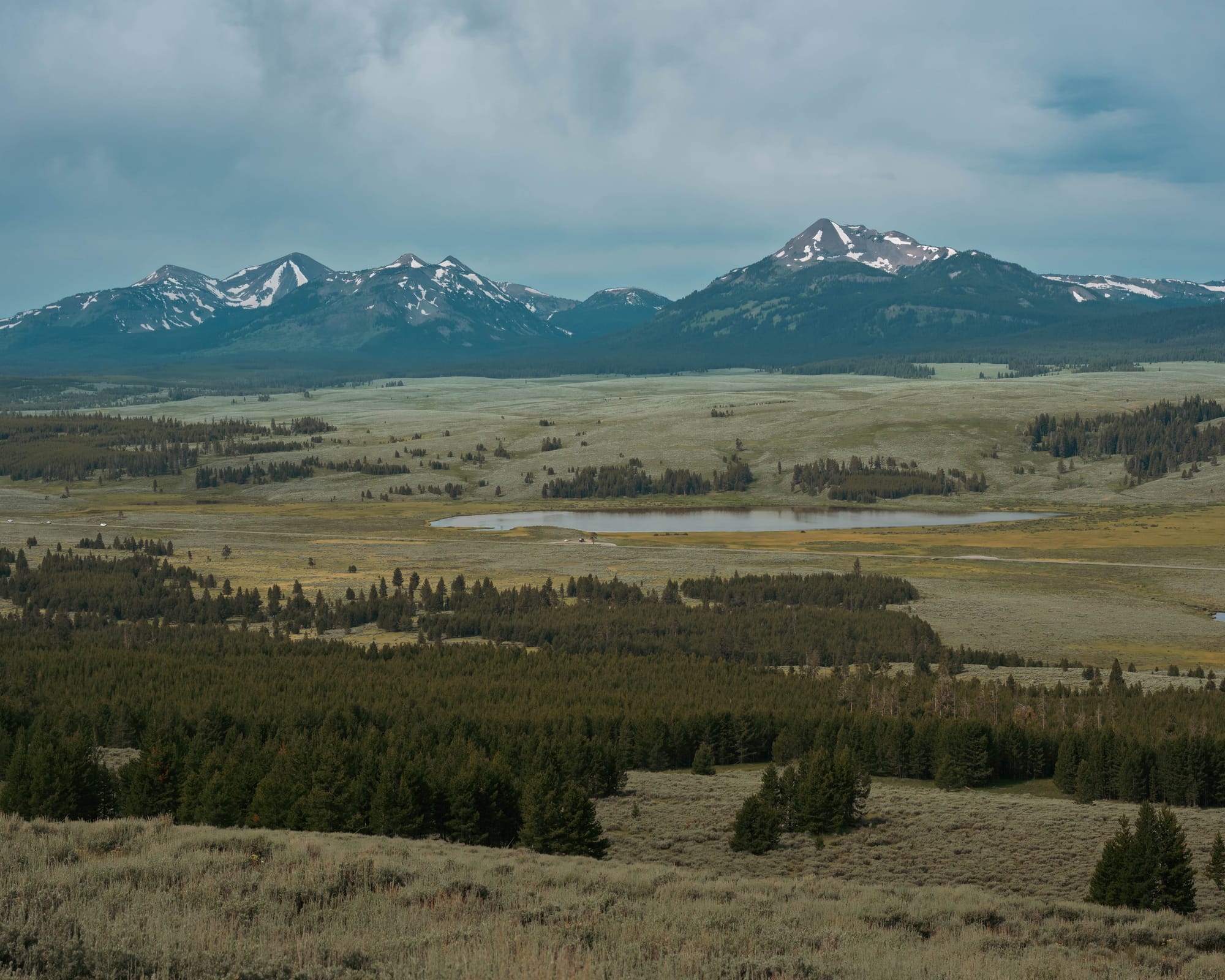
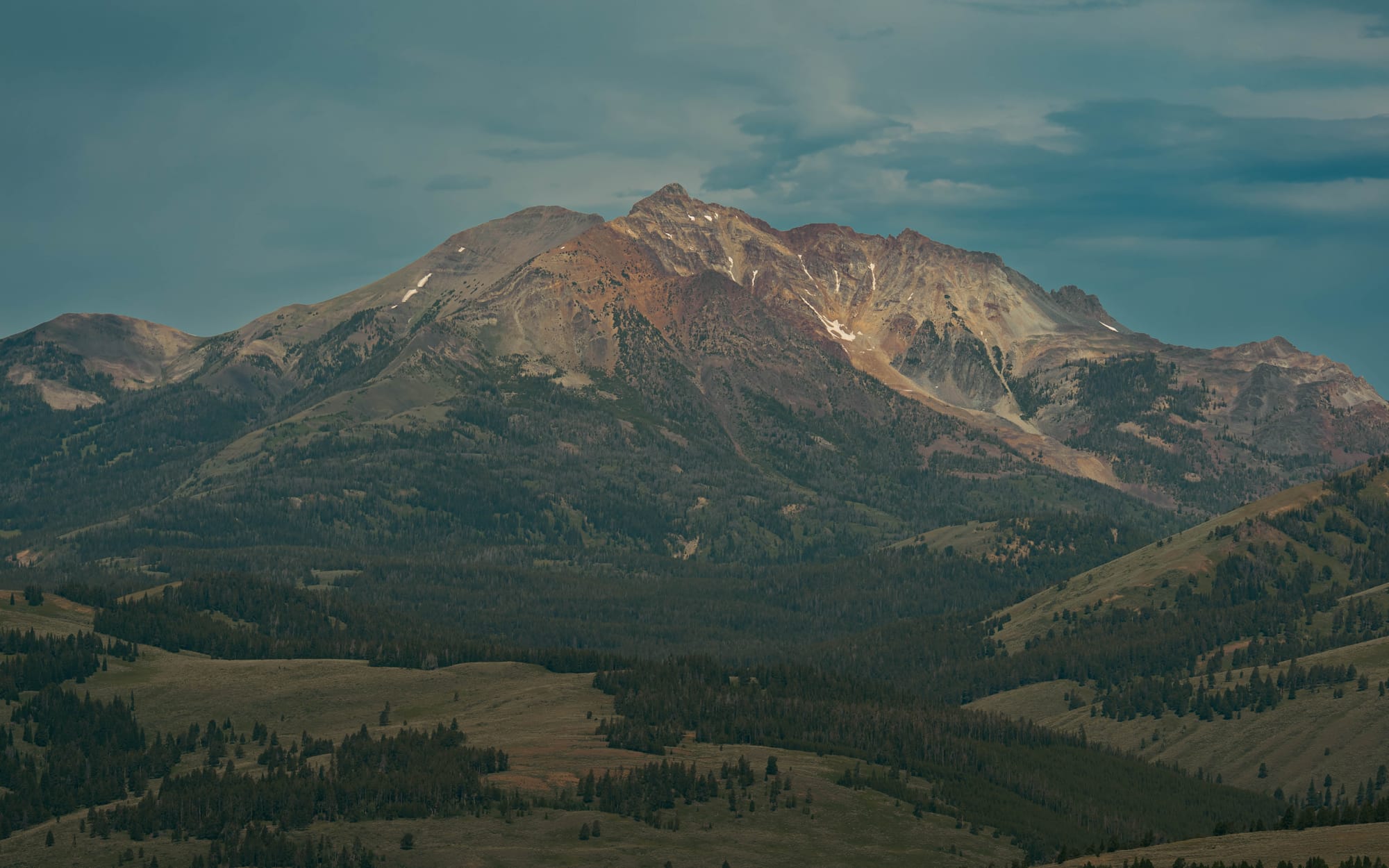
Yellowstone’s high country showed us the scale that was impossible to grasp from the road. Every summit pulled the lake, valleys, forests, and surrounding ranges into the same frame.
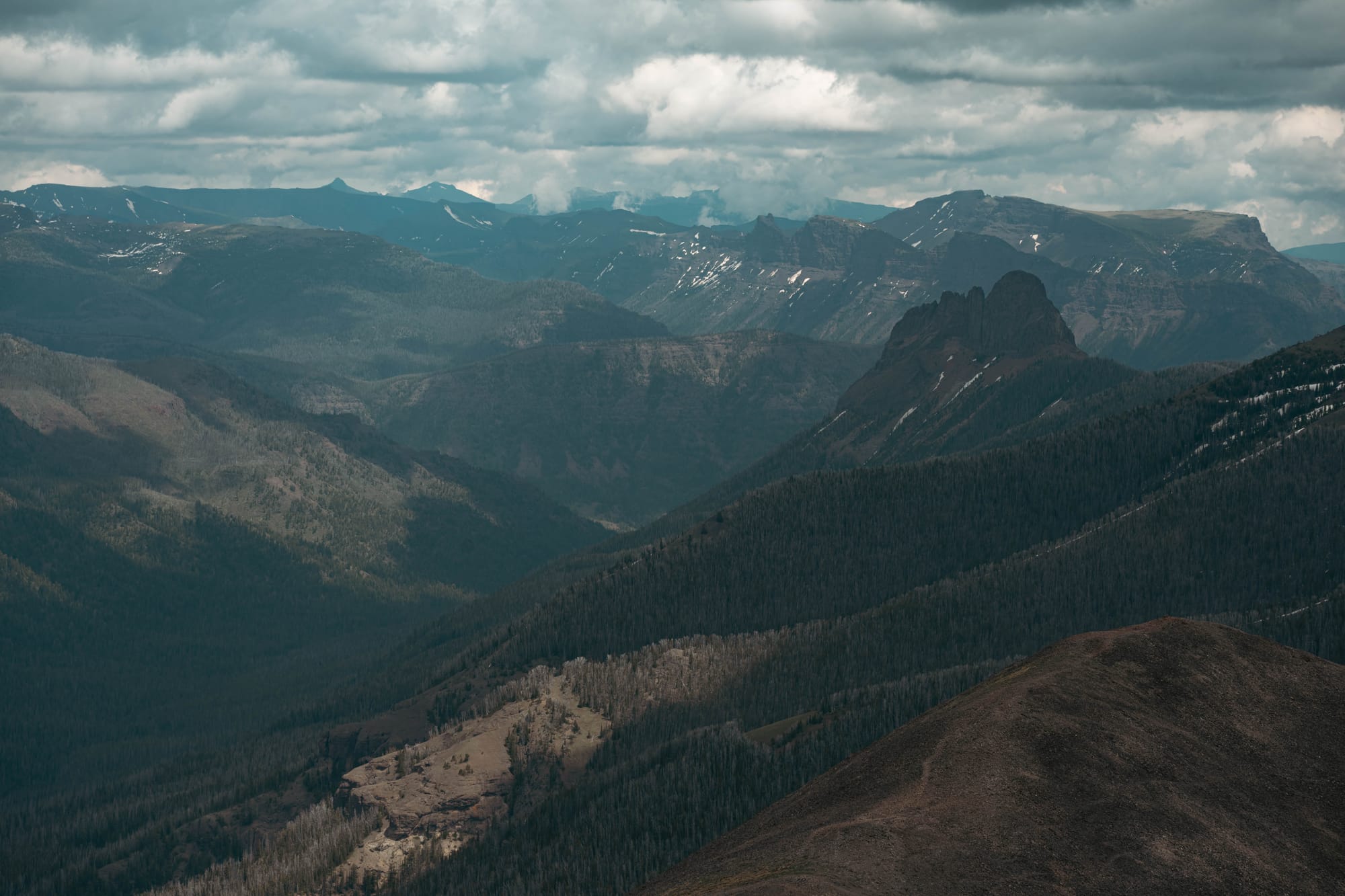
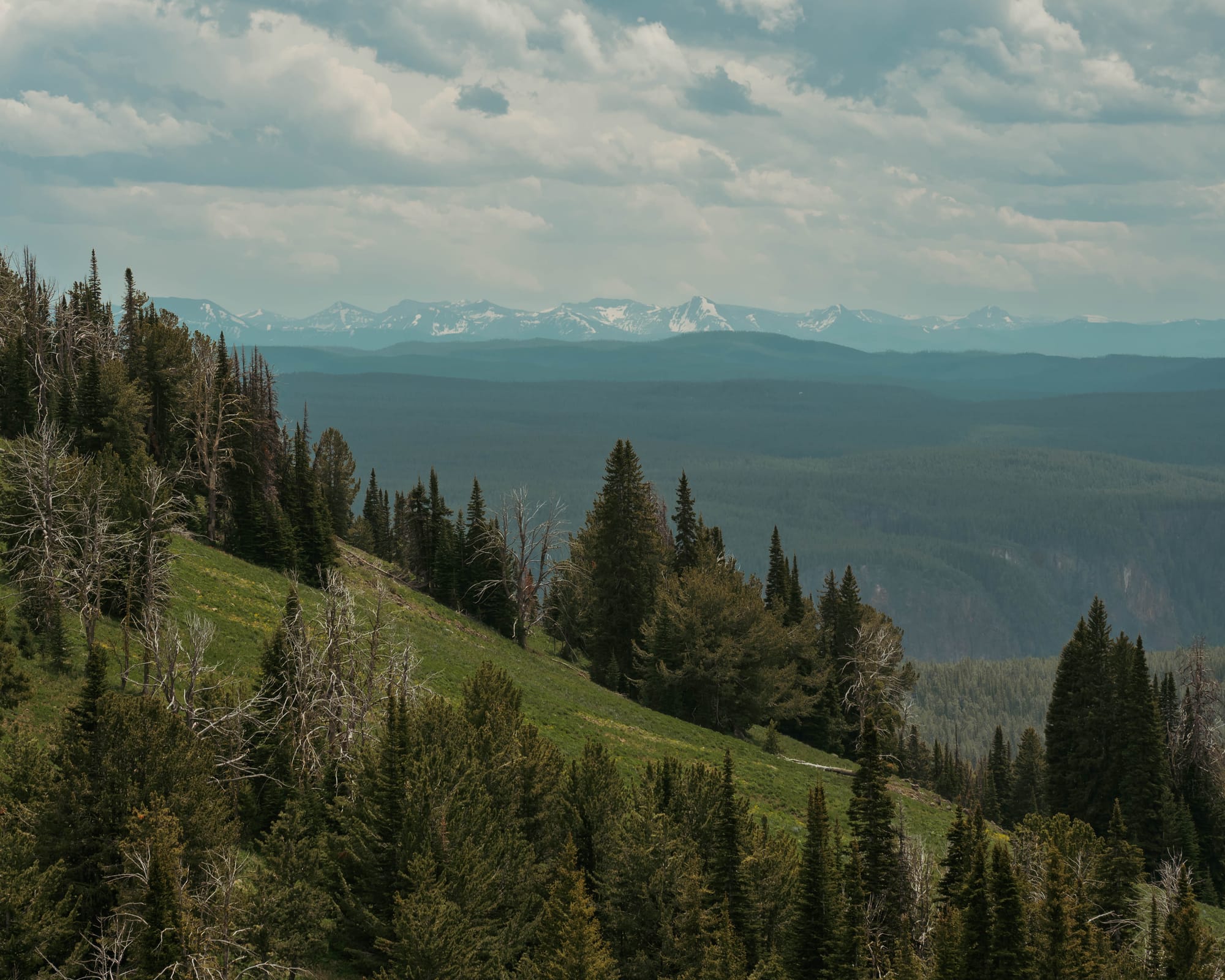
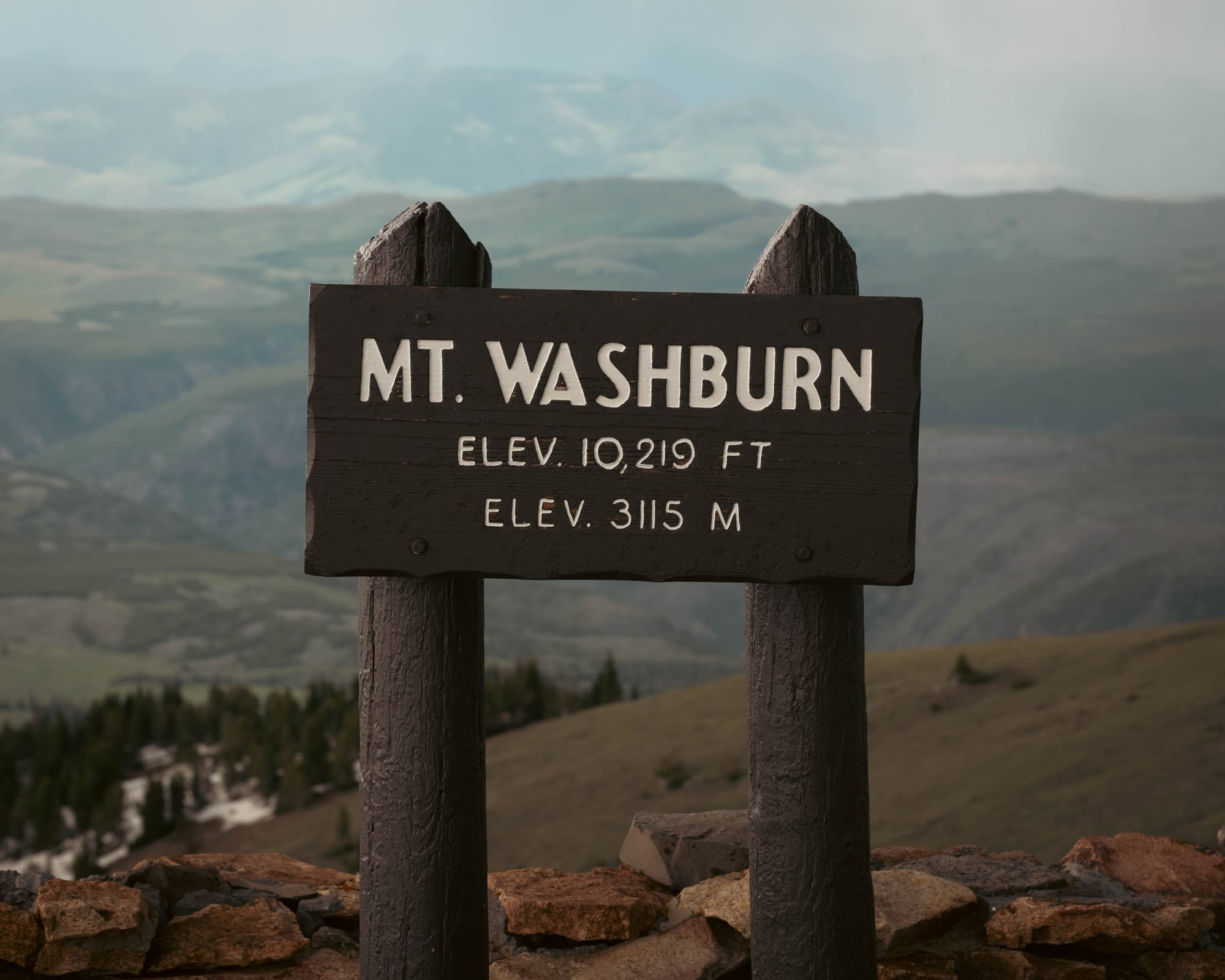
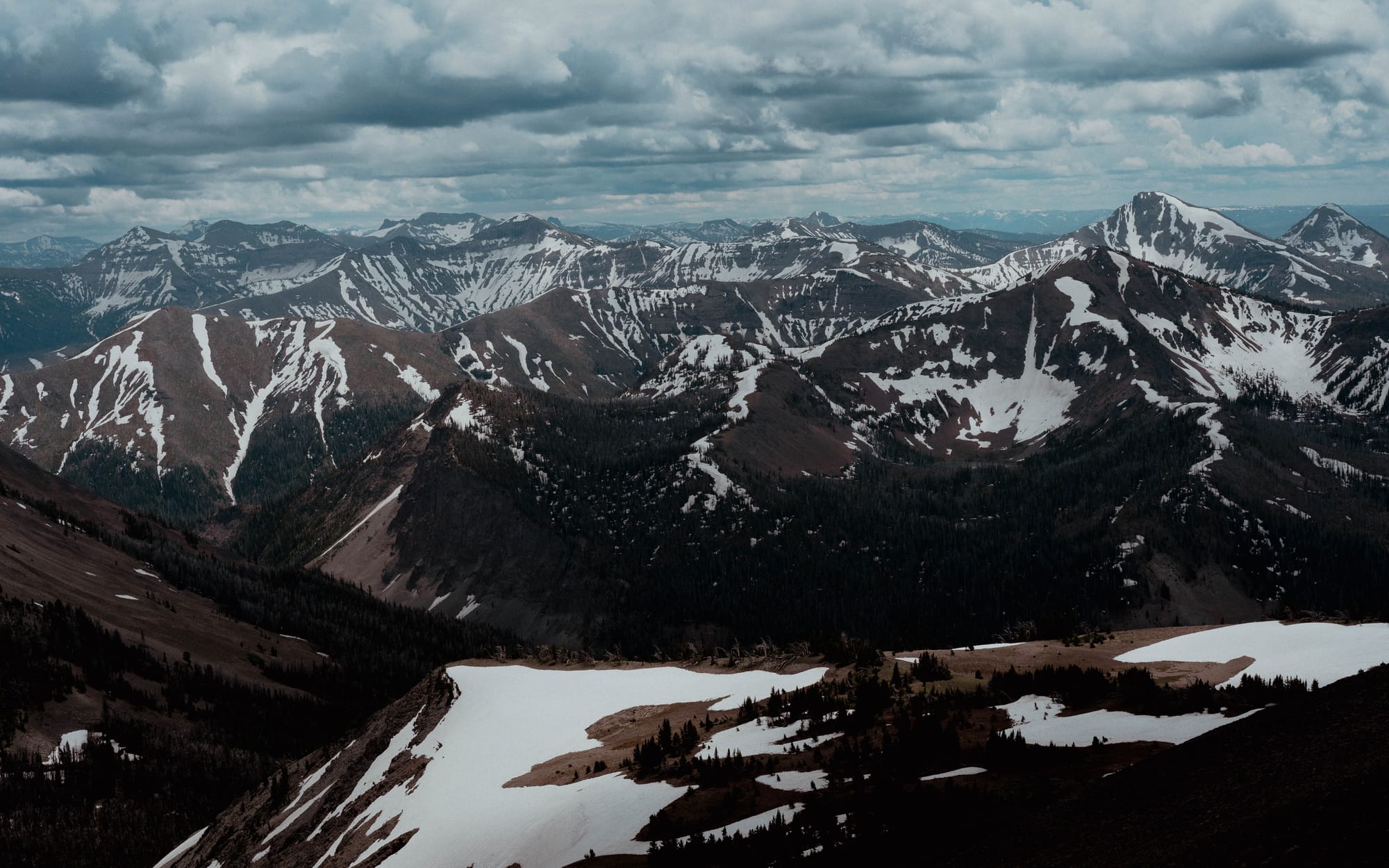
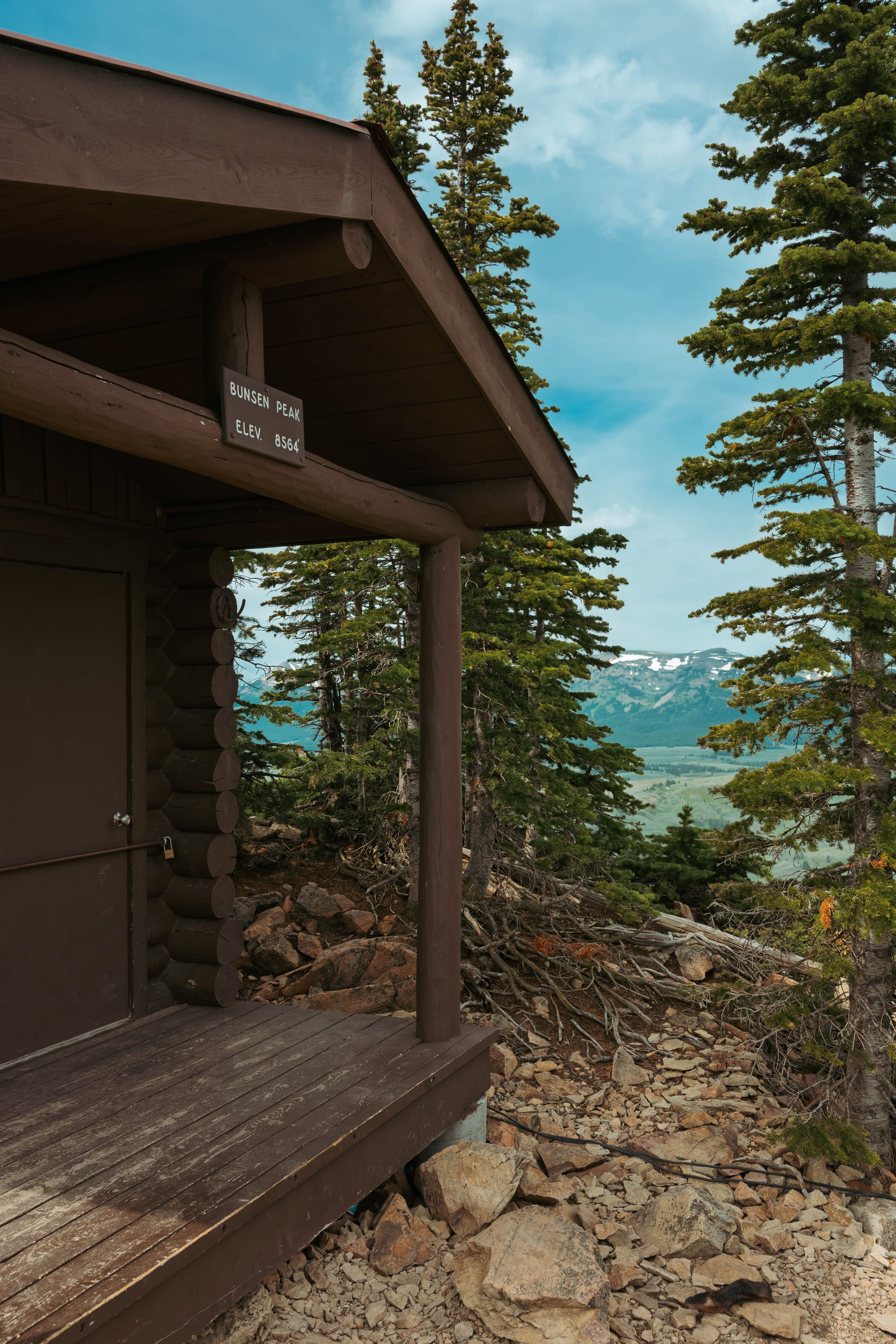
- Yellowstone includes more than 50 named peaks above 10,000 feet.
- Eagle Peak is the park’s highest point at 11,358 feet.
- Mount Washburn rises from the remnants of an ancient volcanic system.
- The Yellowstone Plateau sits high enough that even valleys often lie above 6,000 feet.
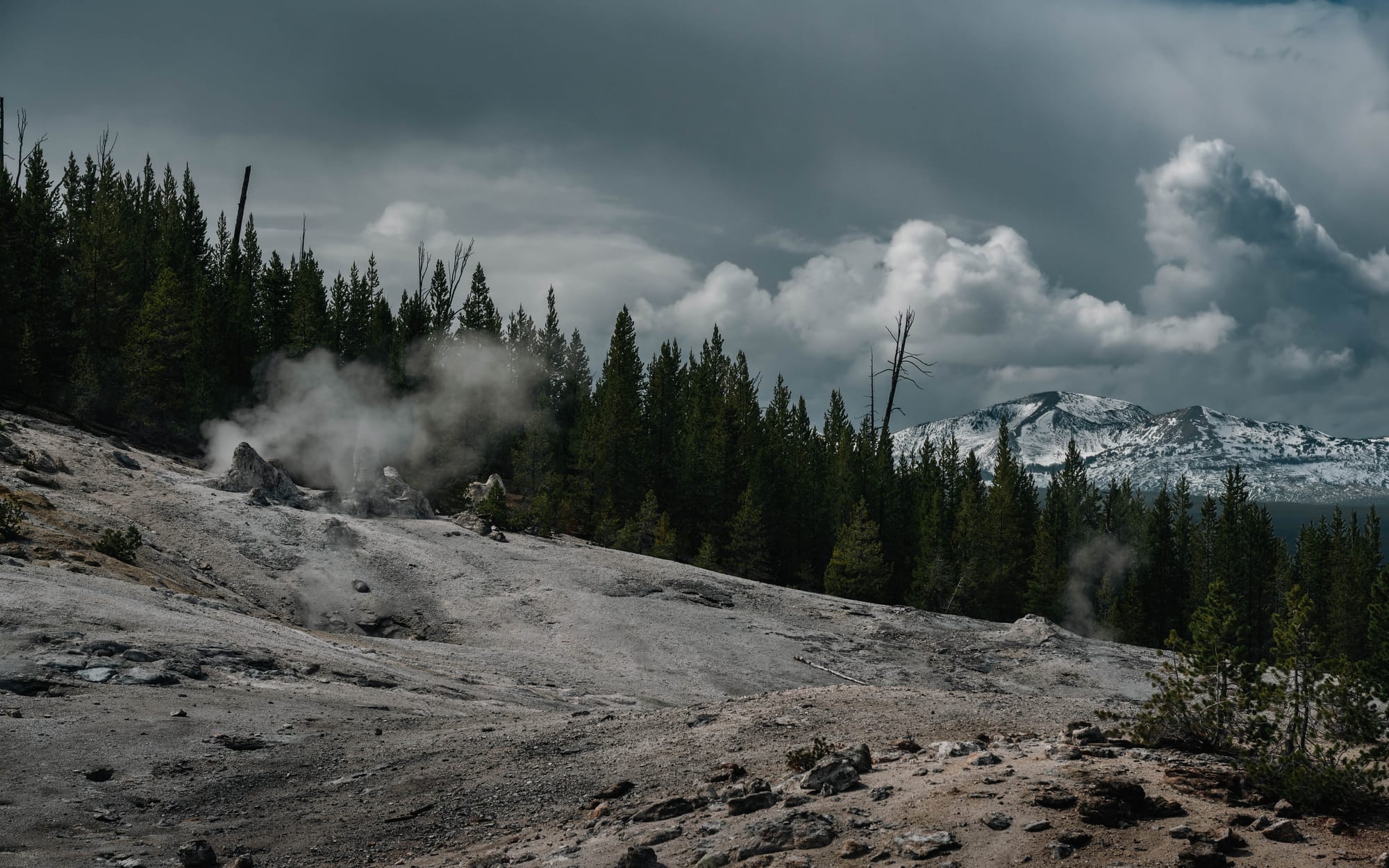
Living Ground
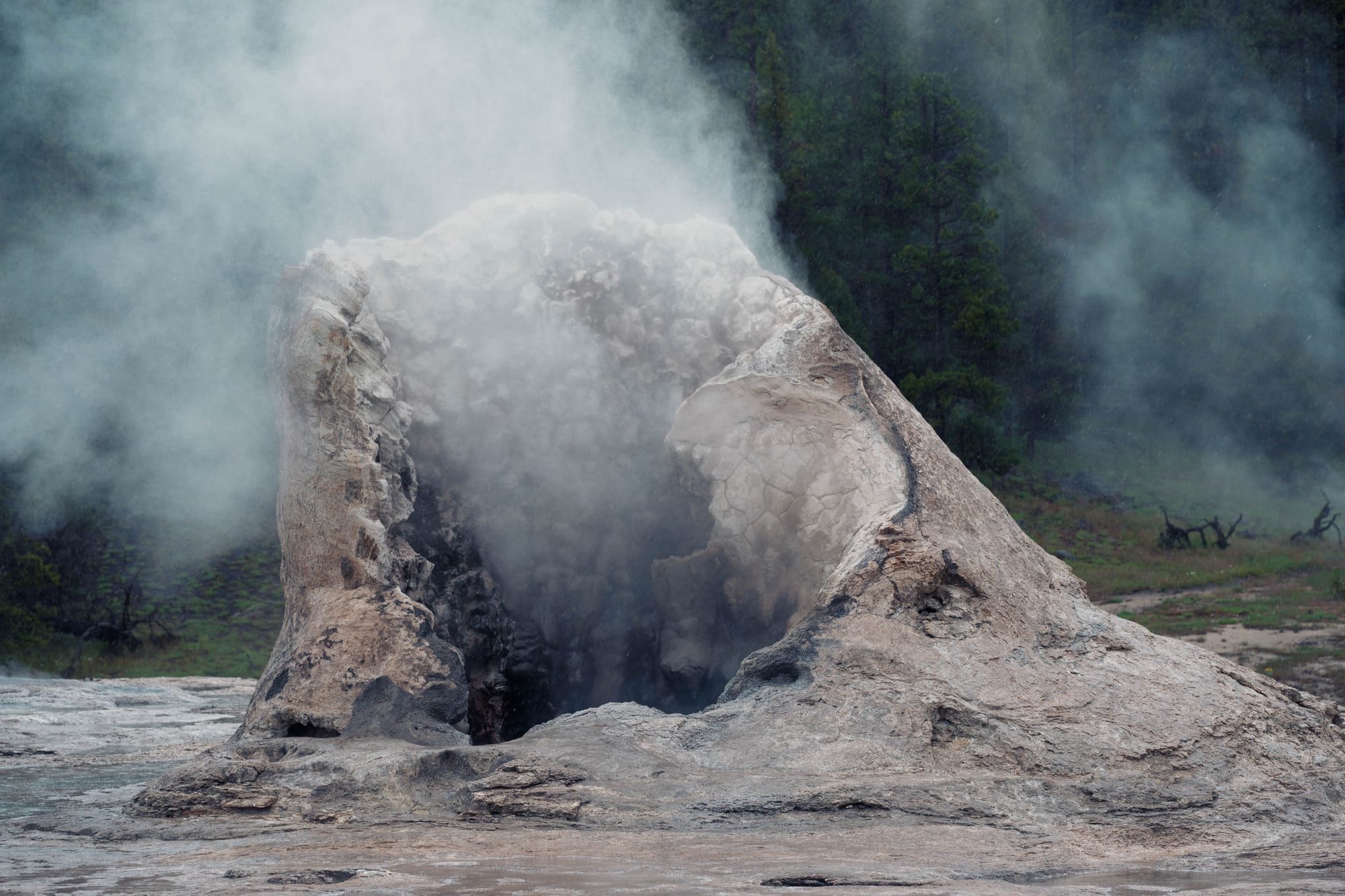
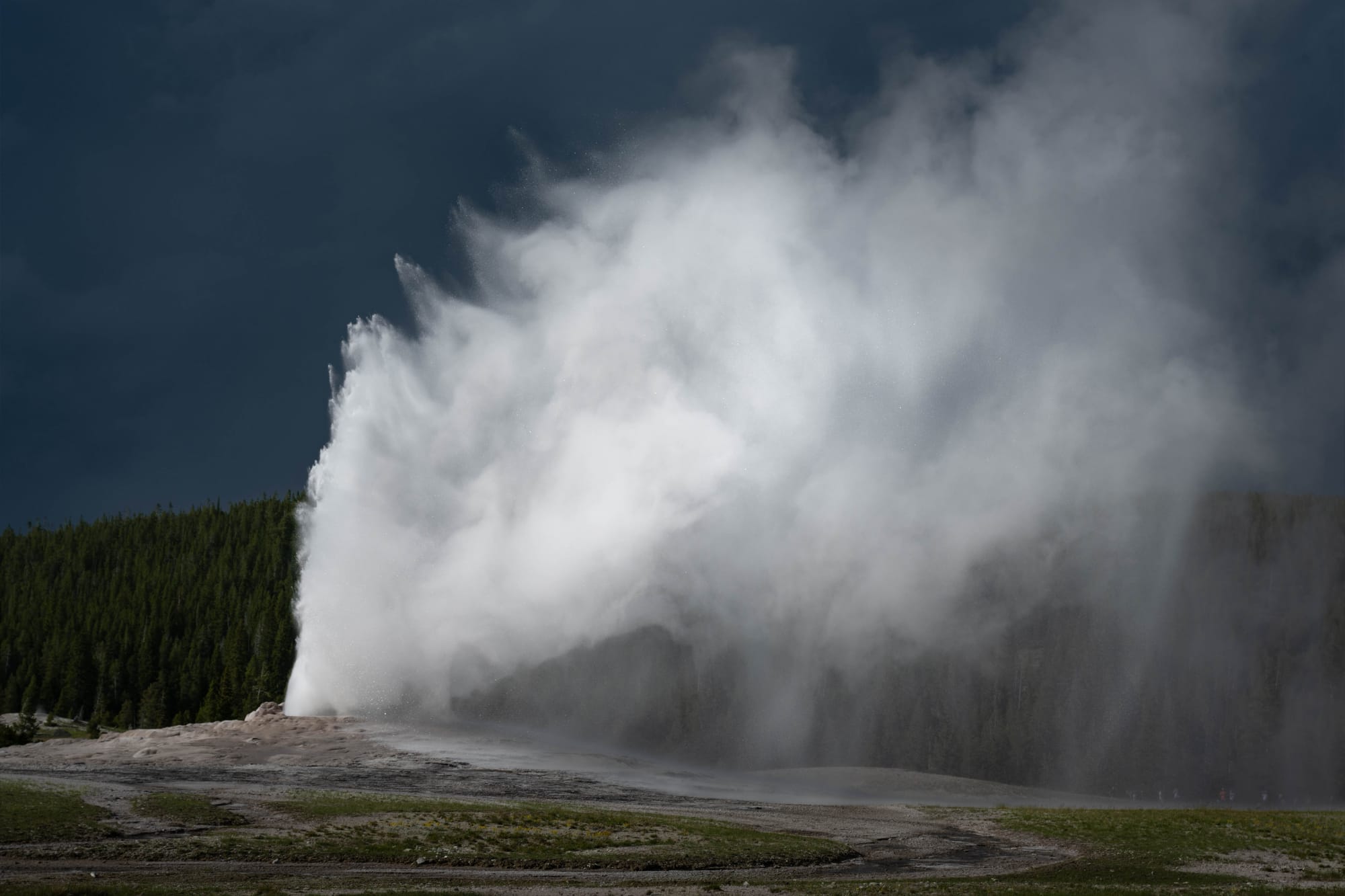
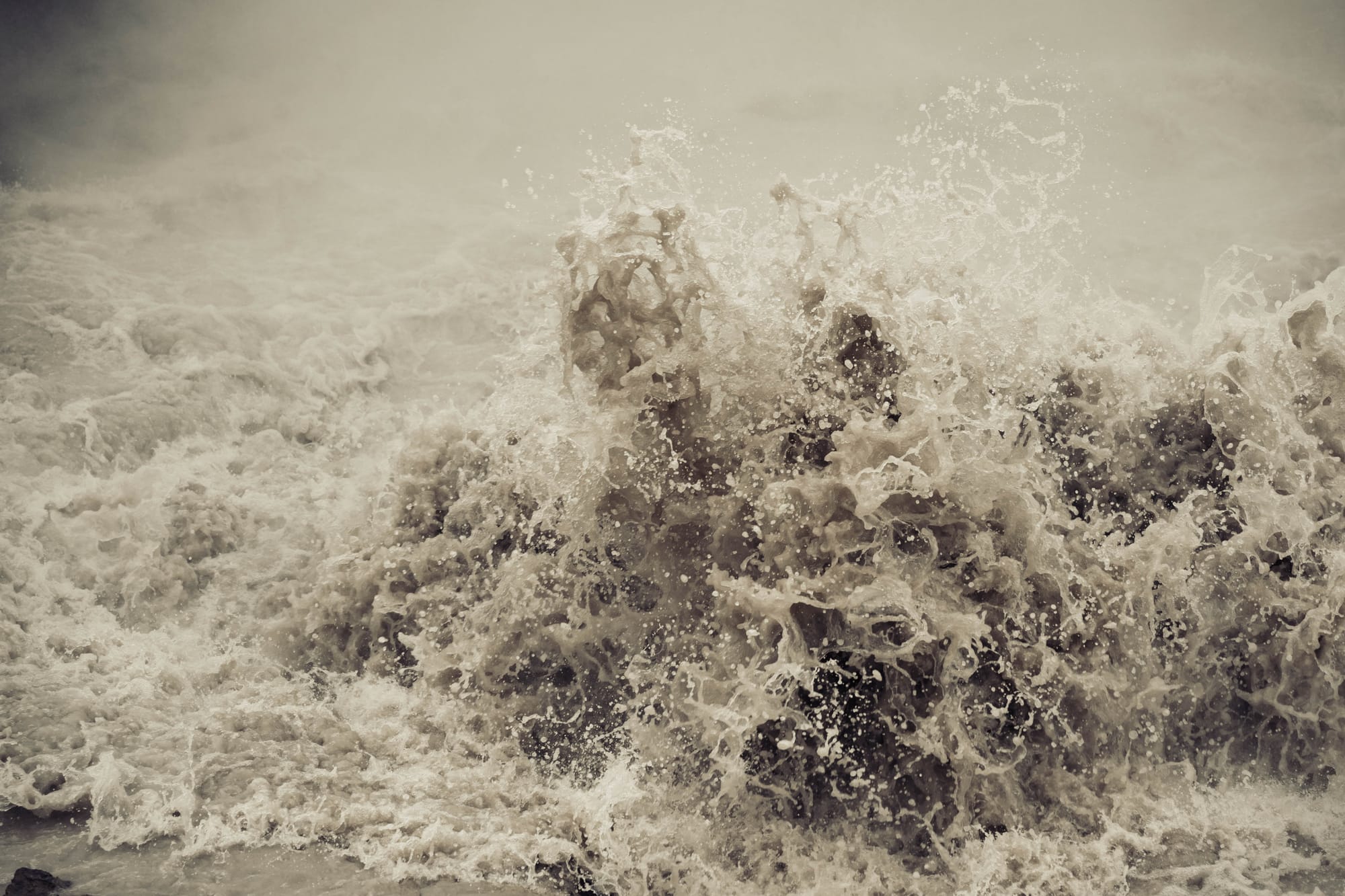
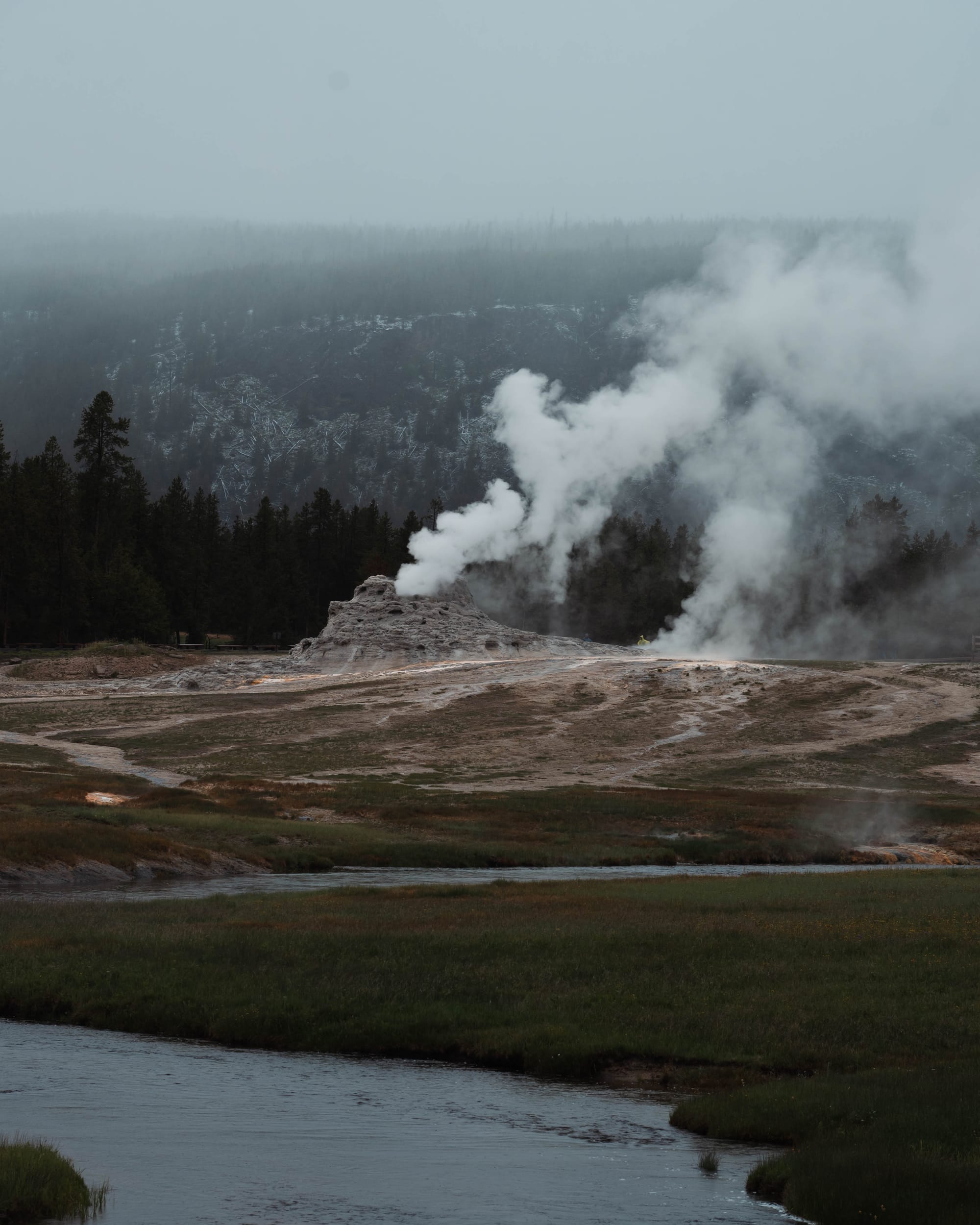
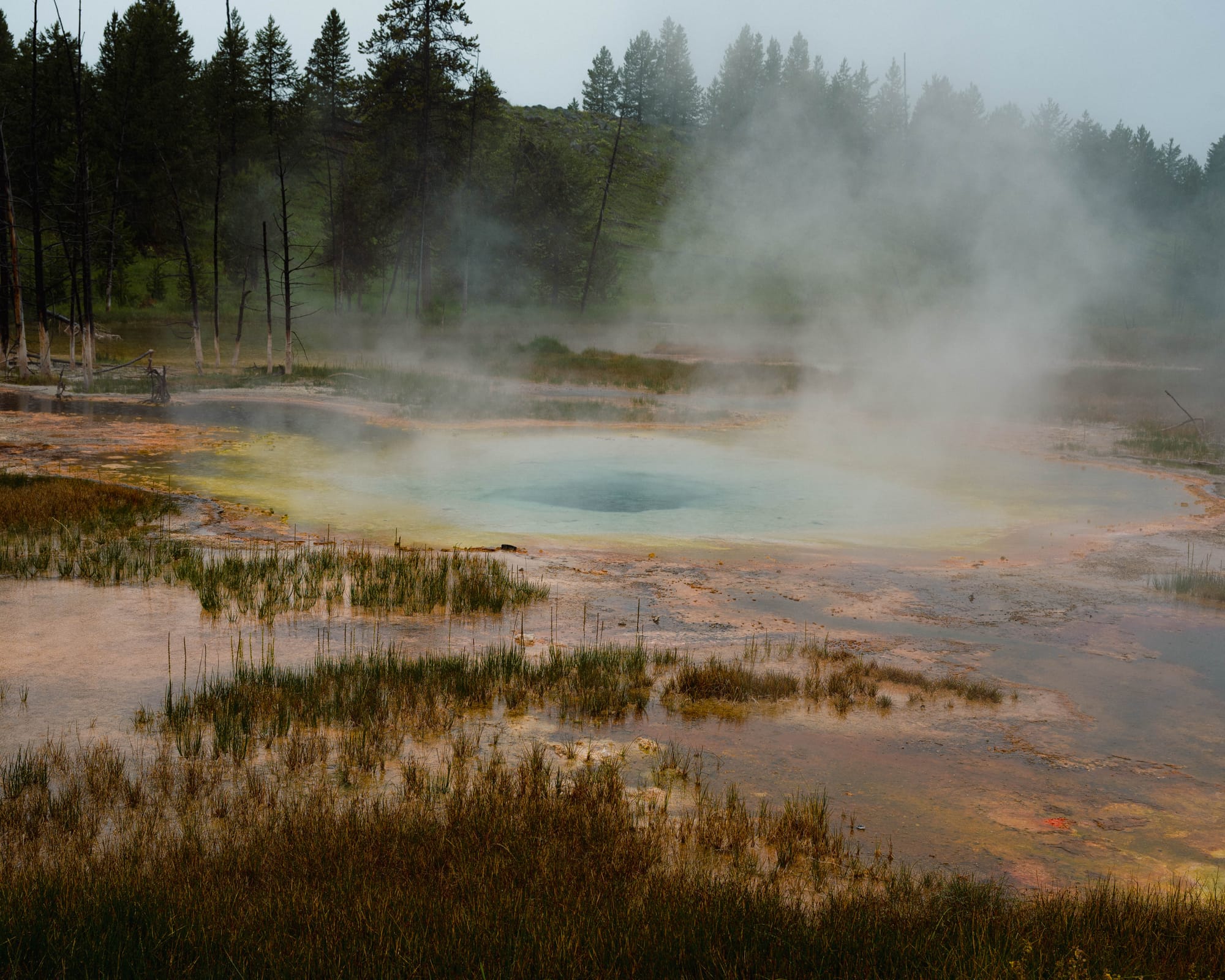
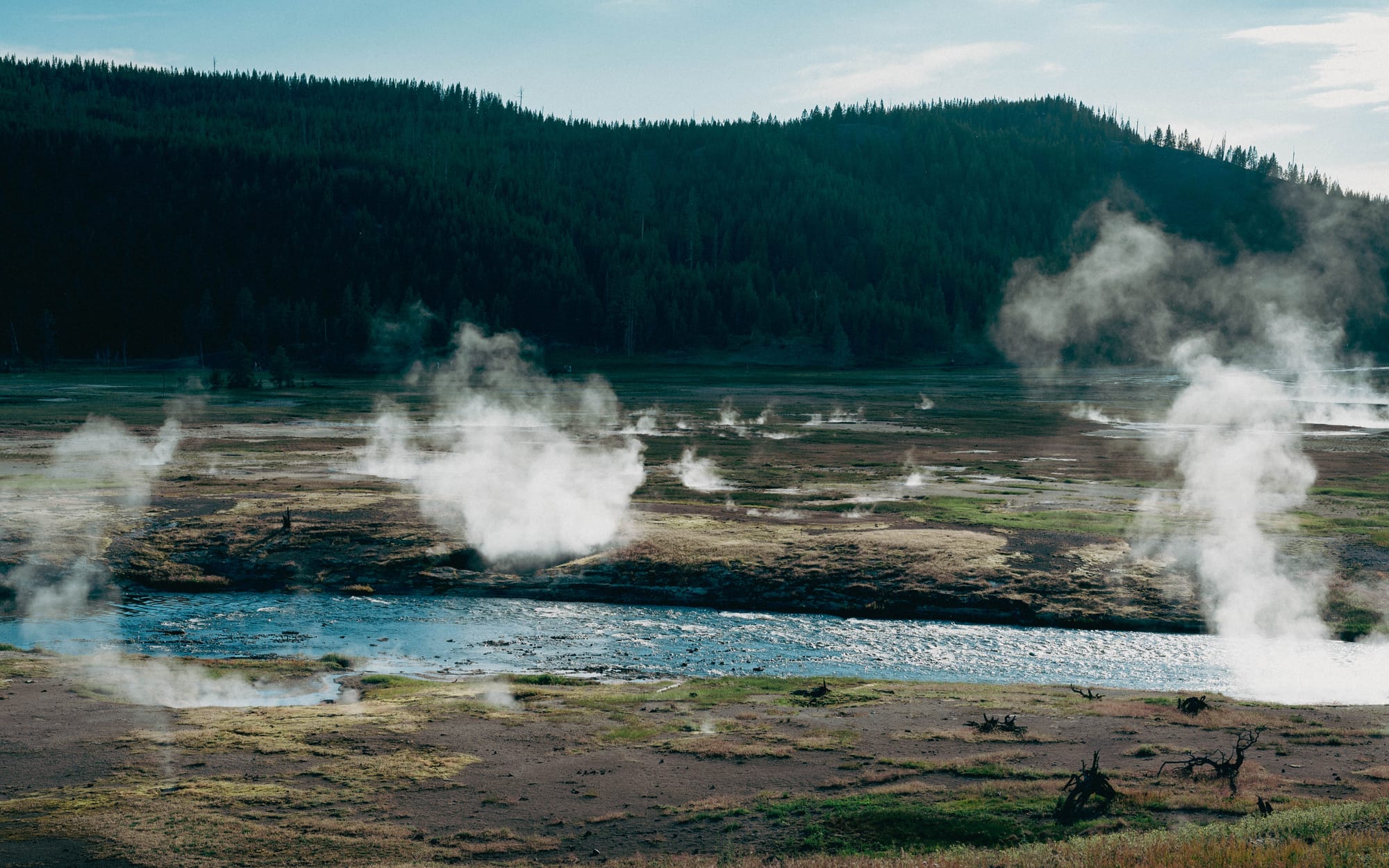
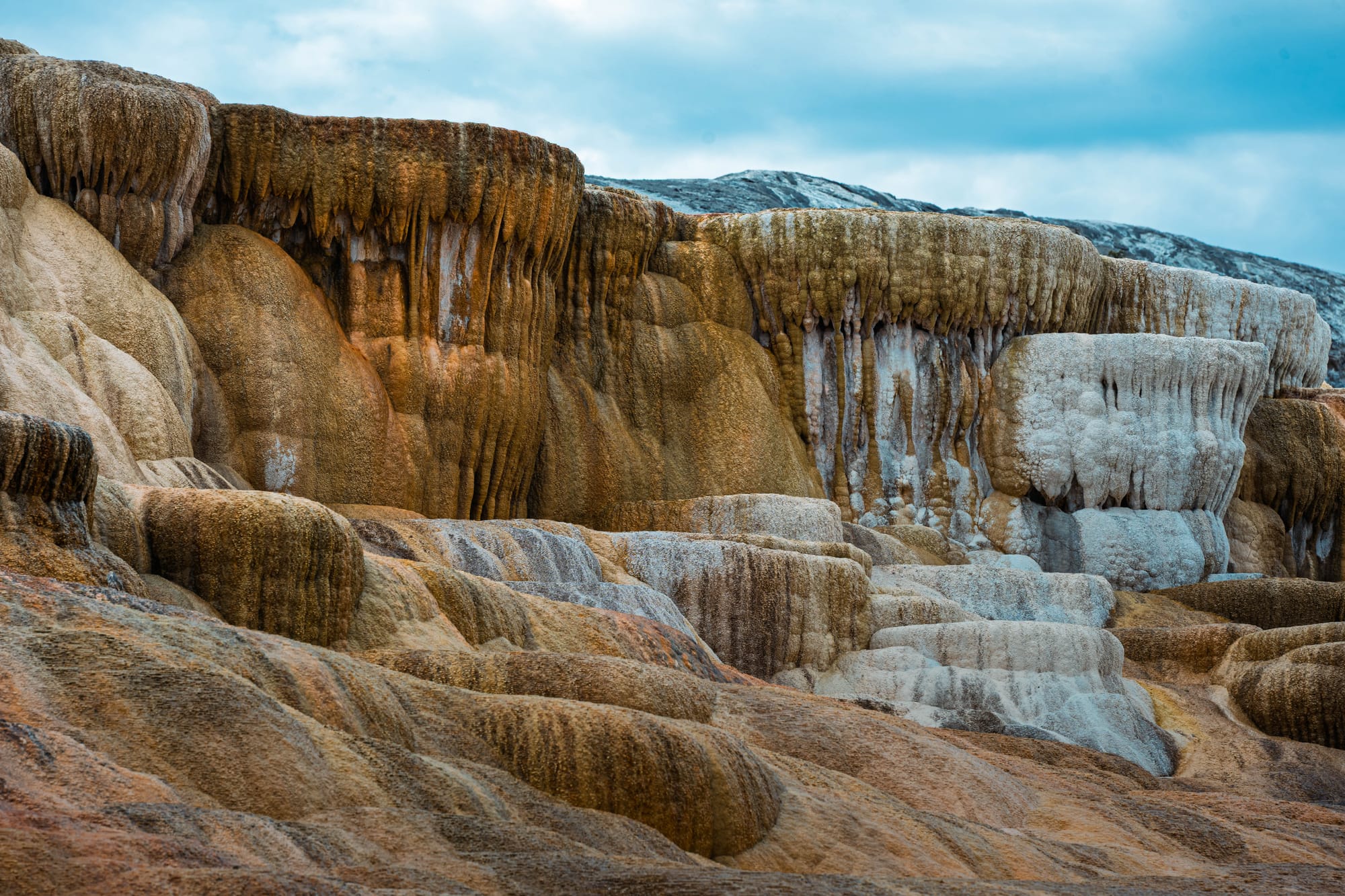
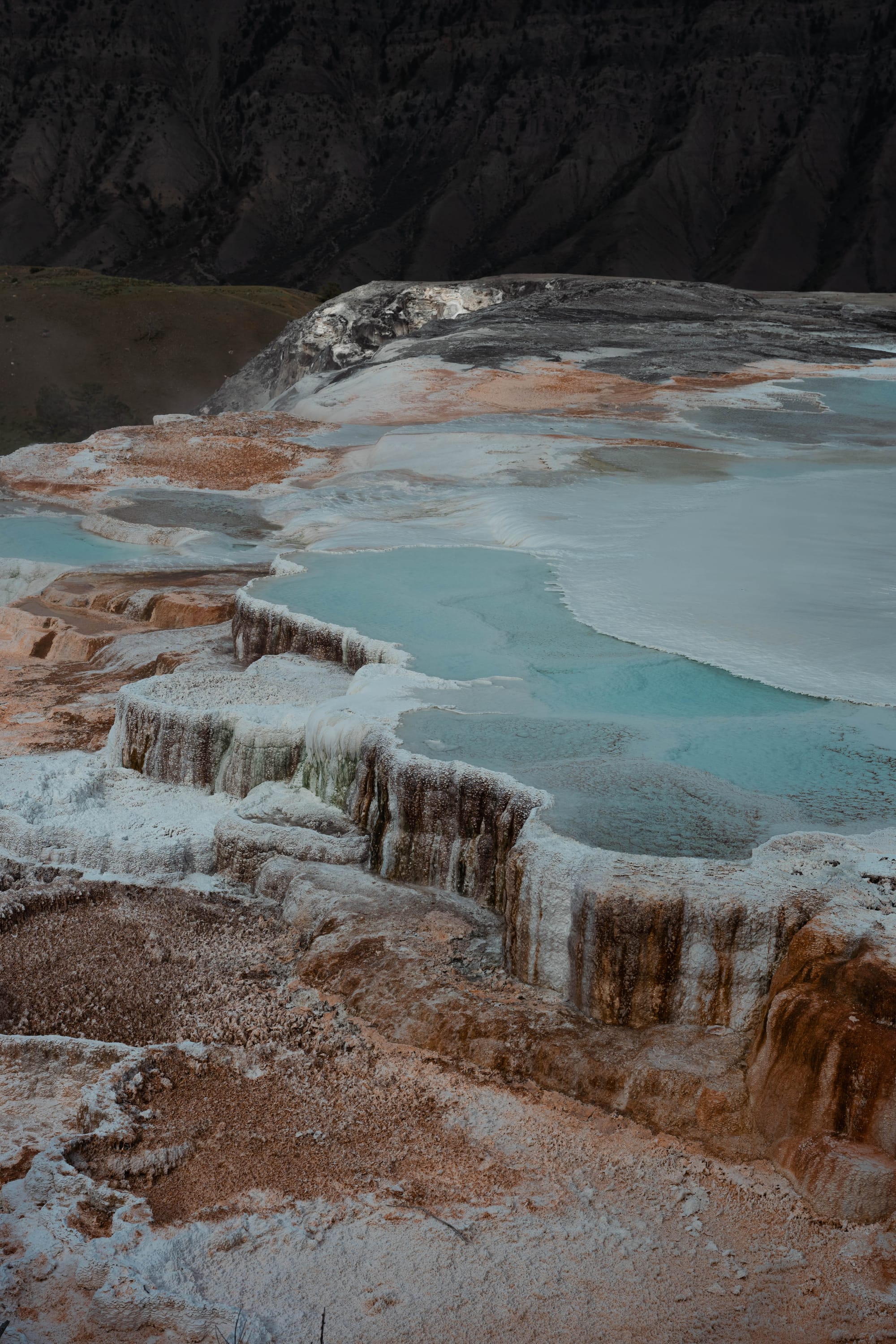
Yellowstone’s geothermal features are the most visible signs of the heat below the park. The wide views are impressive, but the details often reveal more: mineral edges, steam, color, texture, and water changing the ground in real time.
Golden Hour
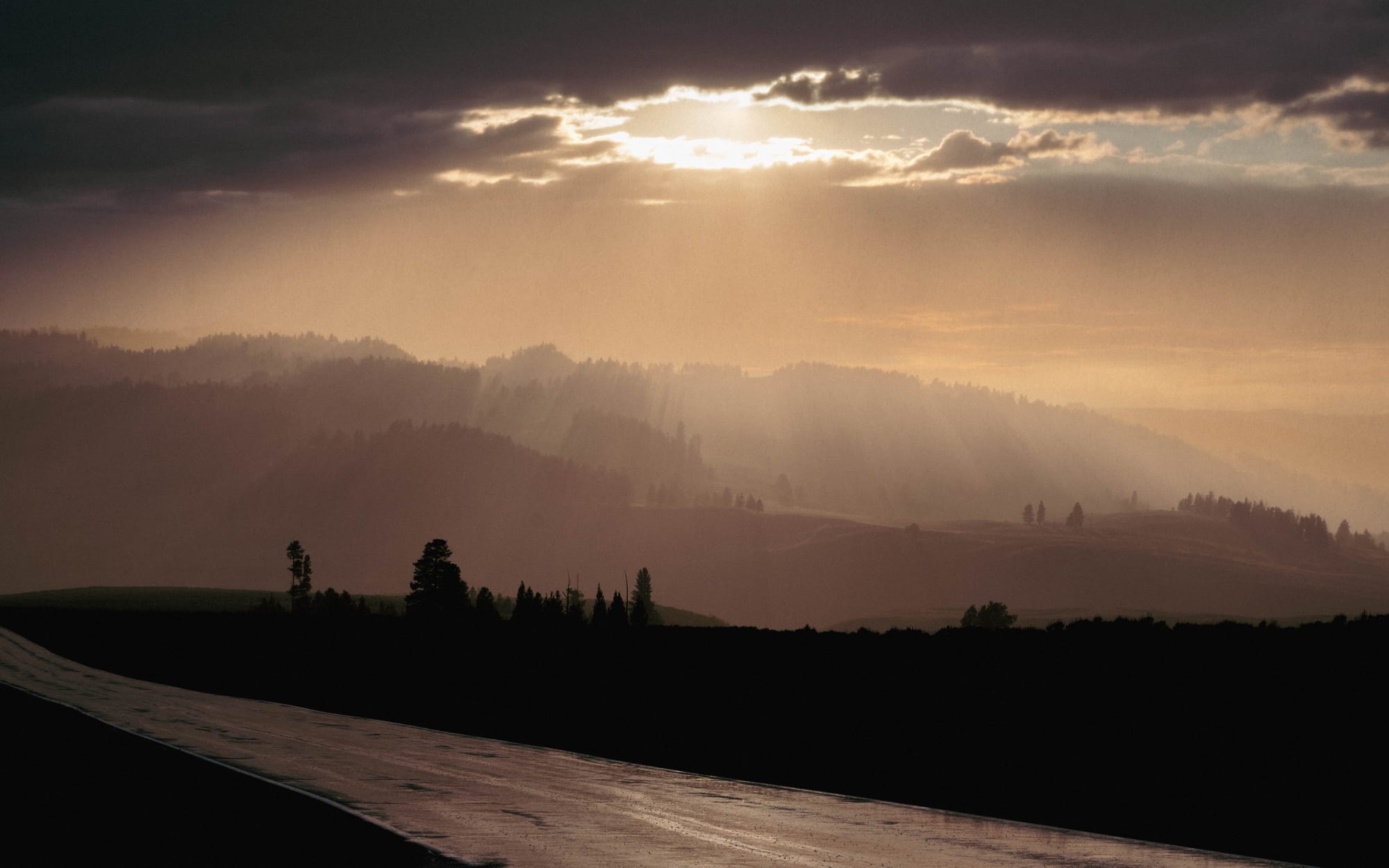
Yellowstone’s best light often arrived late. Golden hour softened the valleys, caught the steam above thermal ground, and gave familiar places an entirely different mood.
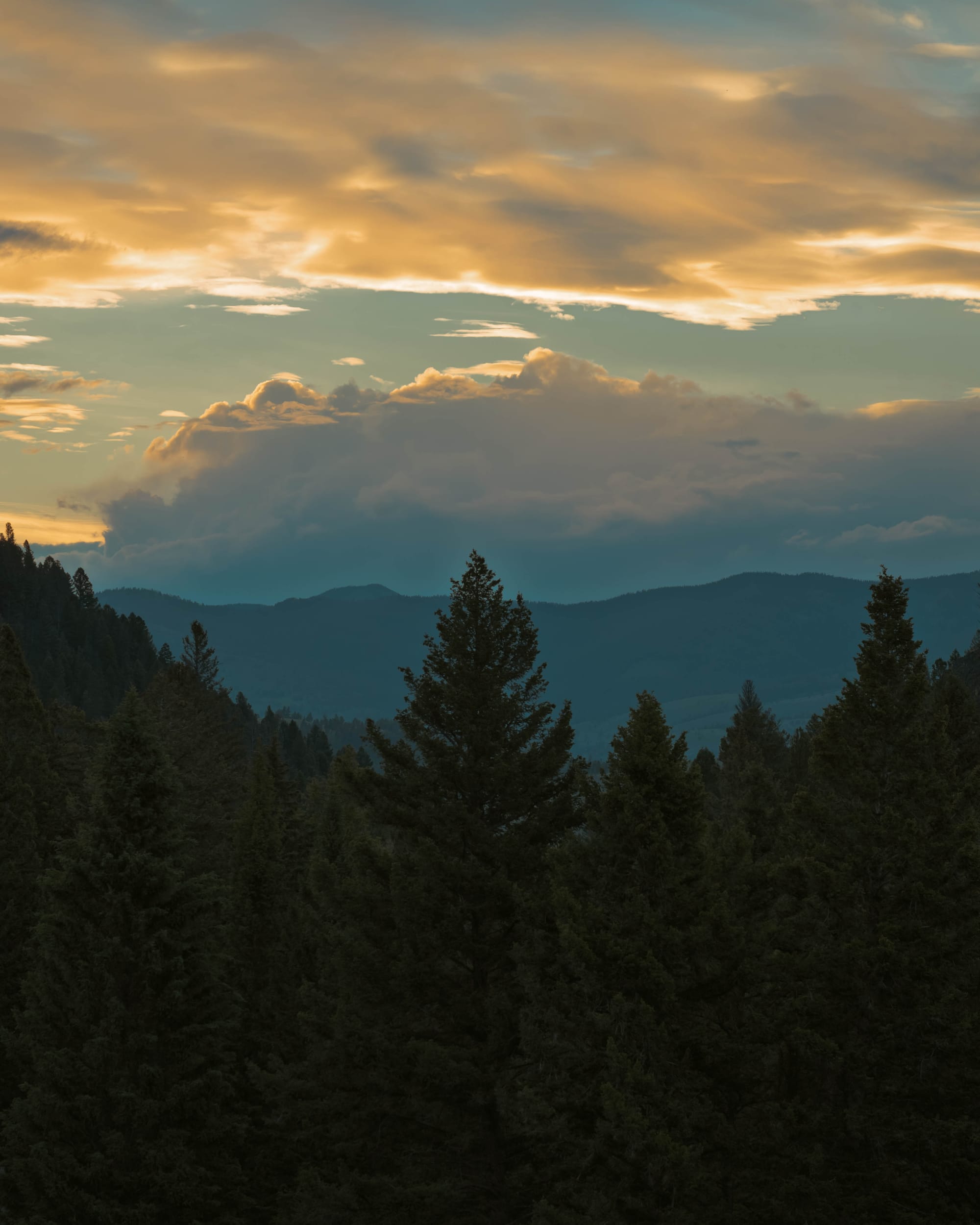
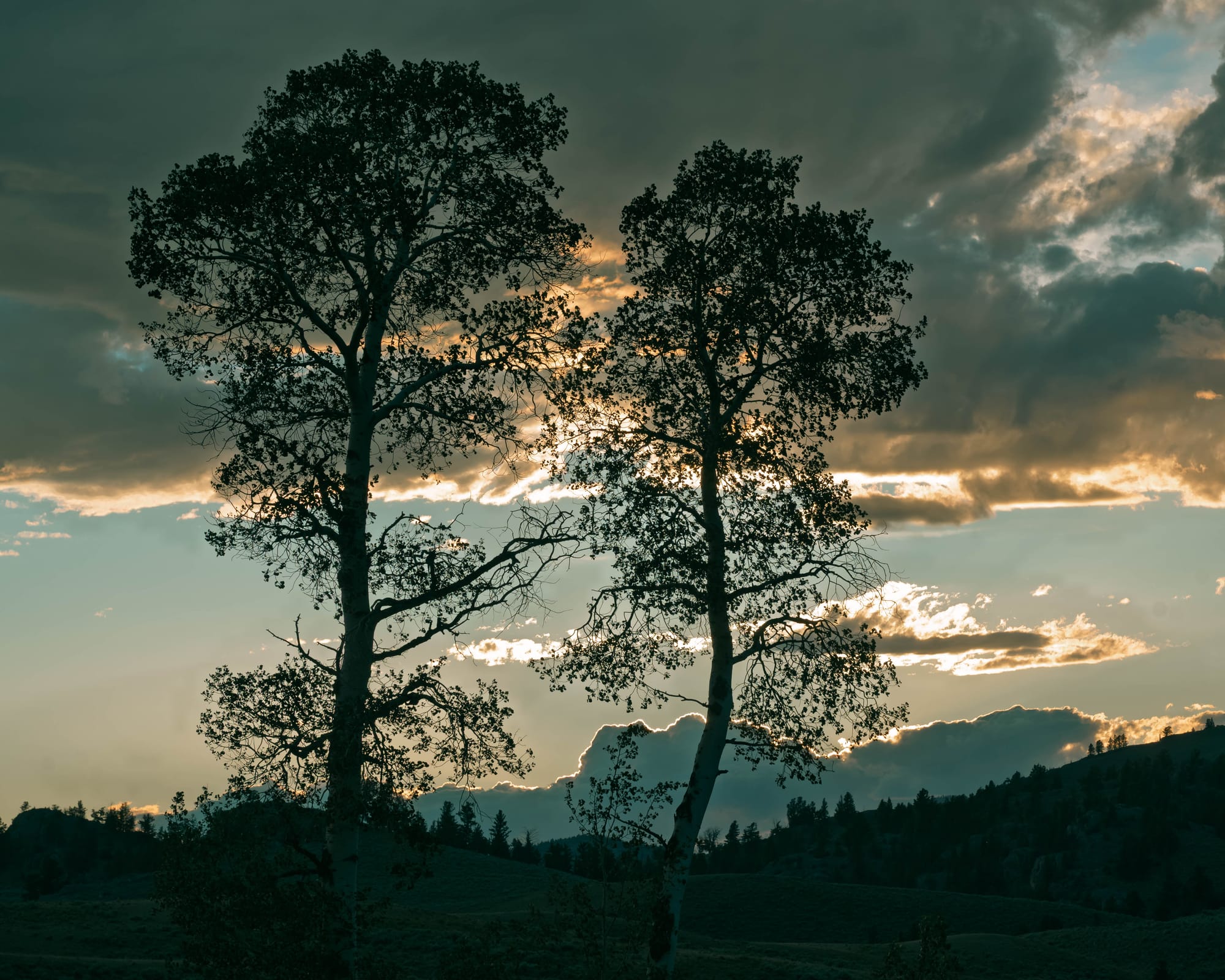
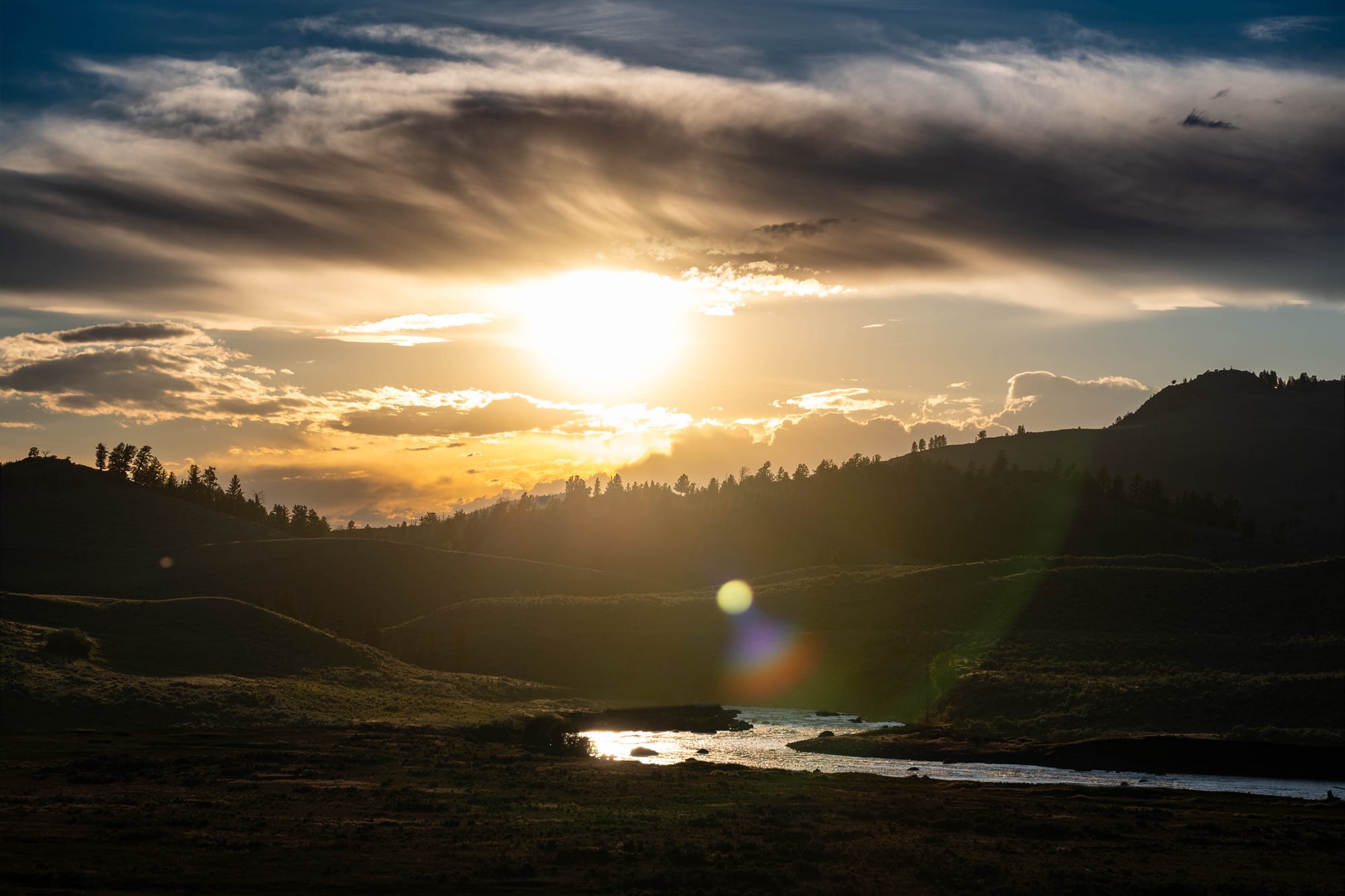
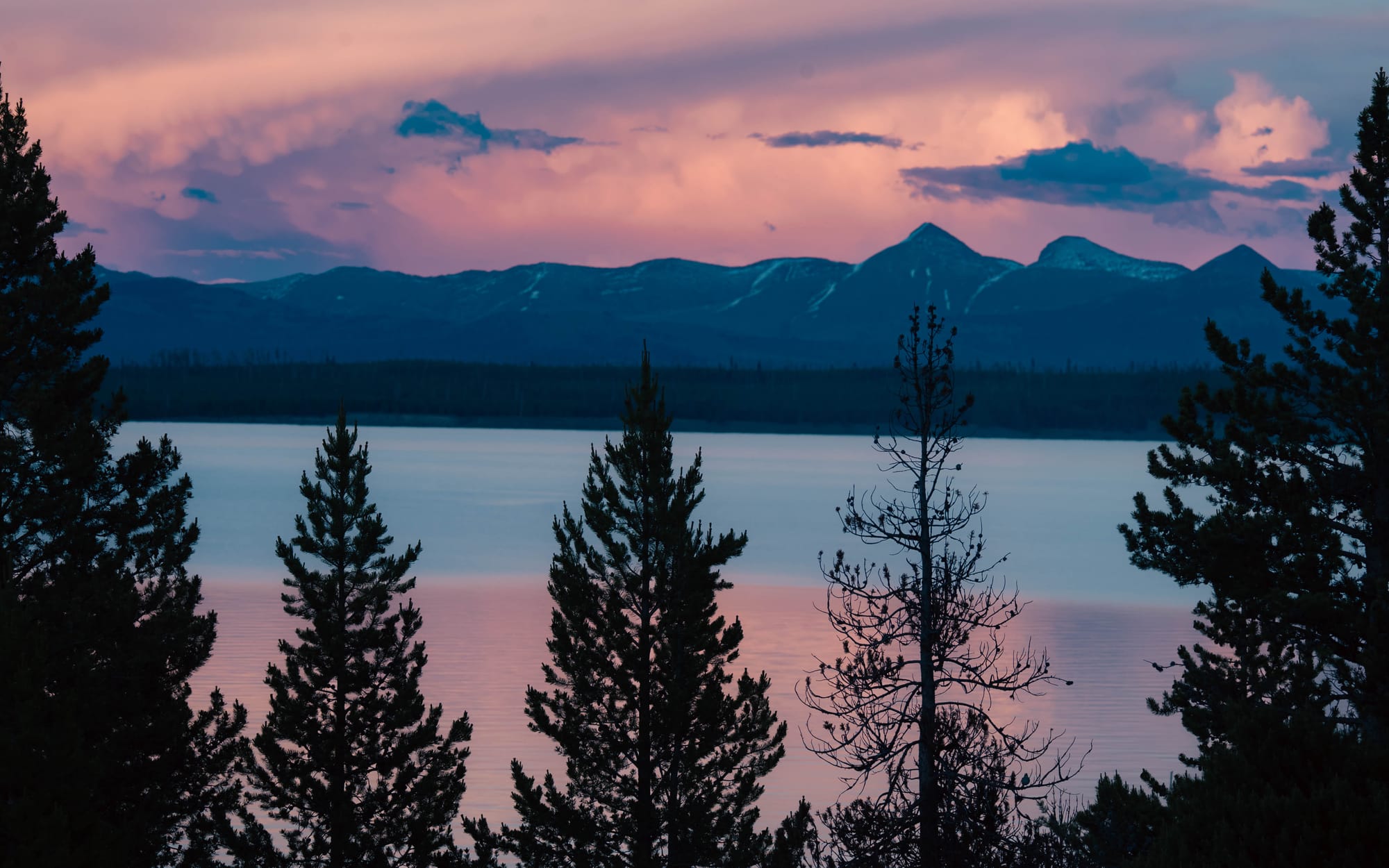
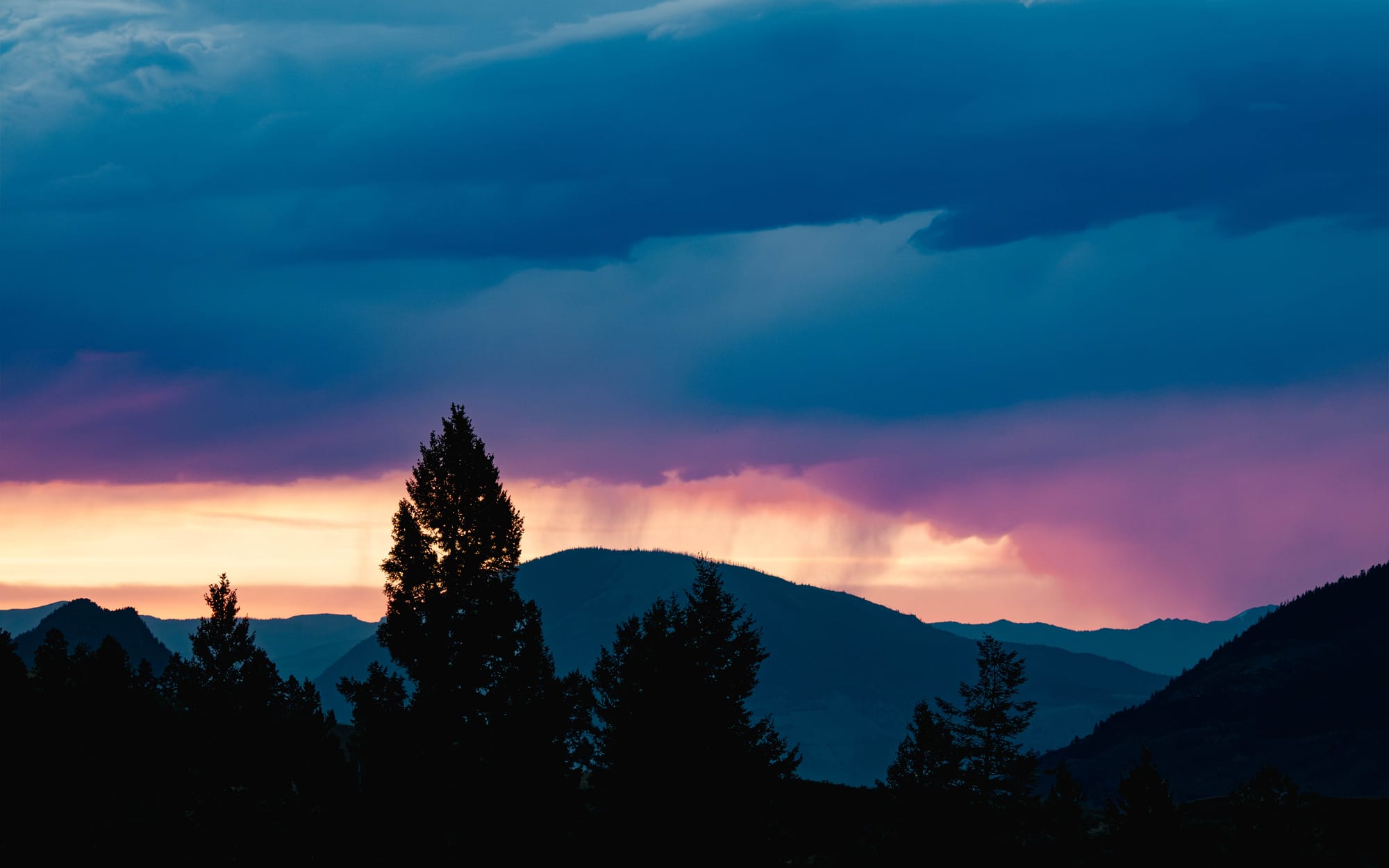
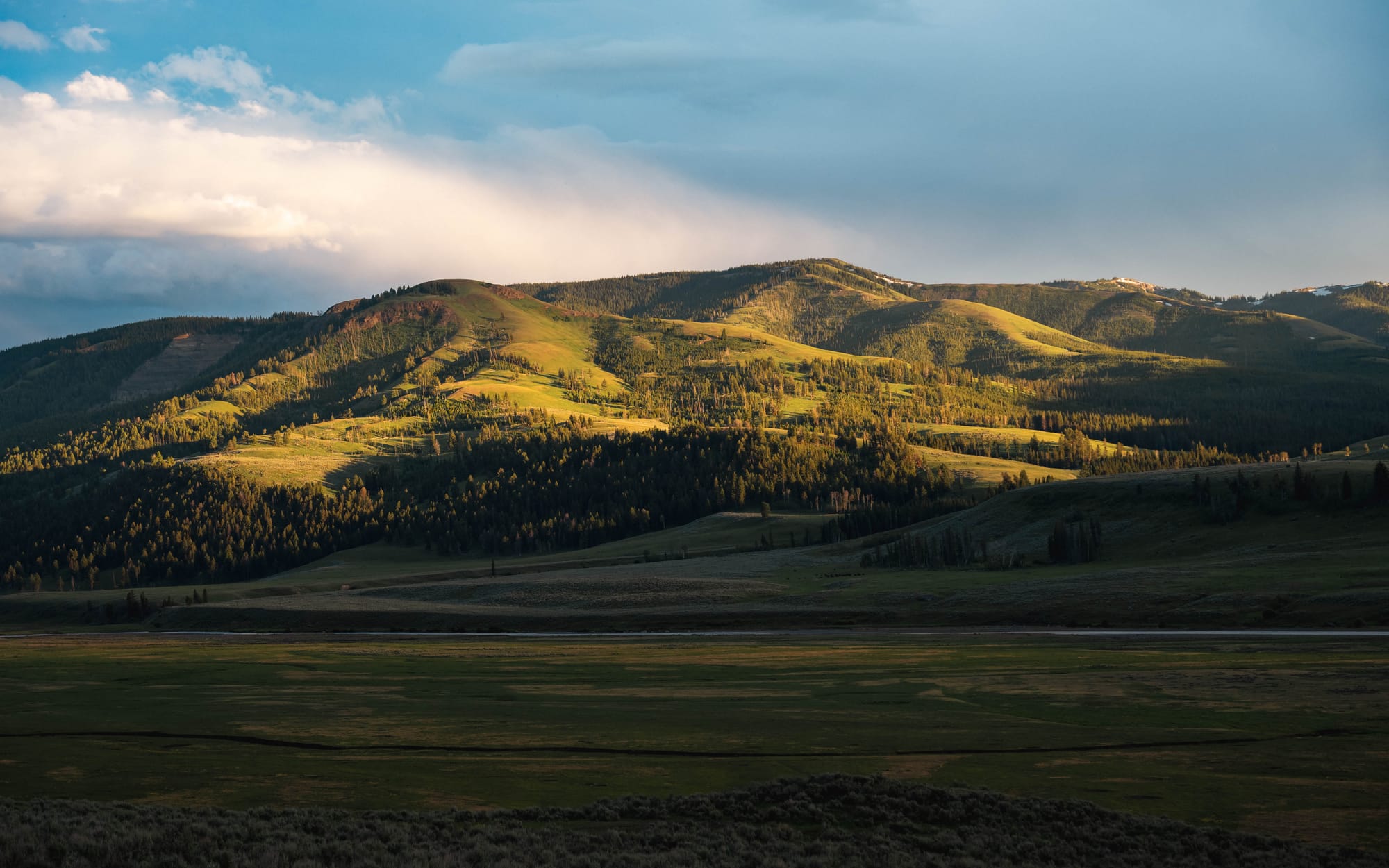
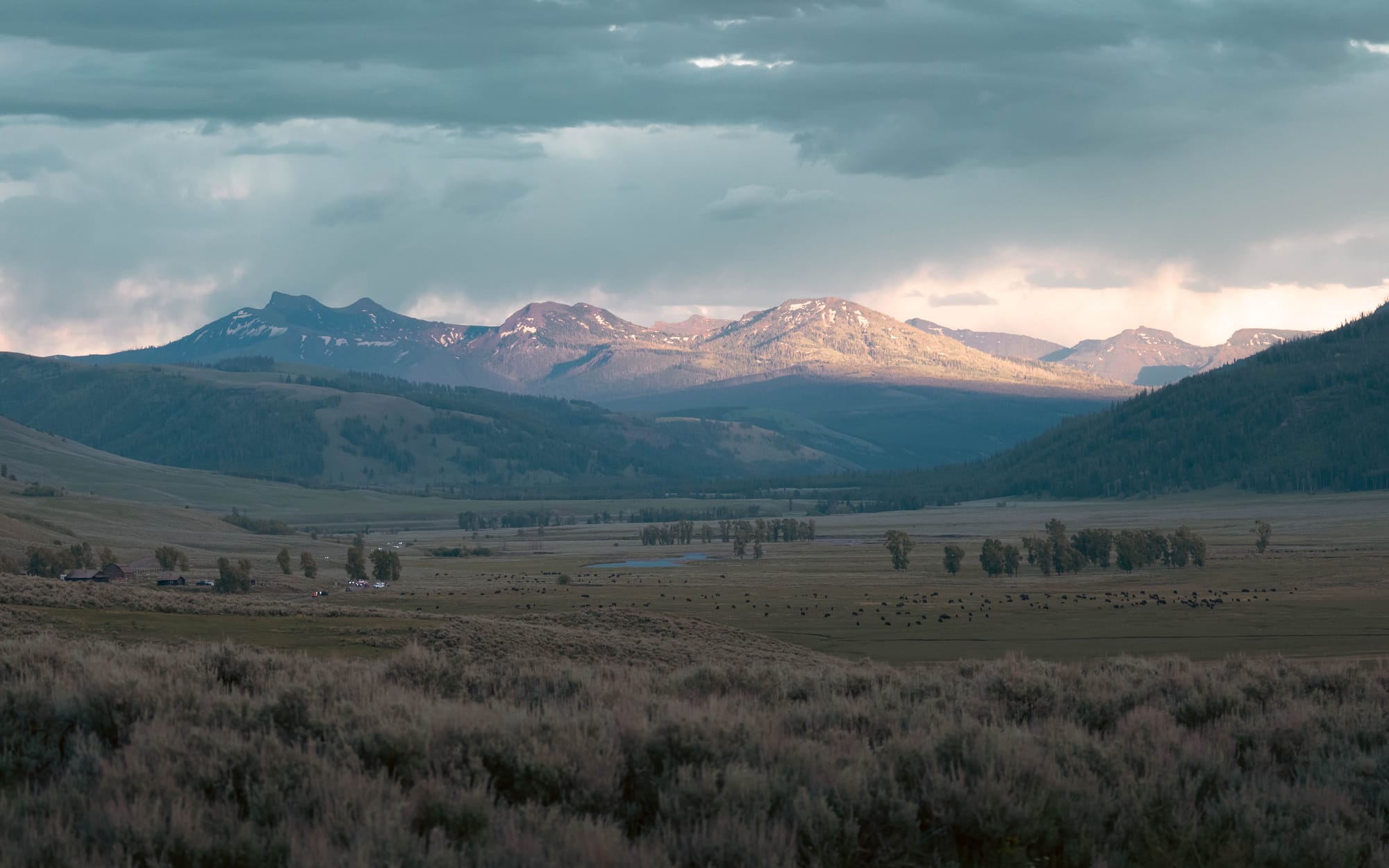
- Summer days are long at Yellowstone’s latitude, which pushes the best evening light later than many visitors expect.
- Temperature drops after sunset can be sharp, even after warm afternoons.
- Wildlife activity often increases near dawn and dusk.
- Steam becomes more visible as the surrounding air cools.
- The park’s high elevation can produce rapid changes in light, cloud, and weather near sunset.
Final Takeaways
We came home with thousands of photographs, but Yellowstone rarely held still long enough for any one frame to explain it.
The animals kept moving. The weather changed. Steam shifted across the boardwalks. Evening light lasted only a few minutes before the valleys went dark.
That may be what the photographs preserve best.
Not Yellowstone as a finished picture, but a landscape always becoming something else.