Yellowstone National Park | Beyond the Boardwalks
When we first arrived in Yellowstone, we spent most of our time trying to understand the park.
Where should we drive? Which campground made the most sense? How long would it take to get from one region to the next?
By the end of our first week, those questions had mostly been answered.
The map finally made sense.
That was when Yellowstone became much more interesting.
Instead of chasing famous landmarks, we started paying attention to the experiences themselves. Some happened at places we'd planned to visit for months. Others came from trails we picked almost on a whim or moments we never could have anticipated.
Again and again, Yellowstone rewarded us in ways we didn't expect.
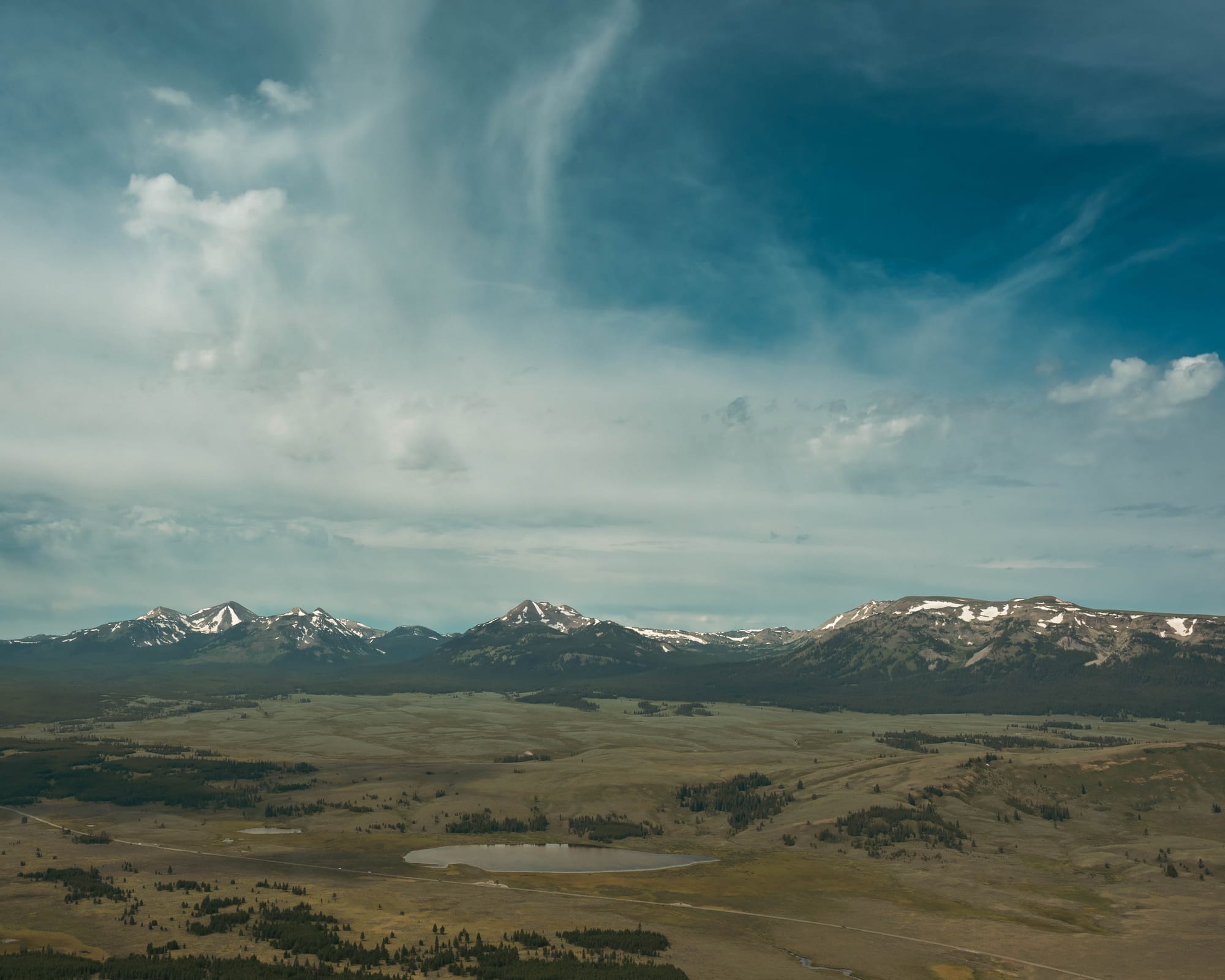
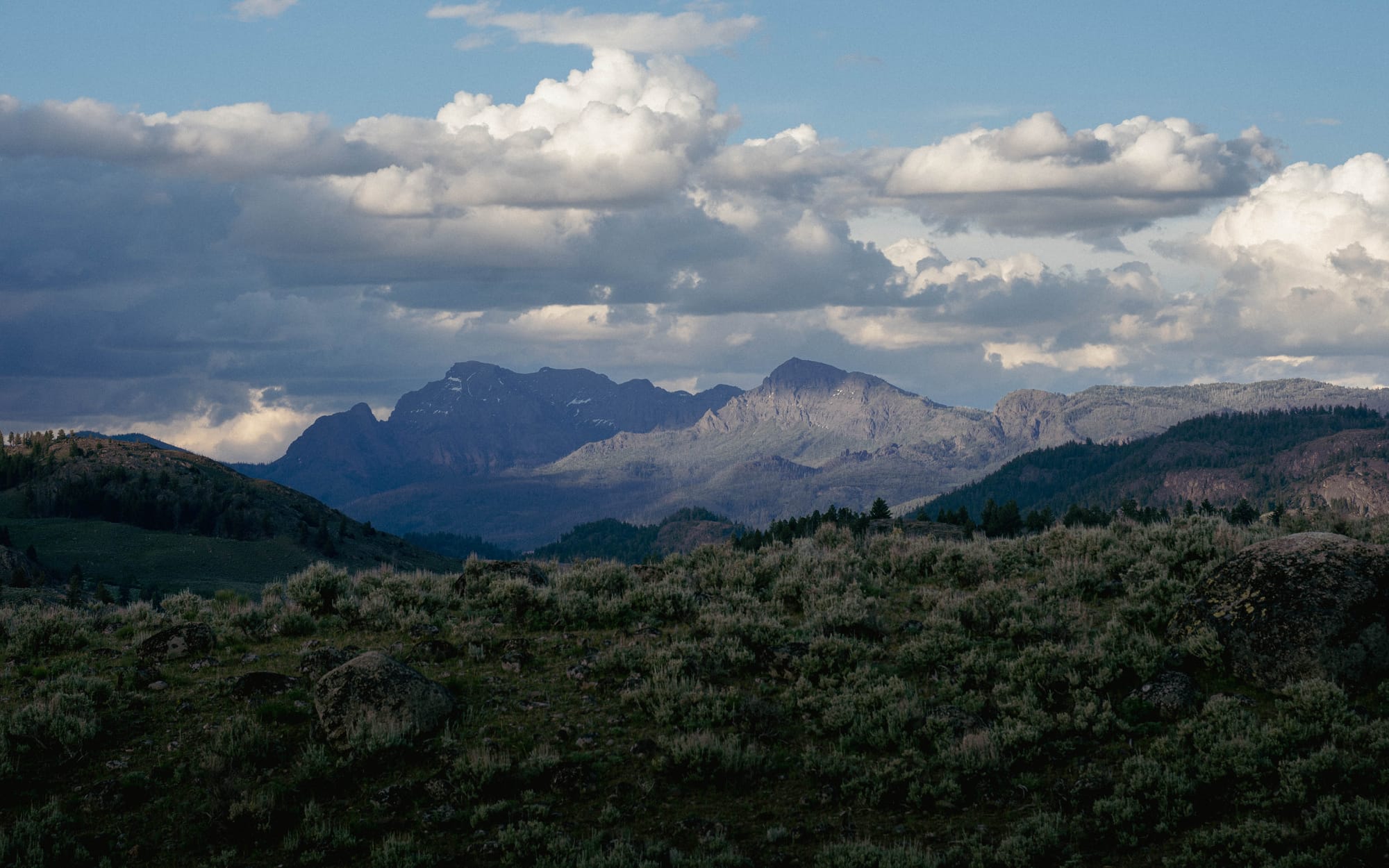
Living Ground
One of the easiest things to overlook in Yellowstone is the ground beneath your feet.
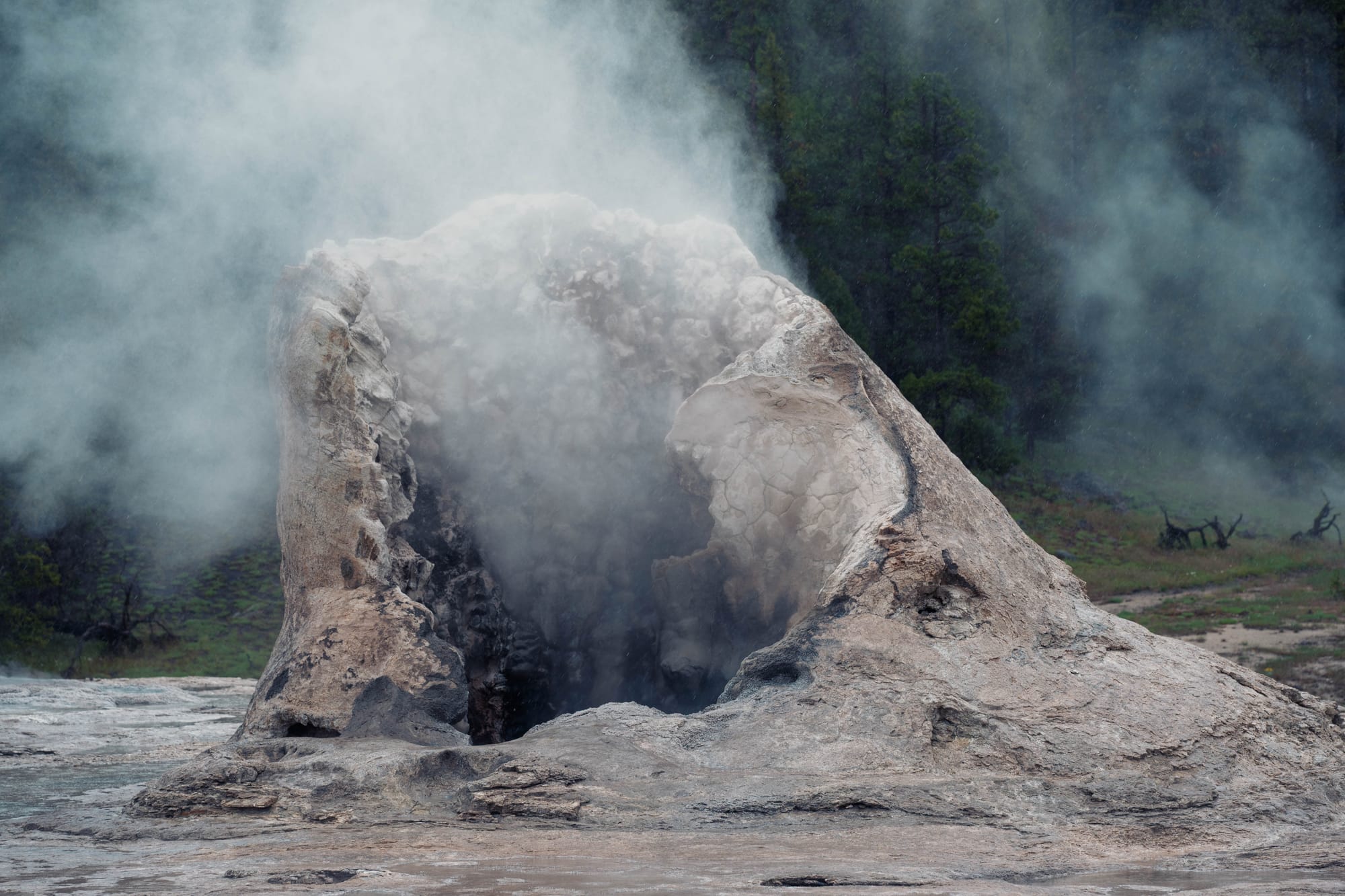
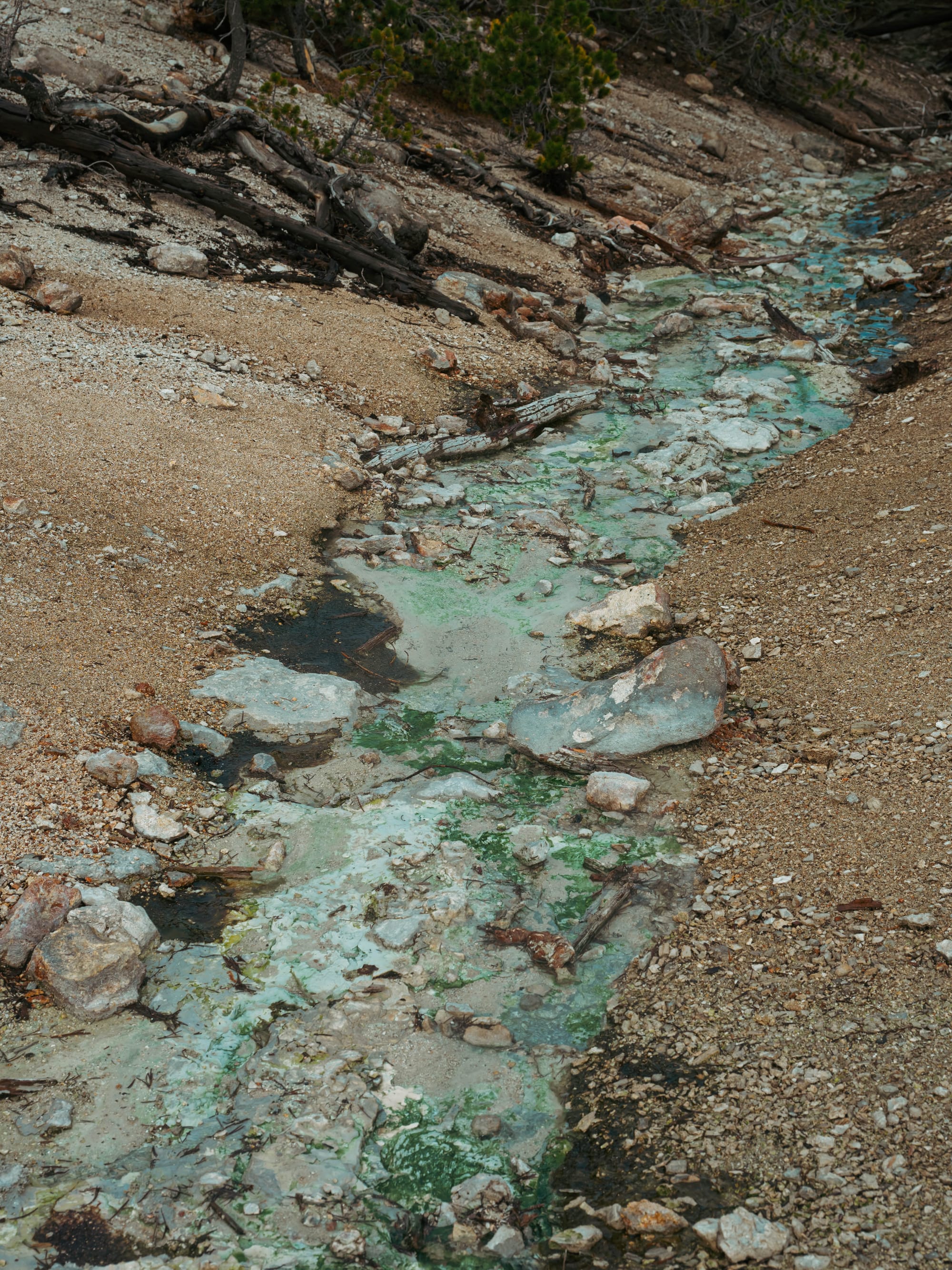
The geysers, hot springs, mud pots, and fumaroles are so visually striking that it's easy to forget they're all symptoms of something much larger.
Yellowstone sits atop one of the largest active volcanic systems on Earth. Three enormous eruptions over the past 2.1 million years reshaped this part of North America, with the most recent occurring roughly 631,000 years ago. That eruption was so immense it left behind a caldera roughly 30 by 45 miles in size.
The scale is difficult to appreciate until you realize what sits inside it.
Today, Yellowstone Lake, Old Faithful, Hayden Valley, Norris Geyser Basin, and dozens of mountains all sit inside that same caldera.
We spent nearly two weeks driving and hiking across it without ever leaving it.
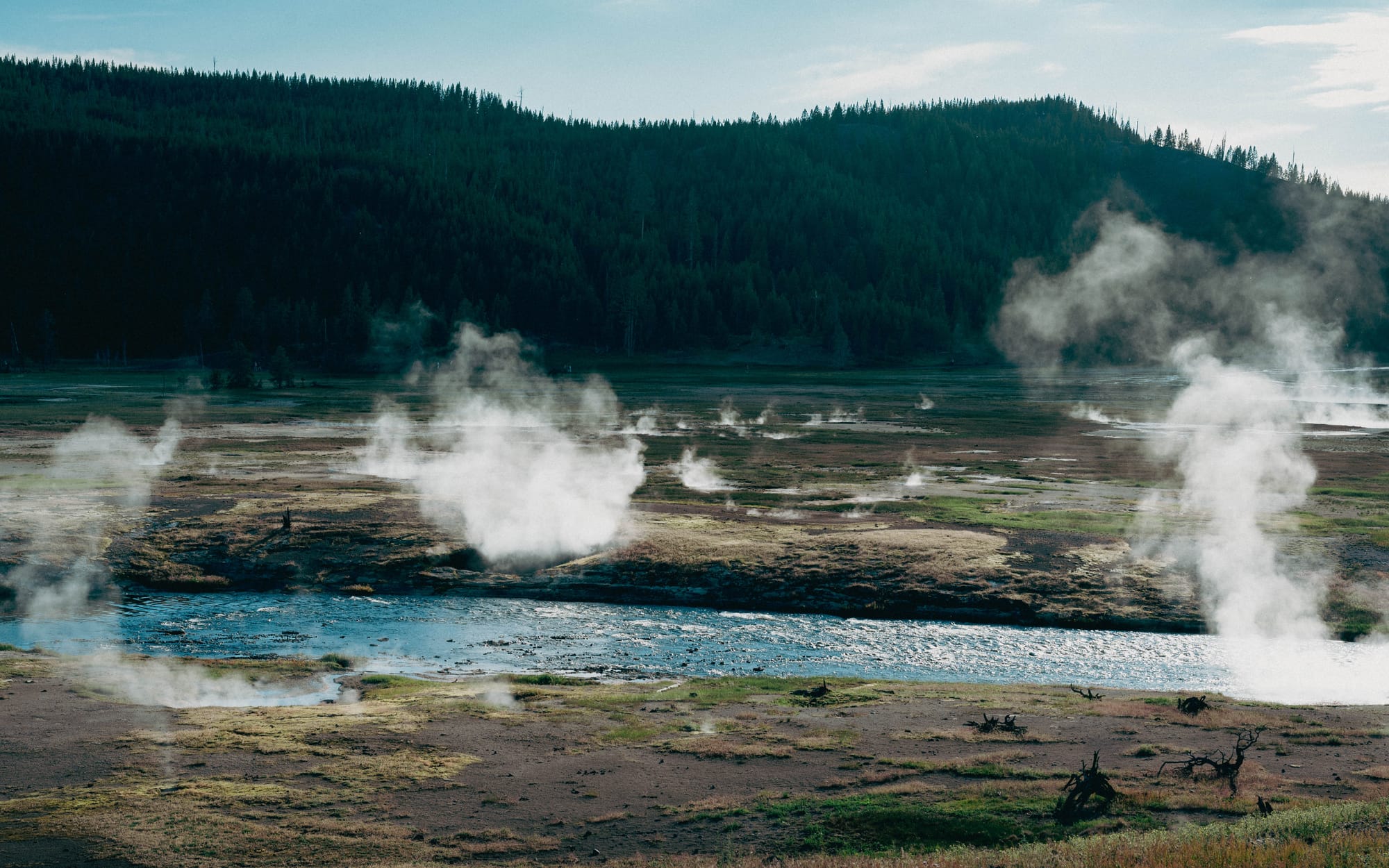
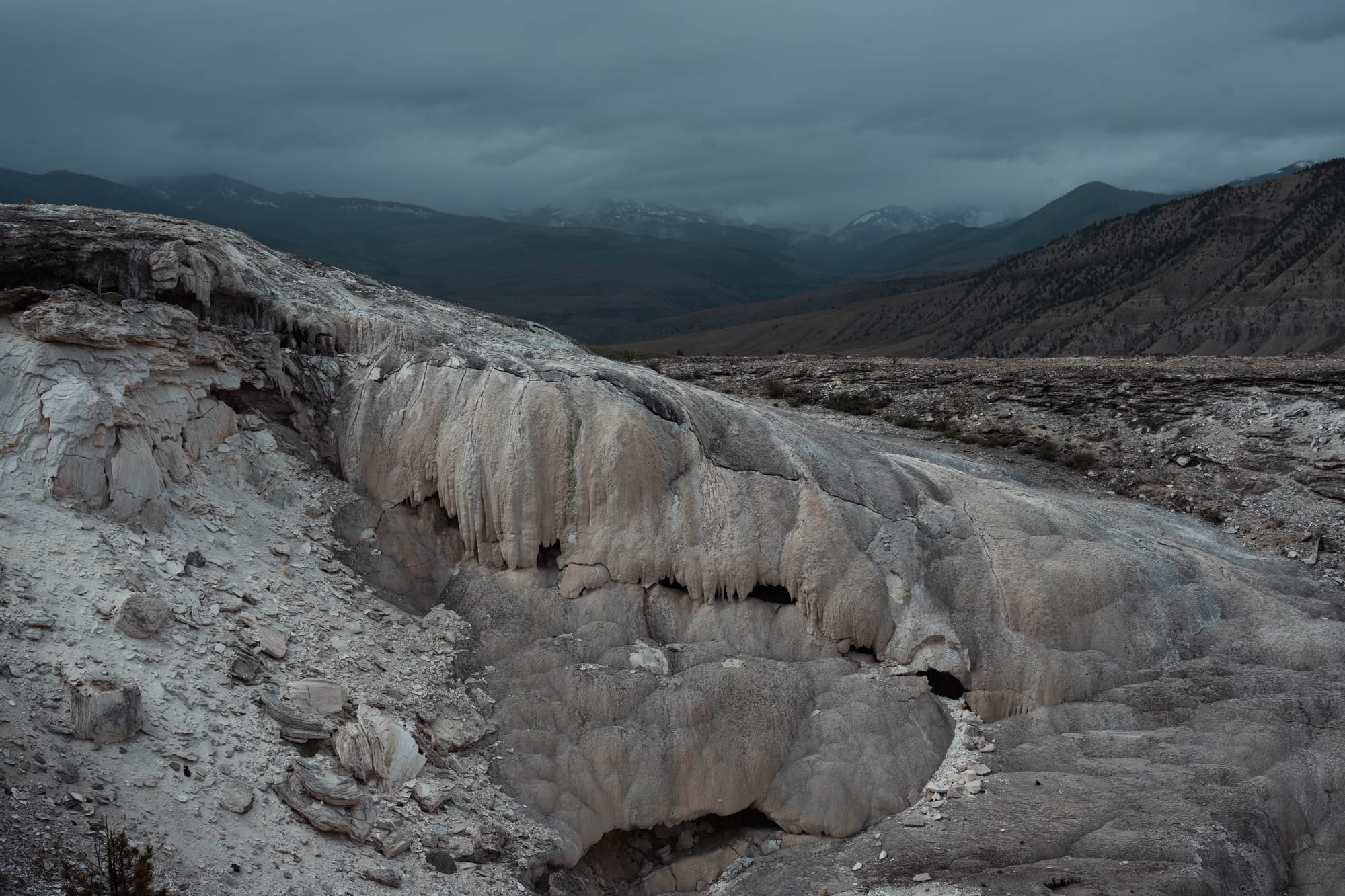
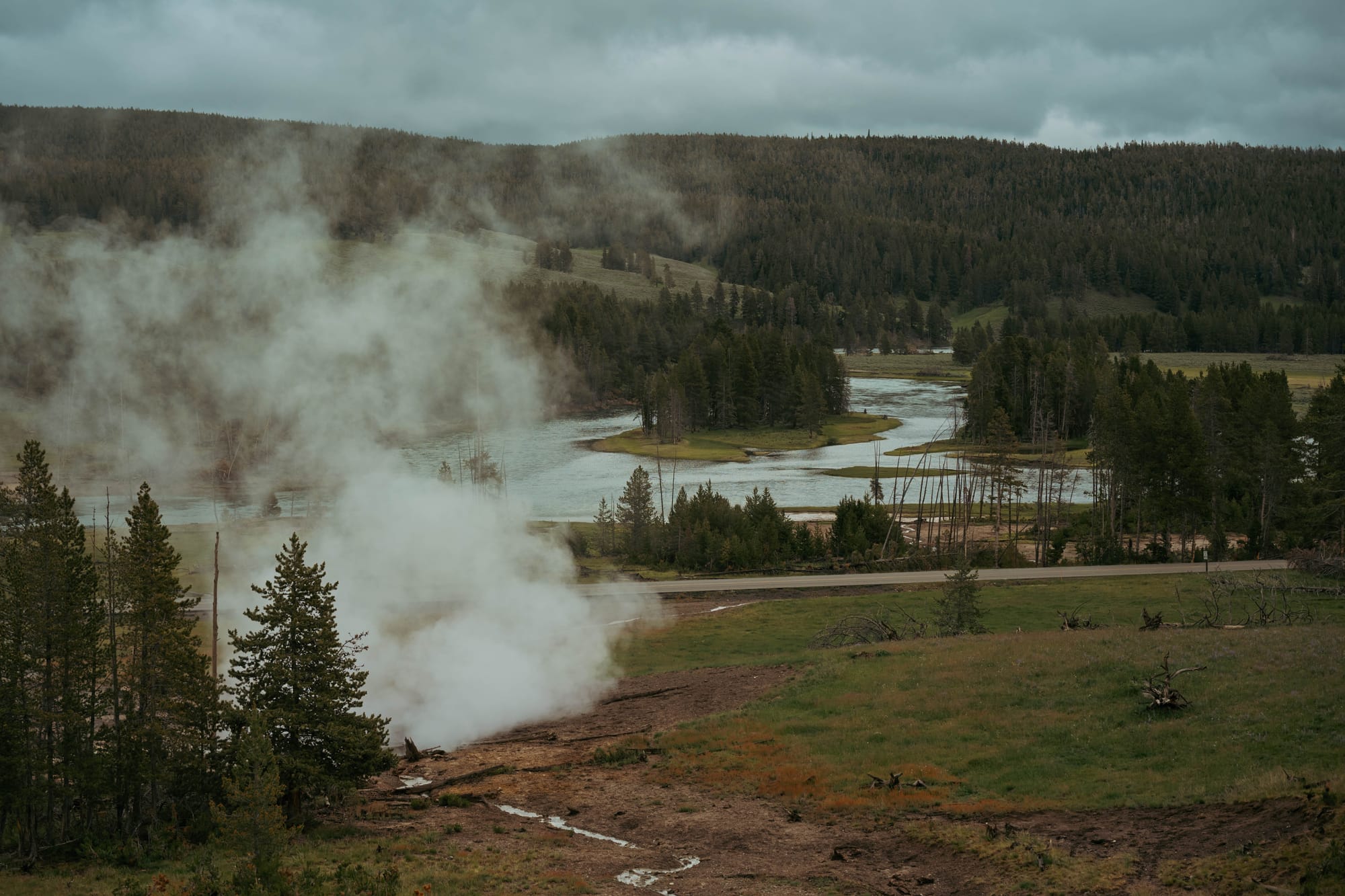
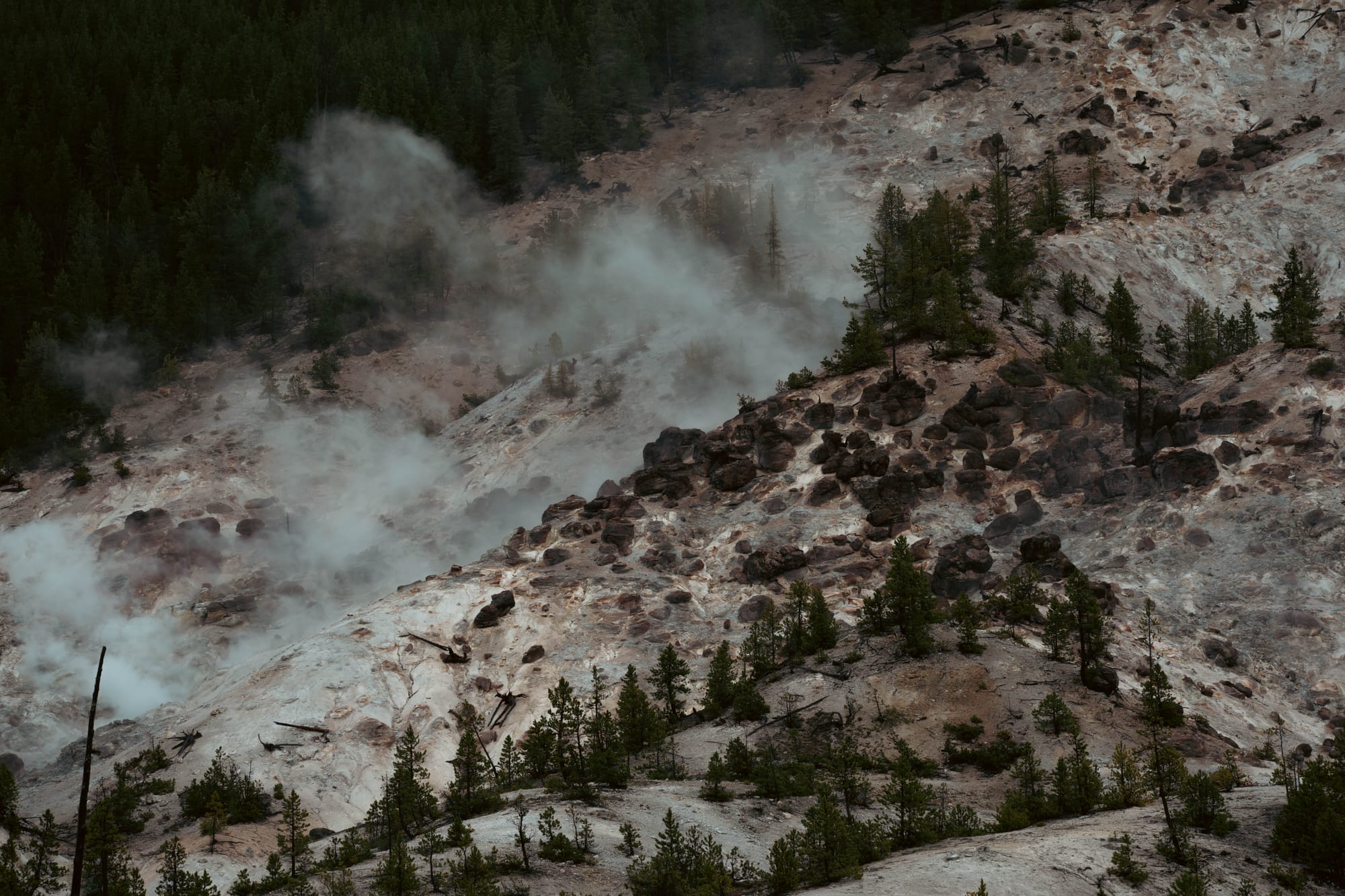
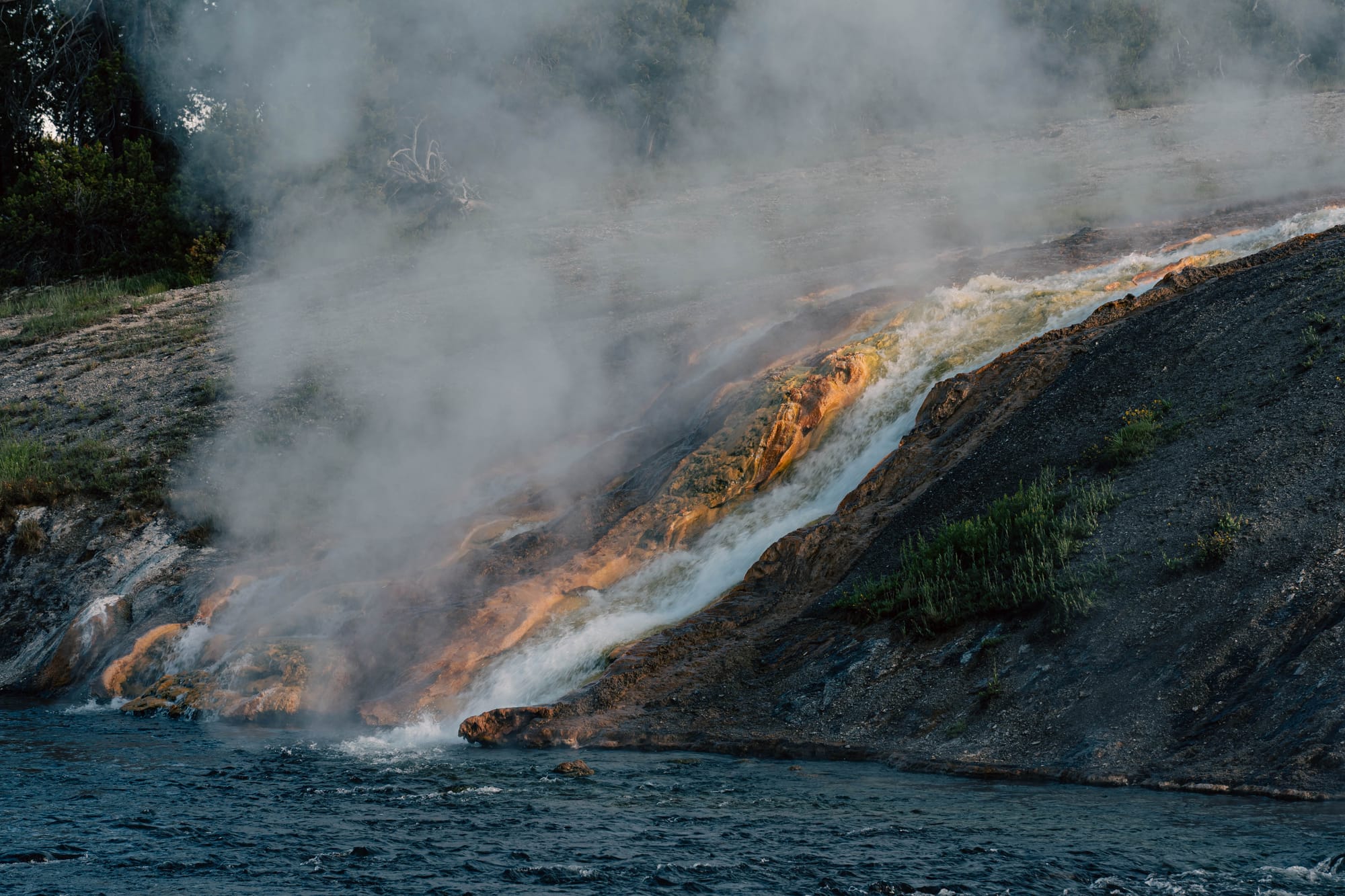
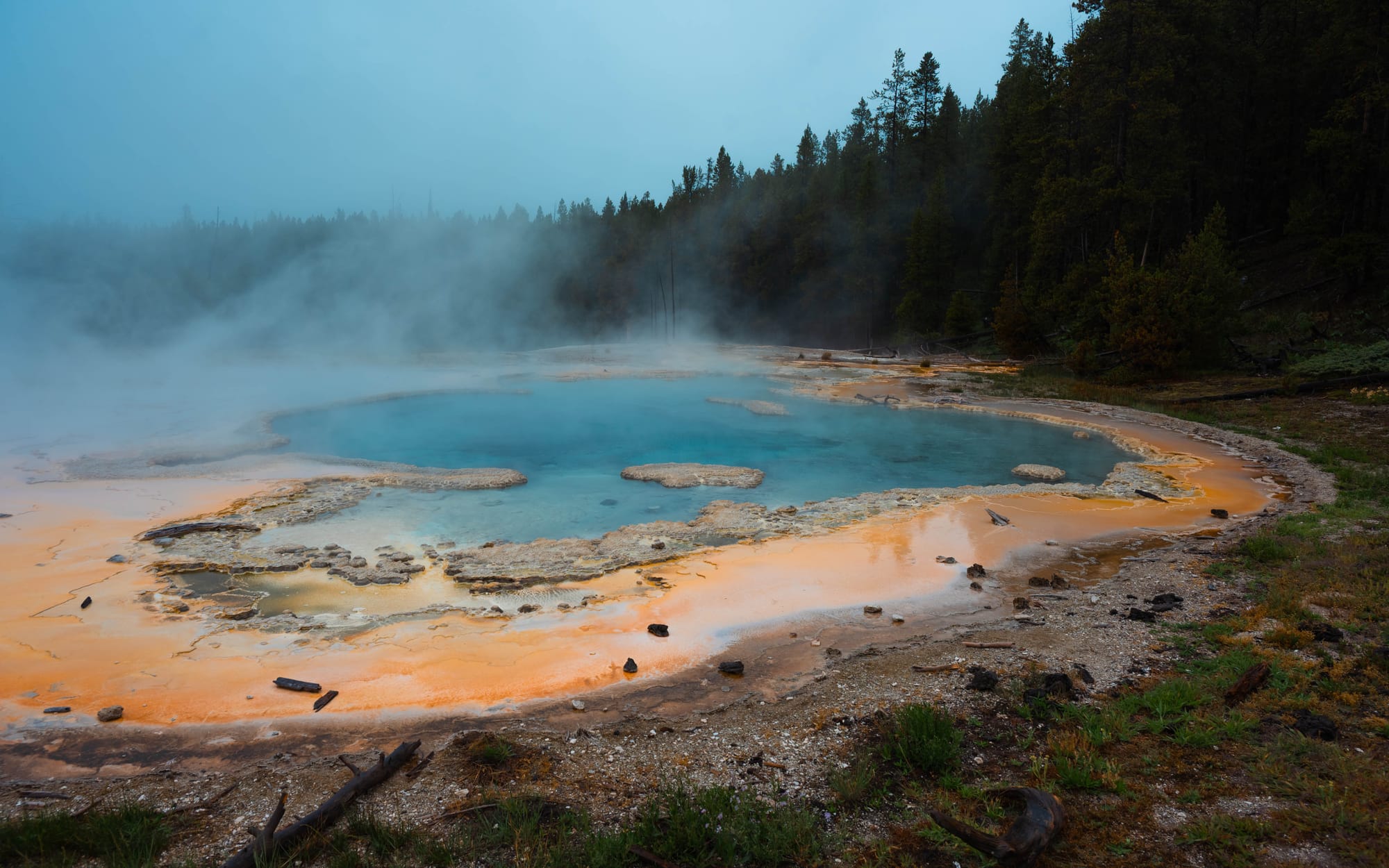
Heat from the still-active magma system continues to warm groundwater deep below the surface. As that water rises, it becomes the geysers, hot springs, and fumaroles that made Yellowstone famous around the world.
It's one thing to read that.
It's another to stand beside a hillside quietly venting steam while boiling water erupts only a few feet away.
Yellowstone constantly reminds you that this landscape isn't simply old.
It's still active.
The Famous Ones
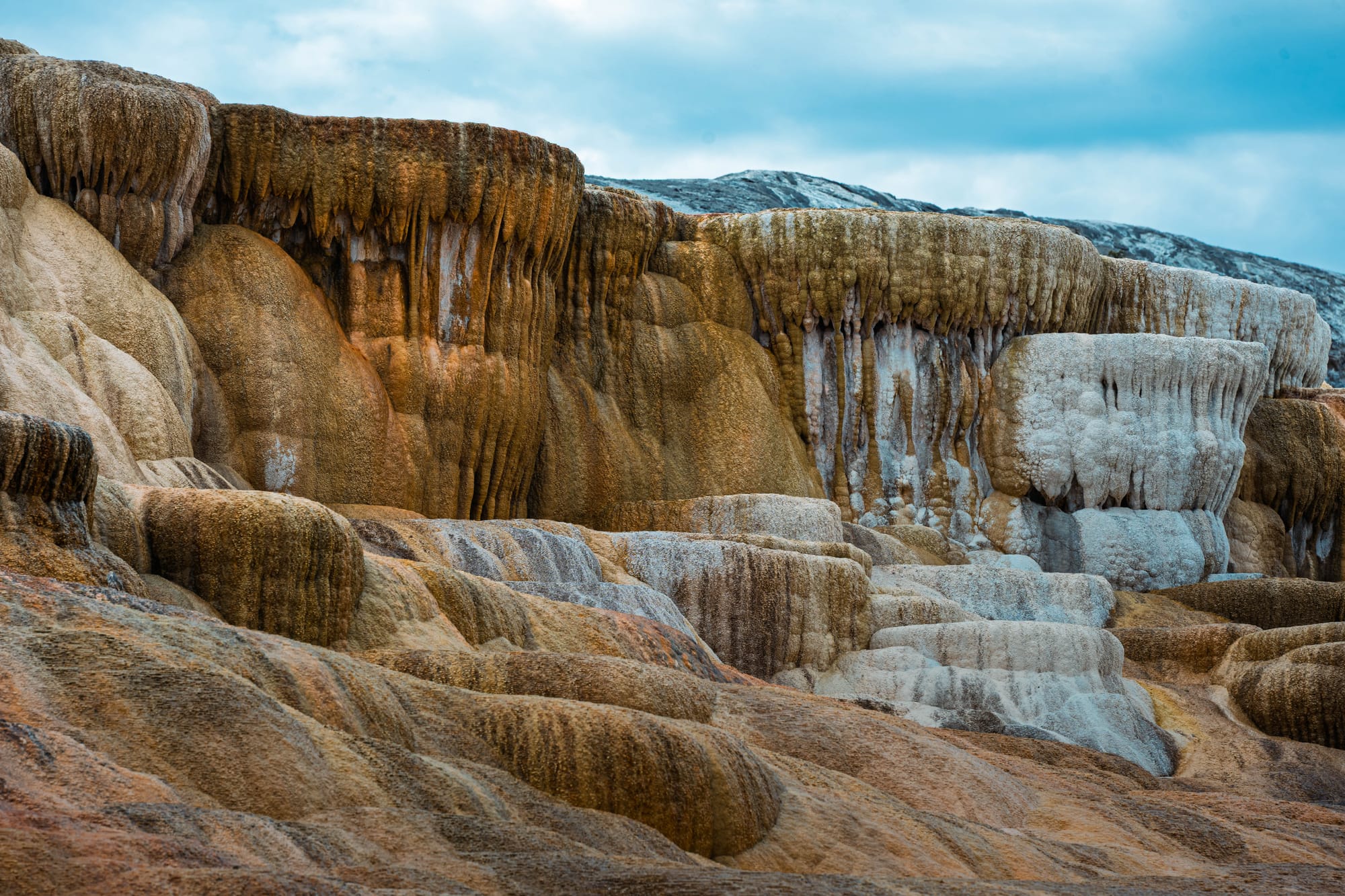
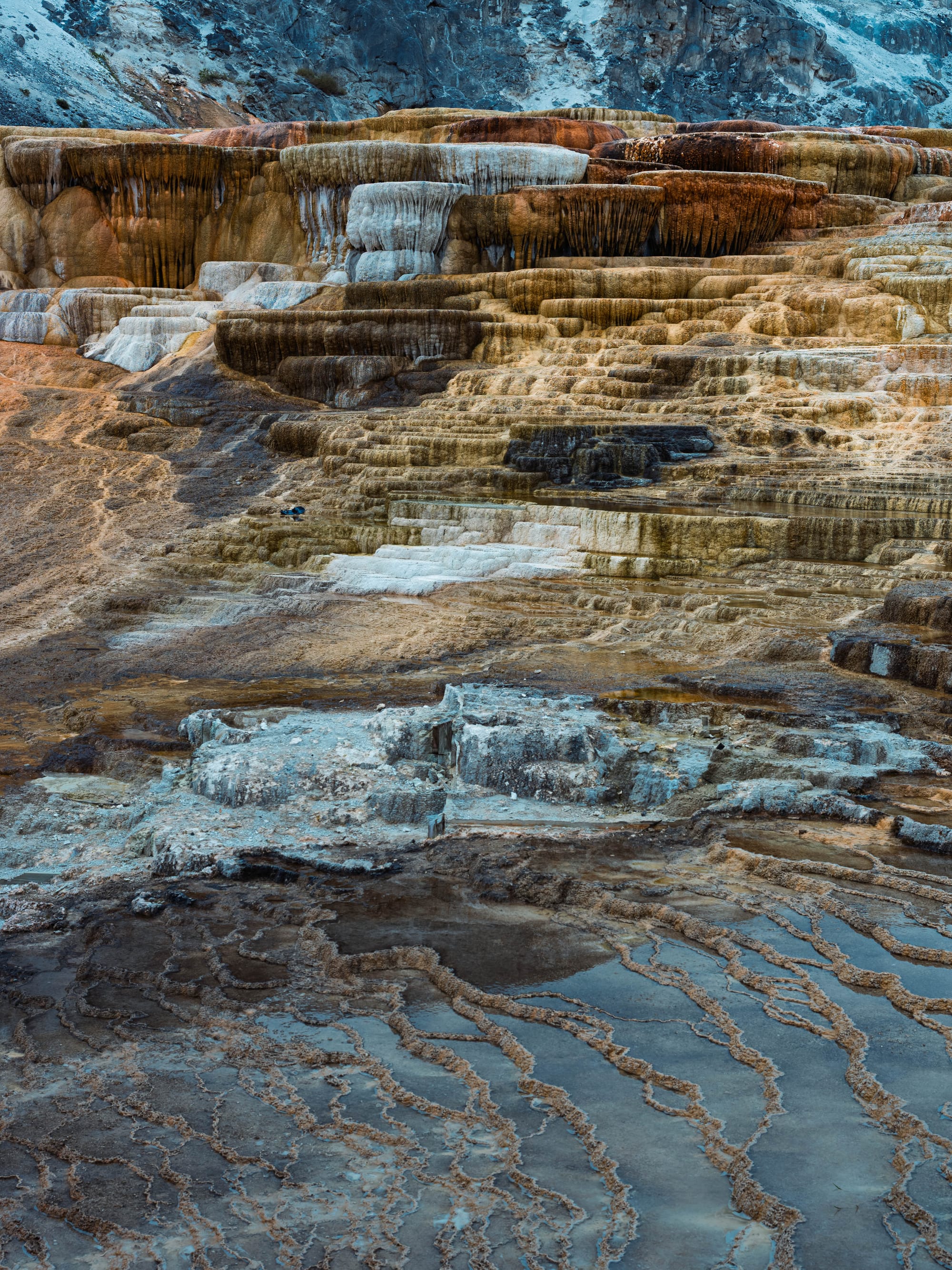
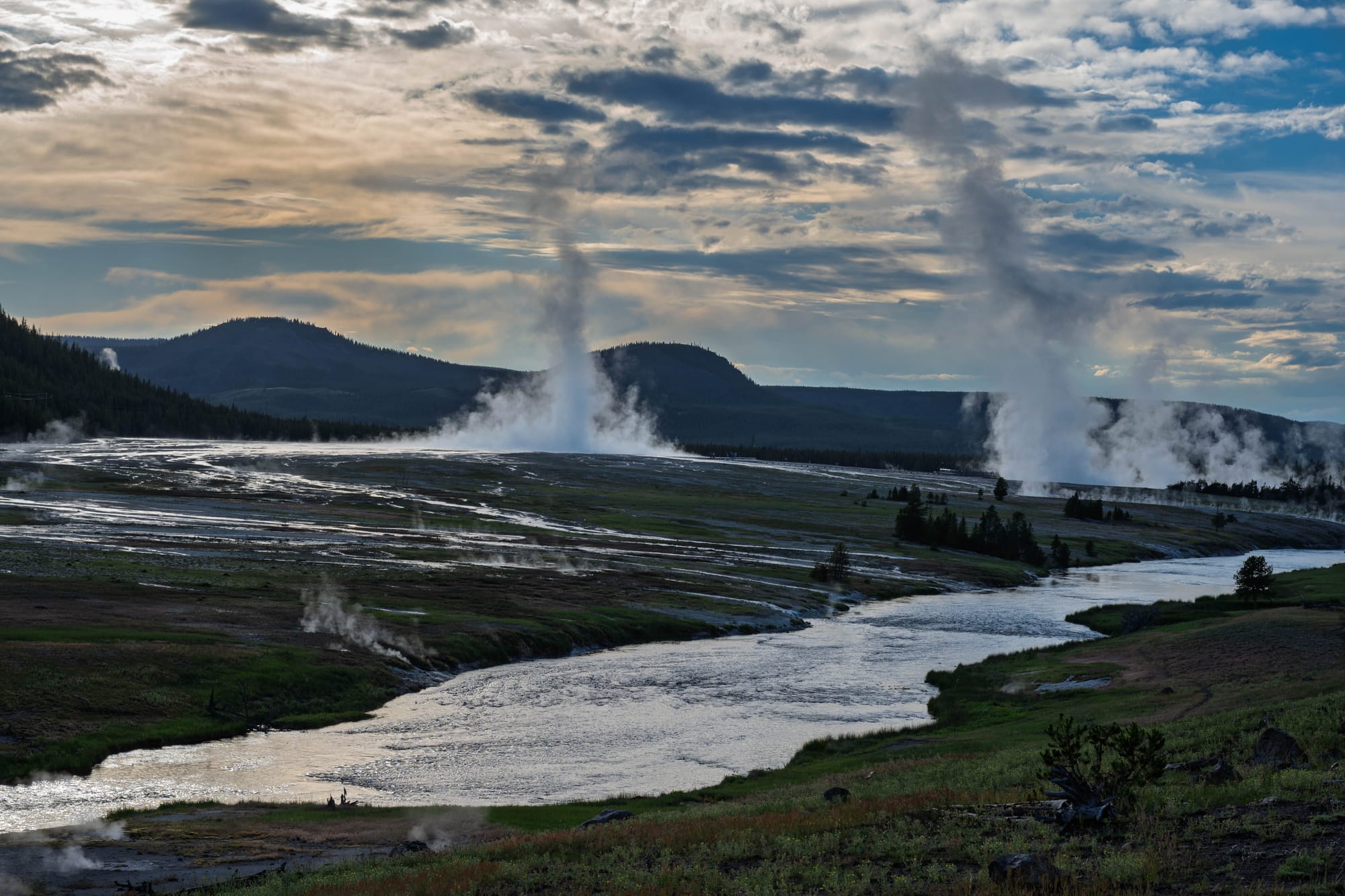
There is a reason millions of people visit Old Faithful, Grand Prismatic Spring, Mammoth Hot Springs, and the Upper Geyser Basin every year.
They're remarkable.
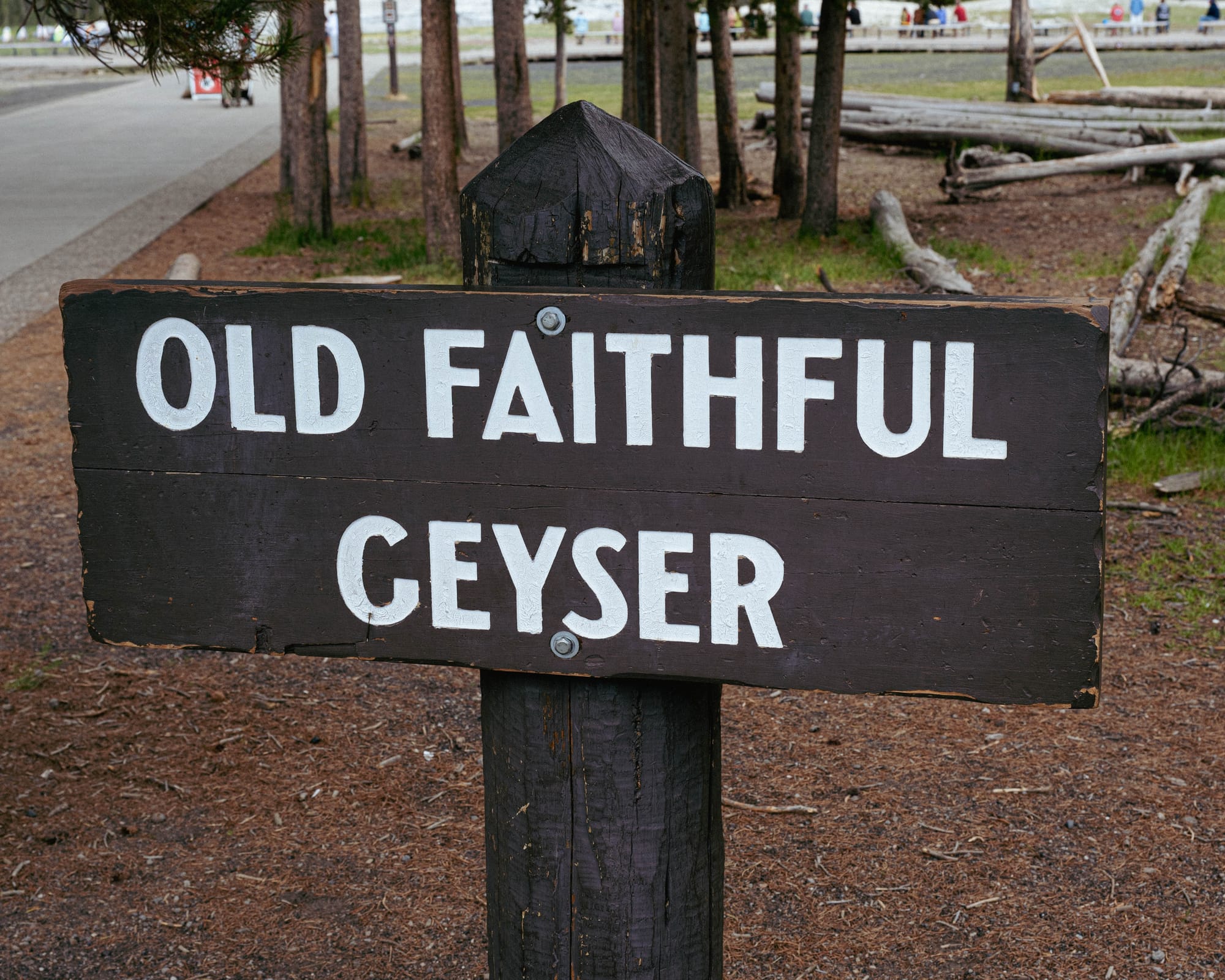
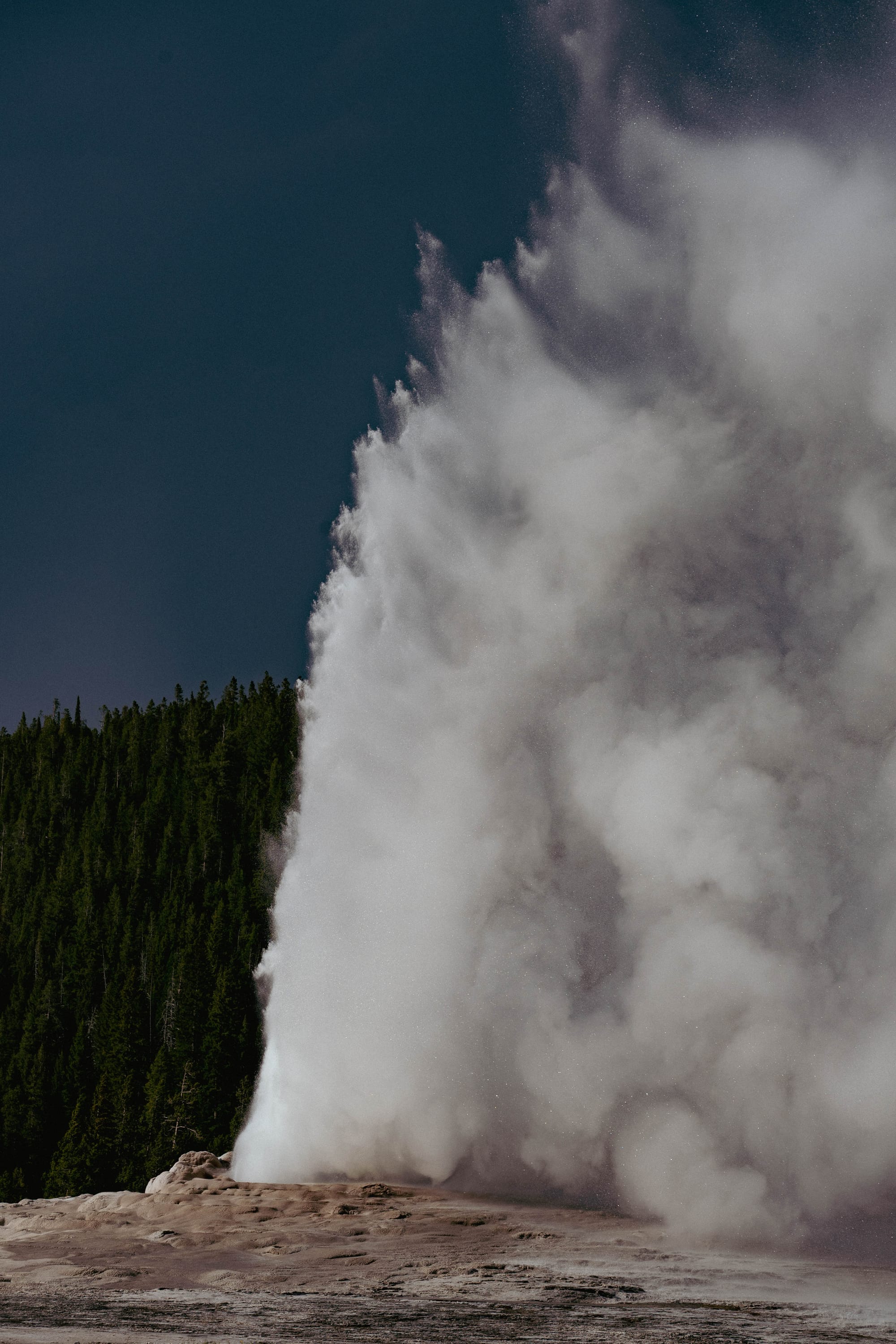
Watching Old Faithful erupt never stopped being impressive. Walking through the Upper Geyser Basin feels surreal, with steam drifting across the boardwalks and boiling water emerging from places that otherwise look like ordinary forest.
The geology is extraordinary.
Our reaction to it, however, surprised us.
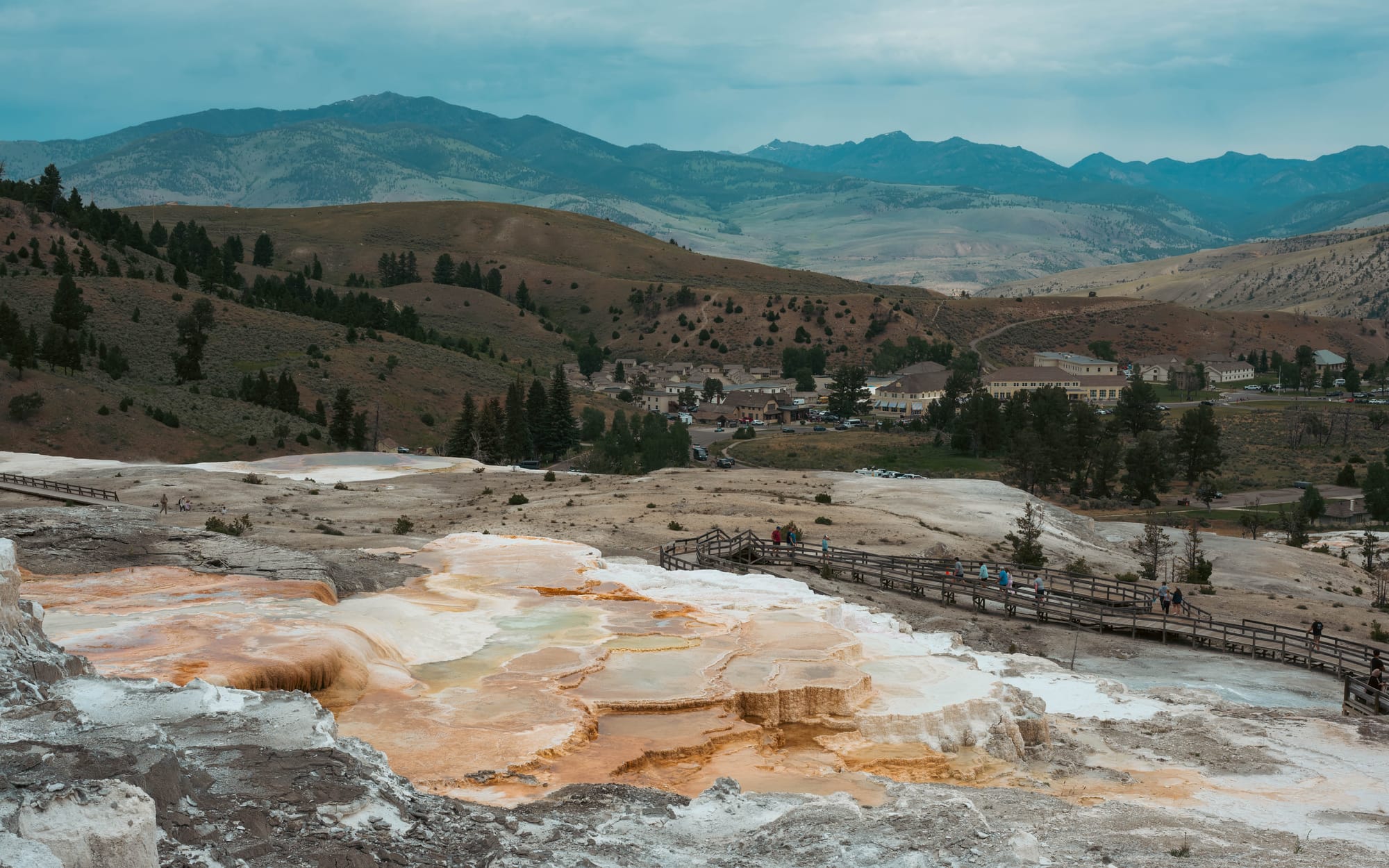
After spending time exploring Iceland, we found ourselves less captivated by the geothermal features than we expected. That's not a criticism of Yellowstone. If this had been our first experience with a geothermal landscape, I suspect we would have felt very differently.
Instead, the thermal basins became something else.
They helped us understand why Yellowstone exists.
Once we understood the volcanic system beneath Yellowstone, the geysers stopped feeling like isolated attractions and became visible reminders of an active landscape still changing beneath our feet.
And then, there are the crowds.
Yellowstone's most famous geothermal areas are also its busiest. Boardwalks, viewing platforms, visitor centers, and thousands of people all become part of the experience.
They're absolutely worth seeing.
They just weren't where Yellowstone left its deepest impression on us.
The Canyon That Drew Us Back
One of the strongest endorsements we can give any place is this:
We went back.
Not because we'd missed something. Because we wanted to experience it again.
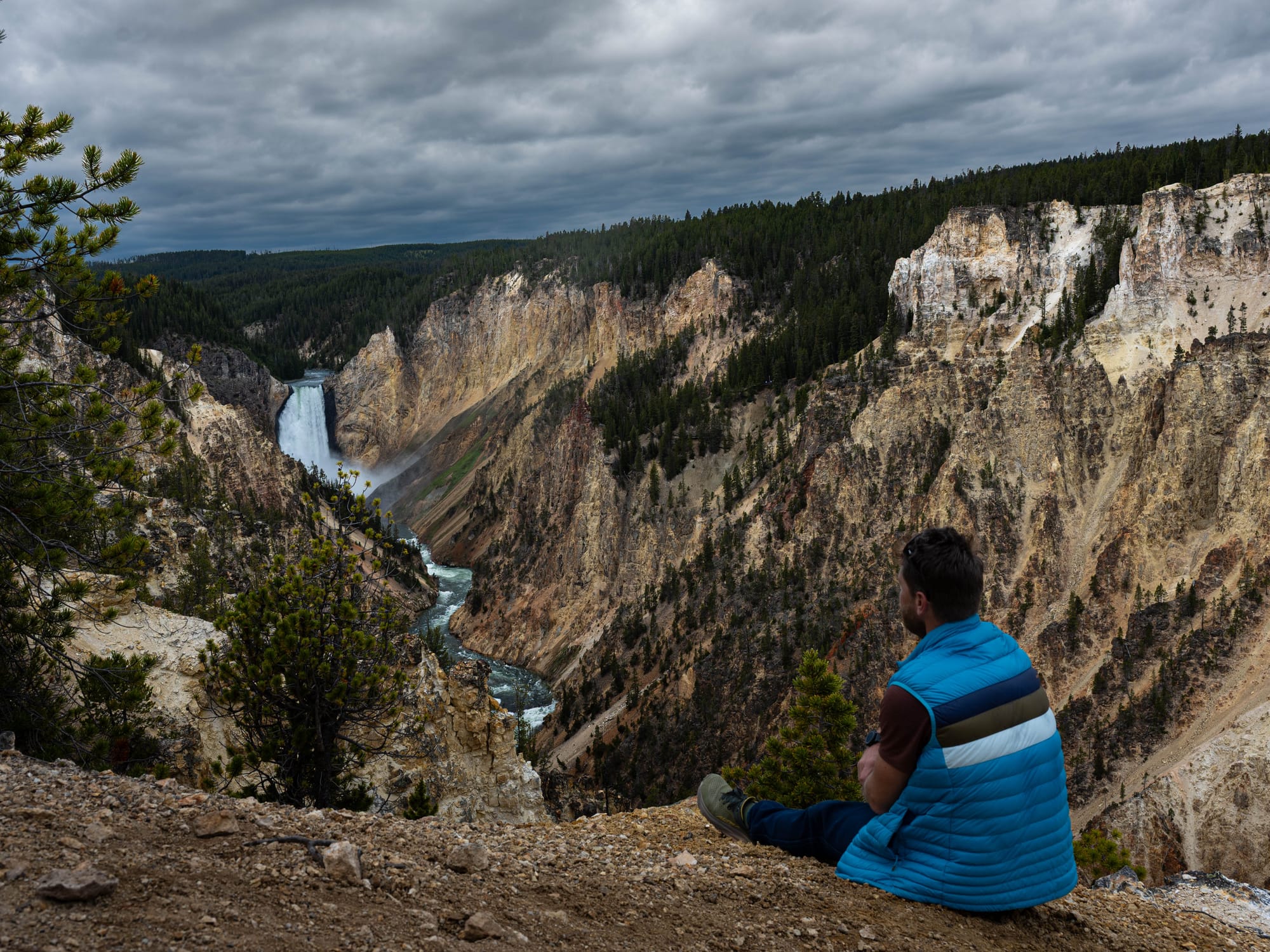
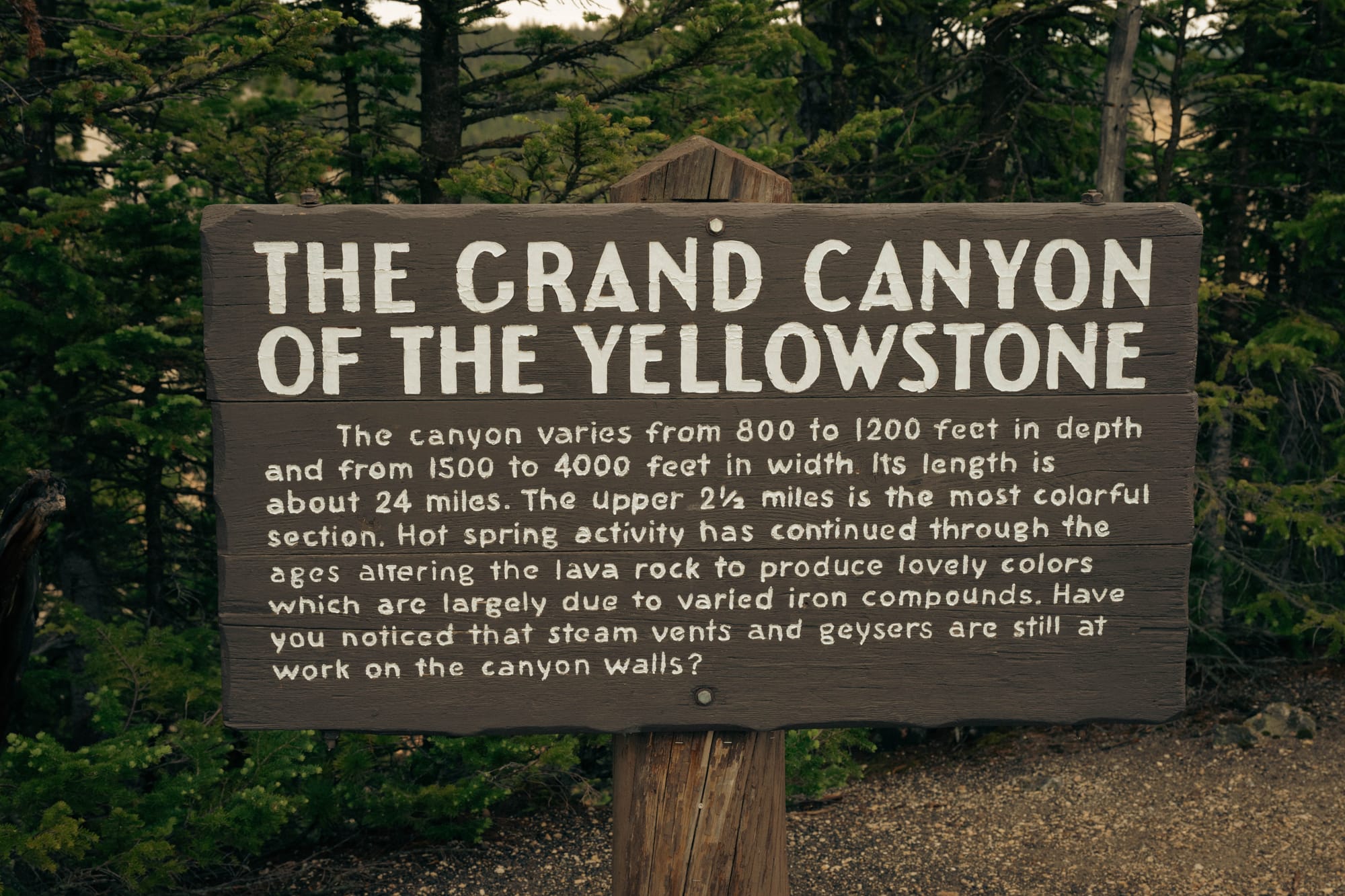
The Grand Canyon of the Yellowstone became one of those places.
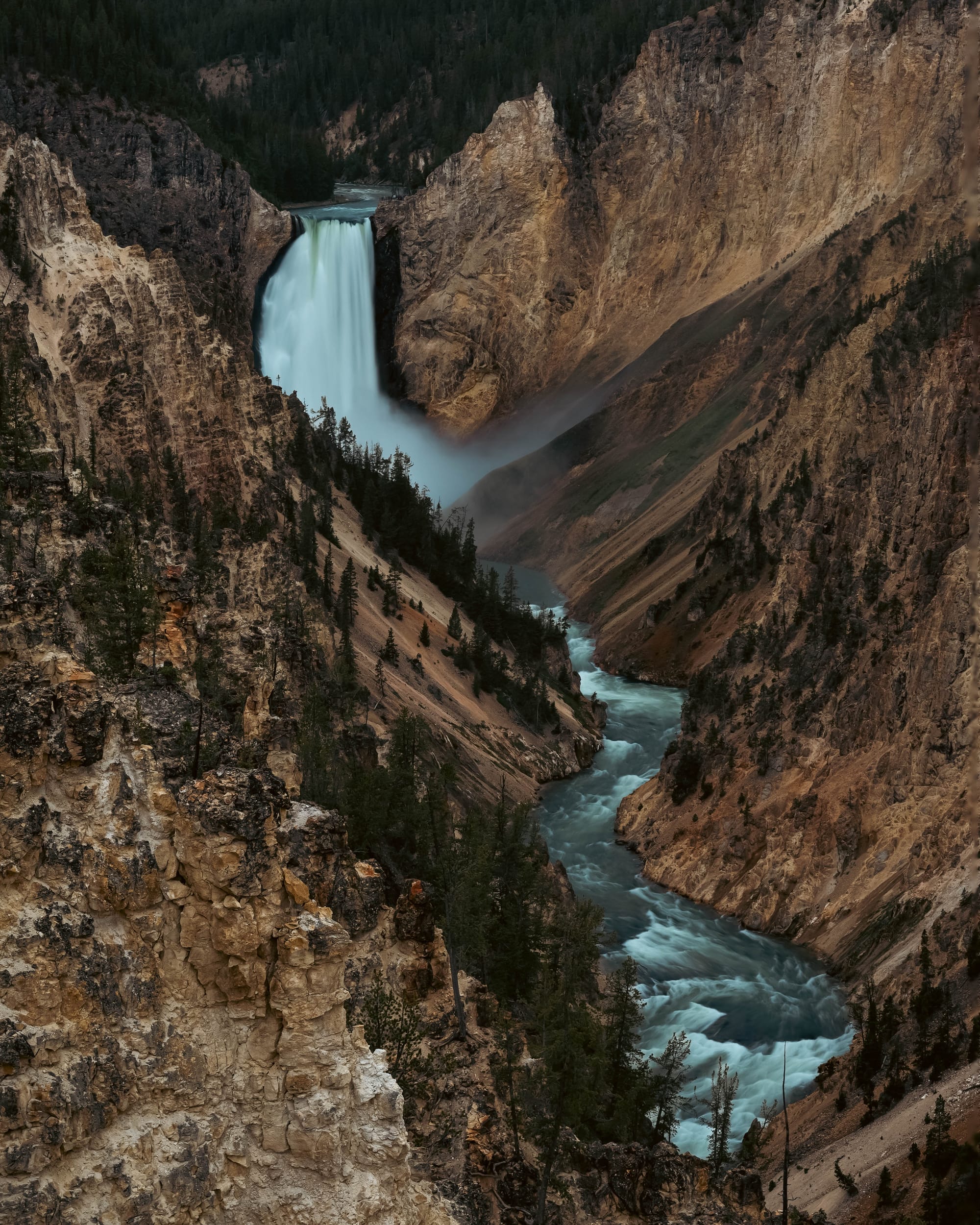
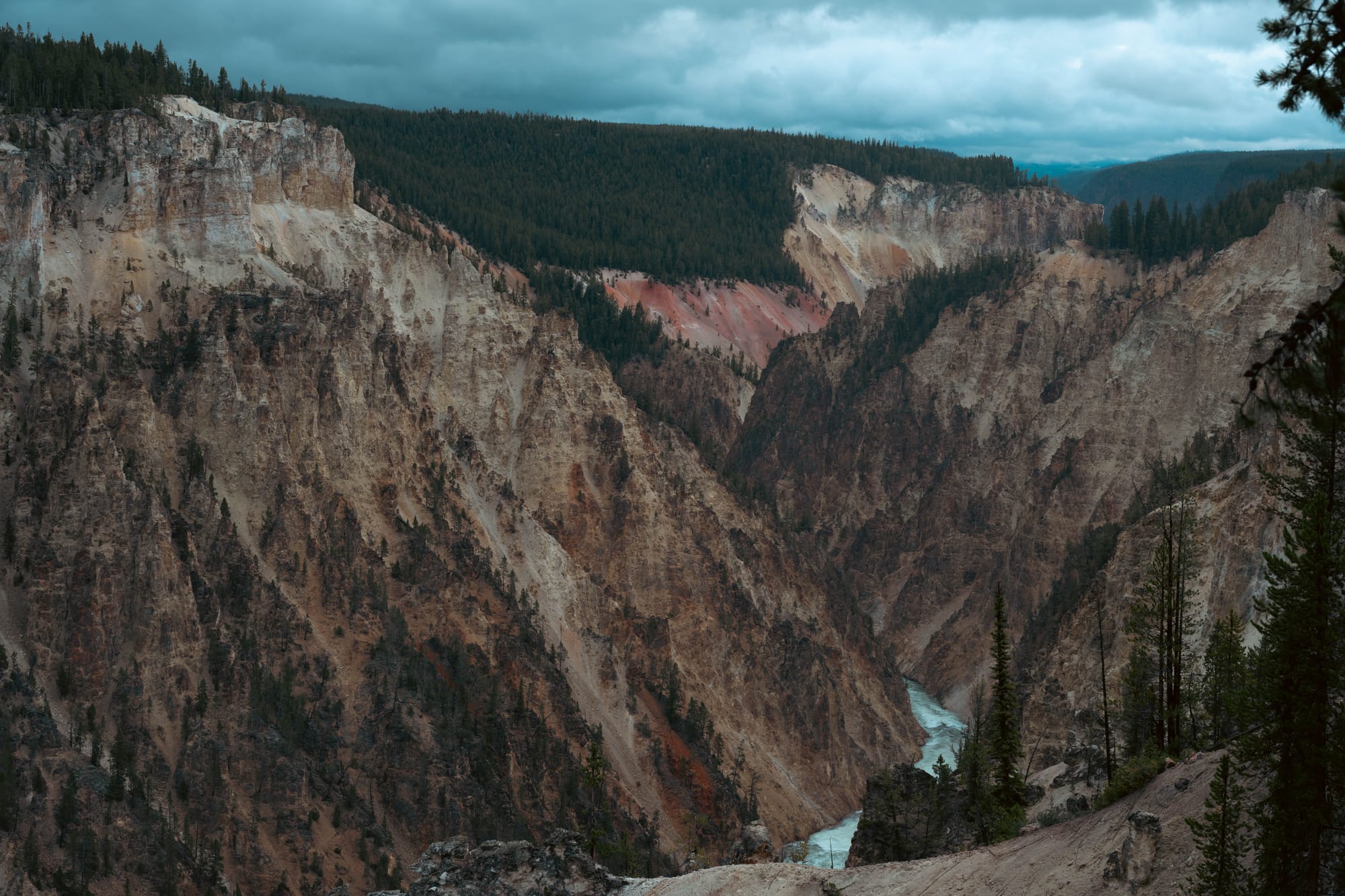
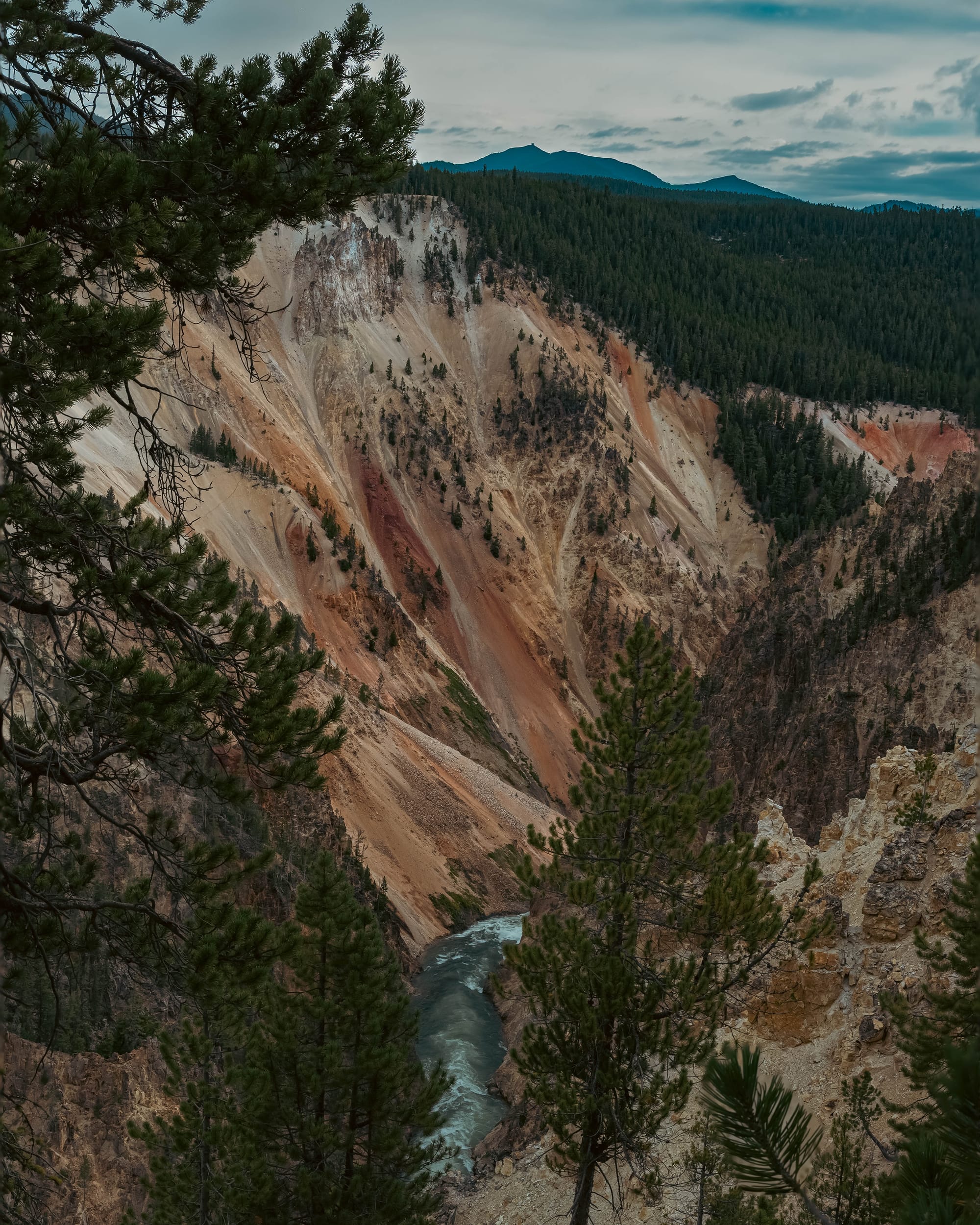
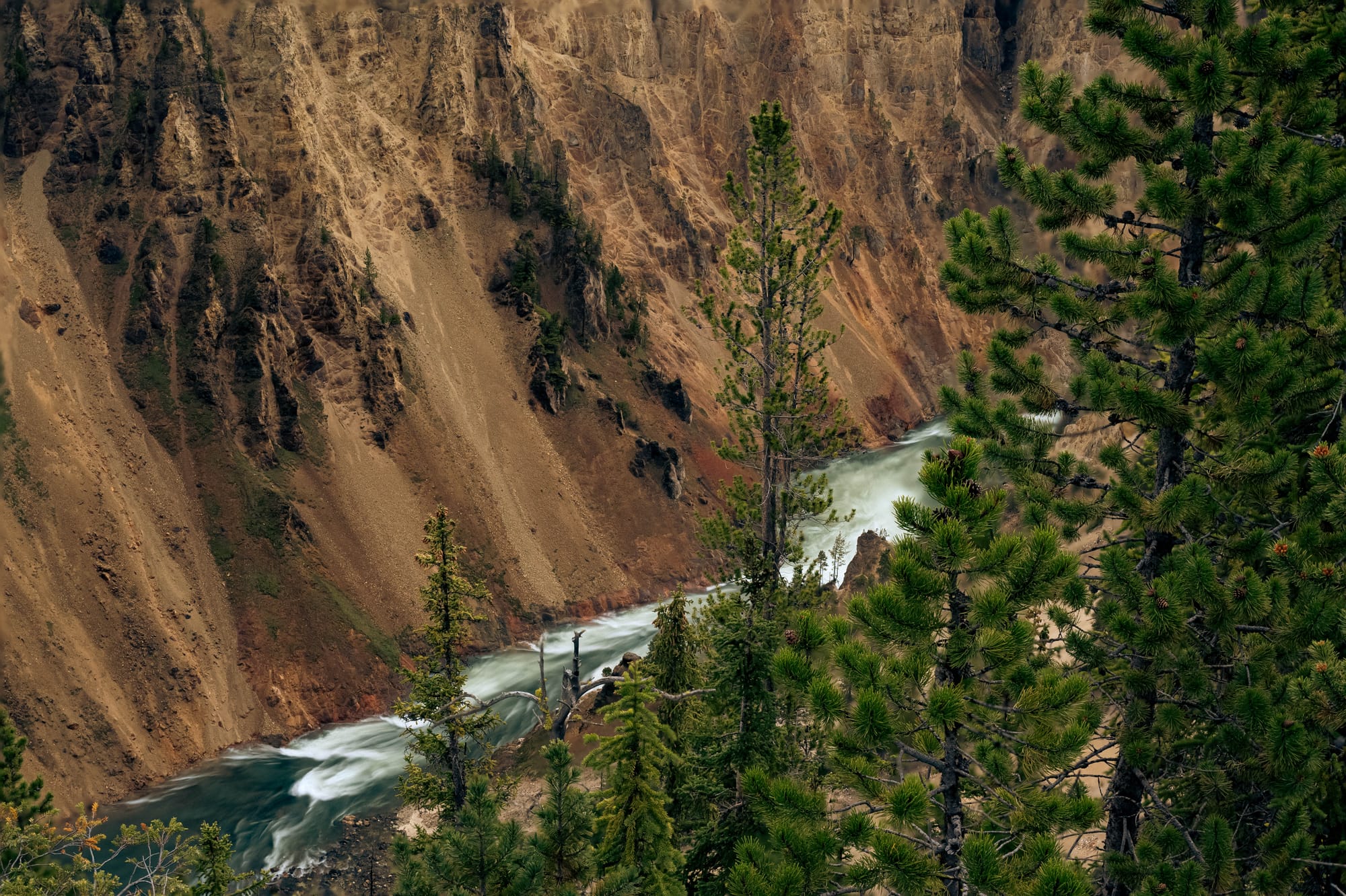
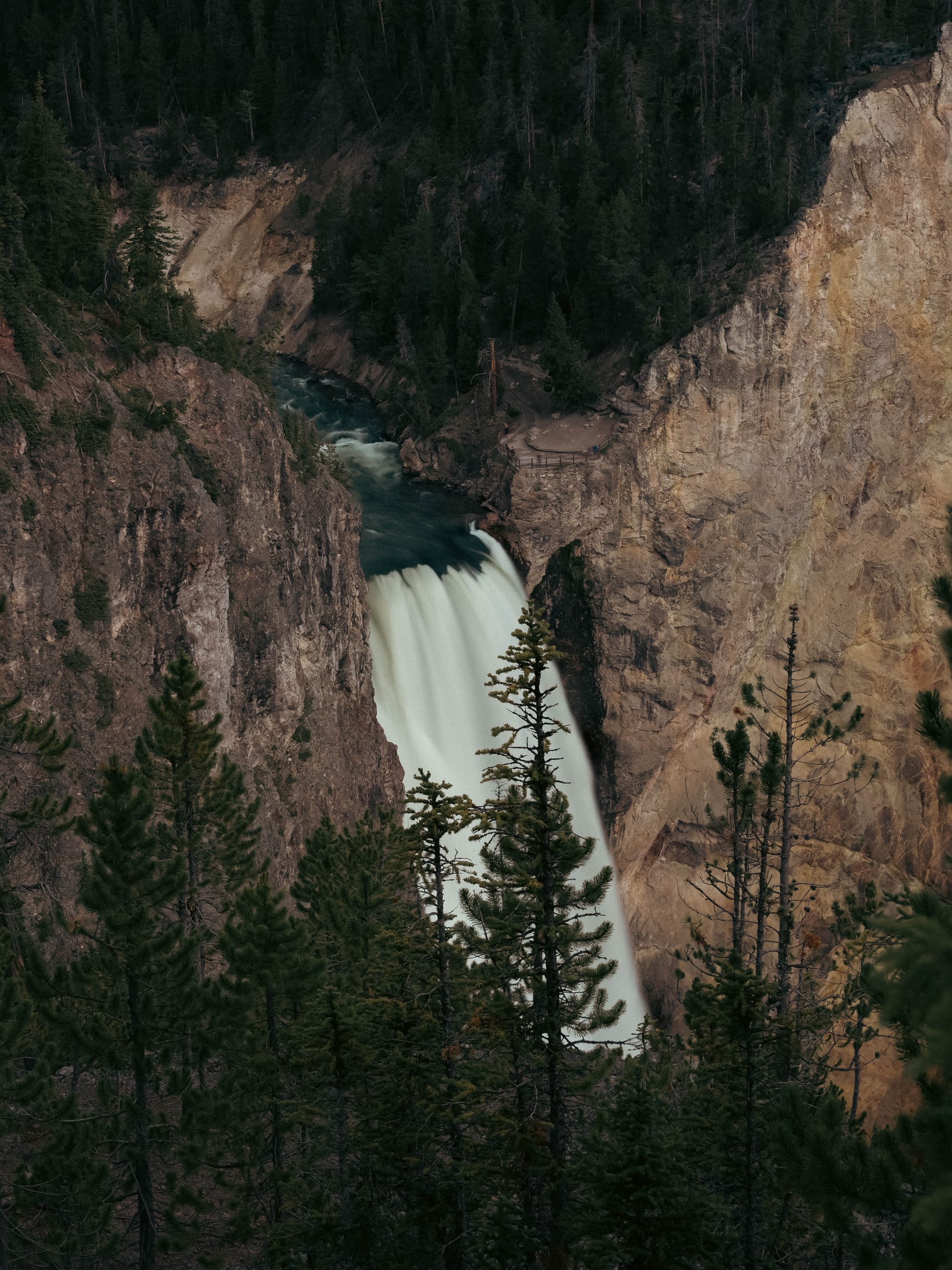
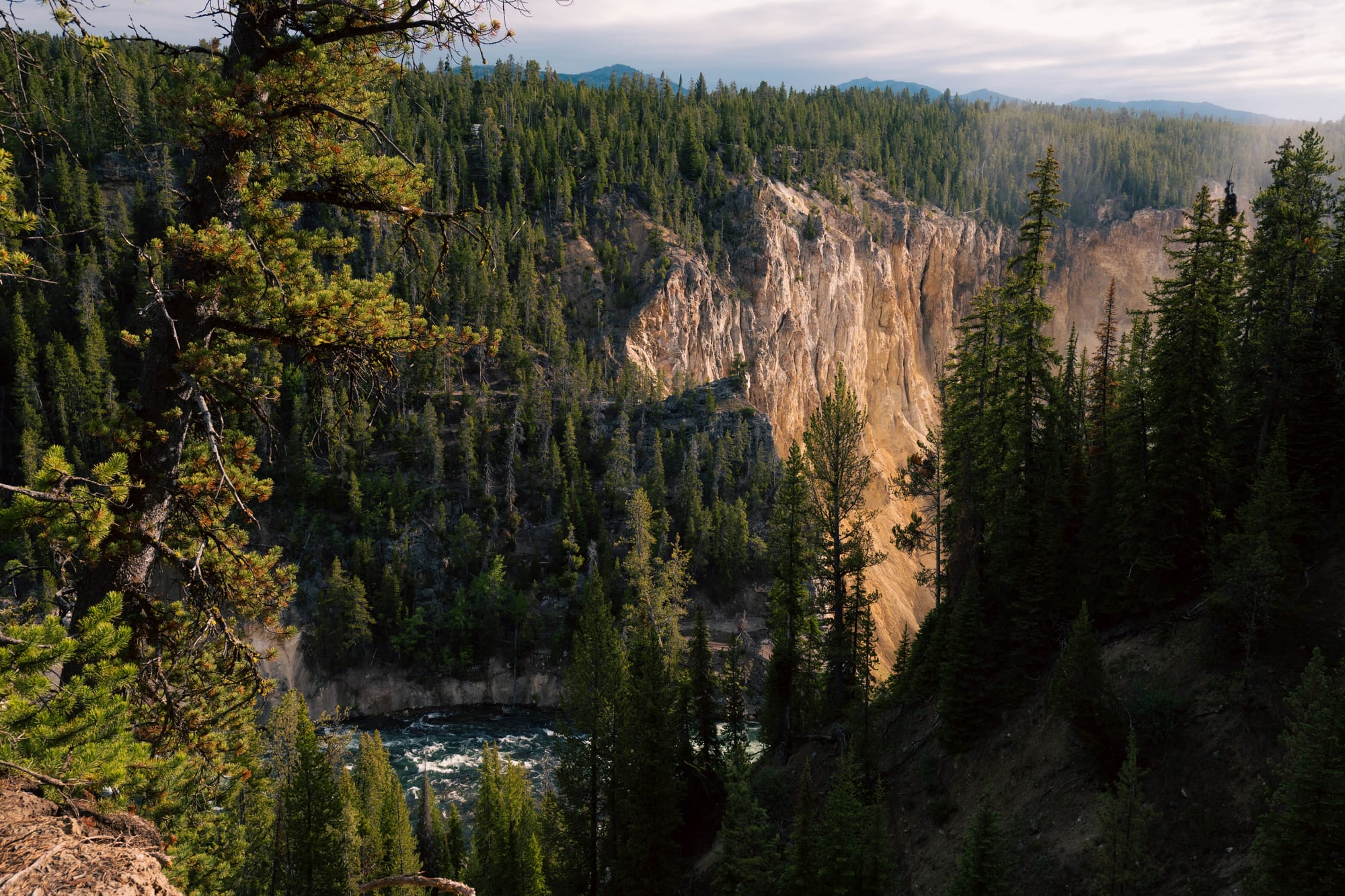
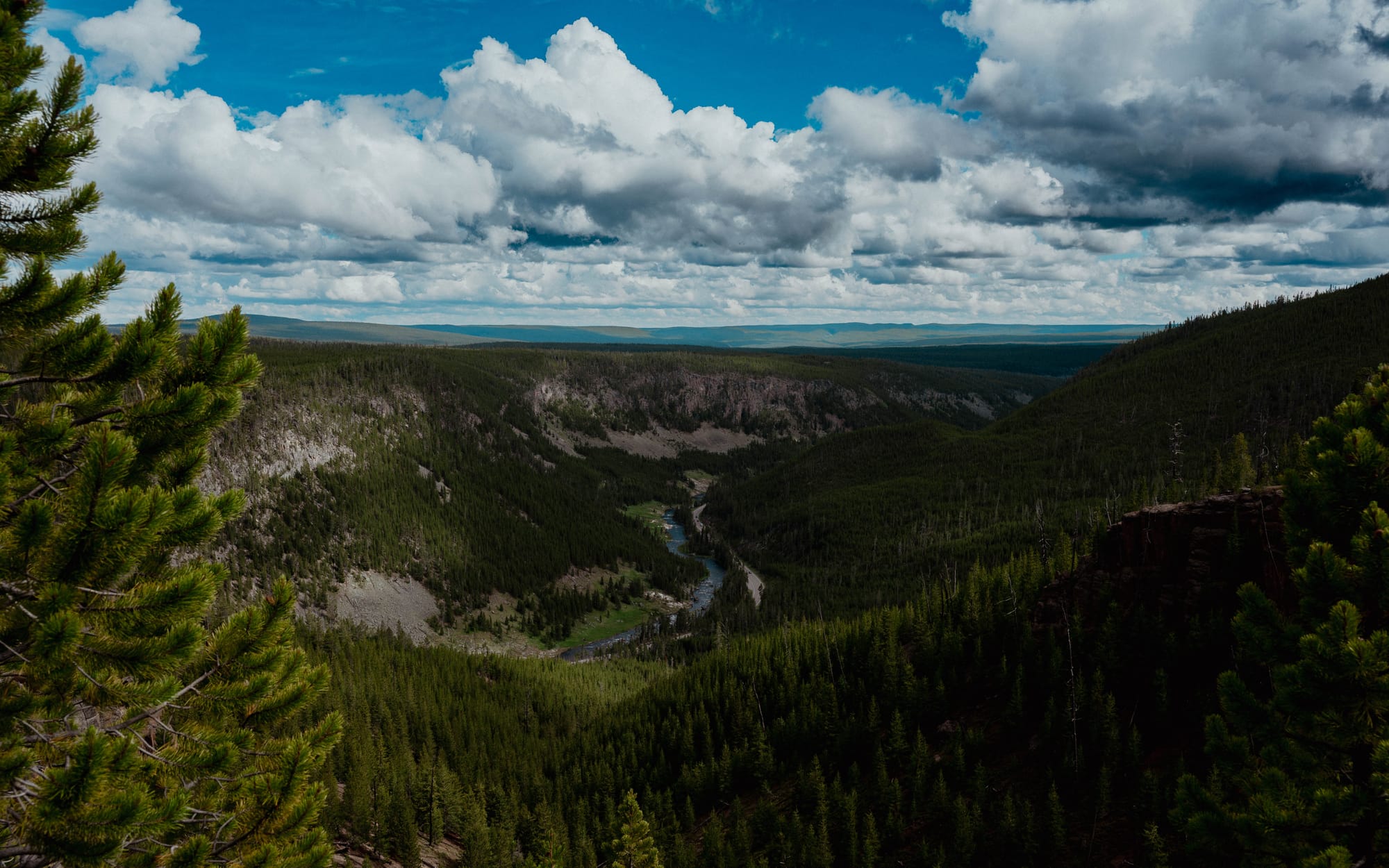
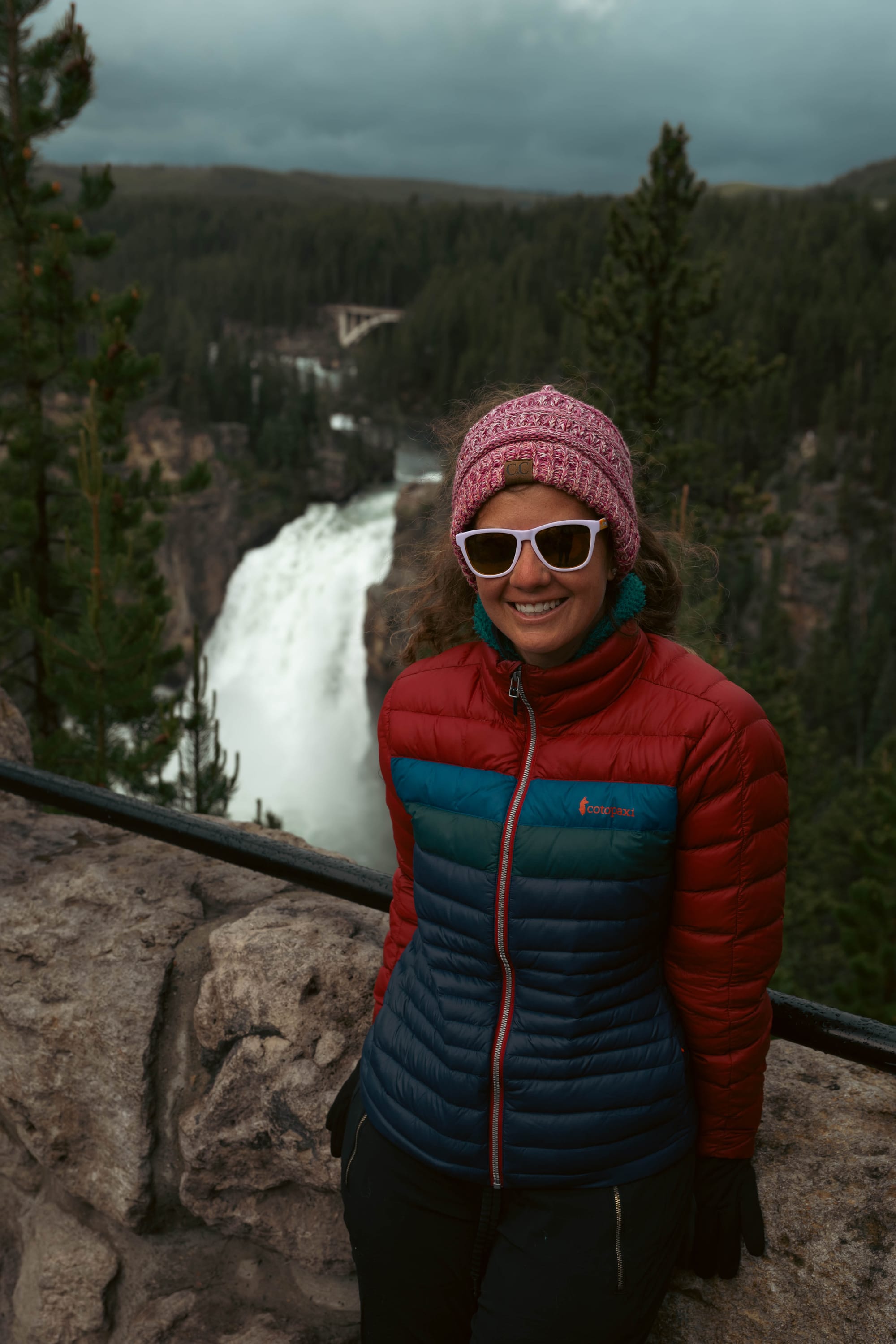
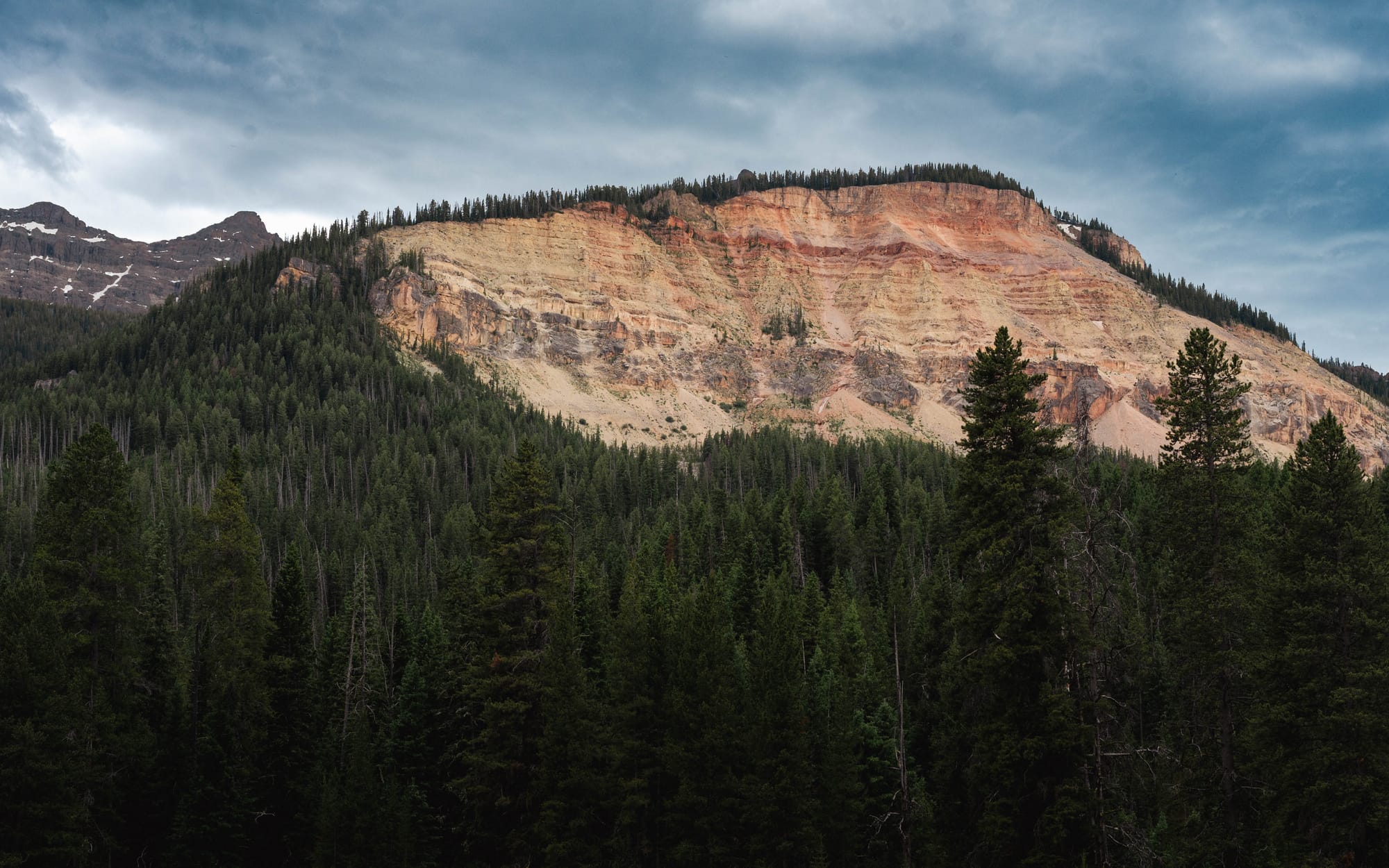
From Artist Point to the North Rim, every overlook revealed something different. The Yellowstone River, which begins quietly at Yellowstone Lake, suddenly compresses into something powerful, carving through volcanic rock stained yellow, orange, pink, and cream by thousands of years of hydrothermal alteration.
It feels like the river is telling the park's story.
The same water that drifts peacefully through Hayden Valley eventually explodes into the canyon, exposing the geology that created Yellowstone in the first place.
The canyon also changed with the light. Morning shadows emphasized its depth. Afternoon sun brought out the colors in the rock. Walking the rim trails transformed a scenic overlook into a landscape you could actually experience.
Some places are worth revisiting.
The Grand Canyon of the Yellowstone is one of them.
Yellowstone Rewards Elevation
Our favorite hike in Yellowstone wasn't a famous landmark.
It was a 10,568-foot summit on the border of Yellowstone National Park and the North Absaroka Wilderness.
Avalanche Peak quickly became our favorite trail in the park.
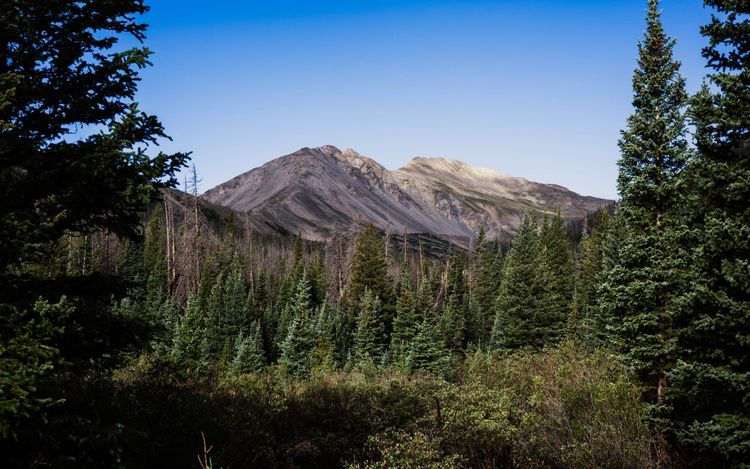
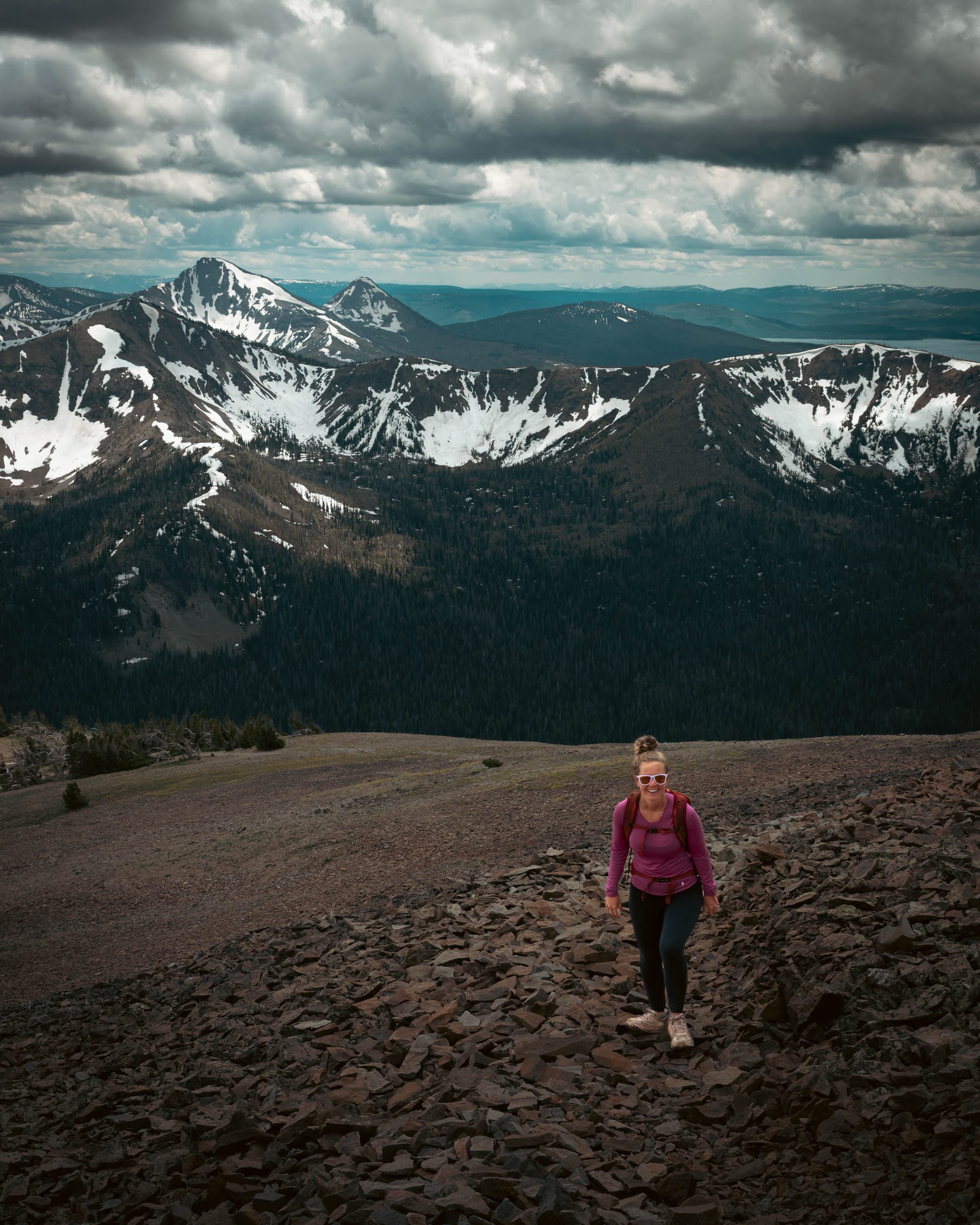
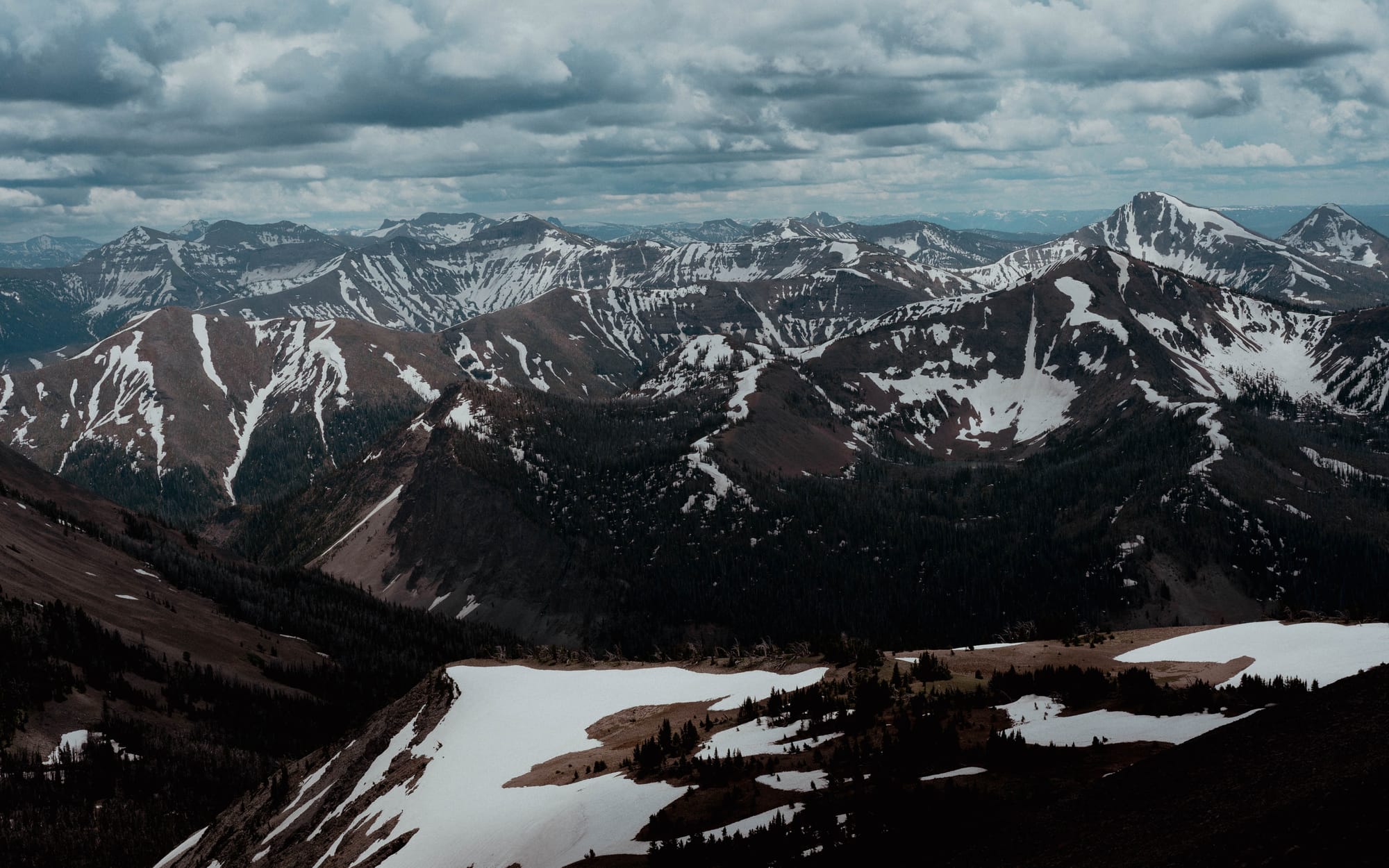
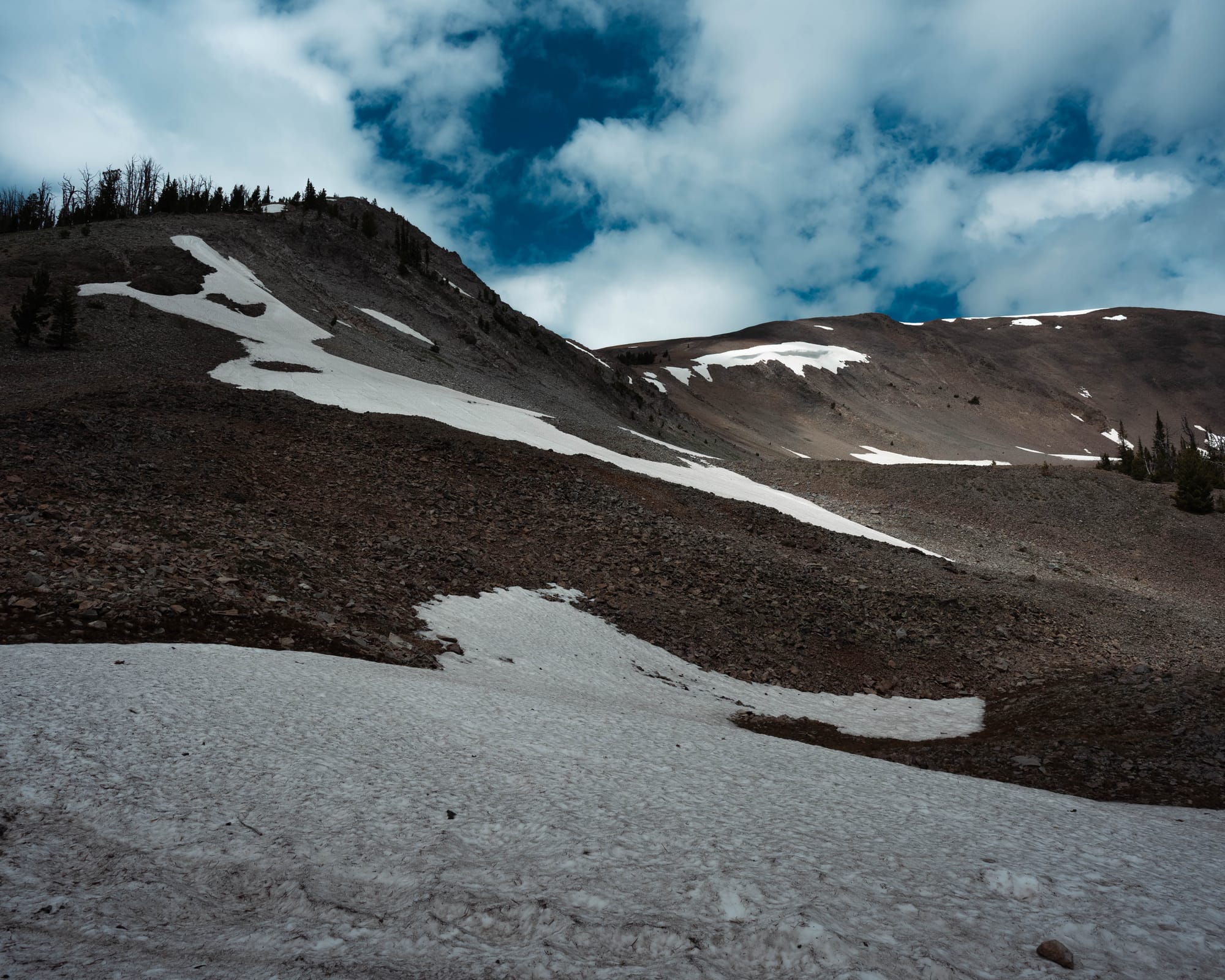
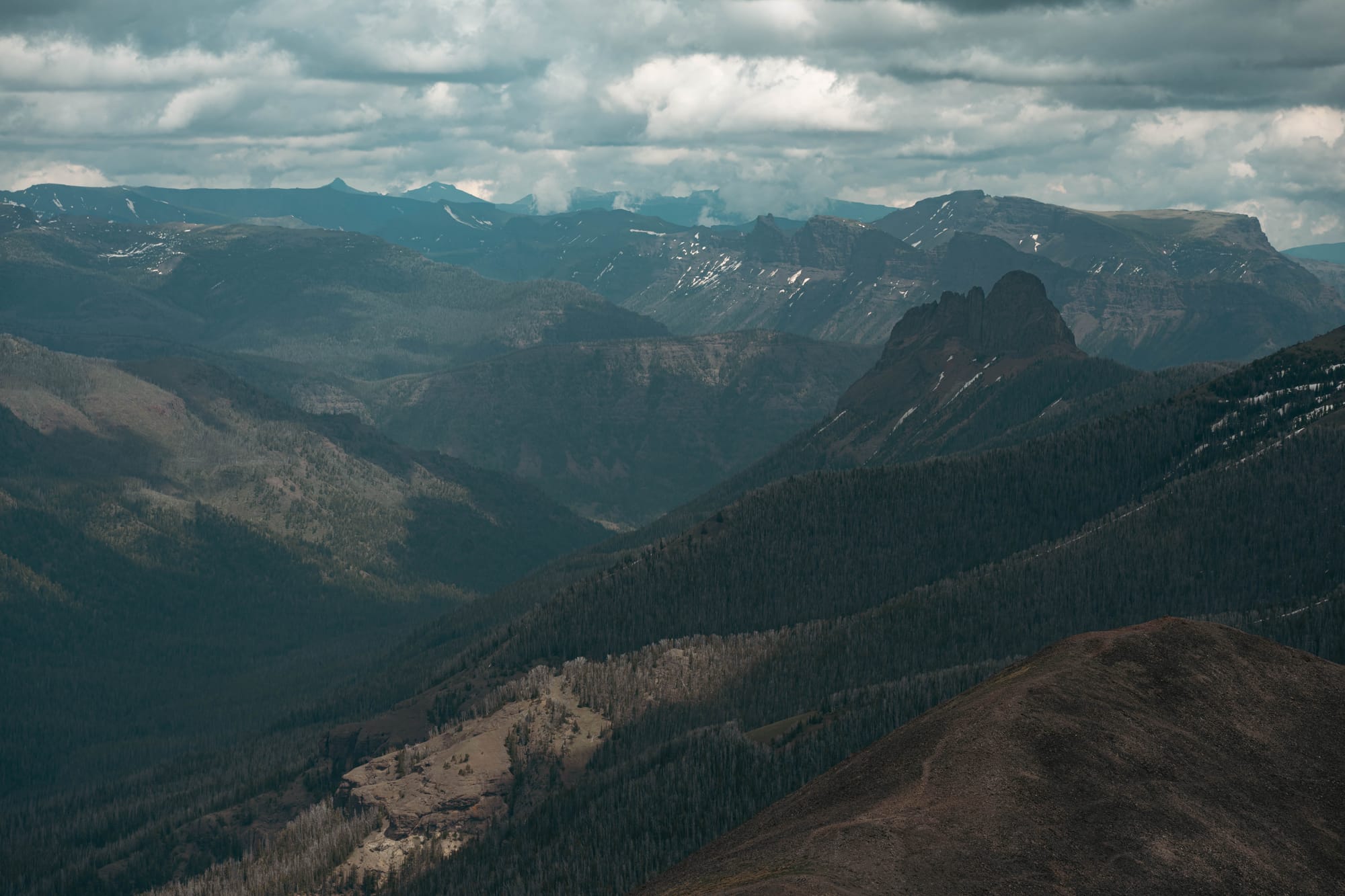
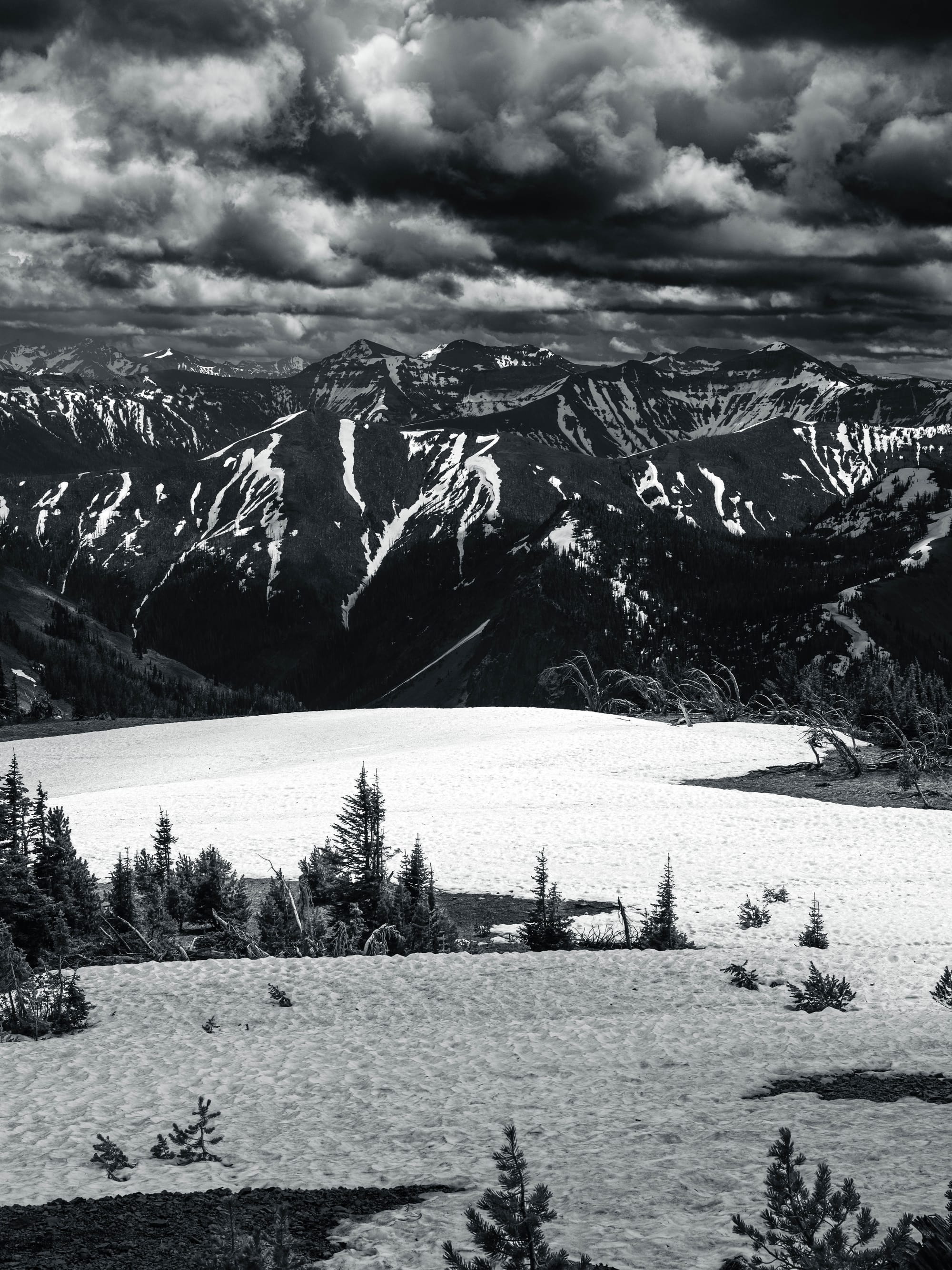
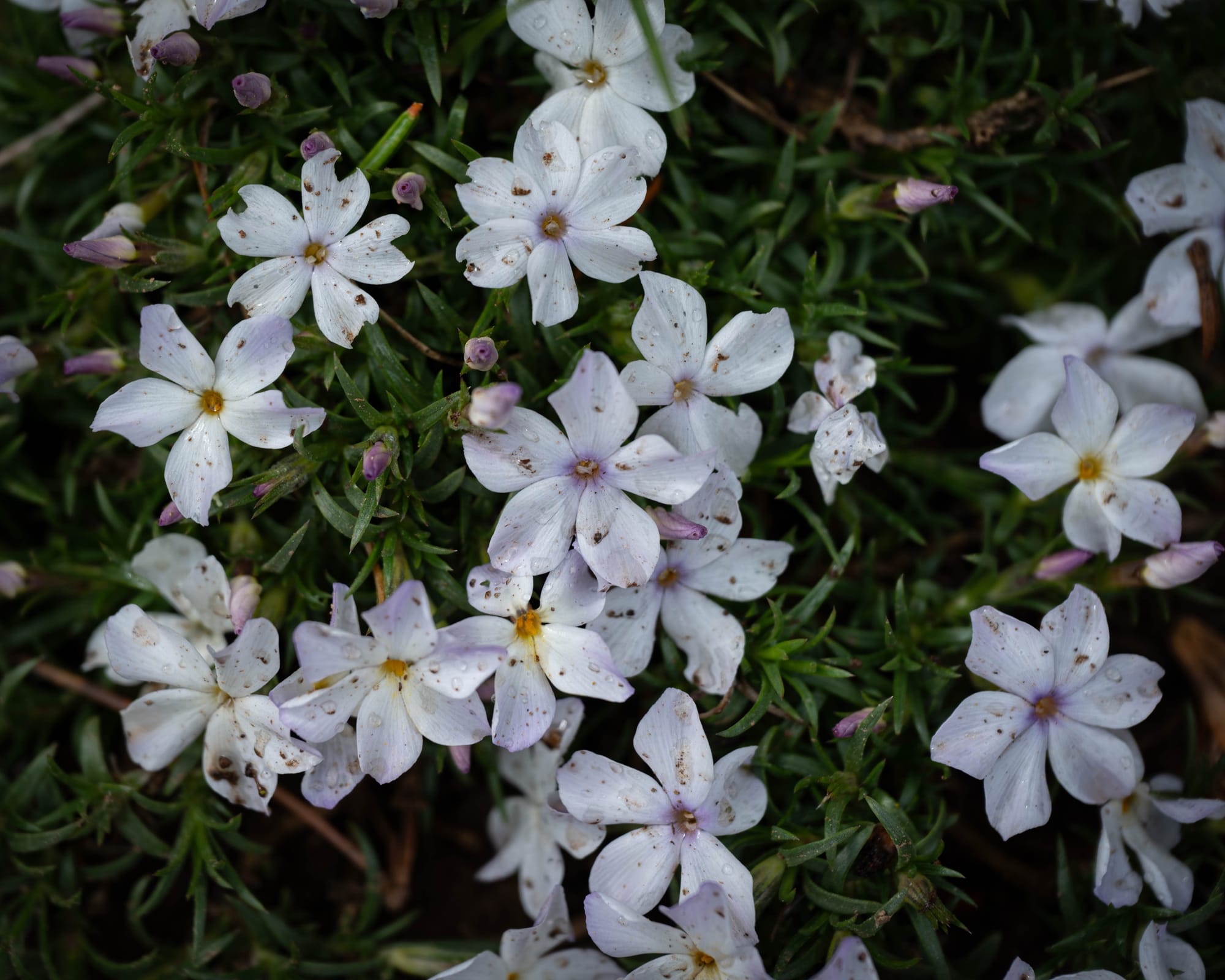
The climb begins in dense forest before emerging into wildflower-covered slopes. Higher still, lingering snowfields give way to loose talus and short stretches of rock scrambling as the summit comes into view. Every stage feels different, and every bit of elevation reveals another layer of Yellowstone.
Standing on the summit, we could finally see the landscapes we'd spent days learning.
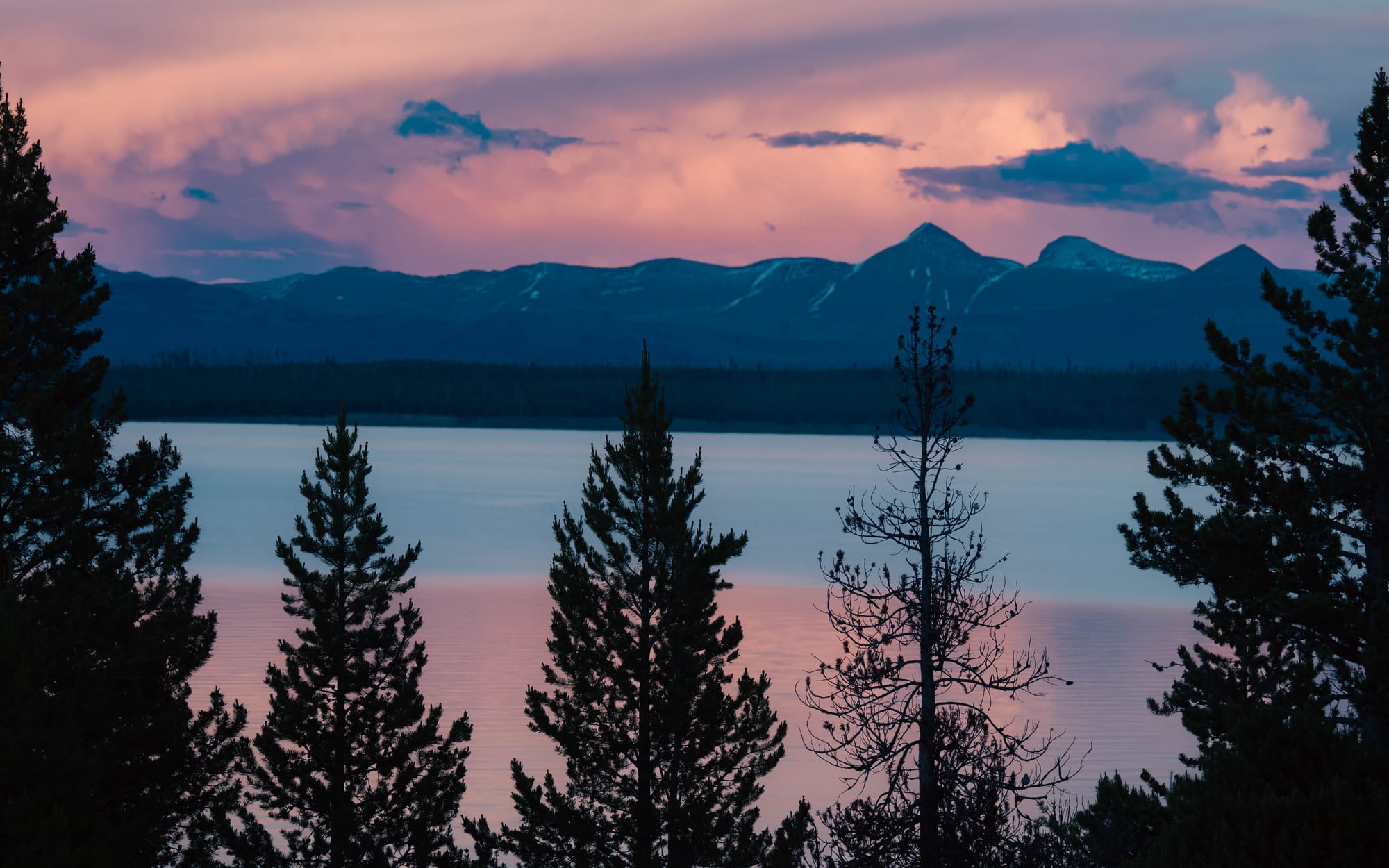
Yellowstone Lake filled the basin below.
Mountain ranges stretched across the horizon.
The scale of the park suddenly became visible in a way that no map had ever managed.
Mount Washburn offered a completely different experience.
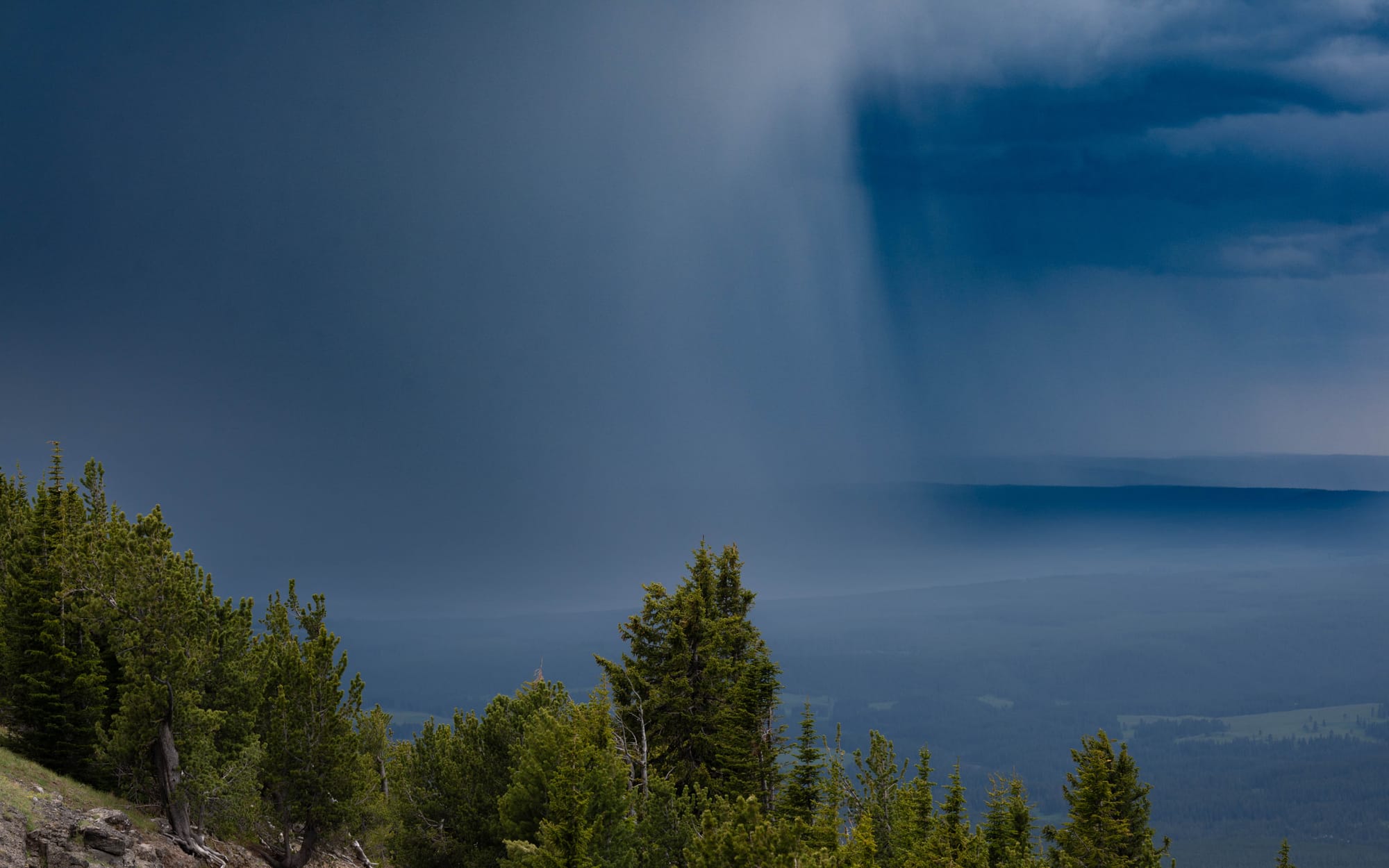
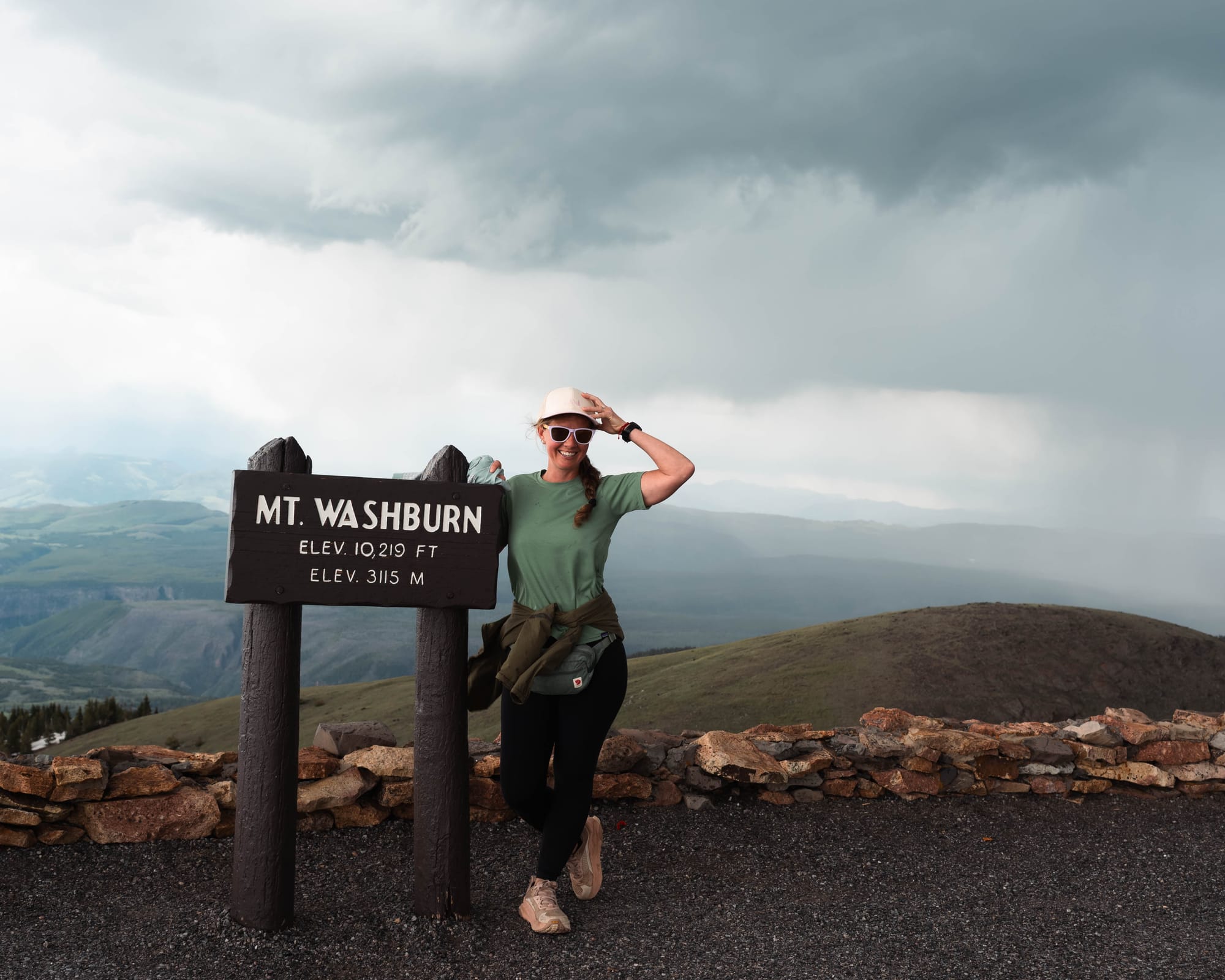
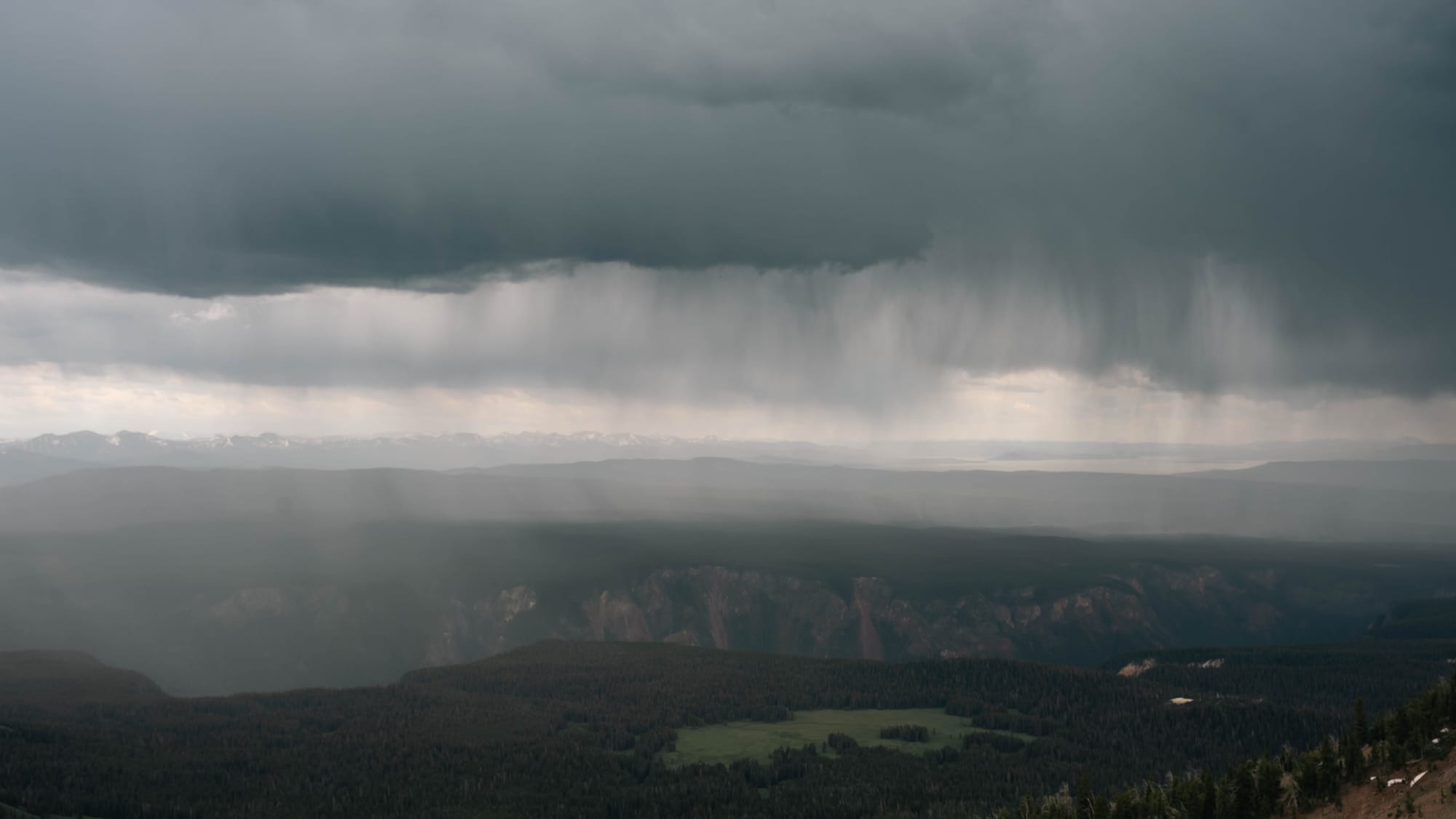
The climb was longer and more gradual, but the weather had other plans. Dark clouds rolled across the mountains as we approached the summit. Wind whipped across the ridgeline, lightning flashed in the distance, and the fire lookout at the summit became a welcome refuge while the storm passed overhead.
When we finally descended, we met another hiker who had been caught in the worst of the storm. She was soaked, shaken, and relieved to have company for the remainder of the hike down the mountain.
It's a small memory.
But it's also one we'll remember longer than the summit itself.
Later in our stay, the Garnet Loop Trail introduced us to yet another Yellowstone.
The trail dropped toward the Yellowstone River before crossing one of the park's most impressive suspension bridges, eventually looping through open country that felt remarkably remote despite being only a short drive from Tower Roosevelt.
Our final hike, Bunsen Peak, closed the trip perfectly.
Joined by one of our Appalachian Trail friends, Proof, we climbed into the northern mountains overlooking Mammoth and the Gallatin Range. It wasn't as demanding as Avalanche Peak, but it offered another reminder that every mountain in Yellowstone reveals a different perspective on the park.
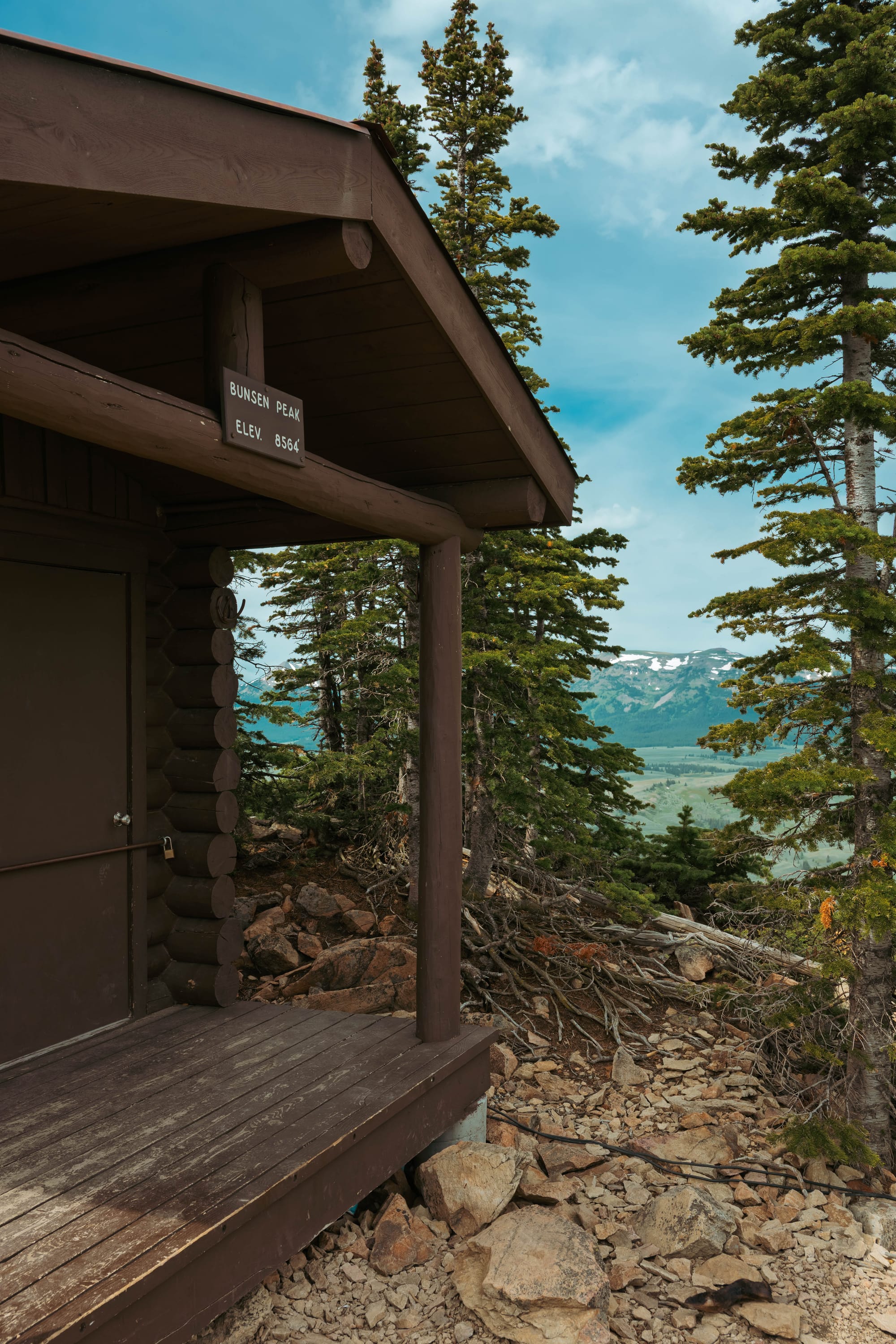
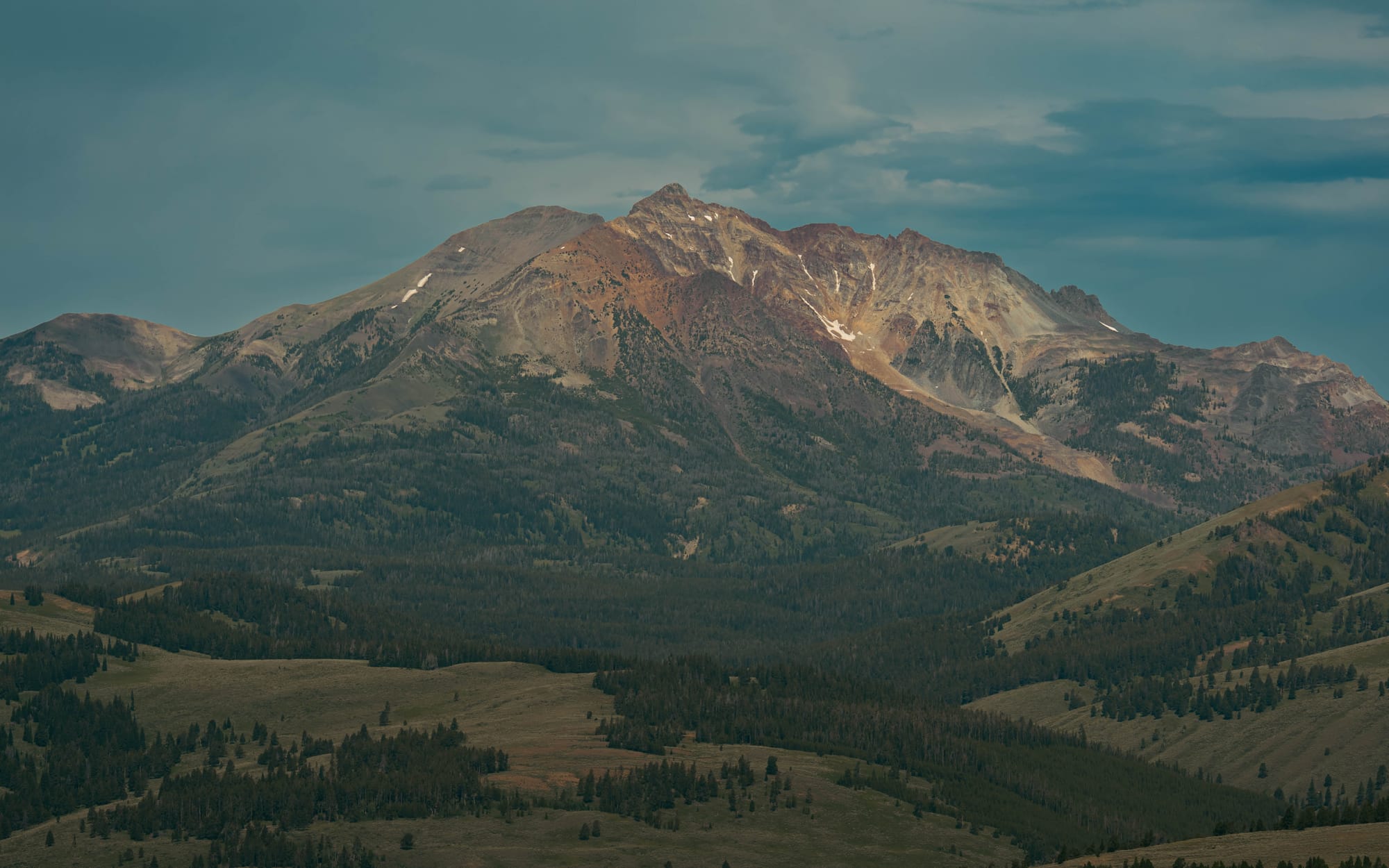
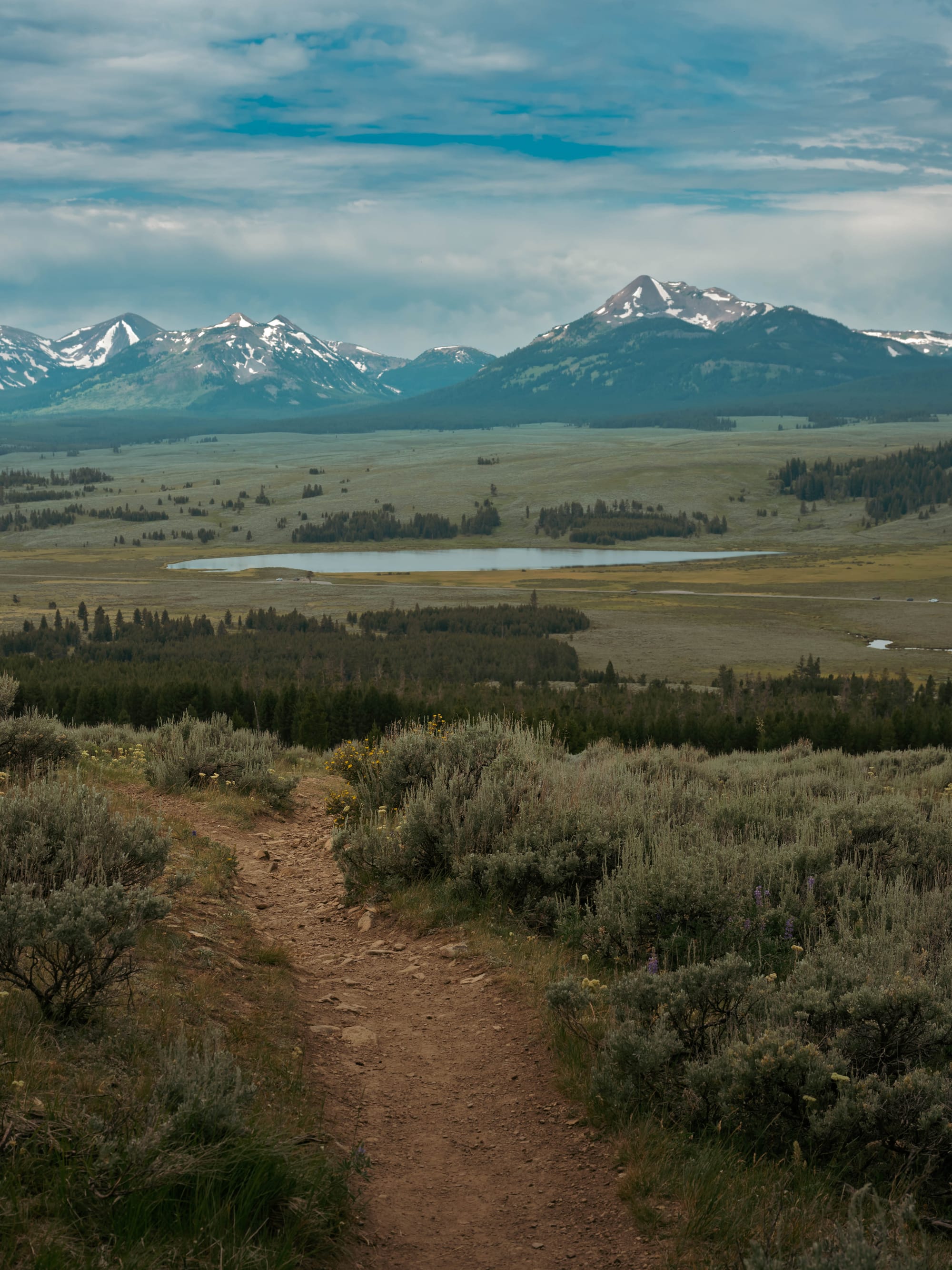
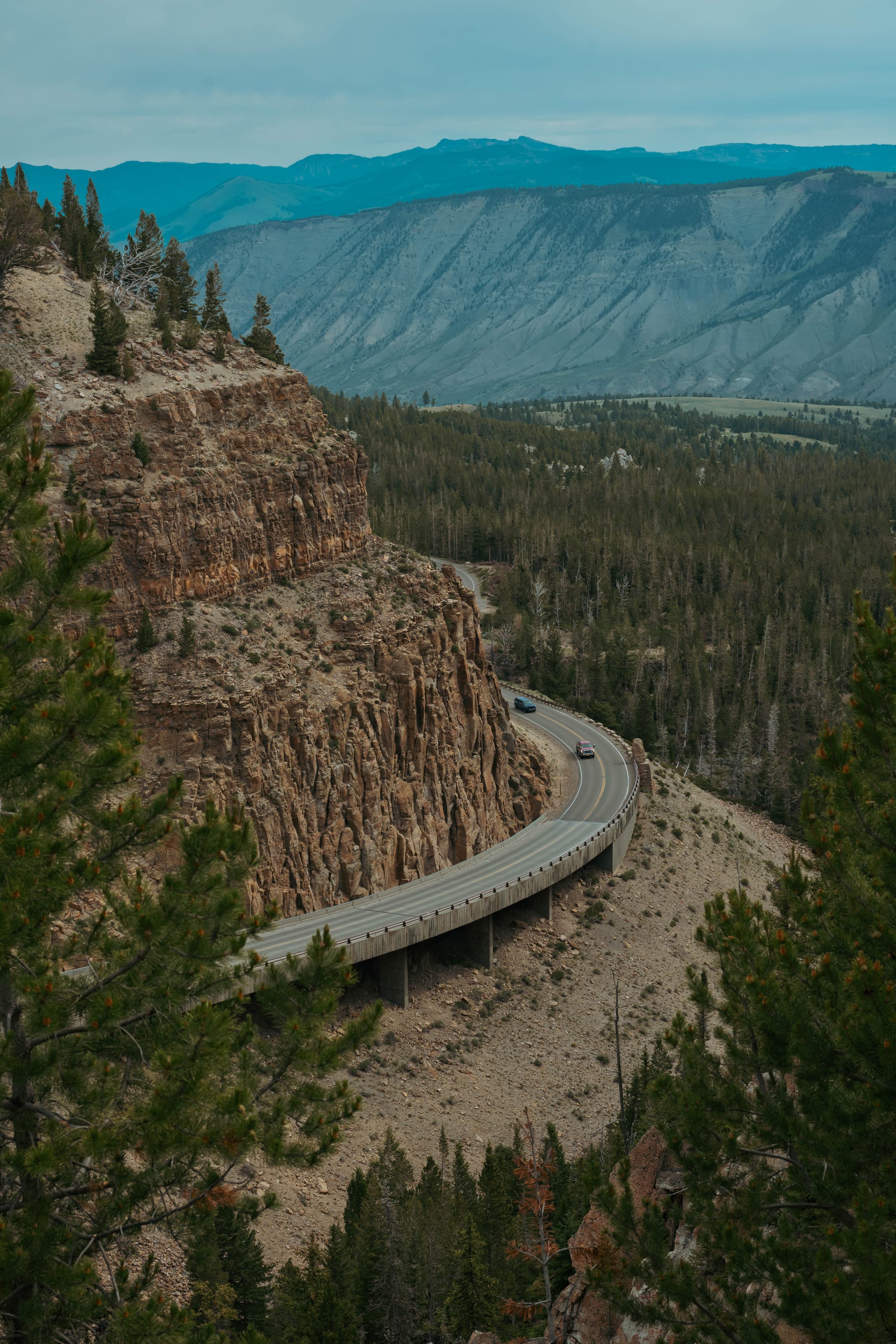
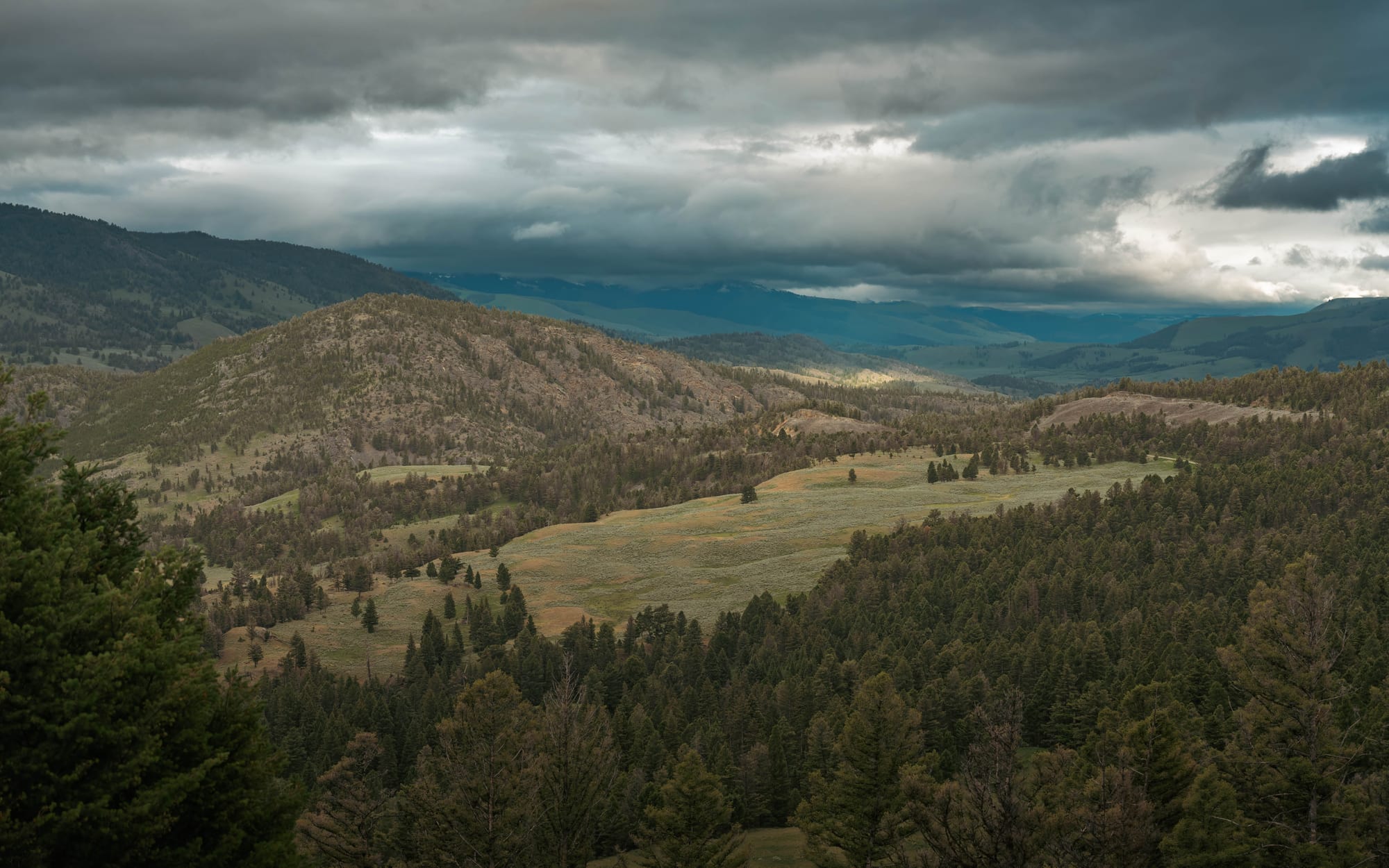
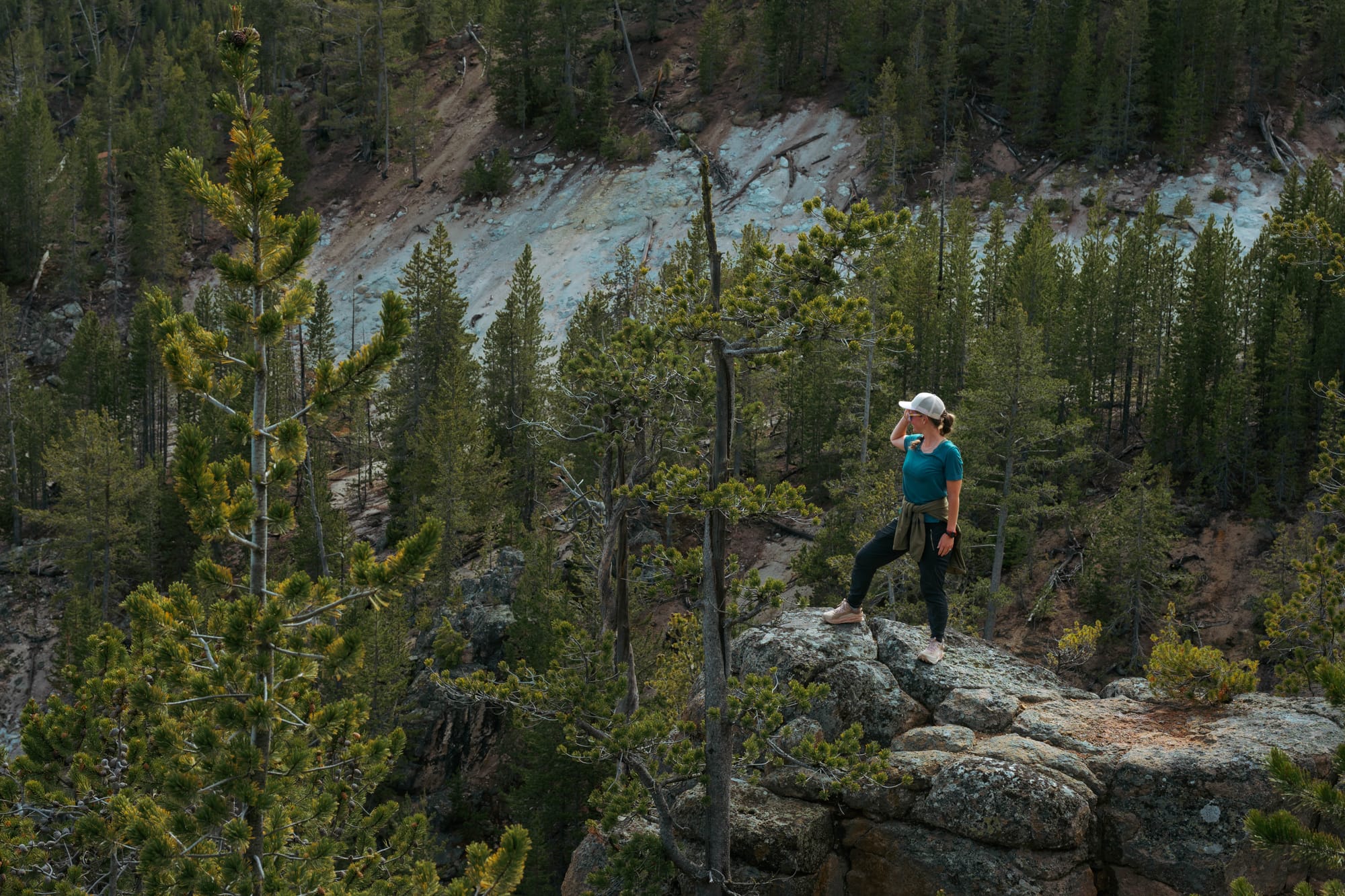
Avalanche Peak revealed Yellowstone from above. Mount Washburn reminded us how quickly mountain weather can change. Garnet brought us down to the Yellowstone River. Bunsen Peak introduced us to the northern mountains surrounding Mammoth.
Four hikes.
Four completely different landscapes.
That's Yellowstone.
Yellowstone Gets Quiet Surprisingly Fast
If there was one lesson we repeated over and over, it was this:
Yellowstone empties out much faster than we expected.
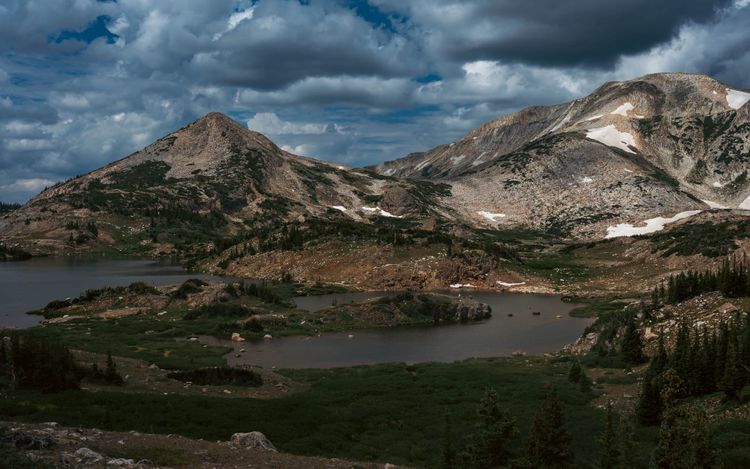
Observation Peak. Duck Lake. Pelican Creek. DeLacy Lake.
None required technical skills or backcountry permits. They simply required leaving the parking lot.
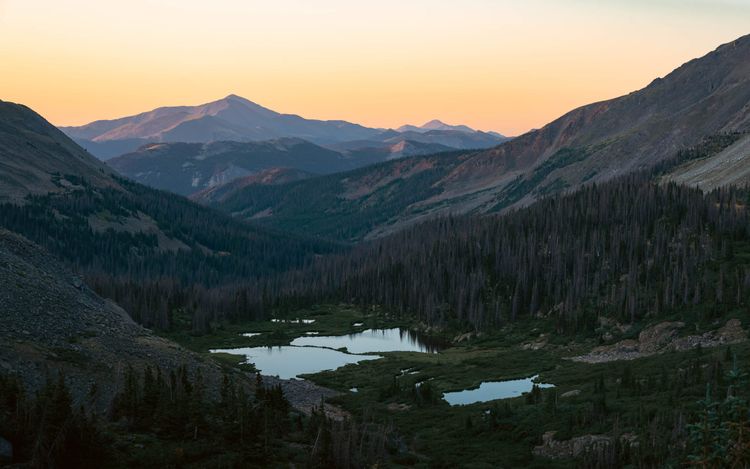
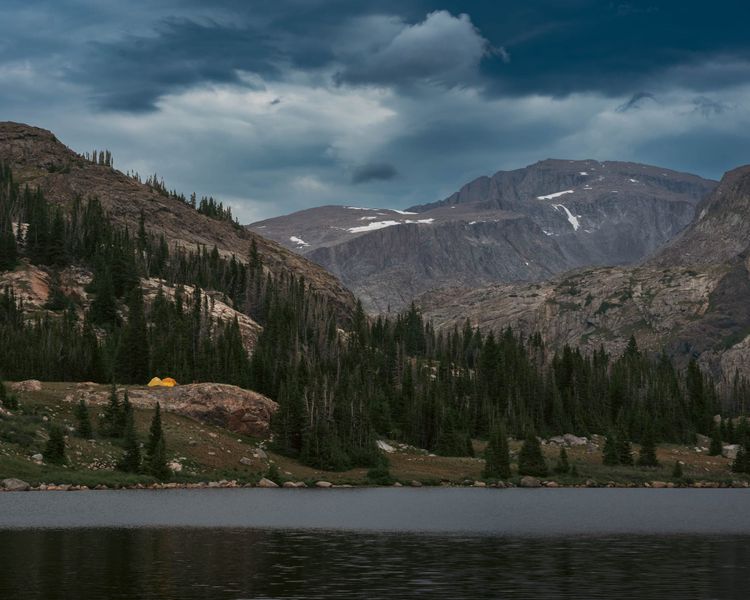
Again and again, we left crowded parking lots behind only to spend the next several hours seeing very few people.
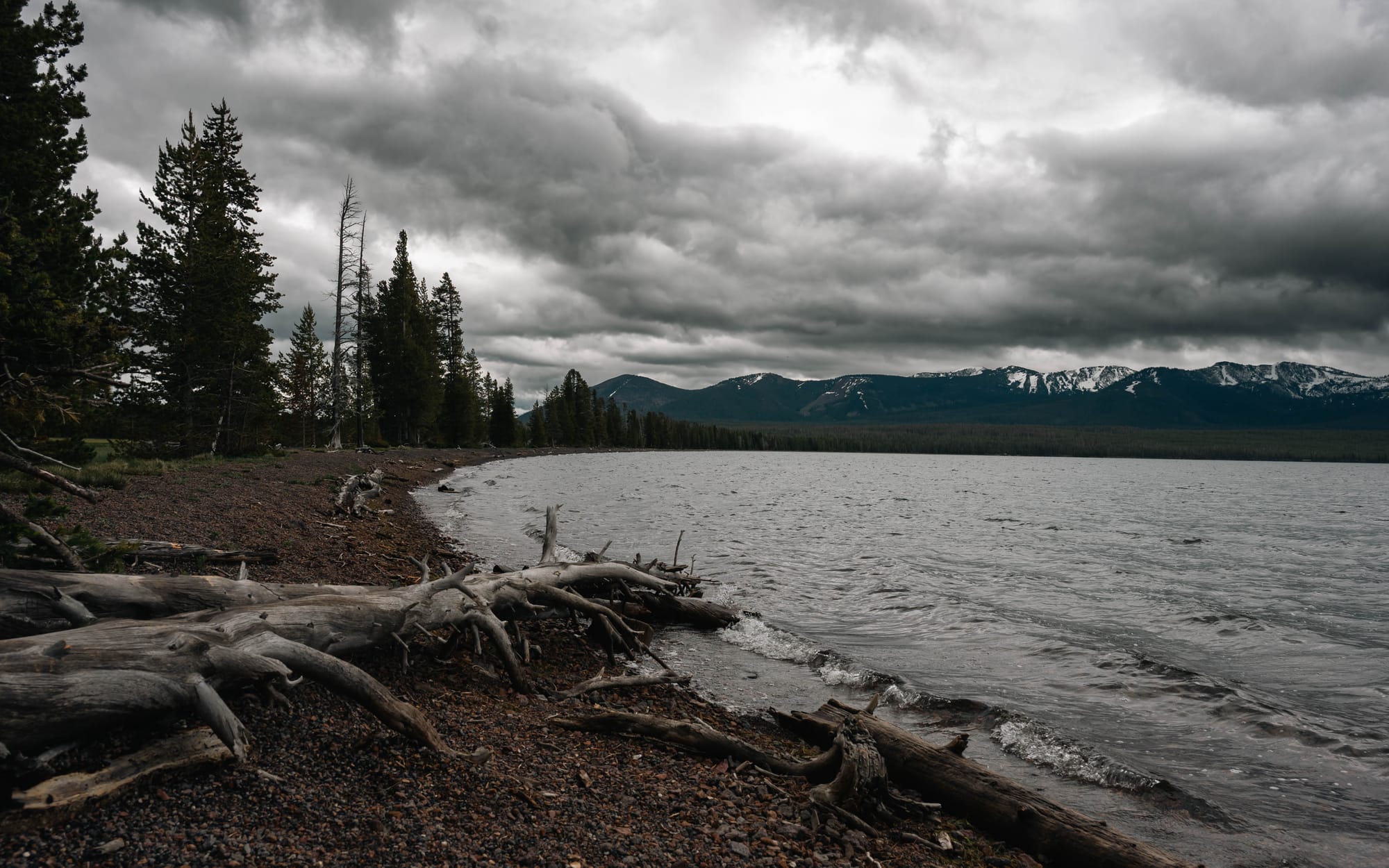
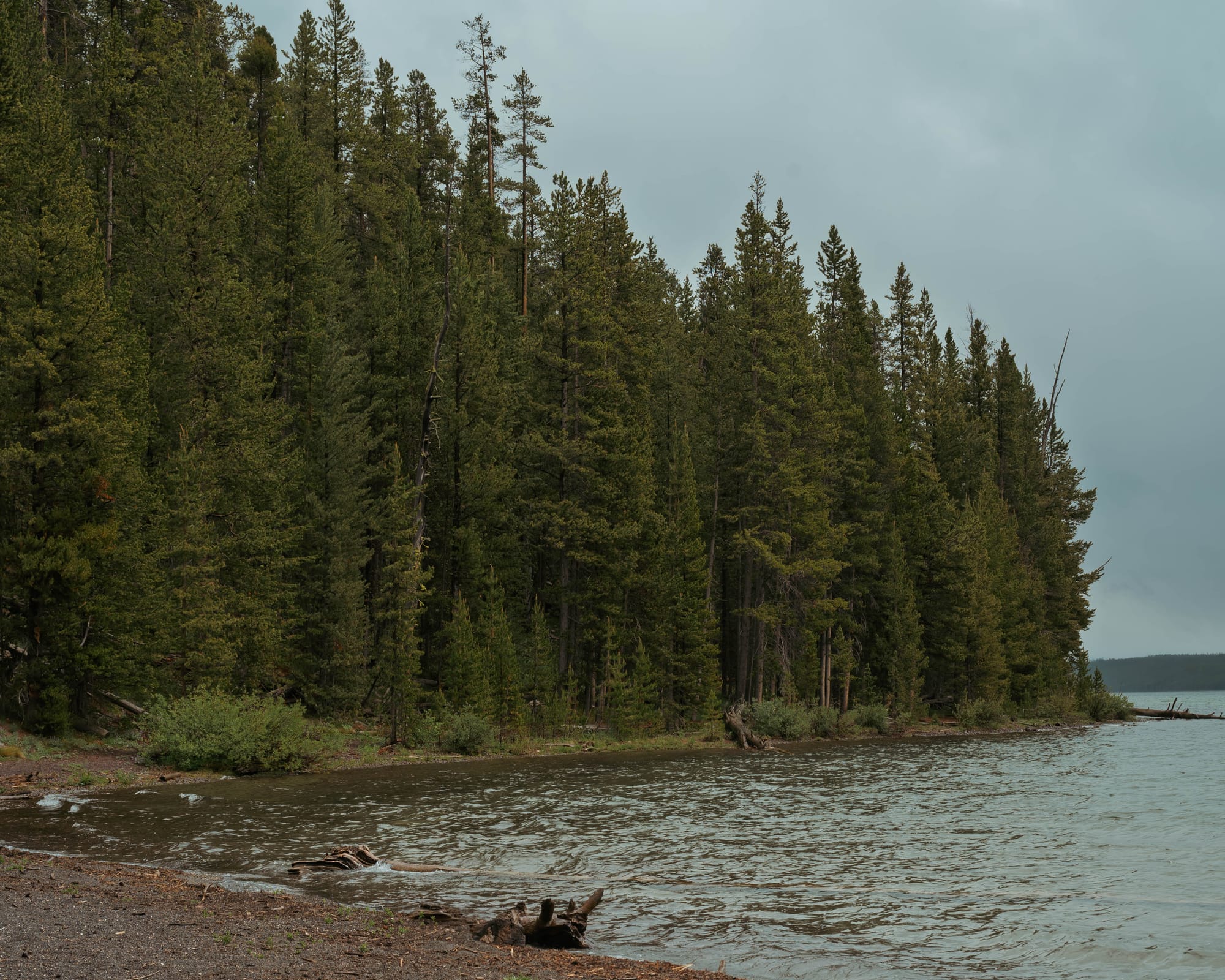
One afternoon we hiked to Shoshone Lake, the largest backcountry lake in the lower 48 states. Another day took us along the Continental Divide Trail beside Lewis Lake. Storm Point introduced us to Yellowstone Lake through a ranger-led walk that added context we never would have picked up on our own.
The scenery never felt secondary simply because it wasn't famous.
If anything, the opposite was true.
The farther we walked from Yellowstone's icons, the more personal the park became.
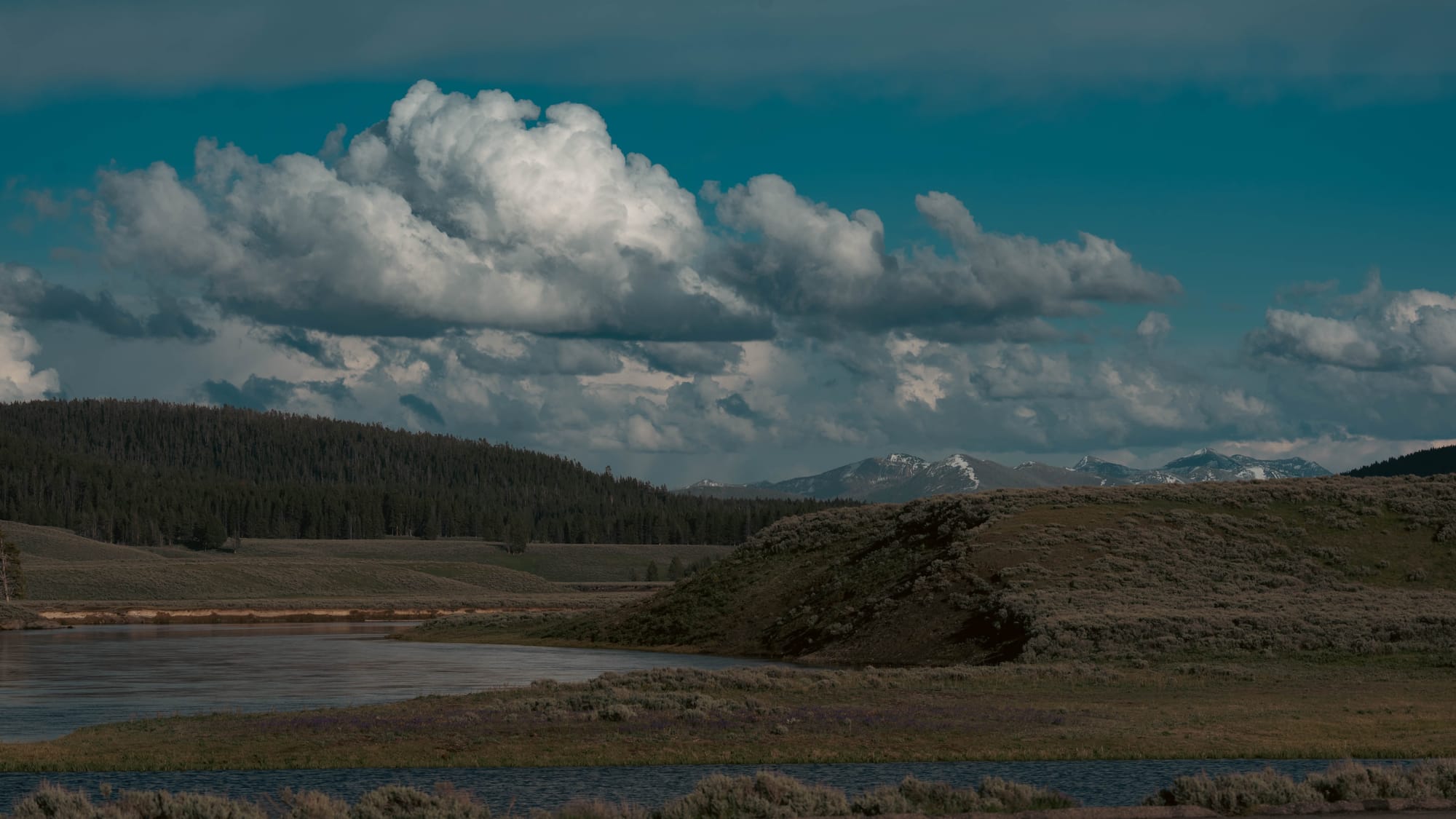
Wildlife Doesn't Read the Trail Map
Before arriving, I assumed we'd see most of Yellowstone's wildlife while hiking.
The opposite turned out to be true.
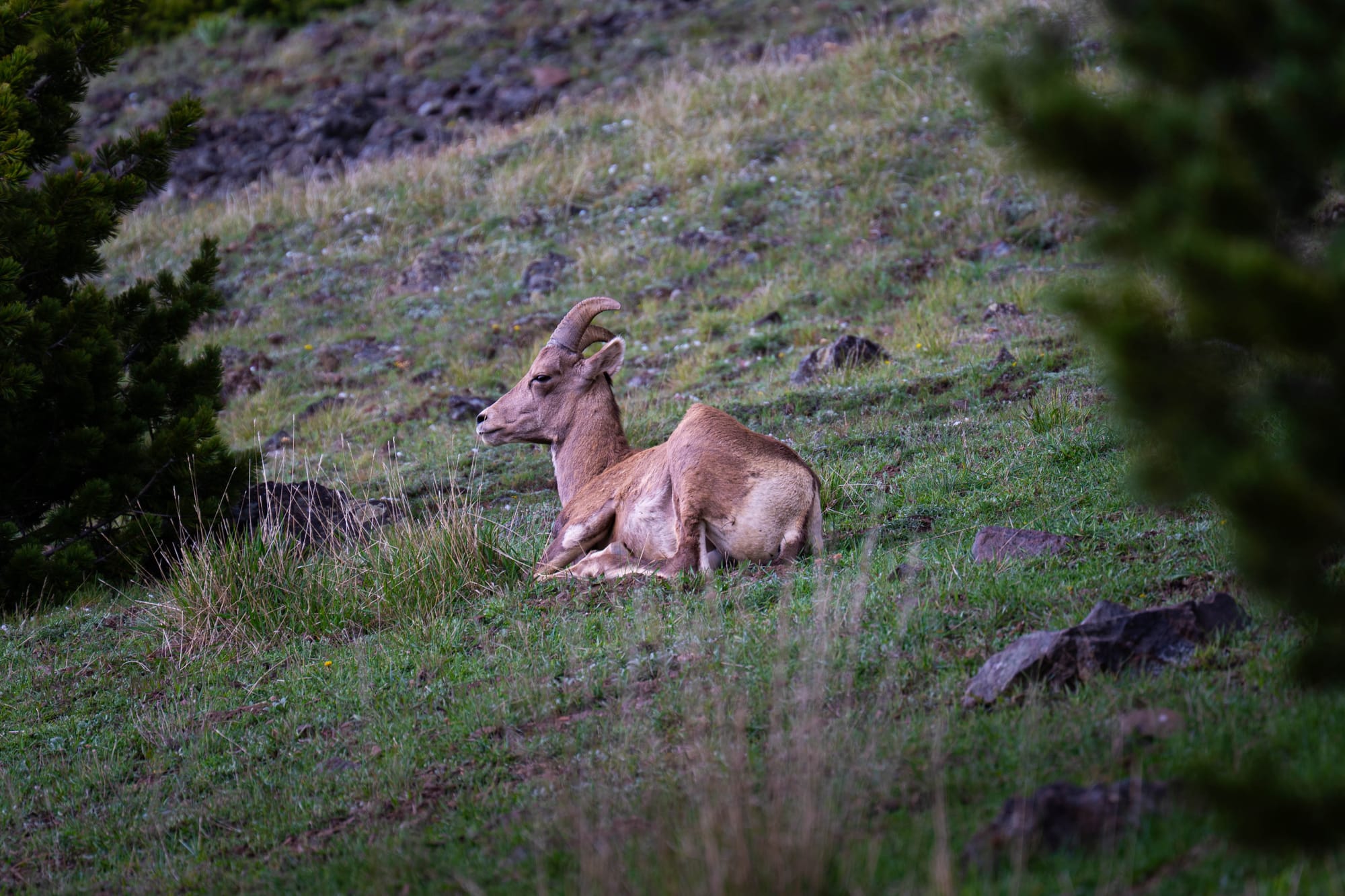
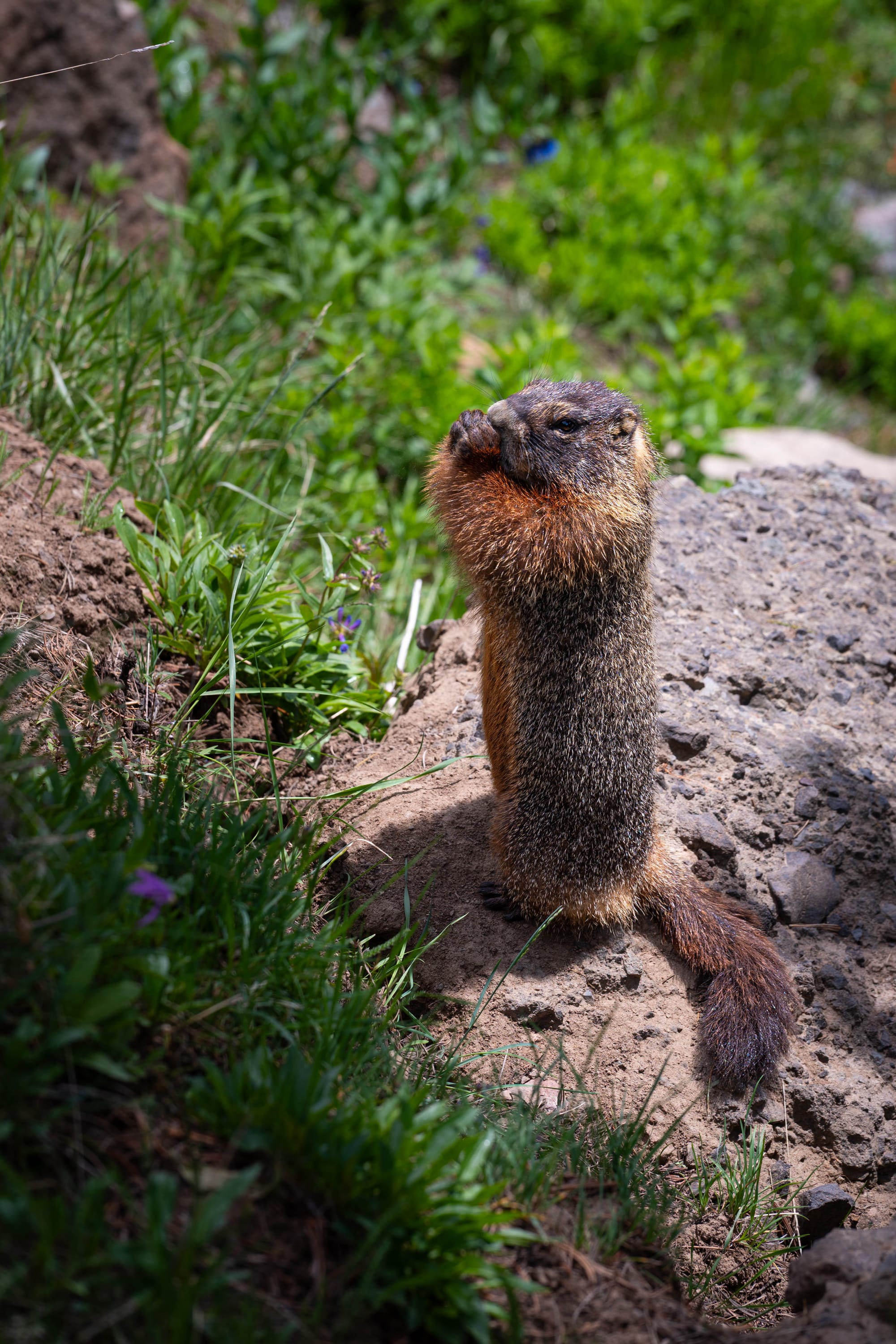
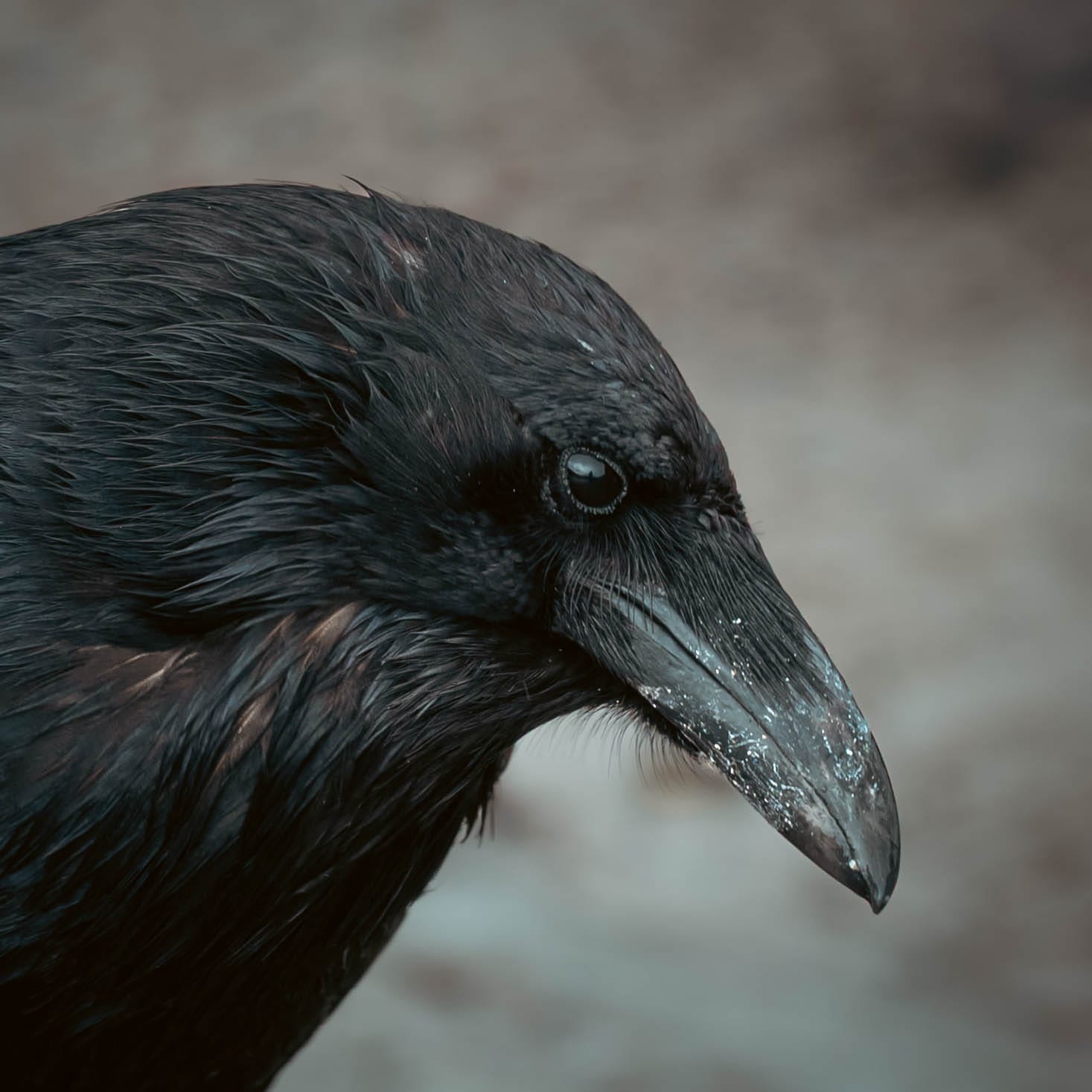
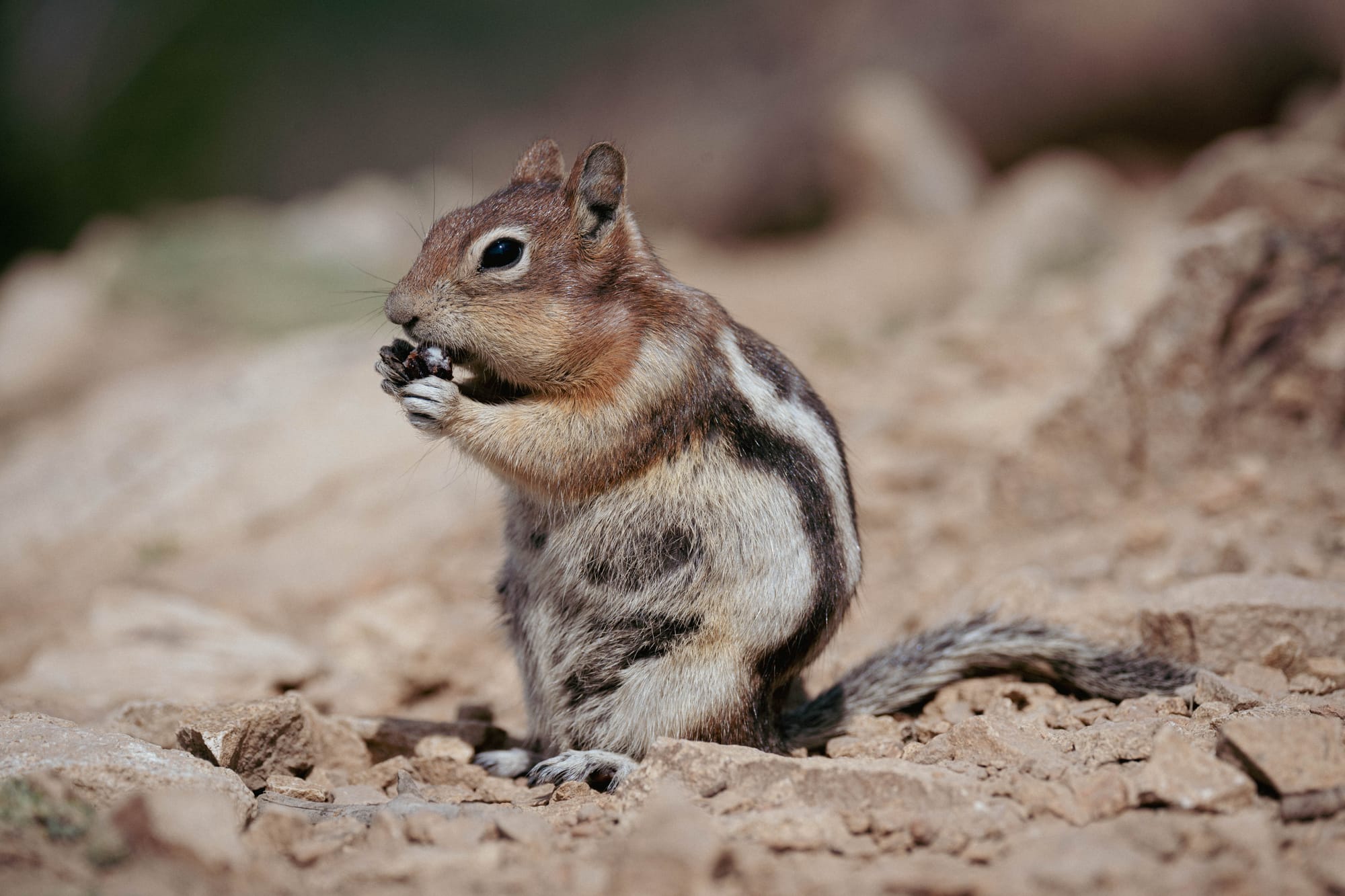
Some of our longest hikes produced little more than birds, marmots, mountain goats, and bighorn sheep.
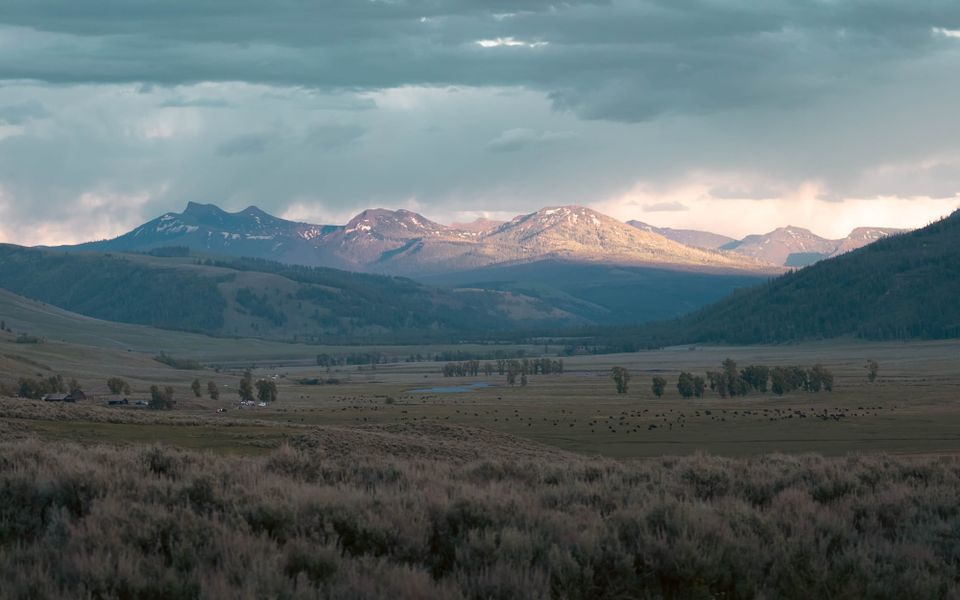
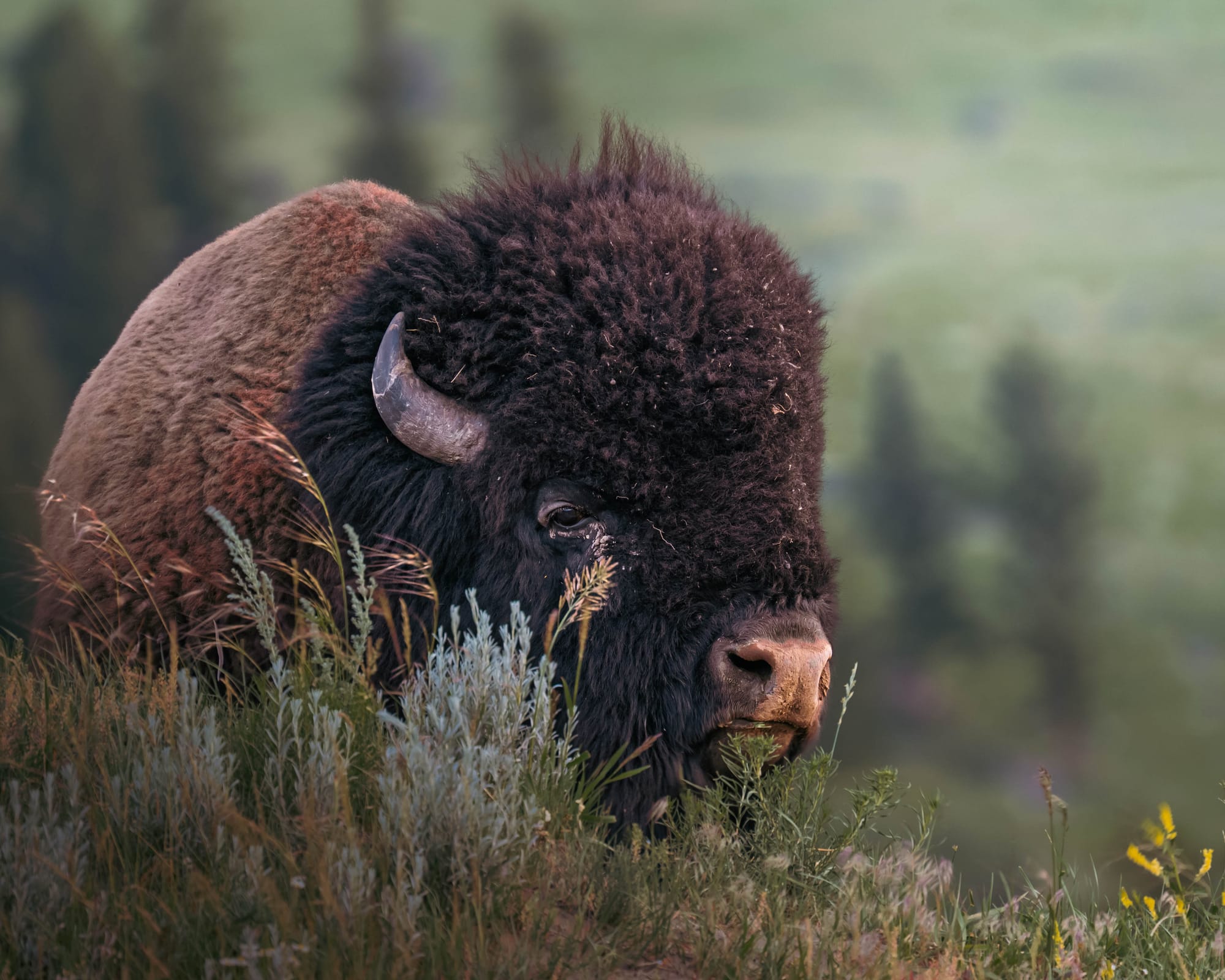
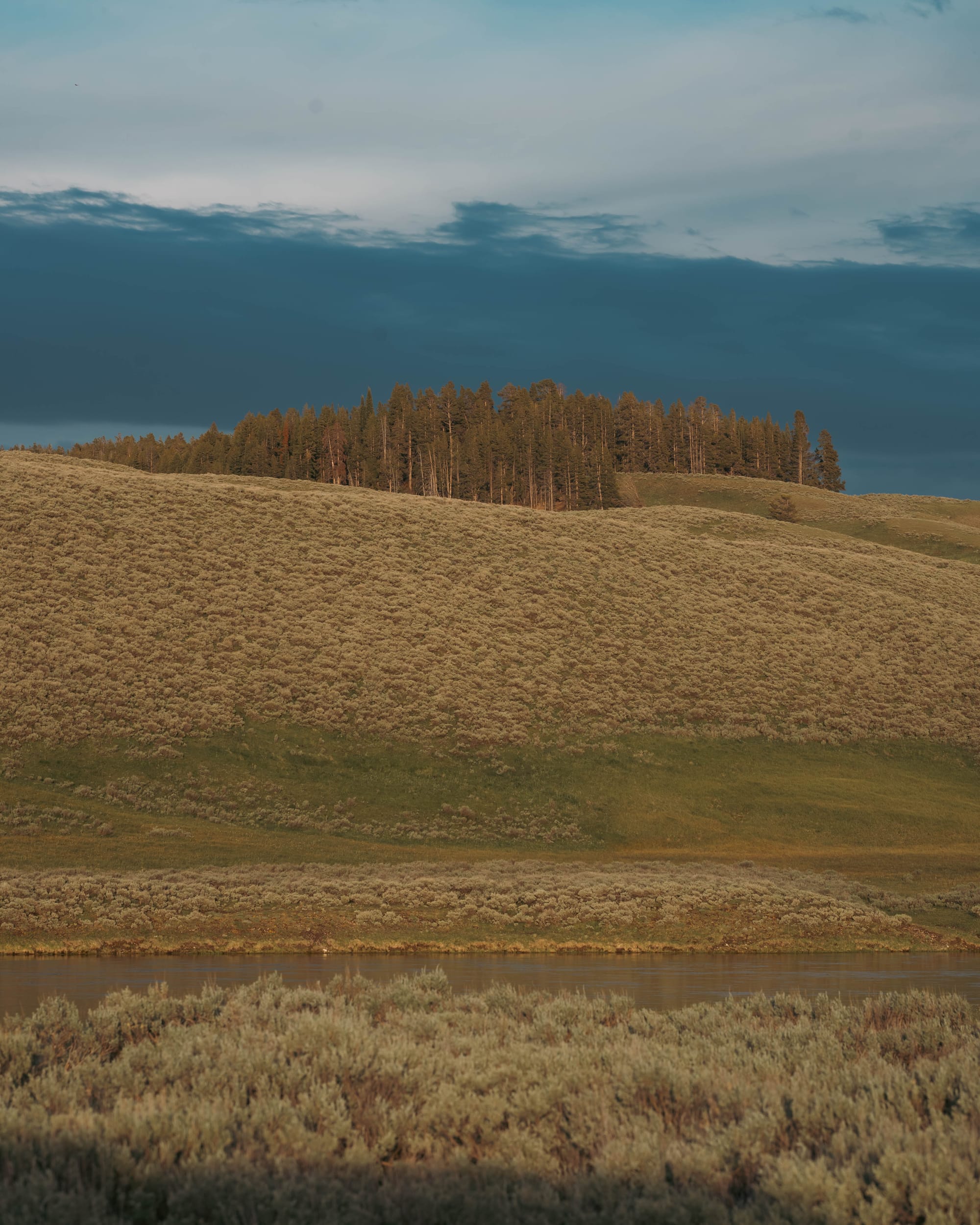
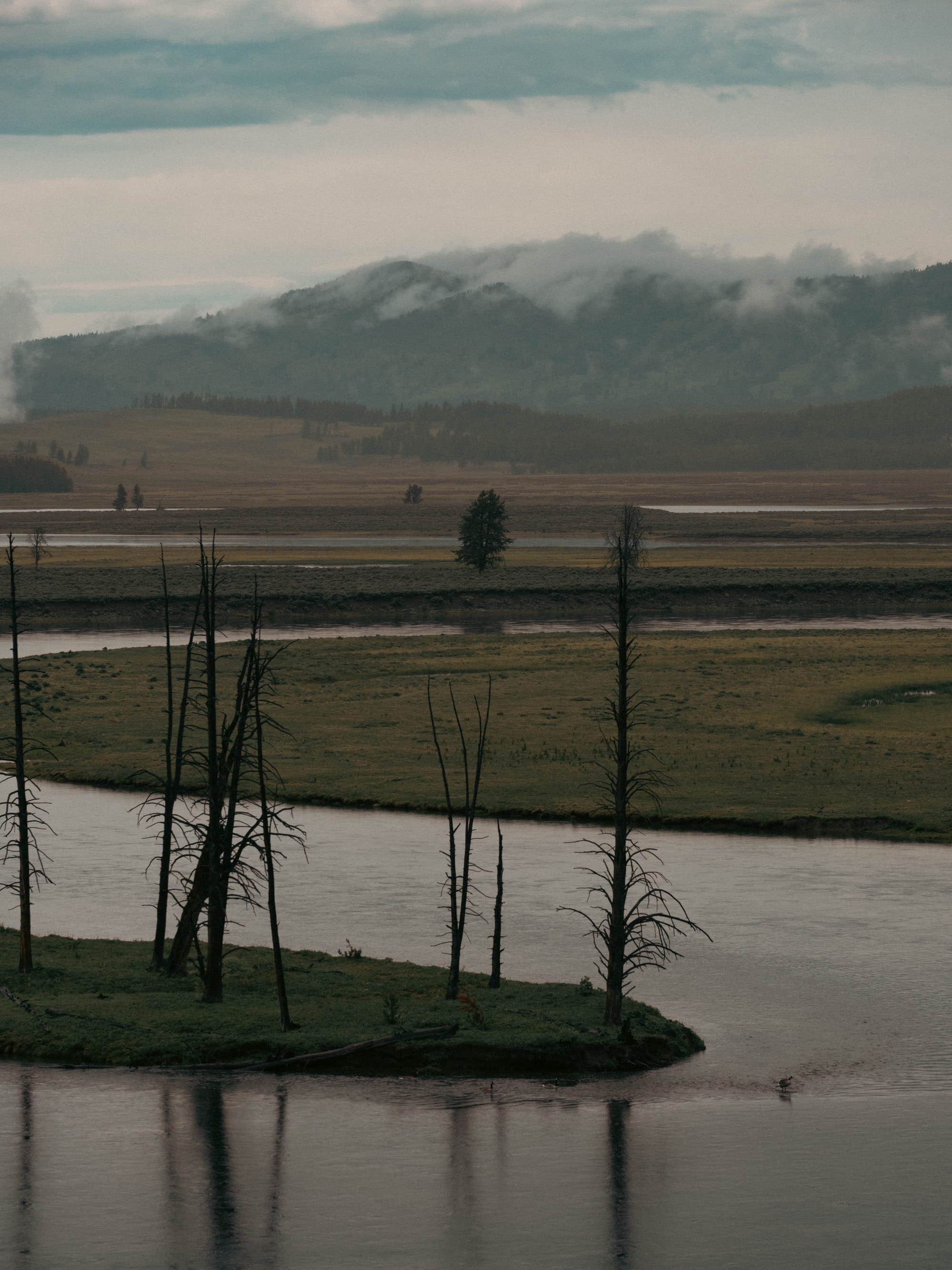
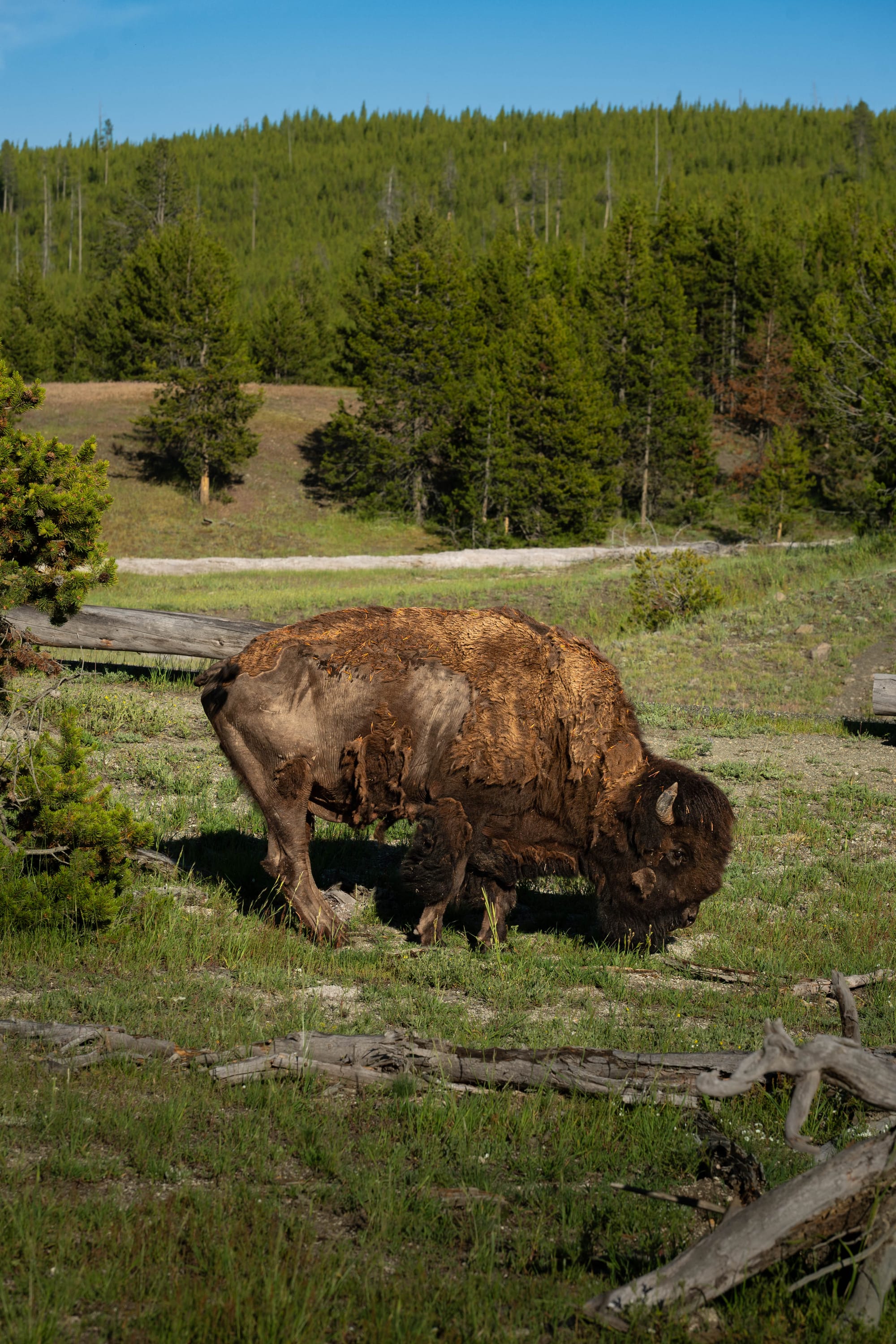
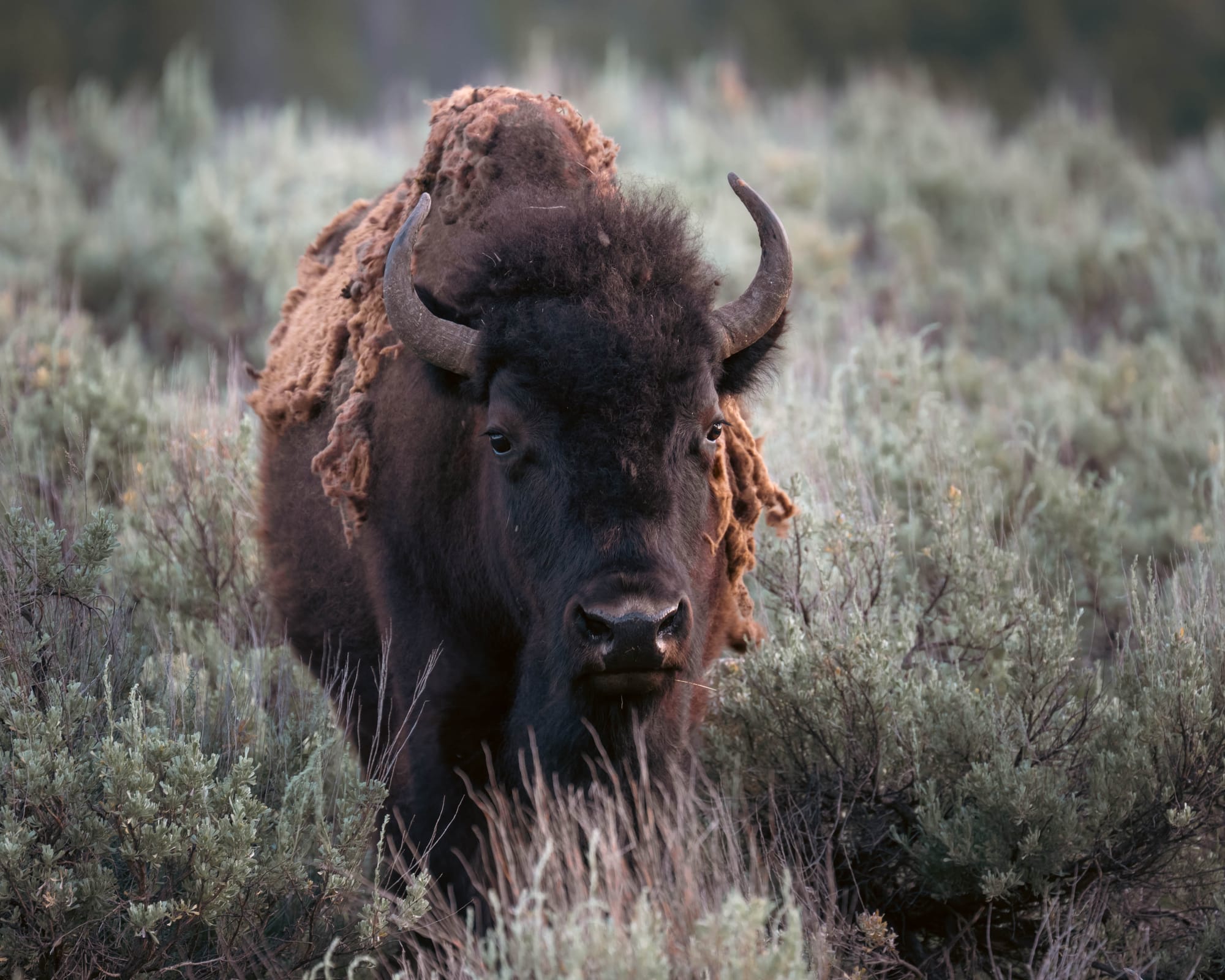
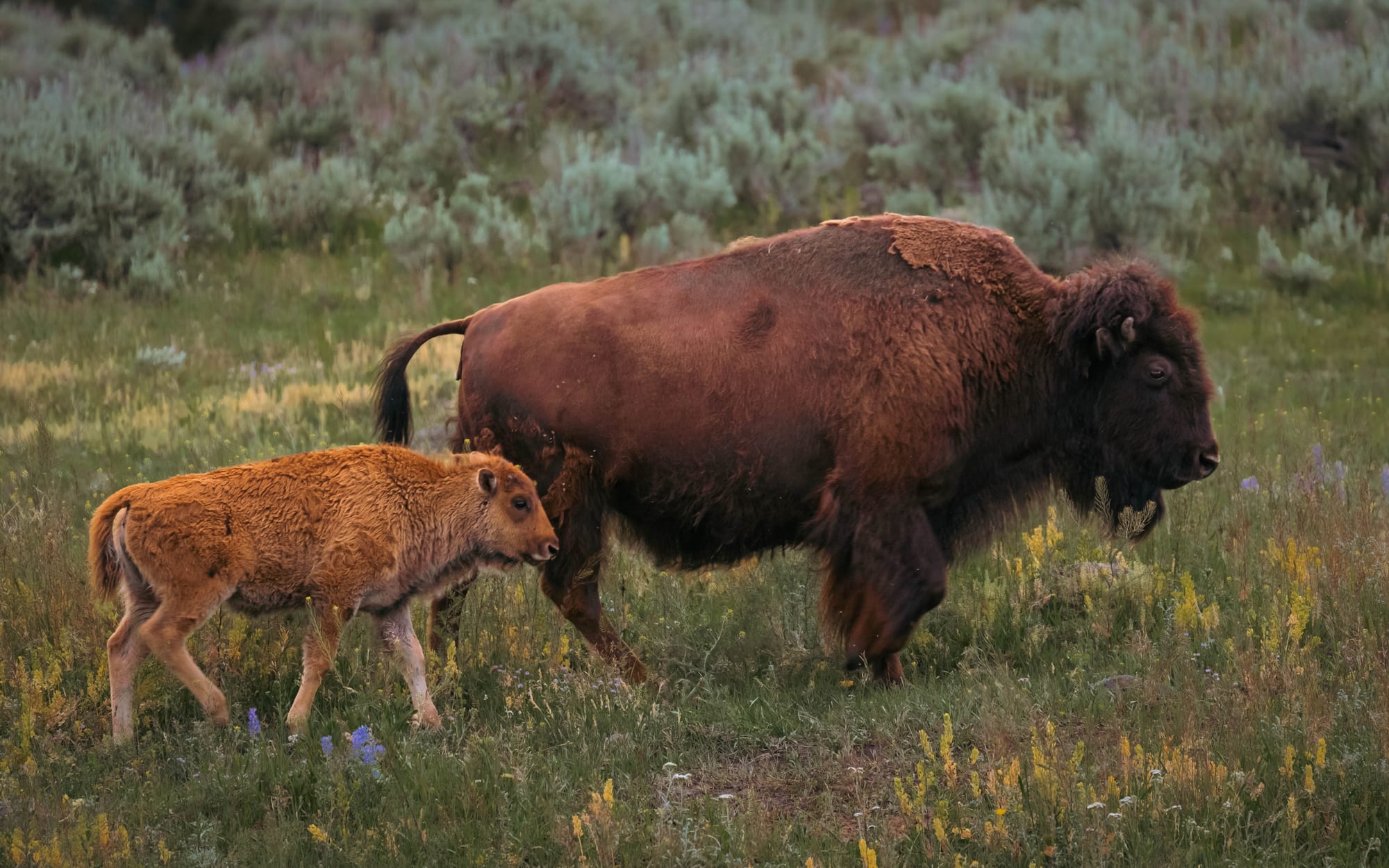
Meanwhile, a slow drive through Hayden or Lamar Valley could produce bison, elk, foxes, coyotes, pronghorn, black bears, and multiple grizzlies in a single evening.
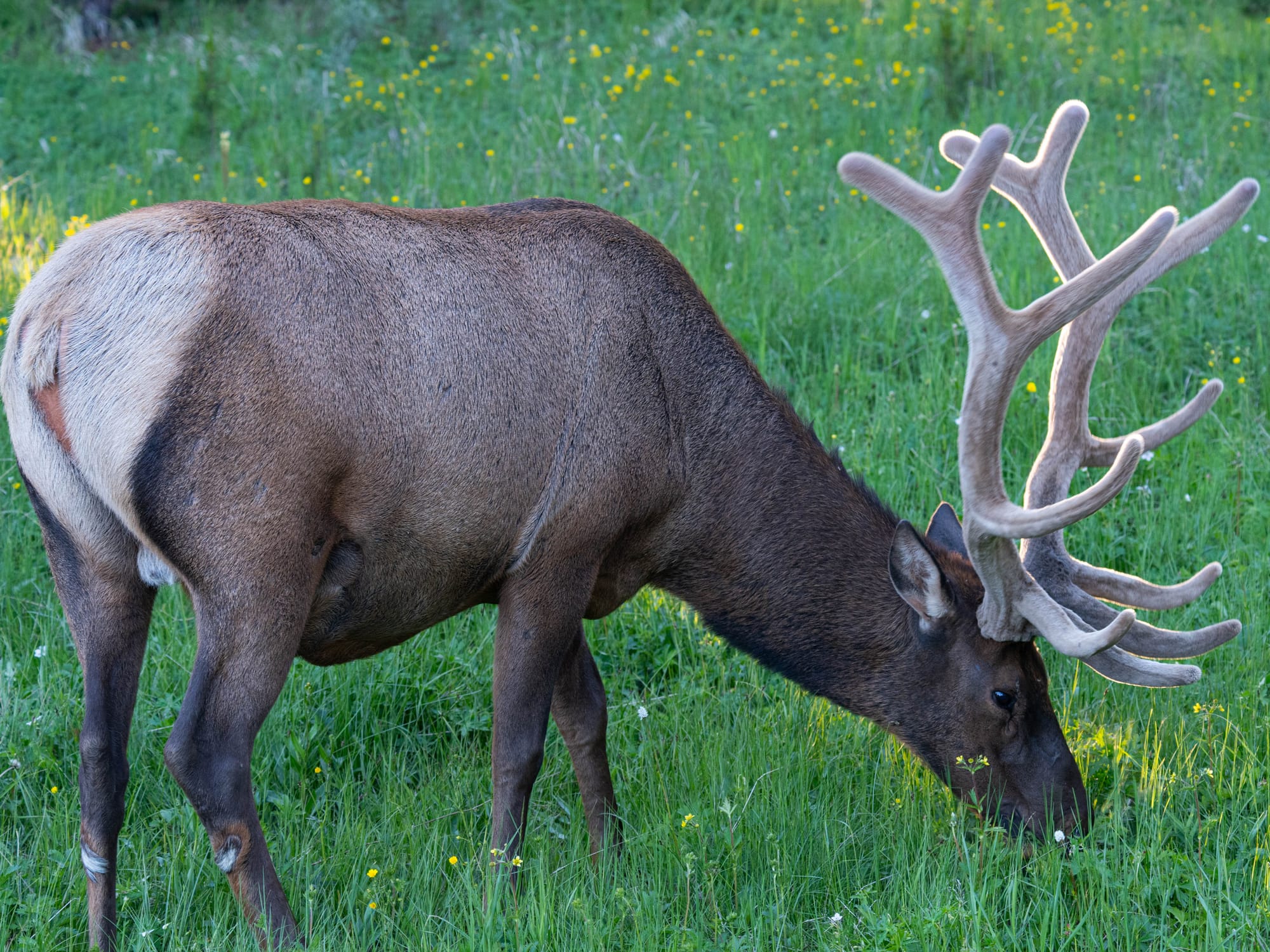
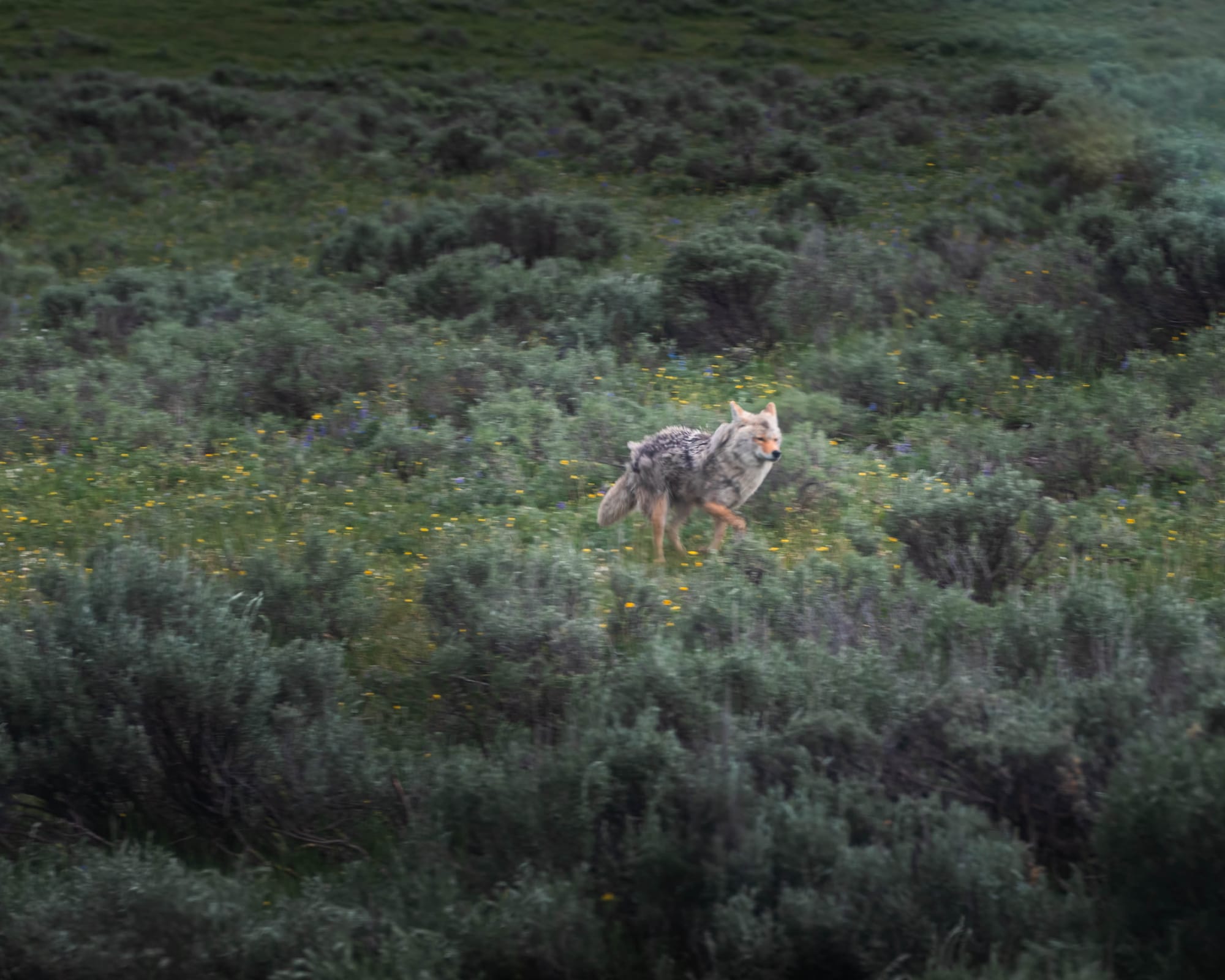
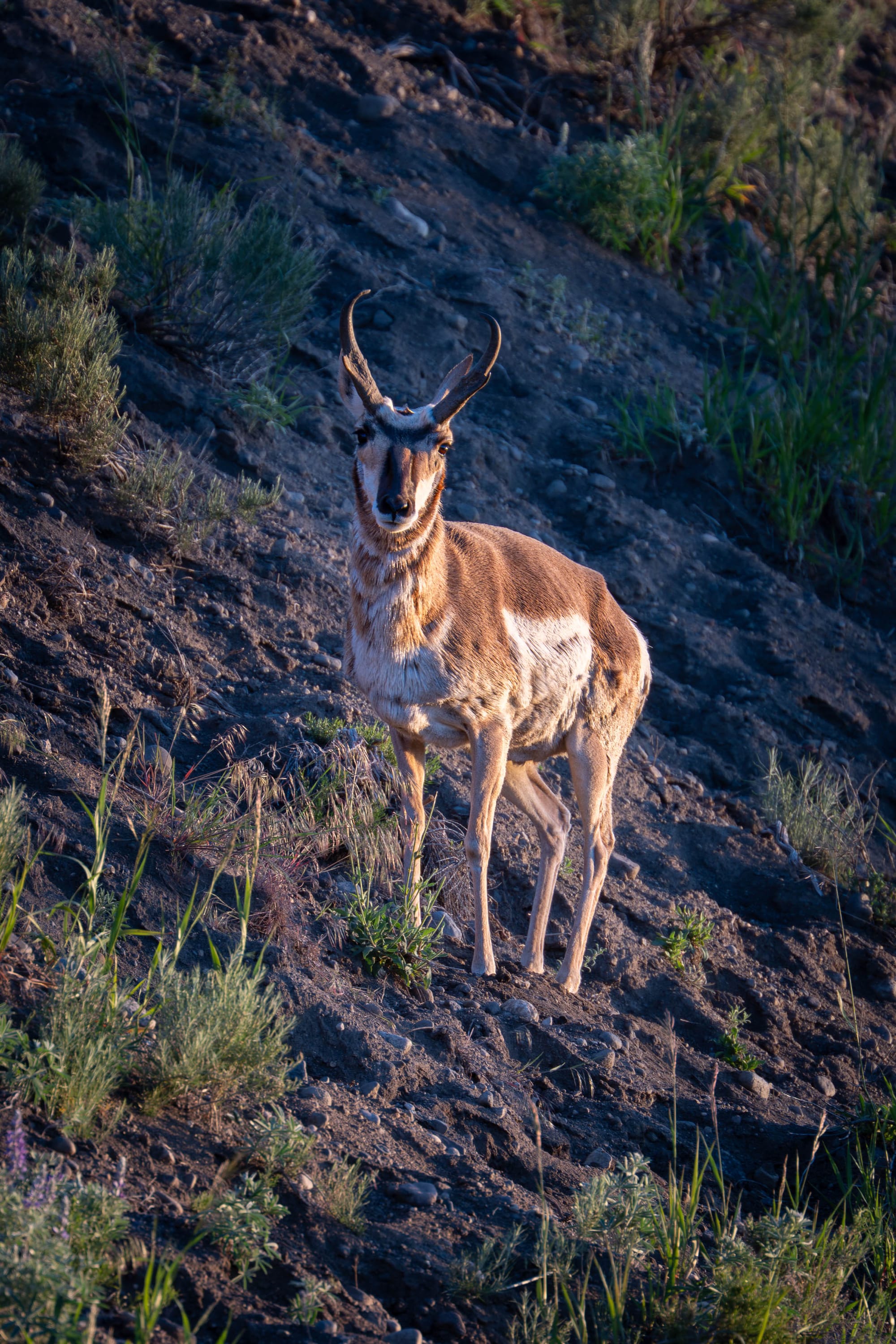
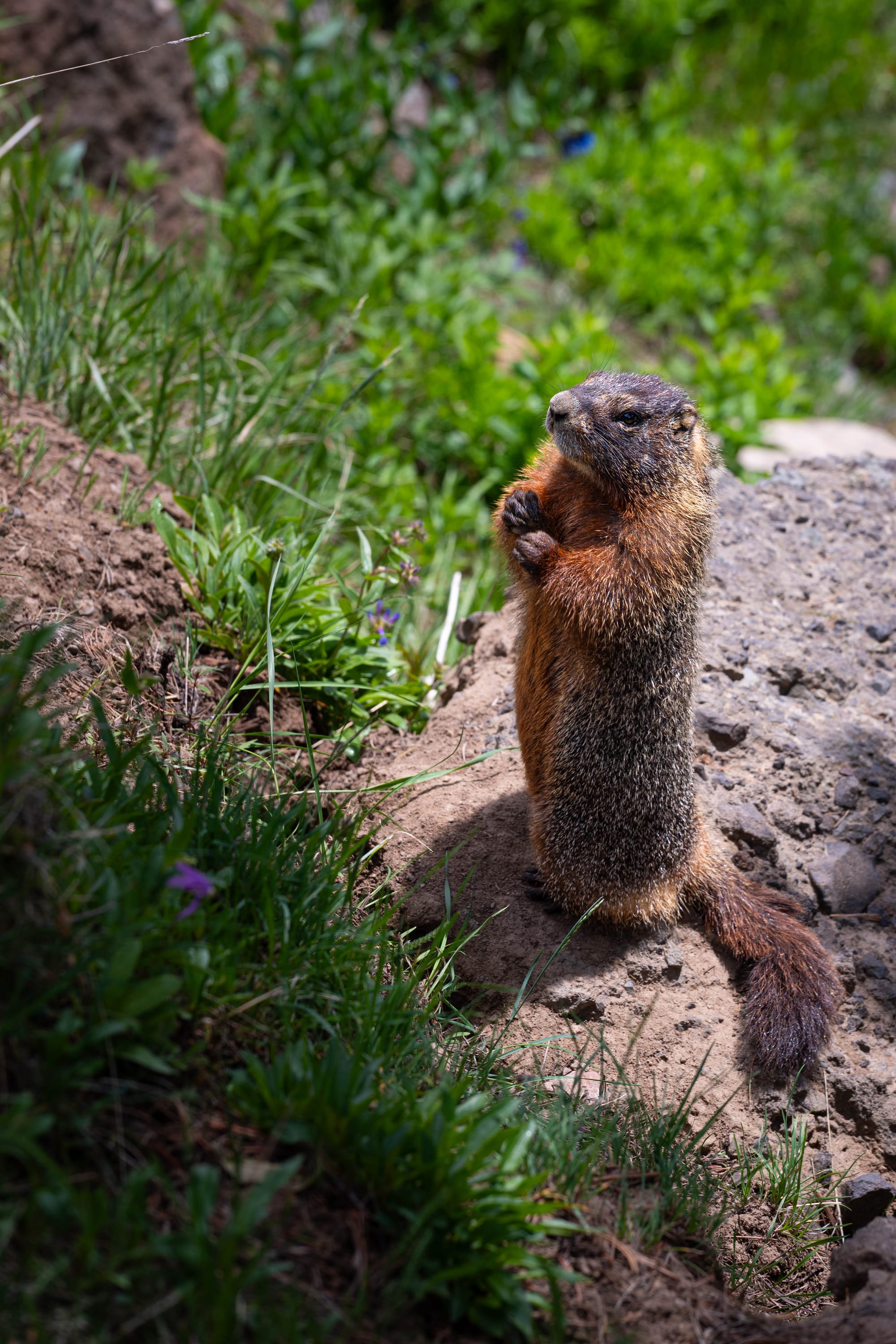
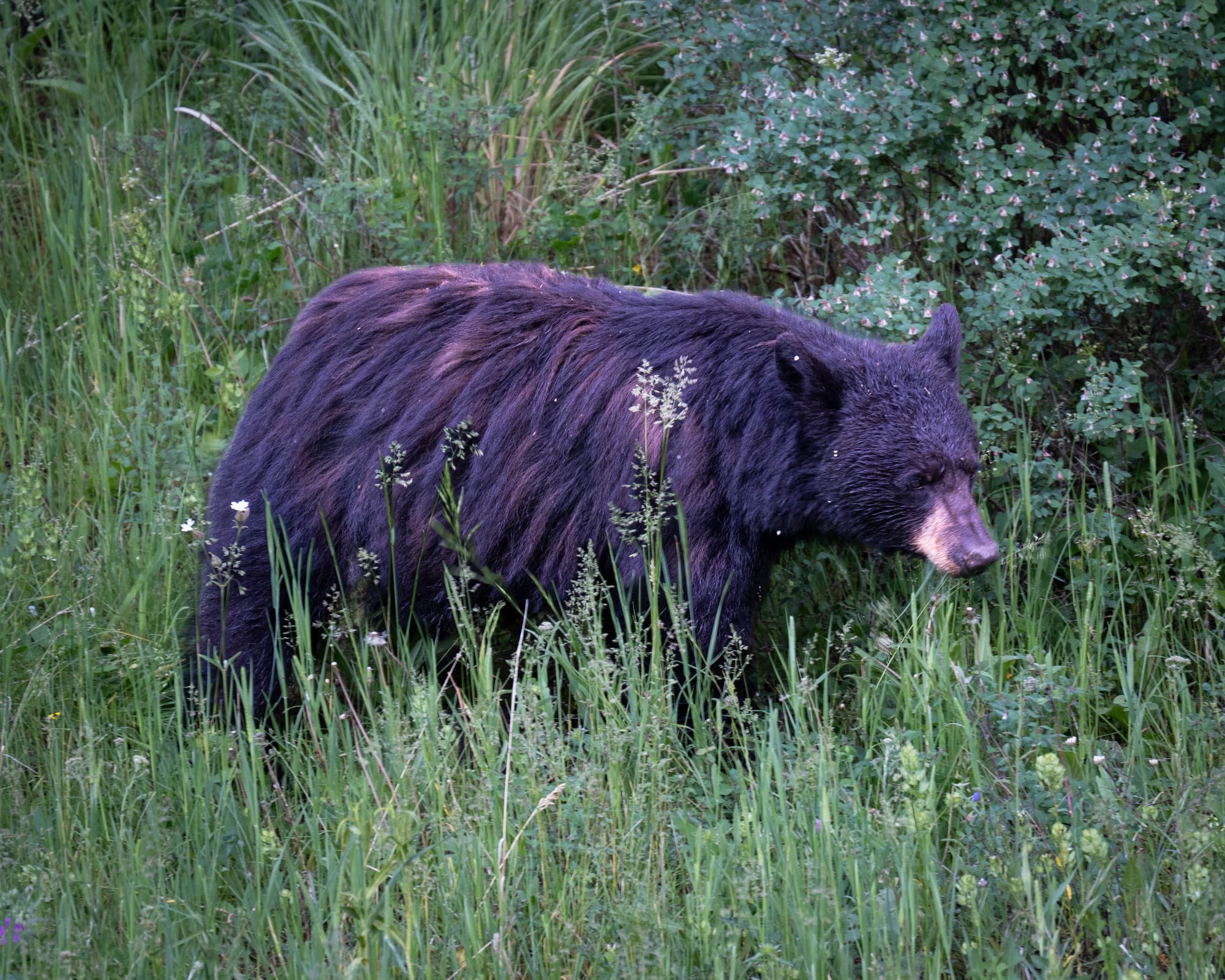
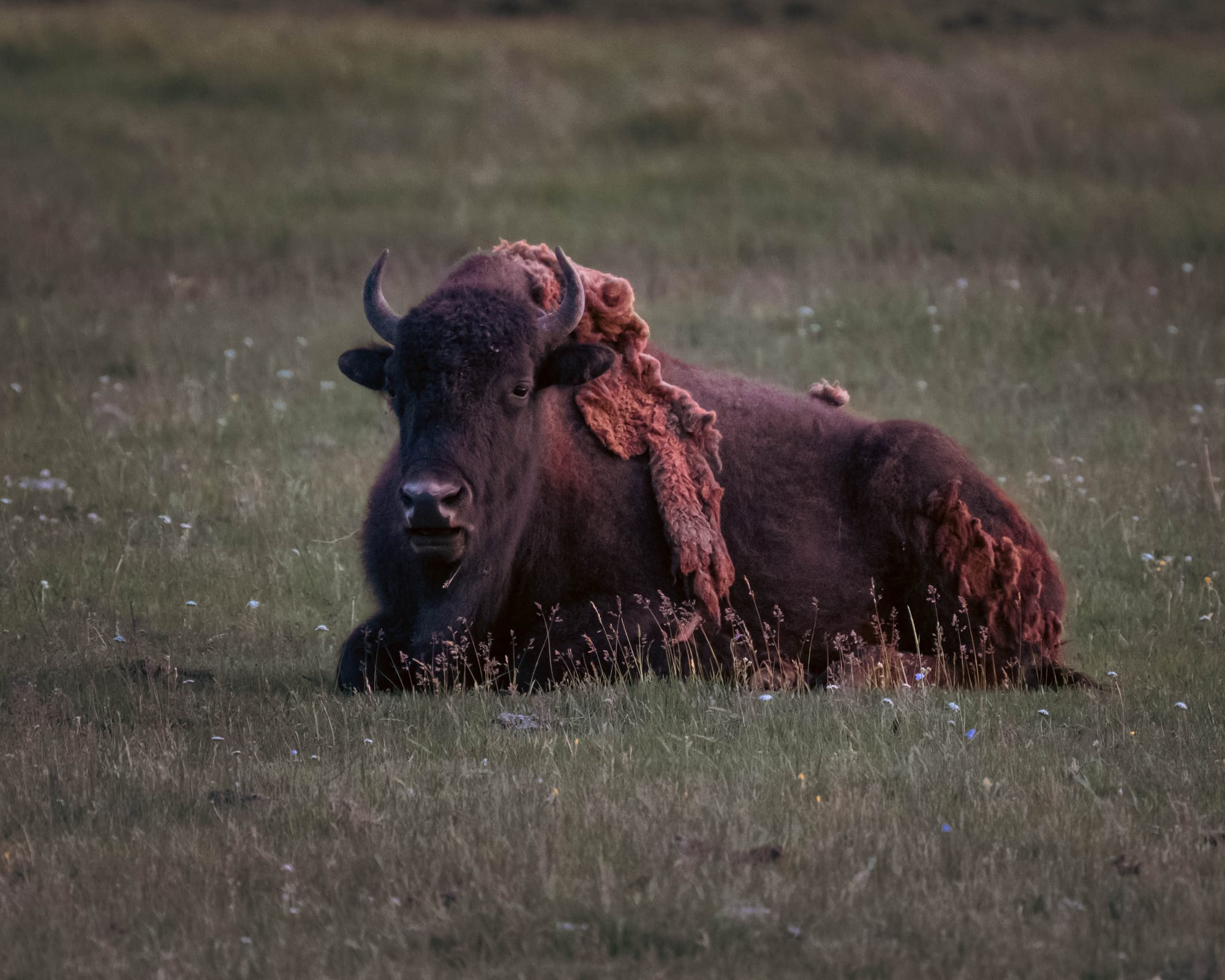
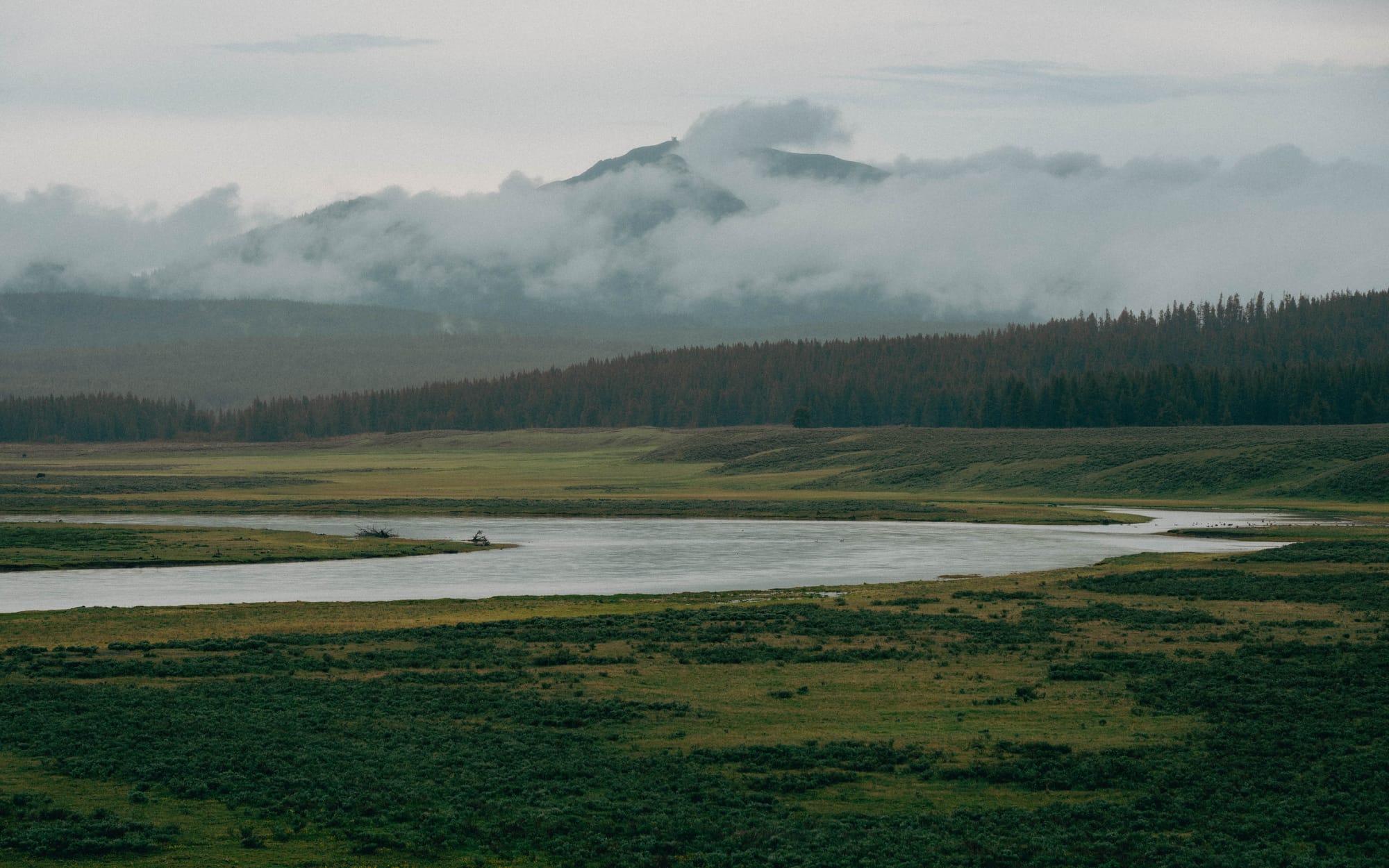
One afternoon I watched my first wild grizzly follow a herd of bison across Hayden Valley, repeatedly standing on its hind legs above the grass to get a better look.
Later in the week we watched two more grizzlies feeding in the same valley during golden hour.
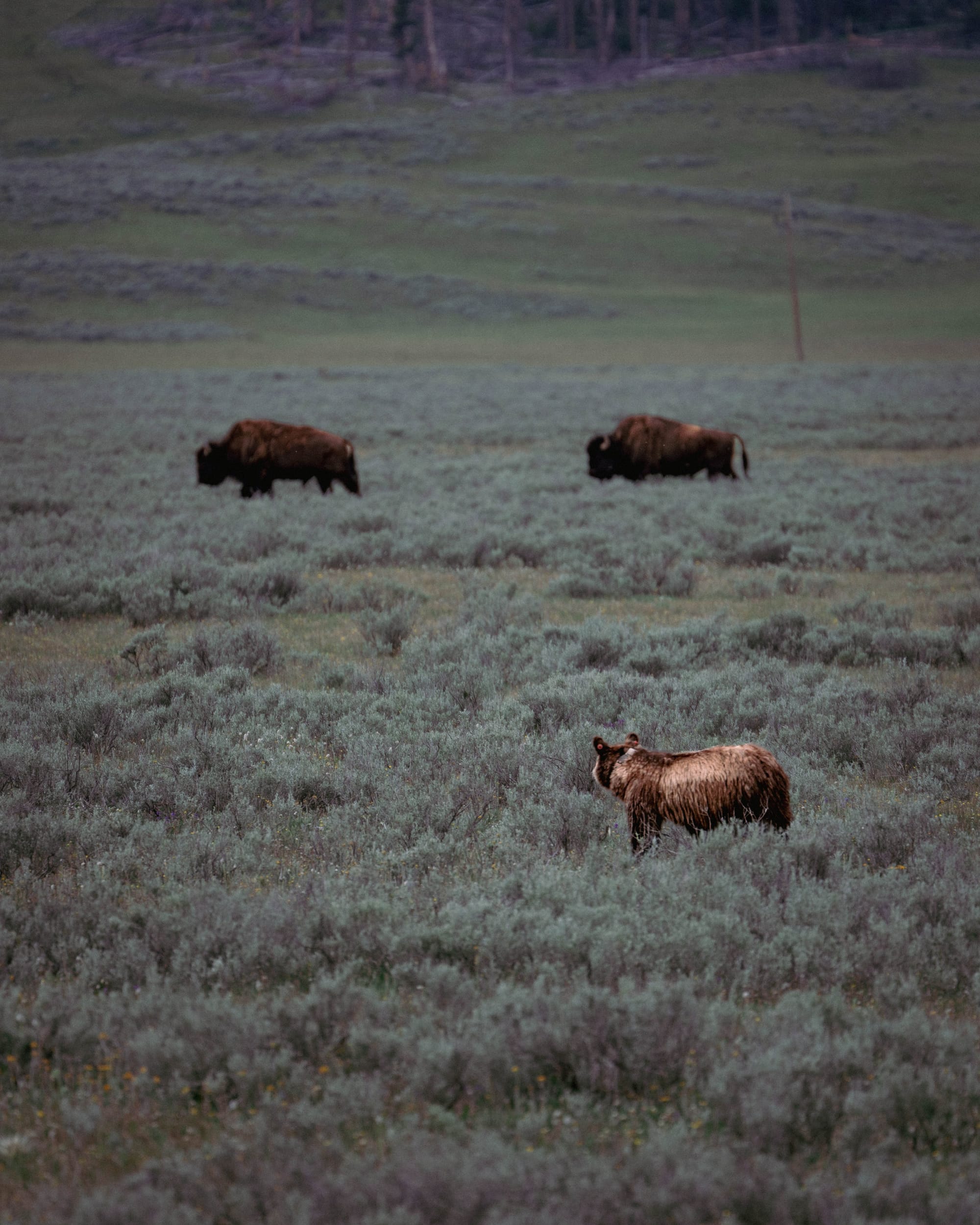
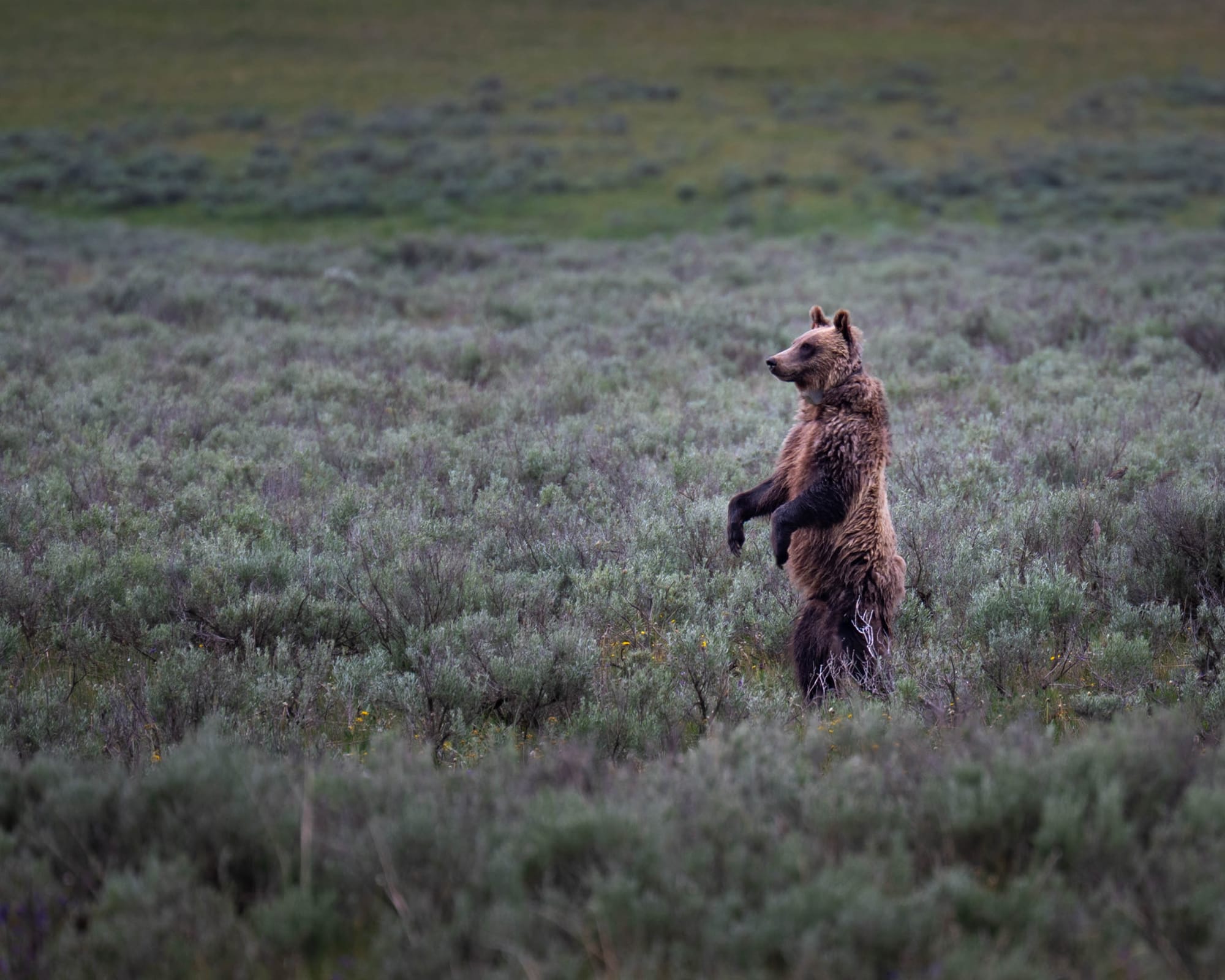
Those moments happened from the road.
At first that felt backwards.
Eventually it made perfect sense.
Hayden and Lamar aren't simply scenic drives.
They're wildlife corridors.
The roads just happen to pass through them.
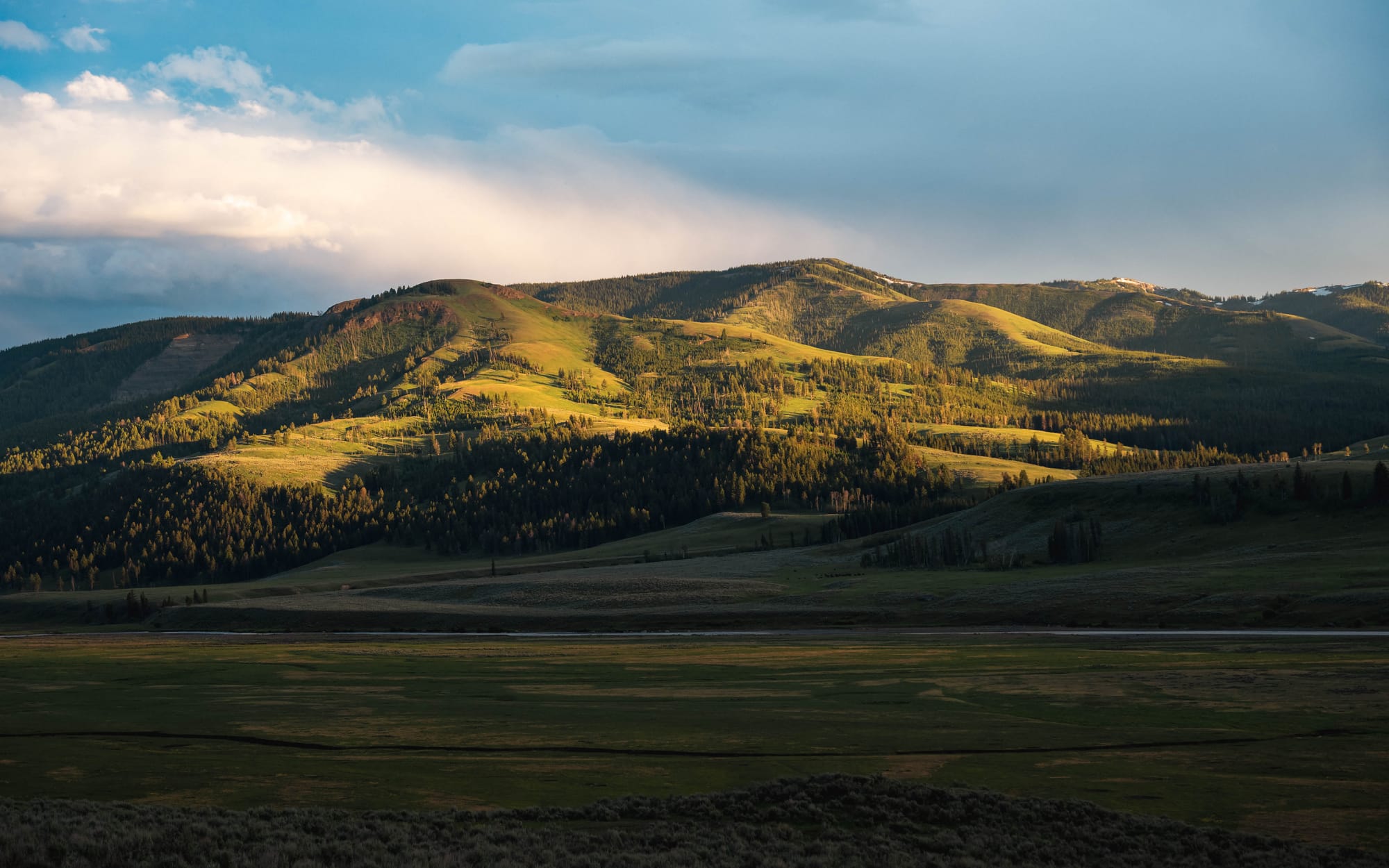
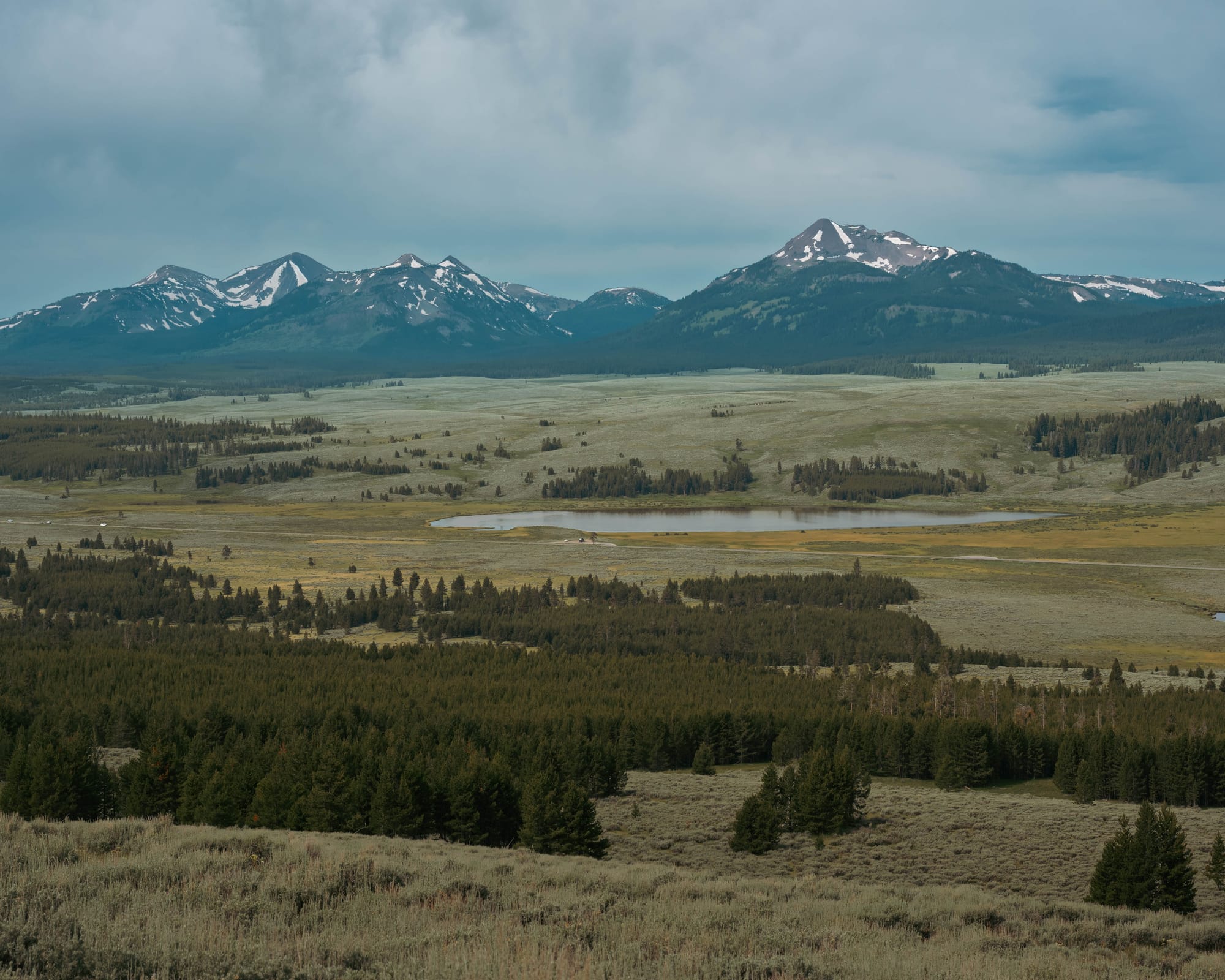
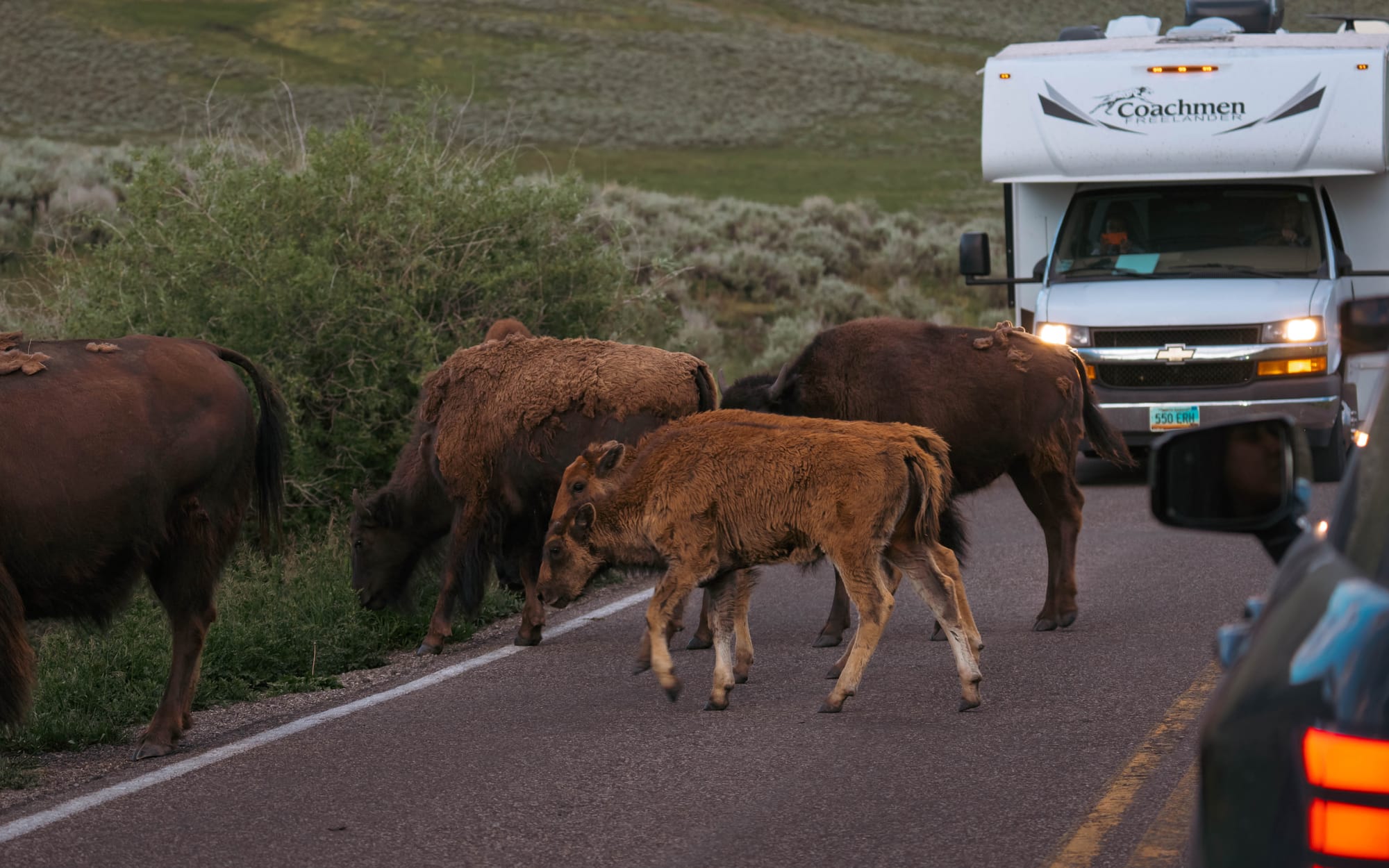
The wildlife viewing culture is part of the experience as well. People shared spotting scopes, pointed strangers toward distant bears, traded updates on wolves, and patiently waited together whenever an animal appeared. Instead of competing for a better view, there was a shared excitement in helping everyone see what had wandered into sight.
That was one of Yellowstone's quieter surprises.
Yellowstone Rewards Curiosity
One thing became increasingly clear as our stay continued.
Nobody experiences all of Yellowstone.
Some visitors come for wildlife. Others come for geysers, fly fishing, backpacking, photography, or simply seeing Old Faithful.
There isn't one right way to experience Yellowstone and there probably isn't enough time to do everything well.
So instead of trying to see every famous stop, we started following what interested us most.
Long hikes.
Mountain summits.
Wildlife.
Returning to places that deserved a second look.
Yellowstone stopped feeling like a list.
It became a place worth getting to know.
Final Takeaways
One of the best decisions we made was returning to places we'd already seen. Yellowstone changes with the light, the weather, the wildlife, and even the time of day. One visit rarely tells the whole story.
When we first planned this trip, we assumed Yellowstone's greatest moments would be its most famous ones.
Some of them were.
Old Faithful erupted exactly as promised.
Lamar Valley lived up to its reputation.
When we think back on Yellowstone, the memories don't arrive in any particular order.
A grizzly rising above the grass in Hayden Valley.
Climbing through a snowfield toward Avalanche Peak.
Helping another hiker off Mount Washburn after a mountain storm.
Yellowstone's icons brought us here.
Everything beyond them is what will bring us back.