Gardiner, Montana
After more than a week camped inside Yellowstone, moving to Gardiner felt like leaving the park without leaving the landscape.
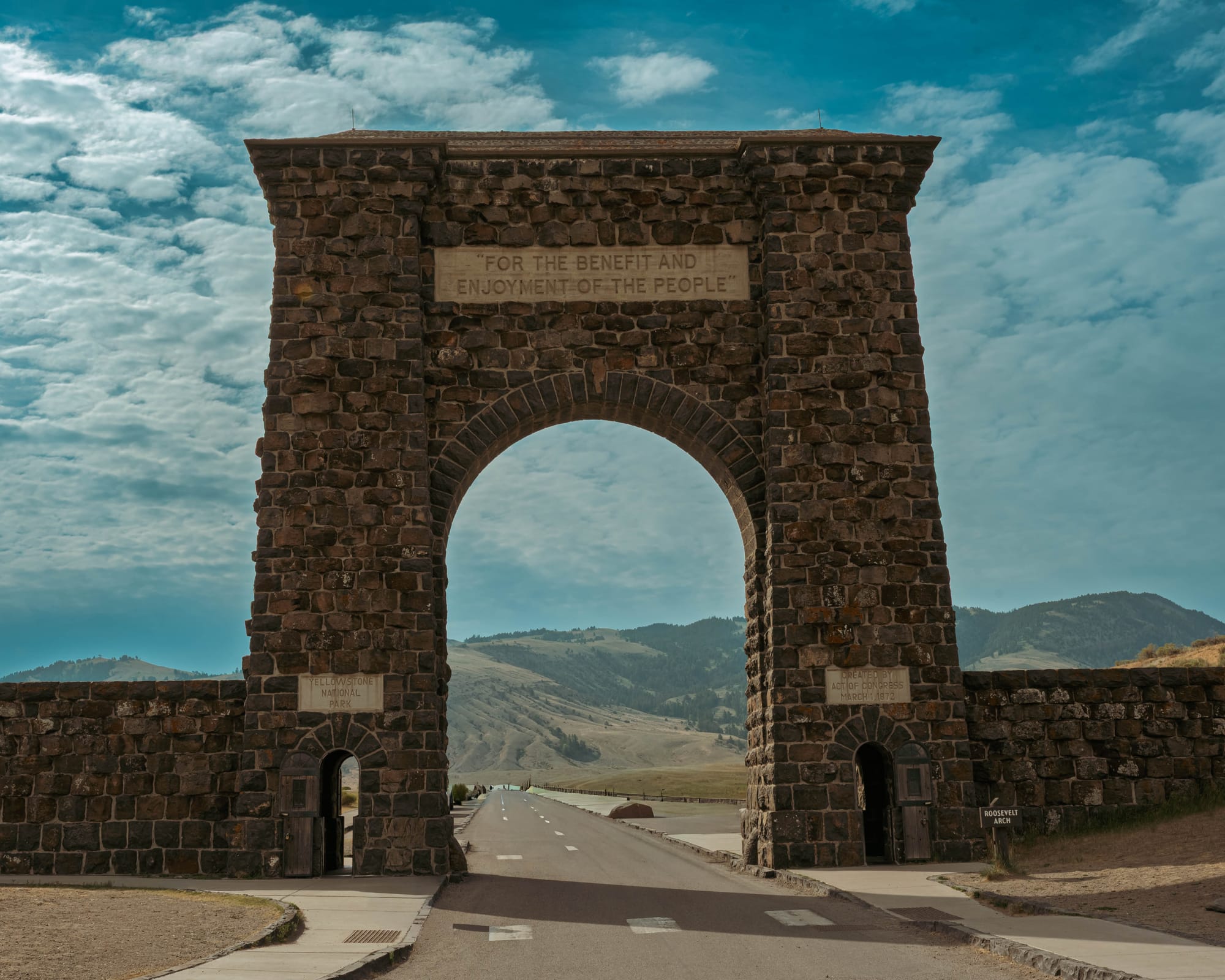
The Yellowstone River still ran beside us. The Absaroka Mountains rose sharply from the valley. The Roosevelt Arch marked the park boundary only minutes away, and the forests, water, wildlife, and mountain terrain continued far beyond it.
But our days changed.
Inside Yellowstone, nearly every plan had been shaped by the park’s roads, wildlife traffic, and long distances. In Gardiner, we could slow down and let each outing stand on its own: a day on the river, a summit above the valley, or a trail disappearing into national forest and wilderness.
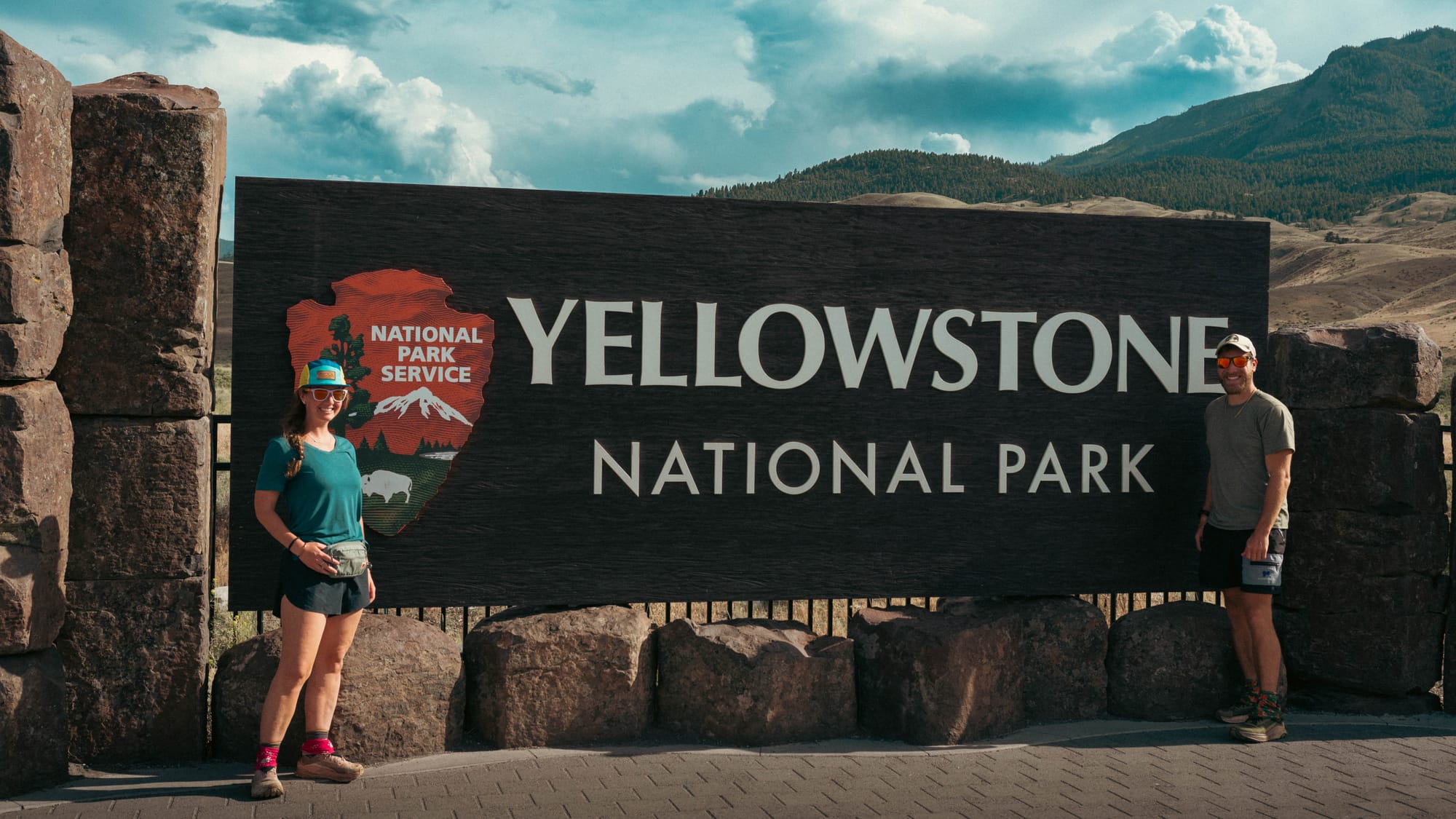
We arrived because Gardiner sits at Yellowstone’s North Entrance.
The week showed us why the town is more than a gateway.
🗺️ Lay of the Land
- Location: Gardiner, Montana, just outside Yellowstone’s North Entrance
- Official site: Visit Gardiner
- Landscape: Yellowstone River valley · Absaroka Mountains · national forest · designated wilderness
- Basecamp access: Yellowstone’s northern range, Custer Gallatin National Forest, and the Absaroka-Beartooth Wilderness
- Dates and Vibe: : July 1–7, 2026, rugged gateway town with far more around it than the national park entrance suggests
A Town Shaped by the River
Gardiner occupies a narrow piece of ground where several landscapes meet.
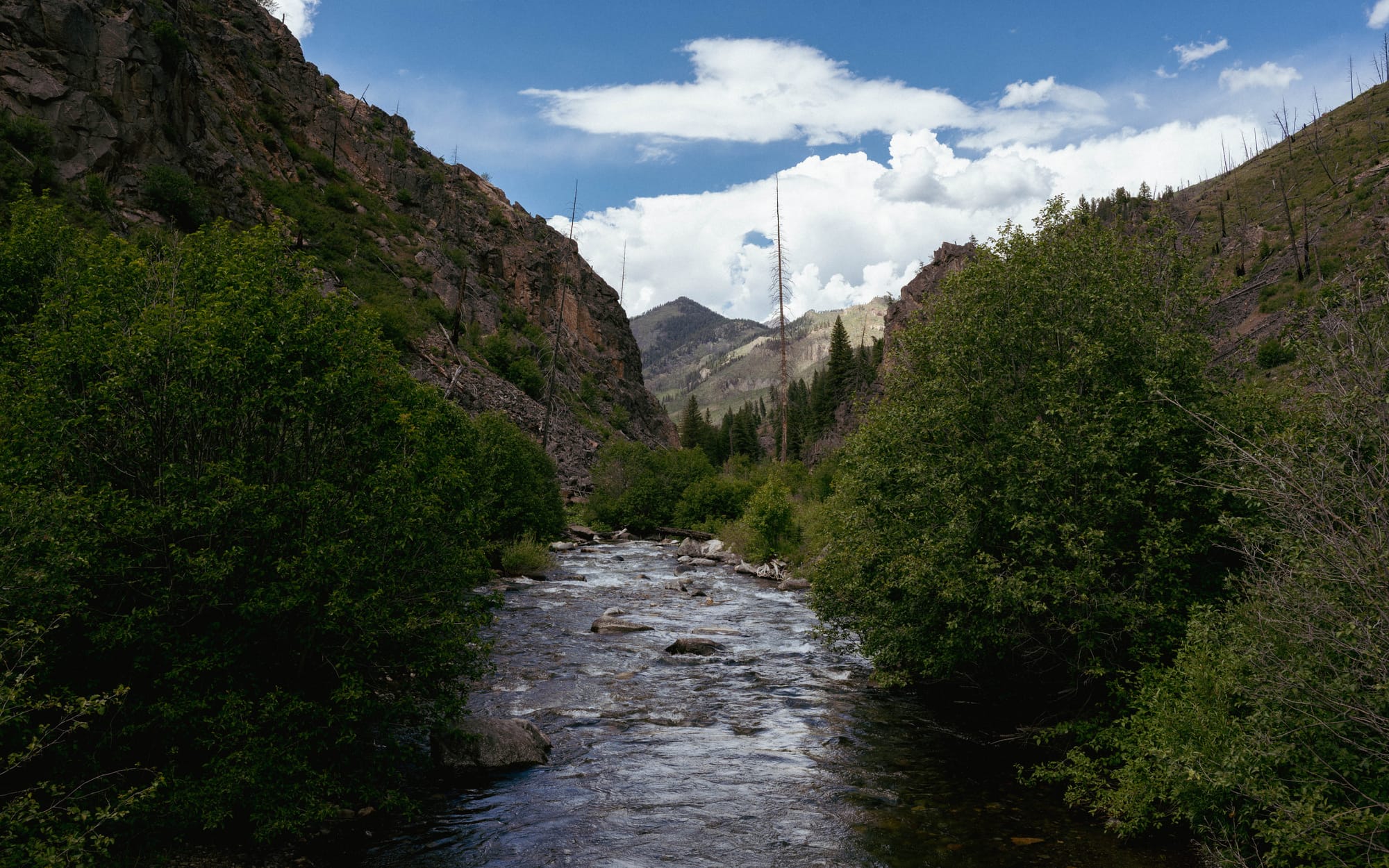
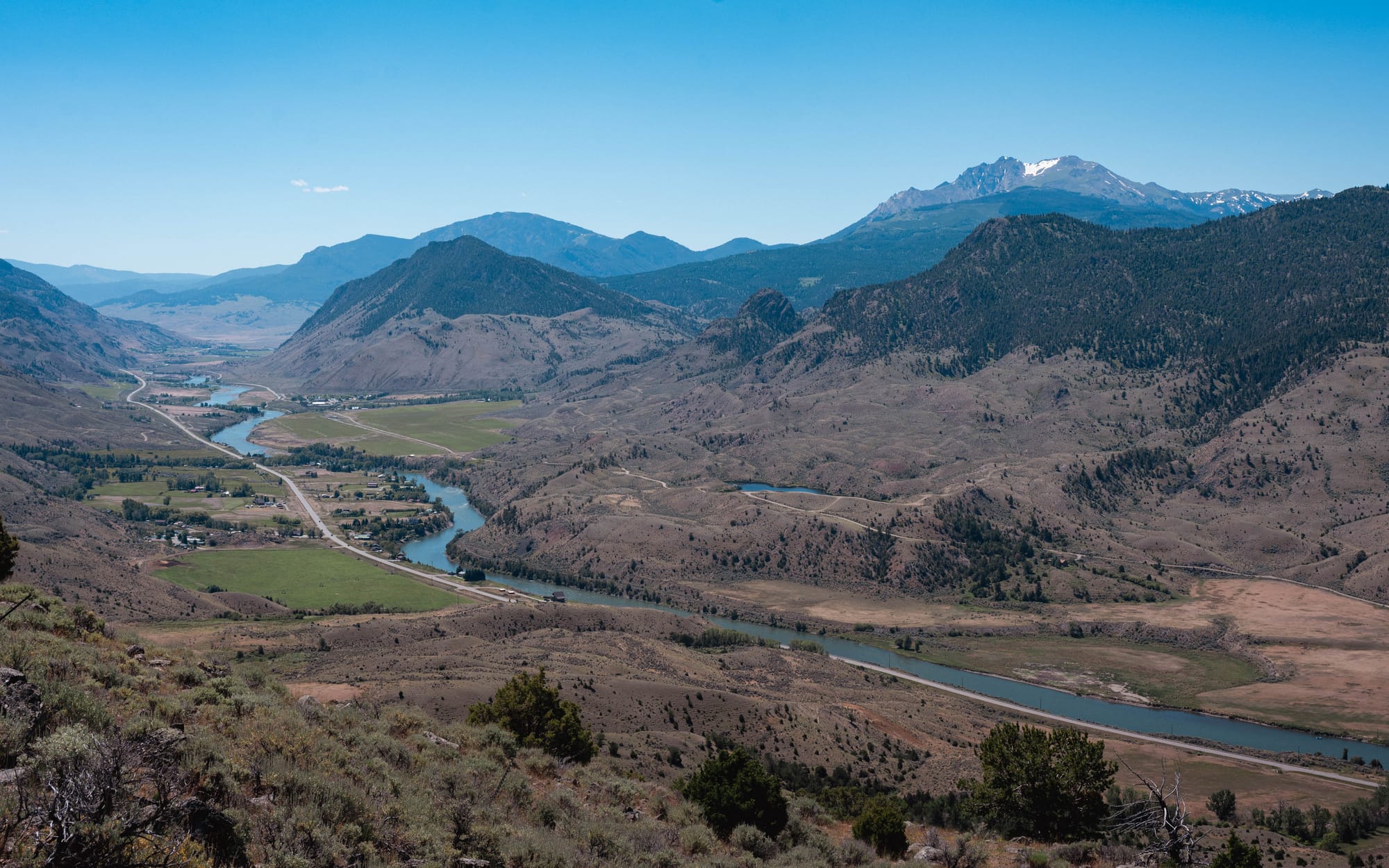
The Yellowstone River runs north out of the park and through the valley. The Gardner River joins it near town. The Absaroka Mountains rise steeply to the east, while national forest and wilderness spread across the surrounding high country.
The town exists because of that geography.
It also remains vulnerable to it.
In June 2022, heavy rain fell across a deep mountain snowpack and sent extraordinary amounts of water through northern Yellowstone. The 500 year flood destroyed sections of the road between Gardiner and Mammoth, damaged river corridors, and temporarily severed the town’s primary connection to the park.
By the time we arrived four years later, the entrance was open and traffic had returned. But the rebuilt route and reshaped riverbanks still carried the reminder that the water beside Gardiner is not simply scenic.
It is one of the forces that continues to define the town.
Following the Yellowstone Beyond the Park
For nearly two weeks, the Yellowstone River had organized our understanding of the national park.
We watched it leave Yellowstone Lake, pass through Hayden Valley, drop into the Grand Canyon, and continue north toward Gardiner.
In Gardiner, we finally experienced it from the water.
Our nine-mile trip with Montana Whitewater carried us downstream through the valley north of town. From the road, the river looked broad and steady. From the raft, its current became real.
The river narrowed around rocks, gathered speed through rapids, and opened again into calmer stretches beneath the mountains. Waves broke over the front of the raft while the valley shifted around us at water level.
After days spent studying the Yellowstone River as part of the park’s geography, rafting made it physical.
The same river that had tied together Yellowstone Lake, Hayden Valley, and the canyon now carried us beyond the park boundary.
🏕️ Camp Setup
- Campground: Sun Outdoors Yellowstone North
- Setting: Private campground north of Gardiner in the Yellowstone River corridor
- Best feature: A practical reset point after camping inside Yellowstone
- Worked well for: Workdays, river access, town errands, and day trips into surrounding public land
The Landscape Beyond the Entrance
Gardiner is usually described by what lies south of it.
Our week was shaped just as much by what lay north and east.
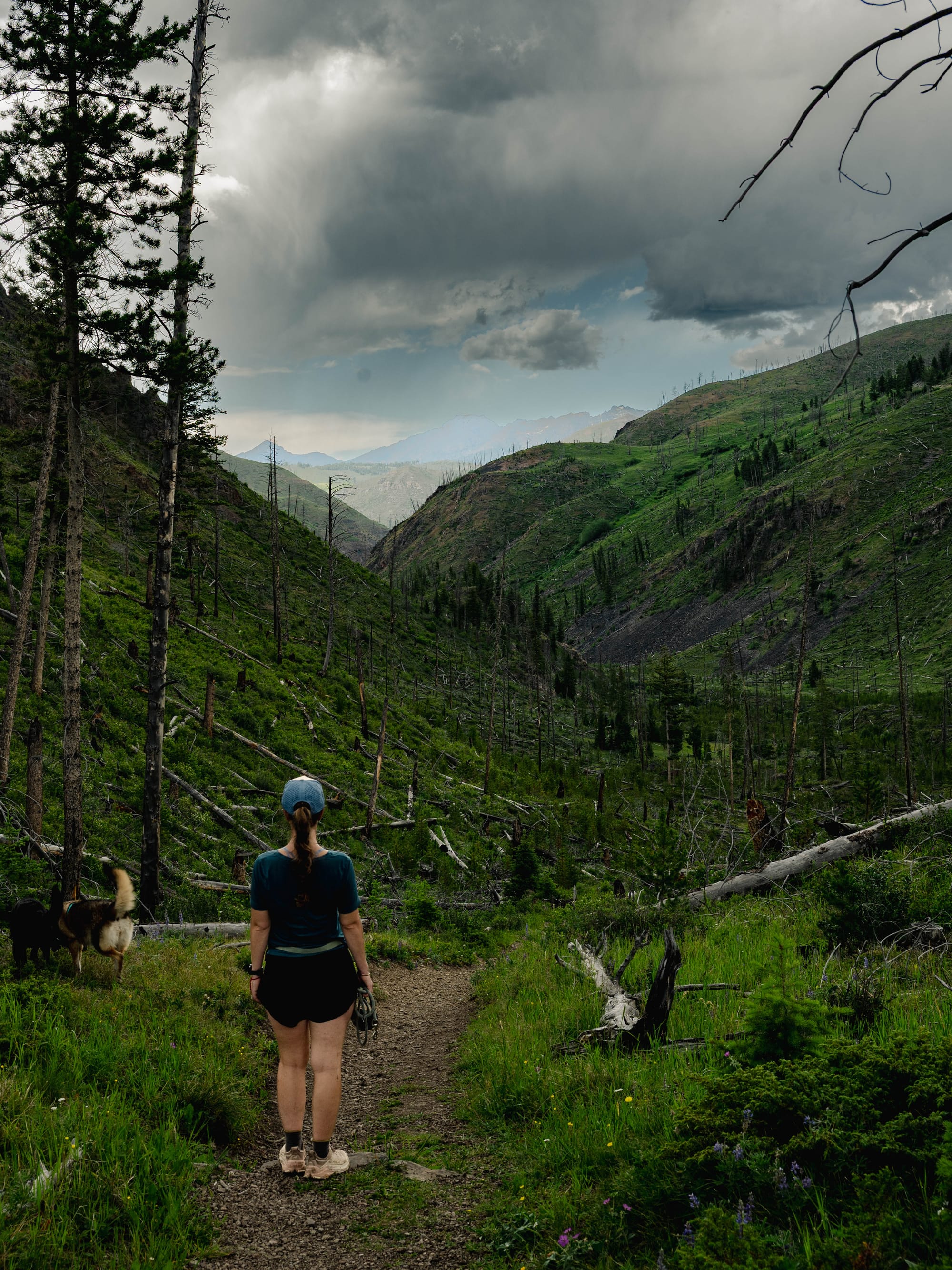
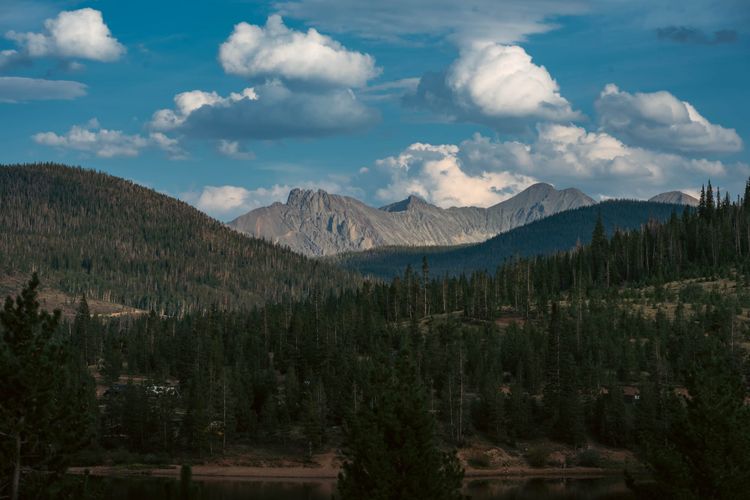
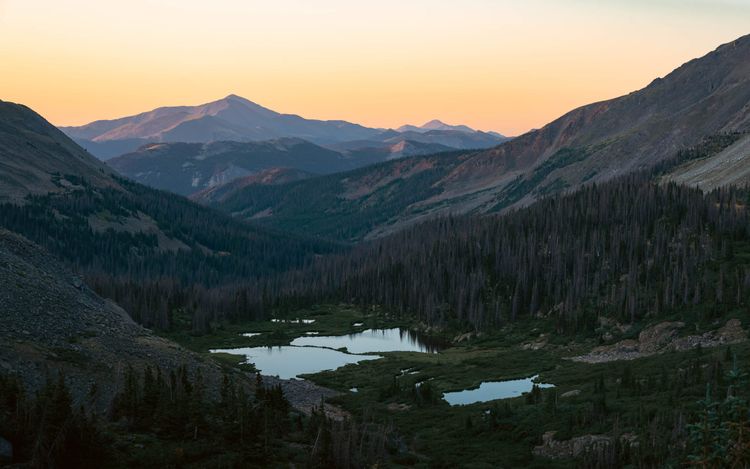
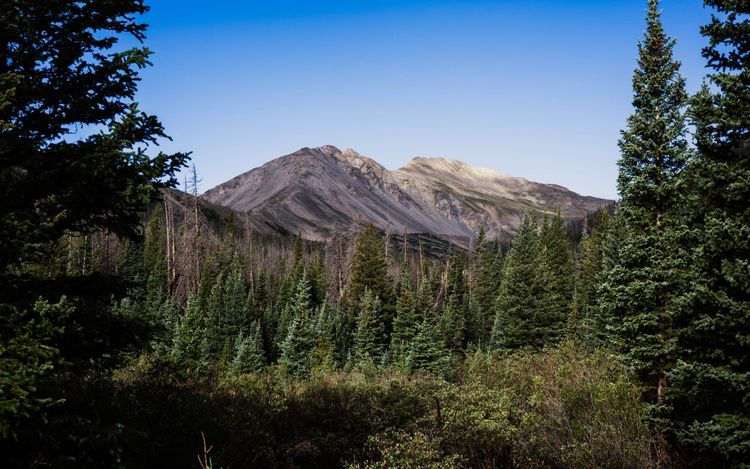
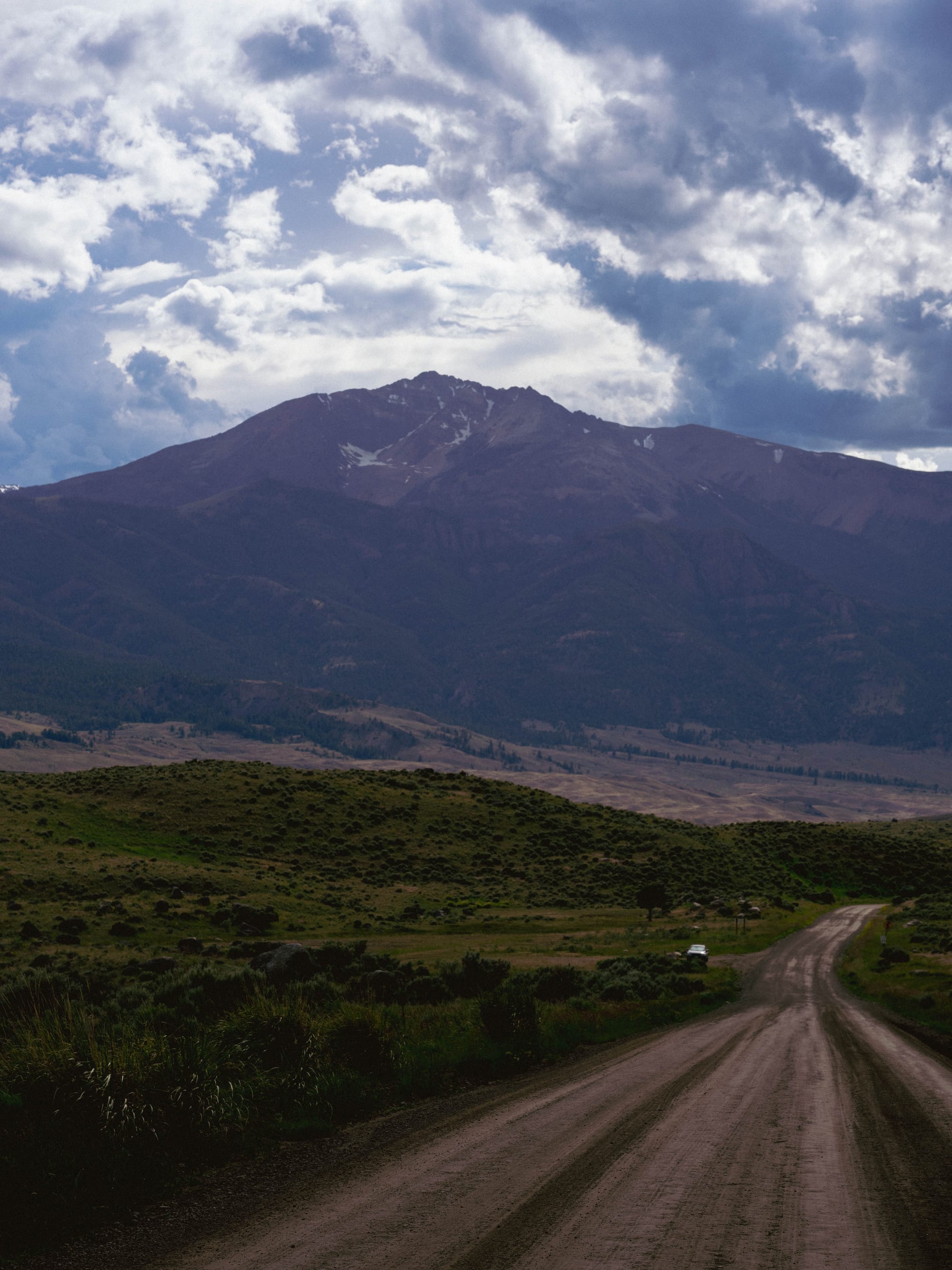
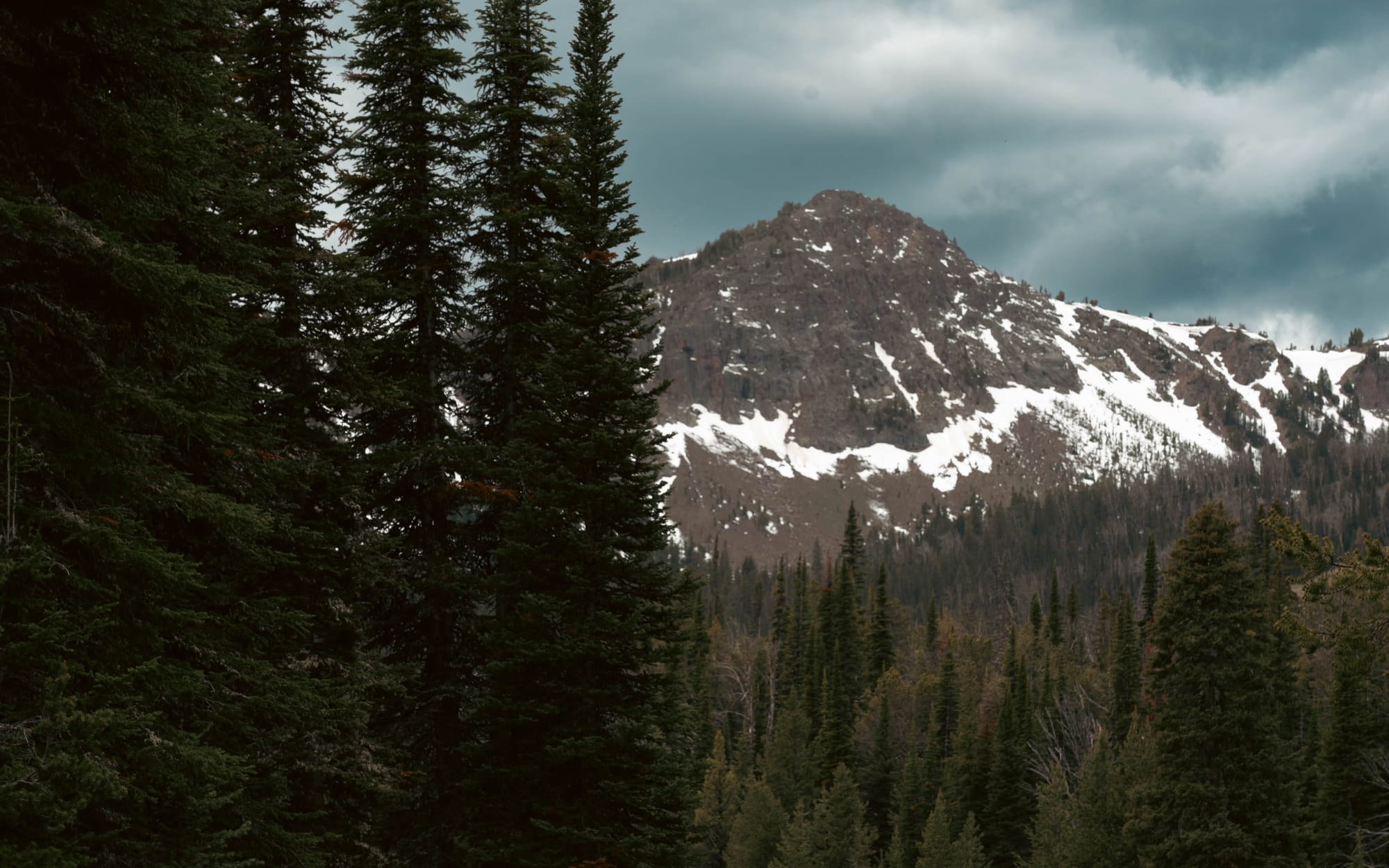
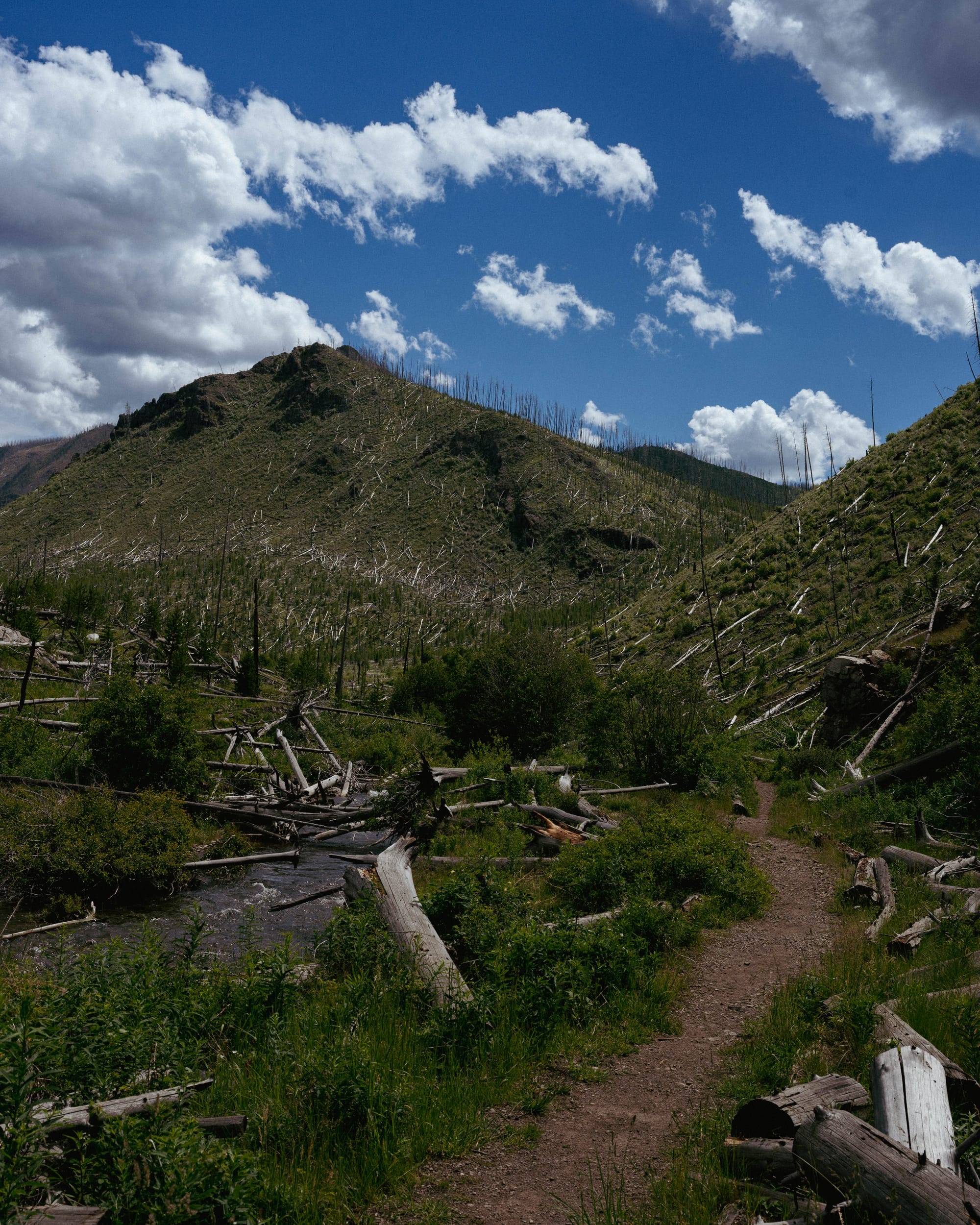
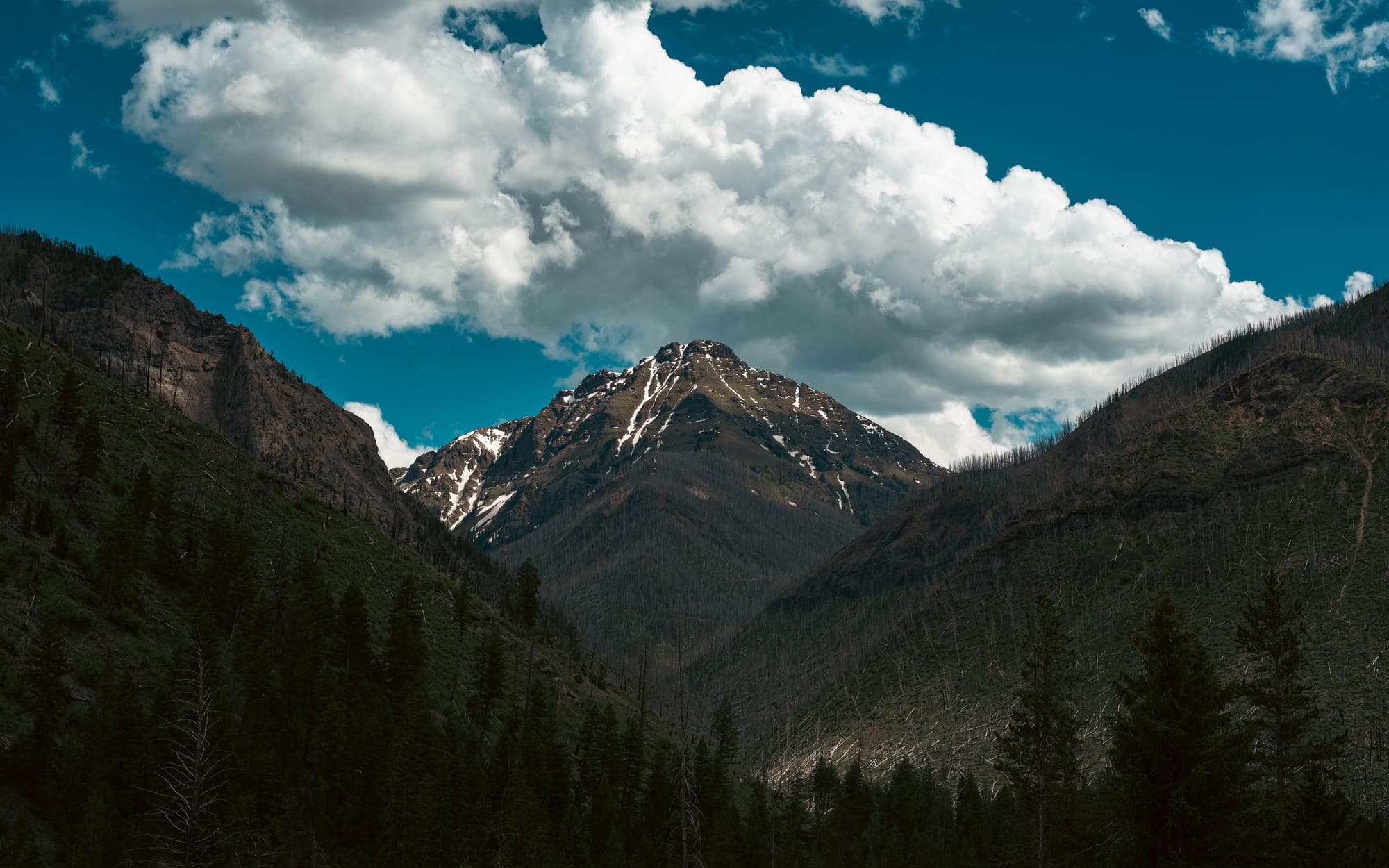
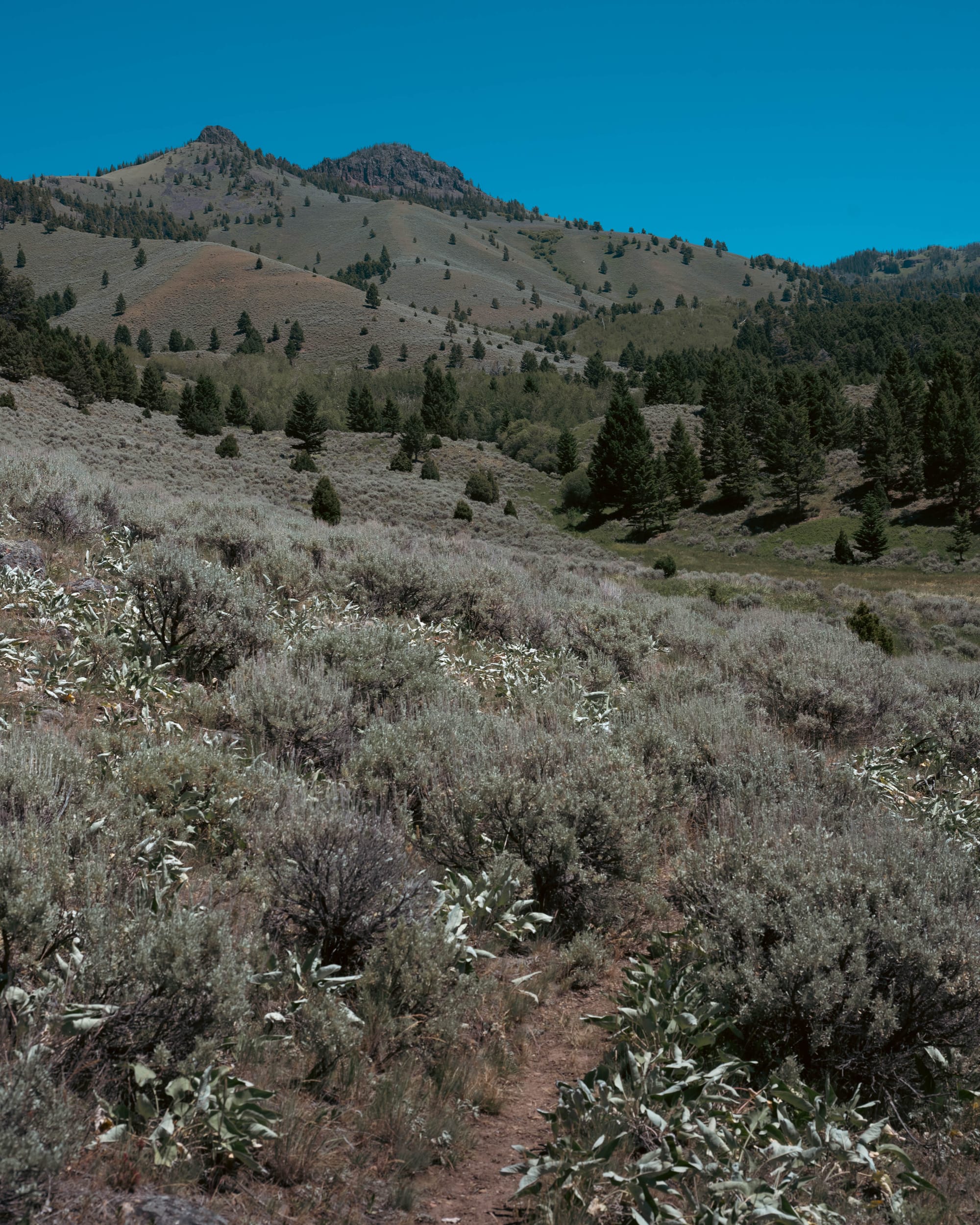
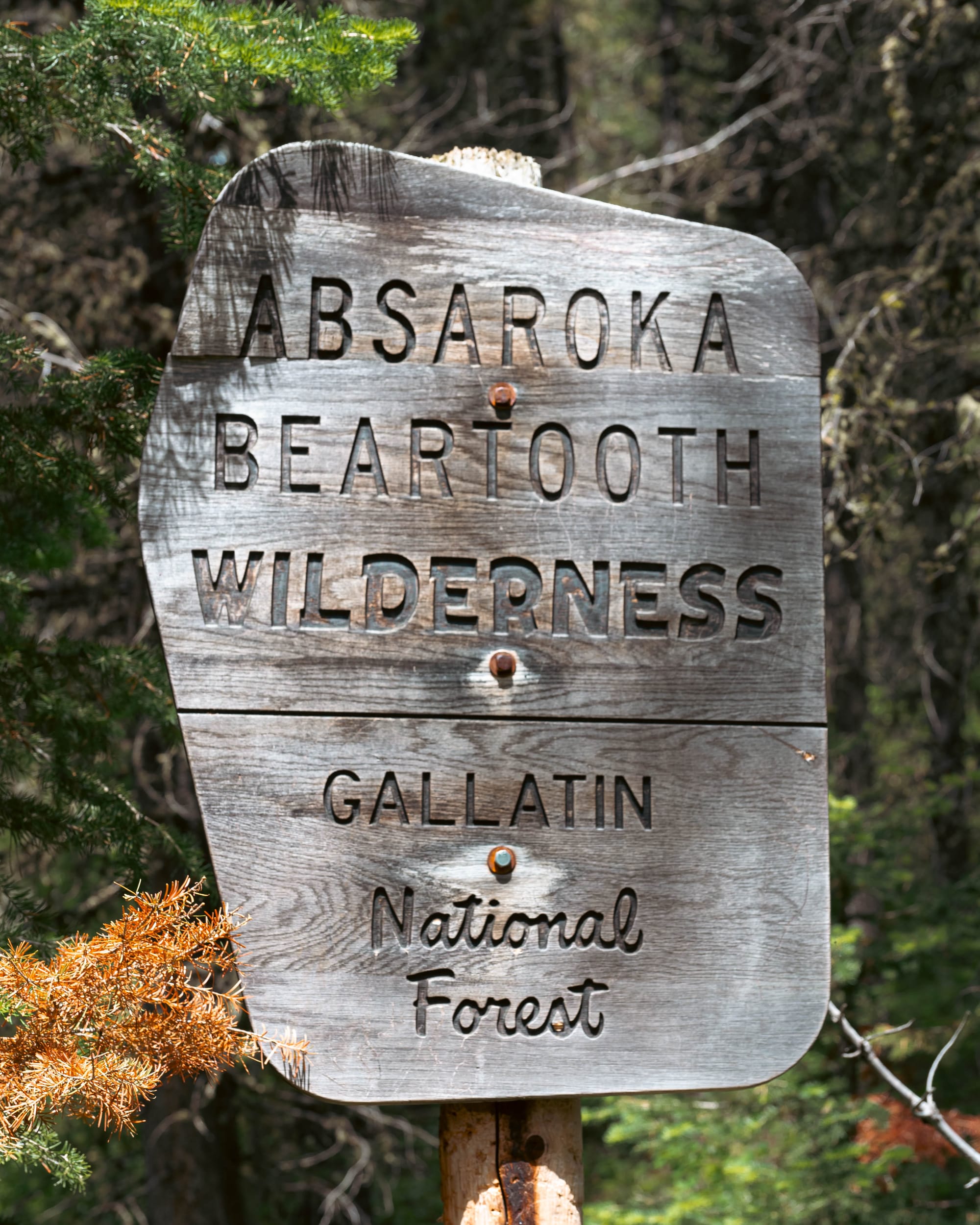
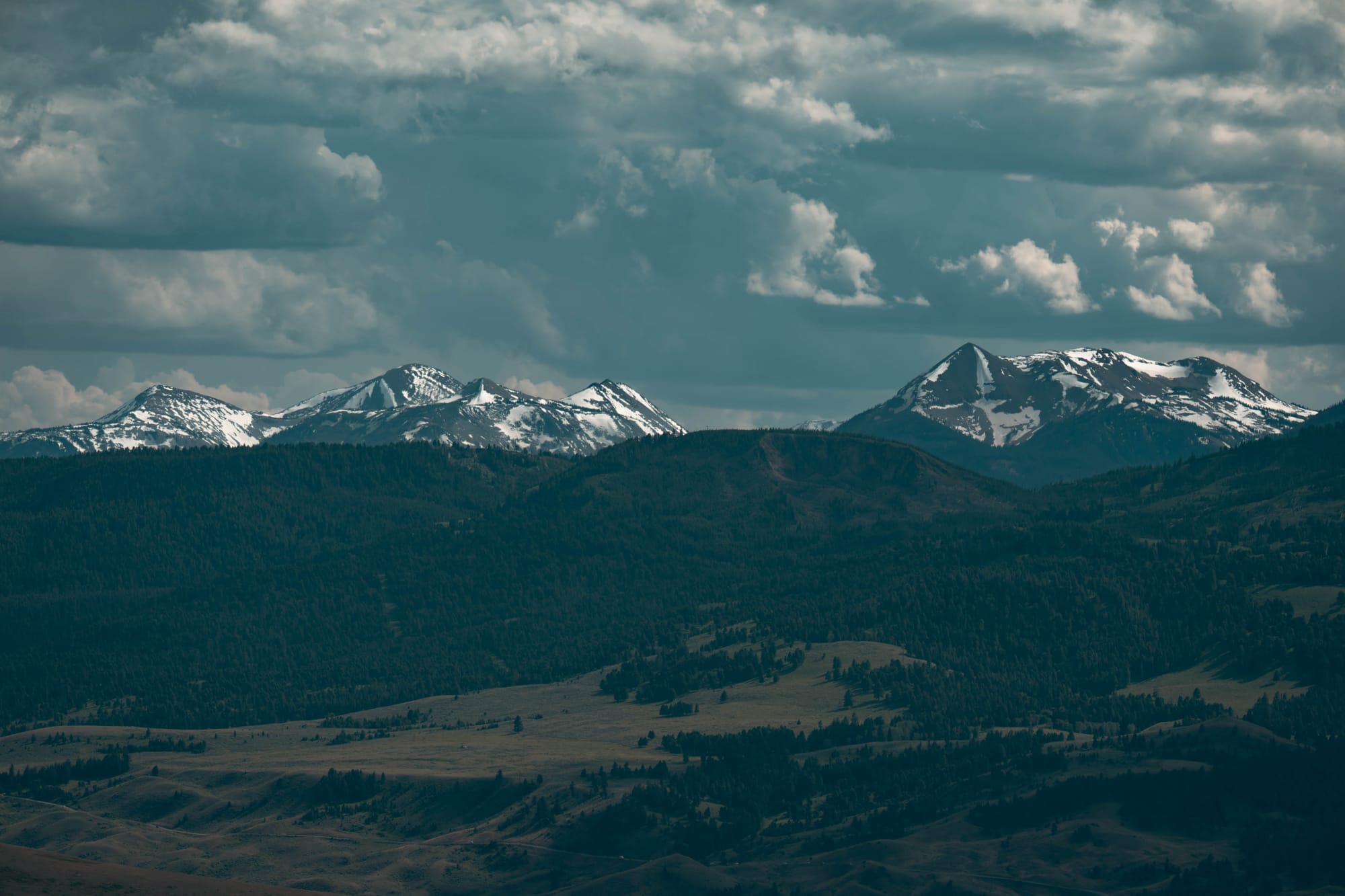
The surrounding Custer Gallatin National Forest climbs quickly from the Yellowstone River valley into the Absaroka Mountains. Lower slopes give way to forests, mountain lakes, open ridges, waterfalls, and eventually the much larger Absaroka-Beartooth Wilderness.
Our hikes introduced us to that landscape in pieces.
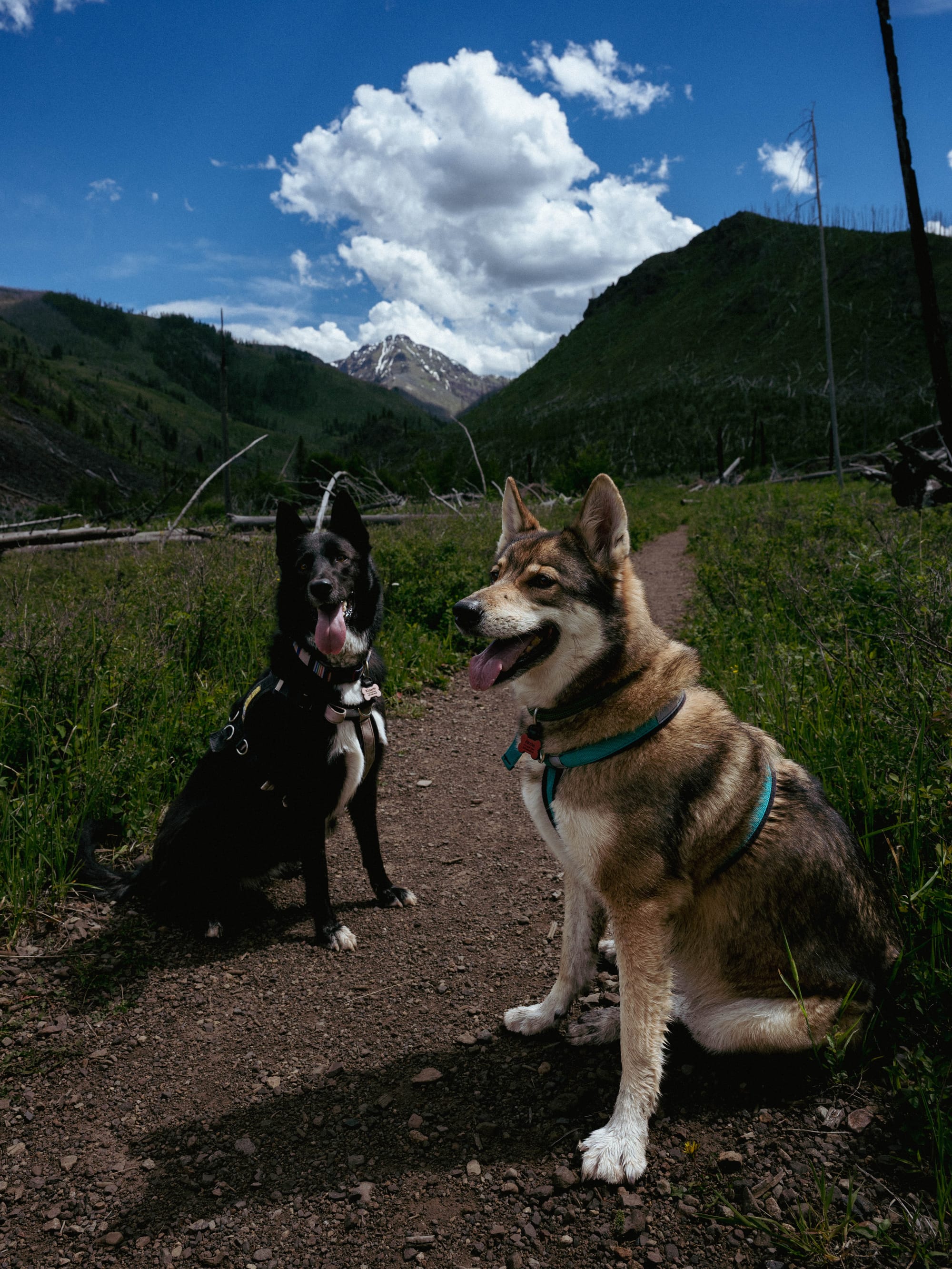
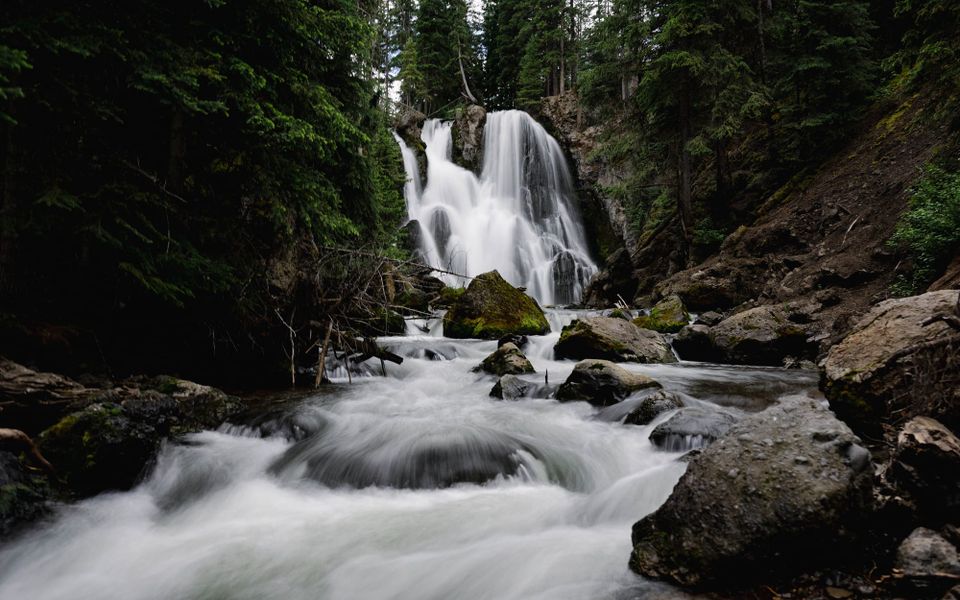
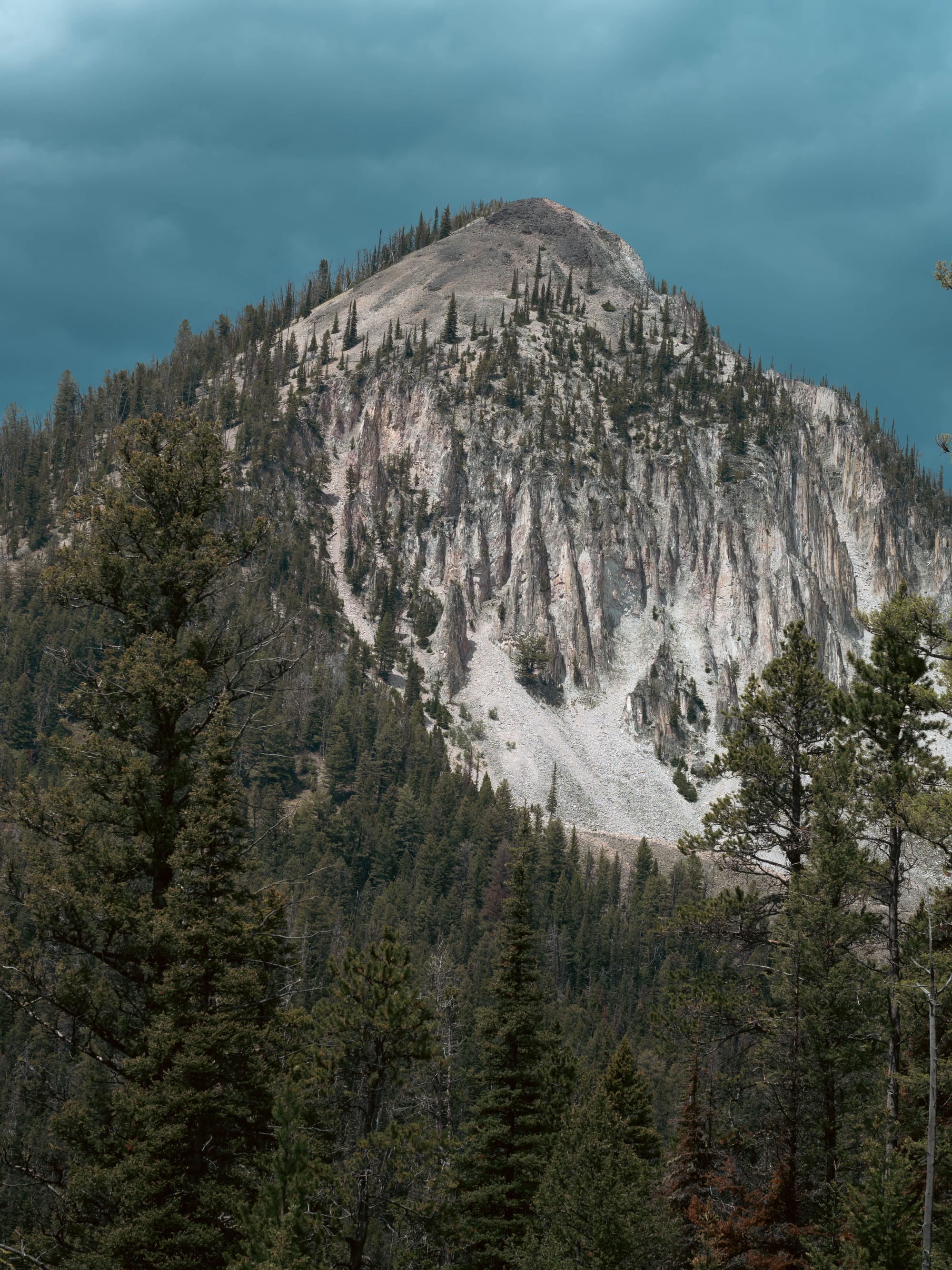
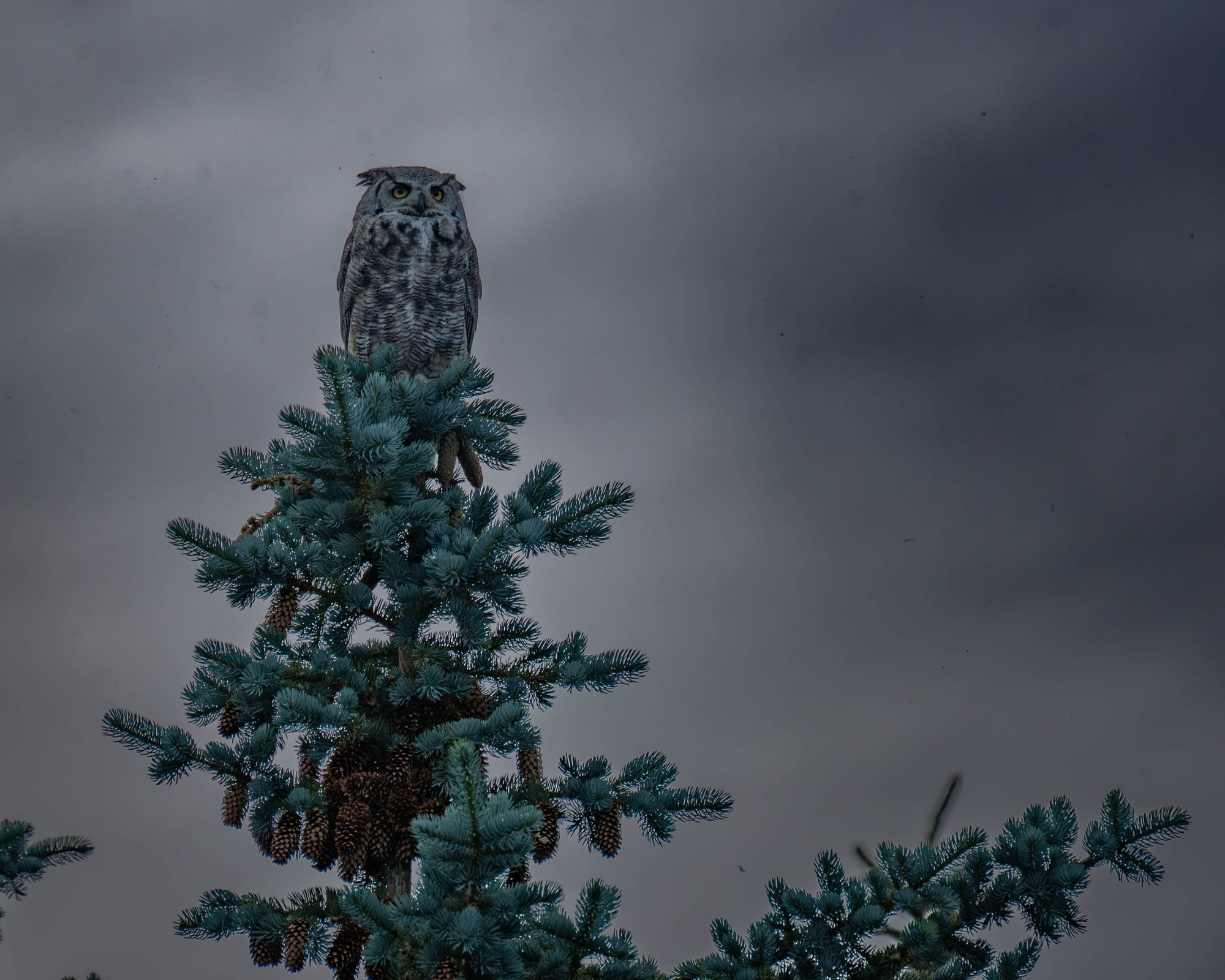
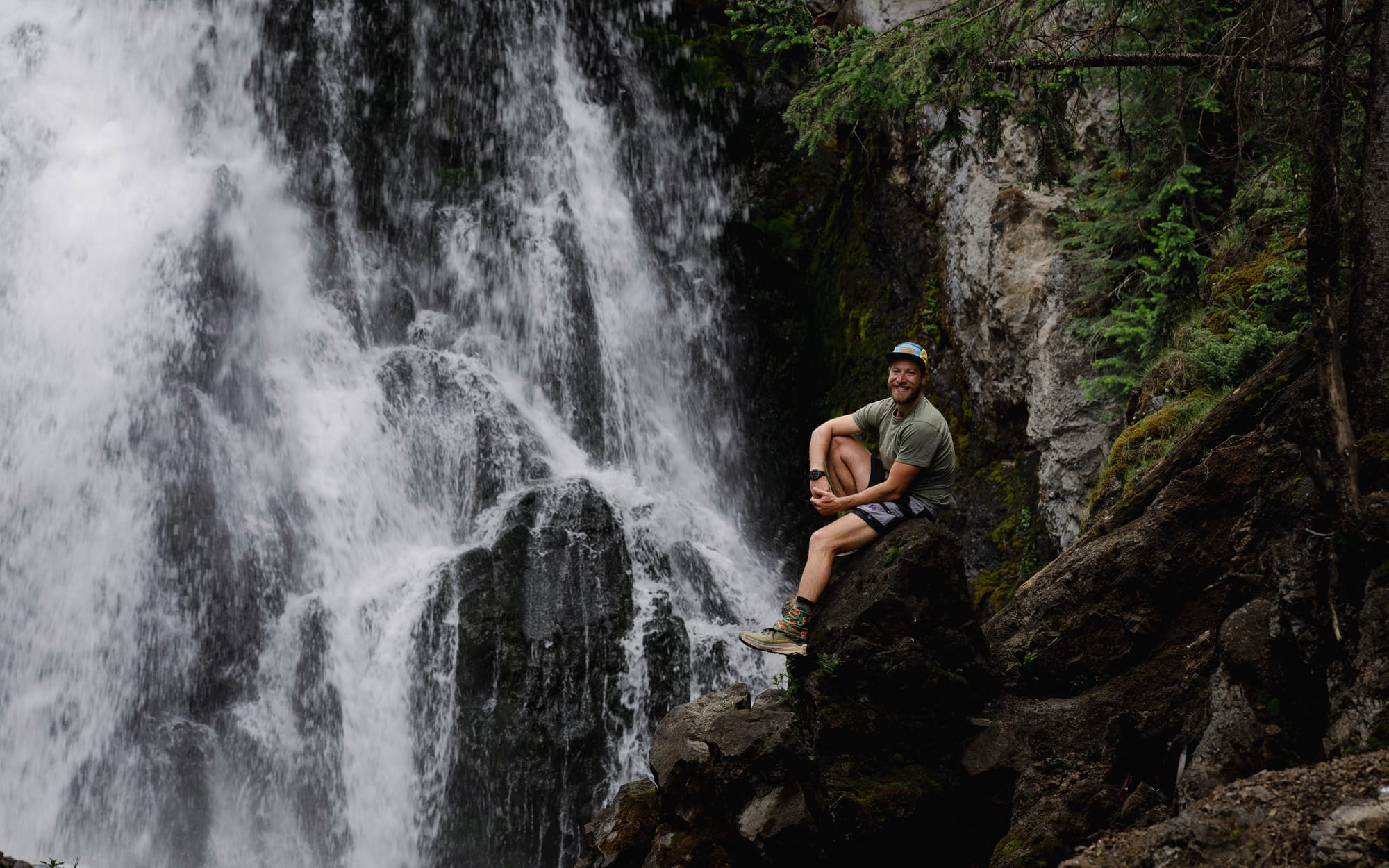
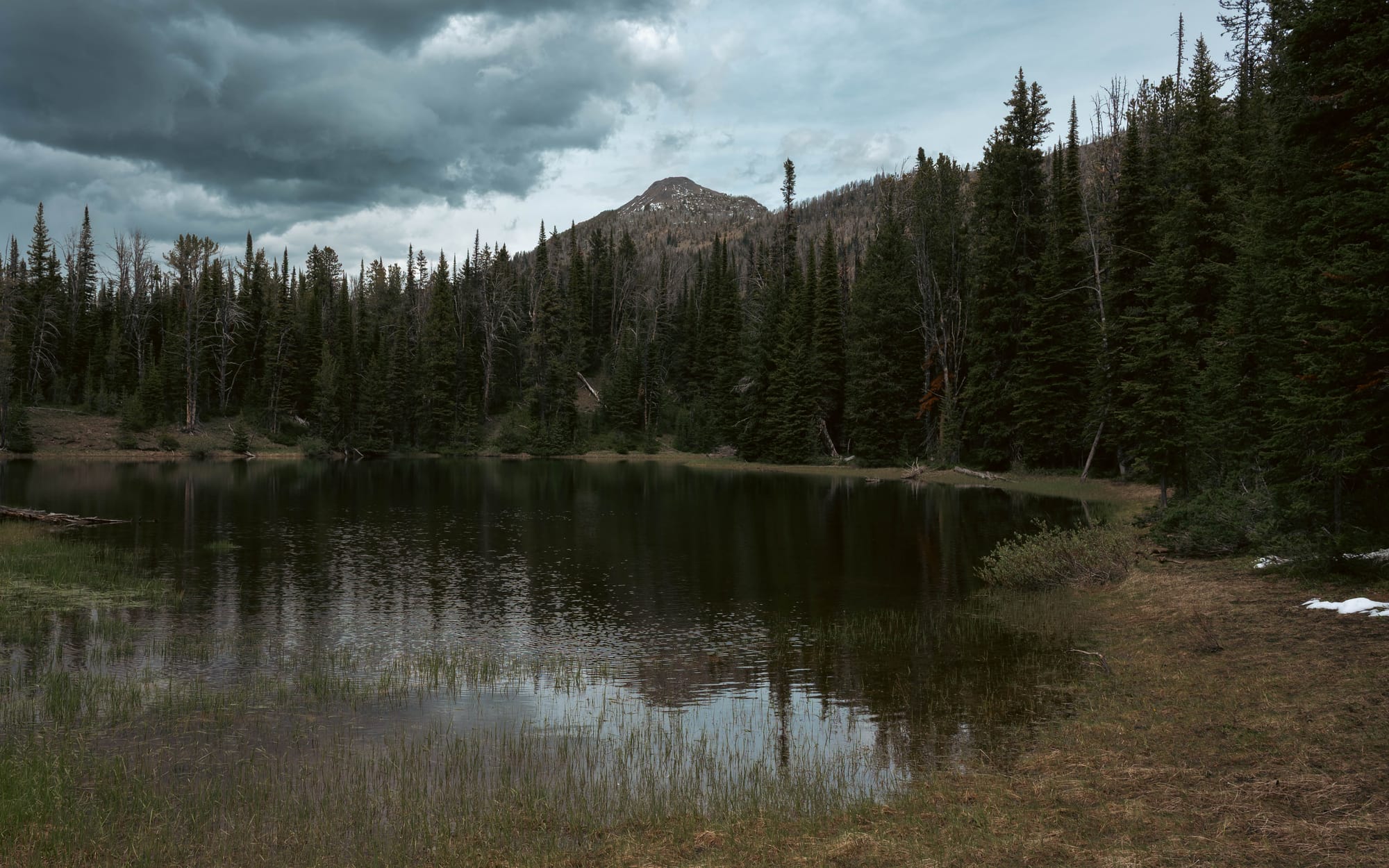
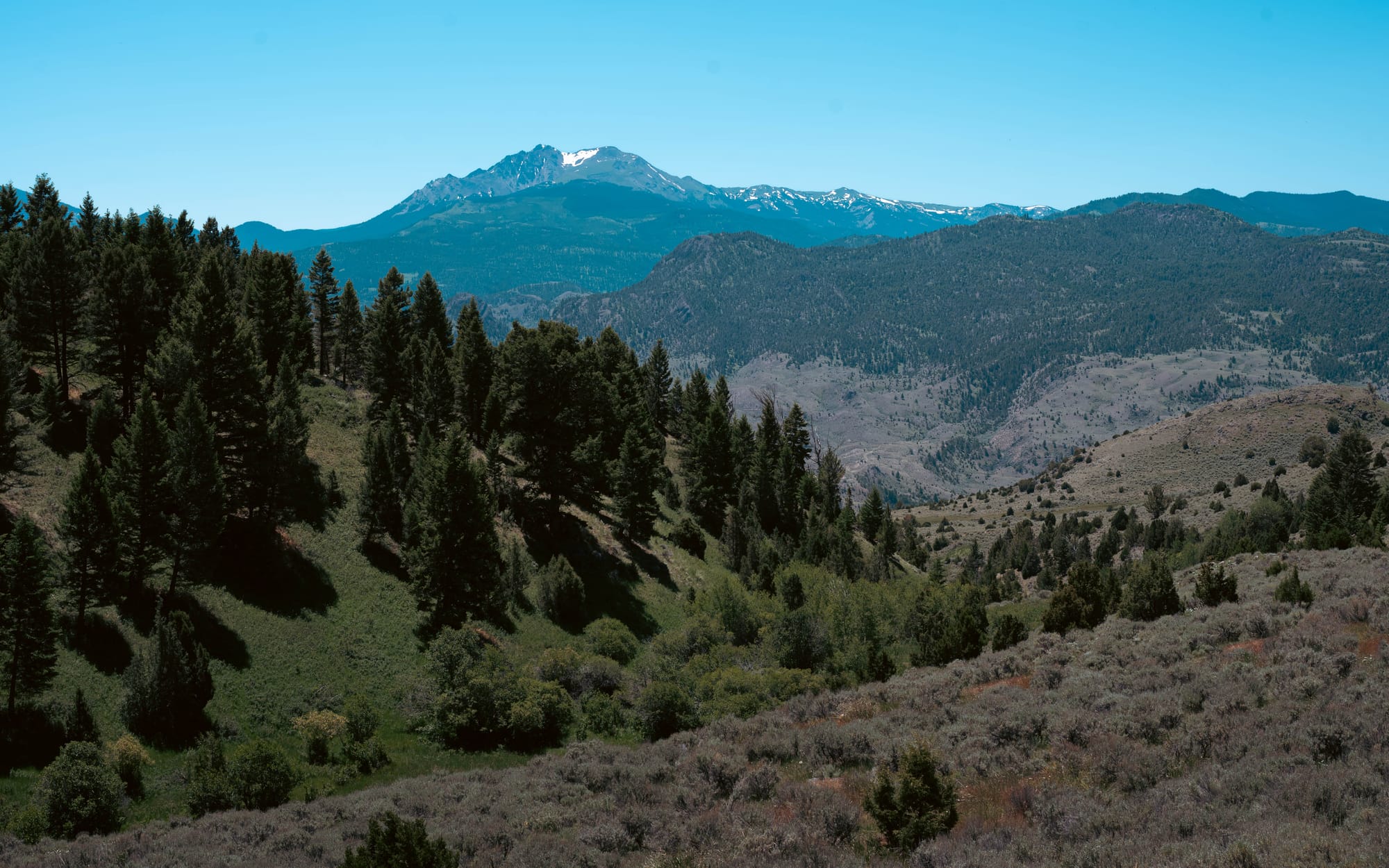
Joe Brown Summit opened wide views over the river corridor and showed how tightly Gardiner sits between water and mountains. Knox Lake led into quieter forest, away from roads and developed stops. Passage Falls led us toward more rugged country, where the terrain began to feel larger and less contained.
None of those places carried the recognition of Yellowstone’s famous landmarks.
That was part of their appeal.
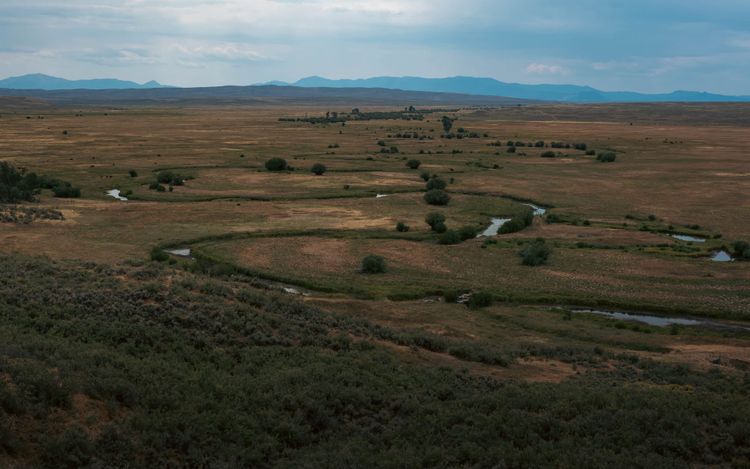
They showed us the landscape surrounding the park without the roads, boardwalks, and named attractions layered over it. The management boundary was real, but the mountains, water, forests, and wildlife habitat continued without interruption.
Gardiner gave us access to that larger system.
⚡ TL;DR
Basecamp highlight: Exploring the Yellowstone River and Absaroka country beyond the park boundary
Best for: Rafting, hiking, wilderness access, and combining Yellowstone with quieter public lands
Skip if: You want a polished resort town or expect every outing to begin inside the national park
Worth planning around?: Yes
Final Takeaways
We arrived in Gardiner thinking of it as the place we would stay after Yellowstone.
That description now feels too limited.
The town gave us a different view of the same landscape. We experienced the Yellowstone River from the water, climbed above the valley, and followed quieter trails into national forest and wilderness.
The 2022 flood made clear how closely Gardiner remains tied to the river and the park beside it. The town benefits from that geography, depends on it, and occasionally has to rebuild around it.
Gardiner may be best known as Yellowstone’s North Entrance.
What stayed with us was everything surrounding it.