Huntington State Park
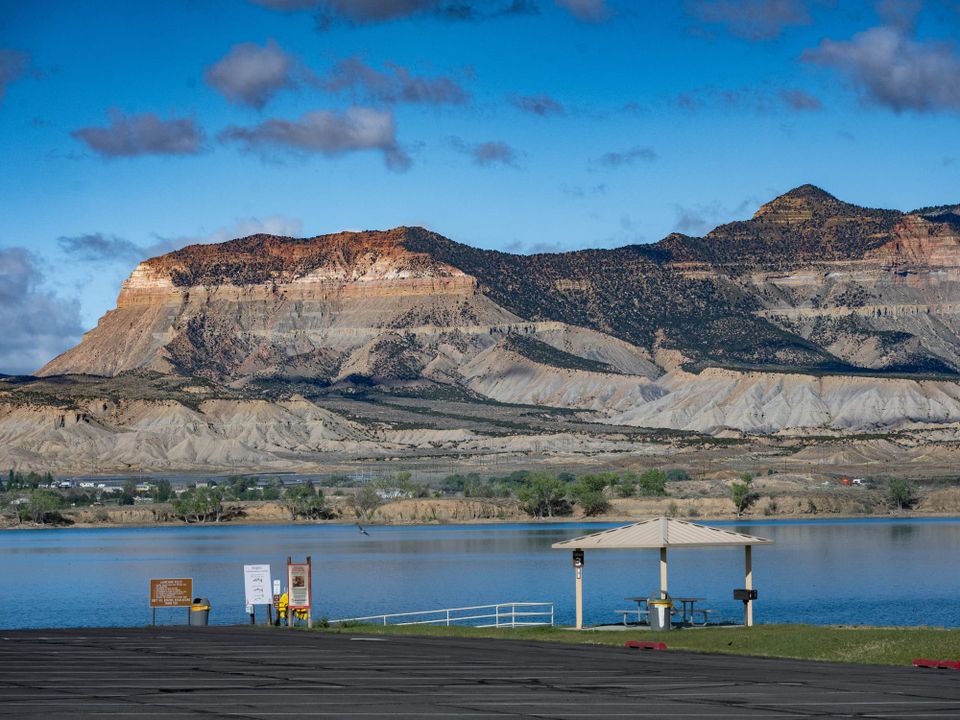
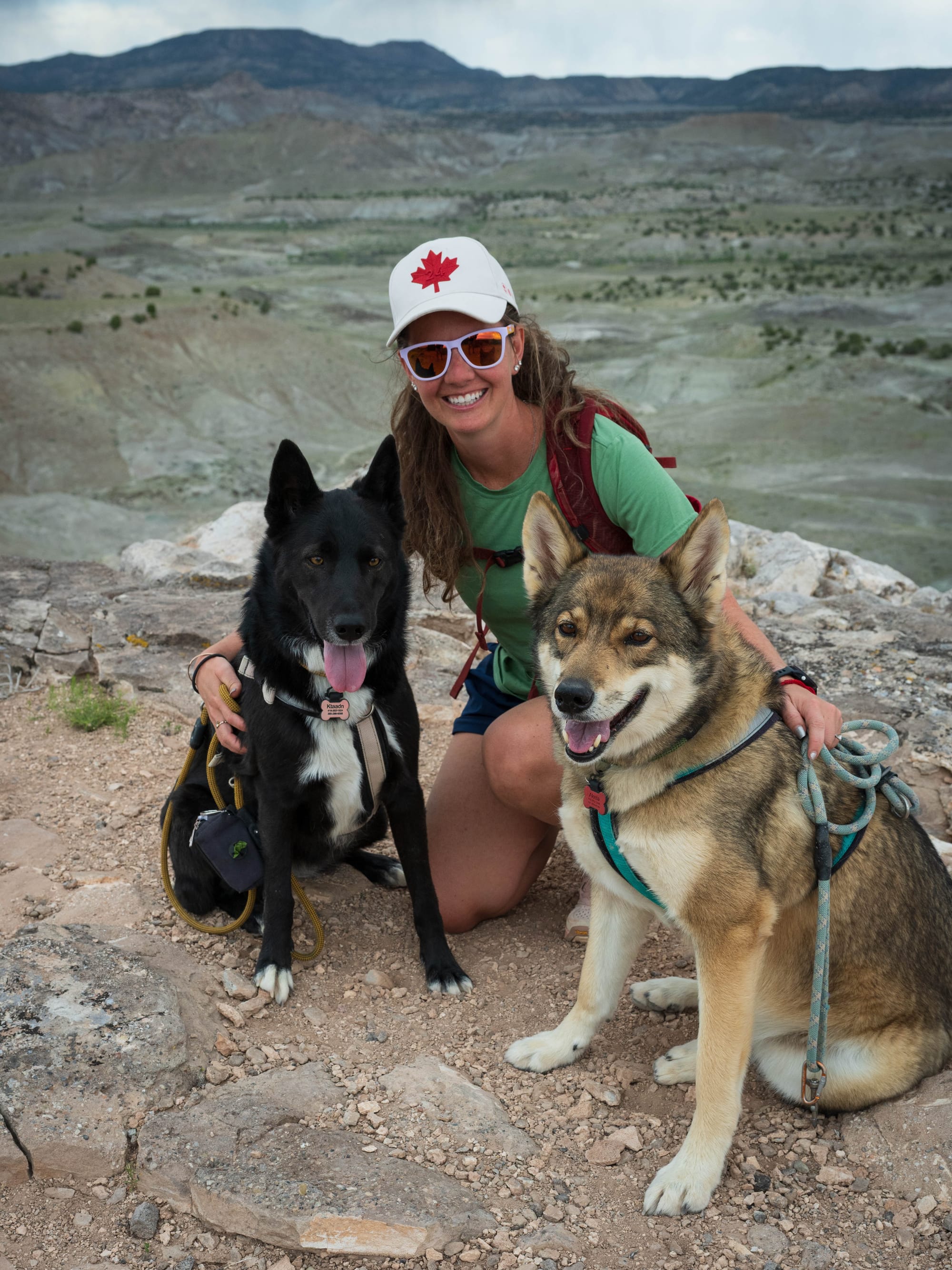
After Moab, Huntington State Park felt like an exhale.
We had just come off a stretch of red rock parks, early mornings, photo missions, hikes, overlooks, and full days of trying to see as much as we could without rushing through it. Huntington was different from the start. Smaller. Quieter. Less demanding.
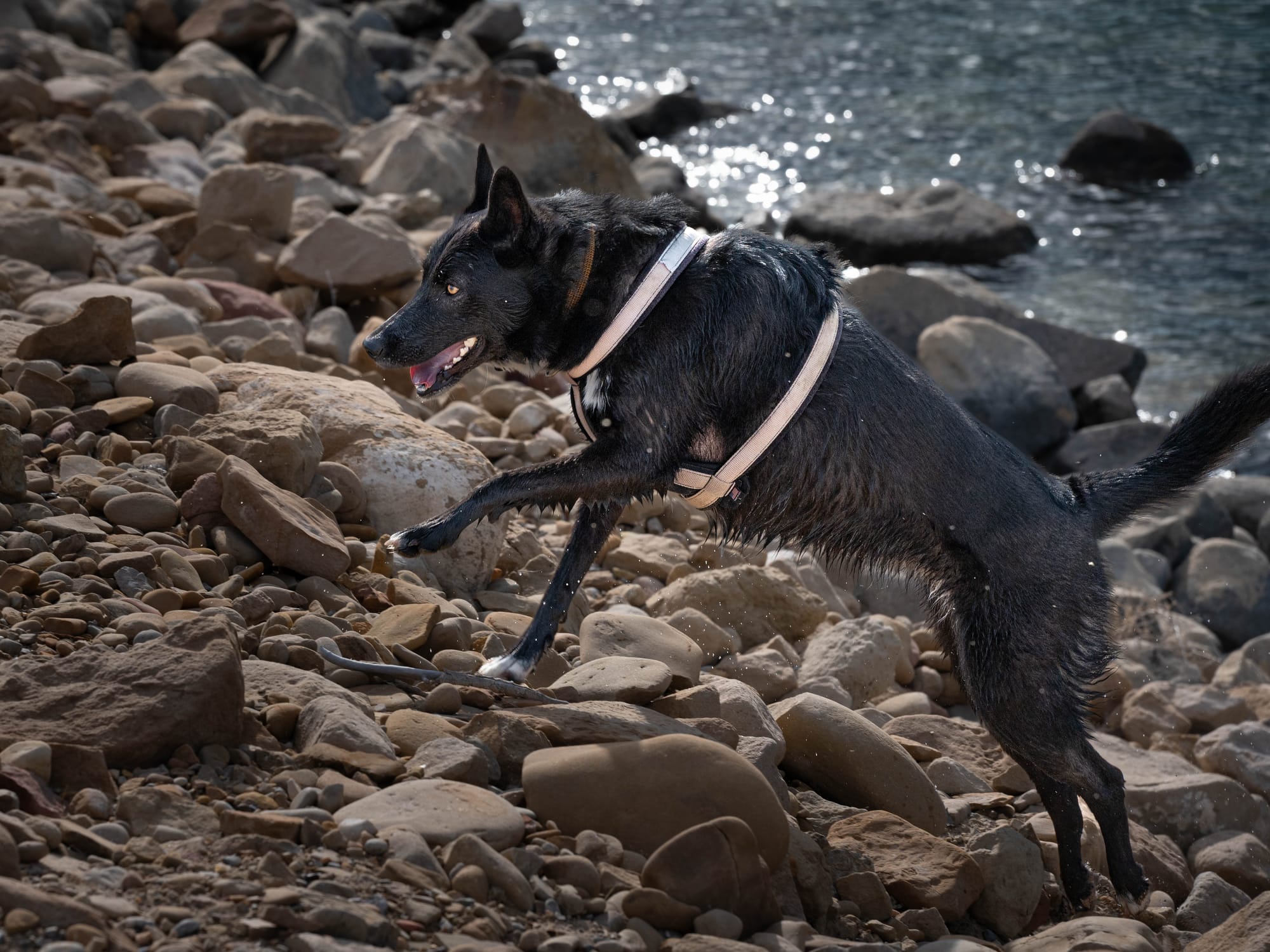
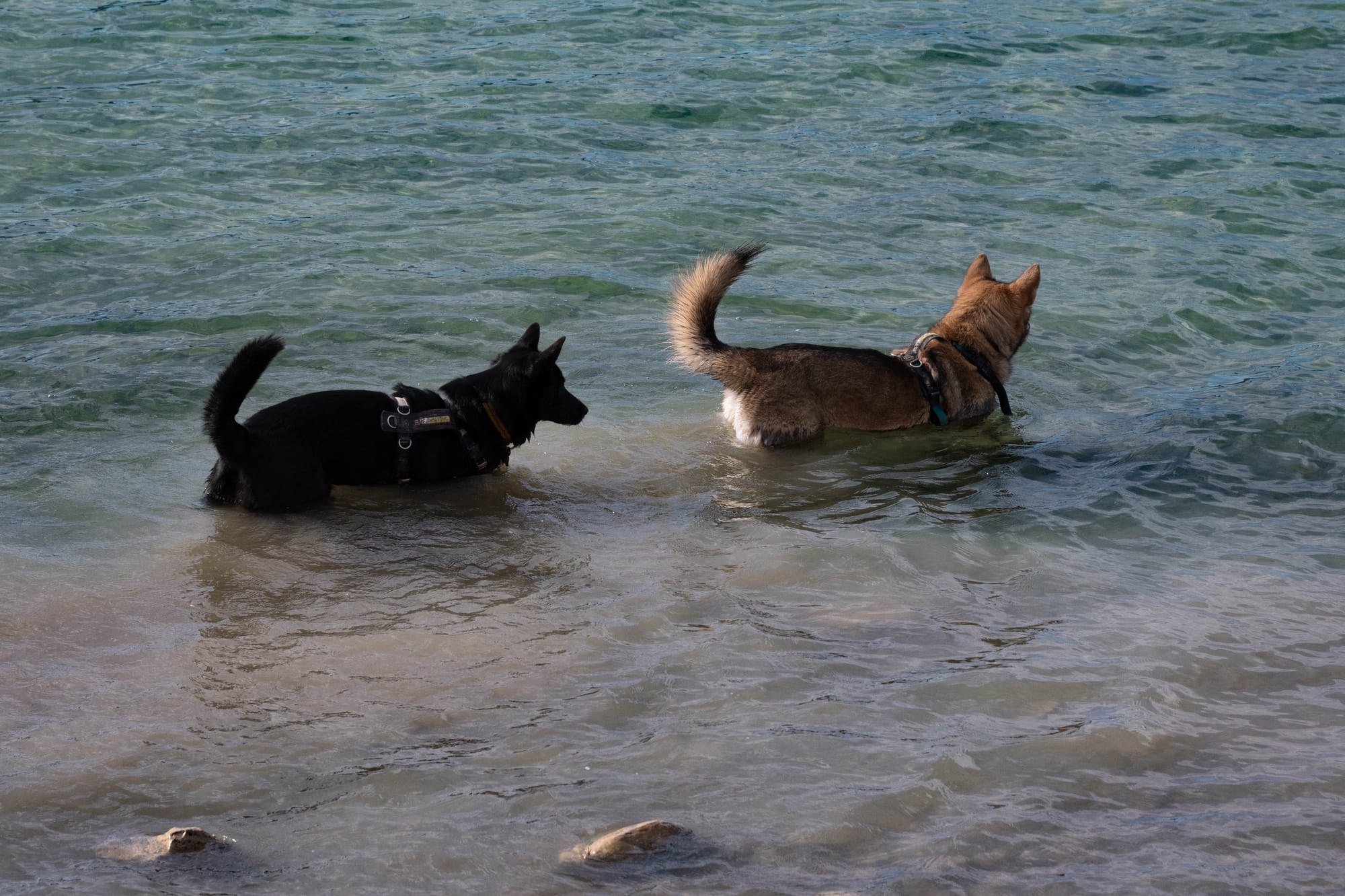
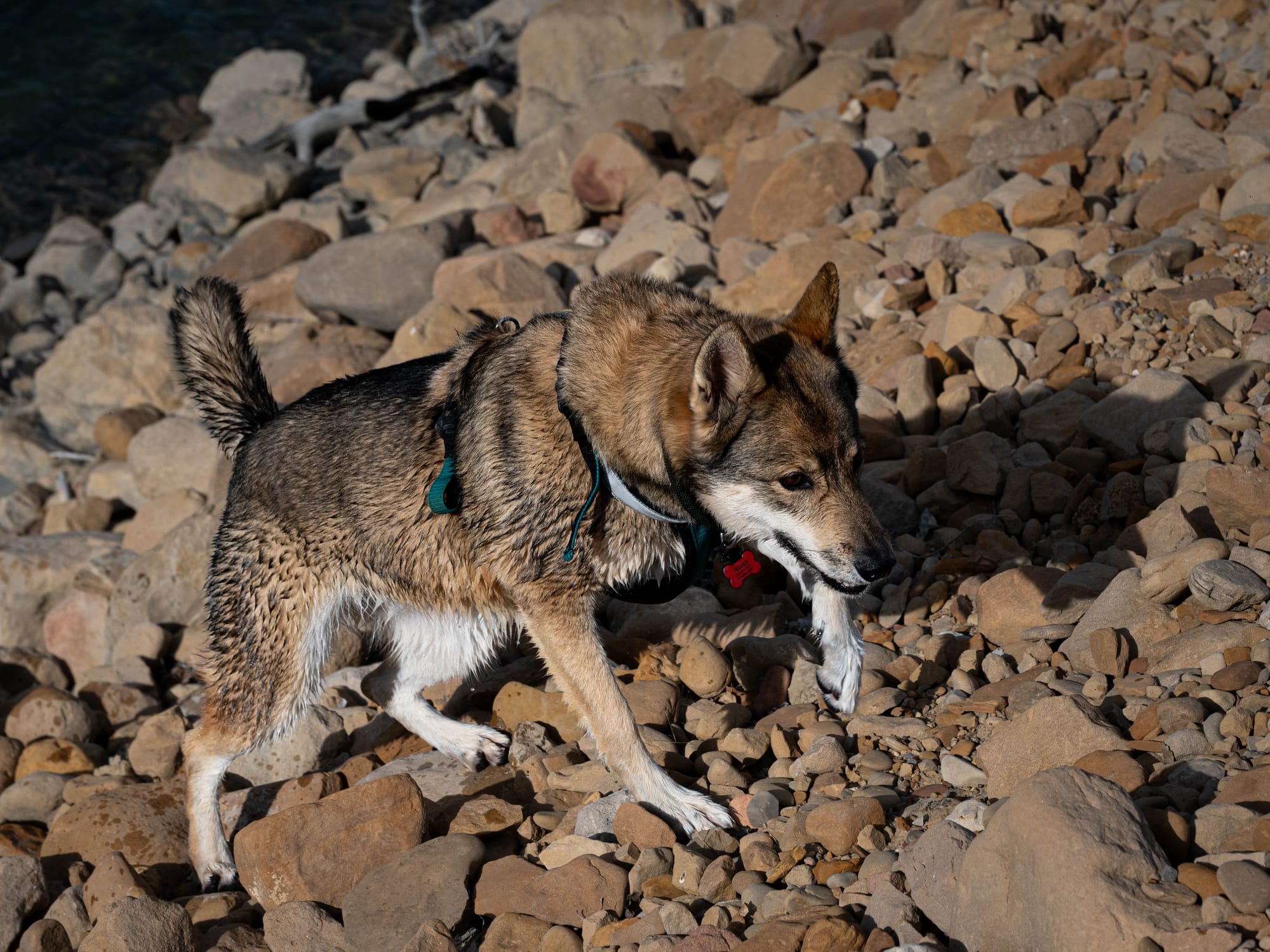
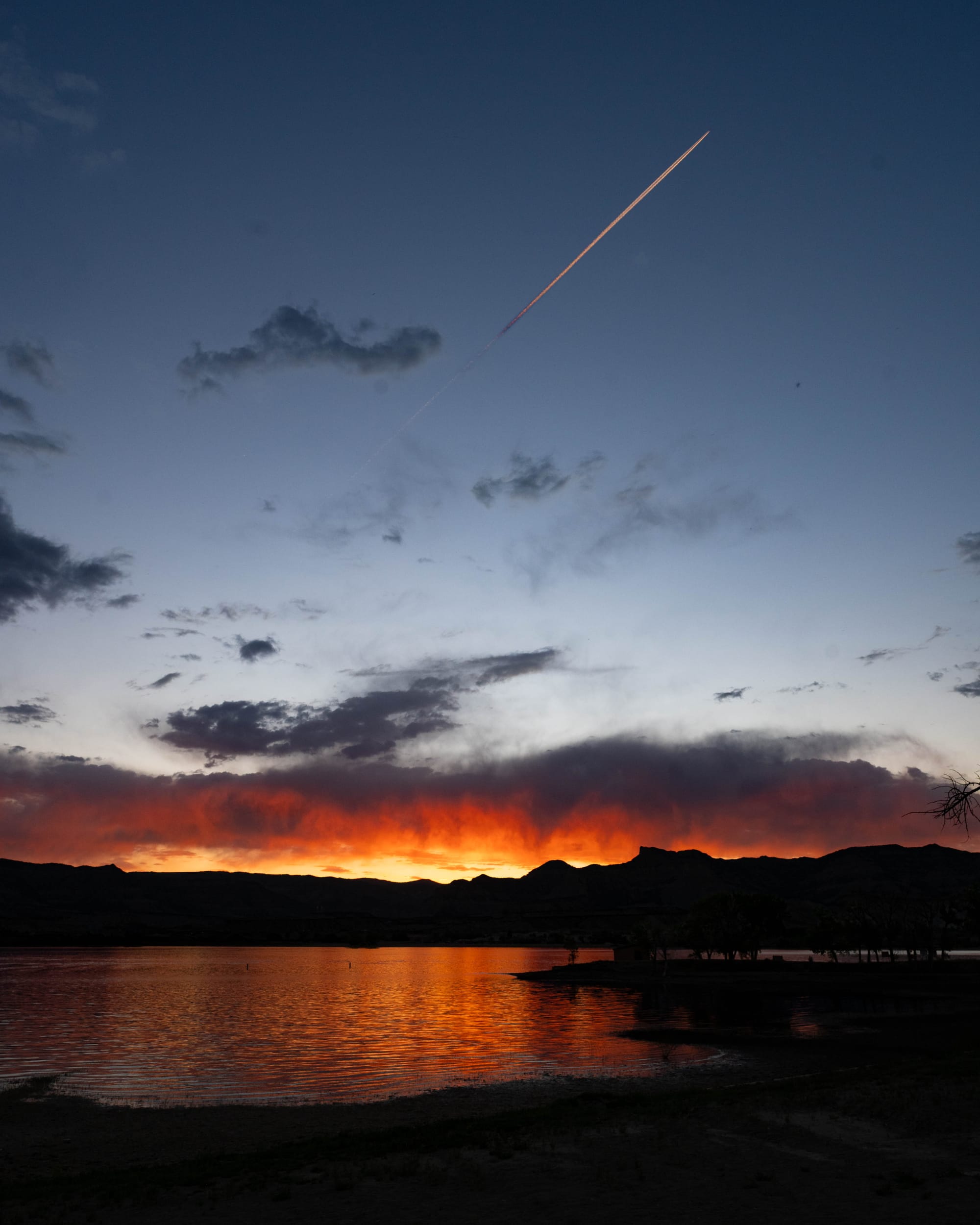
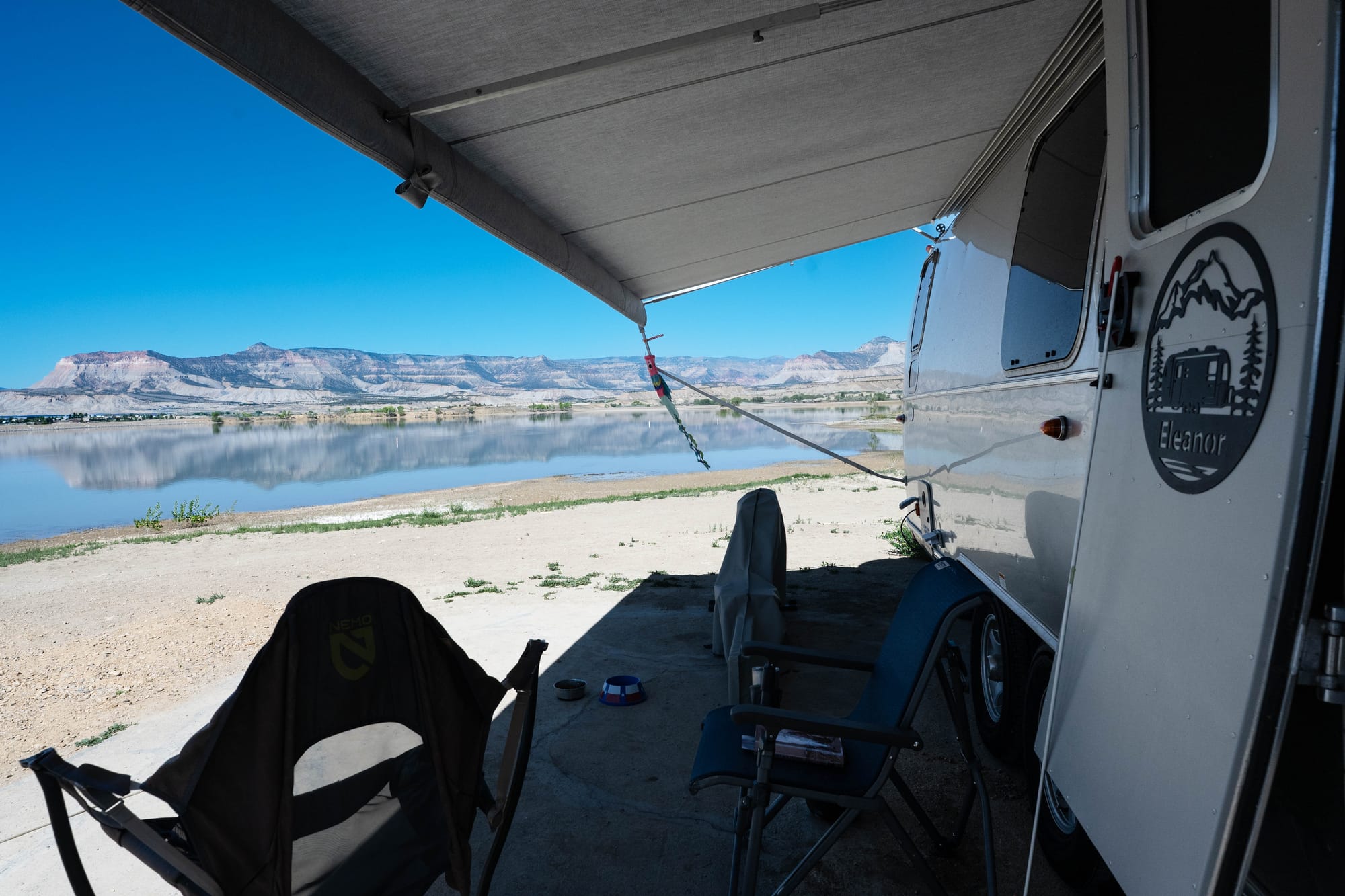
The rhythm settled in quickly. Mornings around the reservoir. Dogs in the water. A loop around the lake. Work time. Photo editing. Writing. Catching up on the parts of life that get pushed aside when every day has a trailhead or national park entrance attached to it.
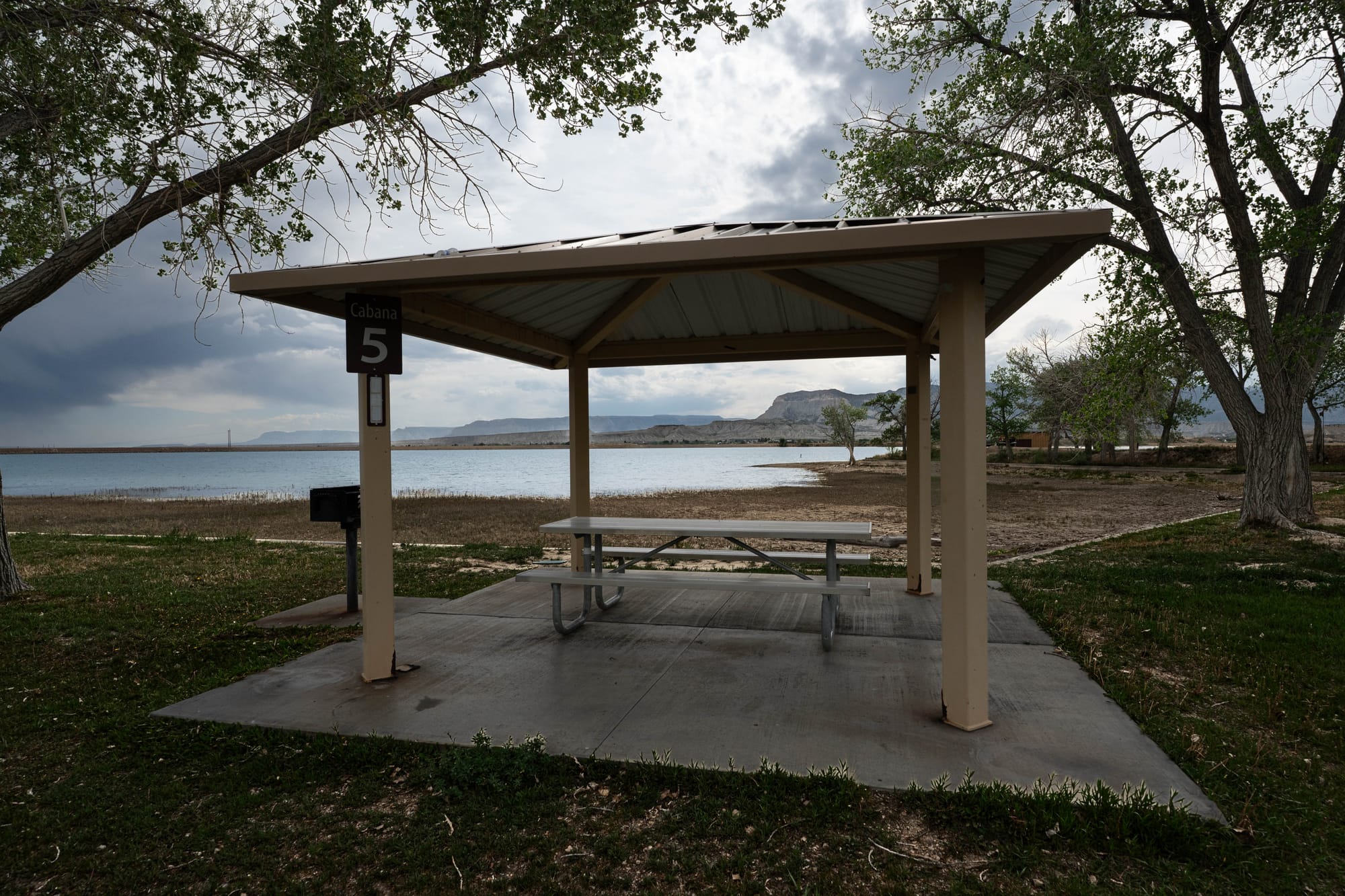
The park was quiet for most of the week, with the usual weekend bump on Friday and Saturday night. But even then, Huntington never felt like it was trying to be more than it was.
That was part of why it worked.
🗺️ The Lay of the Land
- Location: Huntington, Utah · 39.3619, -110.9278 · [Google Maps]
- Official site: Huntington State Park
- Landscape: reservoir · shale and sandstone desert hills
- Vibe: quiet water, layered rock, and small-park reset
- Our stay & conditions: May 2026 · 7 nights · warm, dry, some wind, rain near the end
🏕️ Camp Setup
- Site types: RV sites · tent sites
- Arrival & setup: Easy
- Hookups: 💧 / ⚡ / 🧻
- Connectivity: 📶 AT&T 🟢 | 📶 Verizon 🟢 | 📶 T-Mobile 🟢 | 📡 Starlink 🟢 | 📶 Park Wi-Fi ⟂
- Facilities: Restrooms · Trail access · Boat ramp
Legend:
🚽 = sewer at site · 🧻 = dump station
🟢 = solid for work · ⚠️ = usable with limits · ❌ = unusable
Park Highlights
Huntington State Park is small, but it has more context than it first lets on.
The park centers on Huntington Reservoir, which was completed in 1966 by the Bureau of Reclamation as part of an irrigation and recreation project. The town, reservoir, and park all trace their name to the Huntington brothers, early explorers connected to Emery County in the mid-1800s.
Huntington is not a dramatic destination park in the same way Arches or Canyonlands are. It feels more local, more practical, and more tied to the reservoir than to one big scenic feature.
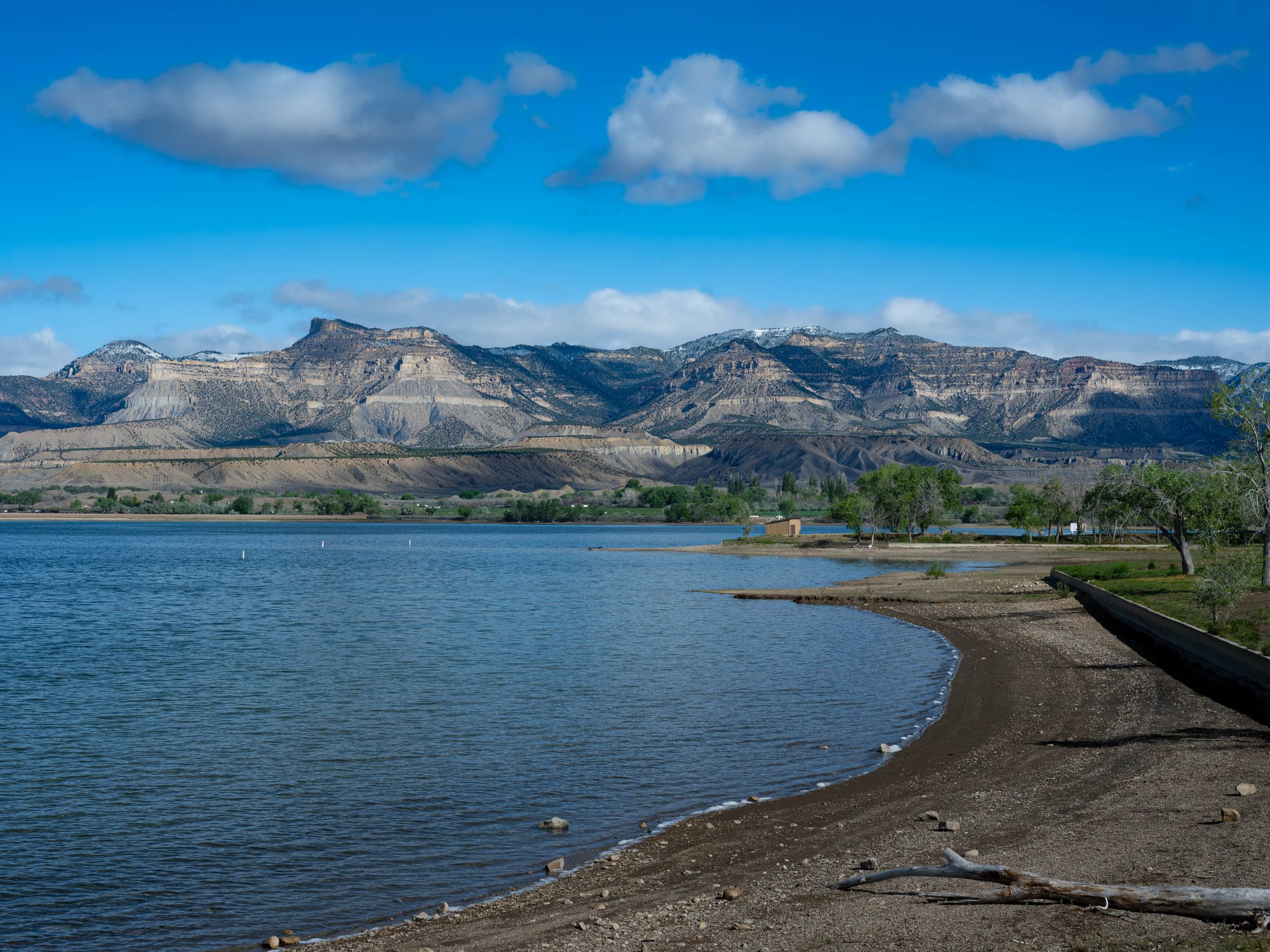
The campground sat close to the reservoir, and our site backed up near the shore. The surrounding landscape also made the stay more interesting than expected.
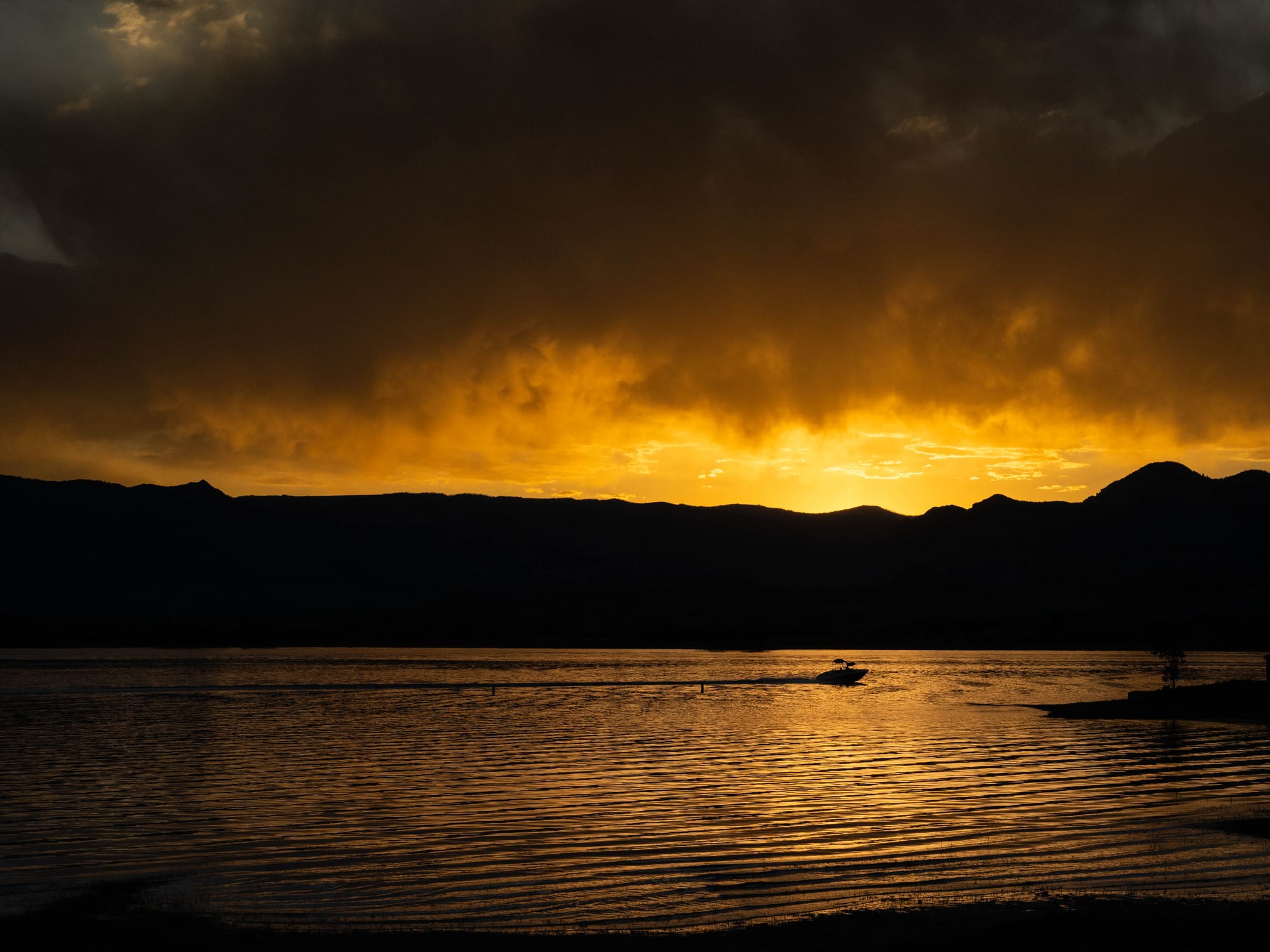
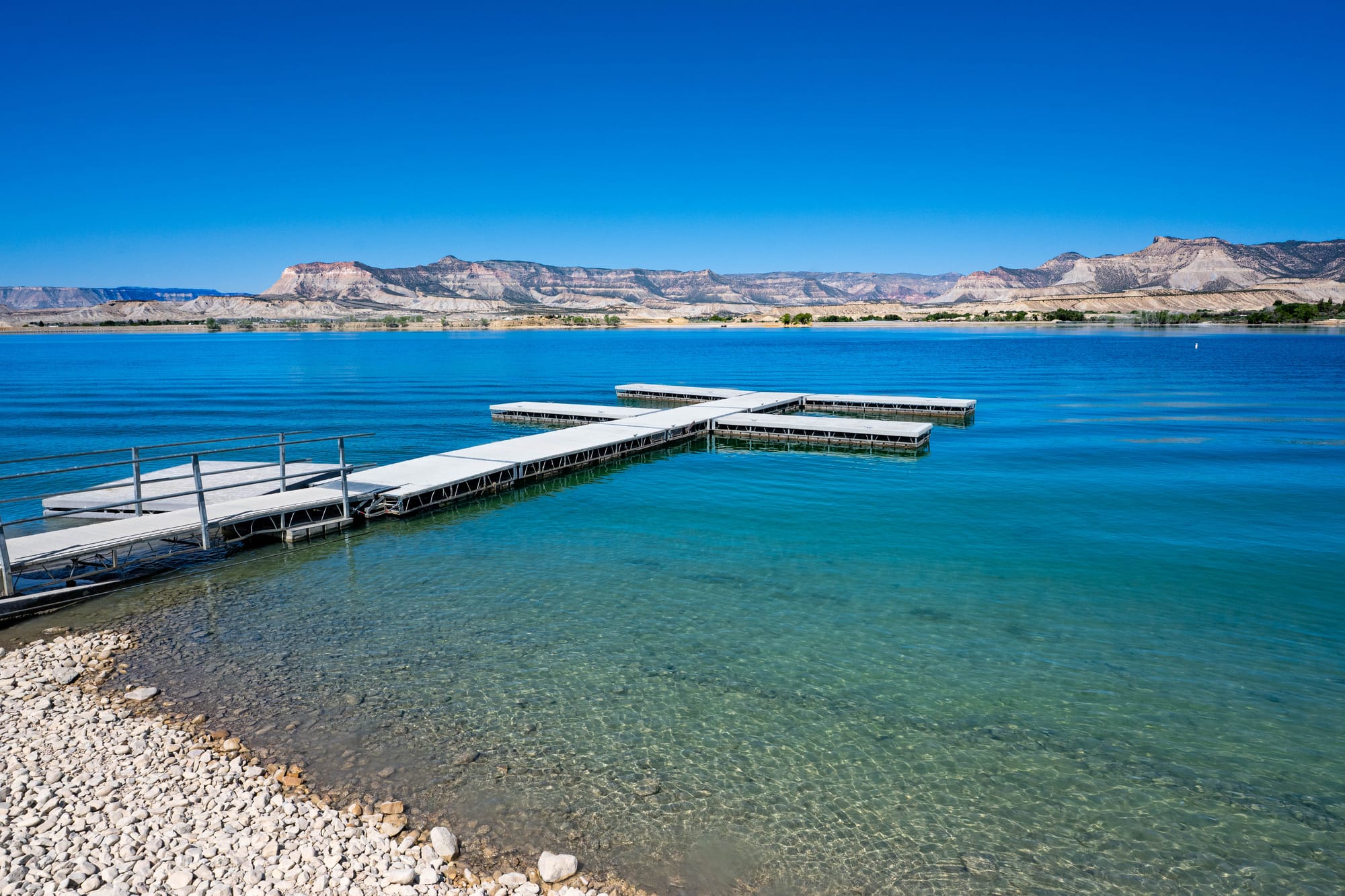
Utah did not stop being geologically interesting once we left the national parks. It just got quieter. Huntington sits between larger geologic neighborhoods like the Wasatch Plateau and the San Rafael Swell, and the park felt like a transition between the red rock drama of Moab and the more subdued central Utah landscape.
Coming from Moab, the rocks still felt familiar, but the presentation changed. The layers were still there, but they were softer, lower, and more worn down. Instead of massive sandstone fins and canyon rims, Huntington had dry slopes, shale-looking cuts, sandstone cliffs, and reservoir edges.
🚴 On the Ground
- Activities available: ● 🥾 Hiking | ● 🚴 Biking | ● 🐕 Dogs | ● 🚣 Paddling | ● 🎣 Fishing | ● 🐦 Birding | ● 🏊 Swimming | ● 📸 Photography | ● 🏕️ Camp-centric | ○ 🧗 Climbing
- Trail mileage available: 🥾 ~3 mi. | 🚴 ⟂ | 🚣 ⟂
- Crowd level: Quiet · busier Friday and Saturday
Legend: ● = available · ○ = not available
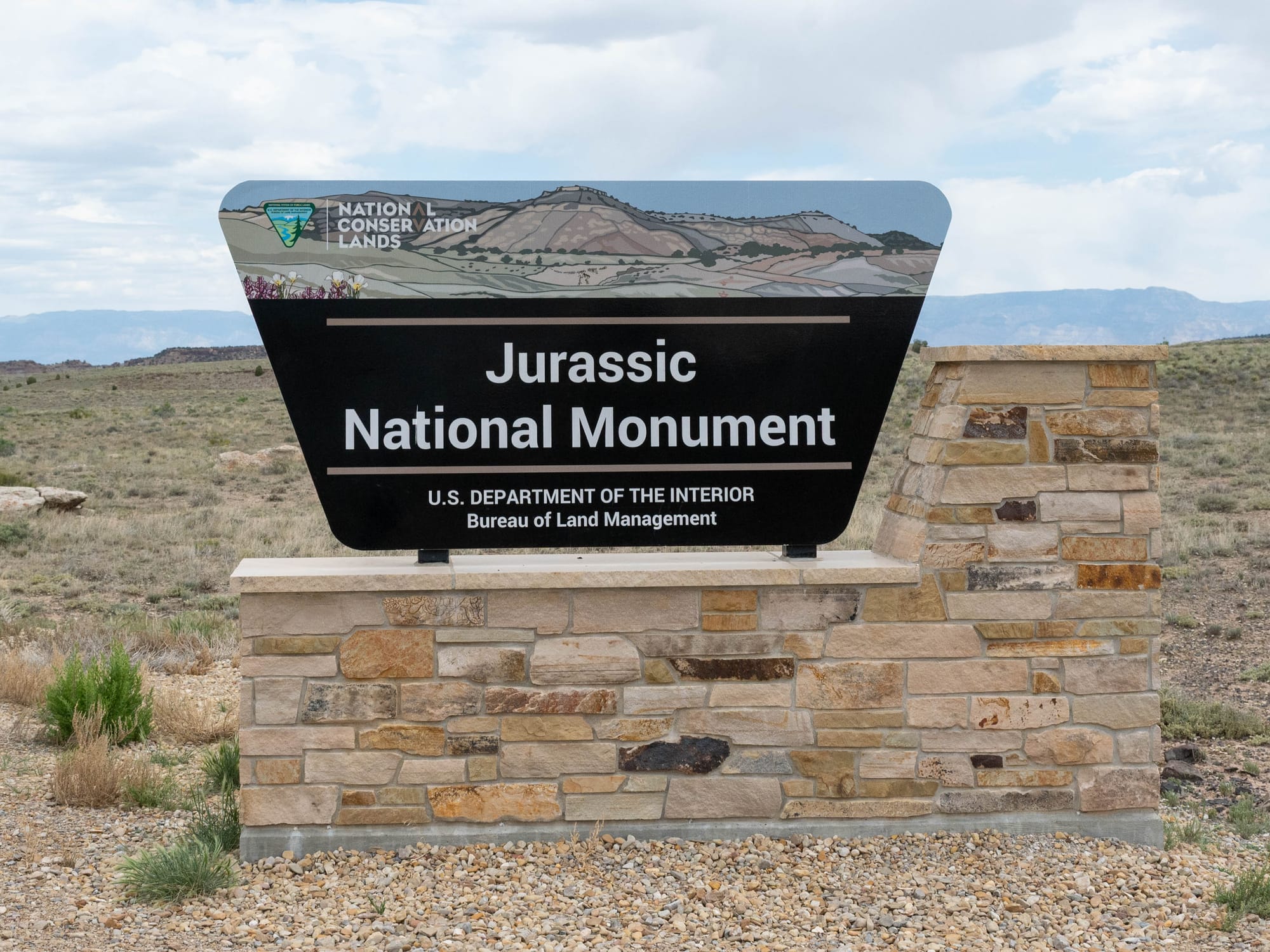
Jurassic National Monument
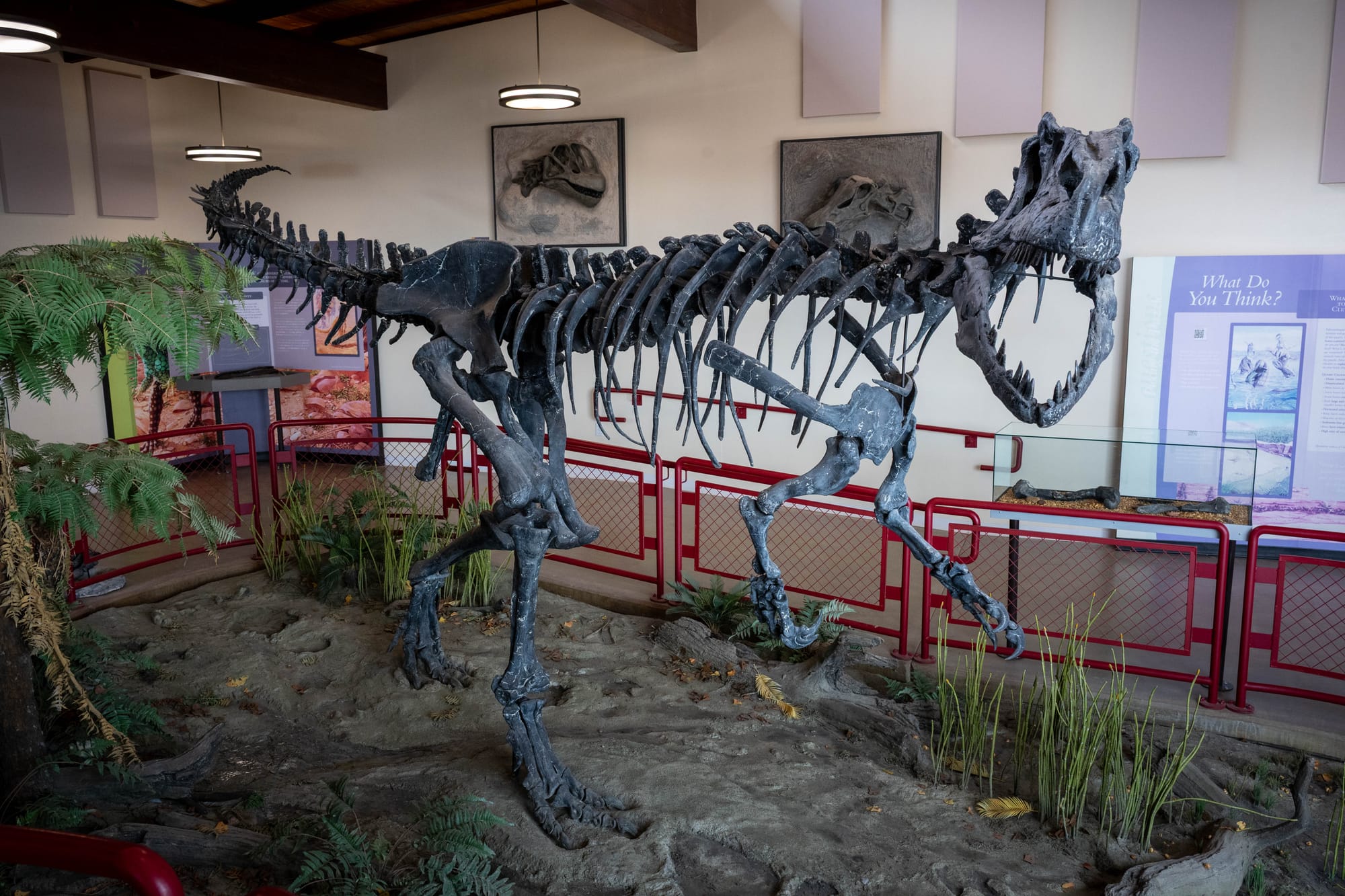
The main day trip from Huntington was Jurassic National Monument, home of the Cleveland-Lloyd Dinosaur Quarry.
The quarry is part of the Morrison Formation, a Late Jurassic rock unit famous for dinosaur fossils across the American West. Cleveland-Lloyd contains one of the densest concentrations of Jurassic-aged dinosaur bones ever found, with more than 12,000 fossils representing at least 74 individual animals.
More than 75 percent of the bones come from predators, especially Allosaurus fragilis, with more than 46 individual Allosaurus identified.
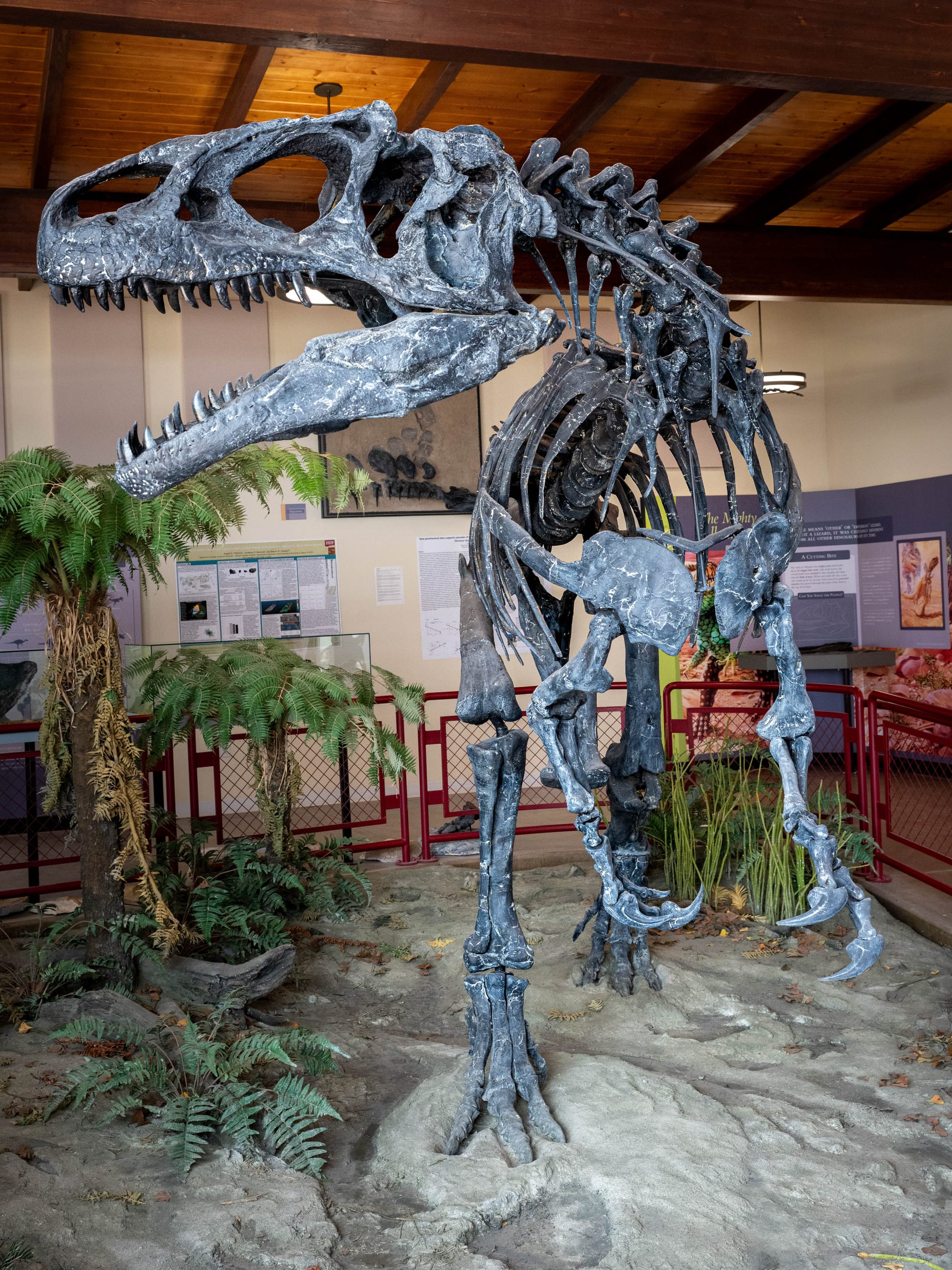
That is what makes the site so unusual.
Most people expect dinosaur fossil sites to tell a simple predator-and-prey story. Cleveland-Lloyd does not. The quarry has produced a strange concentration of carnivores, and scientists still debate exactly why so many dinosaurs ended up in one place.
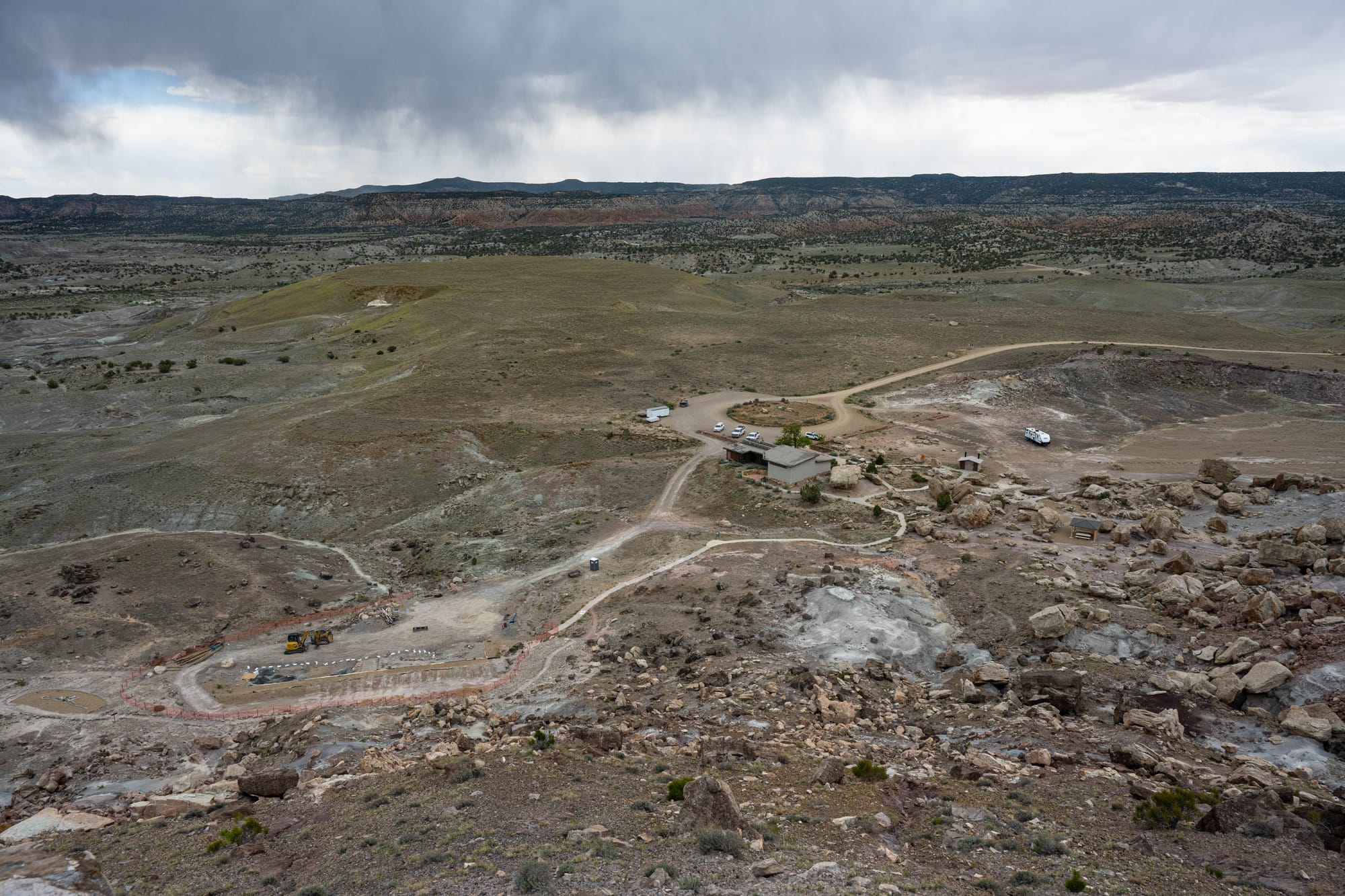
People have known about bones in the area for a long time. Accounts trace early awareness to sheepherders and cattlemen in the late 1800s. University of Utah collected bones there in 1927, Princeton crews excavated from 1939 to 1941, and the quarry later became one of the most important Allosaurus sites in the world.
It was designated a National Natural Landmark in 1965, BLM opened a visitor center there in 1968, and the site became Jurassic National Monument in 2019.
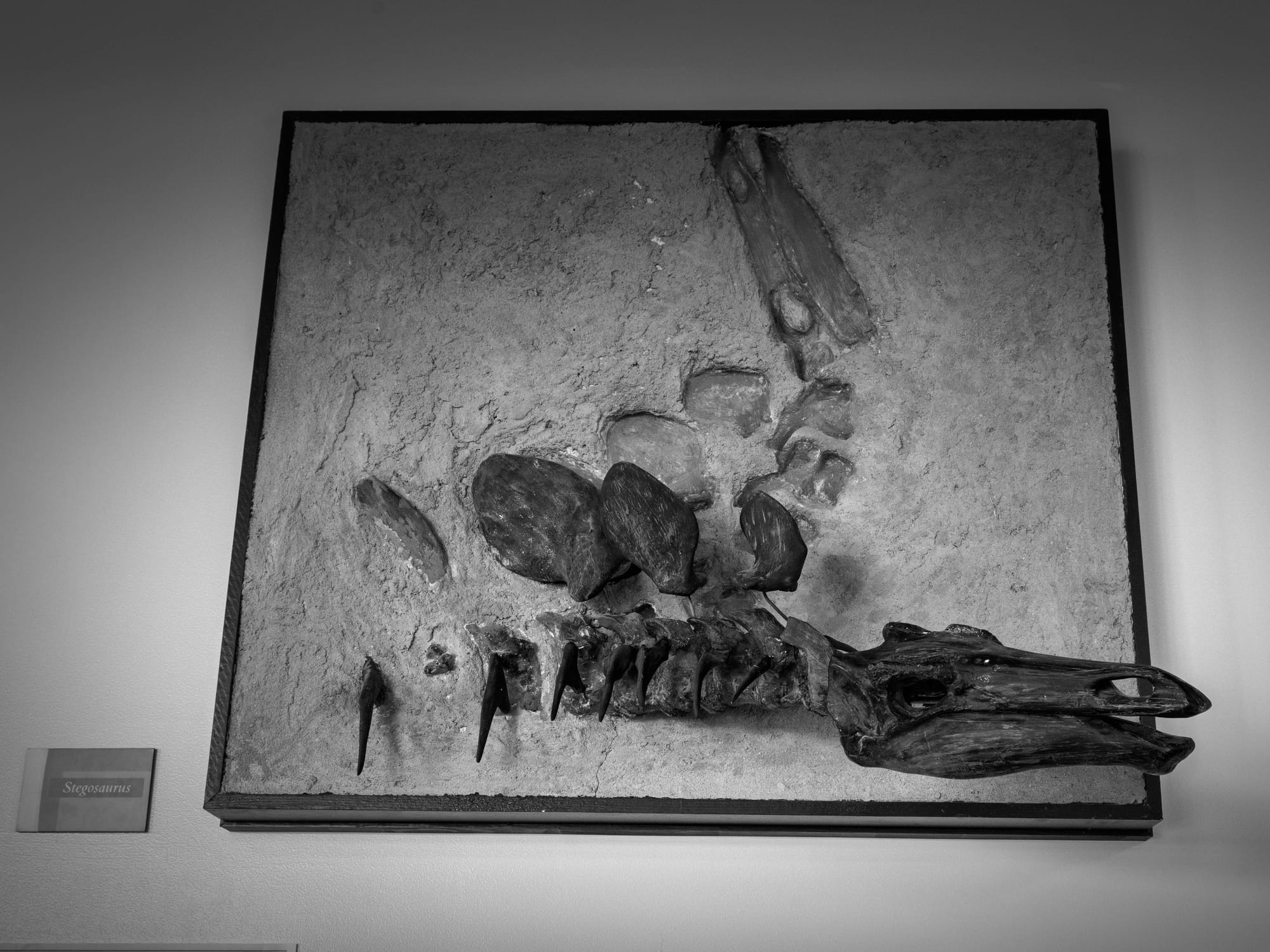
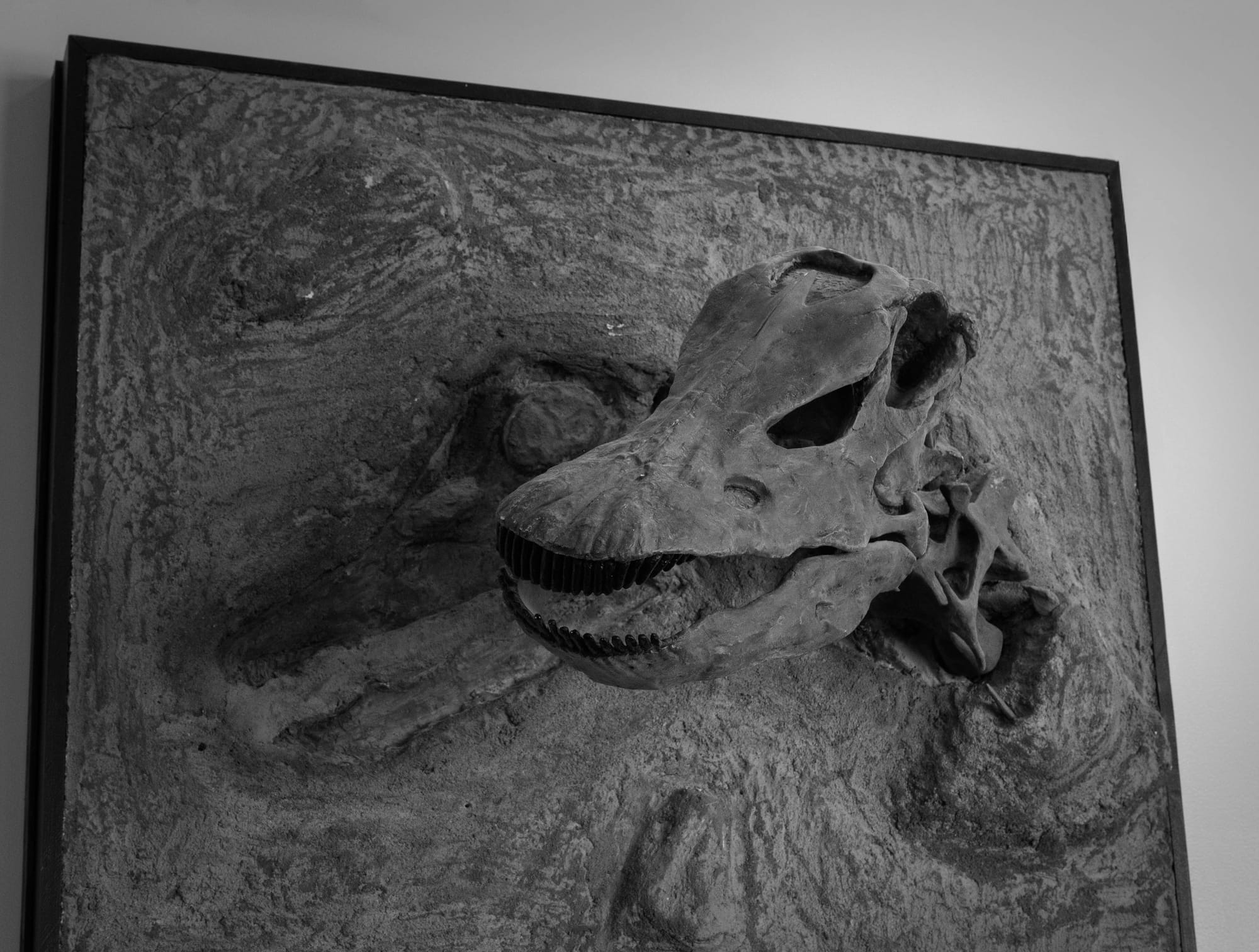
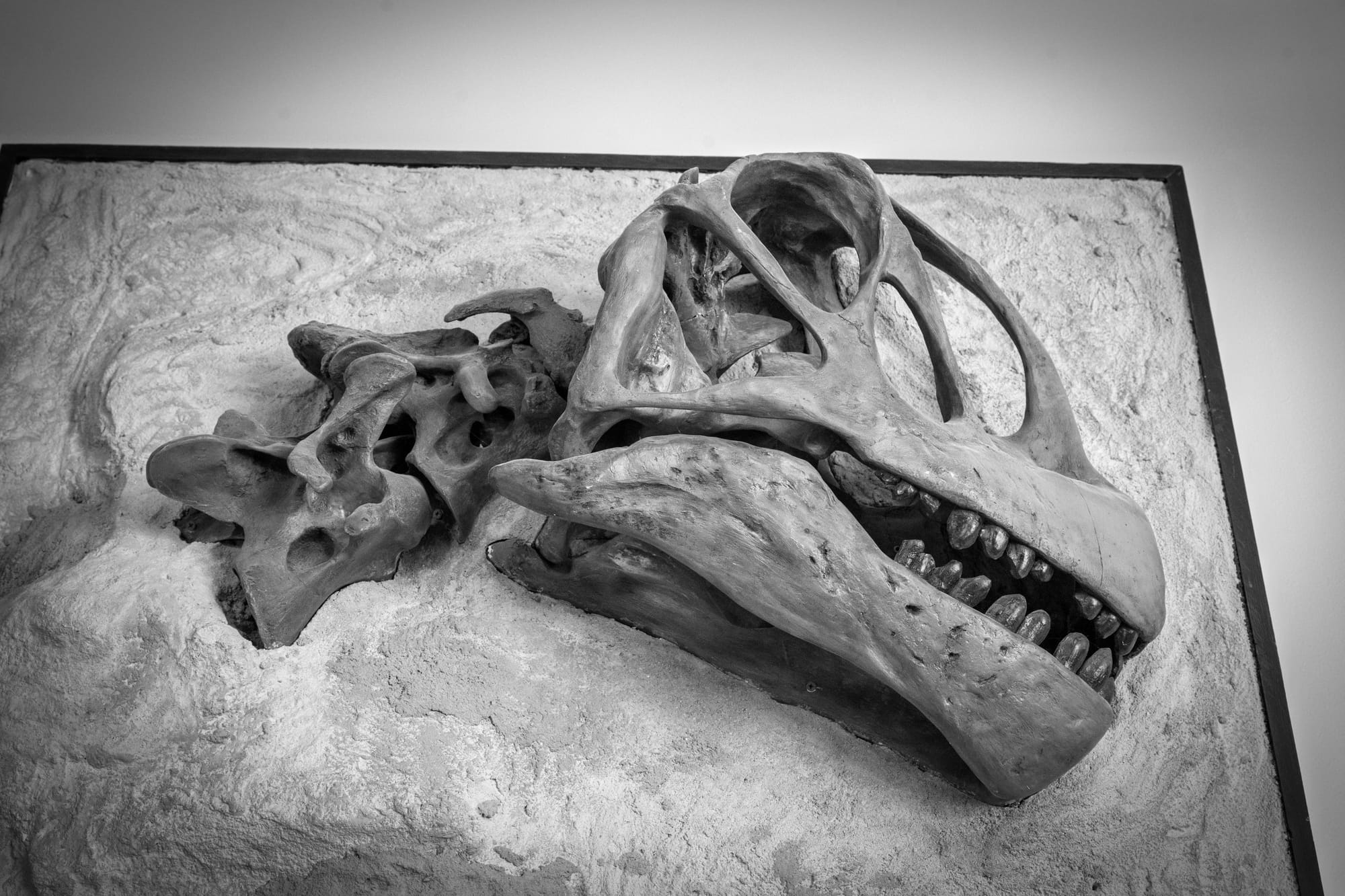
Stegosaurus | Diplodocus | Camarasaurus
⚡ TL;DR
- Park highlight: Quiet reservoir camping with daily lake walks and dog swims
- Best for: Water recreation, lakeside walks
- Skip if: You want big hiking, dramatic scenery, or a park packed with things to do
- Worth planning around?: Maybe
Final Takeaways
Huntington State Park was not trying to compete with Moab, and it did not need to.
It worked because it gave us a quieter week between bigger stops. The reservoir shaped the stay. The dogs swam in the water every day. We had room to walk, work, write, and sort through the photos from a very full stretch of Utah.
The park itself is small and straightforward. That may be a limitation for some trips, but it was the right fit for this one.
Huntington gave us a shoreline reset after Moab, plus an easy trip to Jurassic National Monument for one of the cooler learning stops of the trip.
Not every park needs to be the headline.
Sometimes the right park is the one that lets you catch up.