Hiking the Appalachian Trail
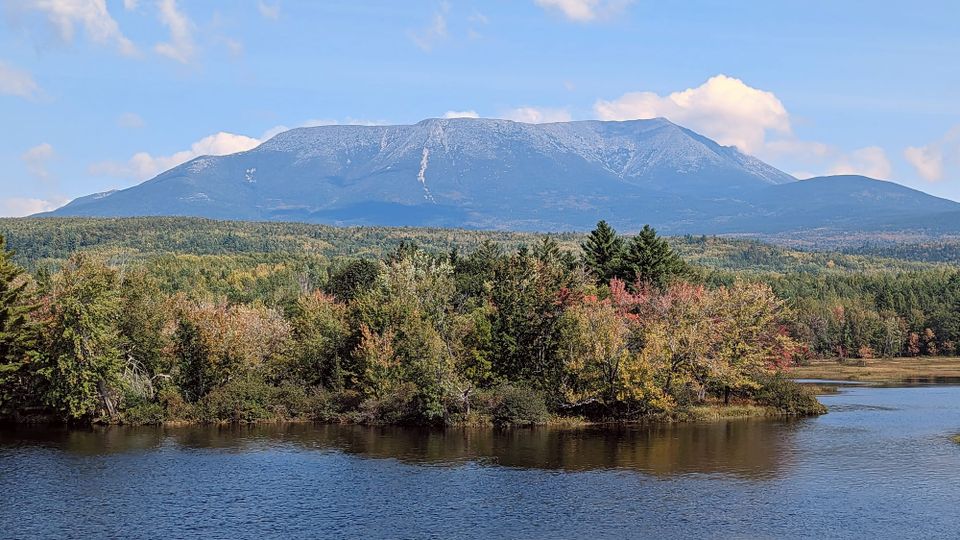
The Short Version
On March 26, 2023, we flew into Atlanta to begin a northbound Appalachian Trail thru-hike.
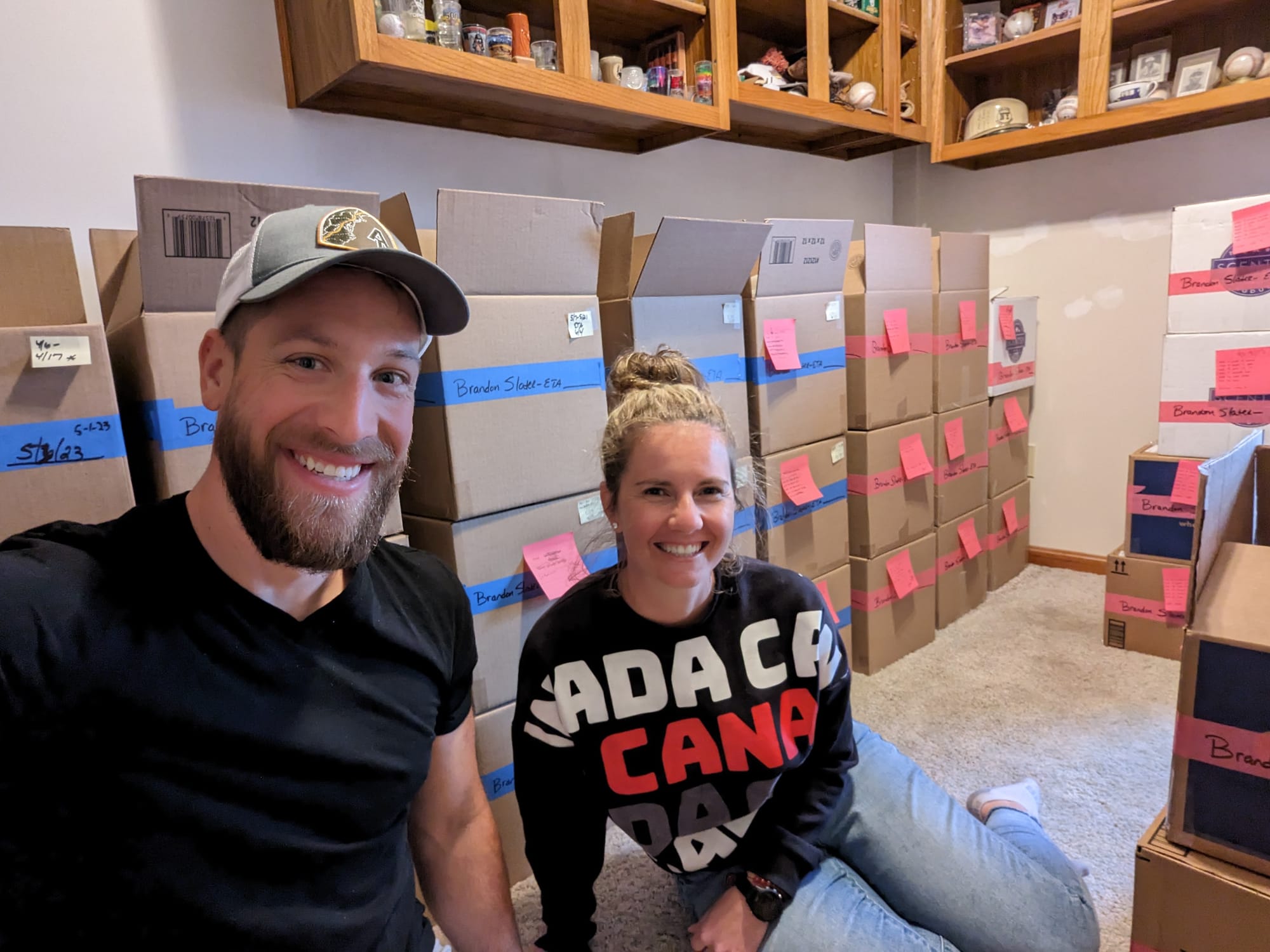
We spent the previous six months turning the idea into a working plan. We gave up our apartment lease, put what we wanted to keep into storage, packed resupply boxes, and built a masterplan that tracked mileage, elevation, town stops, permits, and dog logistics.
We started at Amicalola Falls State Park at Springer Mountain on March 28, and kept moving north until we finished at Mount Katahdin on September 26, 2023.
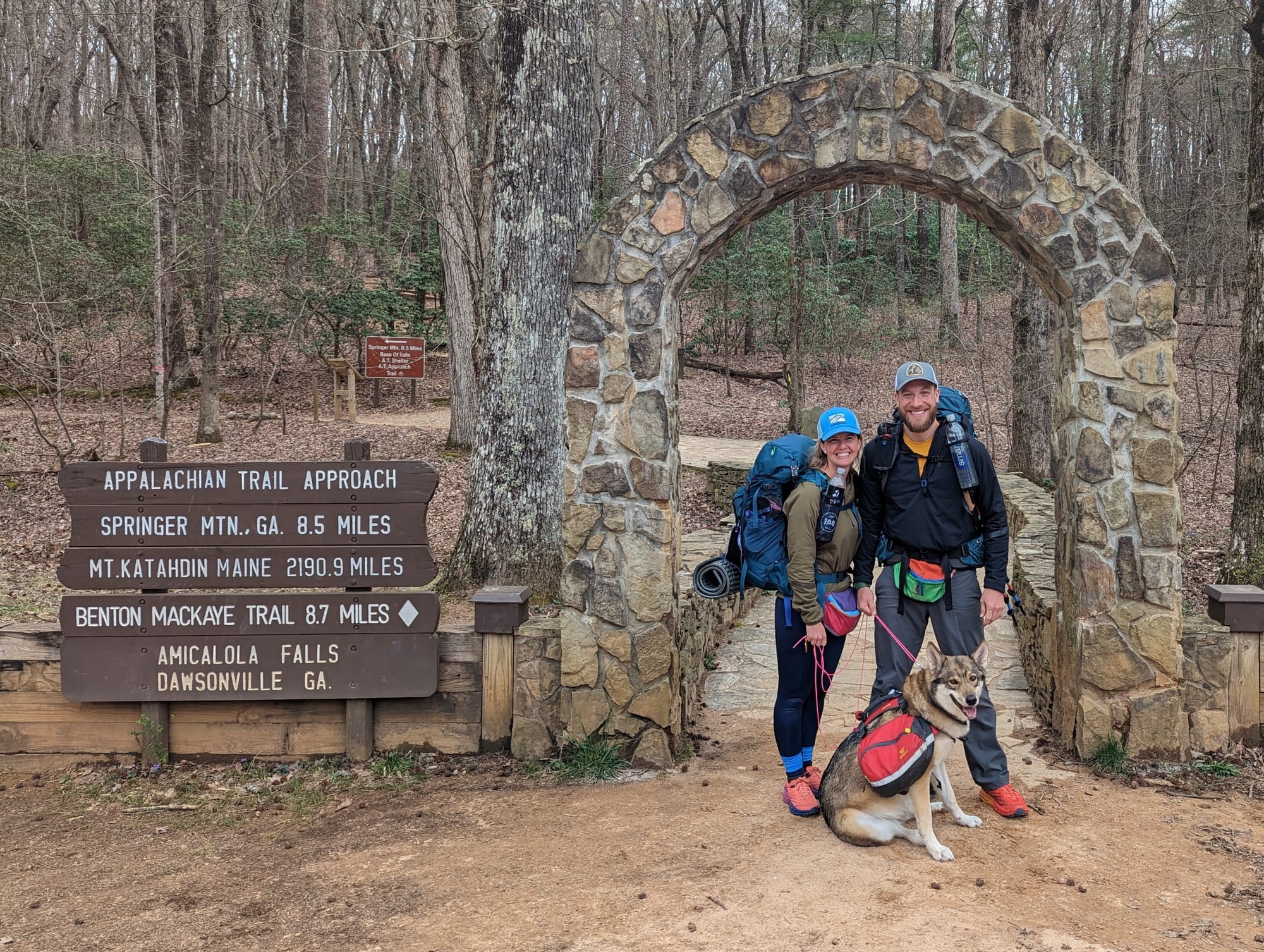
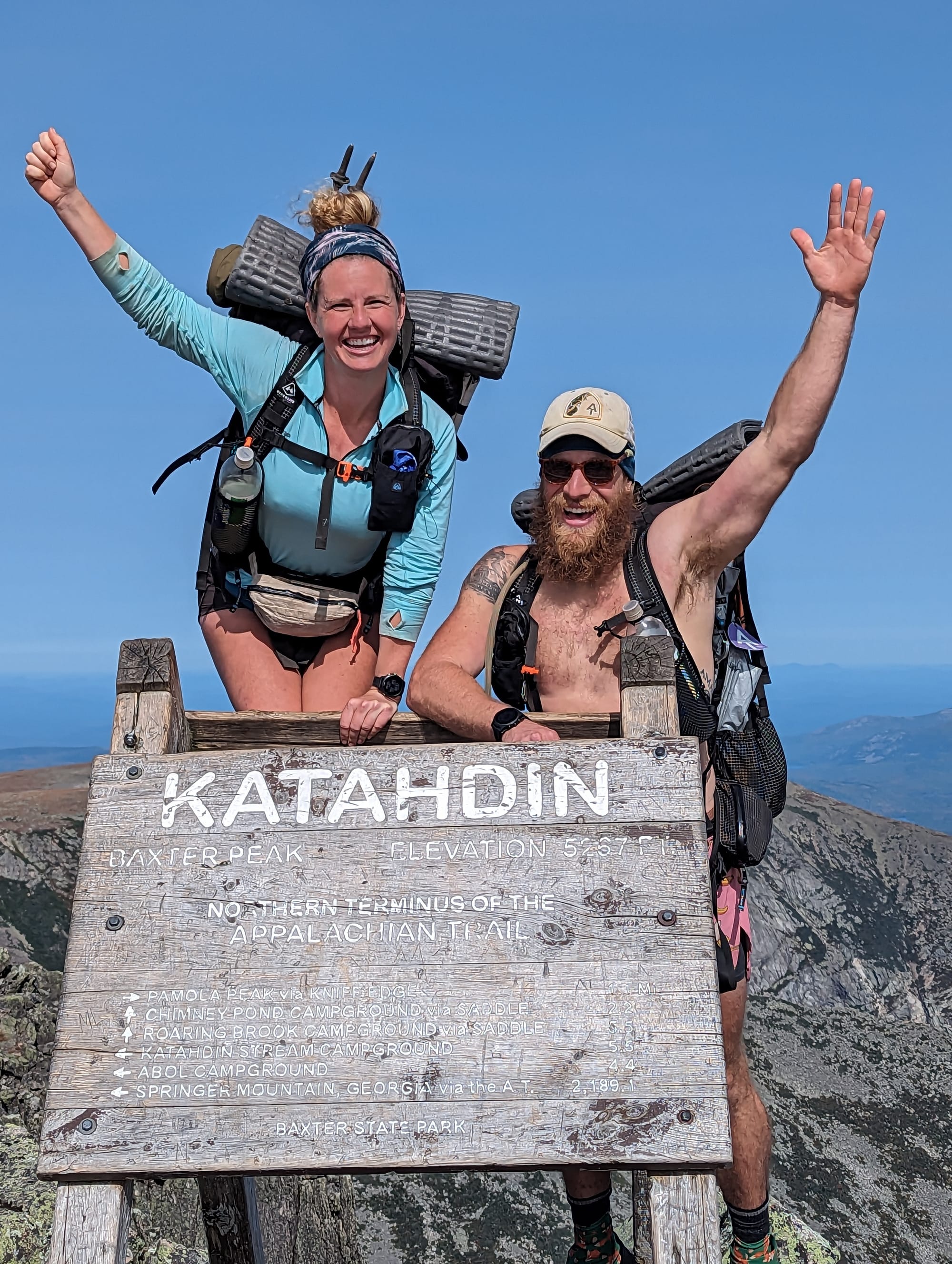
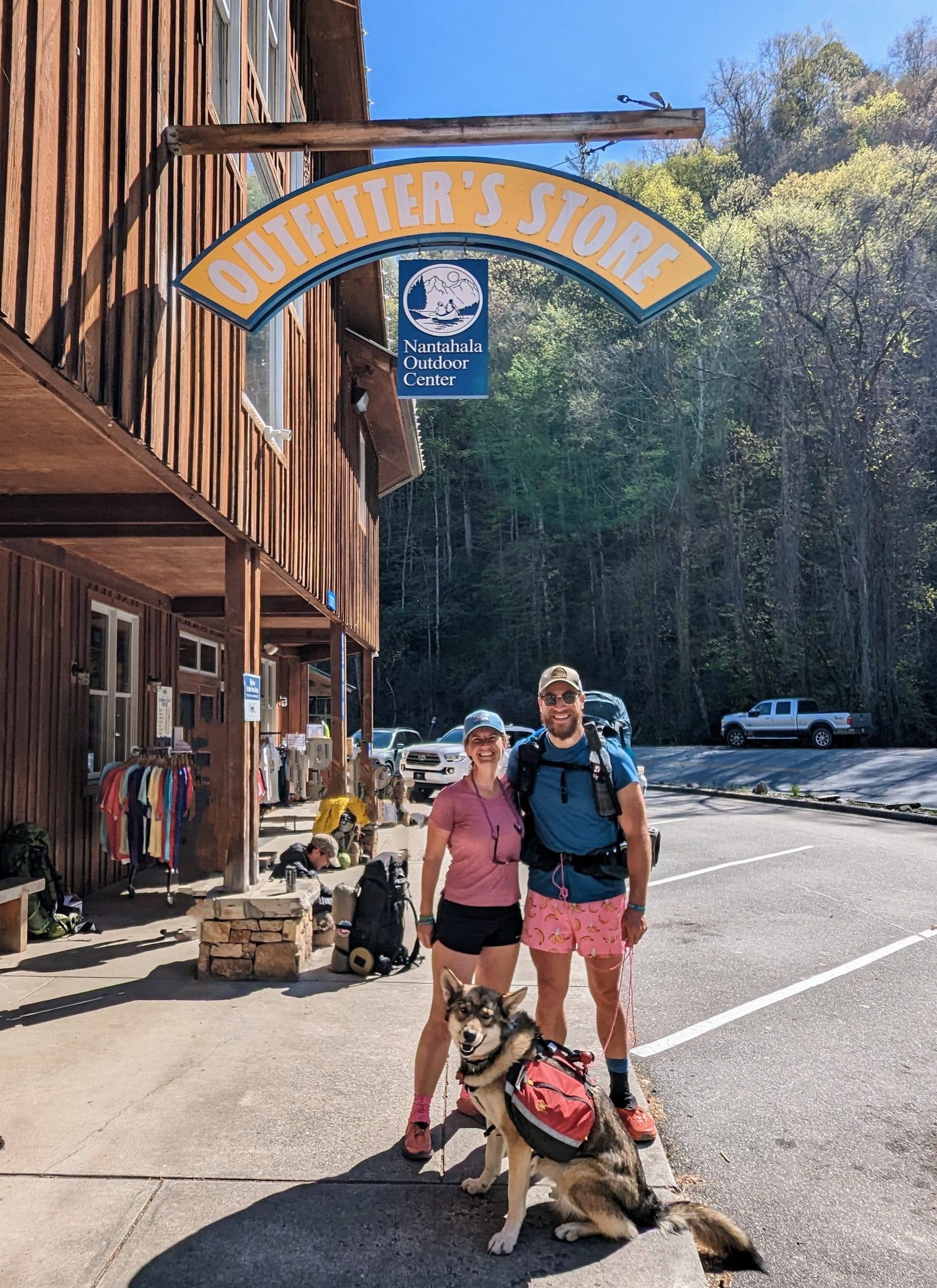
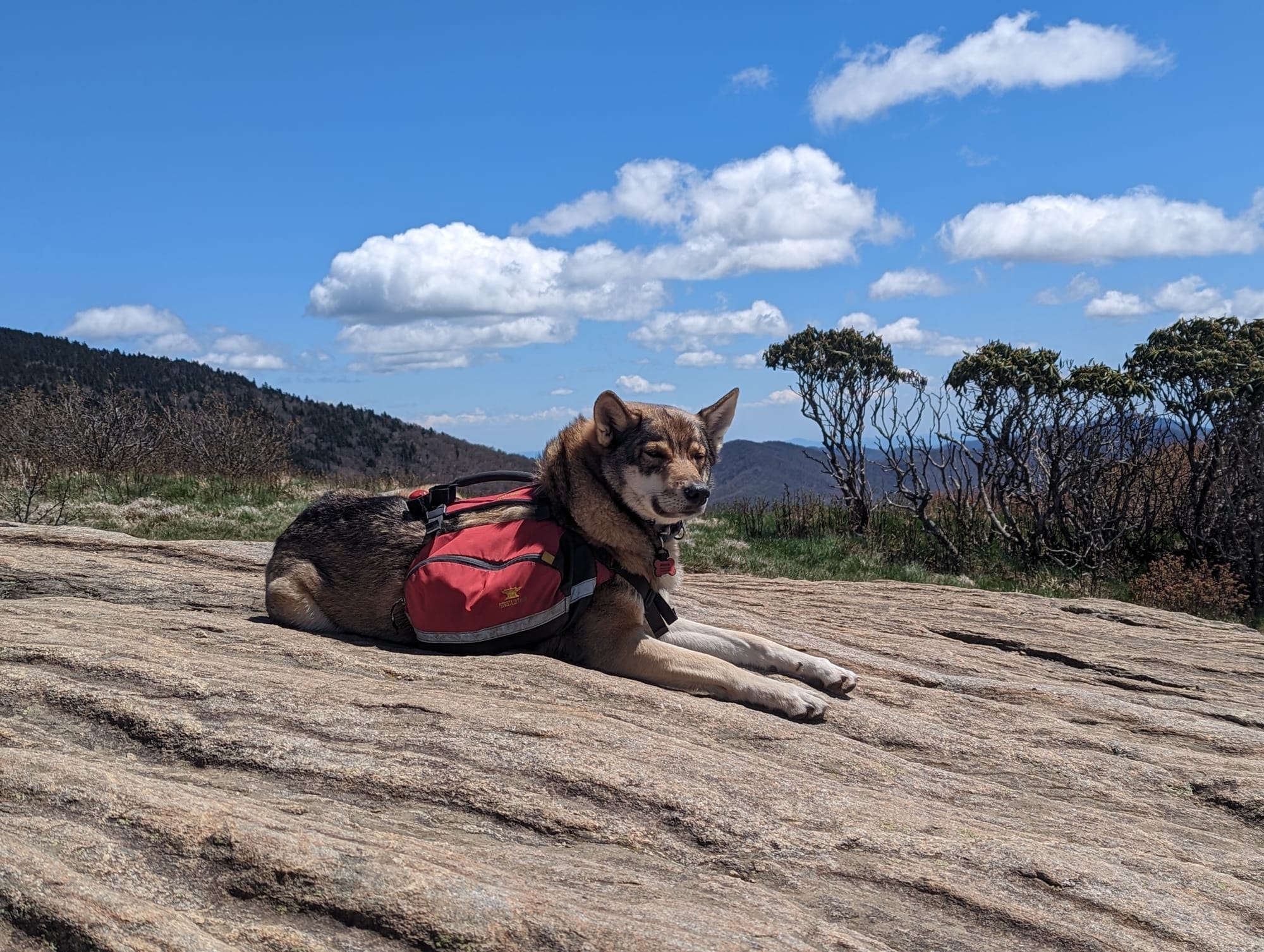
We hiked the full trail continuously. Akela, our six-year-old Tamaskan, hiked more than 1,200 miles with us before heading home with family near the Maryland/Pennsylvania border. She was healthy, strong, and a central part of the way we planned and moved through the first half of the trail.
This page is the overview. The regional field notes linked below are where the details live: the terrain changes, town rhythms, weather, gear adjustments, dog logistics, and the way the trail became different as we moved north.
Appalachian Trail Regional Field Notes
1. Georgia & Southern North Carolina
2. The Smokies & Tennessee Borderlands
3. Virginia
4. West Virginia, Maryland & Pennsylvania
5. New Jersey & New York
6. Connecticut & Massachusetts
7. Vermont & New Hampshire
8. Maine
Why We Went
The Appalachian Trail started as Sam’s dream.
When we met working on cruise ships, she already had the AT in mind. I knew almost nothing about it then, except that it was long and somewhere on the East Coast.
Over the years, it became a private shorthand between us. When work was frustrating or life felt too crowded, one of us would ask if the other was ready to “go walk in the woods.”
For a long time, that was only a joke.
Then our apartment lease was ending, burnout was getting close, and the timing made the question practical. We could renew the same life we had been living, or we could put our things in storage and do the thing we had talked about for years.
The AT was not a vacation. It was a reset, a challenge, and a transition. It gave us a clear objective at a moment when we needed one.
Akela was part of the decision from the beginning. That shaped the hike before it started. We planned the early miles around her, kept the ramp-up conservative, and treated the trail as something all three of us had to adapt to together.
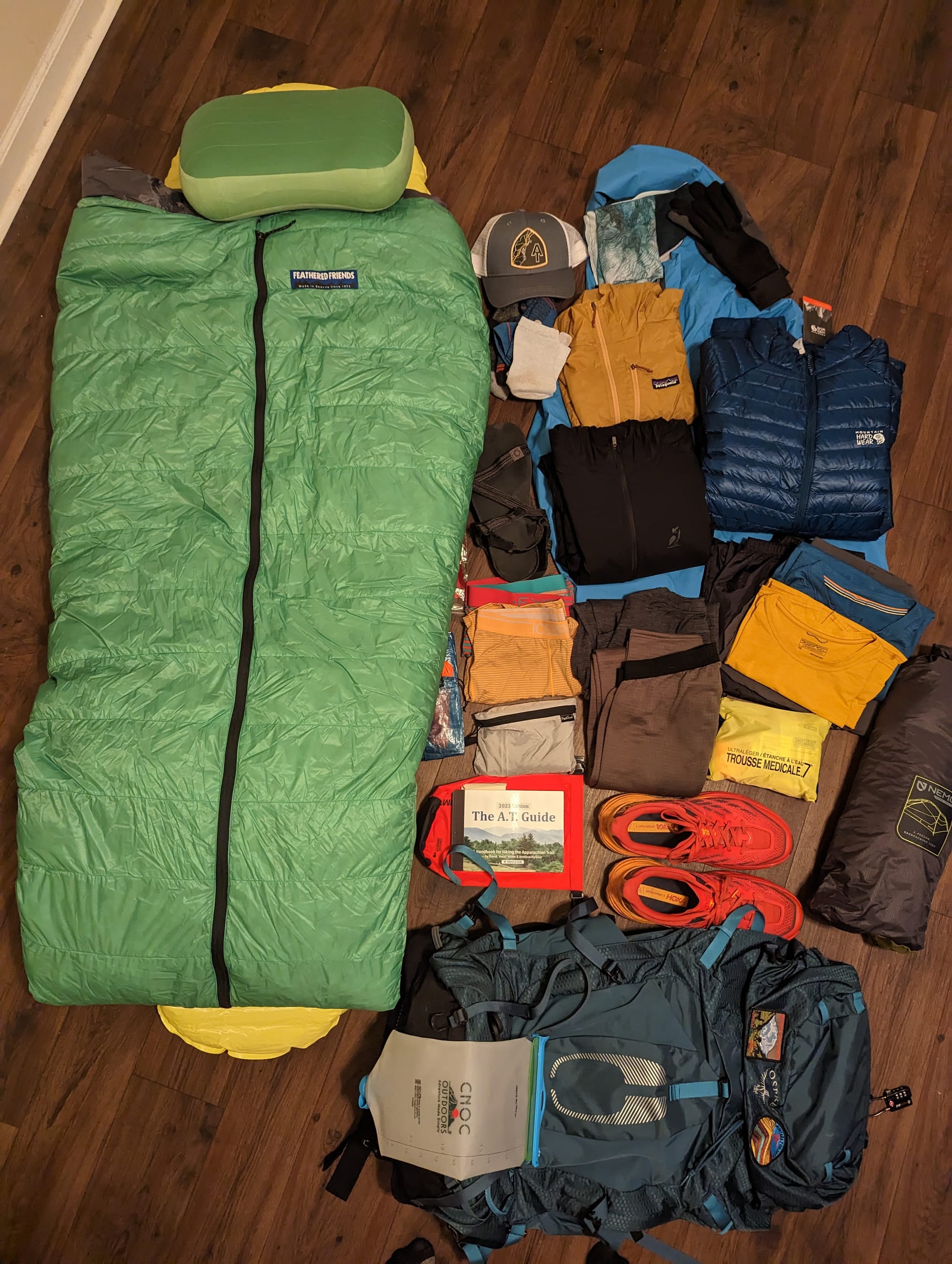
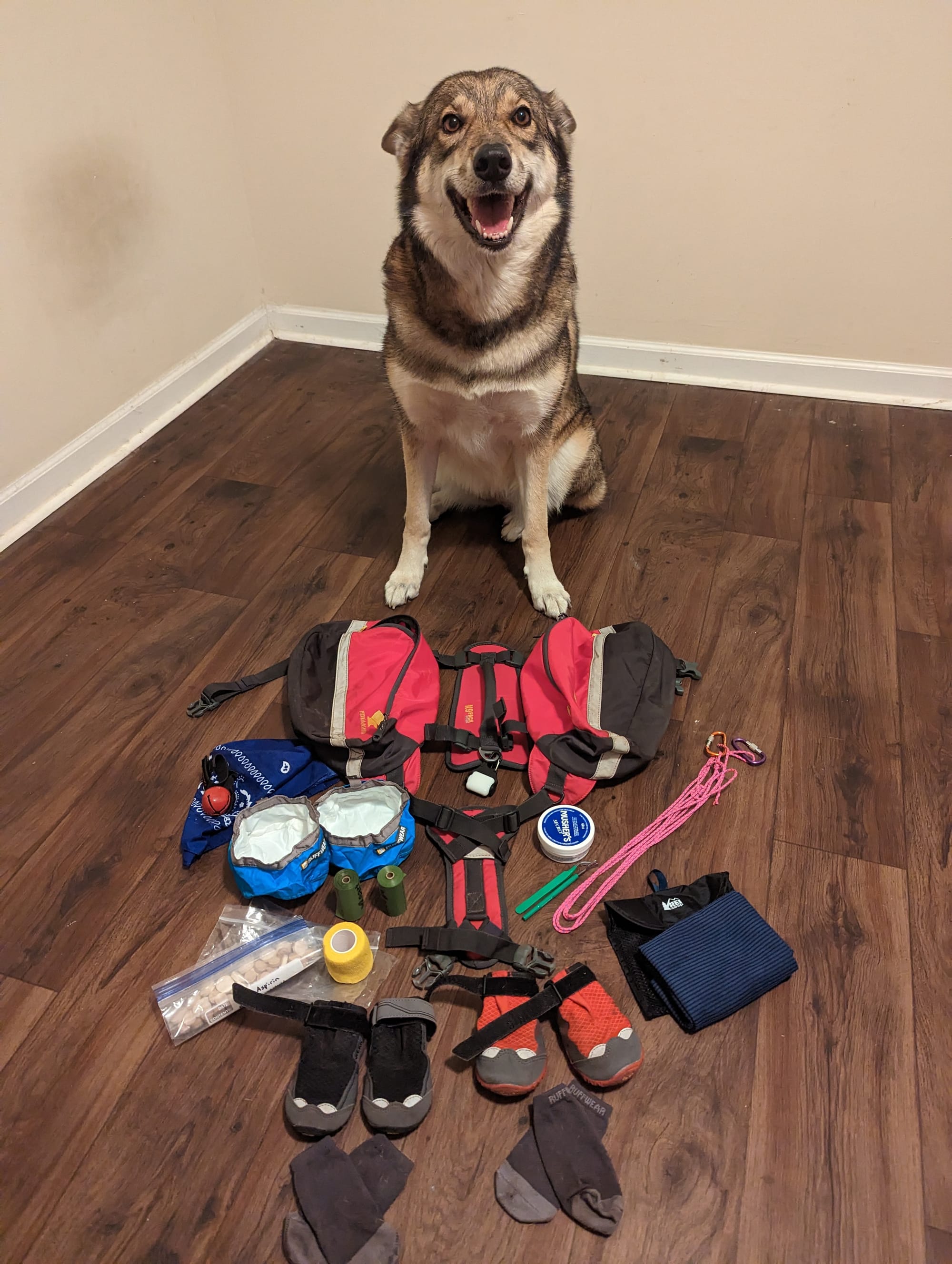
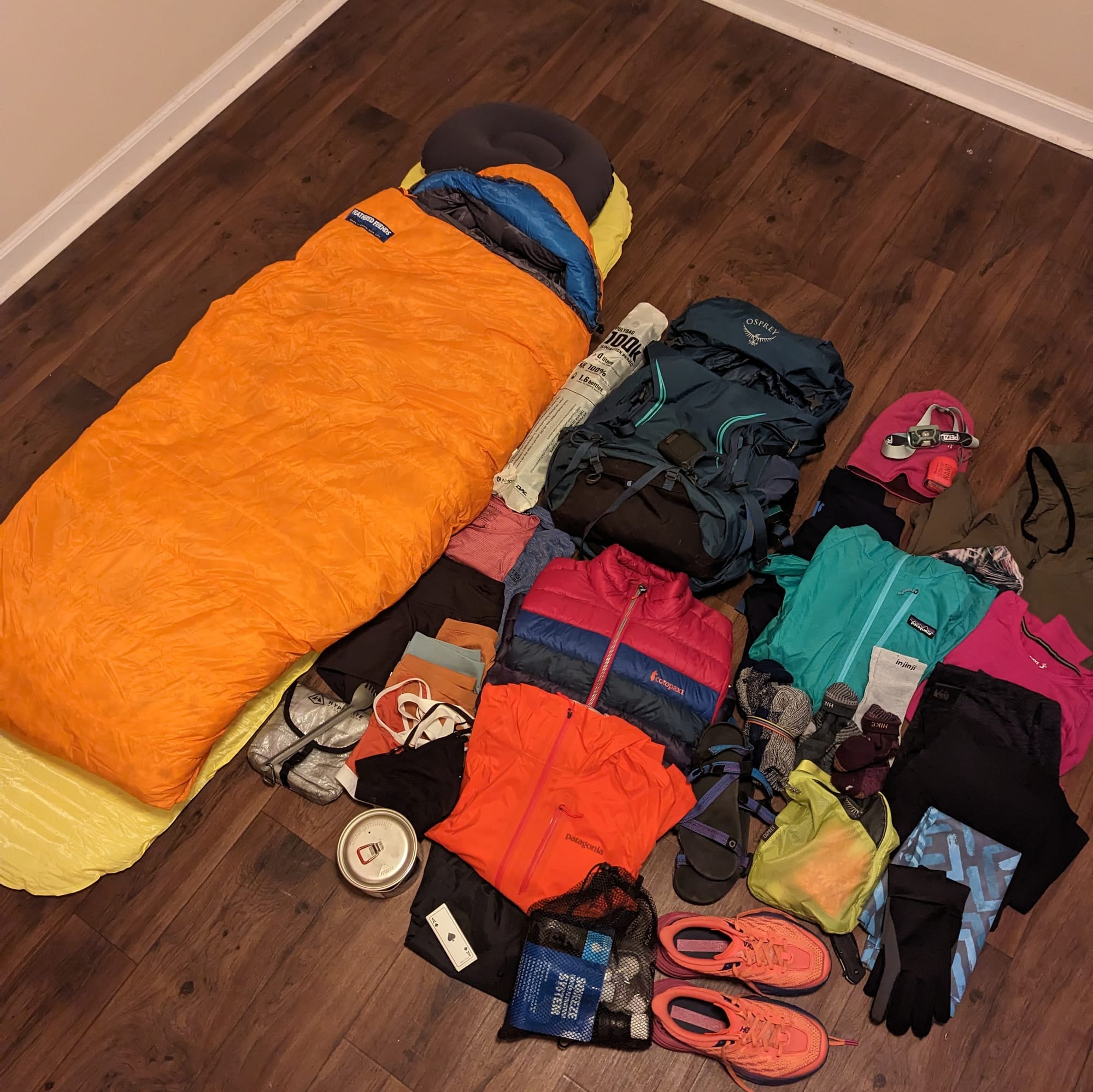
Original gear layout
🥾 AT Snapshot
- Trail: Appalachian Scenic Trail
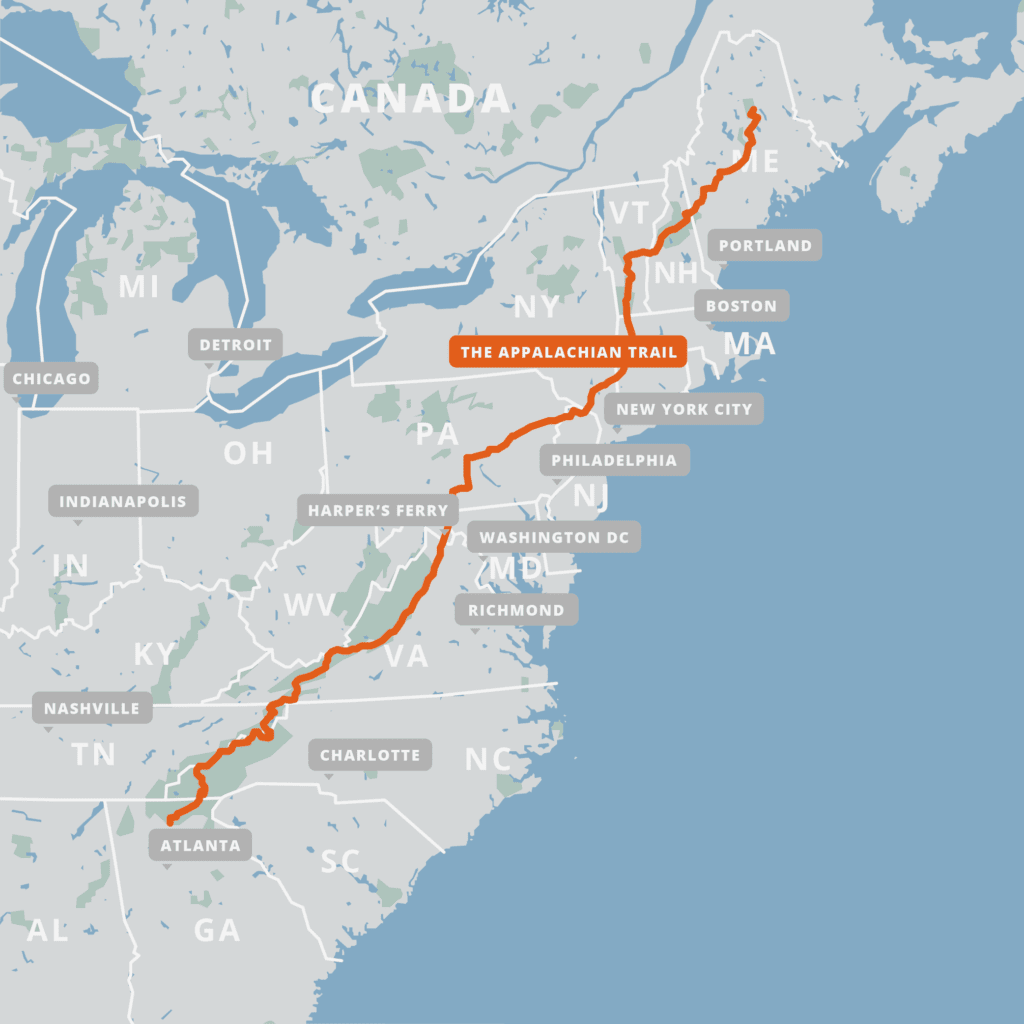
- States: GA→NC→TN→VA→WV→MD→PA→NJ→NY→CT→MA→VT→NH→ME
- Distance: ~2,198 miles
- Southern terminus: Springer Mountain, Georgia
- Northern terminus: Mount Katahdin, Maine
- Direction: Northbound
- Dates hiked: March 26 → September 26, 2023
- Style: Continuous thru-hike
The Plan vs. The Trail
We started with a plan.
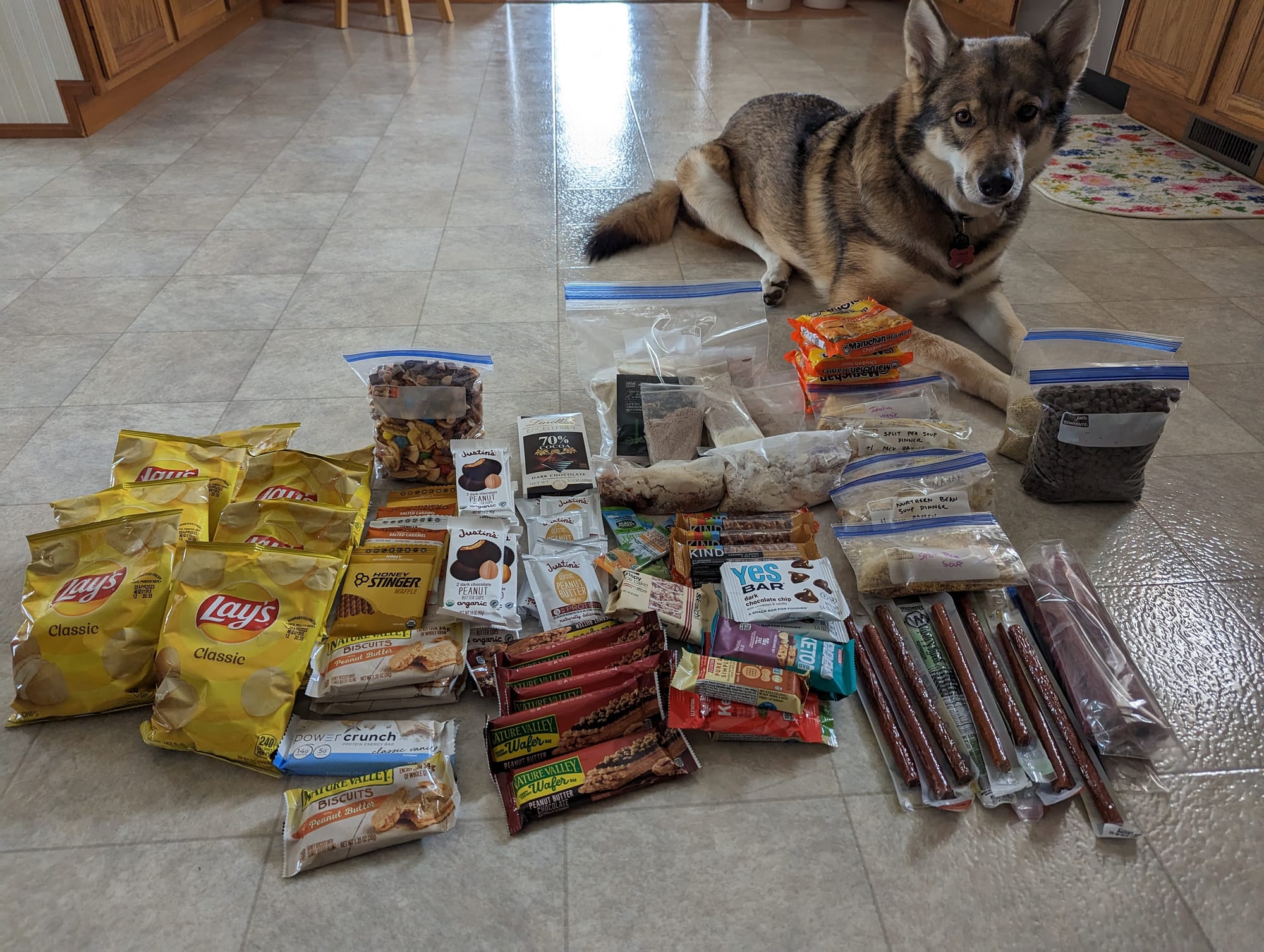
The masterplan tracked daily mileage, elevation gain and loss, resupply points, town stops, permits, lodging options, shuttle notes, and Akela’s logistics. It helped turn a six-month hike into smaller decisions.
It gave us a way to think about food carries, difficulty, pacing, and where the next practical problem would likely show up. It also gave us confidence that the hike was possible without needing to understand the whole thing at once.
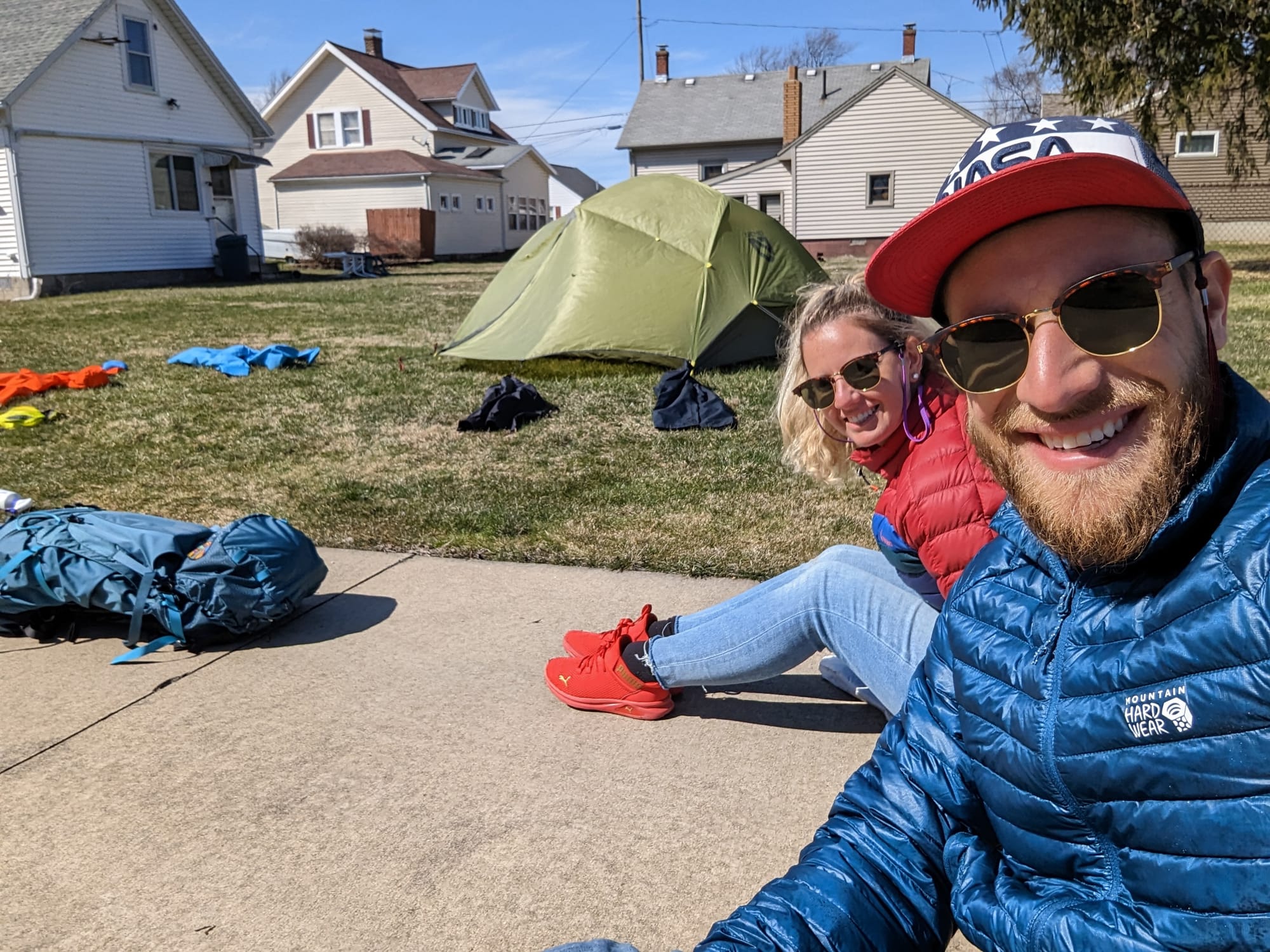
But the trail revised the plan almost immediately.
Some days moved faster than expected. Some towns held us longer. Weather, terrain, fatigue, hostels, blue blazes, and common sense all had a vote. By the middle states, we were looser with the structure. By New England, the plan was less of an instruction sheet and more of a reference point.
We still finished on September 26, roughly where the original timeline said we would.
That is probably the best thing a plan can do on a thru-hike: get you moving, keep you oriented, and then stay flexible enough to survive reality.
🗺️ The Trail by Region
- Georgia & Southern North Carolina: starting out · steep climbs · early systems · trail bubble
- The Smokies & Tennessee Borderlands: high elevations · weather · restrictions · spring
- Virginia: long miles · green tunnel · trail routine · mental recalibration
- West Virginia, Maryland & Pennsylvania: Harpers Ferry · rocks · heat · Mid-Atlantic grind
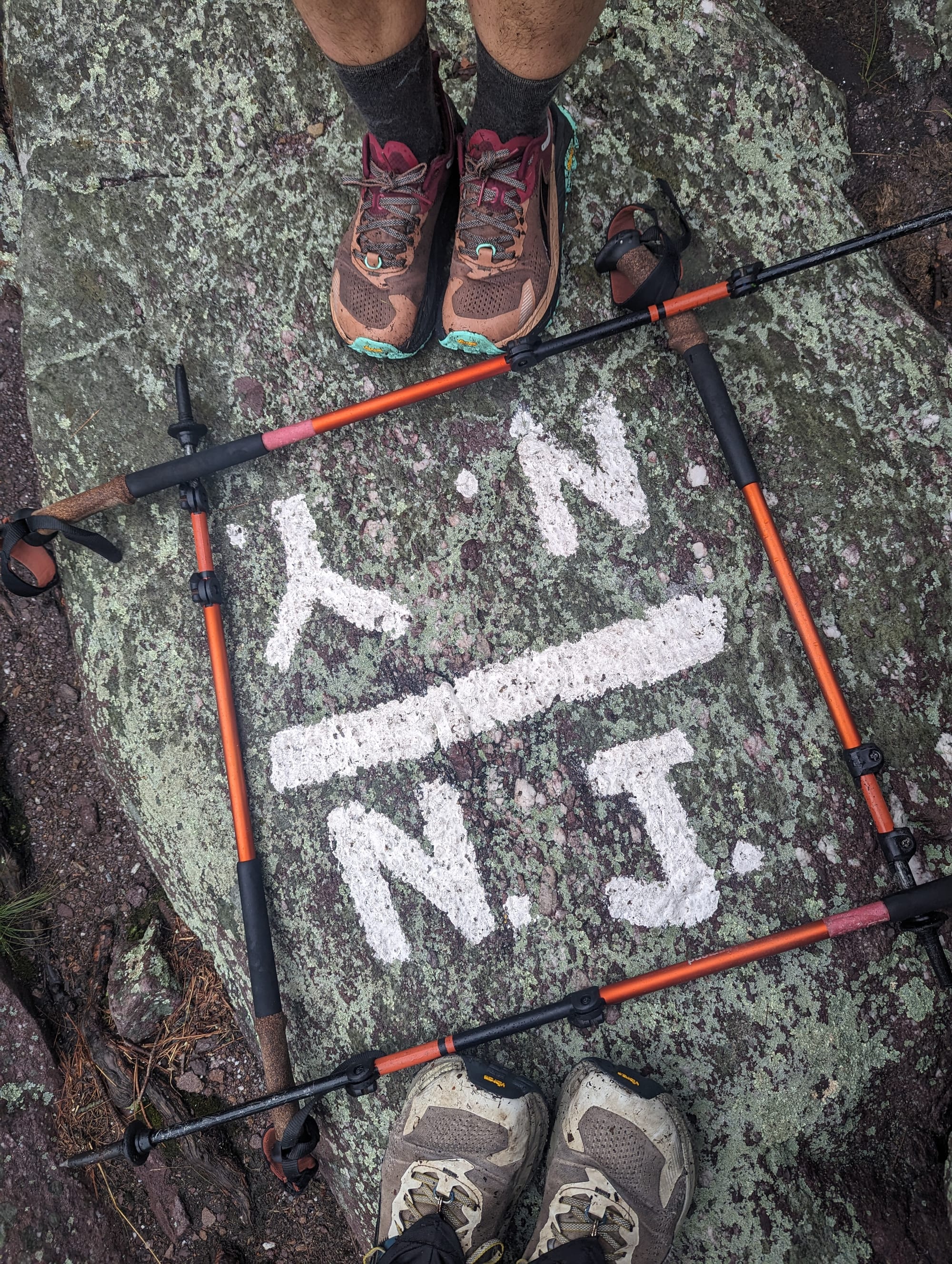
- New Jersey & New York: ridges · humidity · delis · road crossings · human density
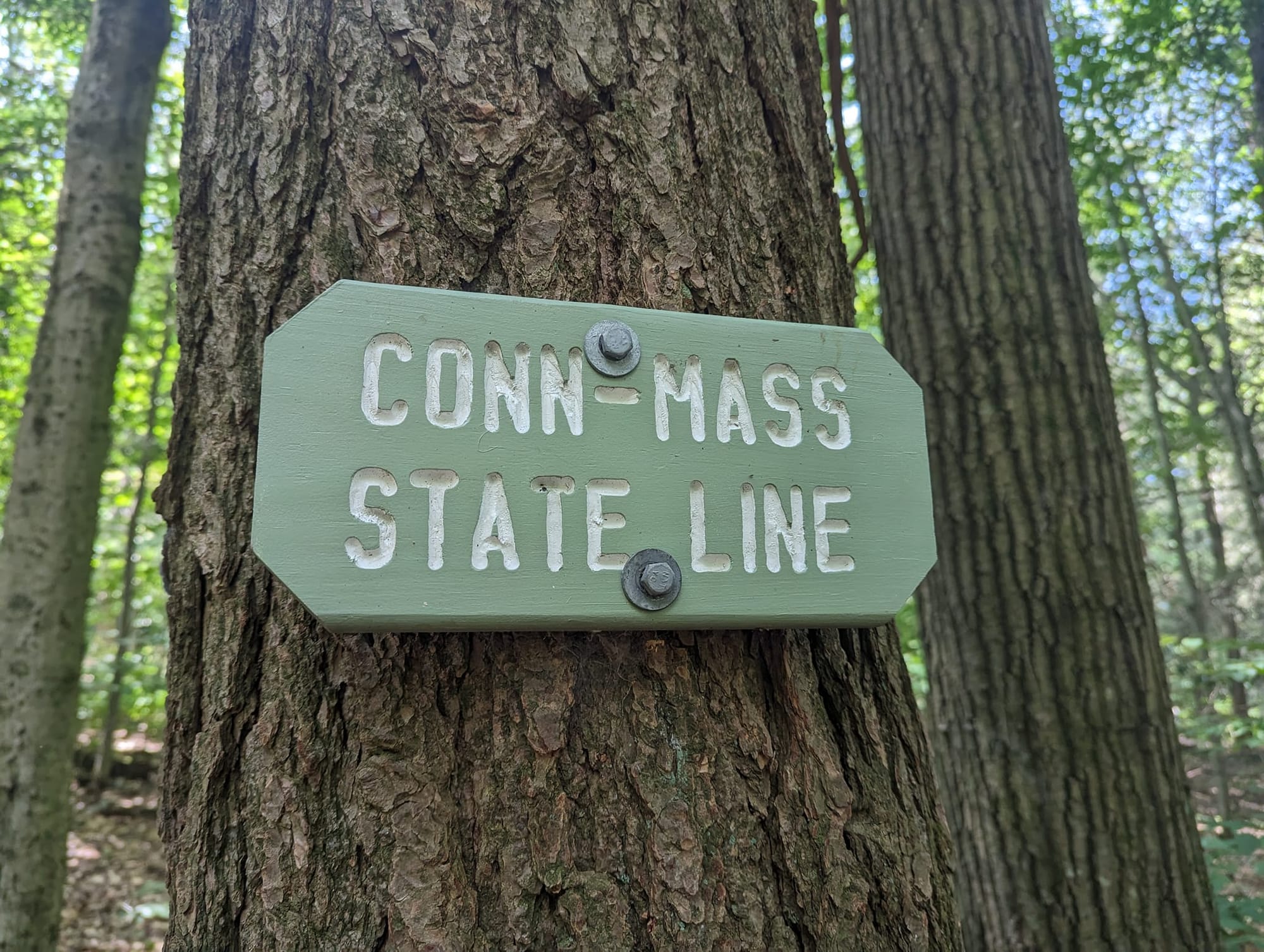
- Connecticut & Massachusetts: shorter states · pastoral New England · Berkshire transition
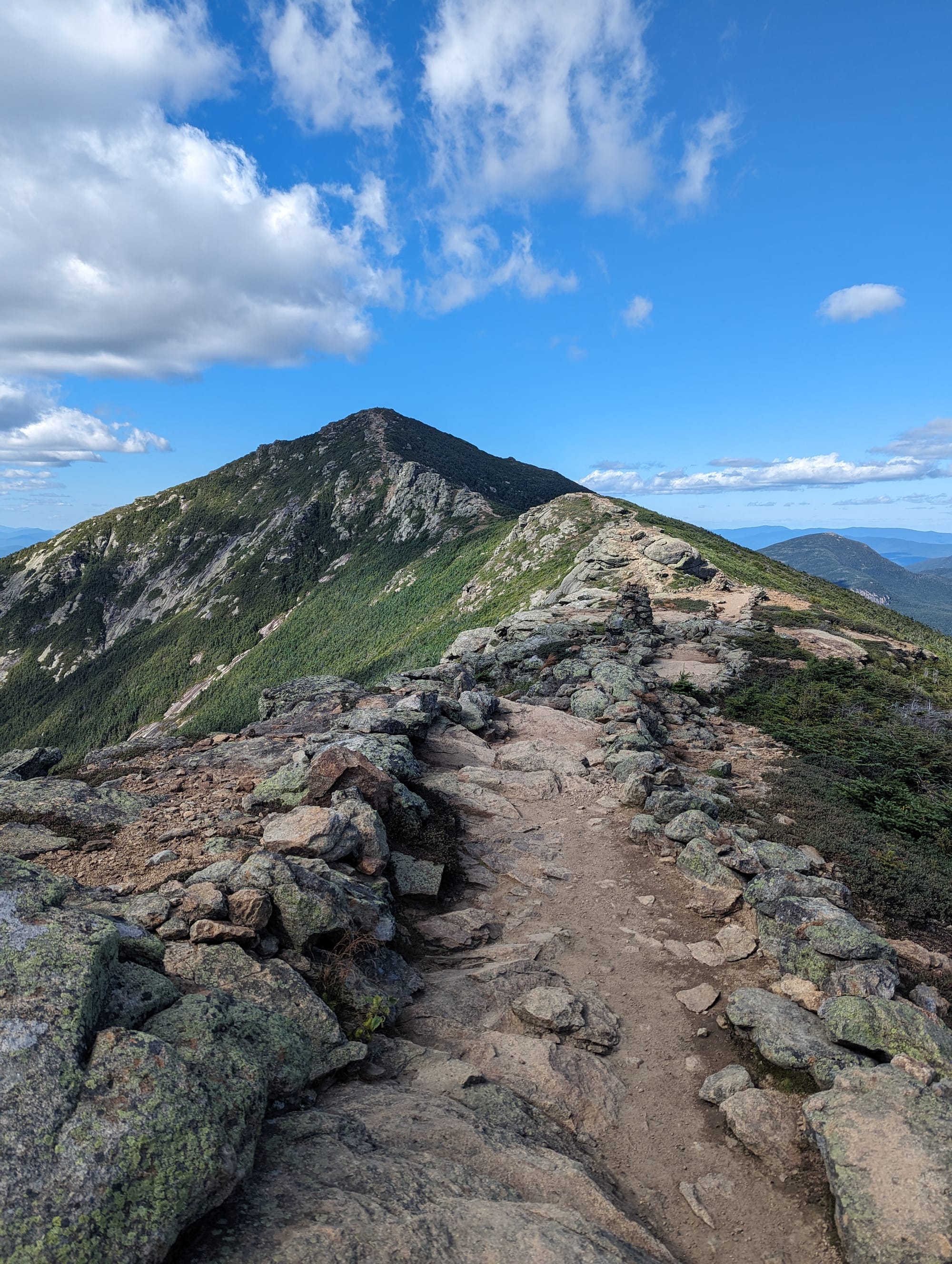
- Vermont & New Hampshire: mud · Green Mountains · White Mountains · slower miles
- Maine: roots · water · isolation · 100-Mile Wilderness · Katahdin
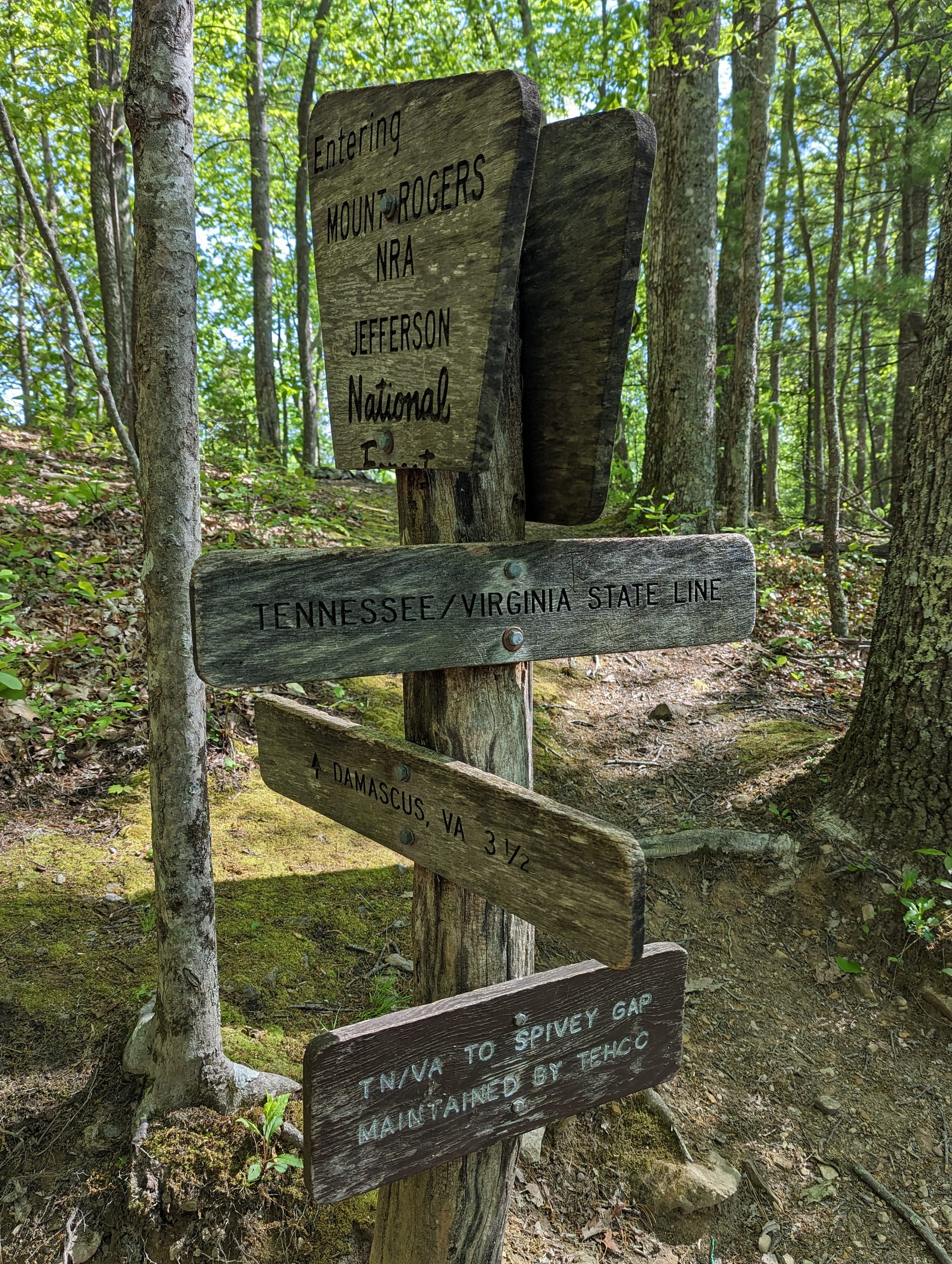
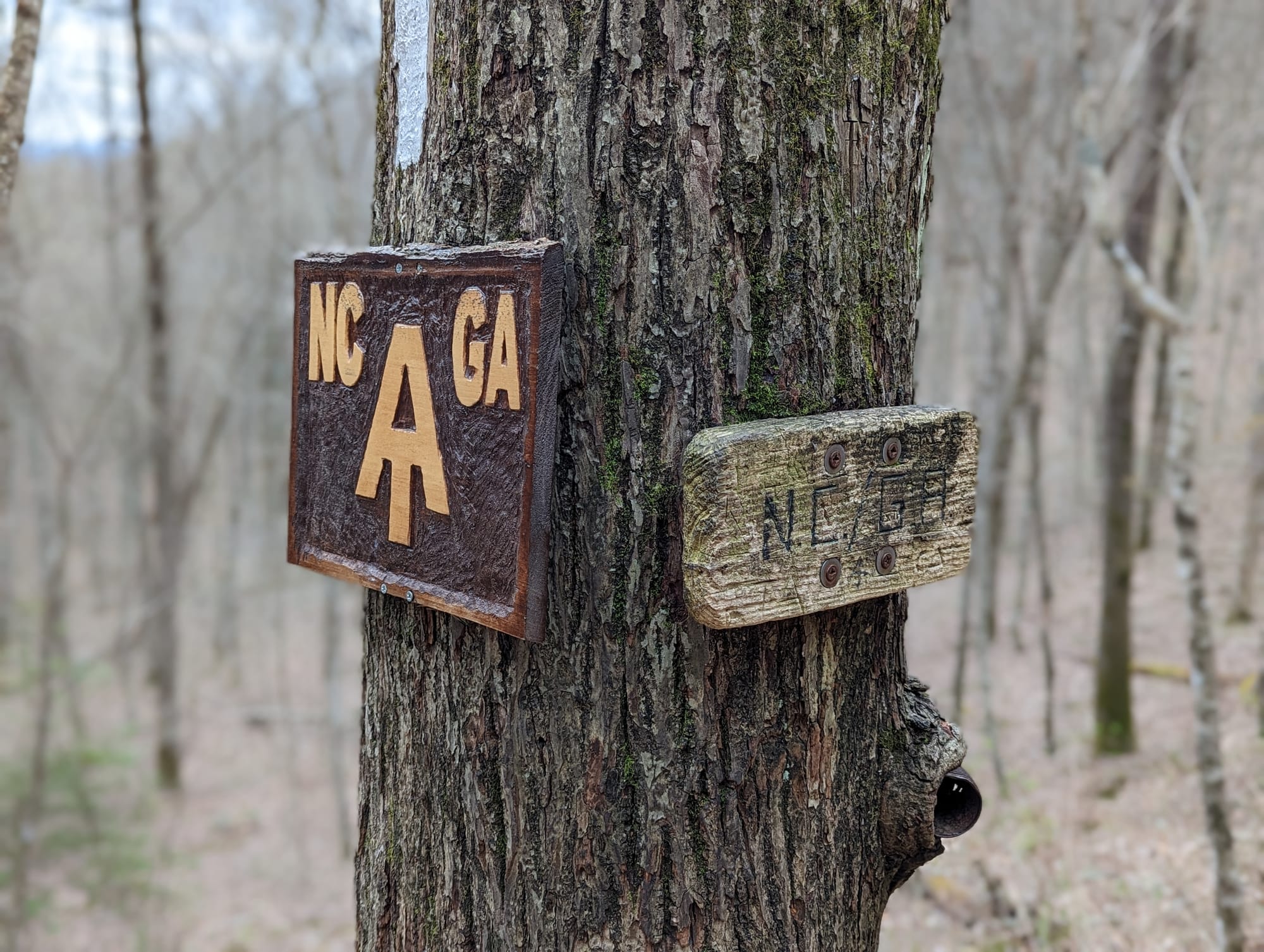
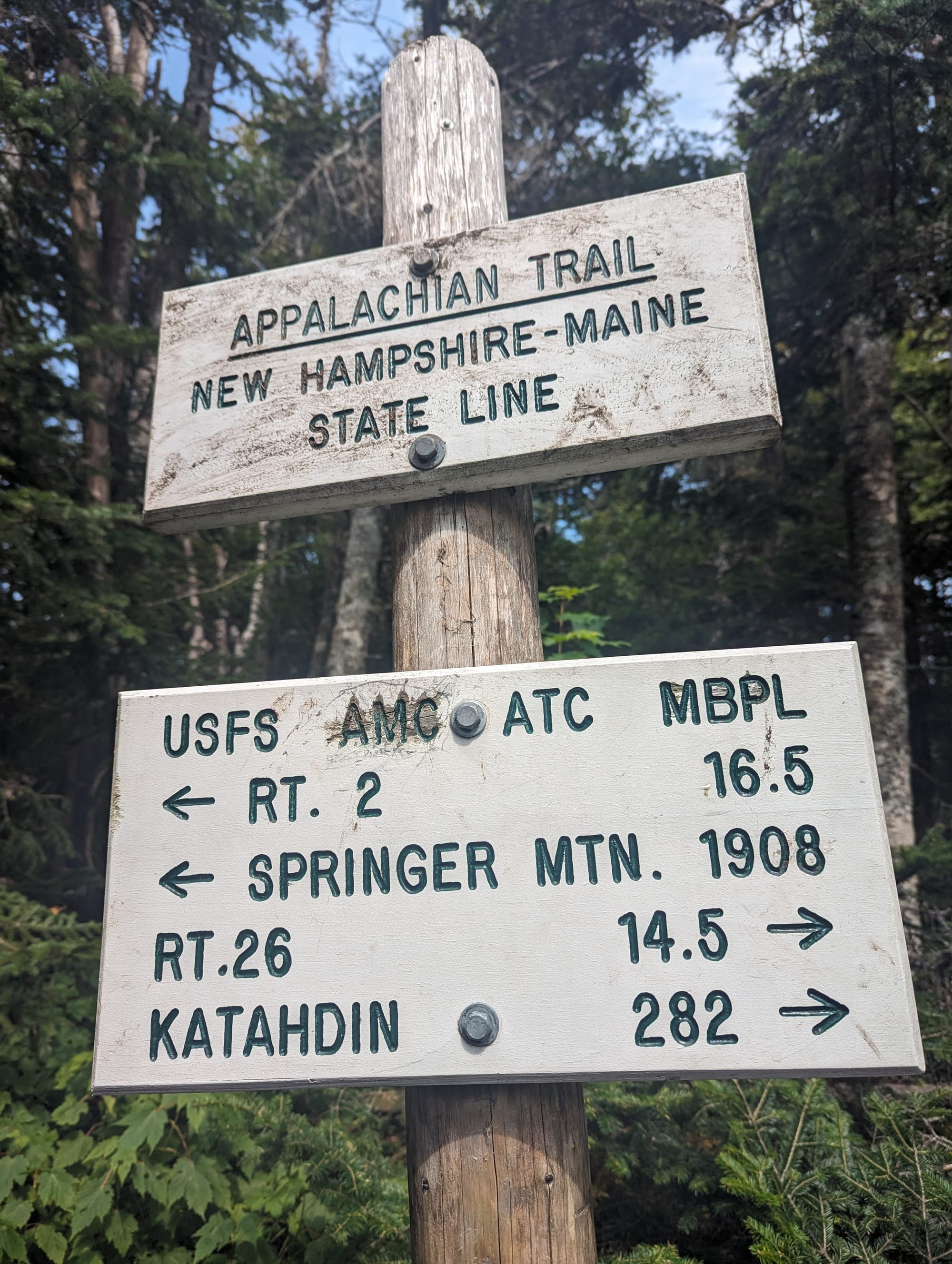
Hiking With Akela
Akela was not an accessory to the hike. She changed it.
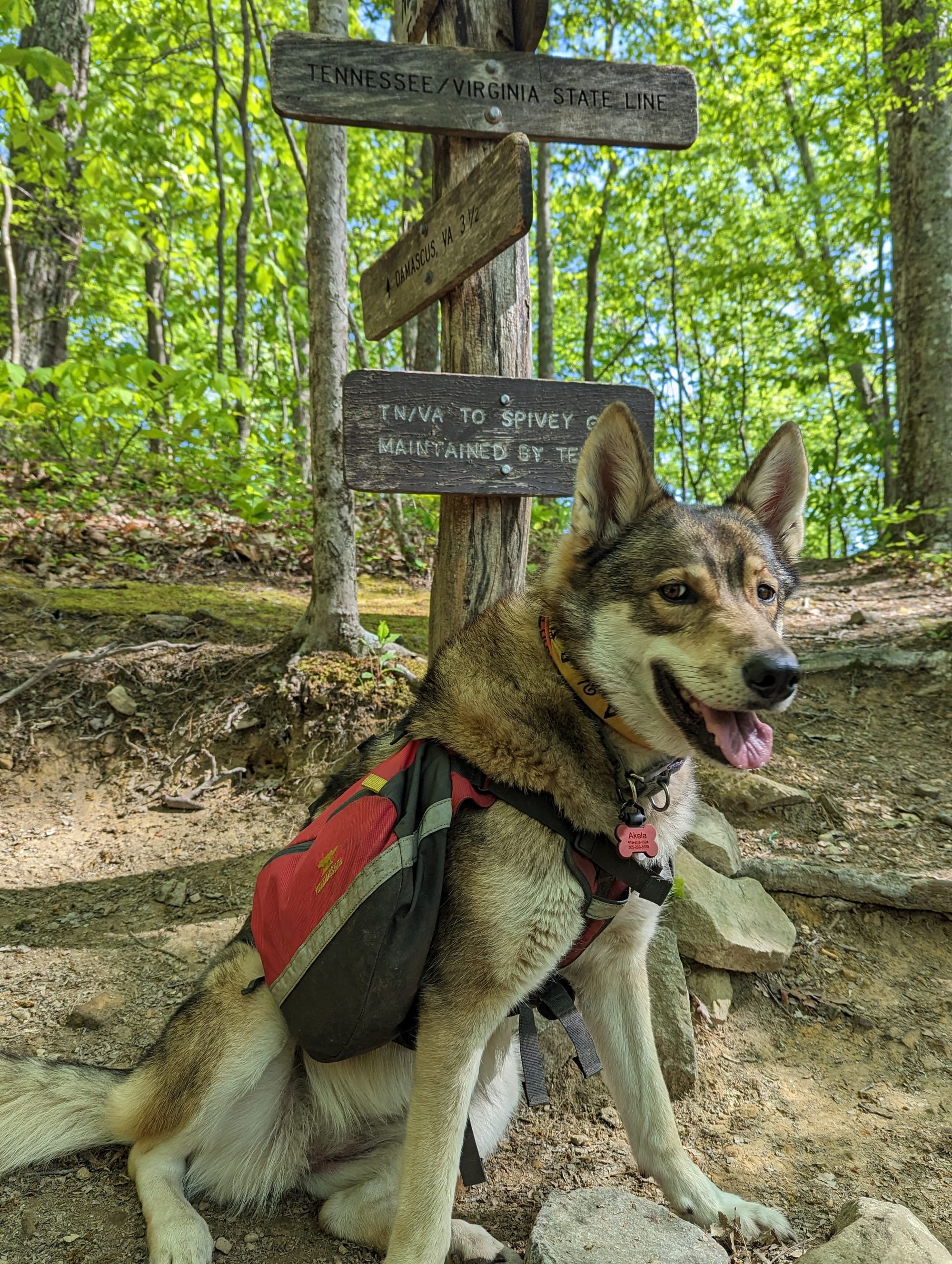
By the time we started the AT, she had already spent years hiking with us. She grew up moving through big landscapes, including Alaska, and had enough endurance that we were not worried about whether she could walk. The real questions were simpler and more important: paws, food, heat, recovery, and whether we were paying attention.
That shifted the whole frame of the first half of the trail. It was not just our hike with a dog along for the ride.
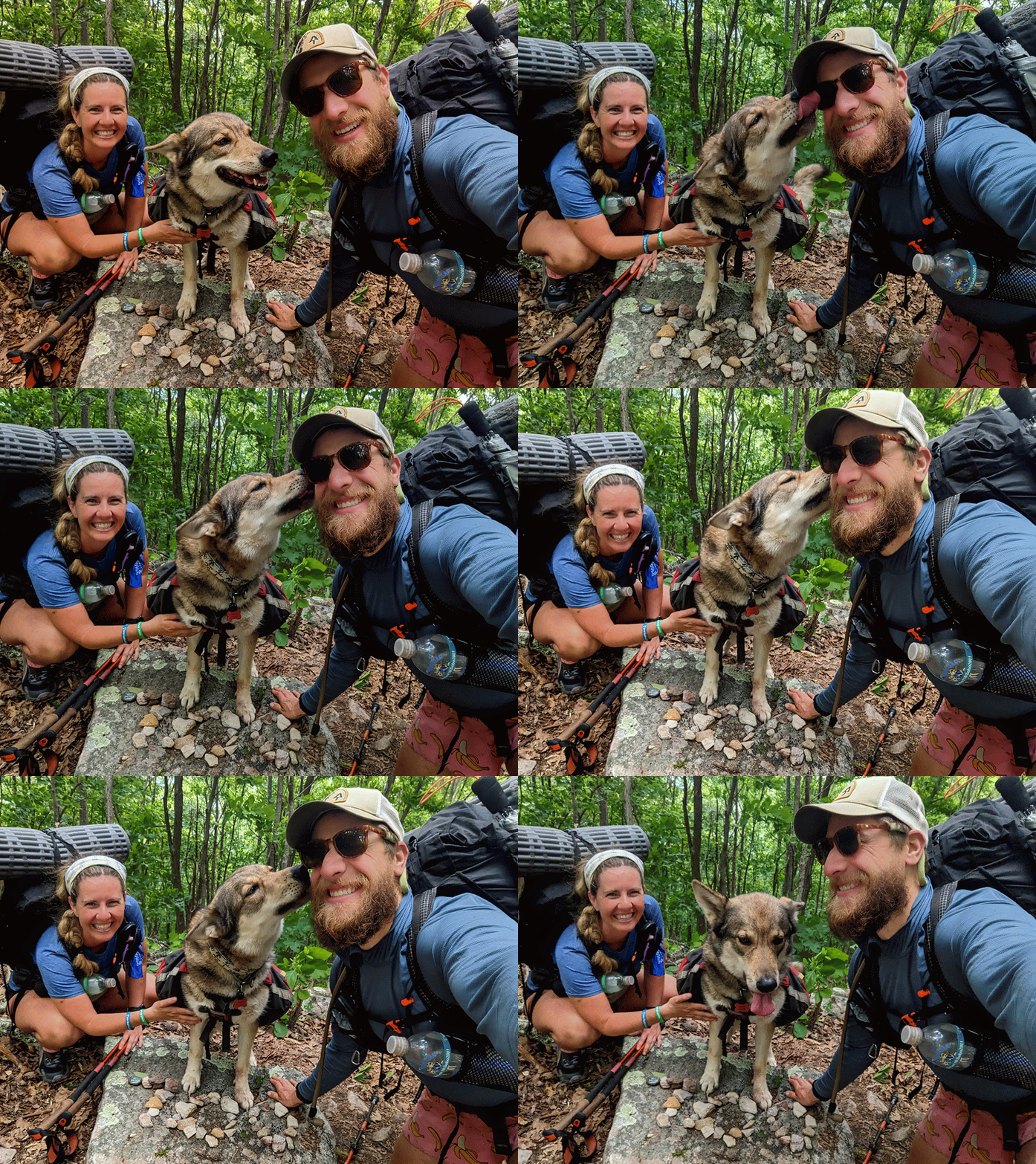
She liked hiking second in line, tucked behind whoever was leading, and she stayed steady. She did not chase wildlife, bolt down side trails, or create much drama. Most of the work was maintenance: checking paws, managing food, keeping her cool, drying her off, and making sure her needs stayed ahead of our schedule.
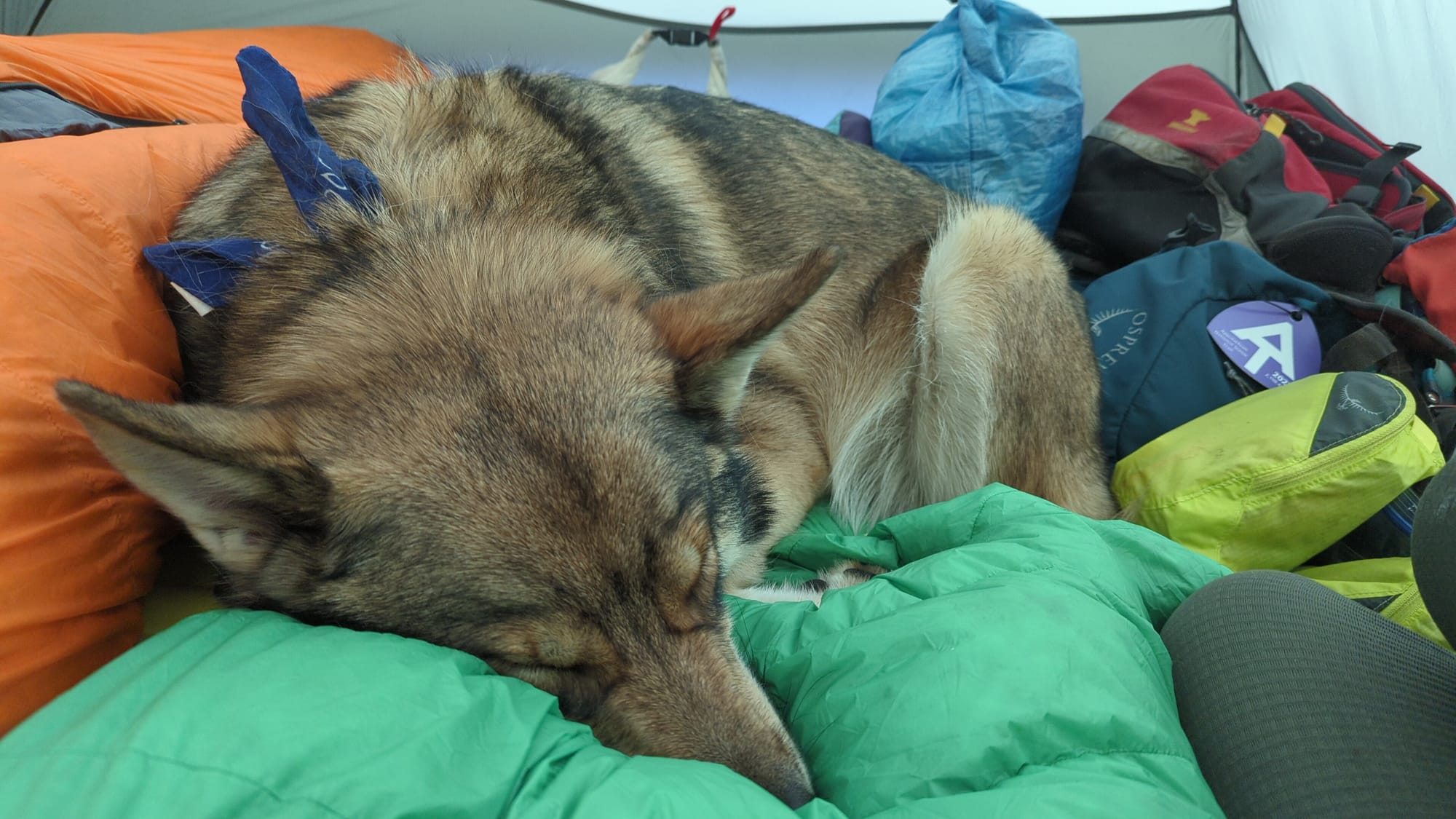
The hardest parts were rarely dramatic. They were practical. A wet dog in a tent. Mud on sleeping bags. Town stops where one of us had to wait outside. Extra food weight. Extra decisions.
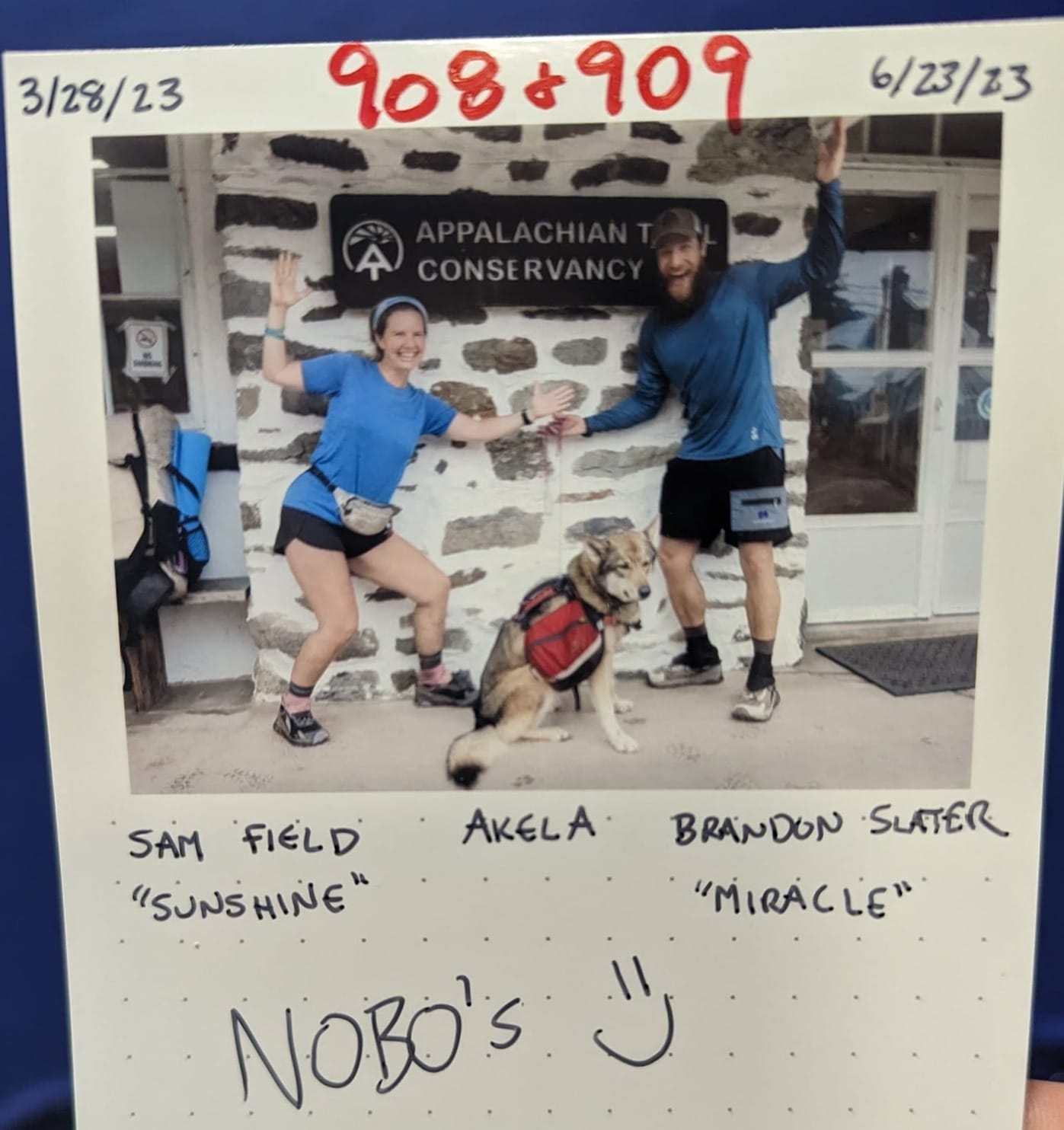
When Akela left the trail near the Maryland/Pennsylvania border, we missed her immediately. We also noticed how much easier the hike became. Camp was faster. Towns were simpler. Mileage increased almost without trying.
That made her absence feel complicated. We had more freedom, but less of the hike felt whole.
Looking back, I think we handled it well. She hiked more than 1,200 miles, stayed healthy, and left the trail before the harder northern sections asked too much of her. She probably could have gone farther. But she did her part well, and we got to experience the trail both ways: with the responsibility of hiking with a dog, and later with the simplicity of moving as two people.
Gear, Food & Systems
The big three mattered first: pack, shelter, and sleep setup. Those choices shaped weight, comfort, warmth, and recovery. We started with gear that made sense for two people and a dog, then changed pieces as the hike changed.
Our first tent, a three-person Nemo Dagger Osmo, was the right shelter for the first half of the trail. It had room for both of us and Akela, handled bad weather well, and gave us enough space to live in during long wet stretches. Later, after Akela went home, we switched to a Durston X-Mid Pro 2 and cut weight and pack volume.
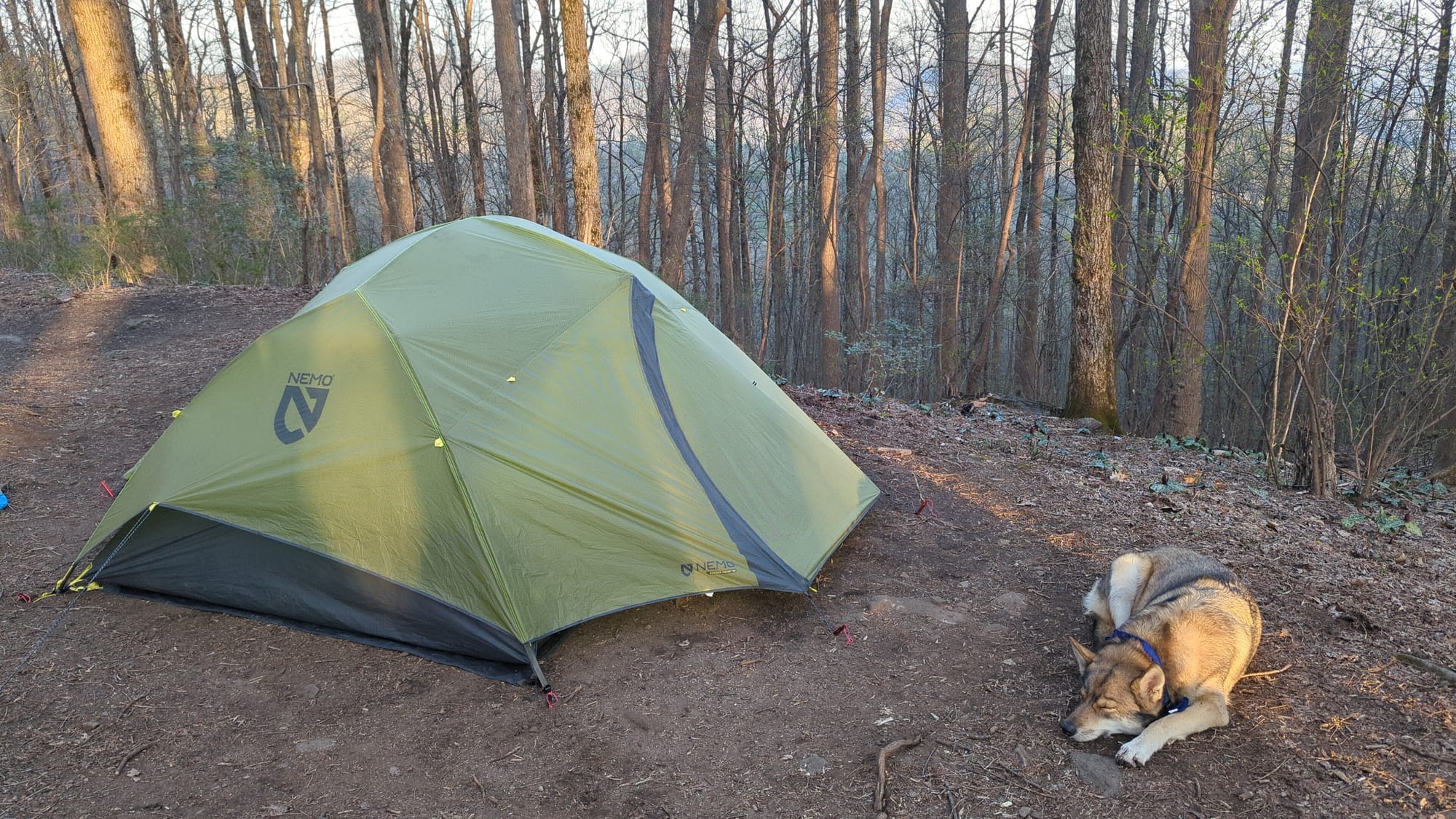
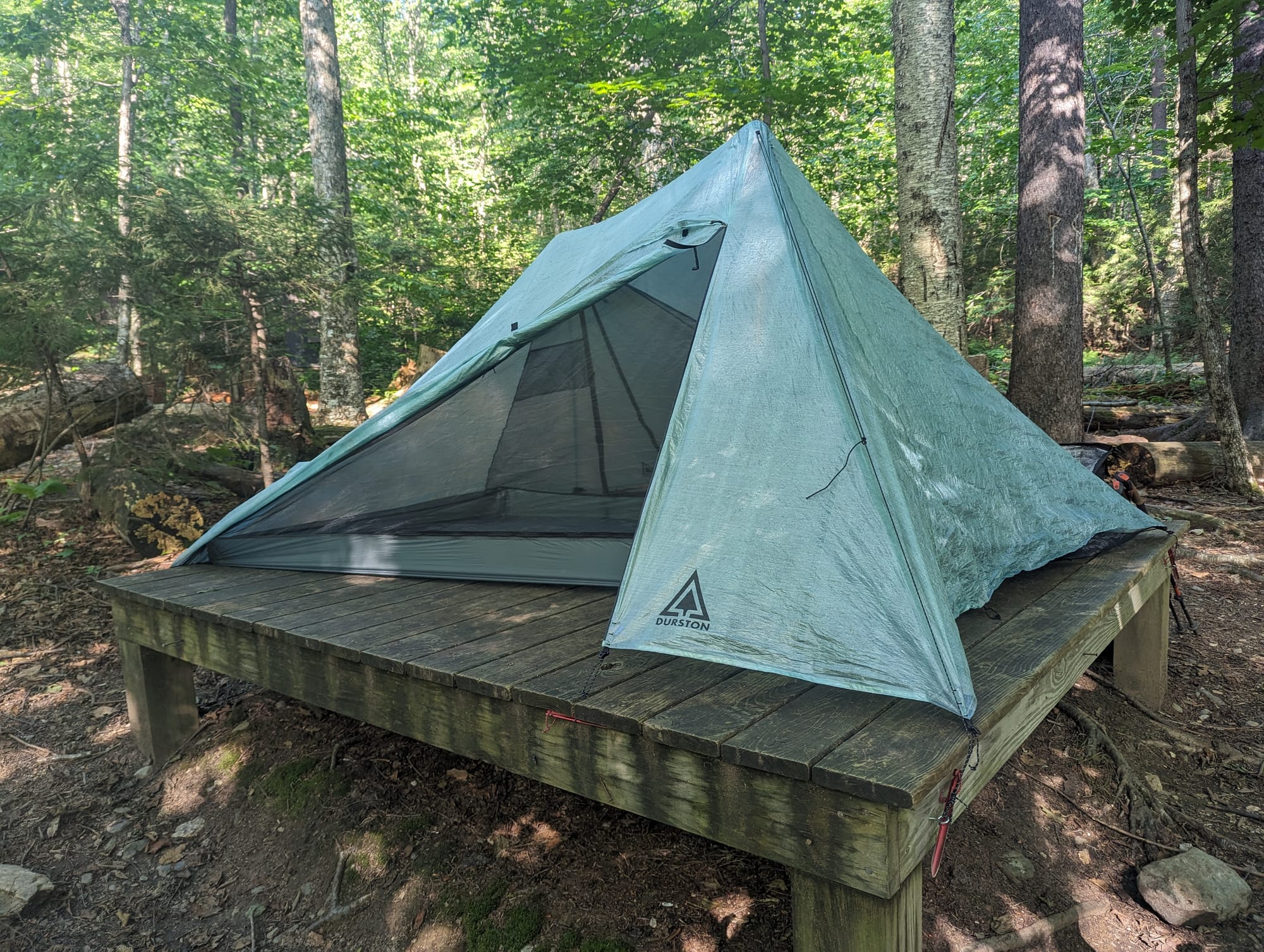
we still have and use both tents today
The same thing happened with packs. We both started with Osprey packs. Sam switched early to a Hyperlite Mountain Gear Windrider 55. I switched later to a Hyperlite Mountain Gear Unbound 55. The original packs worked, but the weight difference became harder to ignore once we understood what every pound meant across repeated days.
Sleep systems stayed more personal. Sam used sleeping bags. I used quilts. We both adjusted for season and temperature, but the lesson was the same: sleep mattered because recovery mattered.
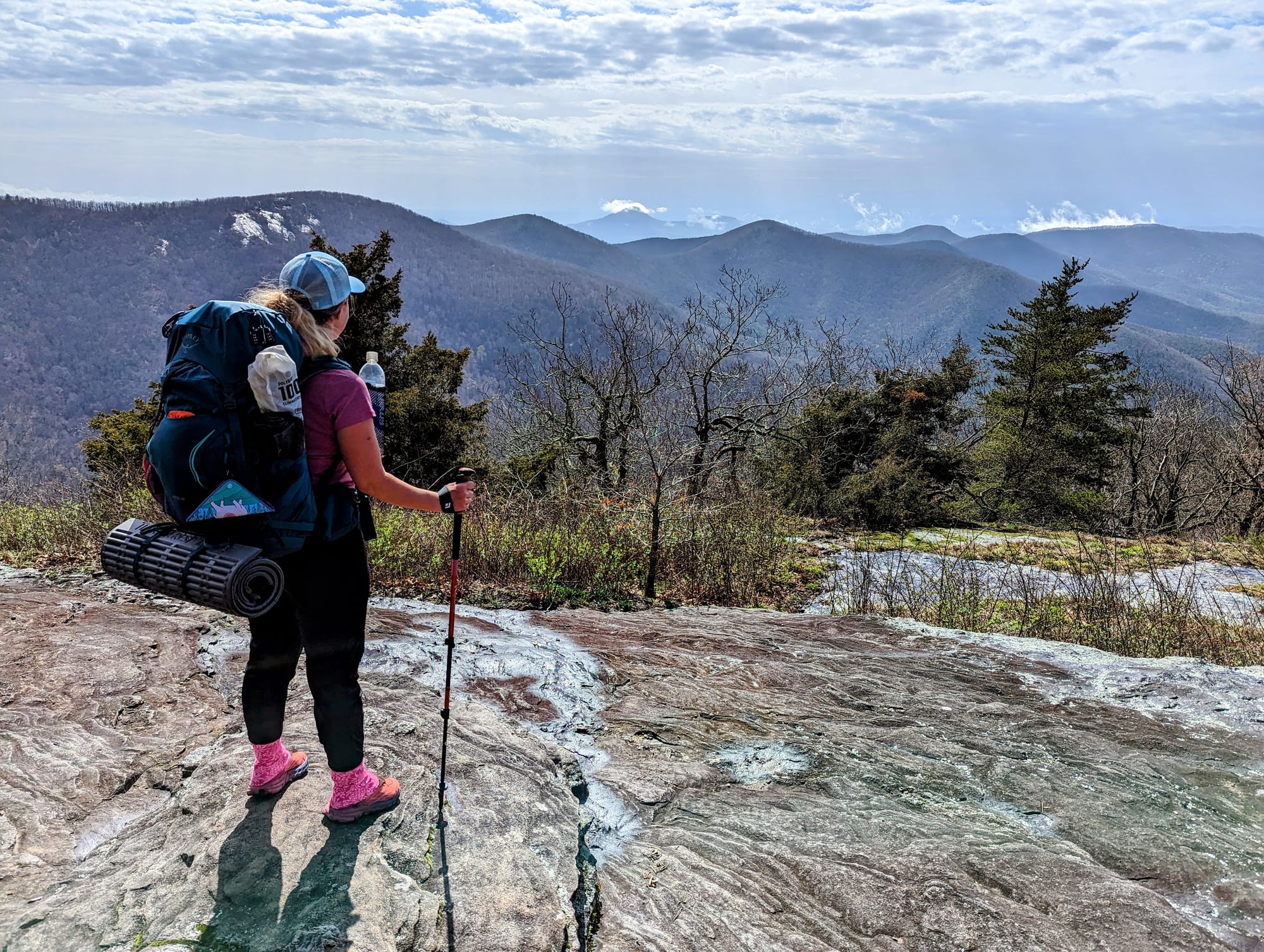
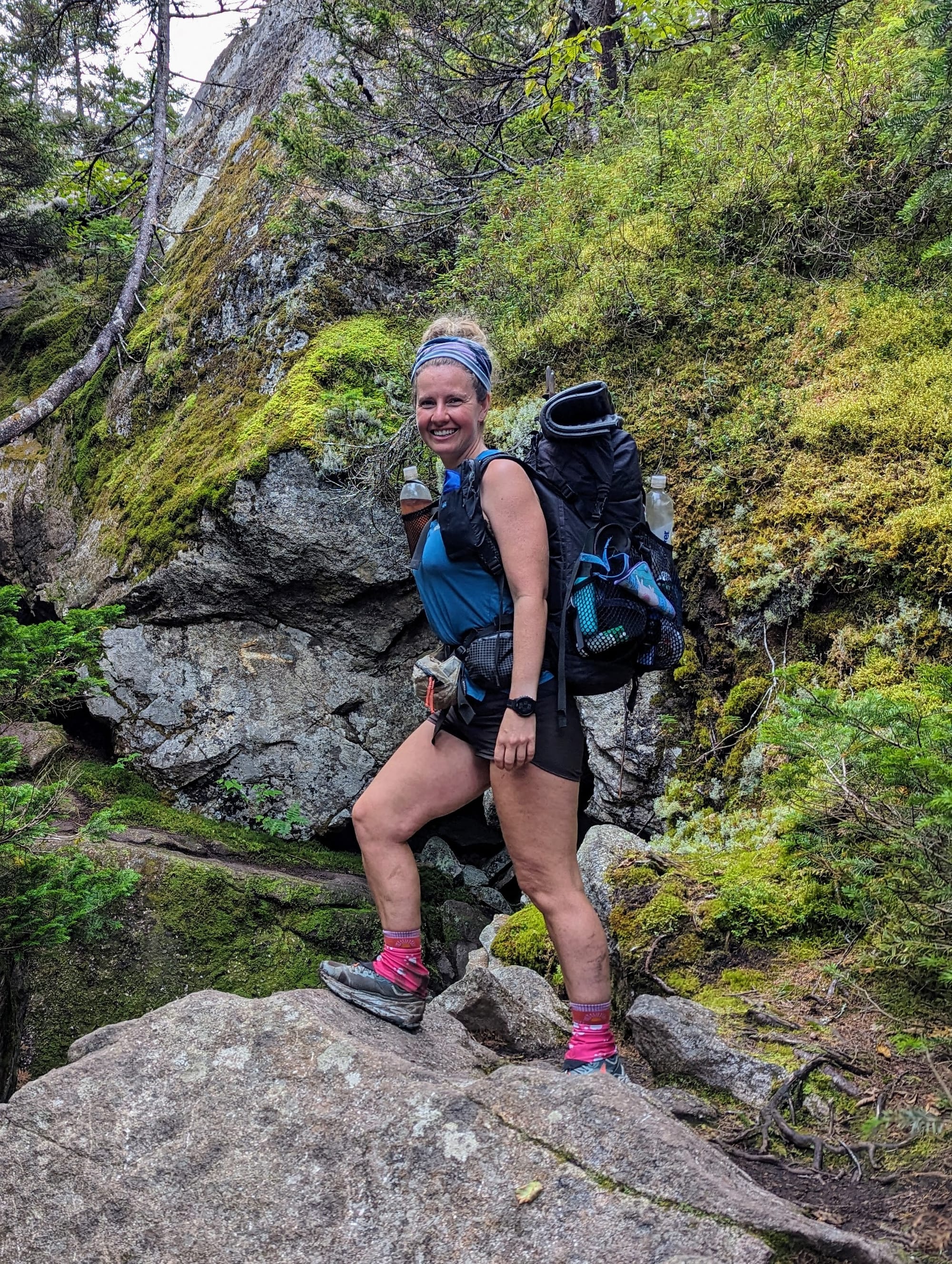
Sam's pack shifted from a ~24 lb base weight (full pack minus food+water) to ~13lb by the end
Over time, the gear rule became simple. If we did not use something for a full resupply, or sometimes two, it had to justify staying in the pack. That rule cut weight without turning the hike into an ultralight exercise. We still kept comfort items that made the trail more livable.
Food worked the same way. The resupply boxes were not perfect, but they solved important problems. They gave us better food, more variety, and predictable nutrition for Akela. They also kept us from depending entirely on whatever small trail towns happened to have available.
The trail kept refining the system. Shoes wore out faster than expected. Extra items got sent home. Packs got lighter. Setups got faster.
The main lesson was not that one piece of gear was perfect. It was that the whole system had to keep adapting.
Looking Back
Years later, the Appalachian Trail is easier to understand as a series of regions than as one continuous story.
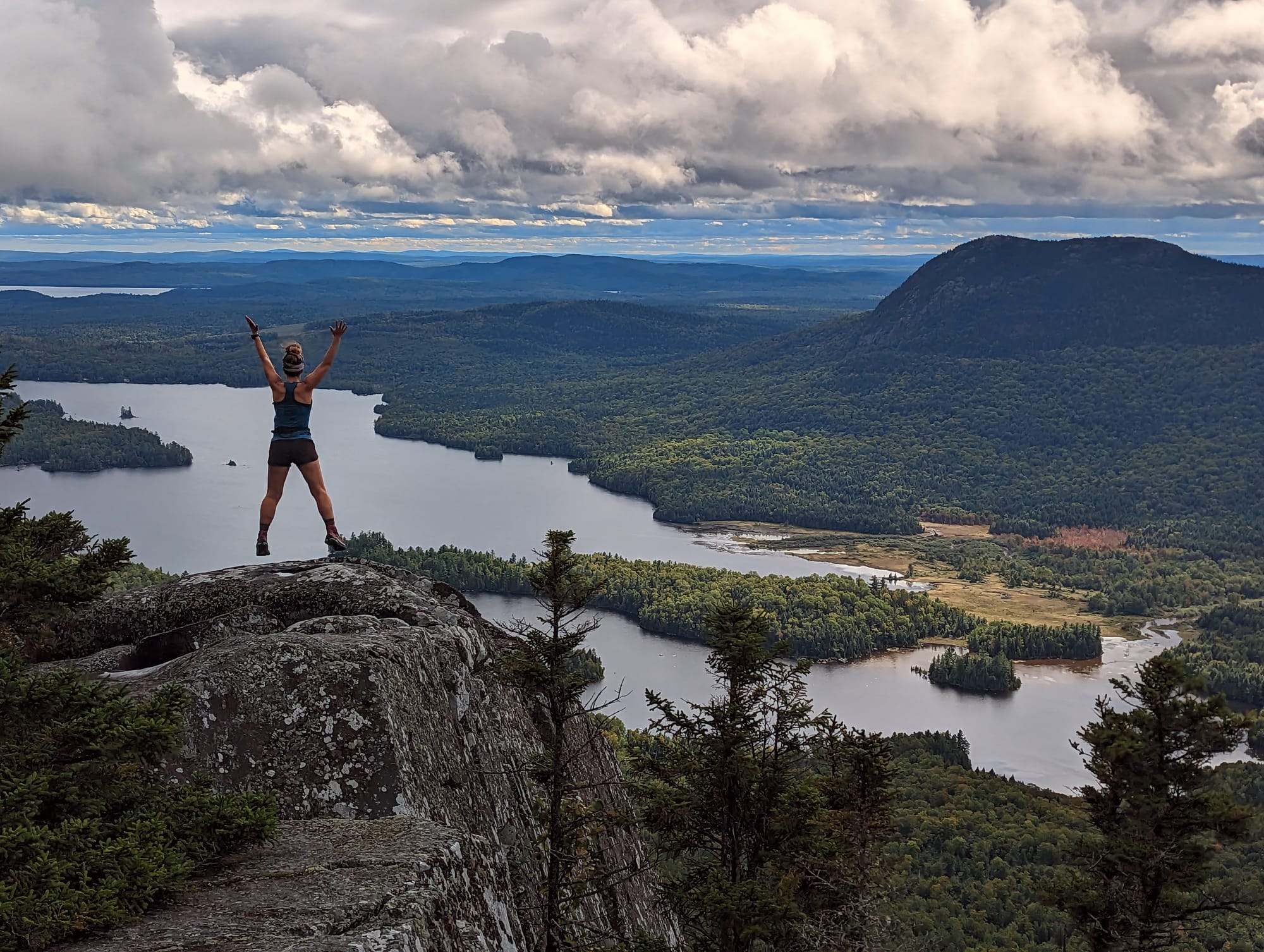
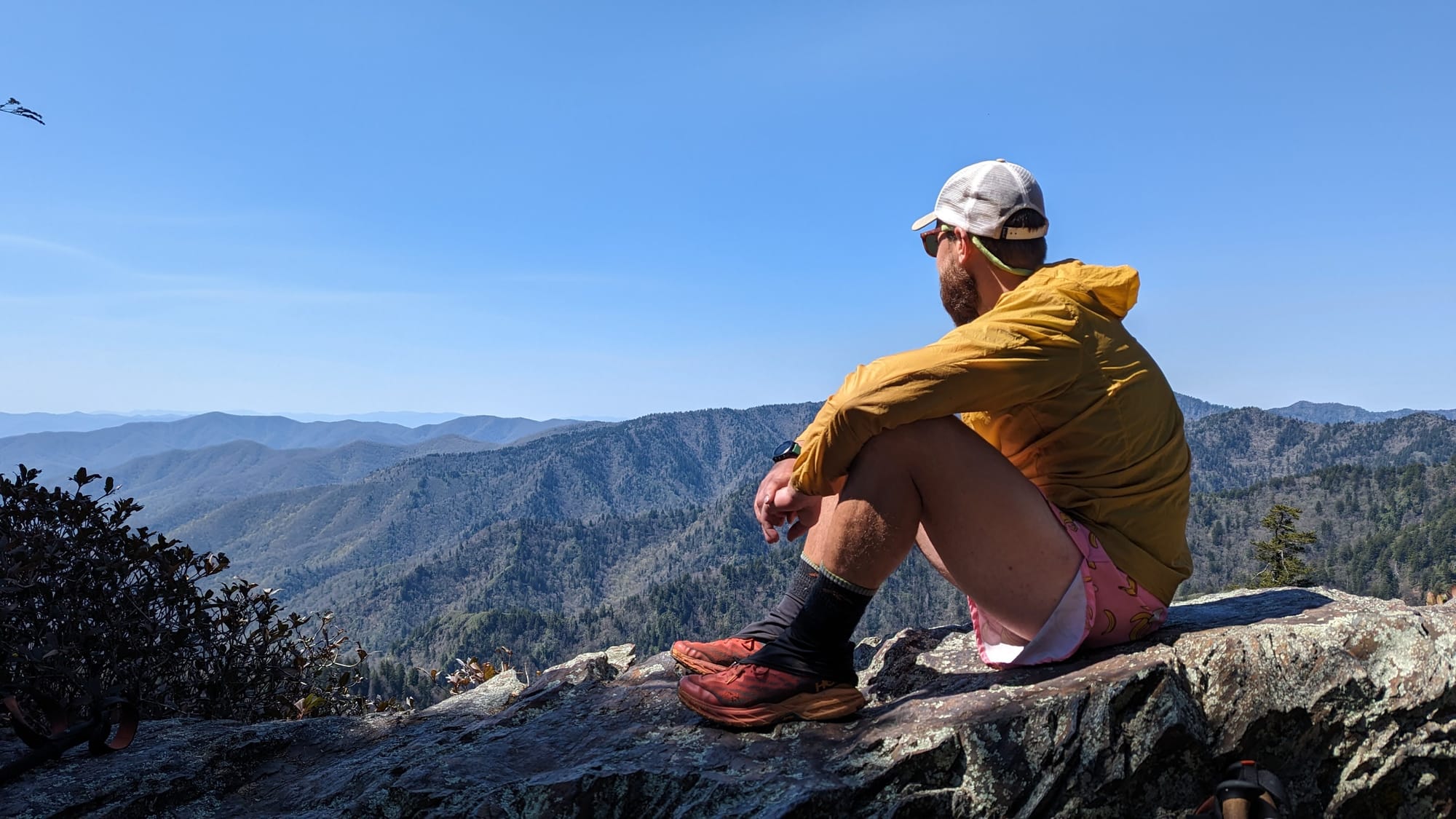
The days were long while we were living them, but the whole thing feels compressed now. Six months sounds like a long time until you are looking back at it from the other side. Then it feels like proof of how much life can fit into a focused stretch of time.
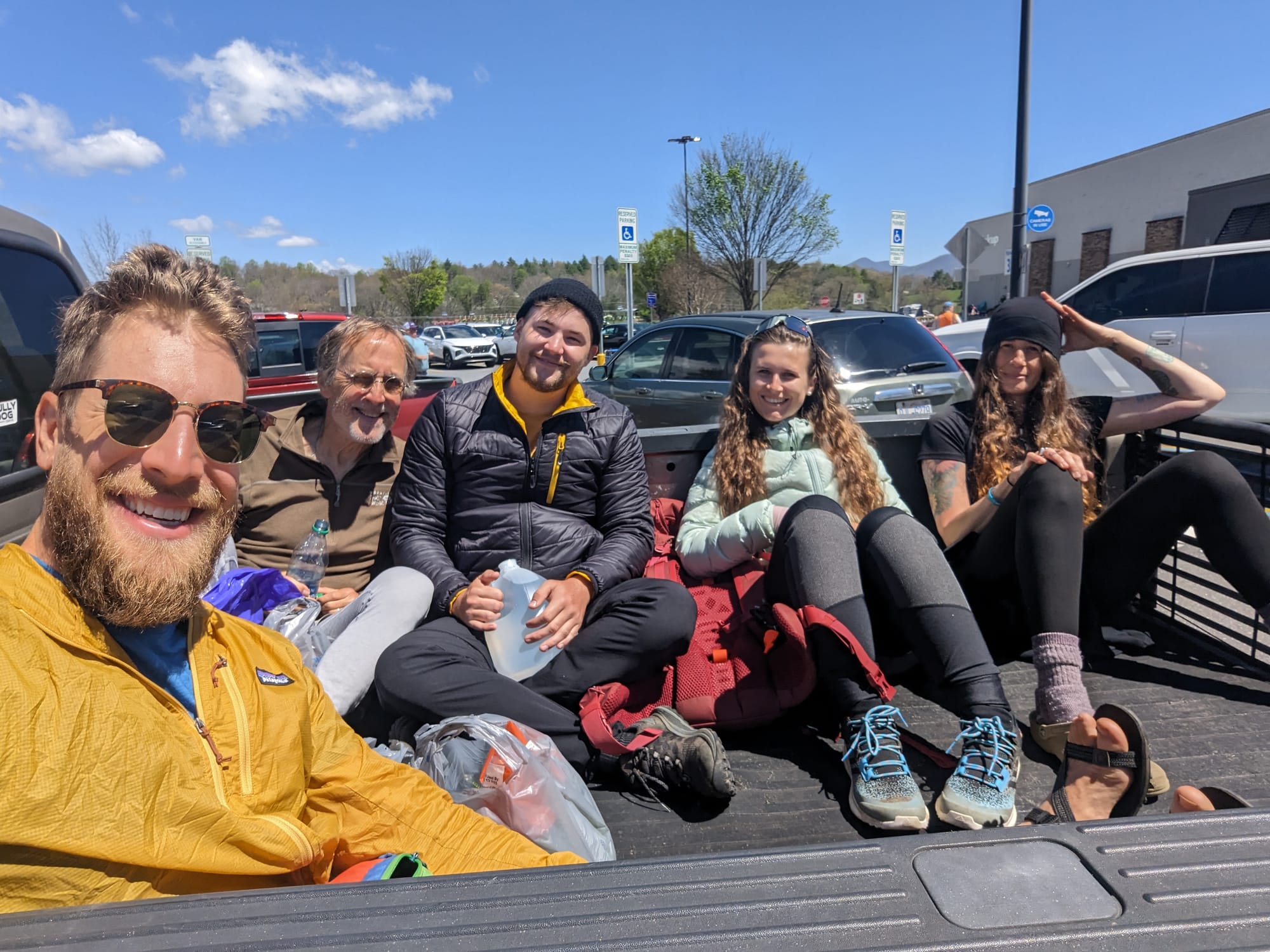
The photos help. They bring back places, weather, faces, campsites, and sections of trail that would otherwise blur together. Some of the frustration has faded, which is probably normal. The hard parts are still there, but they are no longer the main thing.
What remains most clearly are the people, the landscapes, the routines, and the shift in perspective.
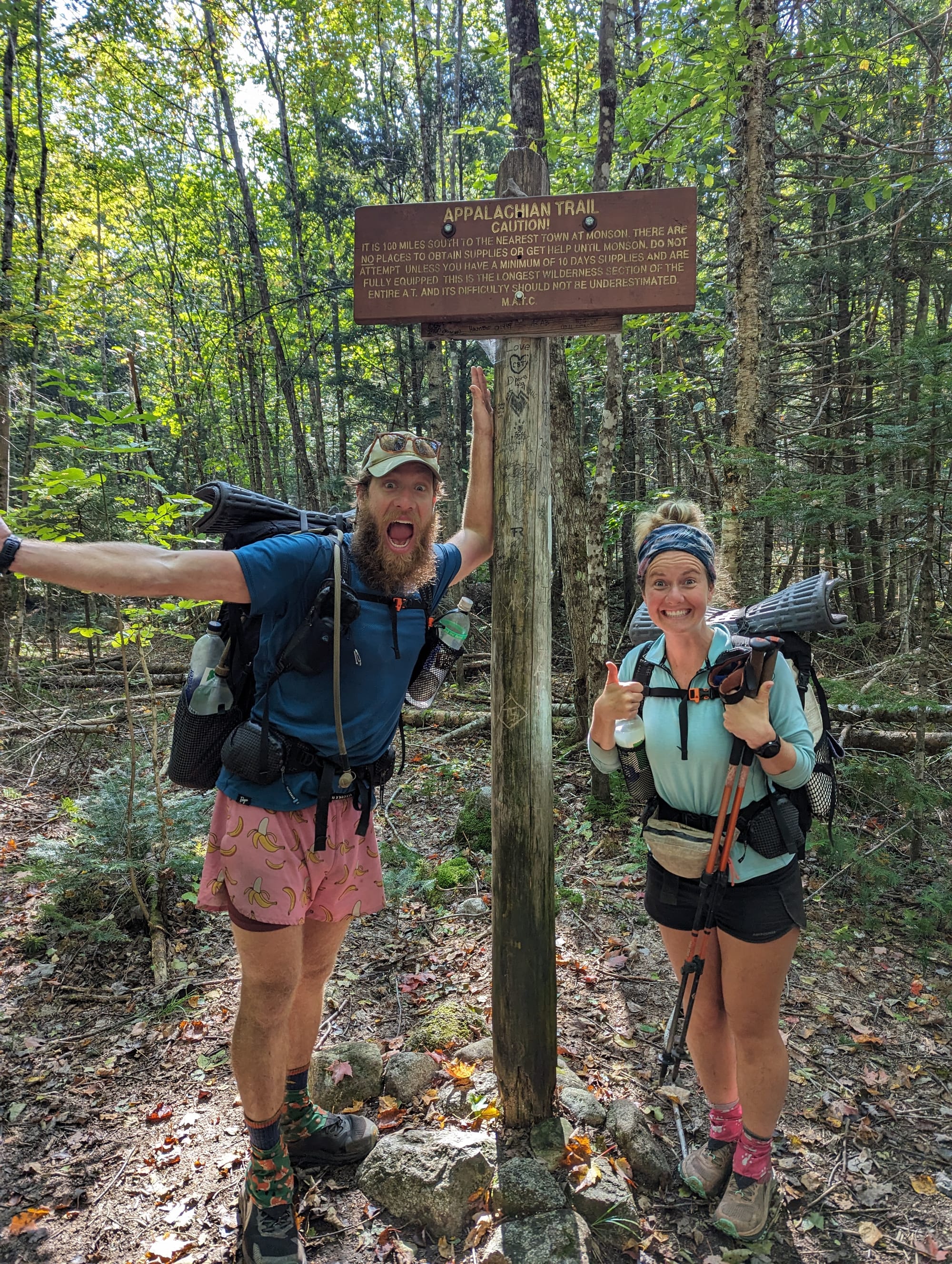
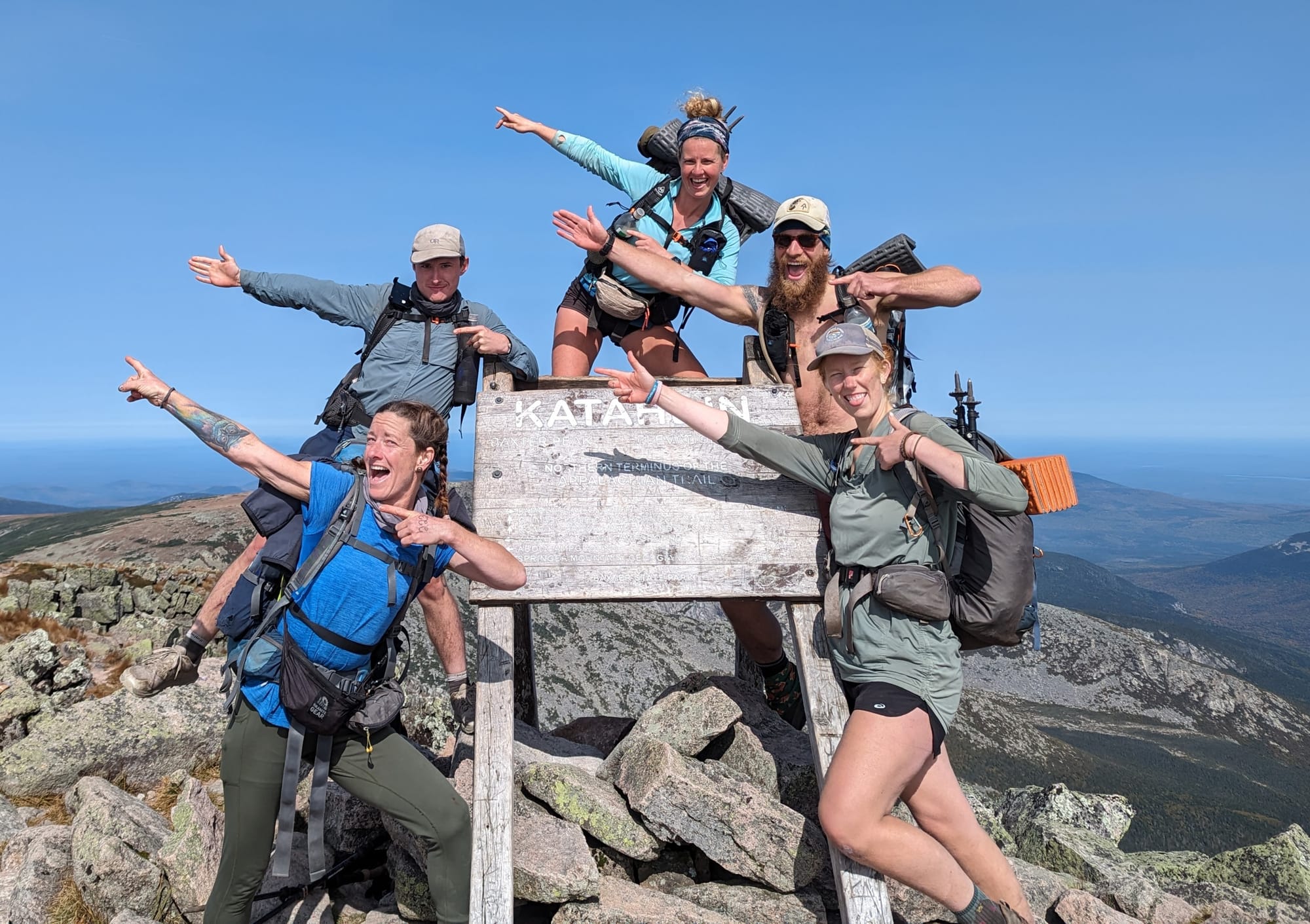
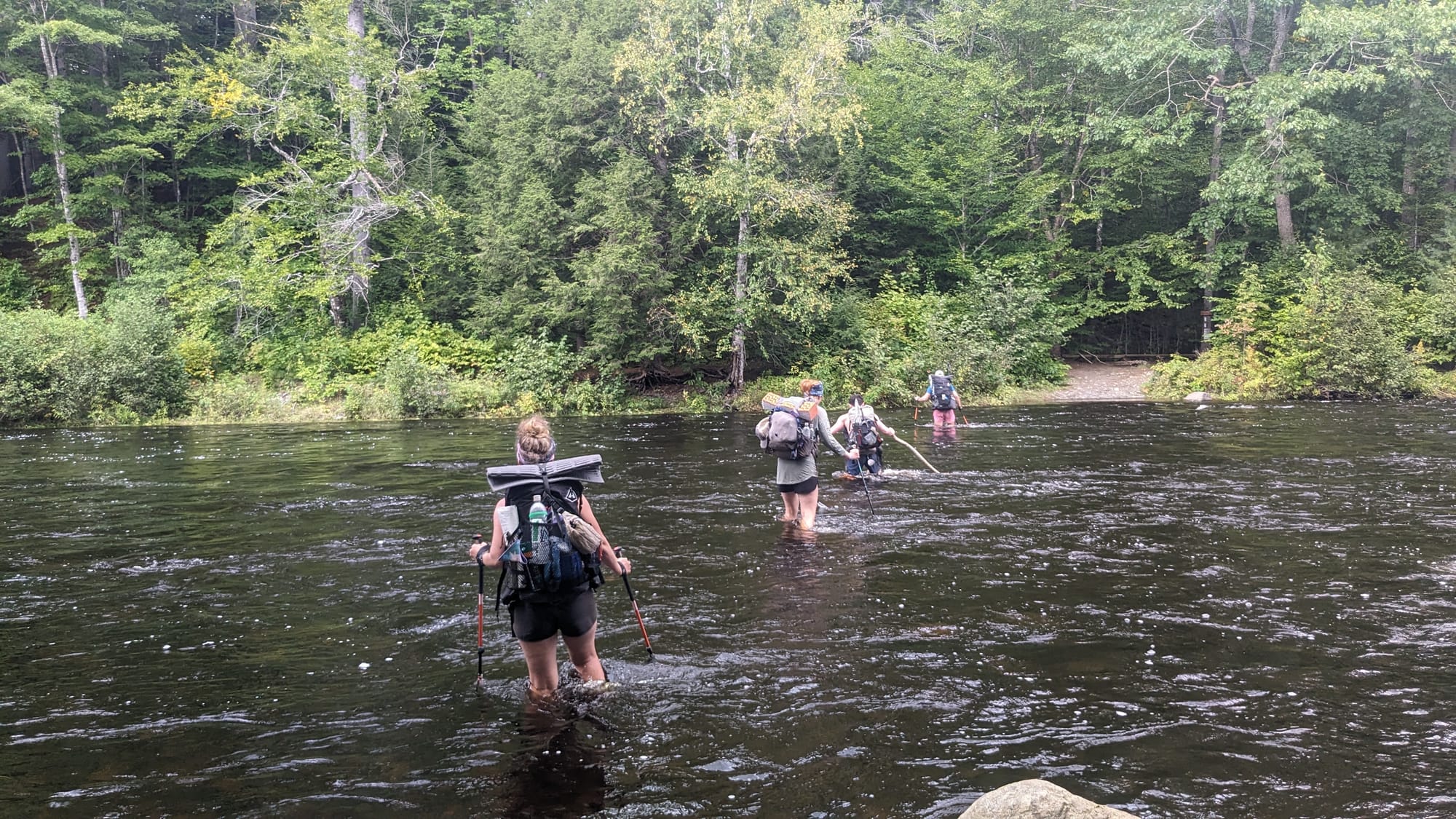
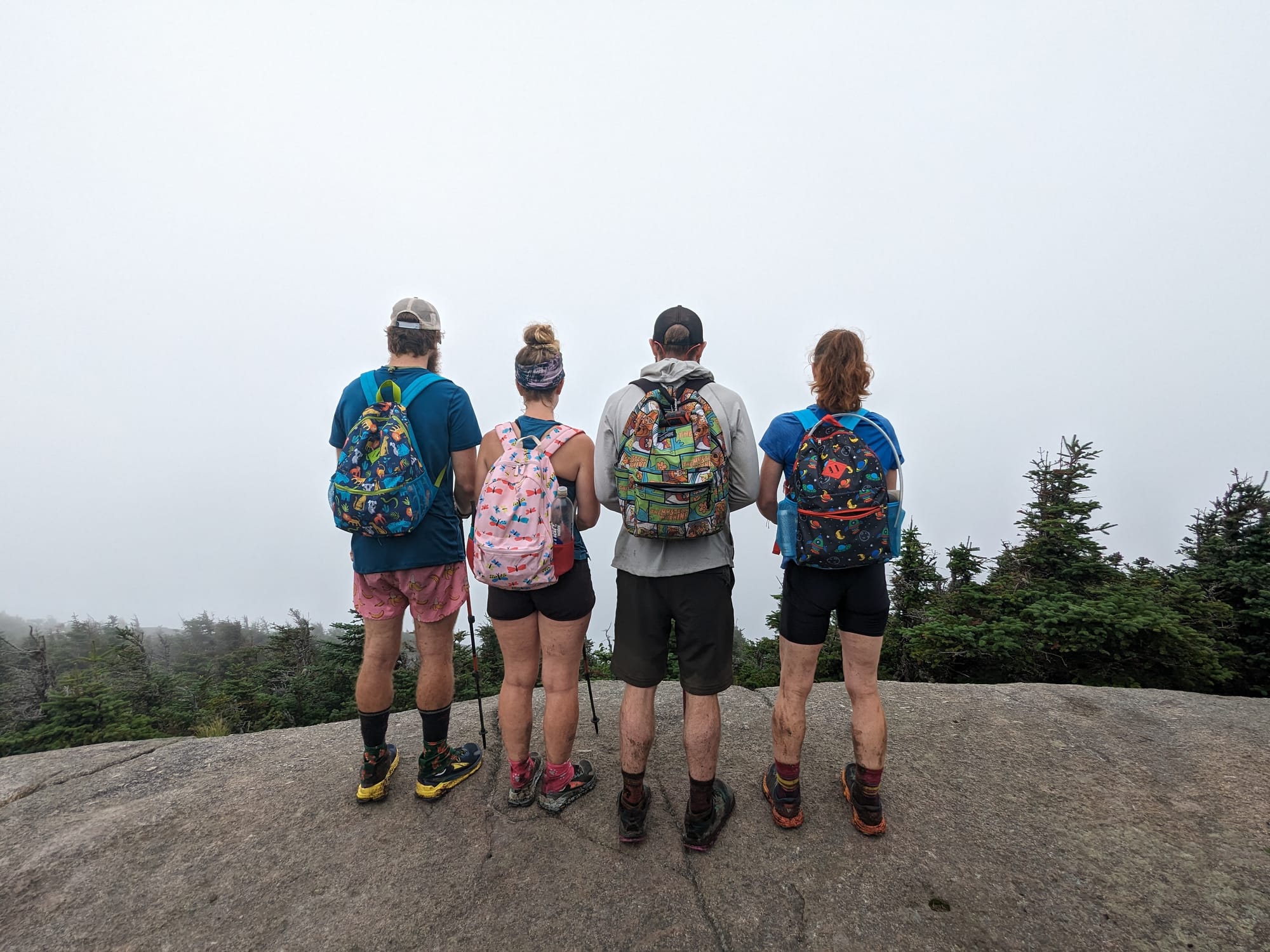
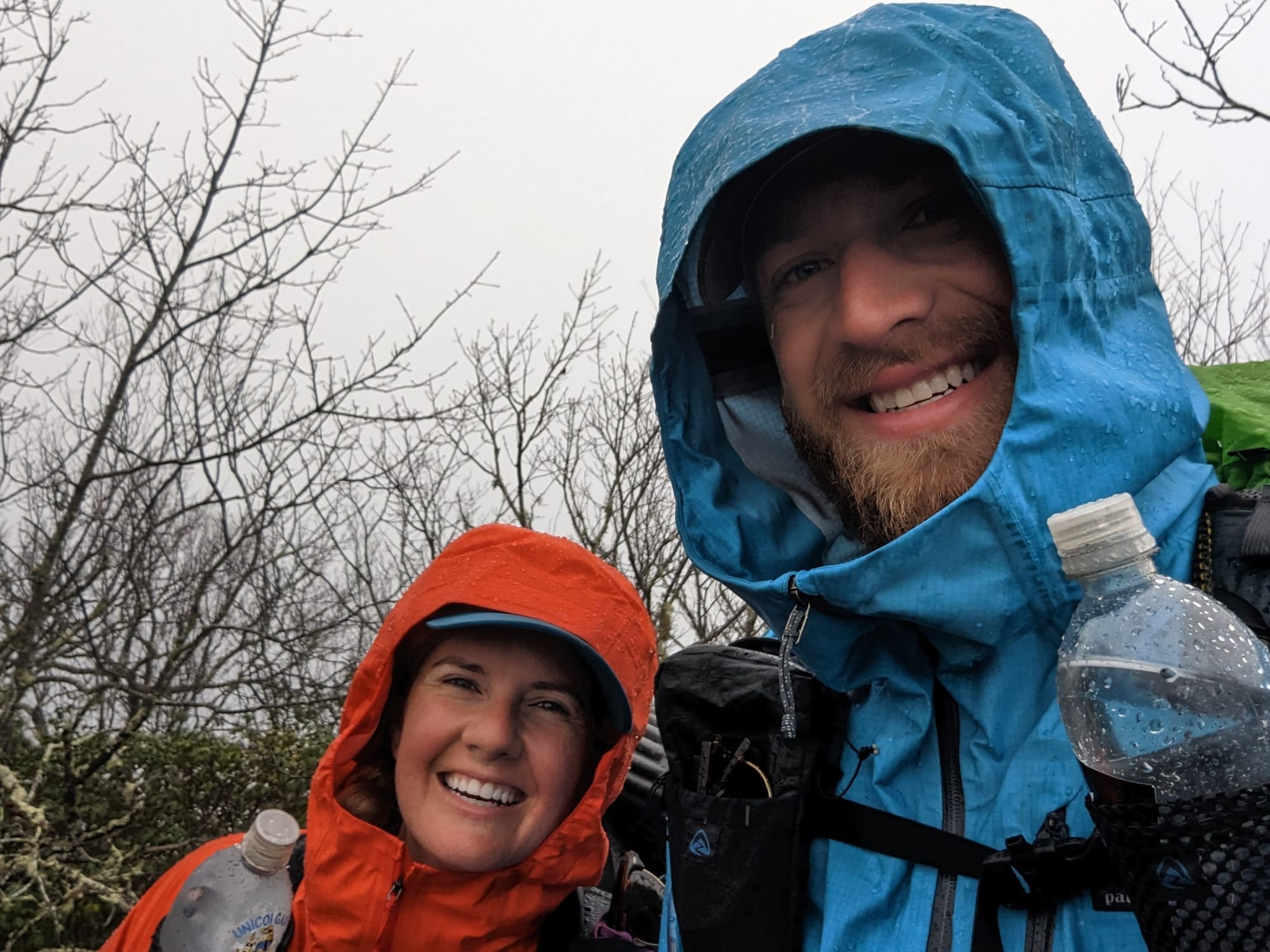
One of the things that stayed with us came from other hikers. We met people who had waited decades to attempt the trail. Some were newly retired. Some had finally found the time or money. Many were strong and determined, but their bodies didn't always cooperate. Knees, hips, backs, and old injuries made the dream harder than they expected.
More than once, someone told us we were doing it right by going while we could.
That landed.
The AT changed the way we think about timing. Not everything has to be done immediately, but some things should not be pushed into an imaginary future either. Big goals need planning, but they also need a start date.
It also changed our sense of comfort. After enough time outside, the list of real needs gets smaller. Shelter. Food. Sleep. Water. Dry layers. Good company. A direction to move.
The trail did not make life simple after we finished. But it did make some things clearer.