Arapaho National Wildlife Refuge
I was not looking for Arapaho National Wildlife Refuge.
I was driving from State Forest State Park to Laramie for a vet appointment for Akela, and the road through northern Colorado between State Forest, Routt, and Medicine Bow is wide open, rugged, and some of the most consistently scenic terrain we have driven through.
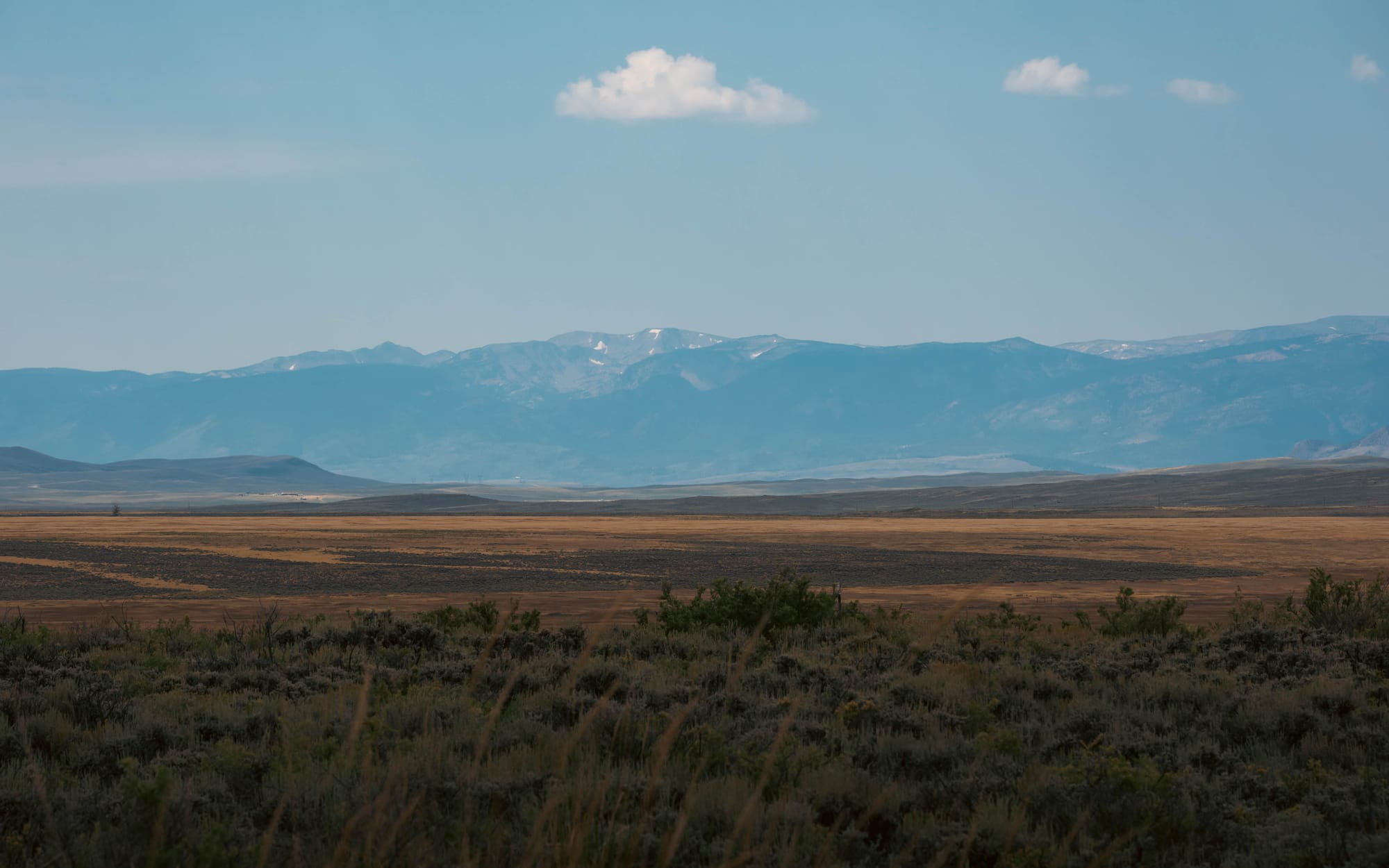
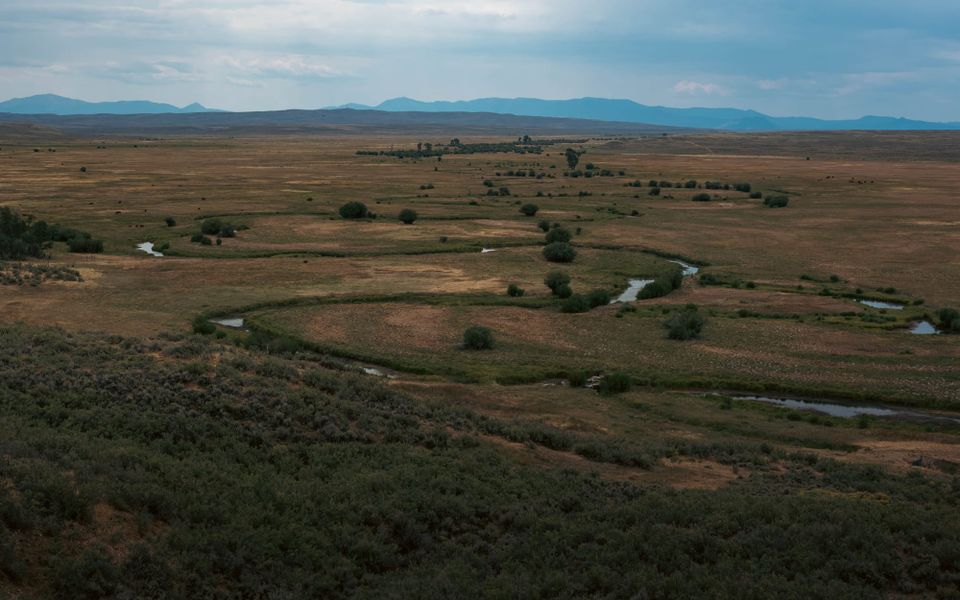
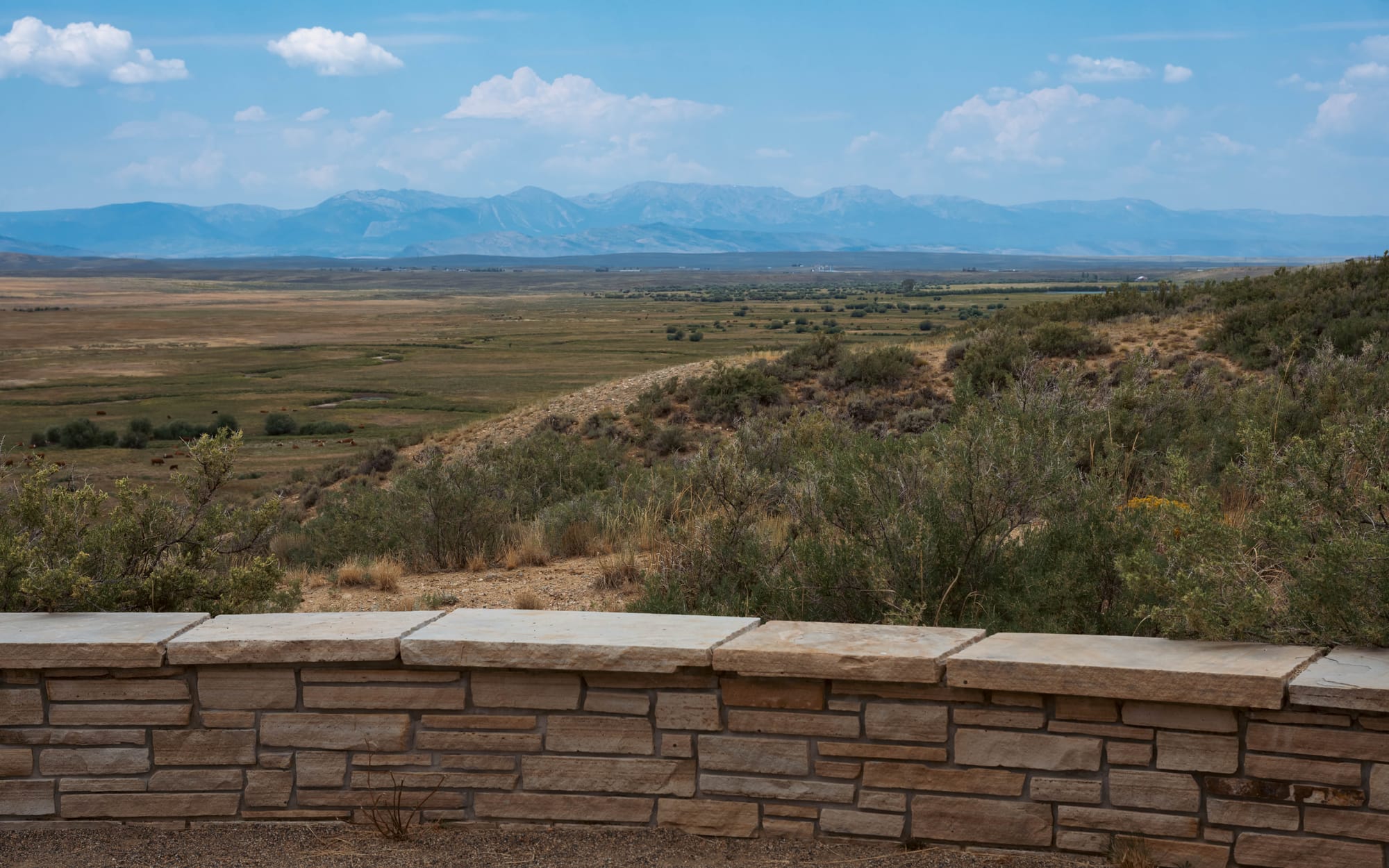
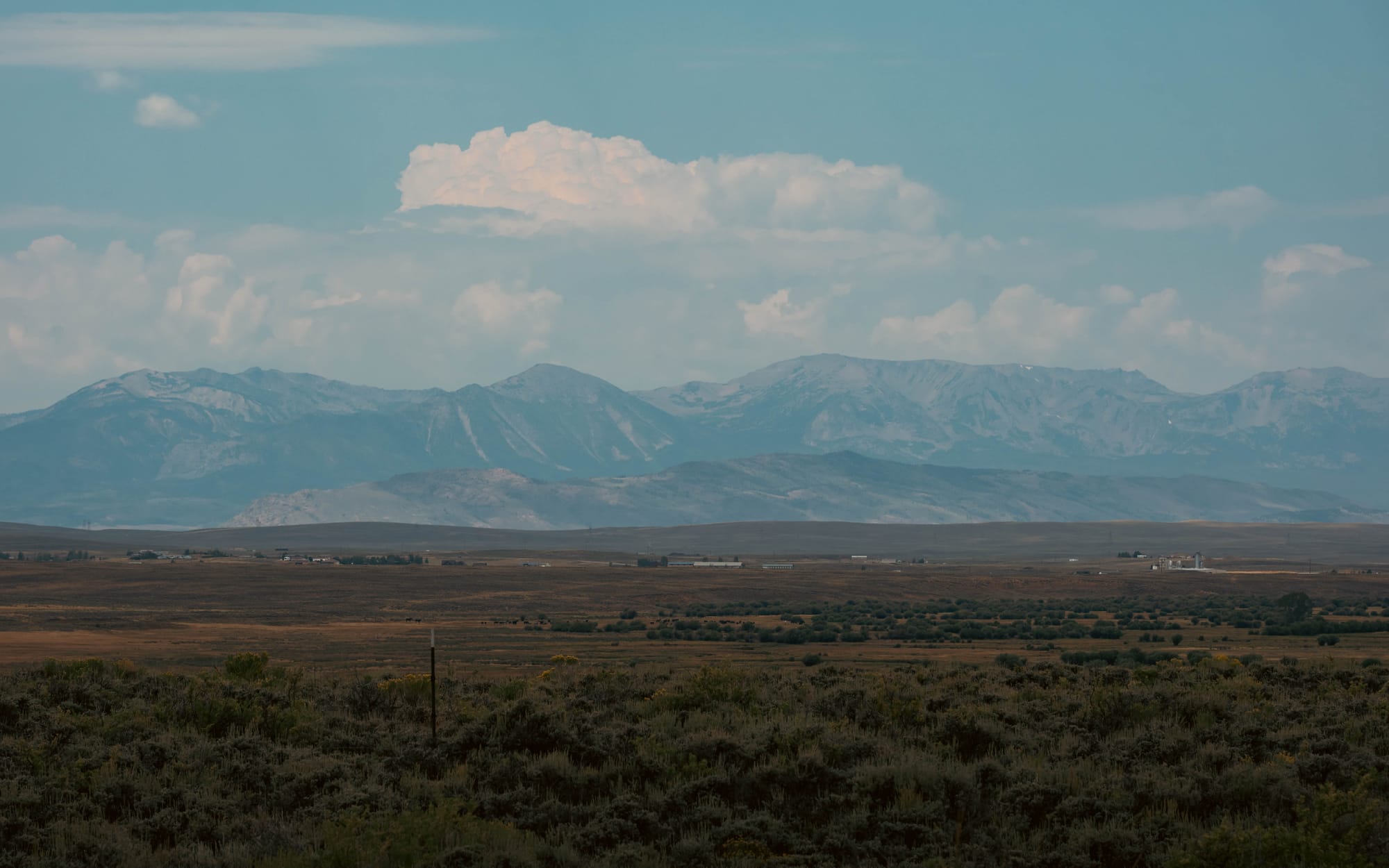
North Park opened into a broad valley surrounded by mountains. Long grasses stretched across the basin, water cut through the low ground, and the Continental Divide formed a hard backdrop in the distance.
I wanted a photograph.
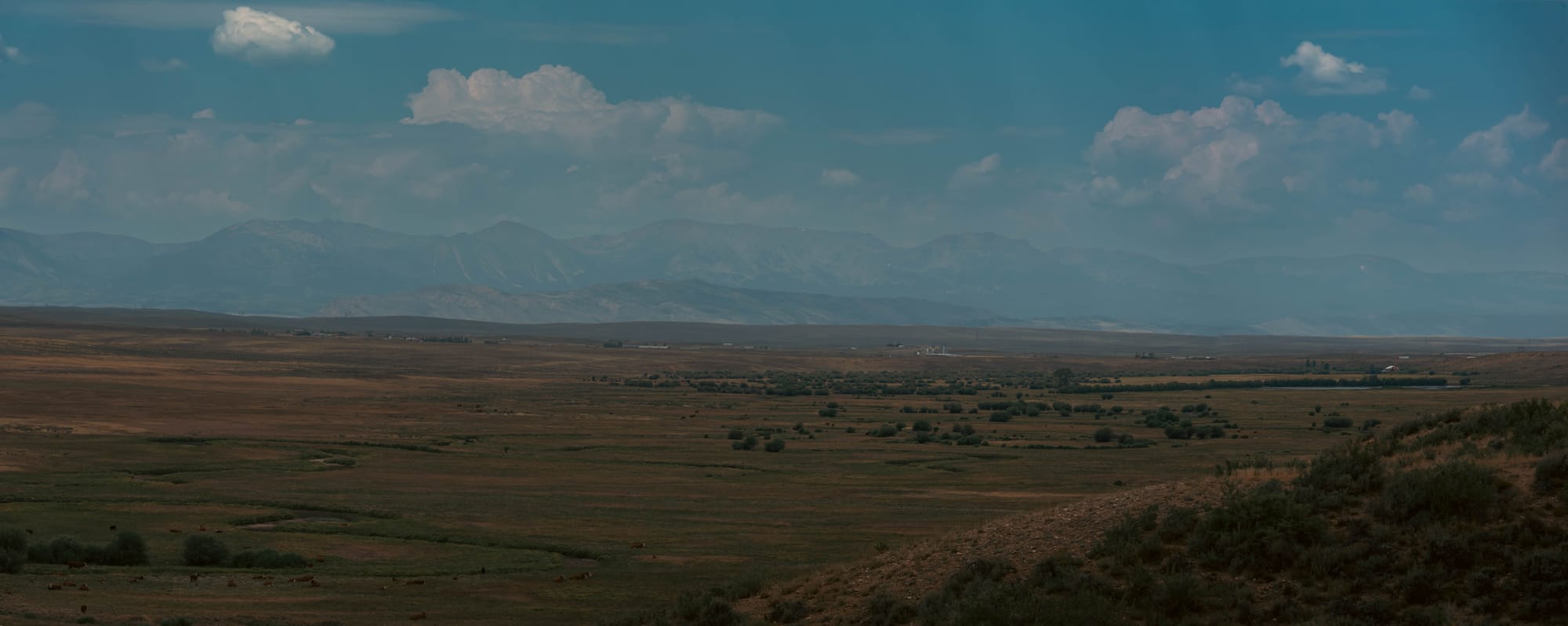
I saw a turnoff, pulled in, and realized I had stopped at Arapaho National Wildlife Refuge.
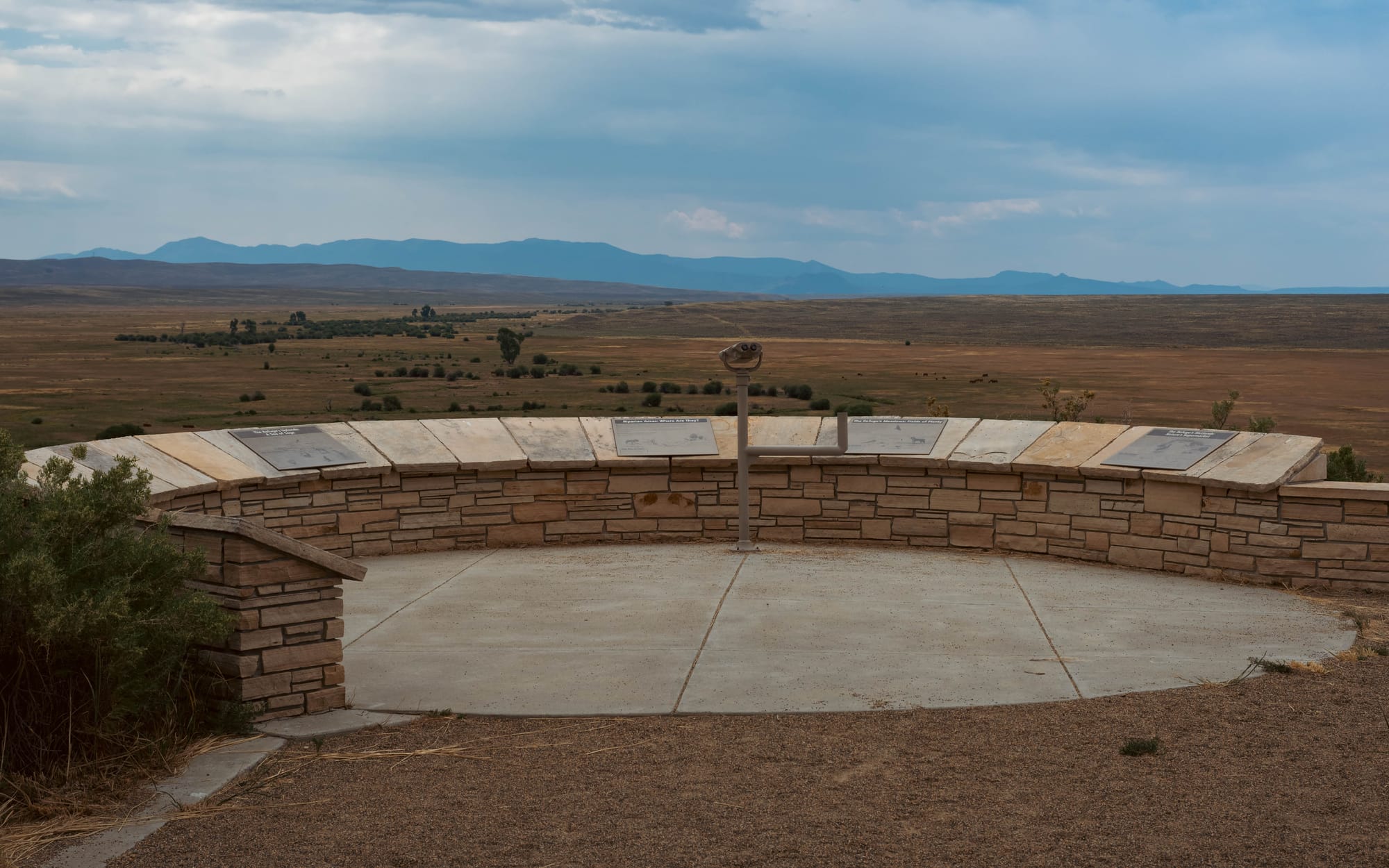
There was not enough time for a full visit, but there was enough for a short walk. I followed the trail for roughly half a mile, stopping at the interpretive signs and looking across the valley as I went.
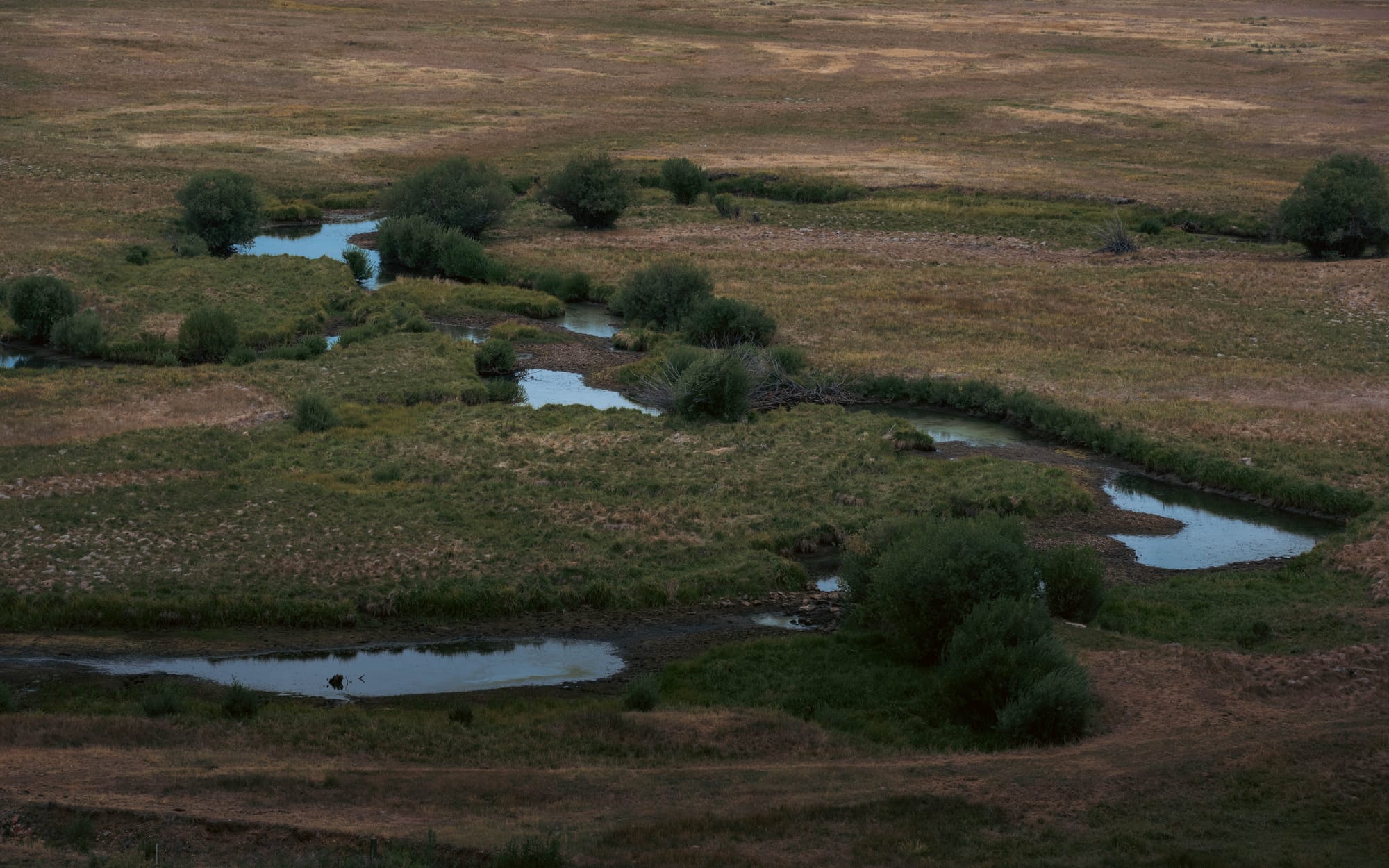
From the trail I could see birds moving through the wetlands and grass, pronghorn farther out in the basin, and cattle grazing across portions of the refuge. A creek ran through the low ground, surrounded by wetter meadows that looked completely different from the drier sagebrush around them.
The scale was what stood out most.
North Park is a high intermountain basin ringed by several mountain ranges, and Arapaho sits right on its floor. There is very little to interrupt the view.
It was a quick stop, but it gave some context to a landscape I had already been admiring from the road.
🧭 Lay of the Land
- Location: North Park · near Walden, Colorado [Google Maps]
- Official site: Arapaho National Wildlife Refuge · U.S. Fish & Wildlife Service
- Protected area: 23,464 acres
- Landscape: High mountain basin · wetlands · sagebrush
- Our visit: August 2026 · brief roadside stop
What's a Wildlife Refuge?
Most of the public lands we had visited by this point were state parks, national parks, national forests, or other places where recreation is a major part of the experience.
Arapaho was my first experience running, accidentally, directly into the National Wildlife Refuge System itself.
Wildlife refuges are managed first around wildlife and habitat. Recreation can still be part of the experience, but it is not the primary reason the land is protected.
Arapaho was established in 1967 primarily to provide nesting and brood-rearing habitat for migratory birds. The refuge protects more than 23,000 acres of wetlands, wet meadows, riparian areas, grasslands, and sagebrush within North Park.
That mission becomes easier to understand once you look at how the landscape is managed.
Water is a major part of it. Streams crossing the basin are diverted through ditches to maintain wet meadows and waterfowl ponds, concentrating habitat across what would otherwise be a much drier landscape.
Even the cattle I saw were part of a bigger management picture.
Grazing is one of several tools refuge managers use here, alongside prescribed fire, mowing, weed control, seeding, and active water management. The goal is not simply to preserve the landscape exactly as it is, but to maintain the habitat conditions different species depend on.
That changed the way I looked at what was in front of me.
From the highway, Arapaho could easily read as another beautiful piece of North Park.
Up close, the wetlands, cattle, water channels, grasslands, and sagebrush were all part of a working habitat system.
The refuge was not protected primarily because the scenery was impressive.
It was protected because the landscape functions.
⚡ TL;DR
- Refuge highlight: High-elevation wetlands beneath the mountains of North Park
- Best for: Wildlife watching, birding, photography, and a quiet detour
- Skip if: You are looking for a destination built around hiking or don't like birds
- Worth stopping for?: Maybe
Final Takeaway
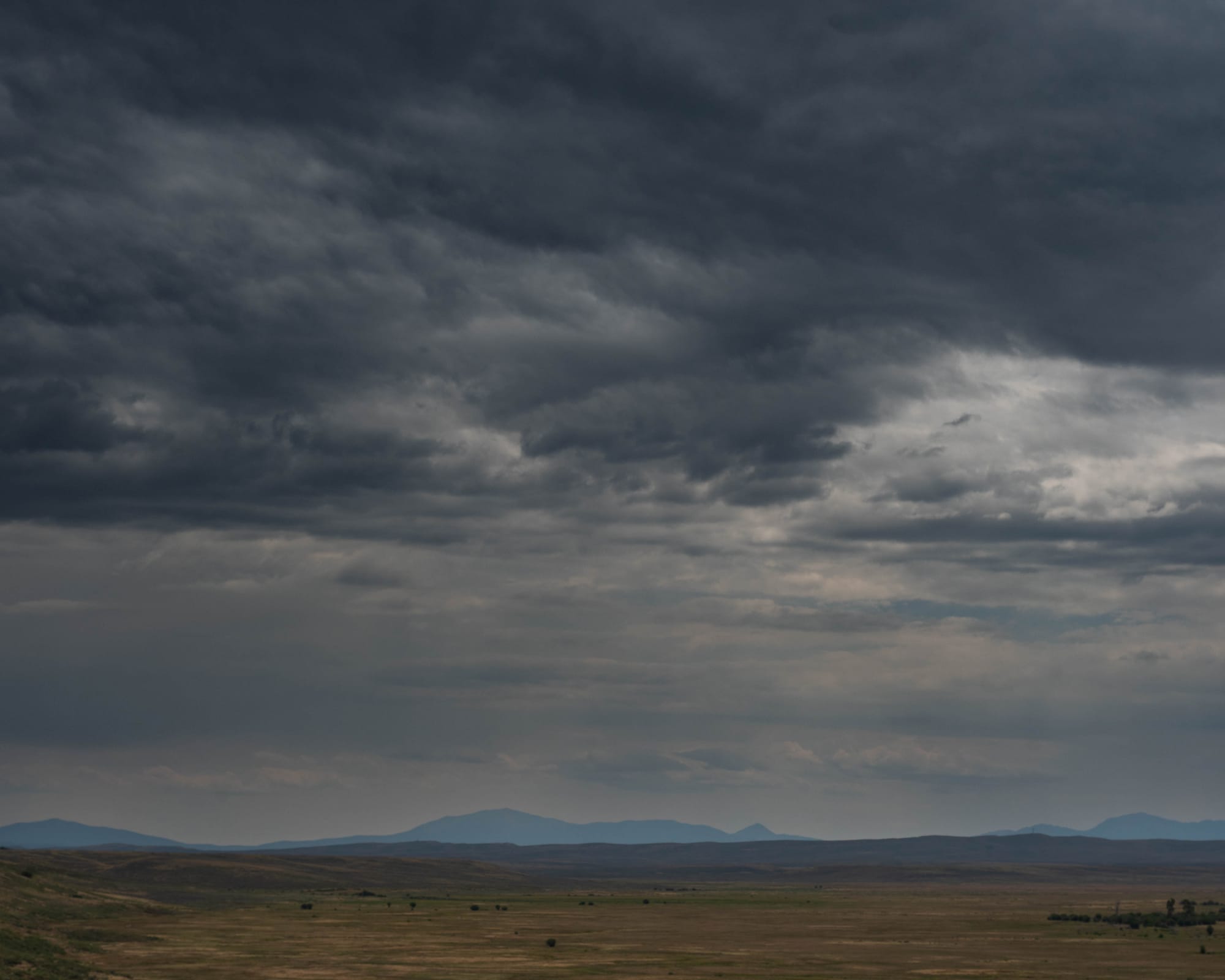
I pulled over because North Park looked beautiful.
What I left thinking about was why part of that valley had been protected in the first place.
Arapaho was a good reminder that public land does not always exist primarily for us to recreate on it. Sometimes the value is in giving wildlife a place to feed, breed, move, and survive.
For an unexpected stop on the way to Laramie, that was enough to make it worthwhile.