State Forest State Park
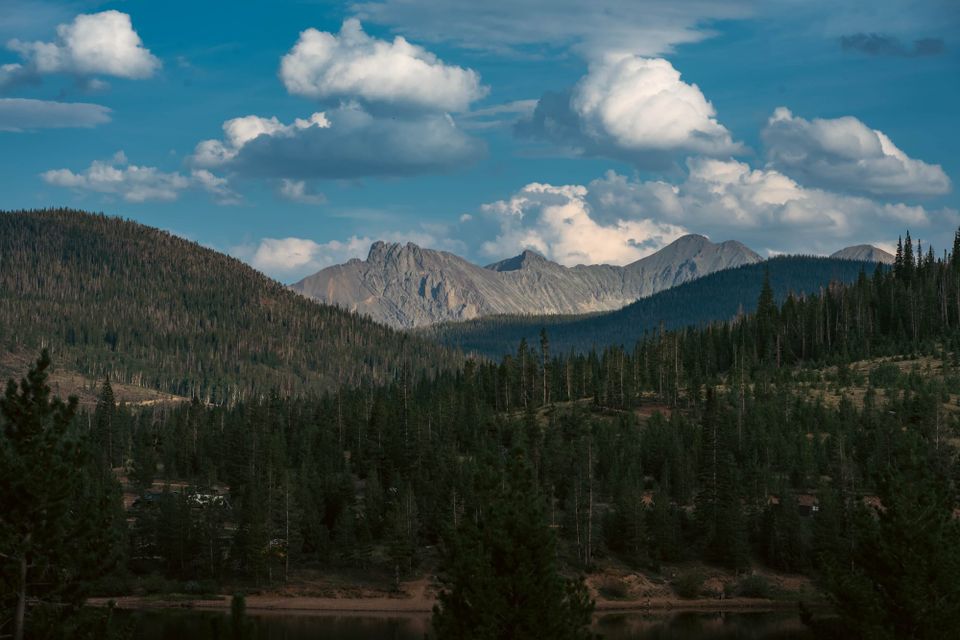
After several weeks of hiking through Colorado on foot, State Forest State Park gave us something we had not had much of lately: space to stay put.
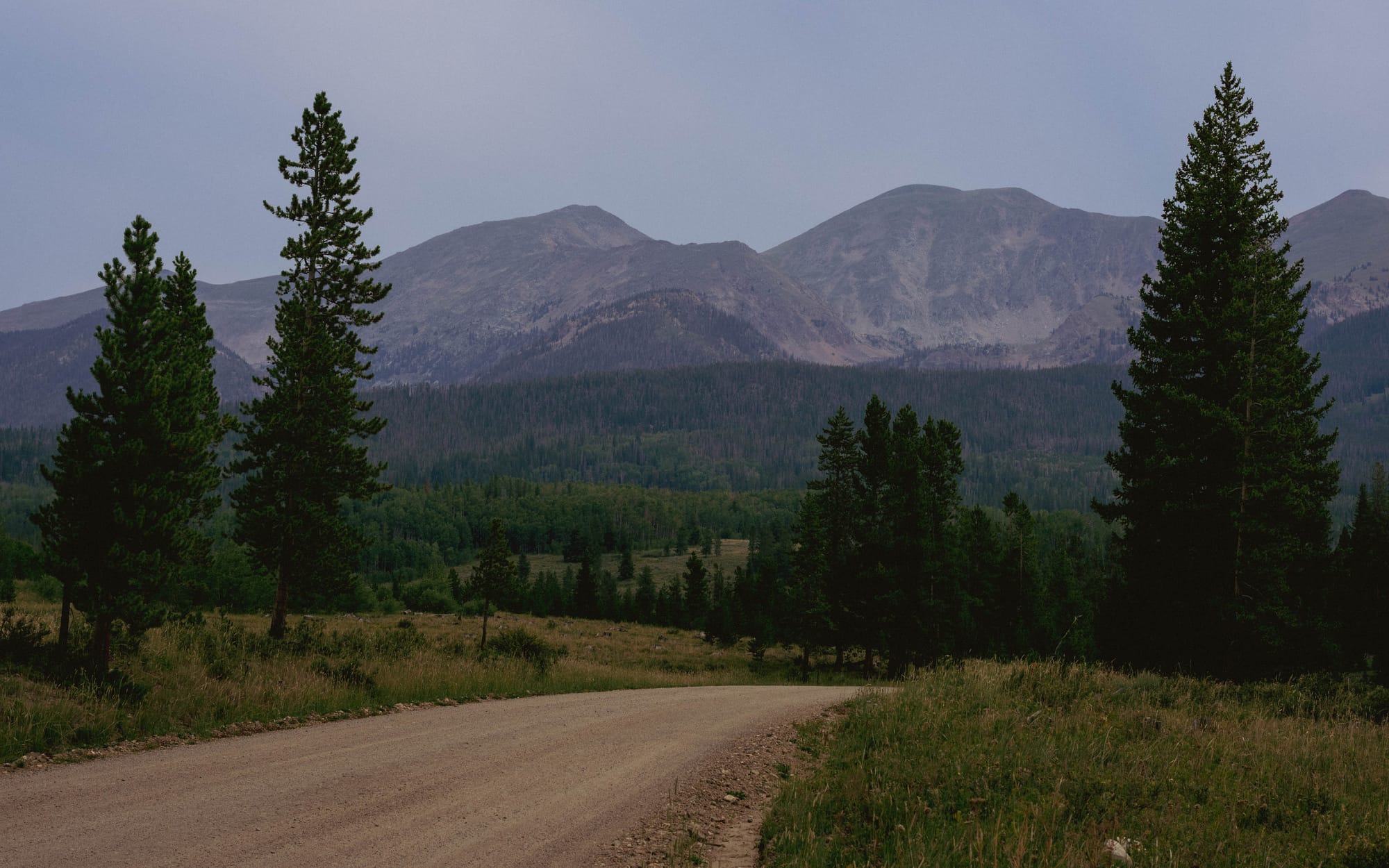
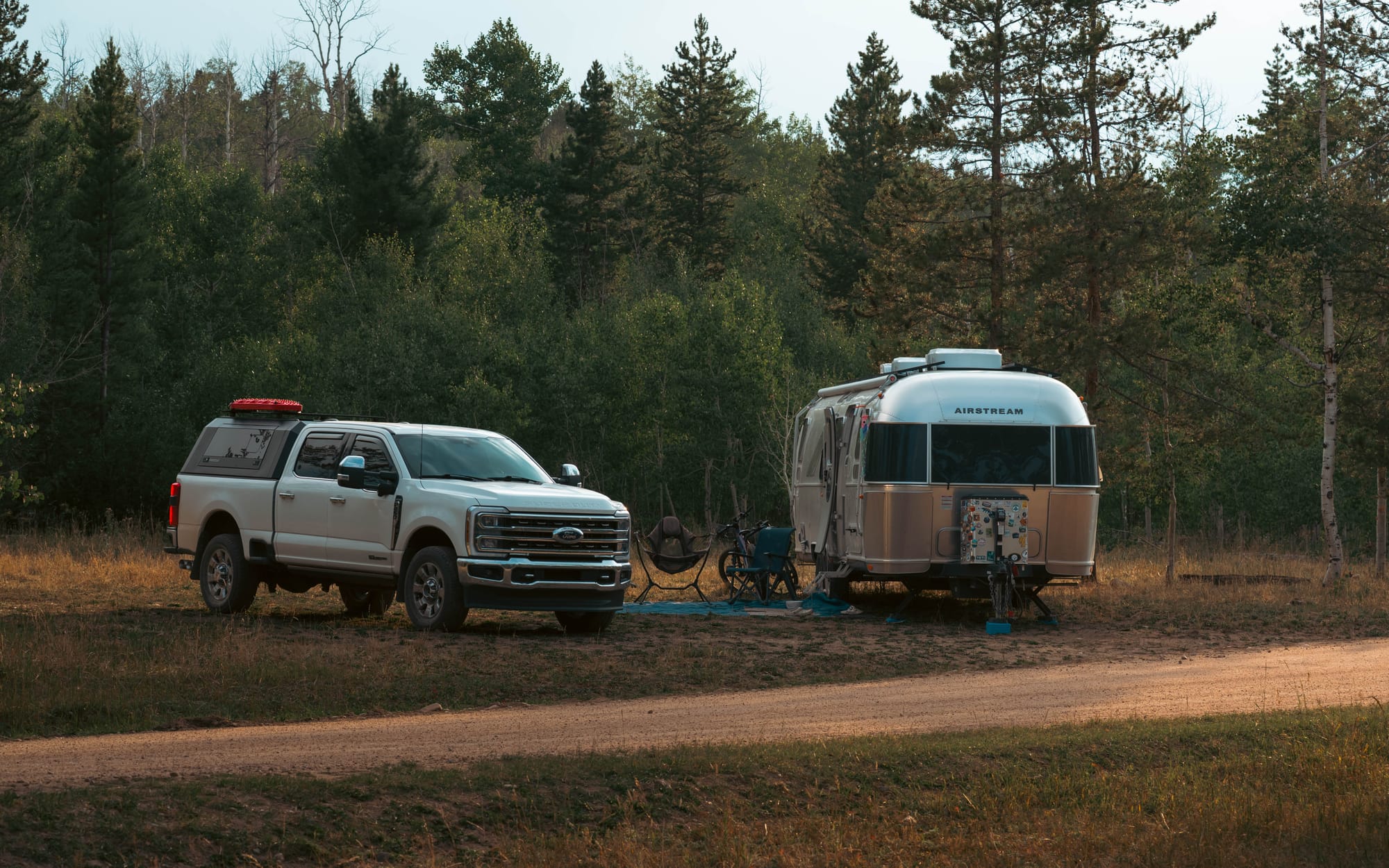
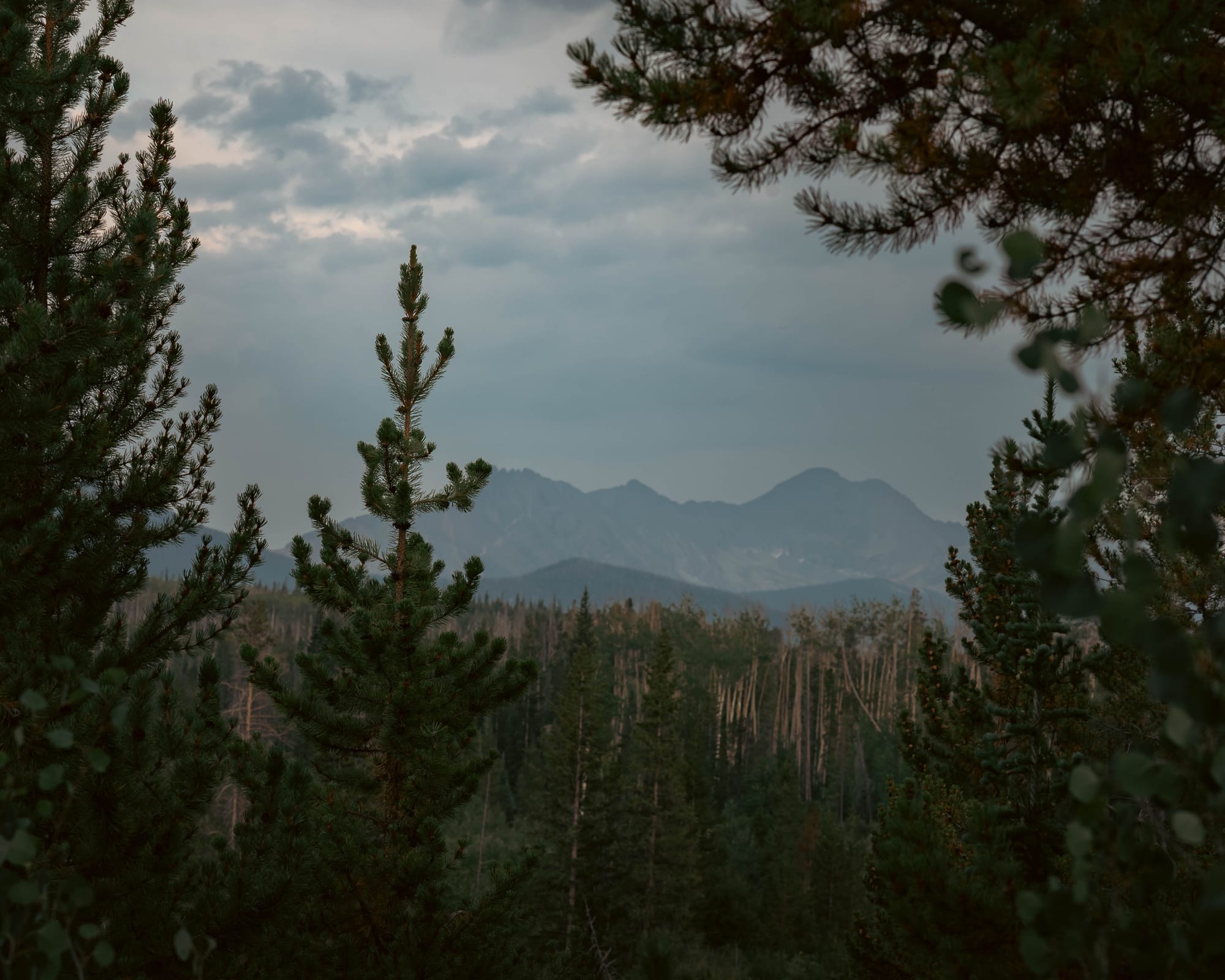
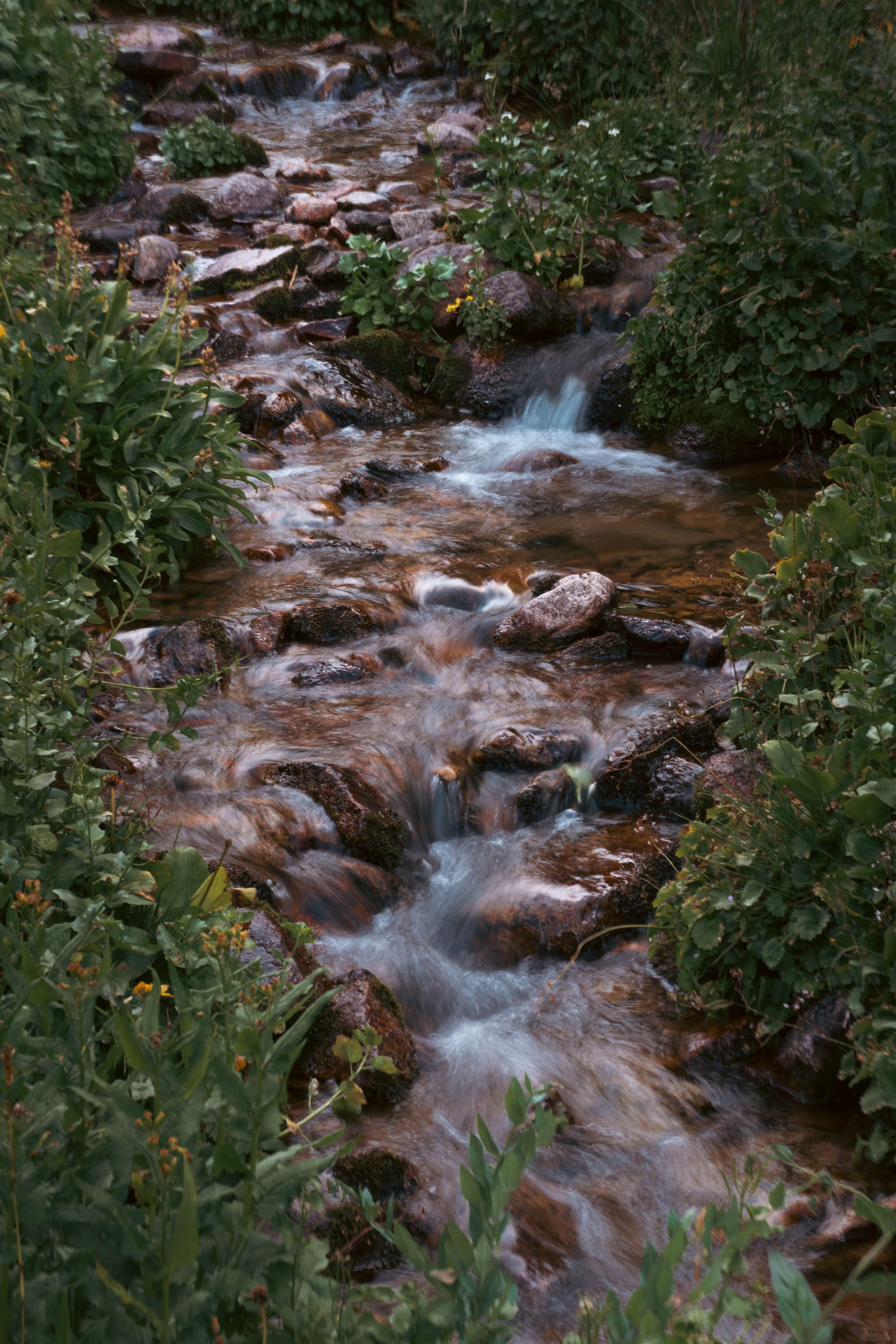
We followed the park roads deep into the Primitive Loop, eventually reaching site 464 after miles of dirt road. There were only a handful of sites spread along a long stretch of road, and ours opened into a huge clearing with a creek behind us and mountain views beyond camp.
Calling it a campsite undersells the amount of room we had.
It was one of the most remote places we had parked Eleanor.
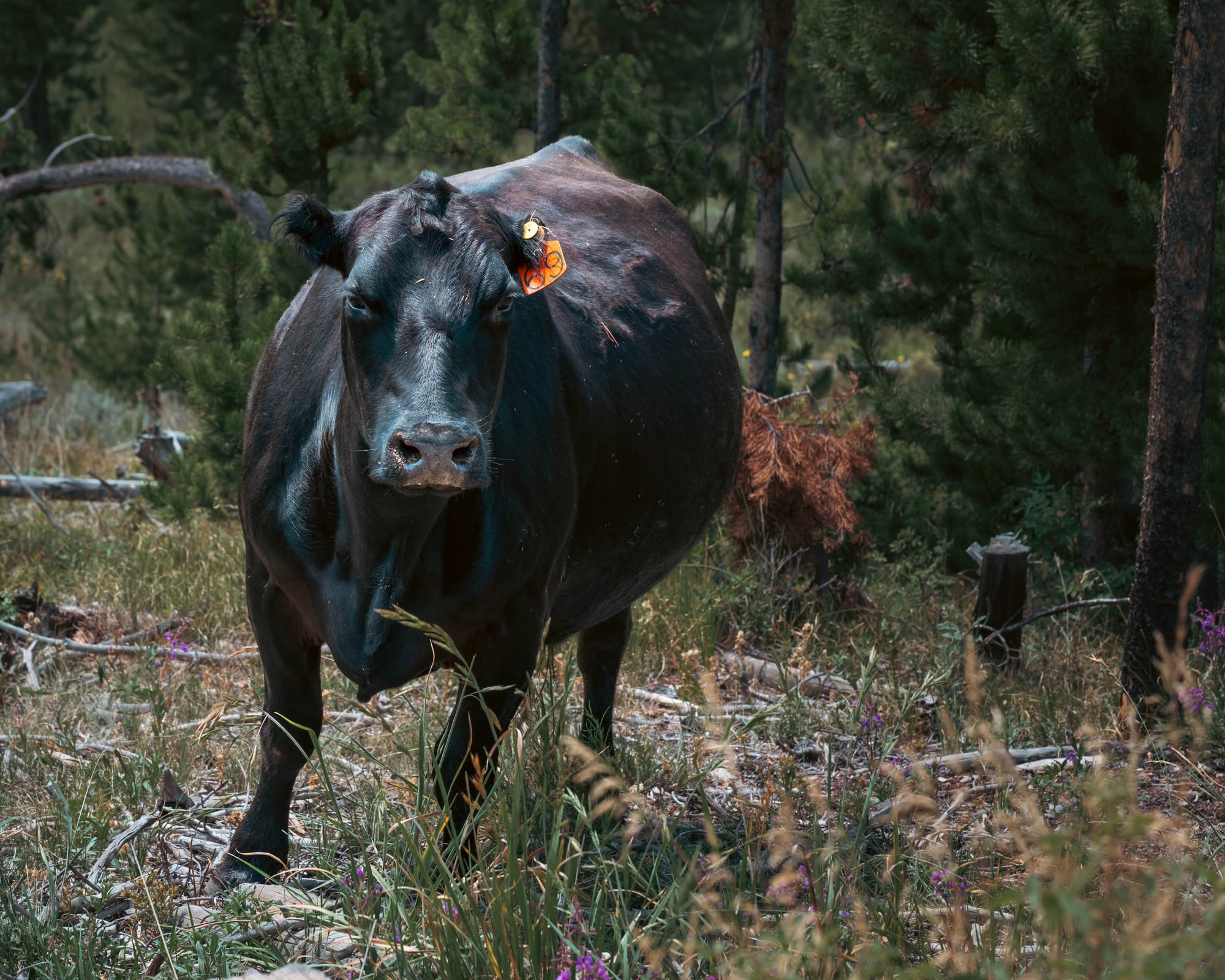
Then Ktaadn rolled in cow poop.
Within about twenty minutes of arriving, setup stopped so we could give her a bath after she enthusiastically rolled in a fresh pile. Meanwhile, Akela seemed more interested in eating the evidence.
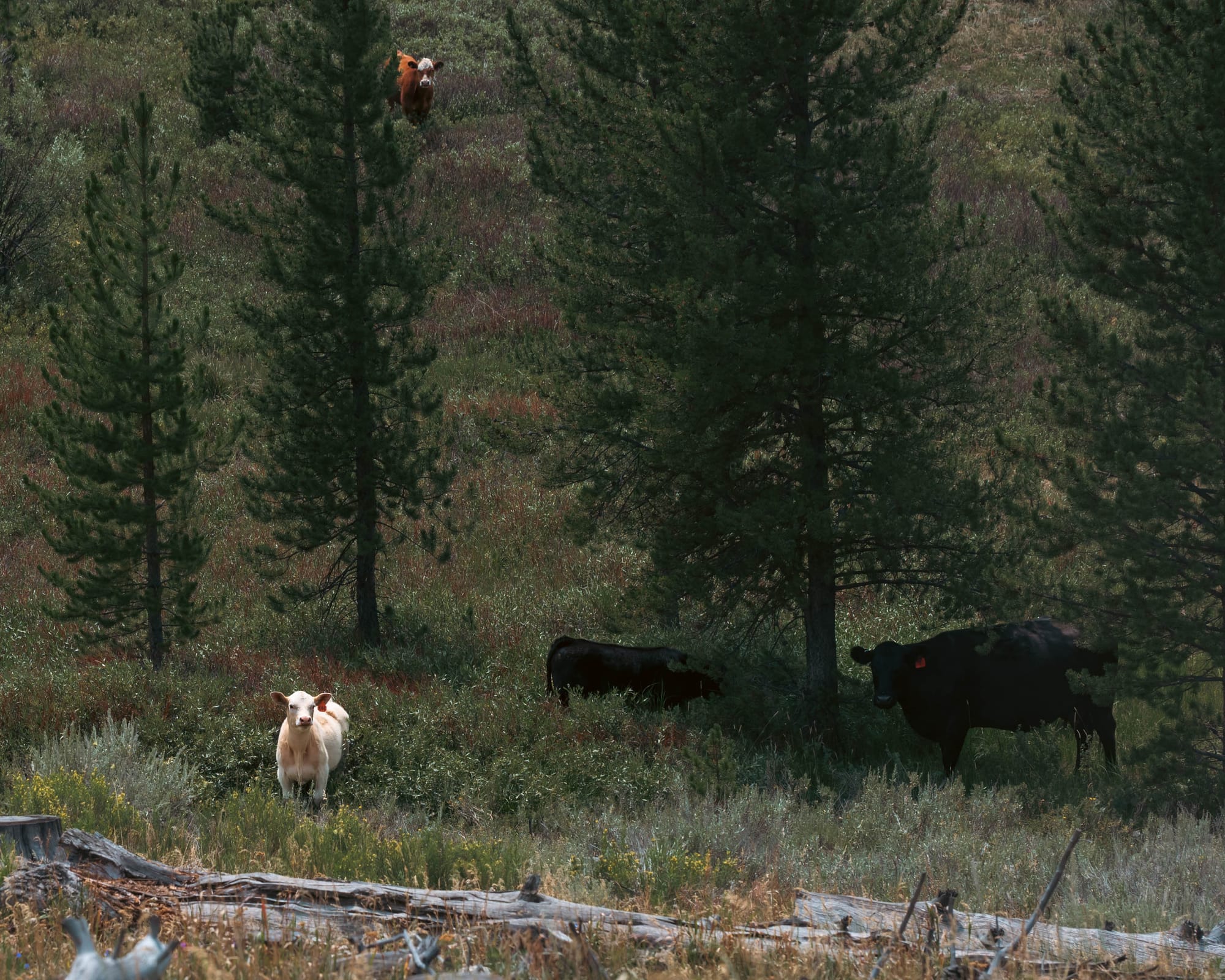
That was the tradeoff. The site felt almost like camping in a National Forest, but cattle roam parts of the park, and our clearing was covered in reminders.
🧭 Lay of the Land
- Location: State Forest State Park · Colorado · 40.5115, -106.0103 · Google Maps
- Official site: State Forest State Park · Colorado Parks and Wildlife
- Landscape: Medicine Bow & Never Summer high country · Forested valleys · Jagged peaks · Alpine lakes
- Our visit: August 2026 · 5 nights · 72–79°F days / 35–39°F nights · intermittent storms · rain on departure
🏕 Camp Setup
- Site types: Primitive · Tent camping · Electric hookups · Backcountry
- Arrival & setup: Easy
- Hookups: 🧻
- Connectivity: 📶 AT&T ❌ | 📶 Verizon ❌ | 📶 T-Mobile ❌ | 📡 Starlink 🟢 | 📶 Park Wi-Fi ⟂
- Facilities: Vault Toilet · Water spigots / hand pumps · Dump station
Legend:
🚽 = sewer at site · 🧻 = dump station
🟢 = solid for work · ⚠️ = usable with limits · ❌ = unusable
Park Highlights
State Forest State Park has one of the more ridiculous names in the state park system.
It is also surprisingly accurate.
The park occupies much of the Colorado State Forest, a large block of state trust land created in 1938 through a land exchange with the U.S. Forest Service. Forestry, grazing, wildlife management, and recreation have all remained part of how the property is used. Colorado State Parks began managing recreation there in the early 1970s, creating State Forest State Park within the larger state forest.
That history helps explain why the place feels different from a conventional state park.
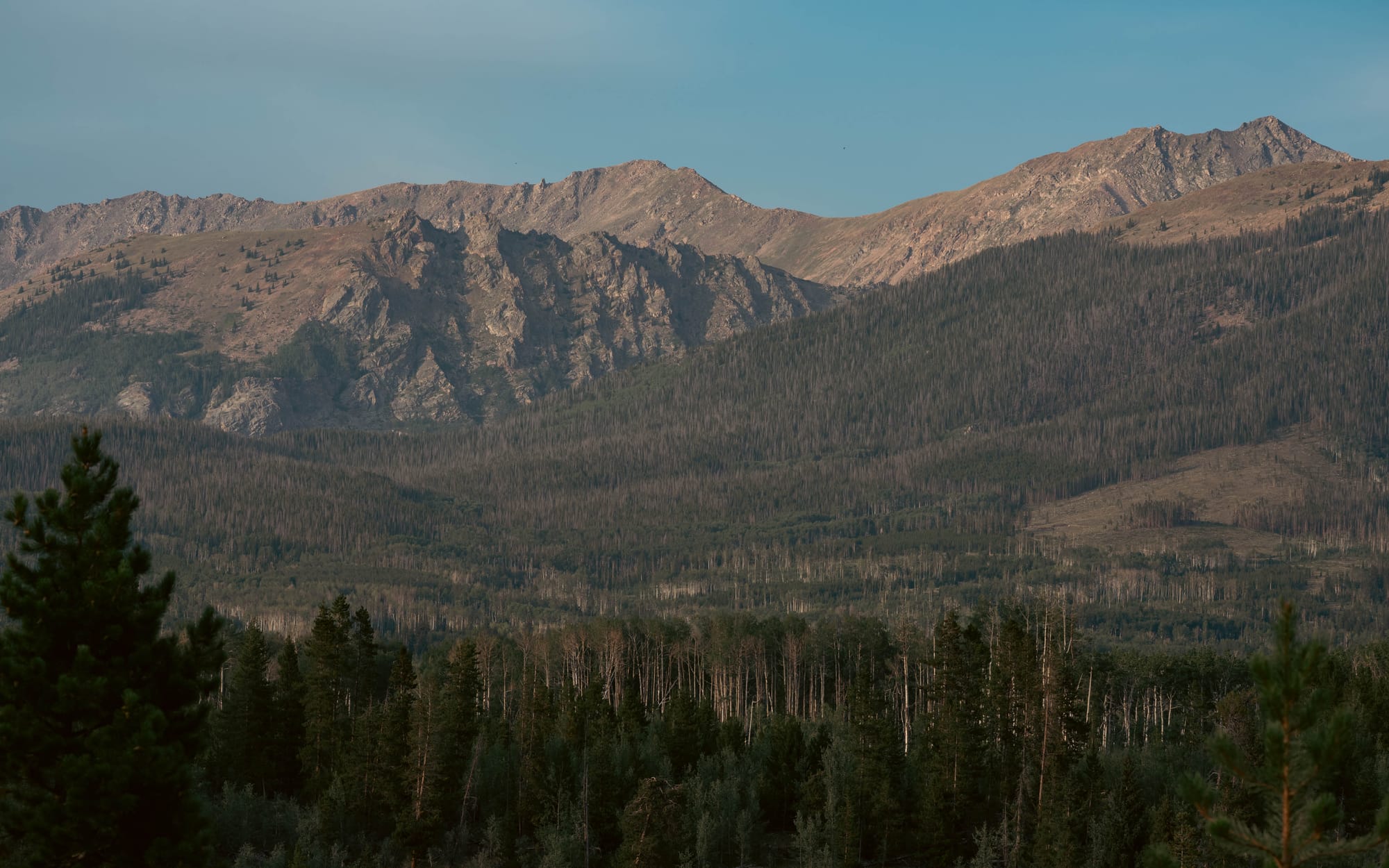
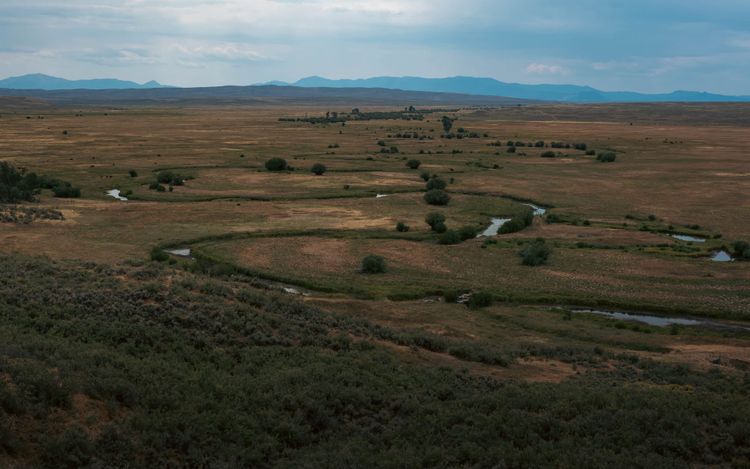
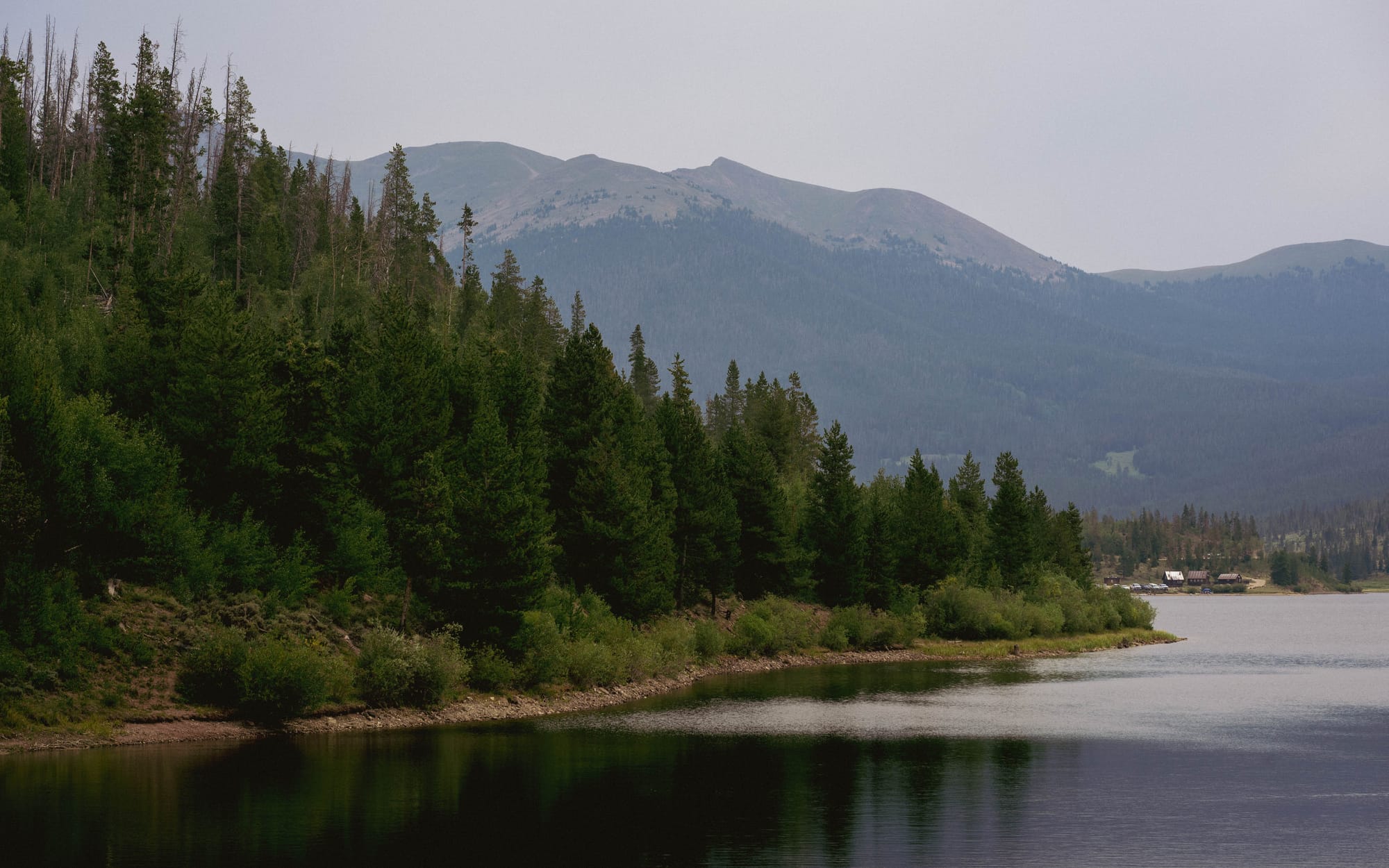
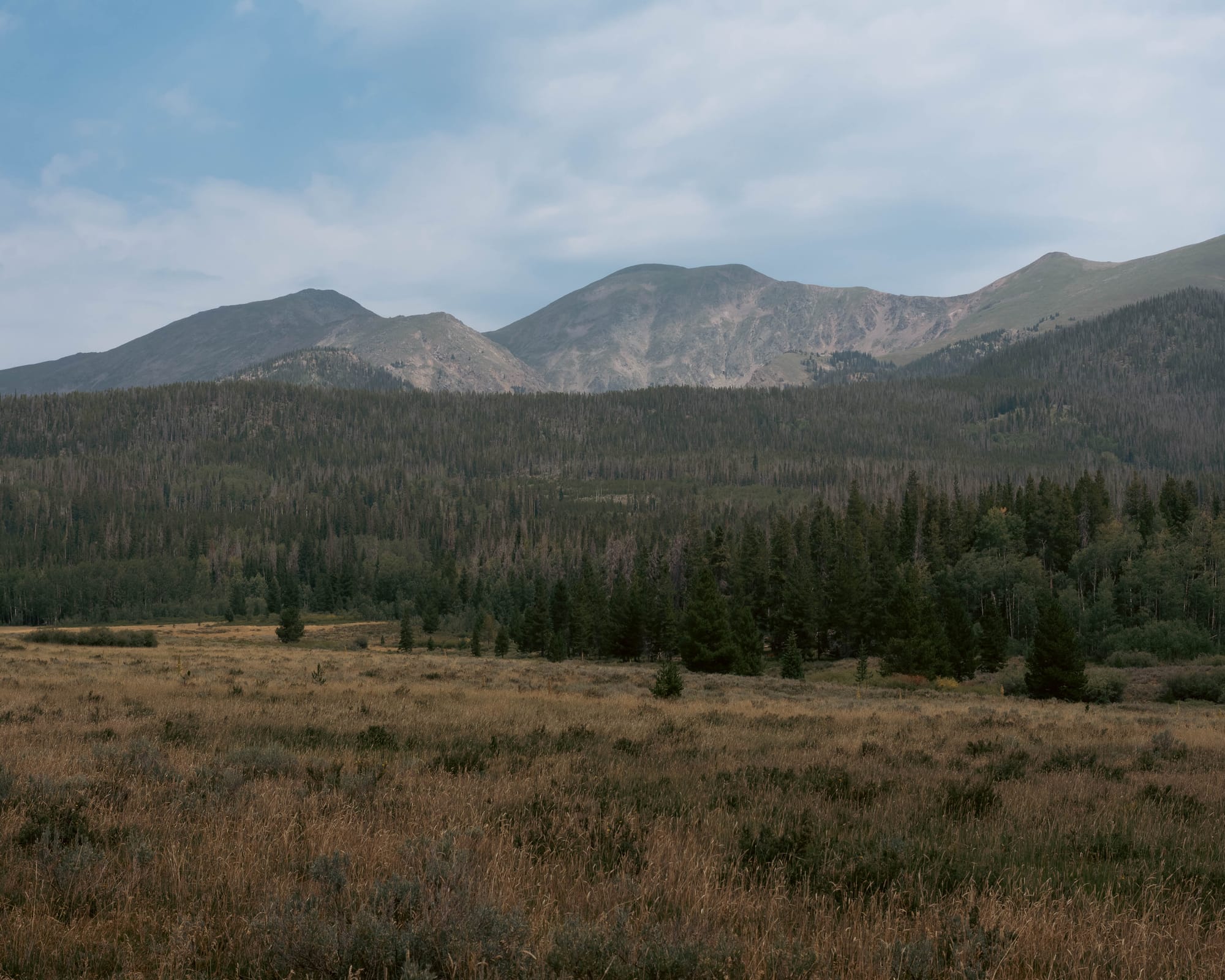
This is not a compact recreation area wrapped around one lake or campground. State Forest spreads across nearly 71,000 acres of North Park, along the western side of the Medicine Bow Mountains and into the northern Never Summer Range.
The landscape changes dramatically across that space.
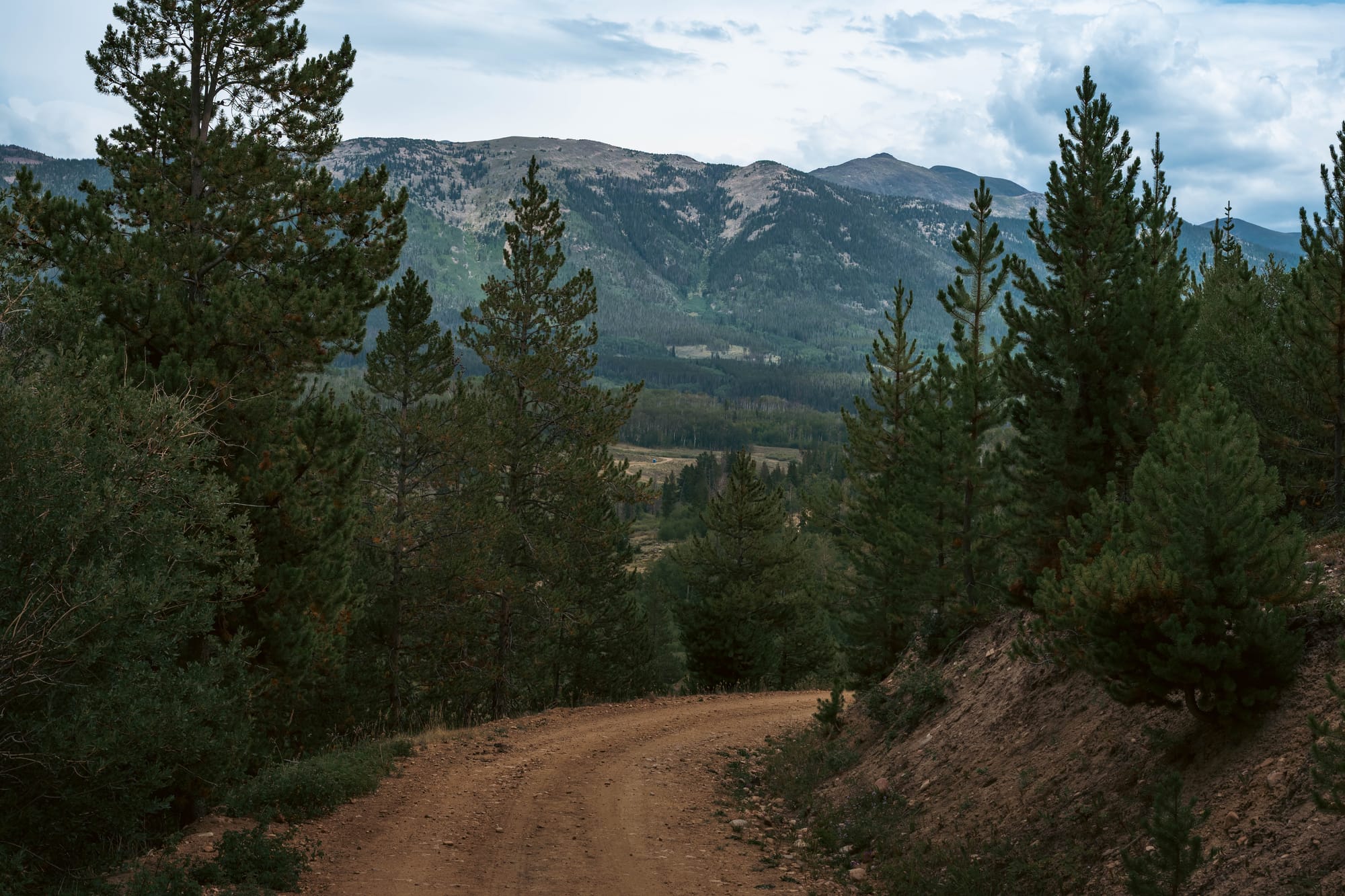
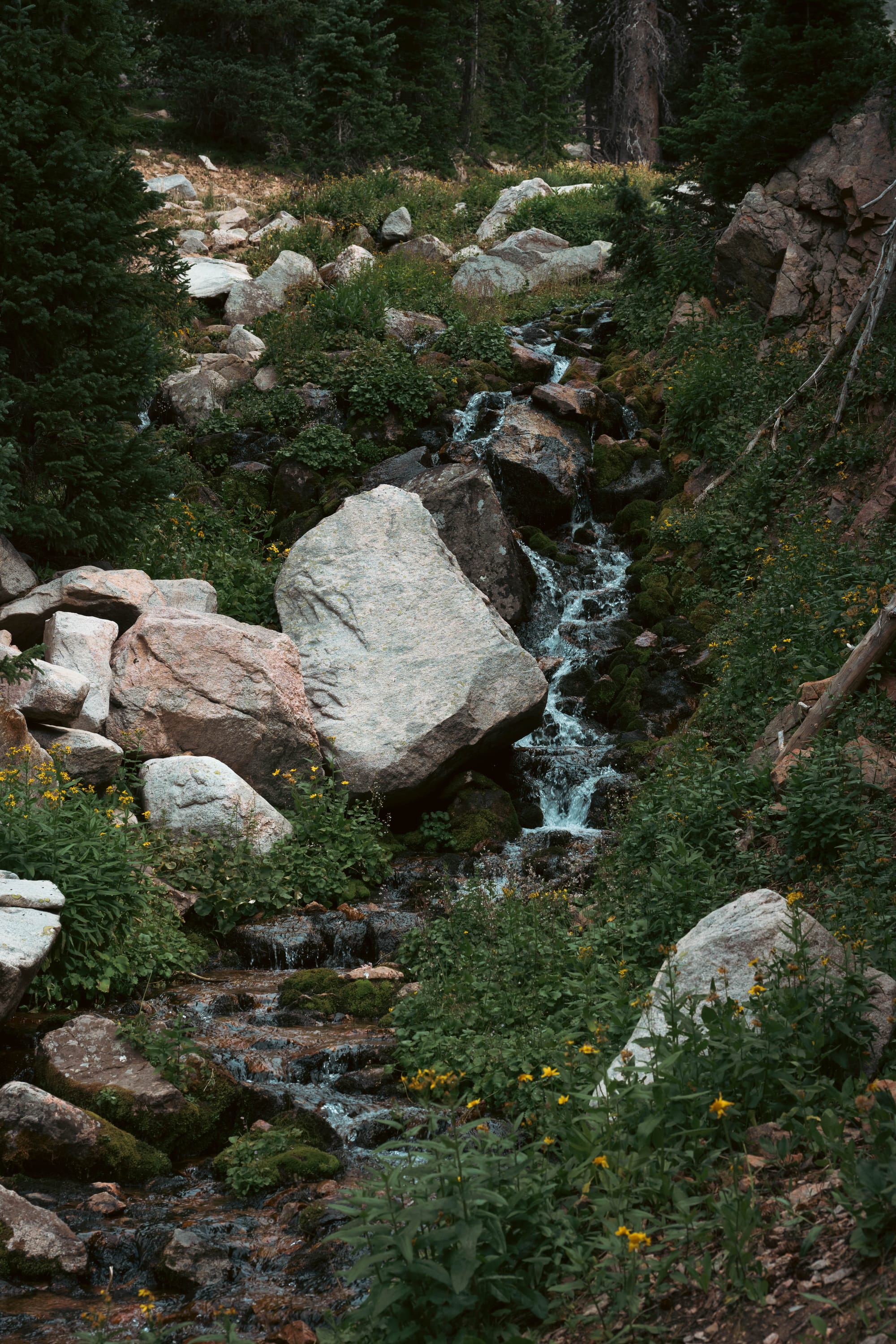
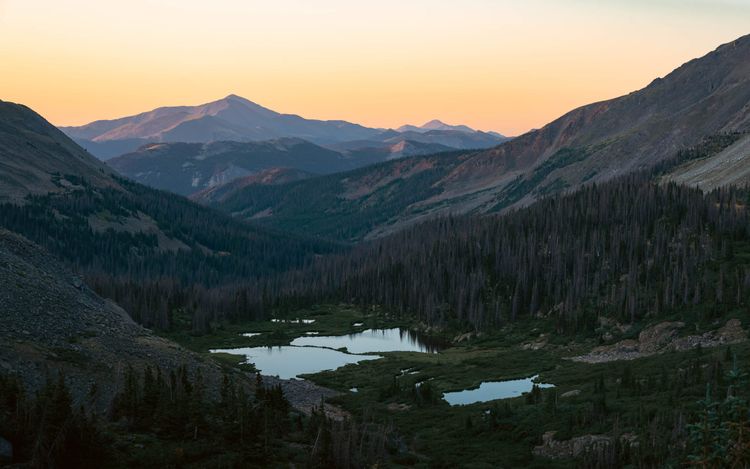
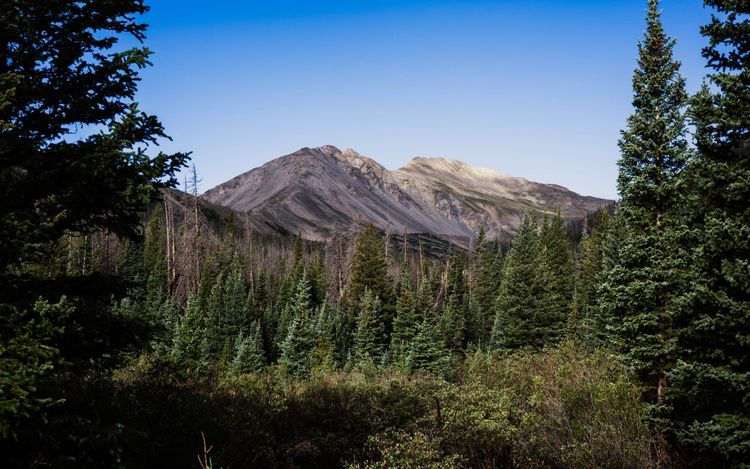
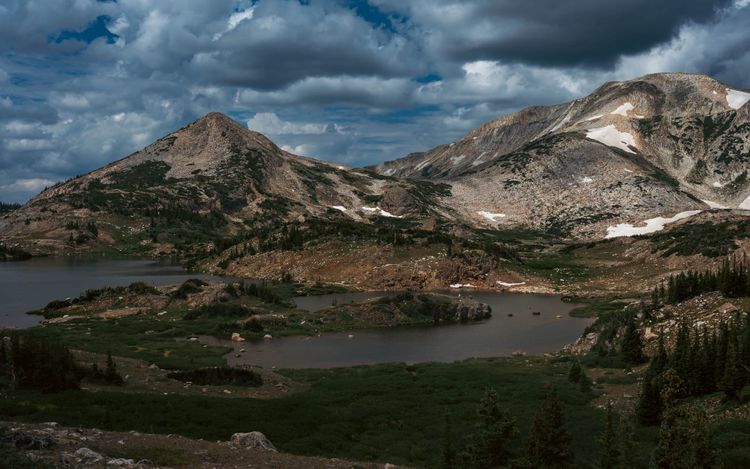
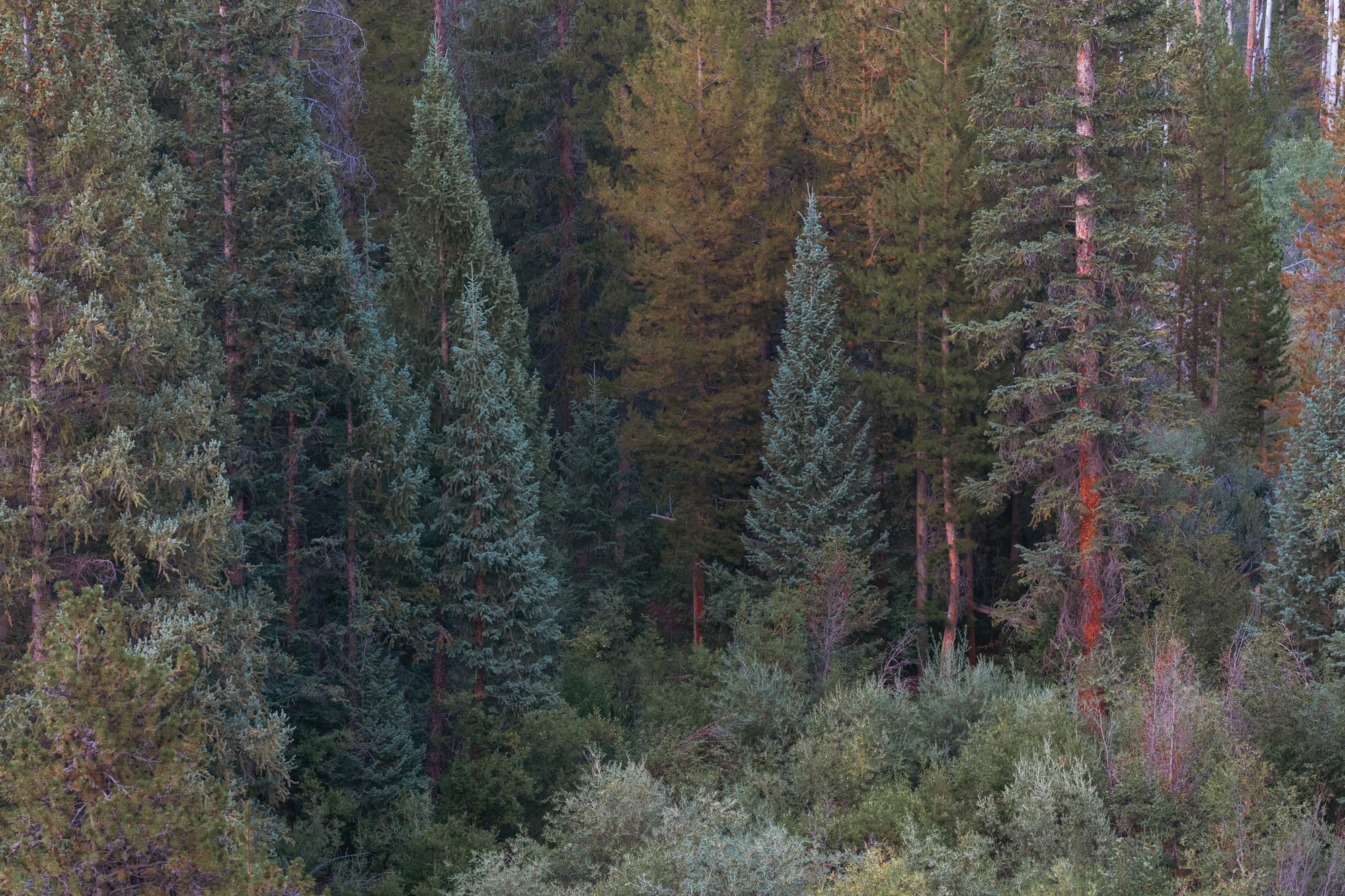
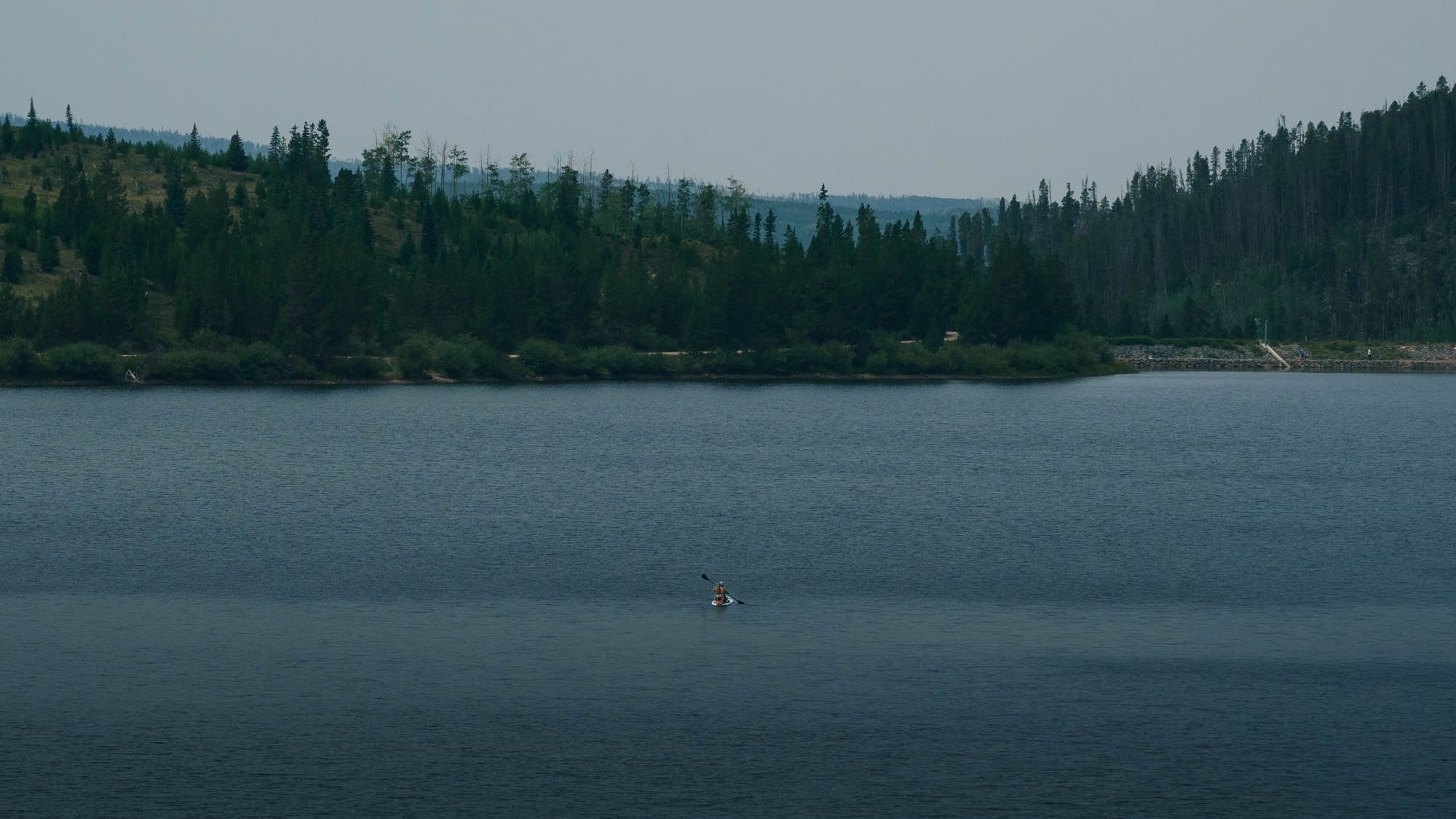
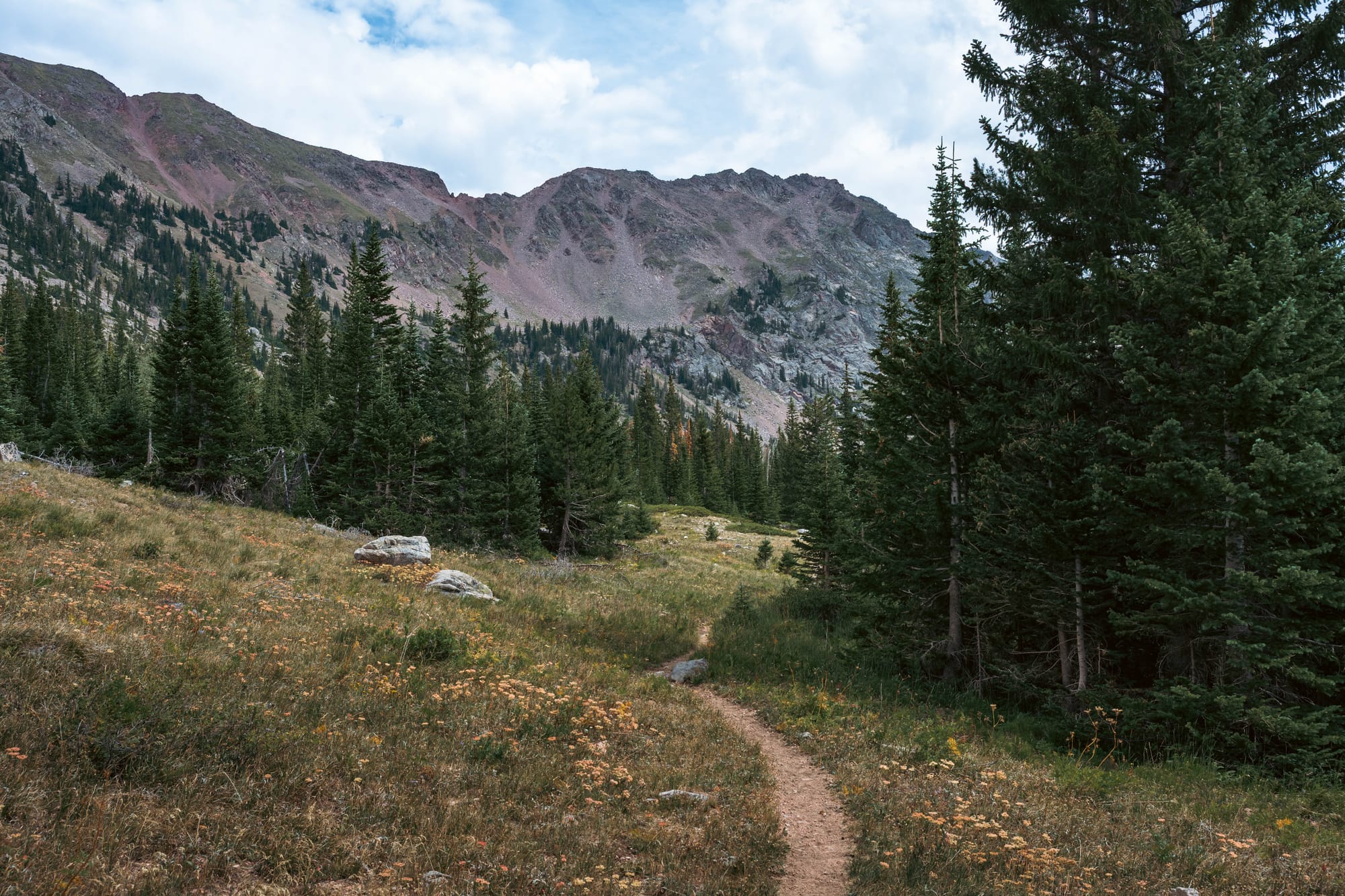
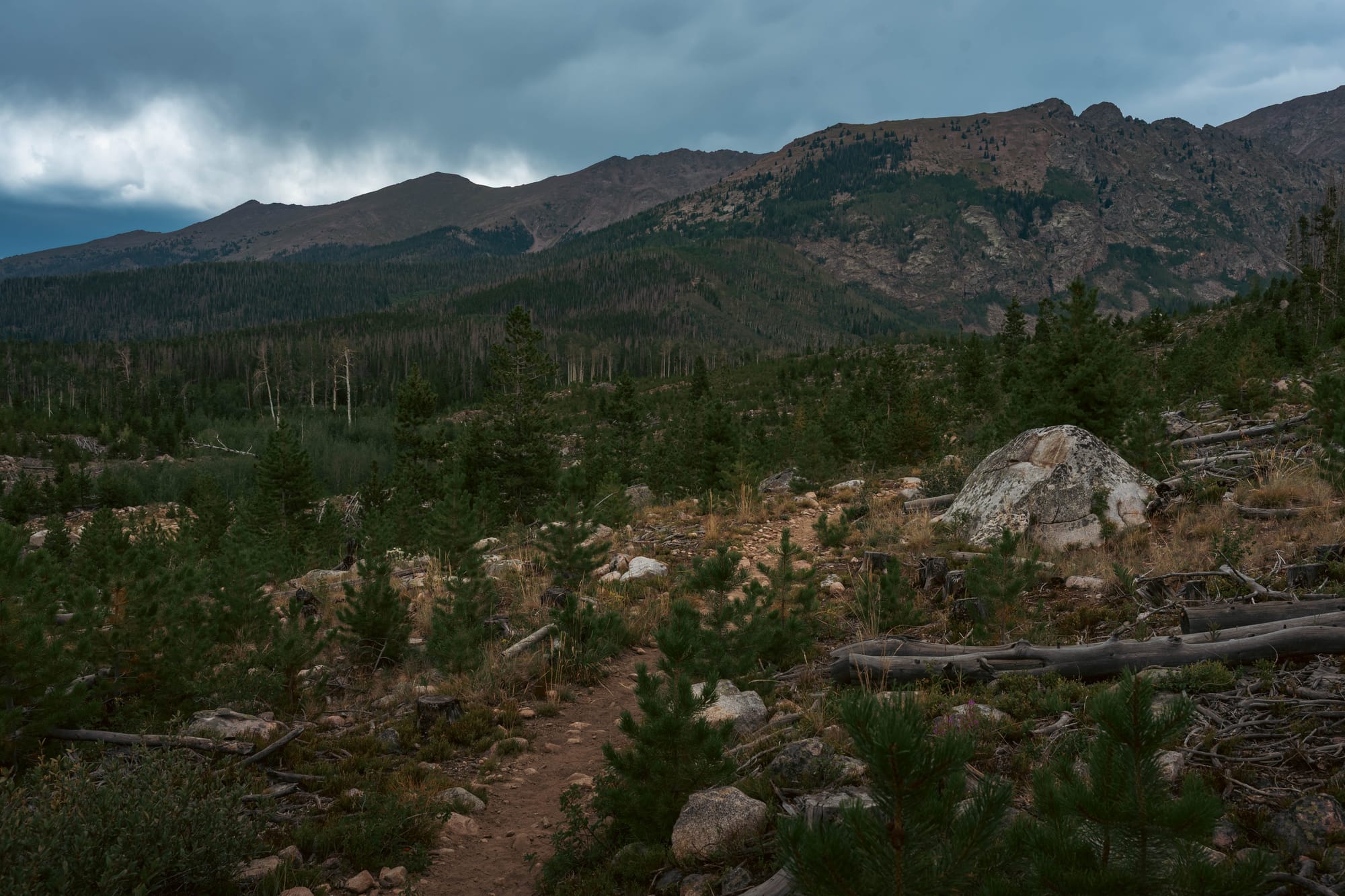
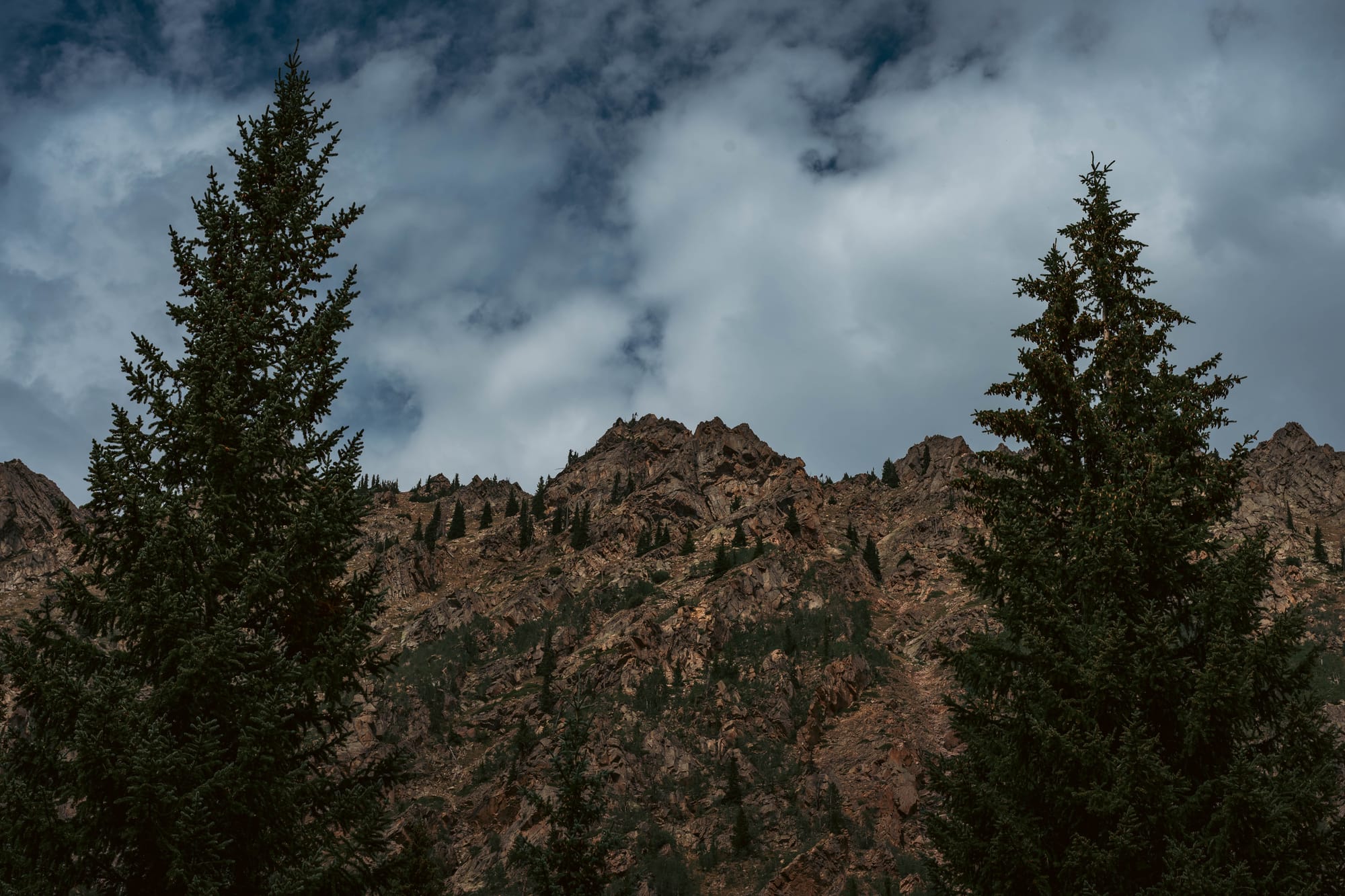
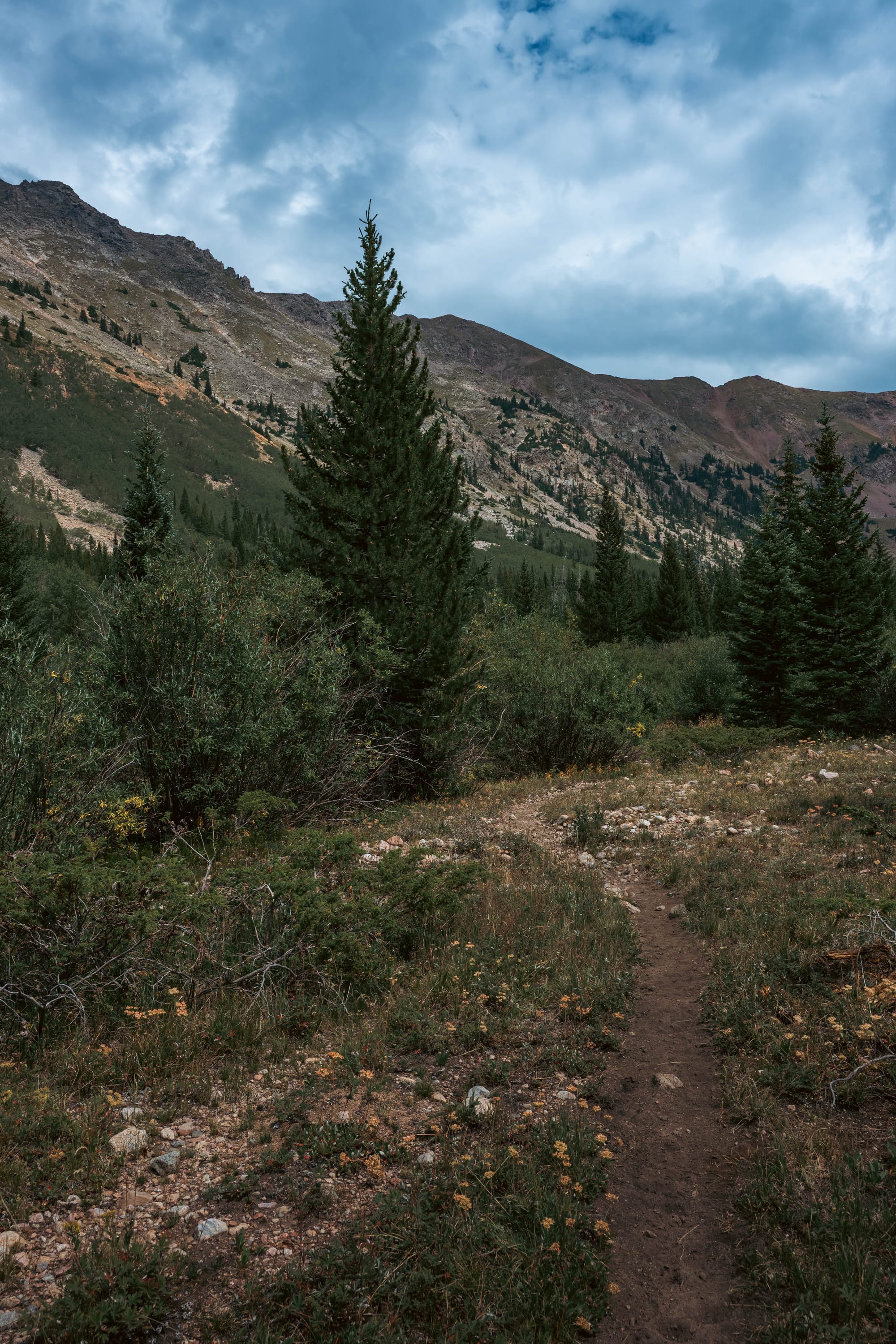
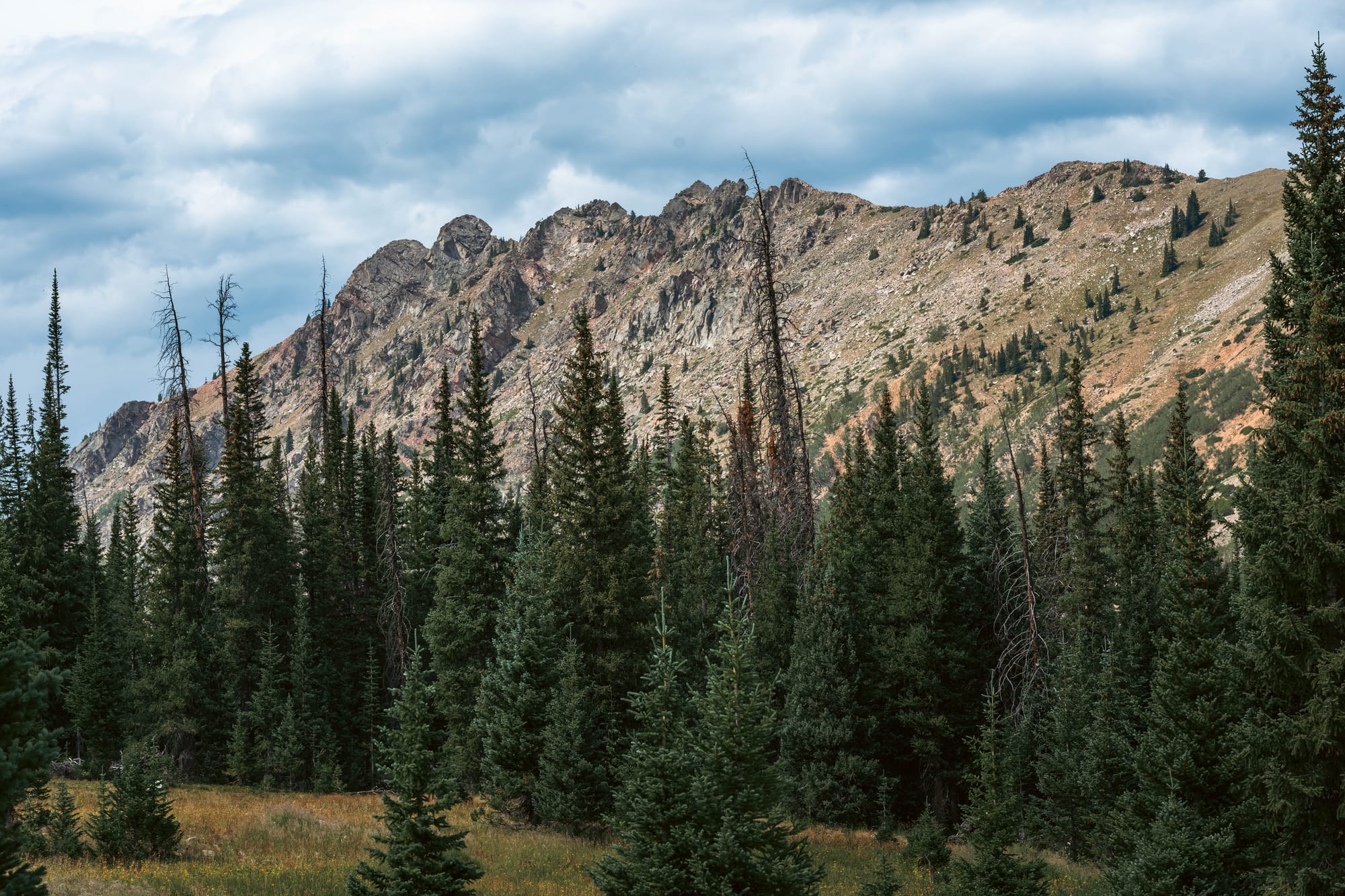
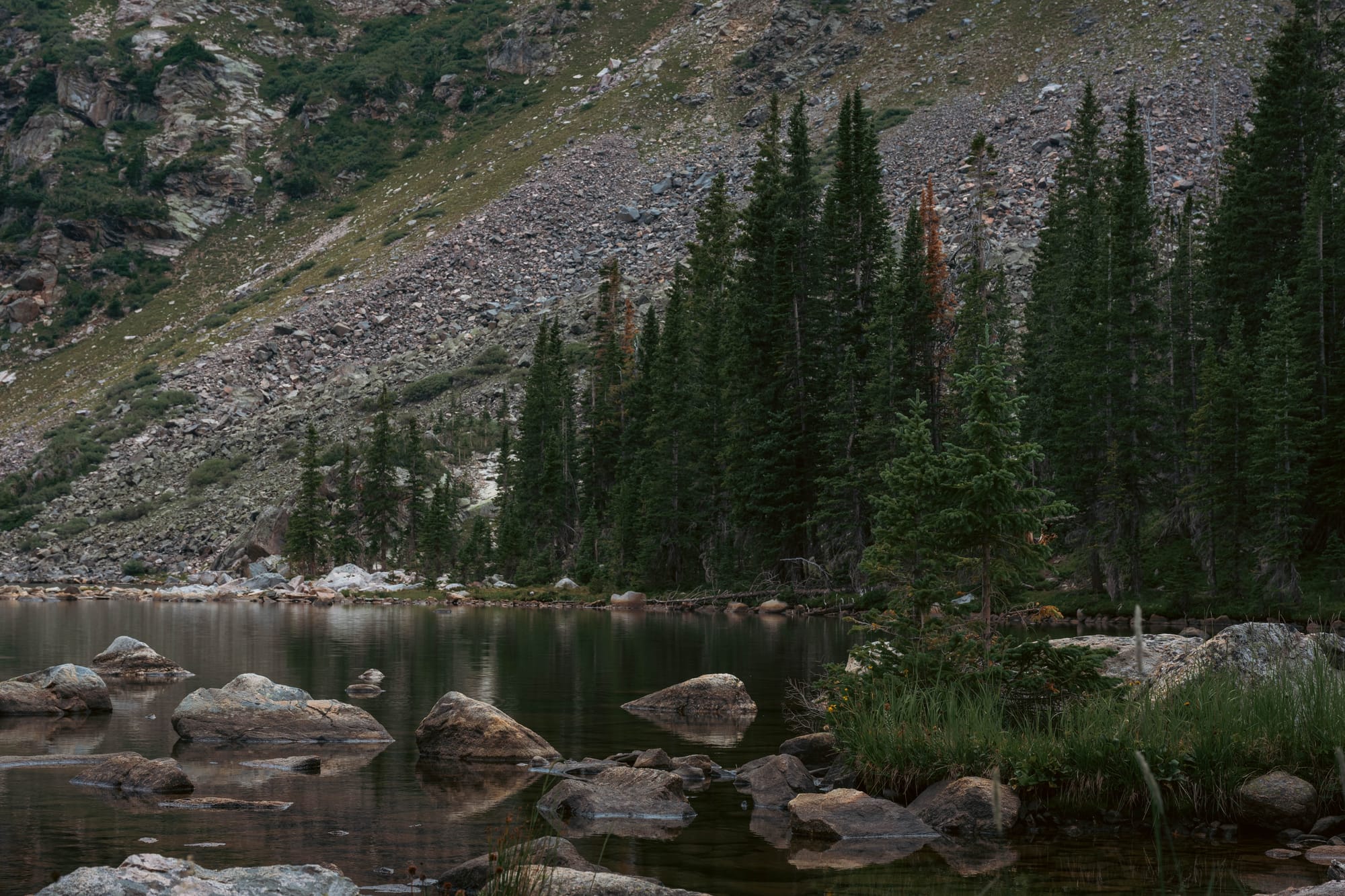
There are forested creek valleys, reservoirs, alpine lakes, jagged peaks, and glacially carved basins. The park even contains a cold-climate dune system along the eastern edge of North Park.
The Medicine Bow side of the park also helped orient a landscape we had already encountered. Earlier in the summer, we had camped near Ryan Park in Wyoming's Snowy Range, another part of the broader Medicine Bow Mountains. State Forest brought us back to the same mountain system from its Colorado side, with North Park spreading out below it.
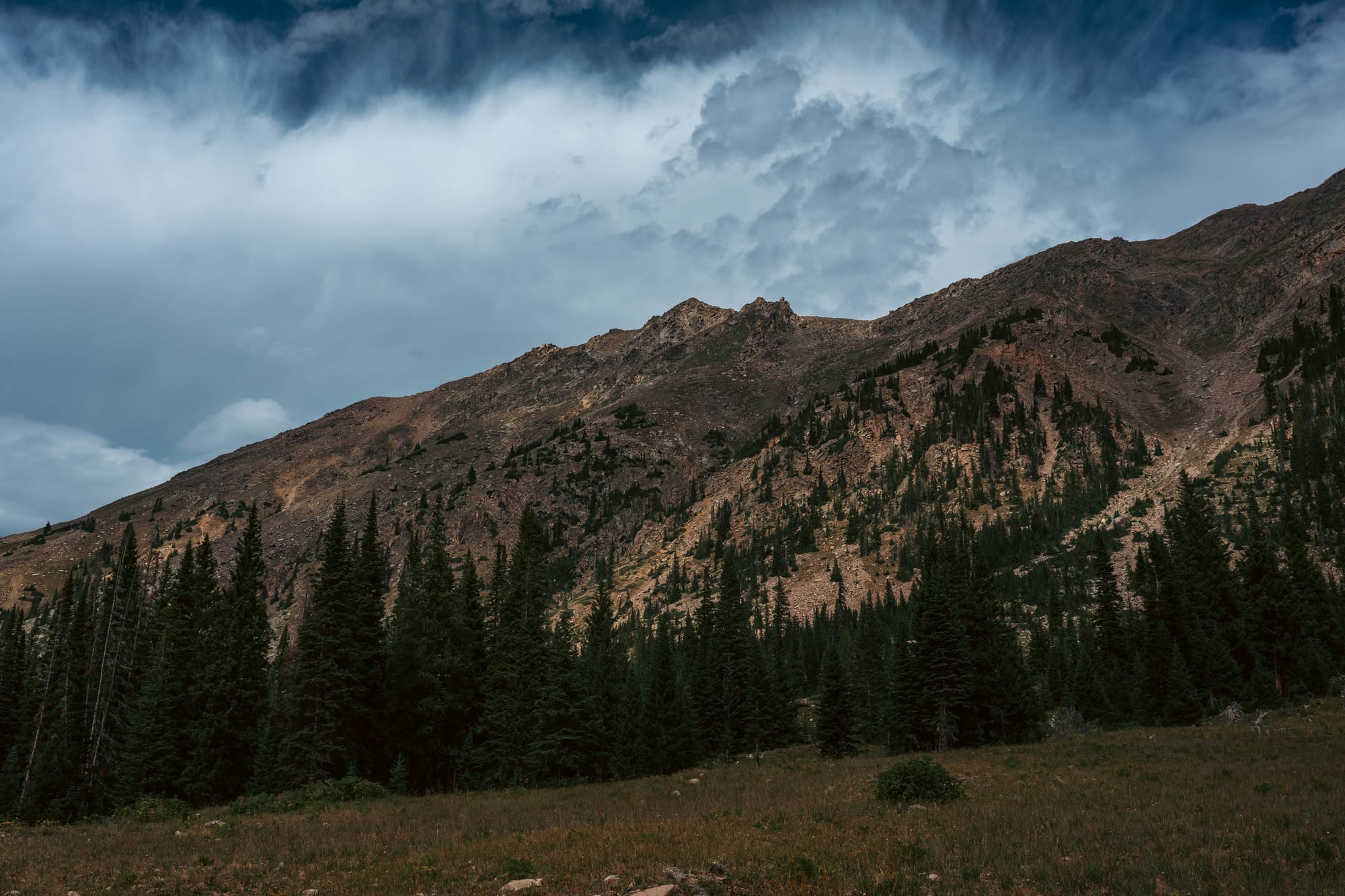
The geology explains some of the park's ruggedness.
Crustal uplift and faulting raised the Medicine Bow Range, while later erosion exposed steep slices of rock. Glaciers then carved cirques into the higher country, leaving behind many of the alpine basins and lakes scattered through the park today. The Nokhu Crags are one of the most dramatic examples, their near-vertical layers exposed by faulting and erosion.
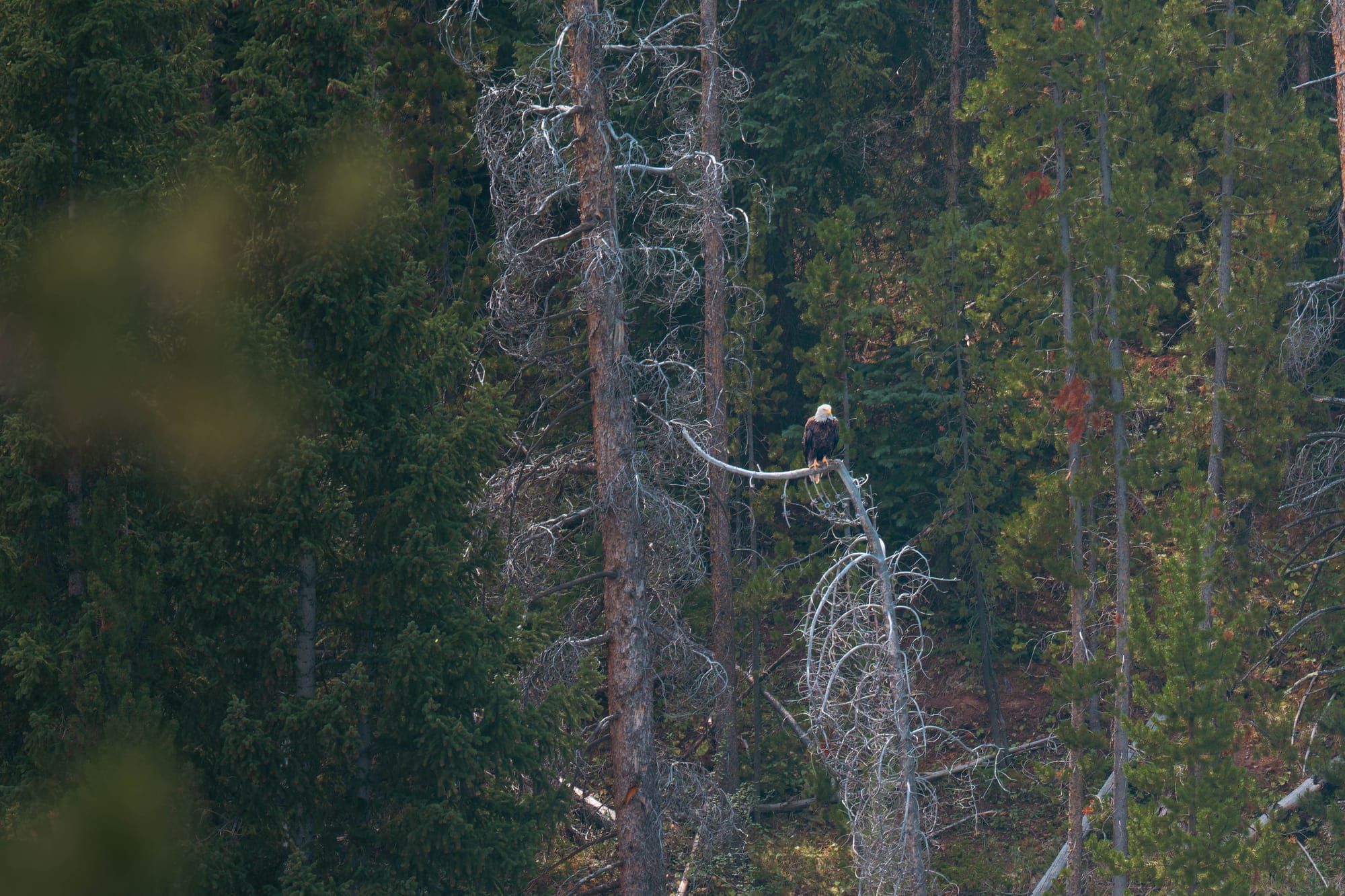
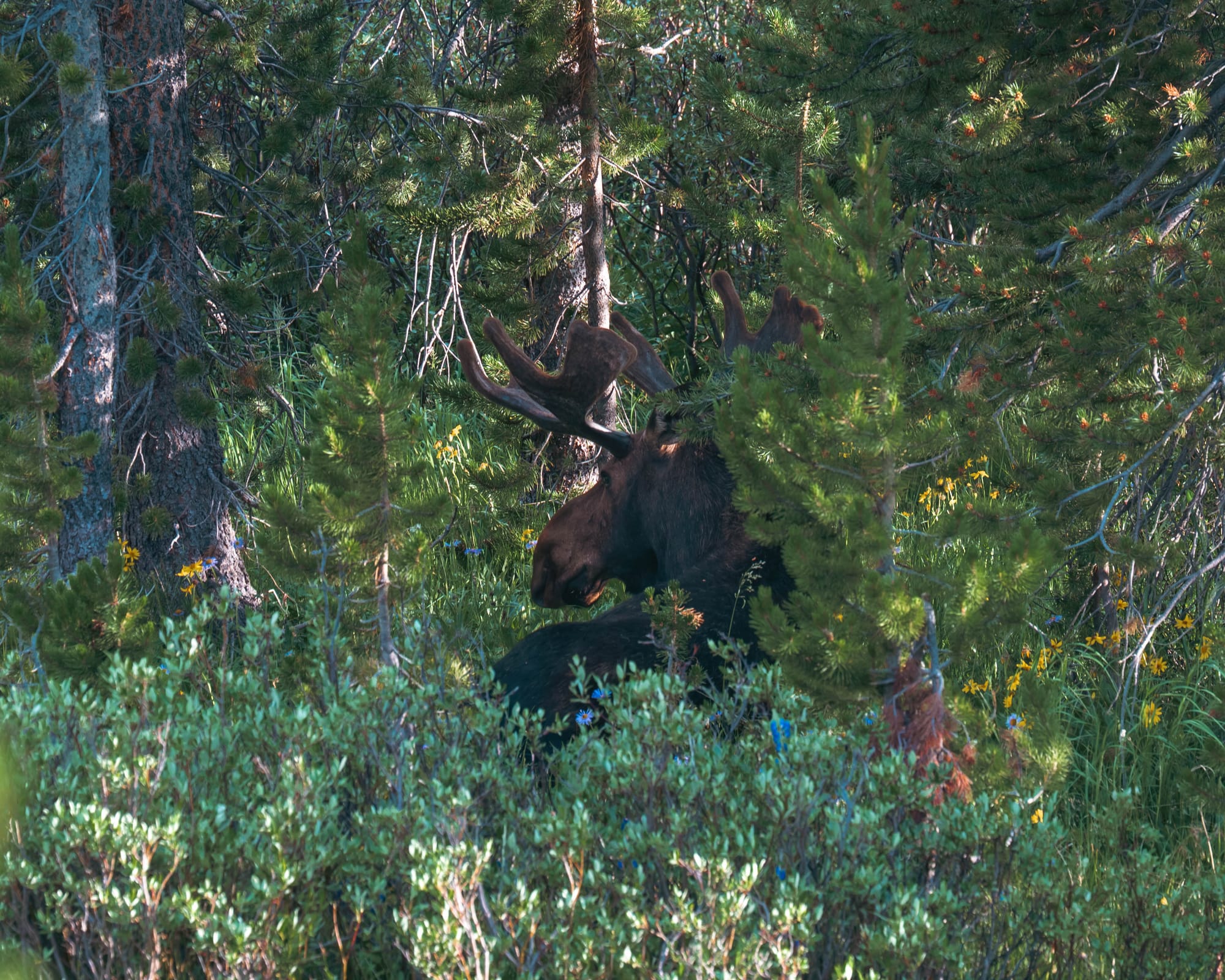
Moose are another defining part of the landscape. North Park was where Colorado established its first successful breeding population in 1978, and State Forest remains one of the best-known places in the state to see them.
We saw several during our stay, including on the regular walks we took from camp.
🚴 On the Ground
- Activities available: ● 🥾 Hiking | ● 🚴 Biking | ● 🐕 Dogs | ● 🚣 Paddling | ● 🎣 Fishing | ● 🐦 Wildlife / Birding | ○ 🏊 Swimming | ● 📸 Photography | ● 🏕️ Camp-centric | ○ 🧗 Climbing
- Trail mileage available: 🥾 90+ mi | 🚴 130 mi | 🚣 ⟂
- Crowd level: Quiet
Legend: ● = available · ○ = not available
Exploring the Park
After so much hiking, getting back on the bikes was a welcome change.
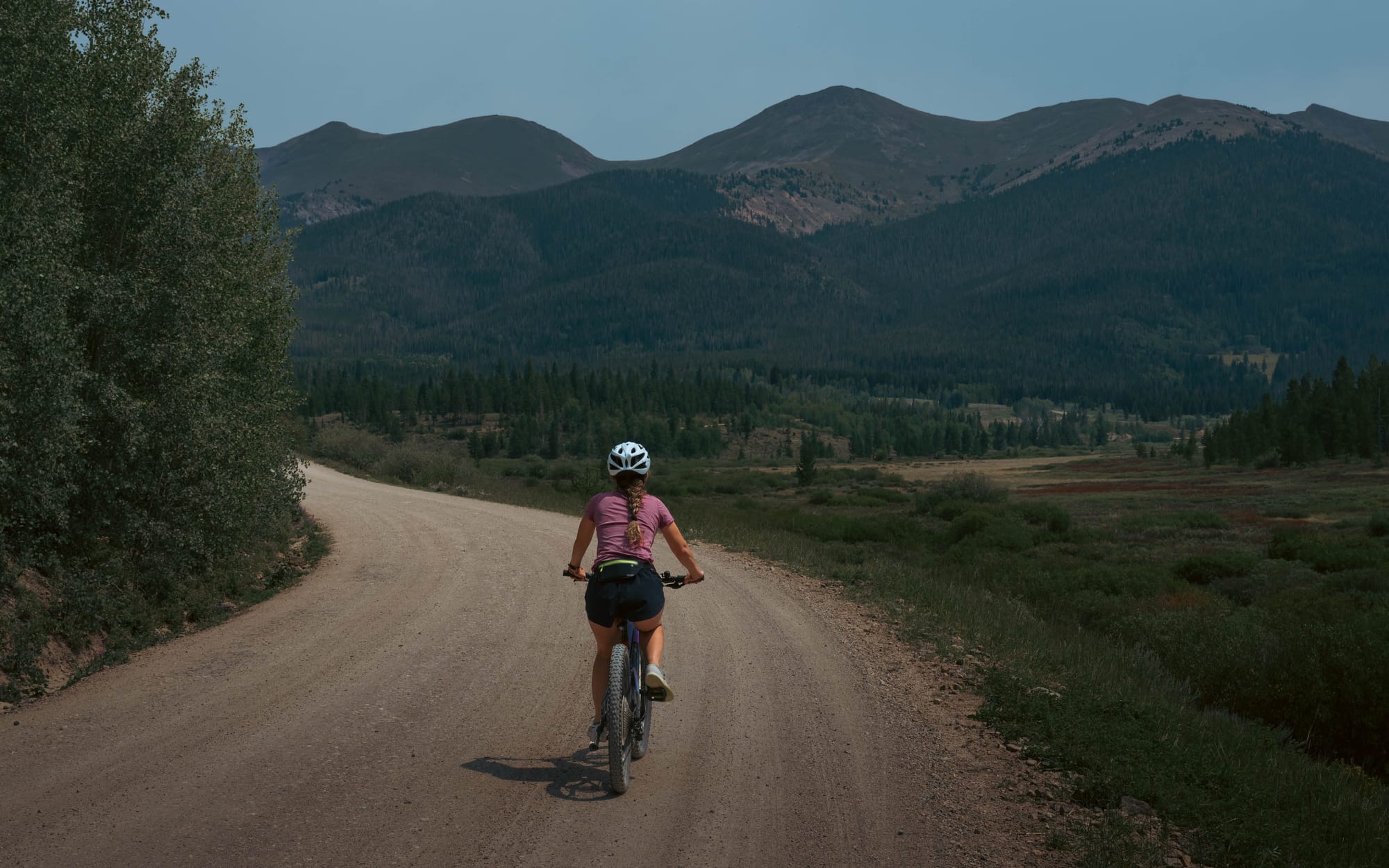
Sam and I spent one afternoon riding roughly 20 miles through gravel roads and trails around the park, stopping for photos and exploring without much of a plan.
It also reminded me that my Trek Checkpoint is a gravel bike.
Not a mountain bike.
As the roads narrowed into rougher trail, Sam's electric Marlin 8 handled the terrain far better while I bounced through rocky sections and took increasingly frequent "photo stops."
A couple of days later, I borrowed her bike for a longer outing toward Clear Lake.
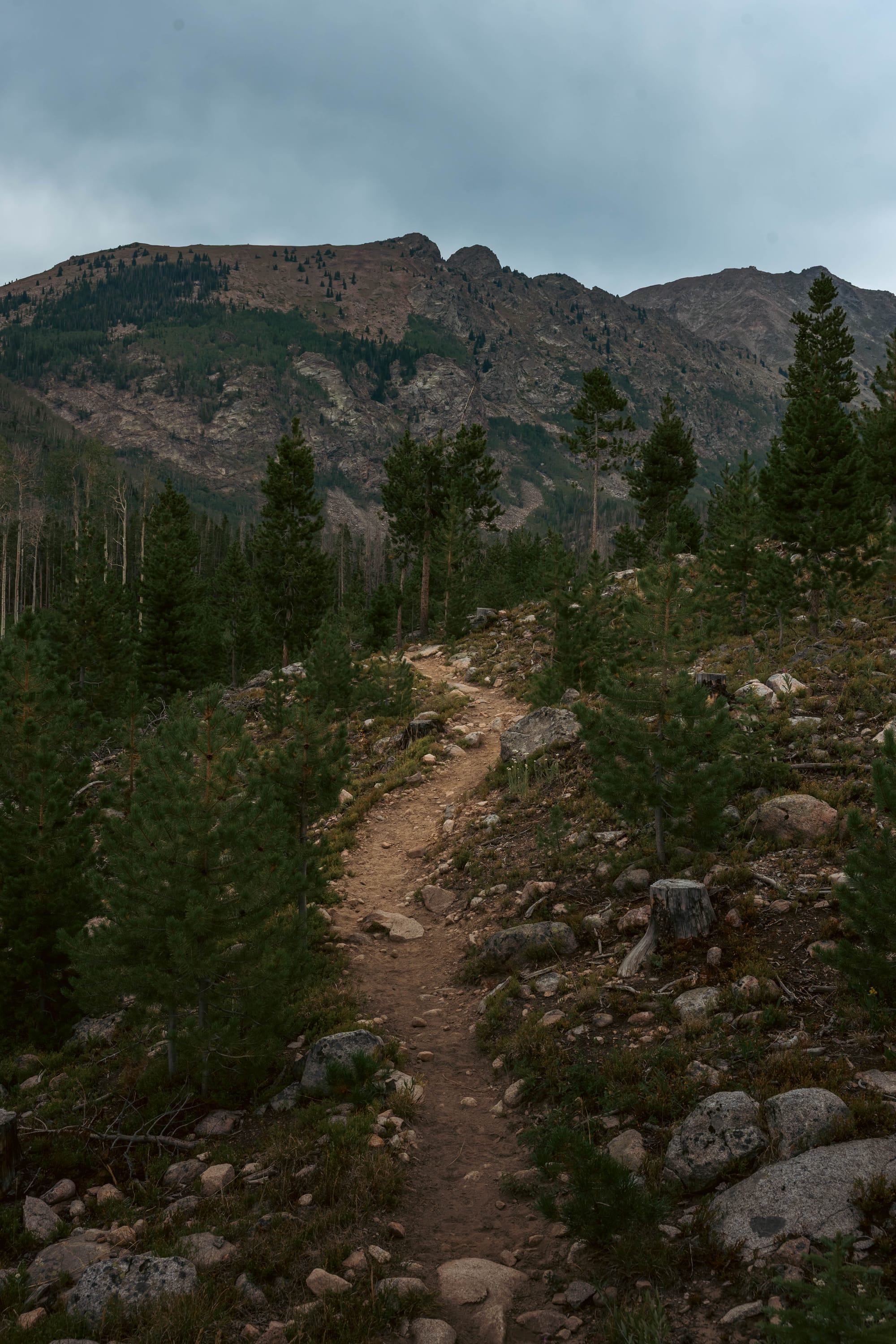
With only about 30 percent battery remaining, I saved the motor for steeper sections and rode until the trail reached a boulder field where continuing on two wheels stopped making sense.
From there, I hiked into the higher country.
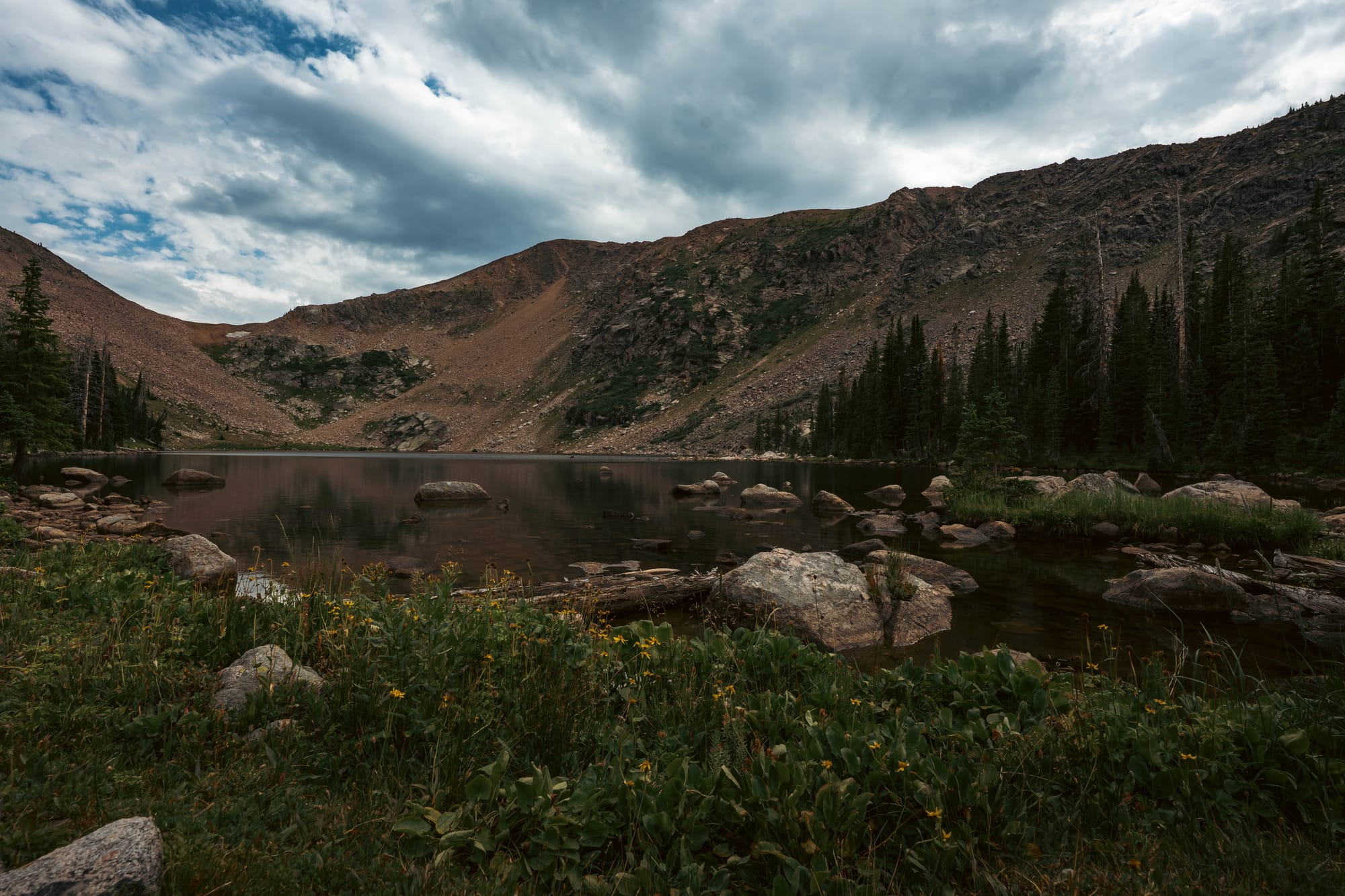
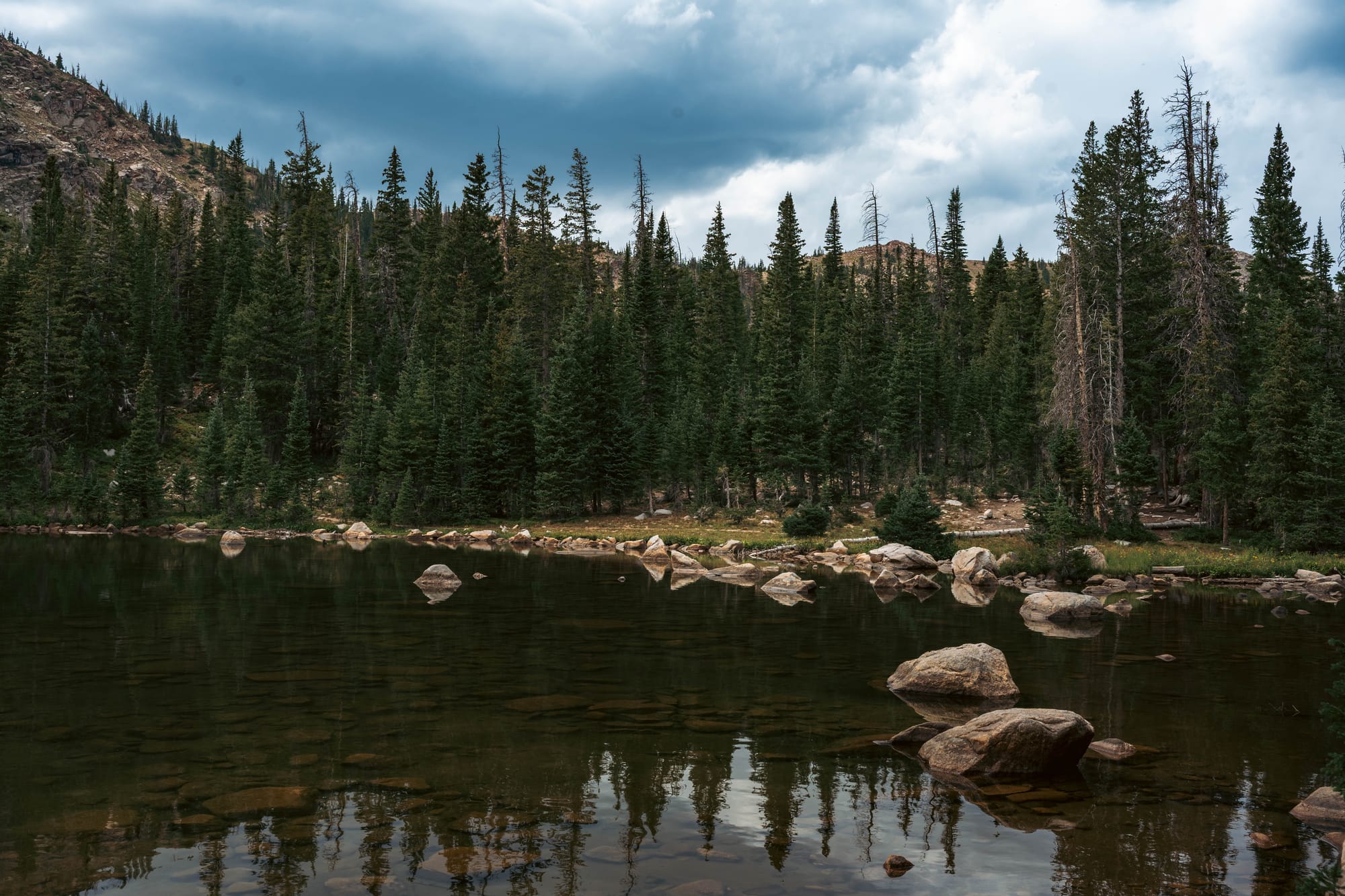
The trail climbed into one of the park's glacially shaped basins before reaching Clear Lake, surrounded by the kind of rugged terrain that makes State Forest feel much larger than a typical state park.
On a map, State Forest is a state park.
Moving through it felt much larger.
We could ride miles of gravel and trail, leave the bike when the terrain demanded it, and keep going on foot toward an alpine lake without ever leaving the park.
⚡ TL;DR
- Park highlight: Remote camping inside a massive mountain park of forests, alpine lakes, and rugged trails
- Best for: Boondocking, hiking, biking, wildlife, and getting deep into the Colorado high country
- Skip if: You need reliable cell service or prefer developed campgrounds close to amenities
- Worth planning around?: Yes
Final Thoughts
State Forest State Park surprised me because it never really felt like a state park.
The primitive camping had the privacy of dispersed camping, while the surrounding landscape felt big enough to disappear into for days.
What made it work was the combination: remote campsites, real mountain terrain, alpine lakes, wildlife, and enough trail mileage that five nights barely scratched the surface.
The cattle situation was legitimately annoying, especially with two dogs who apparently considered cow patties either perfume or food.
The rest of the park was exactly the kind of place we would come back for.