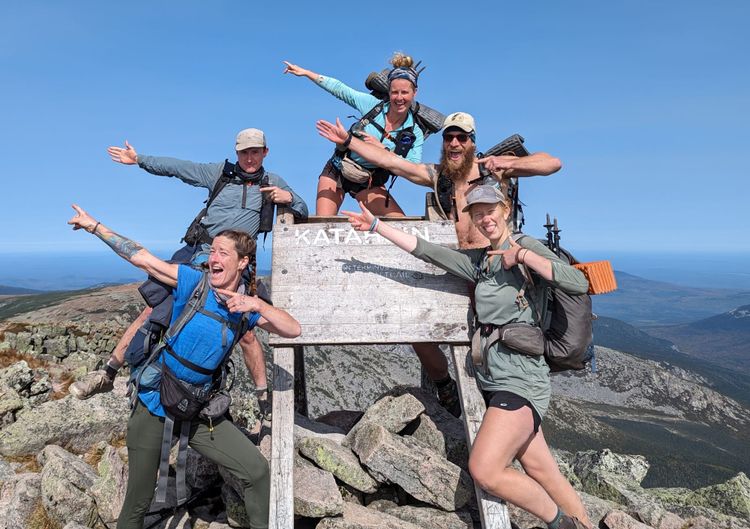
Medicine Bow National Forest
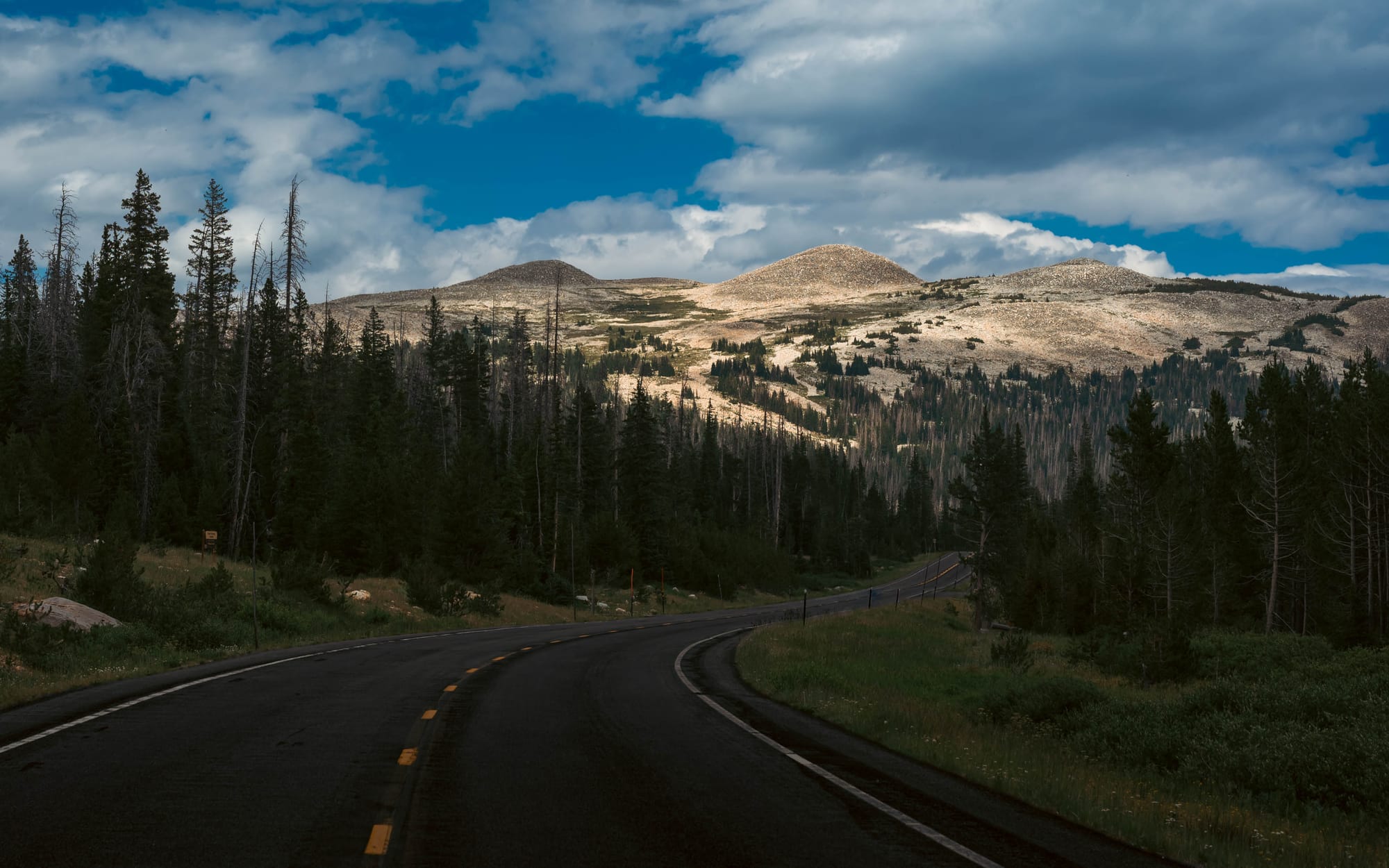
The drive south from the Bighorns covered more ground than we usually prefer in one day, but it also showed why Wyoming stands out. The landscape stayed open for miles at a time, then shifted into mountain country with very little warning.
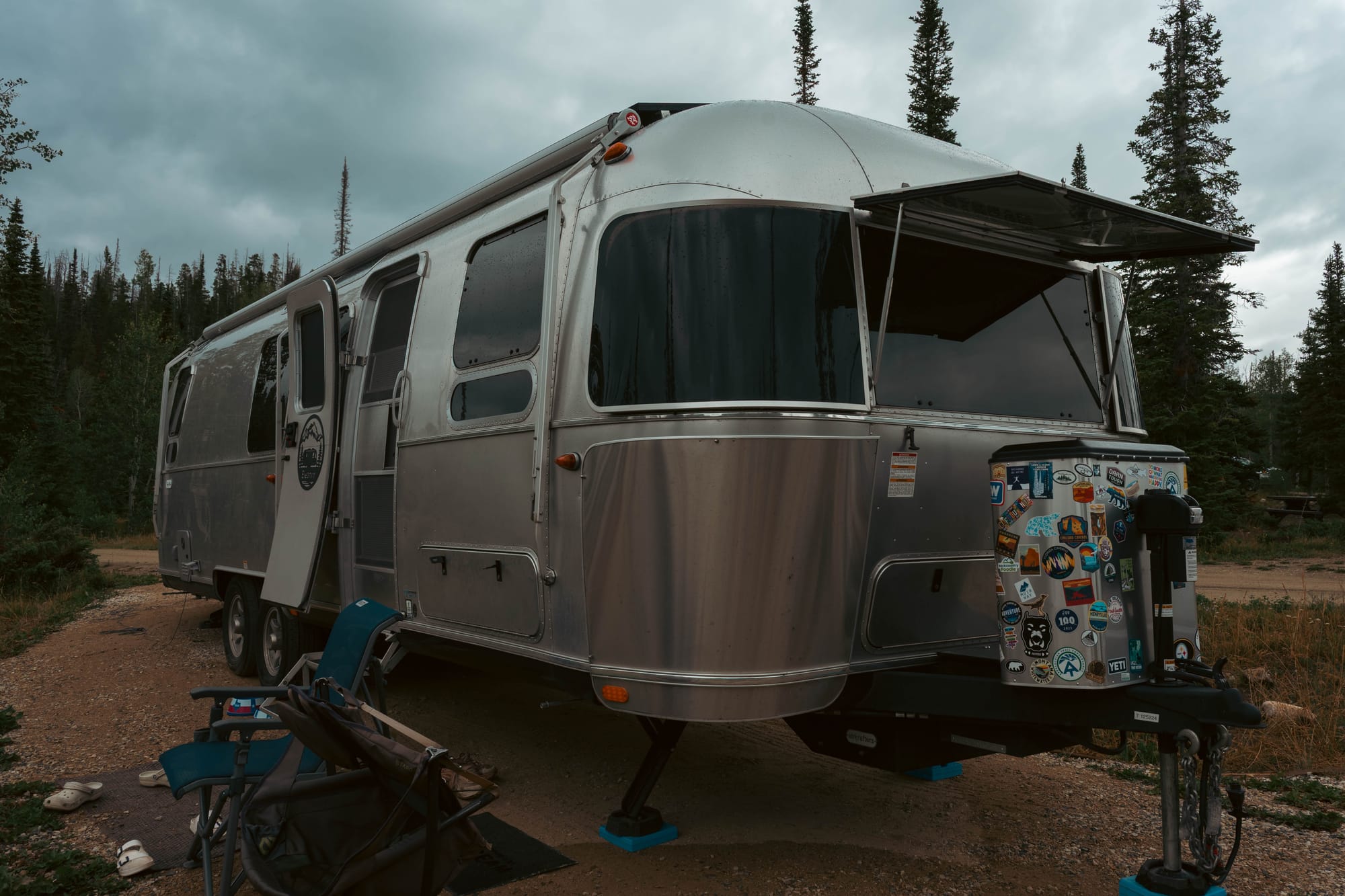
Ryan Park gave us a practical base for three full days in the Snowy Range. The campground loops were tight, but our site opened to the west and felt less enclosed than most of the surrounding sites.
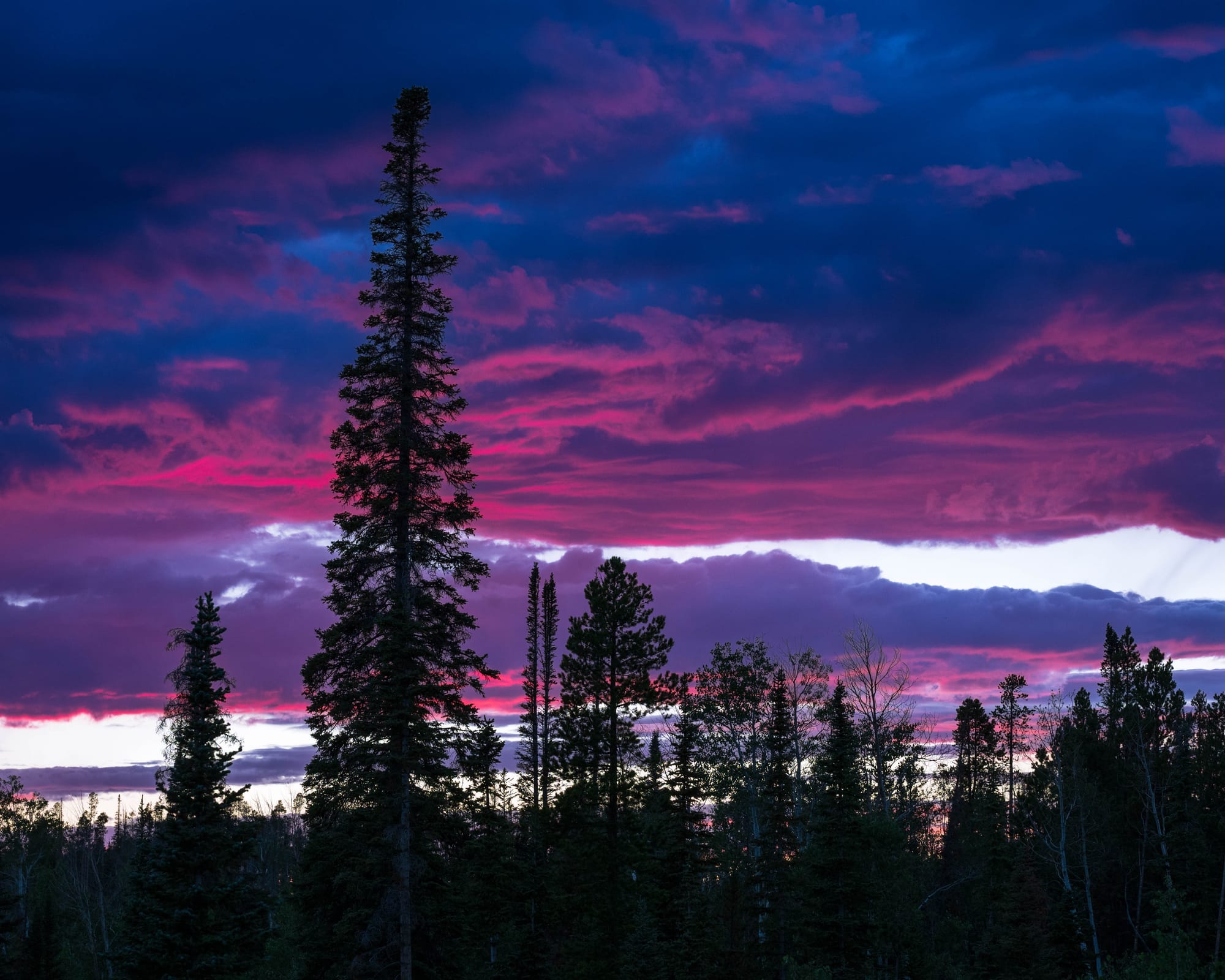
That mattered on the first night. A band of clouds caught the sunset and turned pink and purple above the trees, giving us one of the better views we had from camp during this stretch of Wyoming.
Ryan Park was quiet during our stay. We spent relatively little time sitting at camp because each full day was organized around a different trail, but it gave us easy access to the Snowy Range and enough separation from the busier high-elevation campgrounds closer to Medicine Bow Peak.
🧭 The Lay of the Land
- Location: Saratoga, Wyoming · 41.3264, -106.4922 · [Google Maps]
- Official site: Ryan Park Campground
- Landscape: Subalpine forest · alpine ridge
- Vibe: Quiet high-country basecamp
- Our stay & conditions: July 19-23, 2026 · 4 nights · warm, mostly dry days · cool nights
🏕️ Camp Setup
- Site types: Tent · RV back-in & pull-through · group camping
- Arrival & setup: Moderate
- Hookups: None
- Connectivity: 📶 AT&T ⟂ | 📶 Verizon ⟂ | 📶 T-Mobile ⟂ | 📡 Starlink 🟢 | 📶 Park Wi-Fi ⟂
- Facilities: Restrooms · Potable Water
Legend:
🚽 = sewer at site · 🧻 = dump station
🟢 = solid for work · ⚠️ = usable with limits · ❌ = unusable
Park Highlights
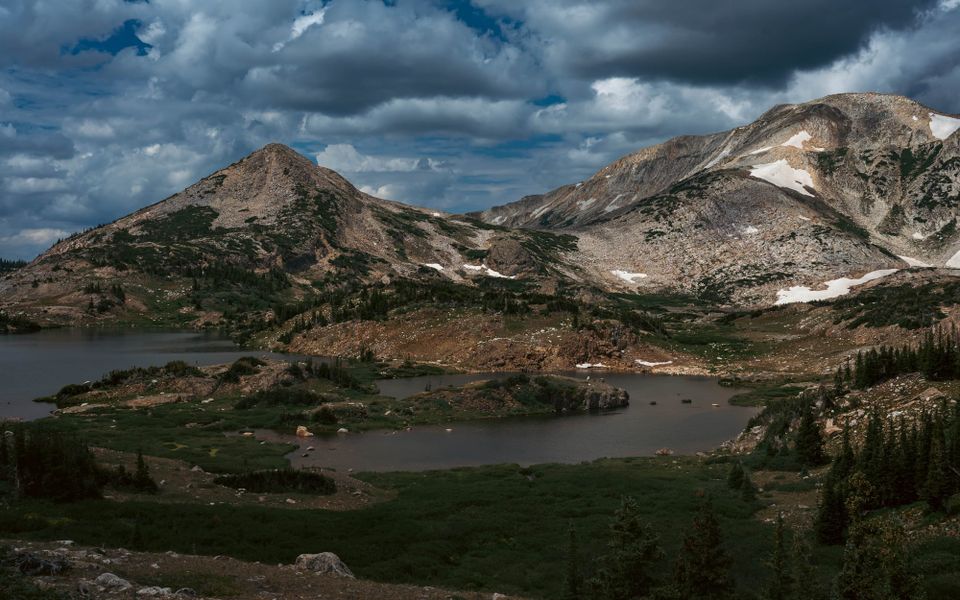
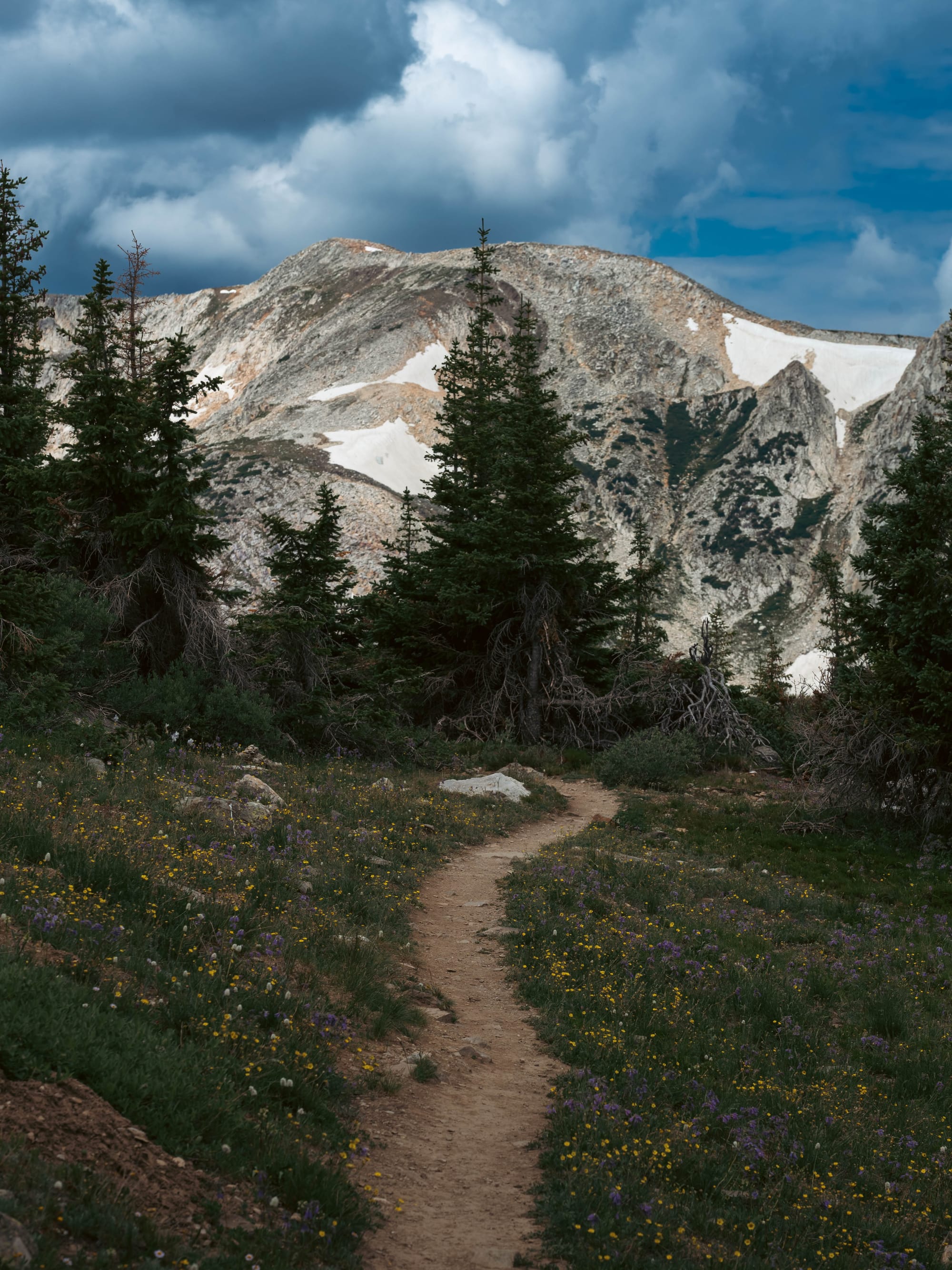
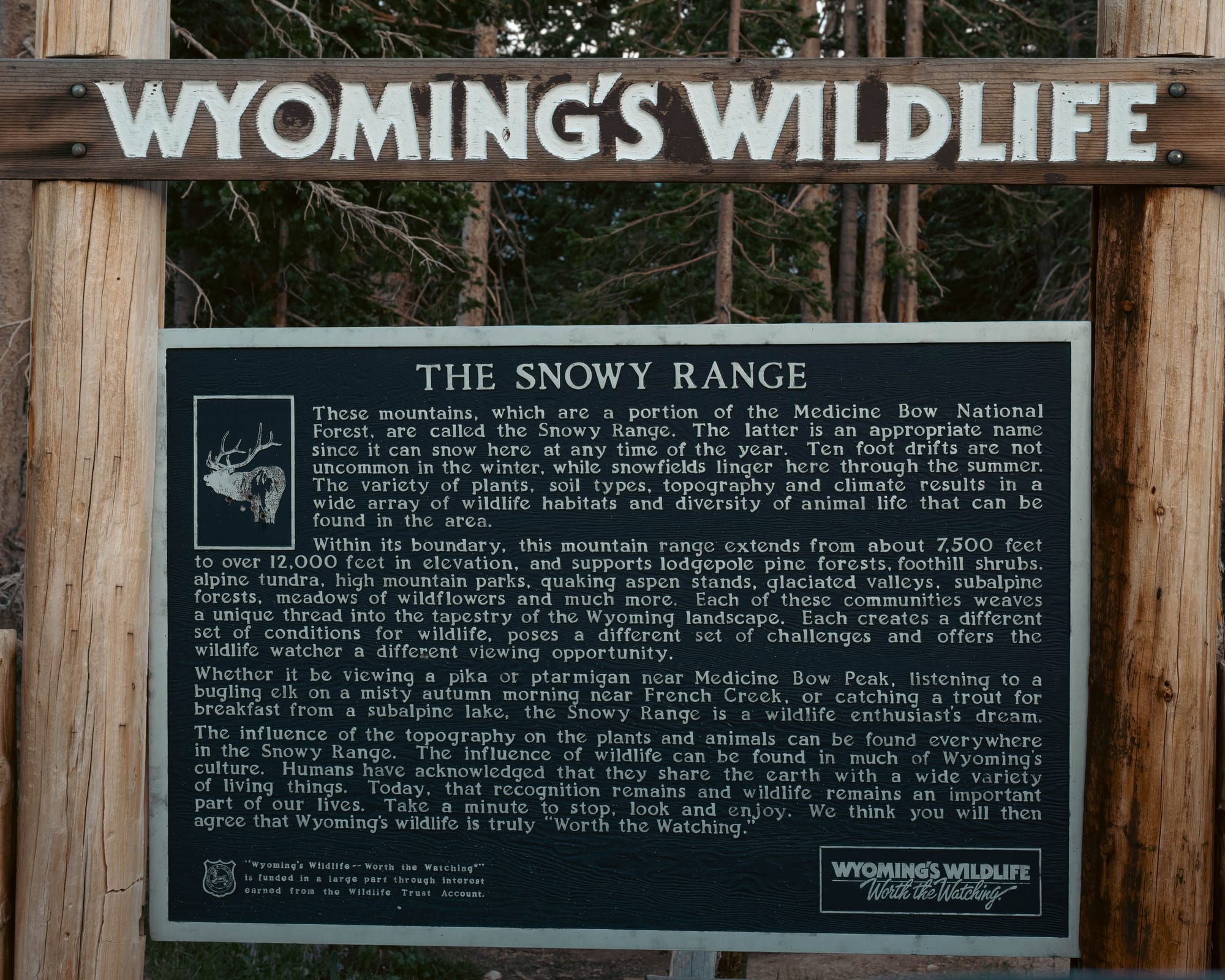
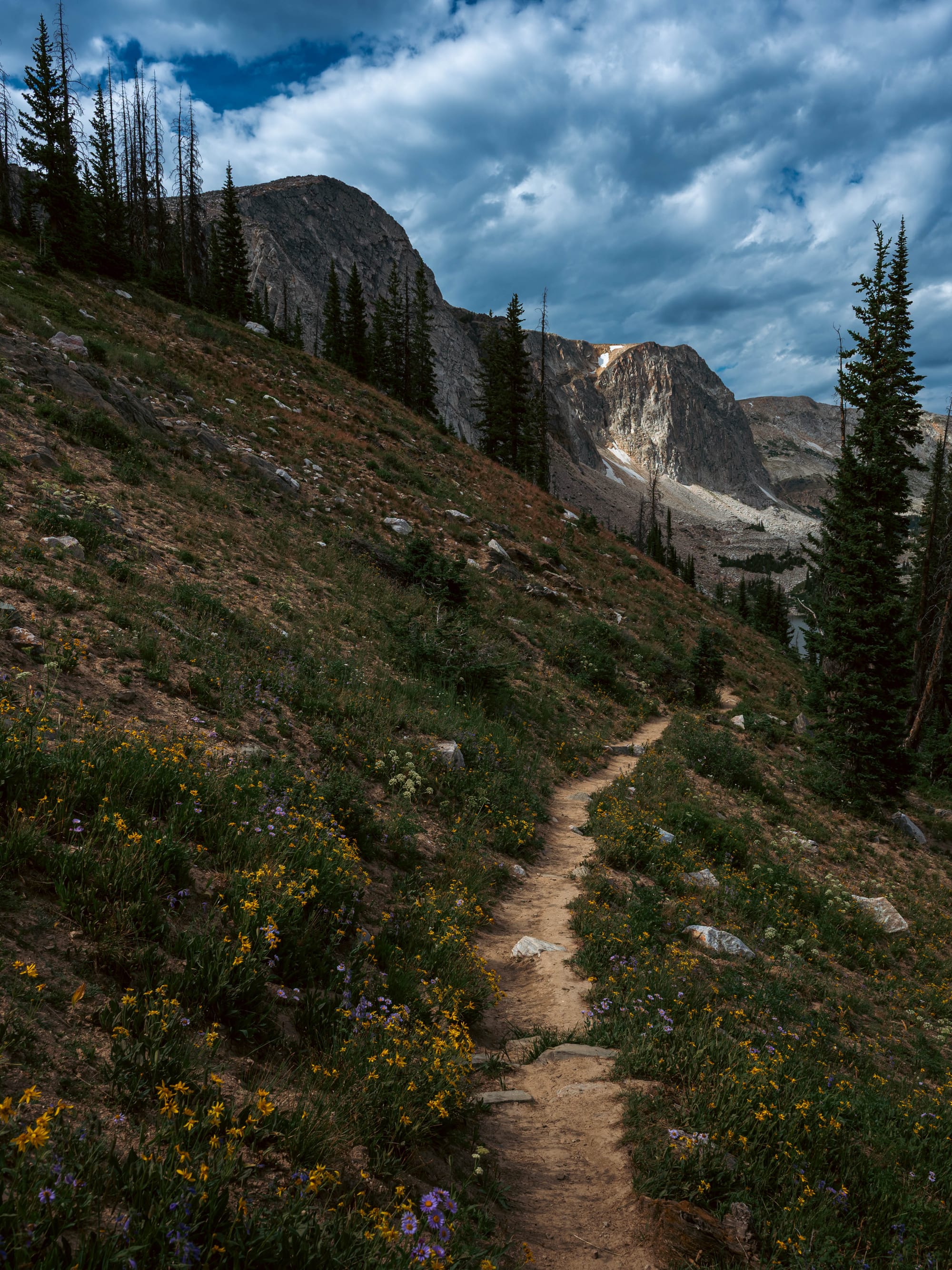
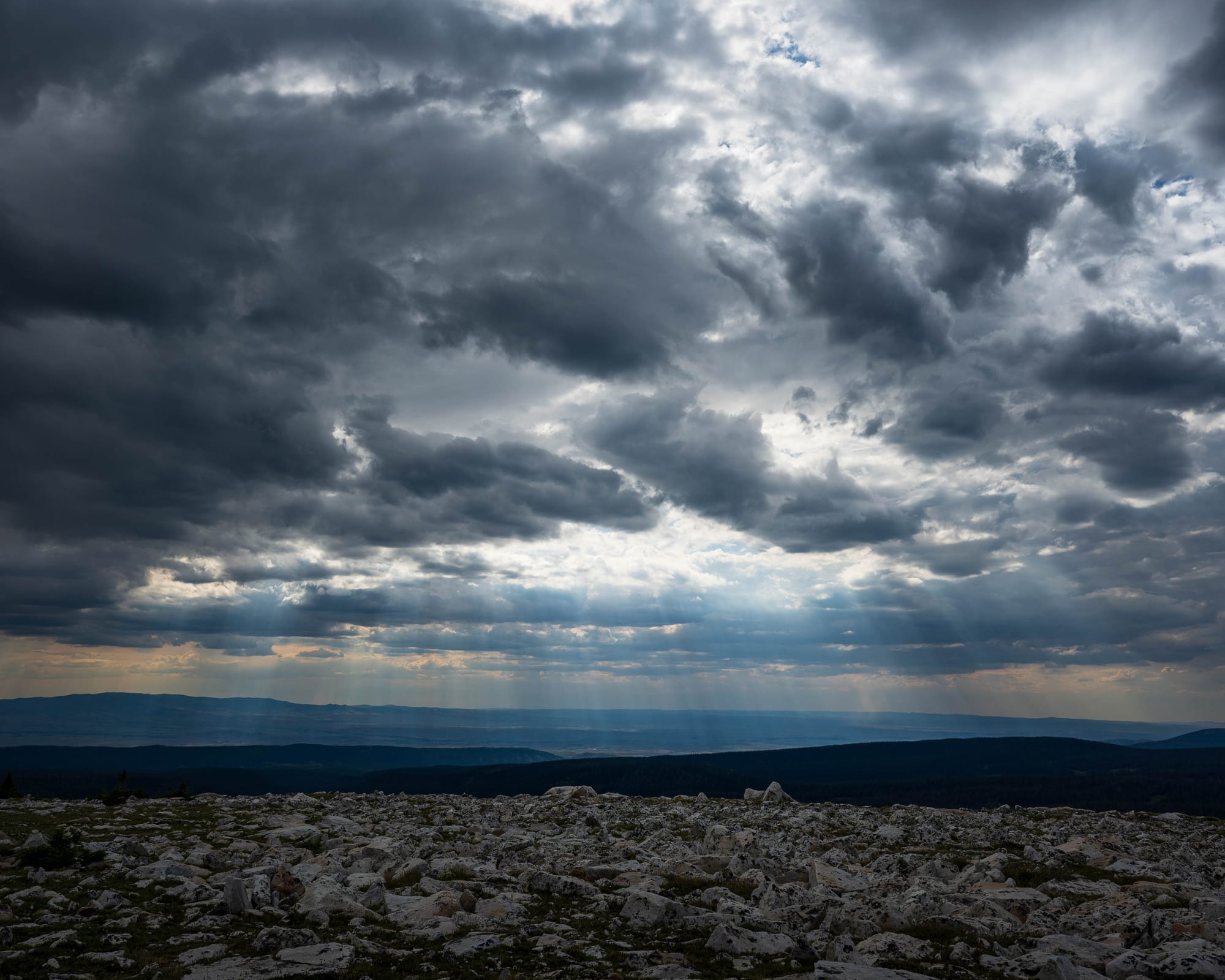
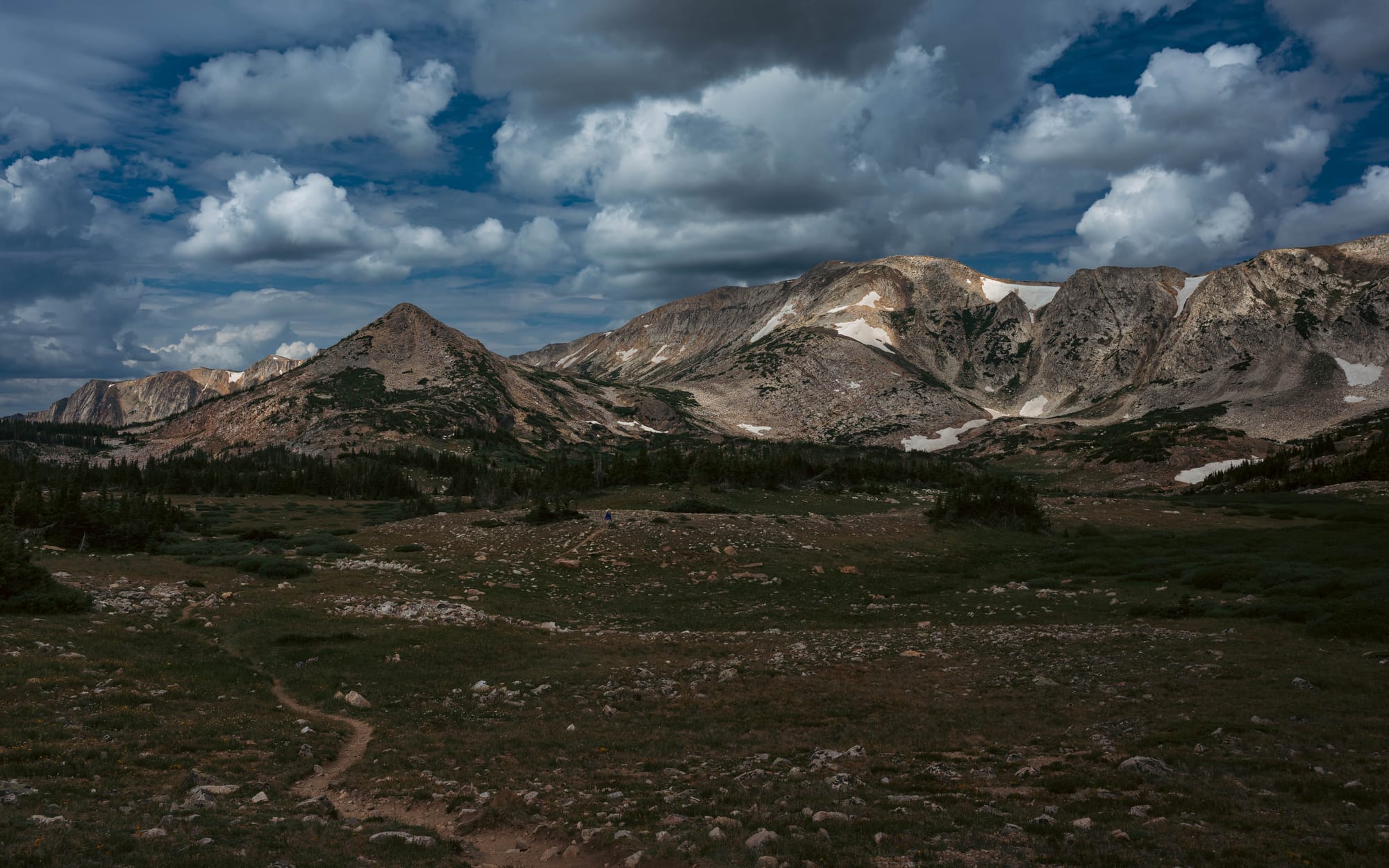
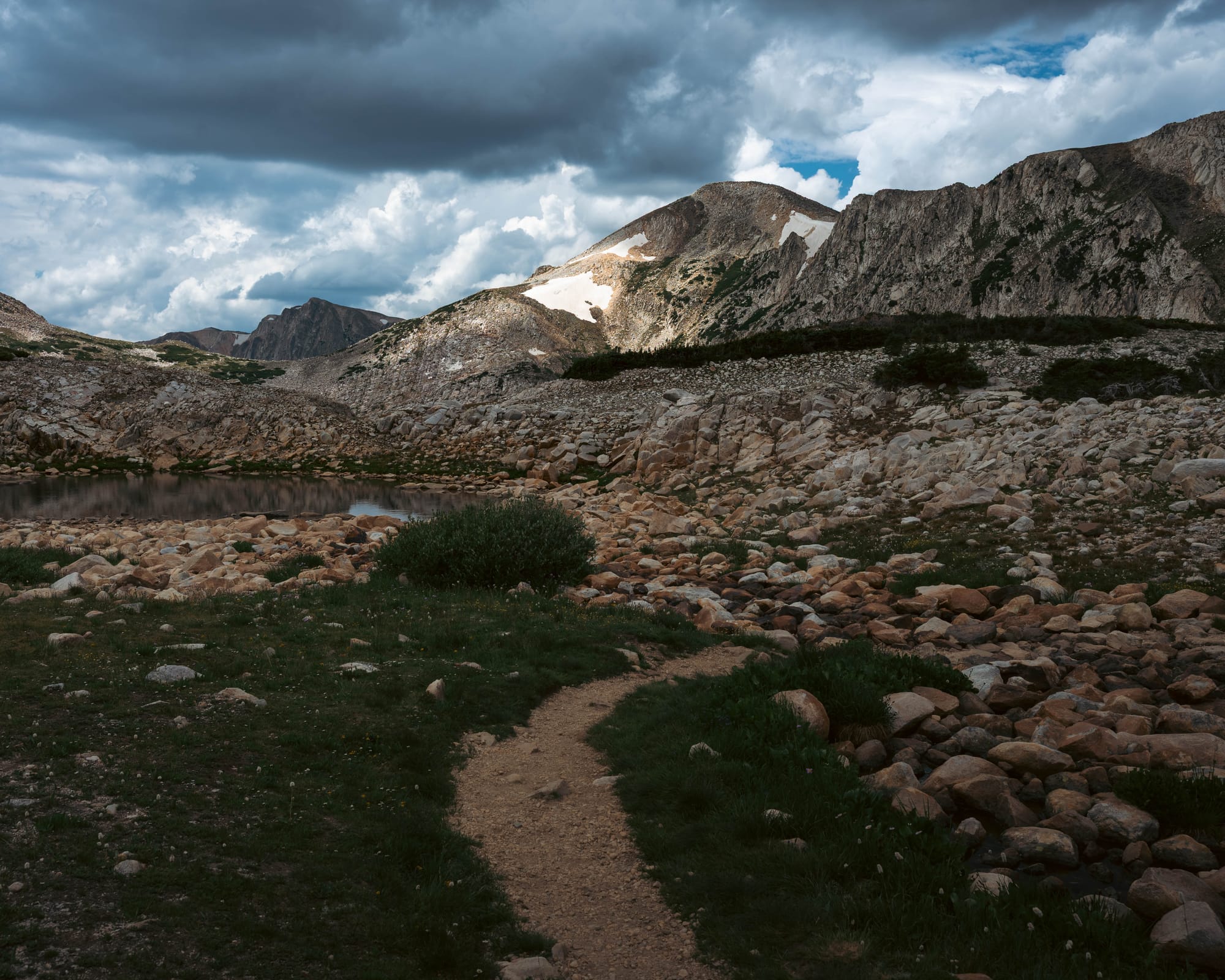
Medicine Bow National Forest covers several distinct mountain areas in southern Wyoming and northern Colorado. Ryan Park sits in the Snowy Range section, where the landscape shifts quickly from lodgepole and spruce-fir forest to exposed alpine ridges, tundra, and clusters of high-elevation lakes.
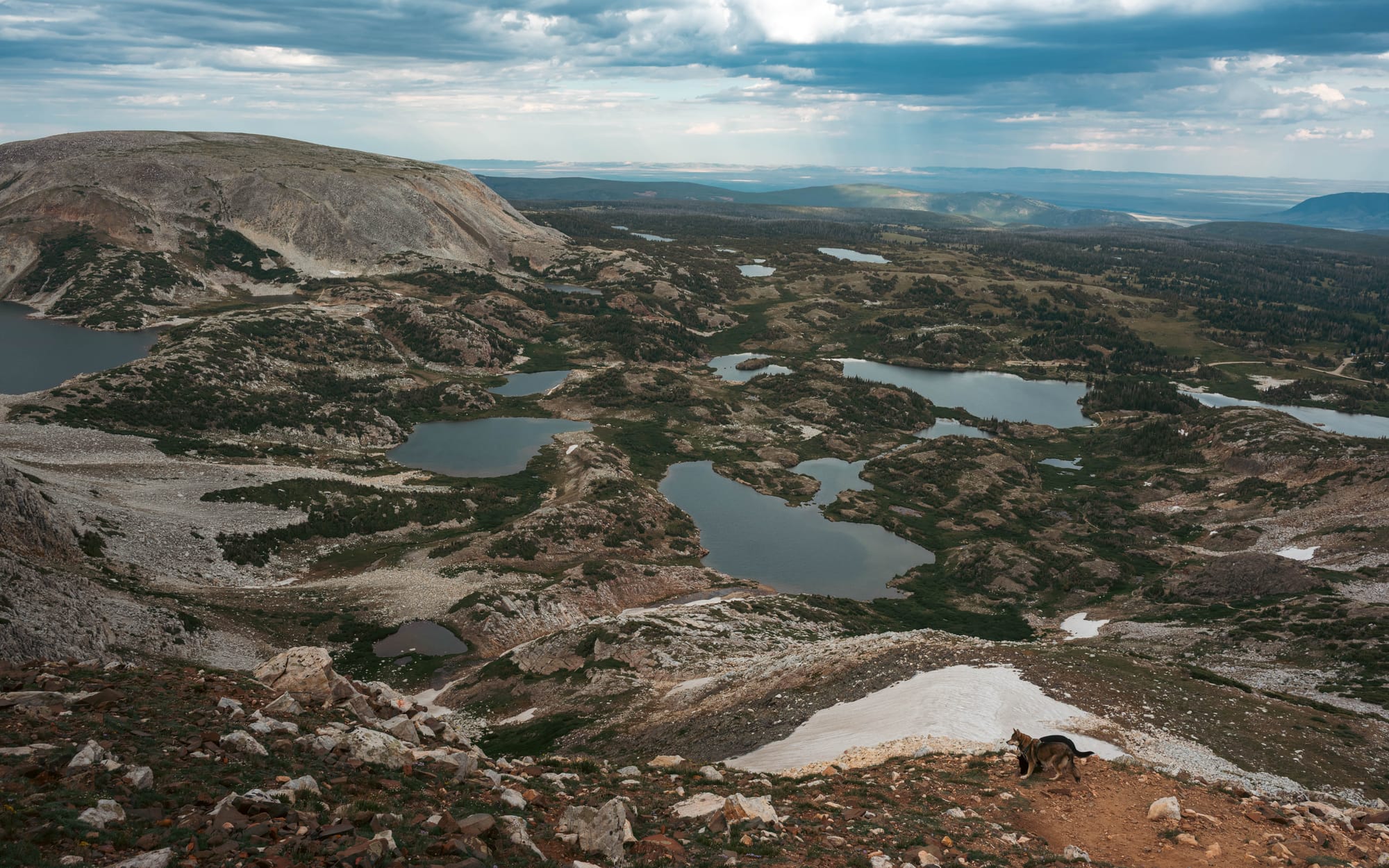
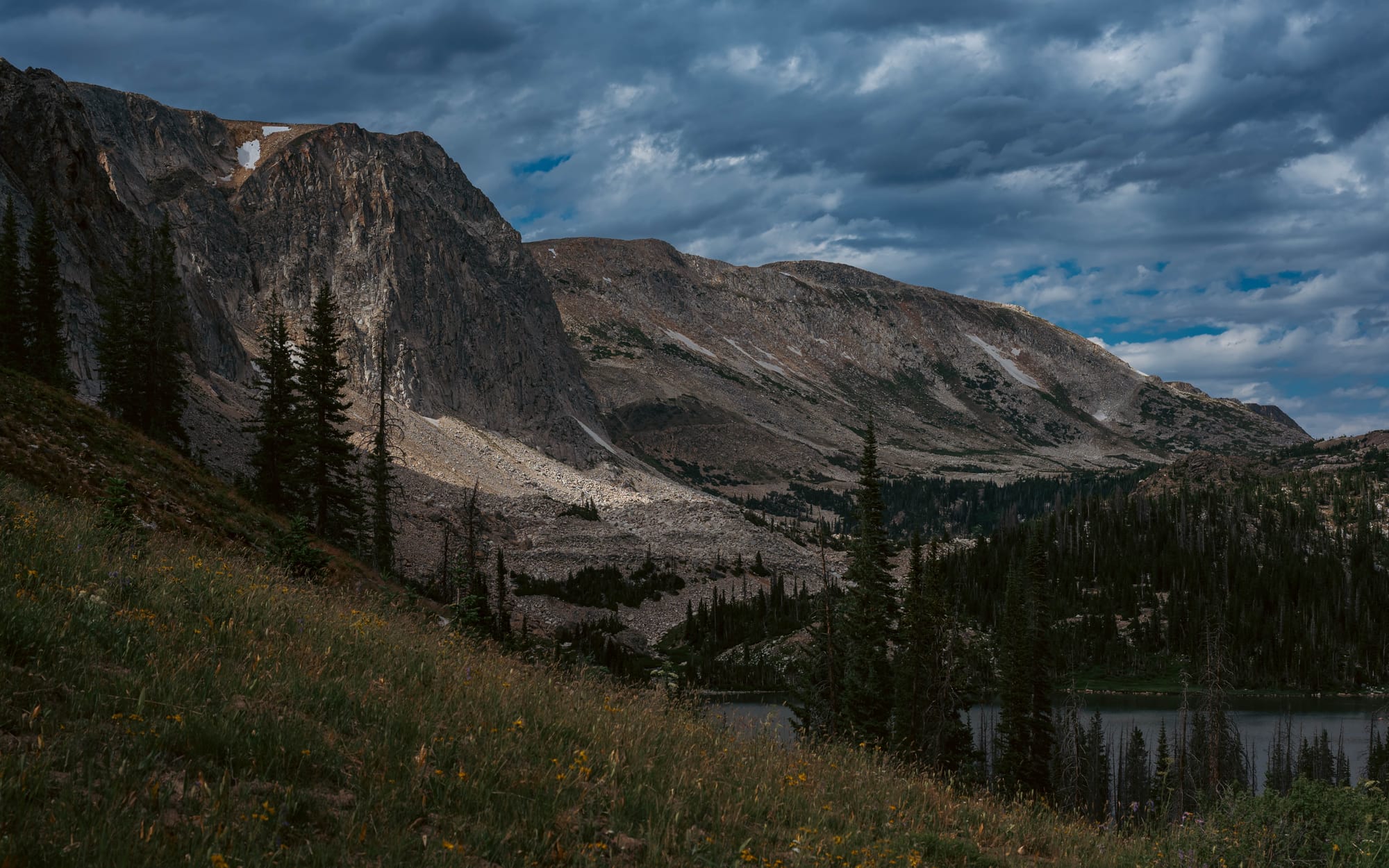
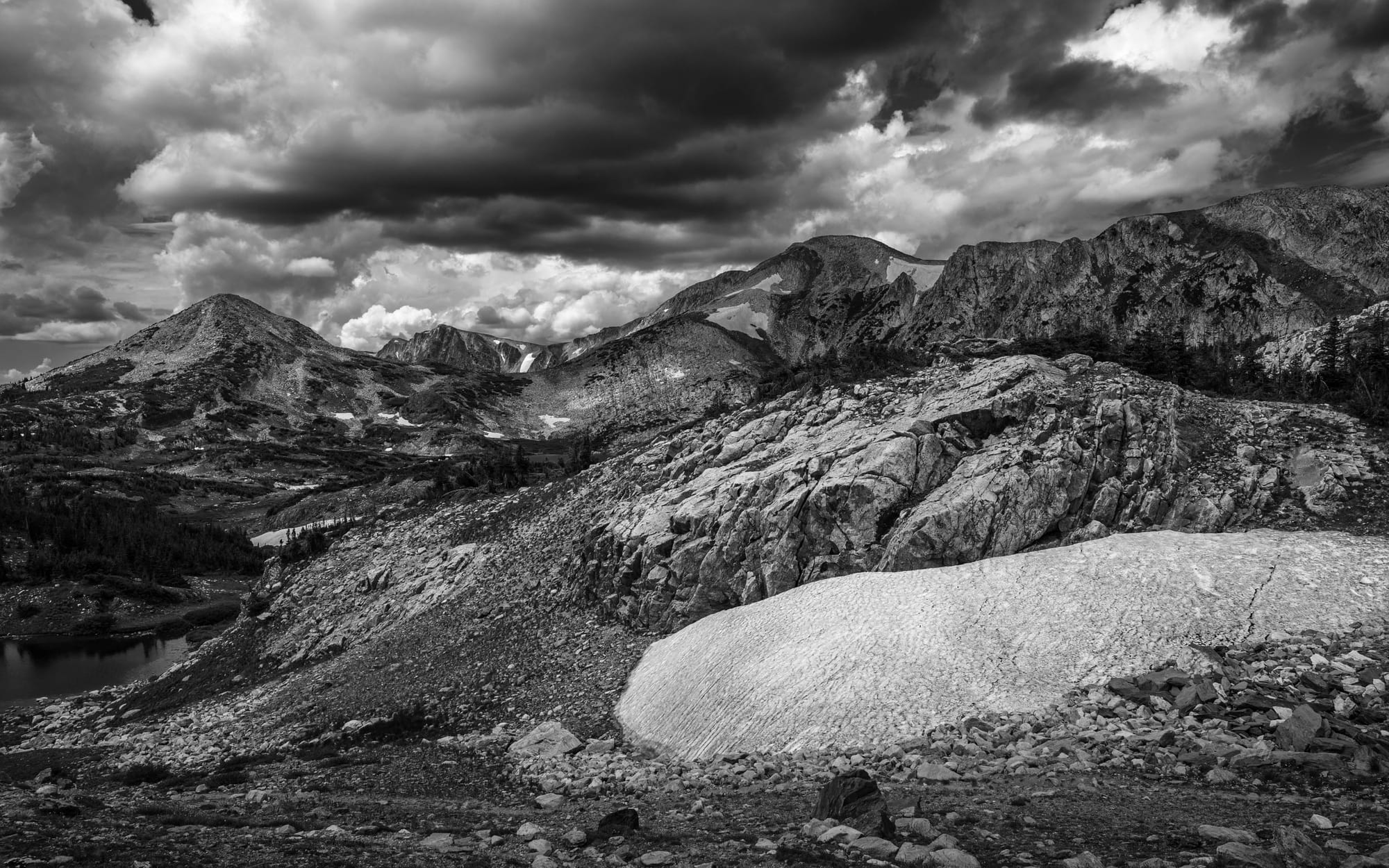
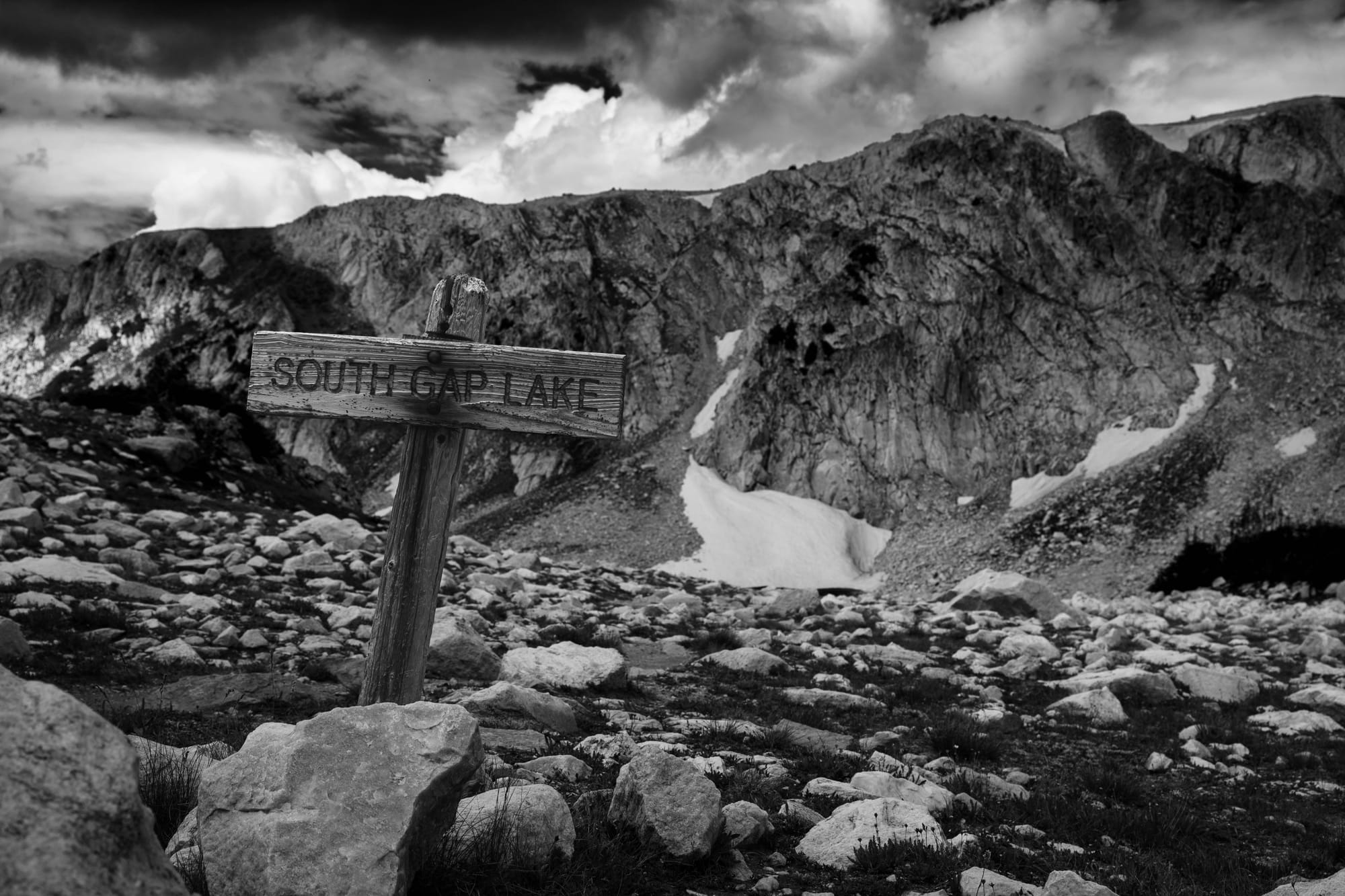
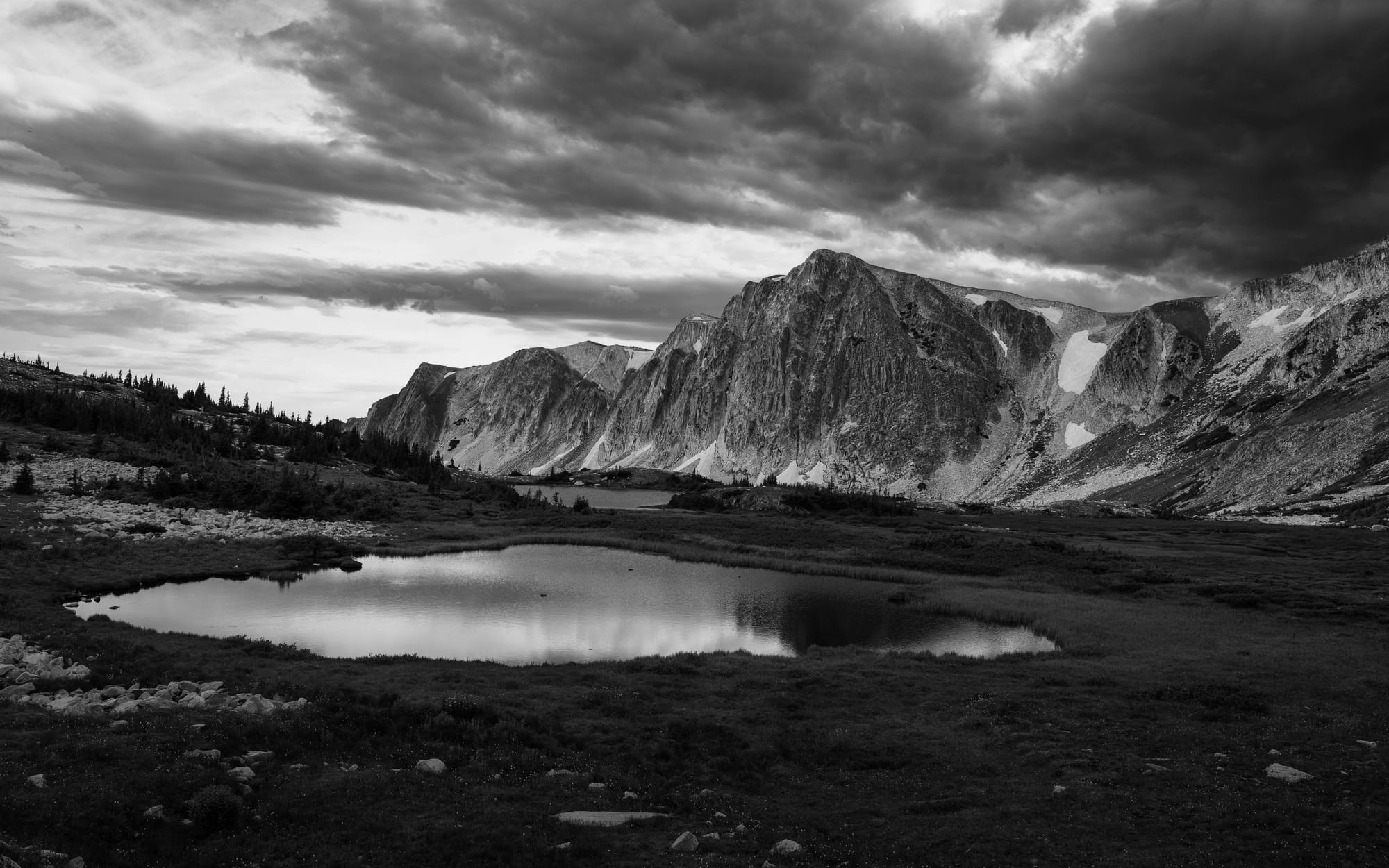
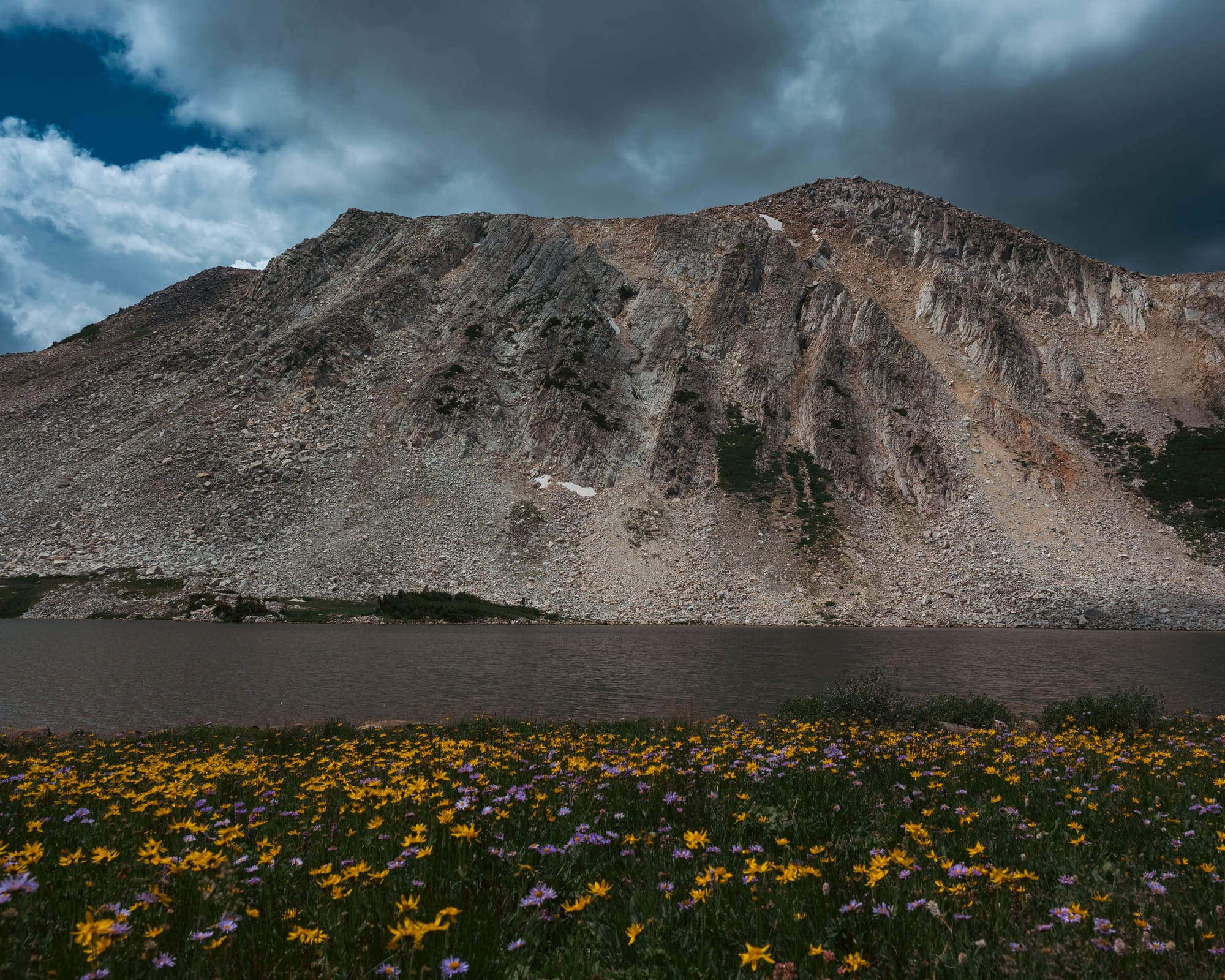
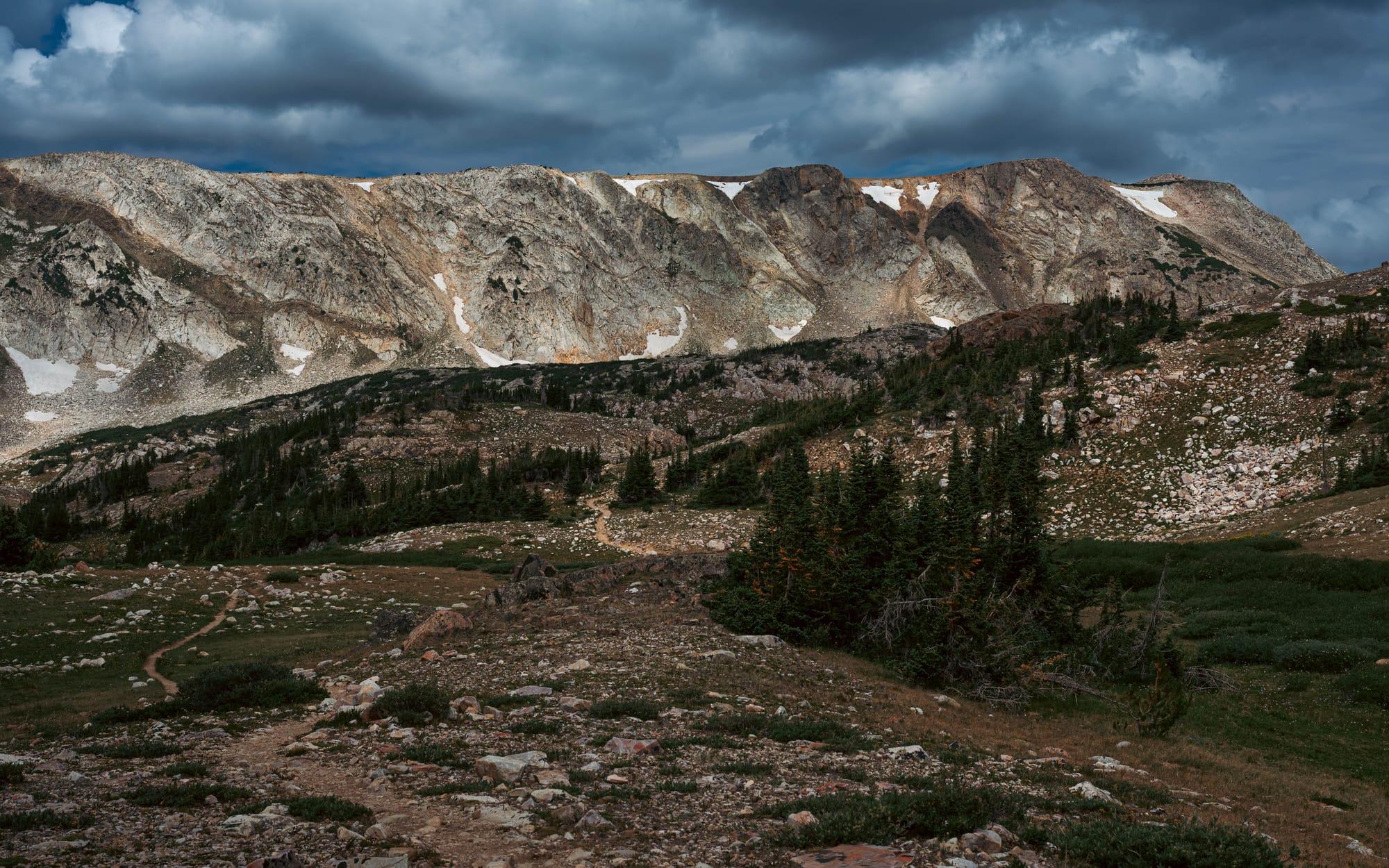
The Snowy Range looks unusually rugged for its size. Medicine Bow Peak rises only a few miles from the scenic highway, but its steep wall, broken rock, and surrounding lakes give it the appearance of a much more remote range.
The ridge is built largely from ancient metamorphosed sedimentary rock, including thick layers of quartzite and conglomerate. The Medicine Peak formation alone includes massive beds of metaquartzite that were deposited more than a billion years ago and later altered and uplifted.
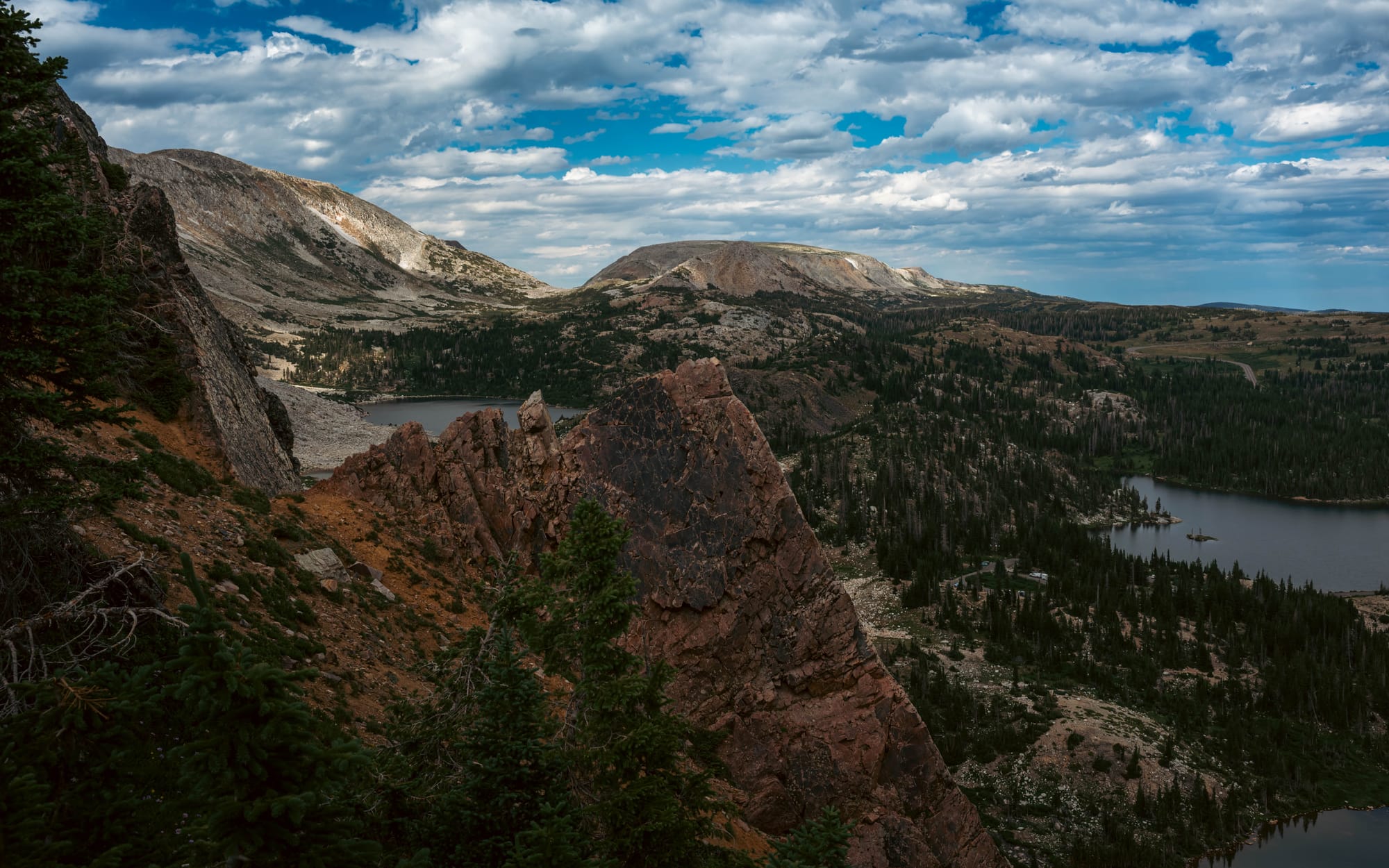
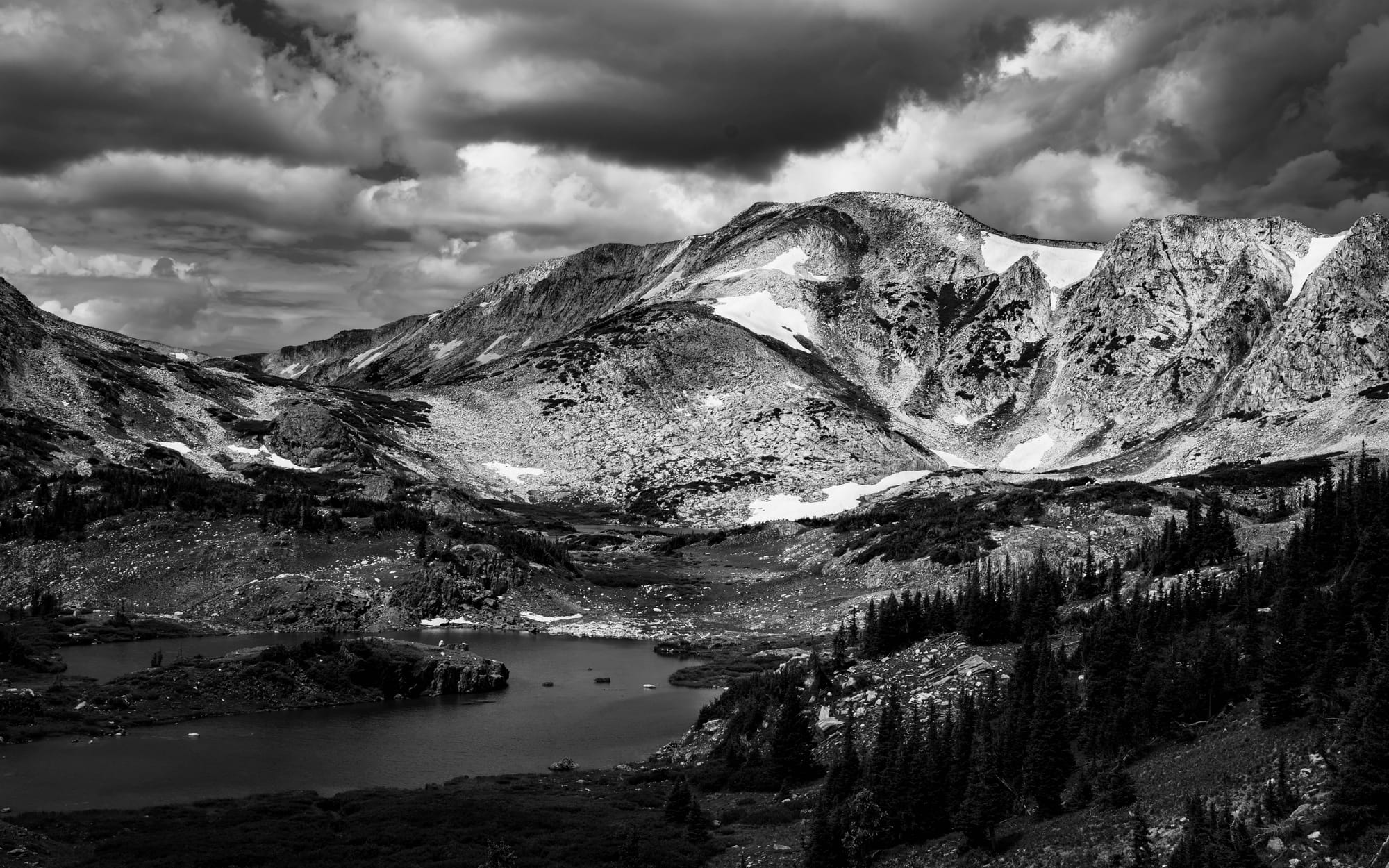
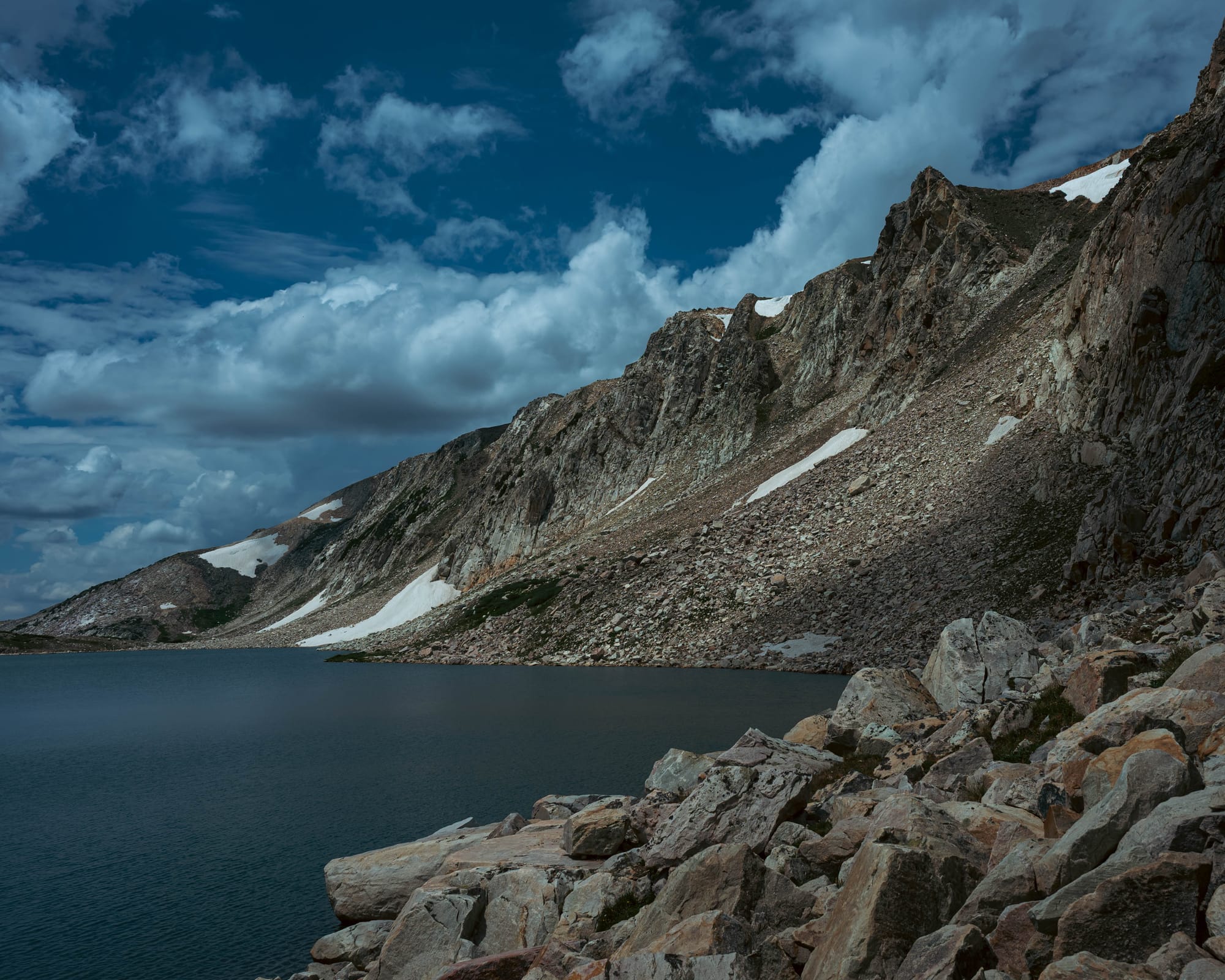
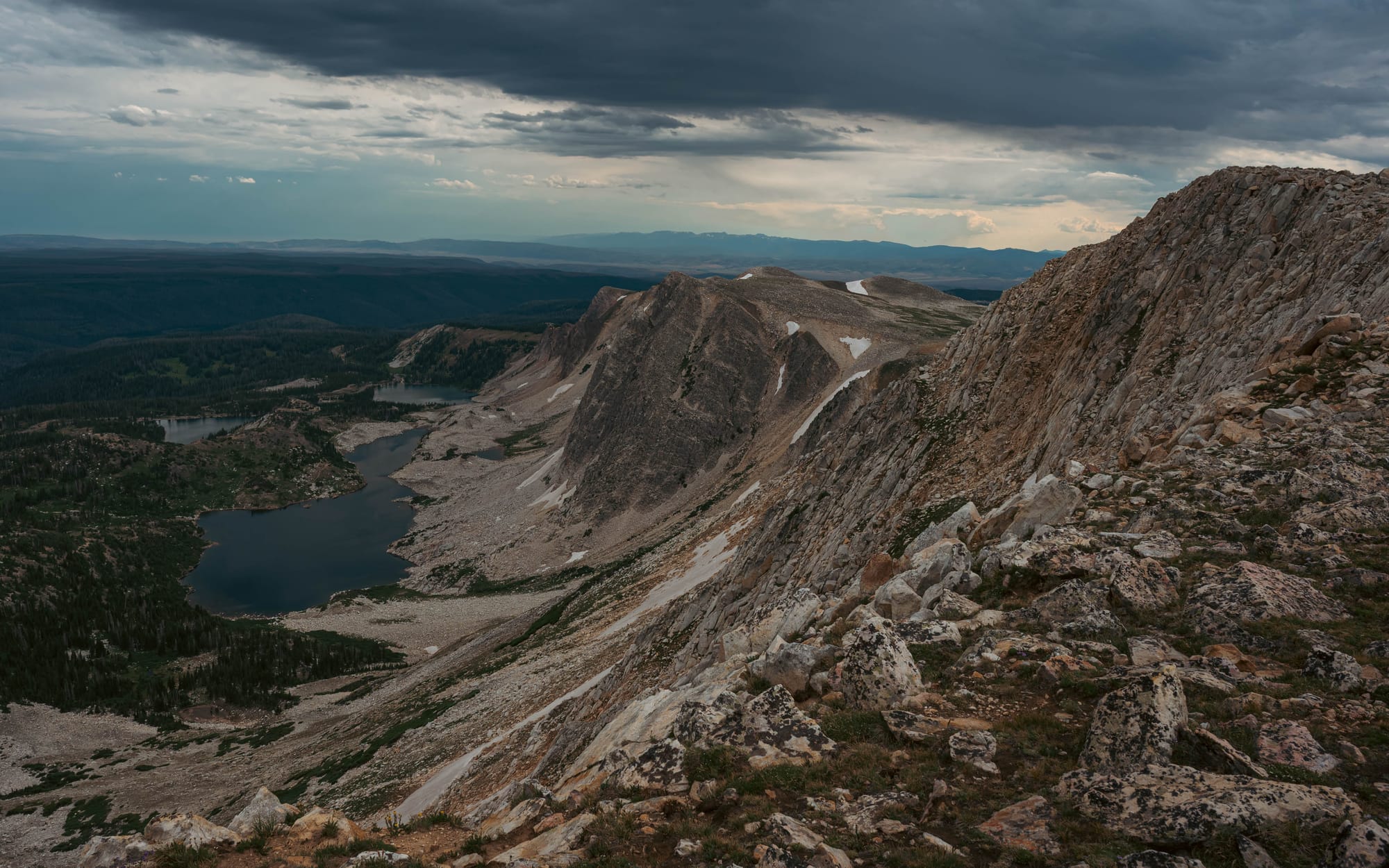
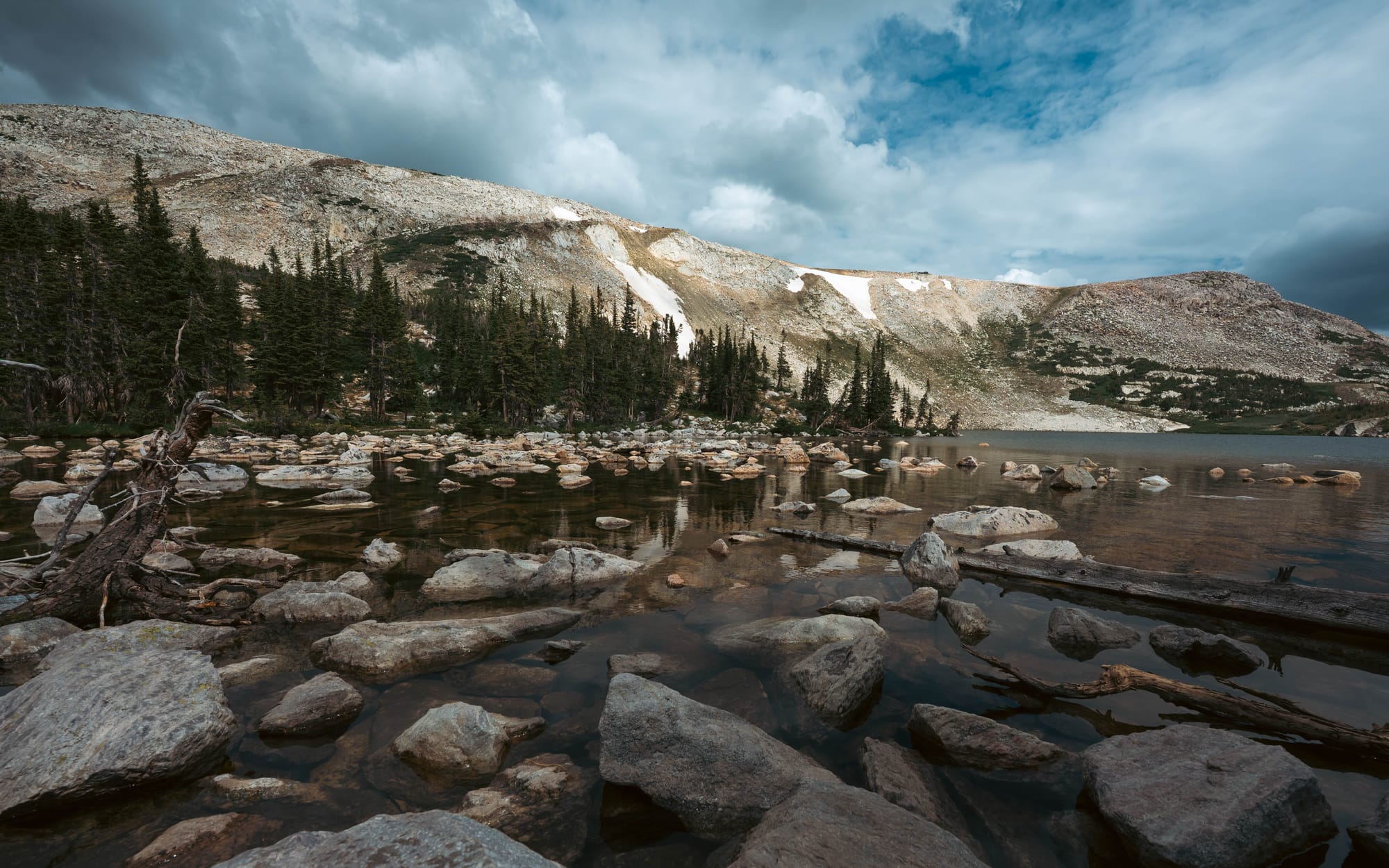
Much of that shape came from glaciation. Ice carved cirques into the range, steepened the walls below the main ridge, and left the basins that hold the area’s lakes. The exposed rock gives the ridge a harder edge than the surrounding forested terrain.
The forest also carries a long human history. Logging once supplied railroad ties for the expanding rail network, while nearby Ryan Park later served first as a Civilian Conservation Corps camp and then as a prisoner-of-war camp during World War II.
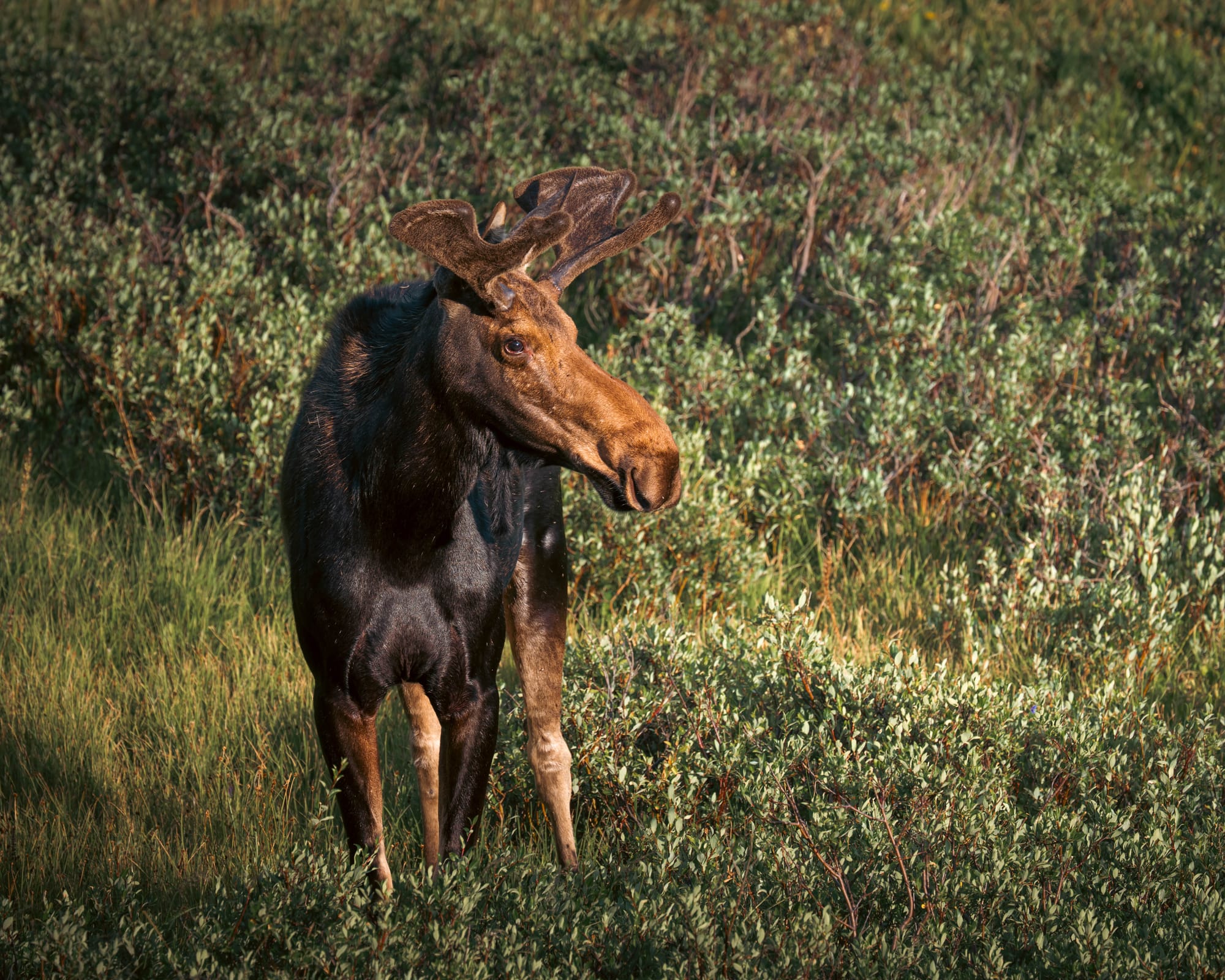
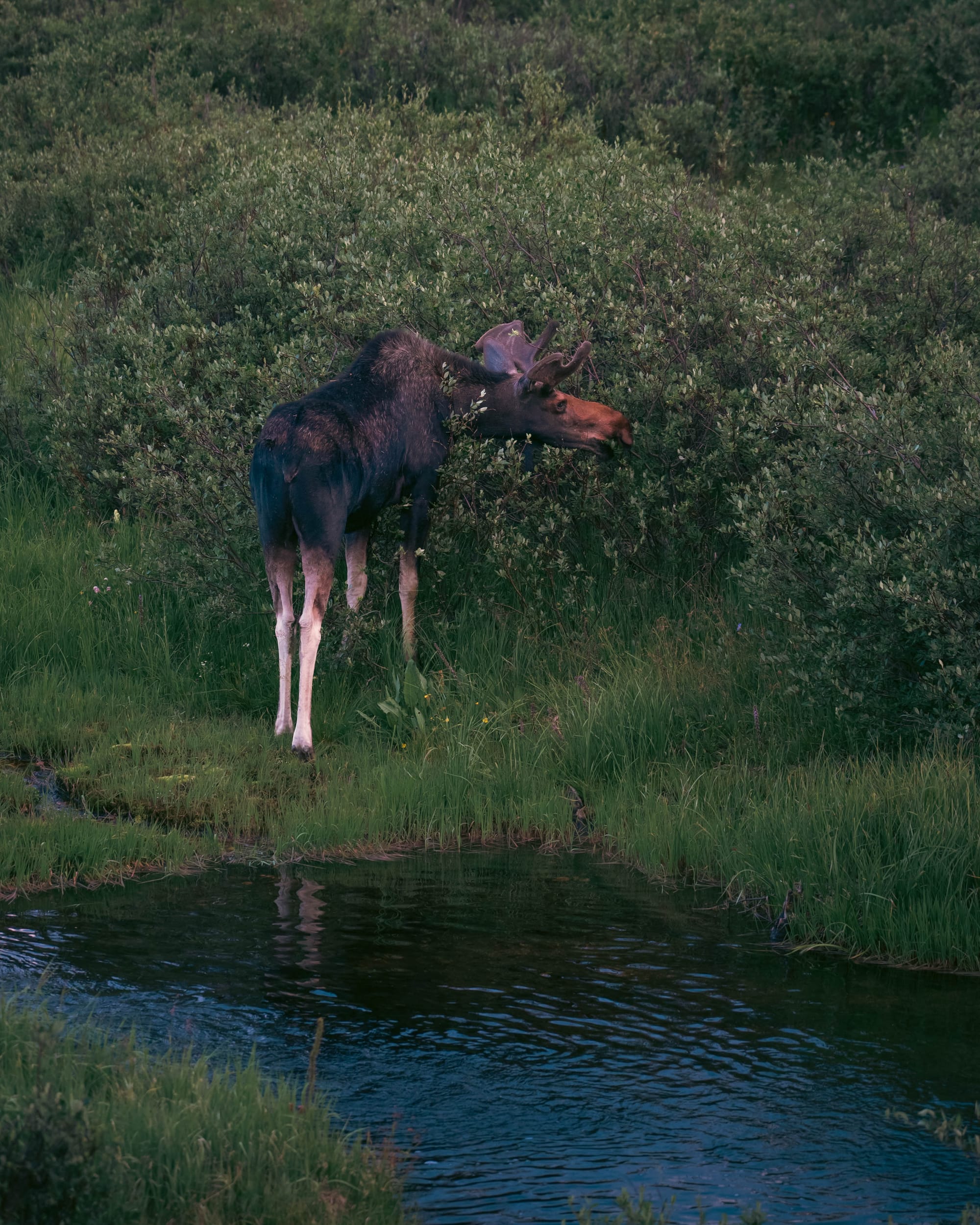
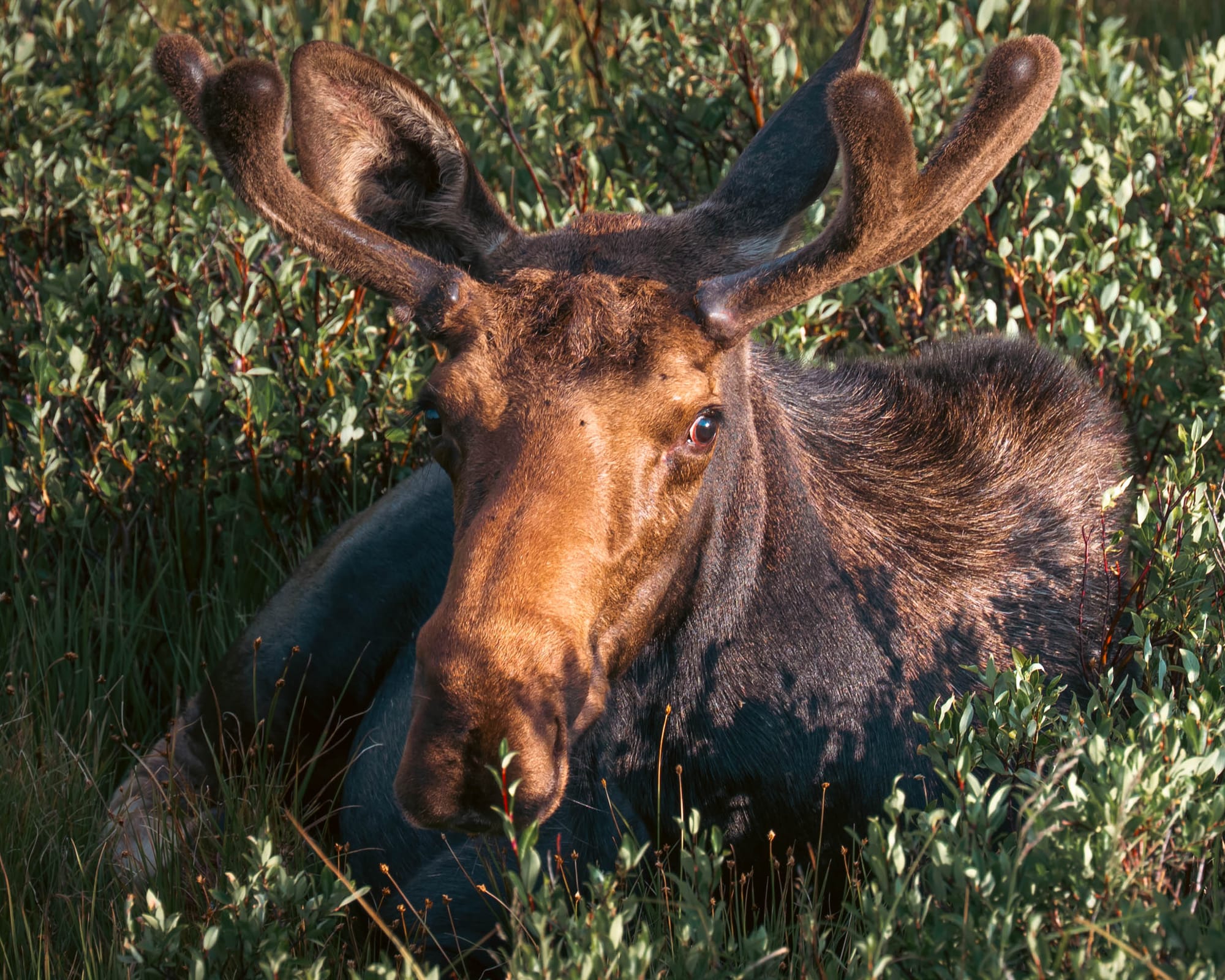
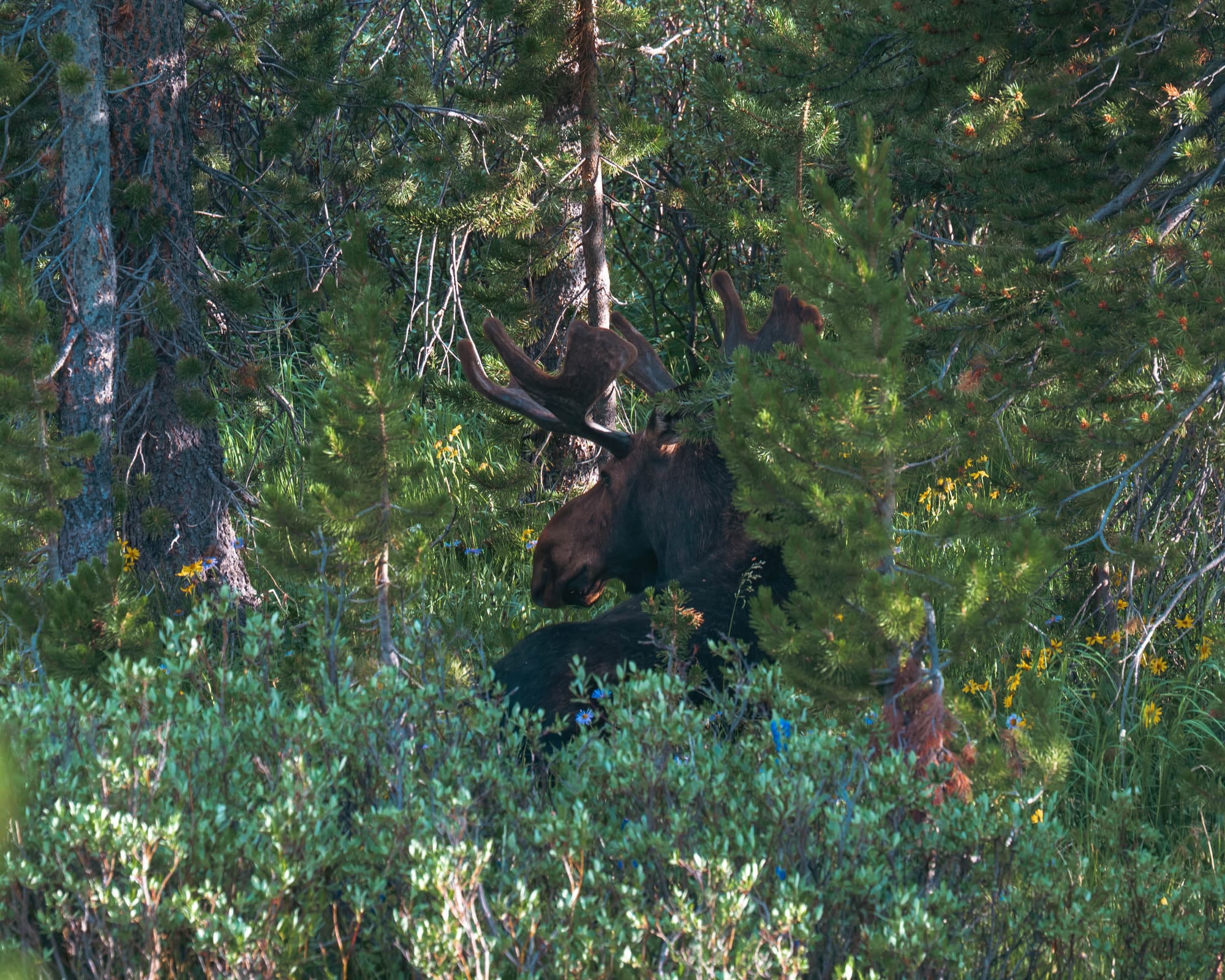
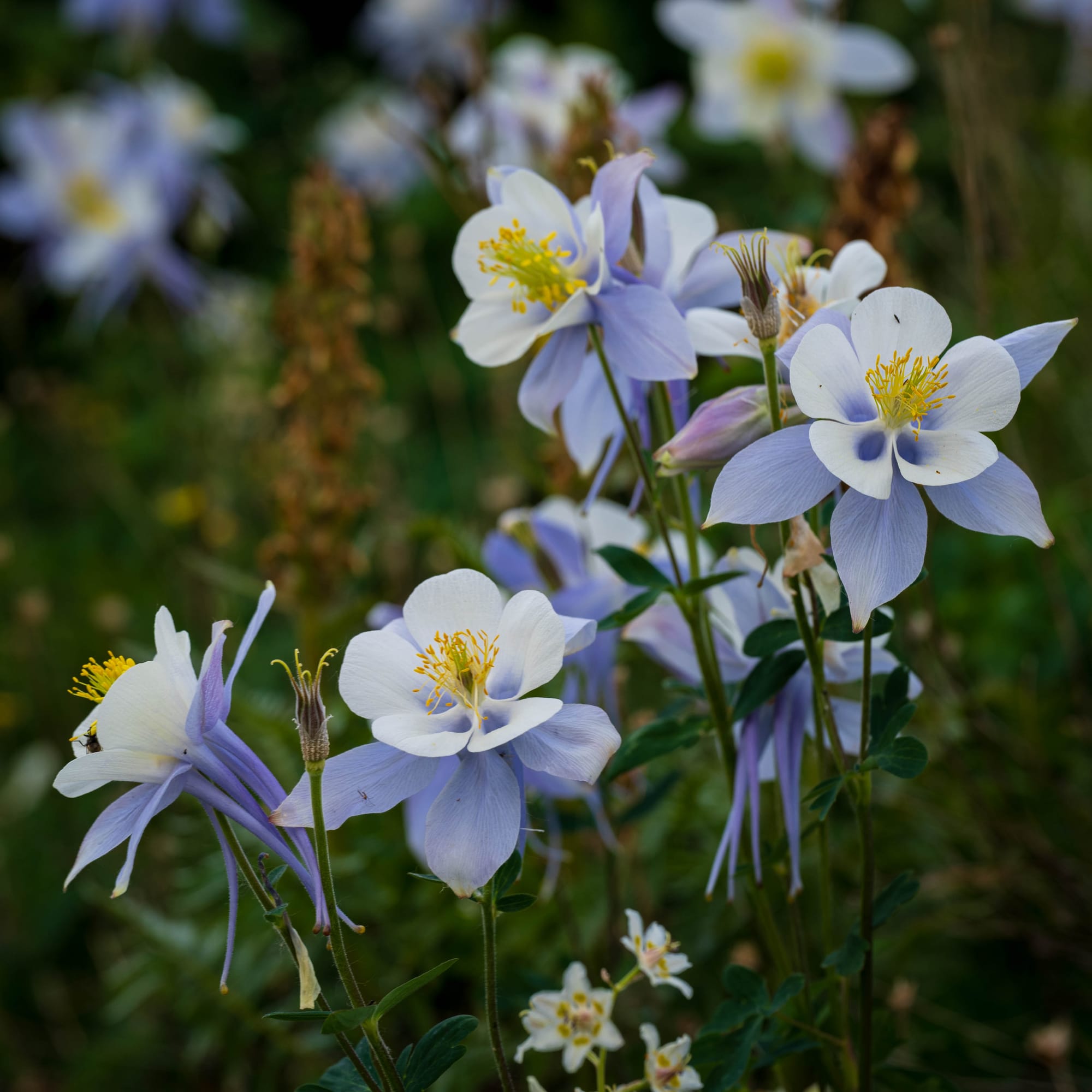
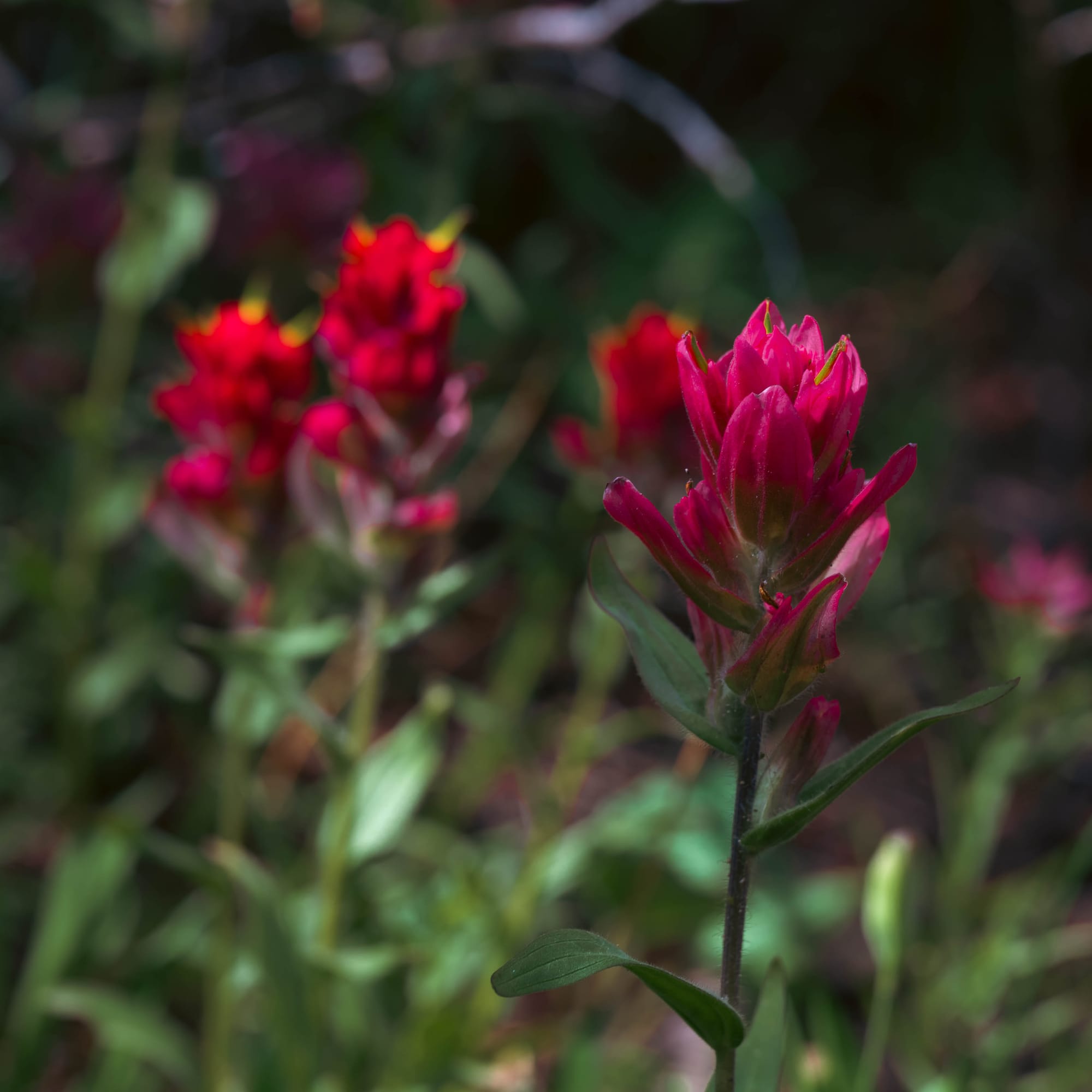
None of that history dominates the modern experience. What stood out most during our stay was the combination of alpine terrain, open meadows, lakes, and wildlife. We saw moose several times, along with pika and marmots higher in the rocks.
The forest is much larger than the Snowy Range corridor we explored. Ryan Park gave us access to one part of it, but the separate recreation areas, wilderness, trail systems, lakes, and lower forest roads left plenty for another visit.
🚴 On the Ground
- Activities available: ● 🥾 Hiking | ● 🚴 Biking | ● 🐕 Dogs | ● 🚣 Paddling | ● 🎣 Fishing | ● 🐦 Wildlife | ○ 🏊 Swimming | ● 📸 Photography | ● 🏕️ Camp-centric | ○ 🧗 Climbing
- Trail mileage available: 🥾 30+ mi | 🚴 21 mi | 🚣 ⟂
- Crowd level: Quiet
Legend: ● = available · ○ = not available
Three Days on Trail
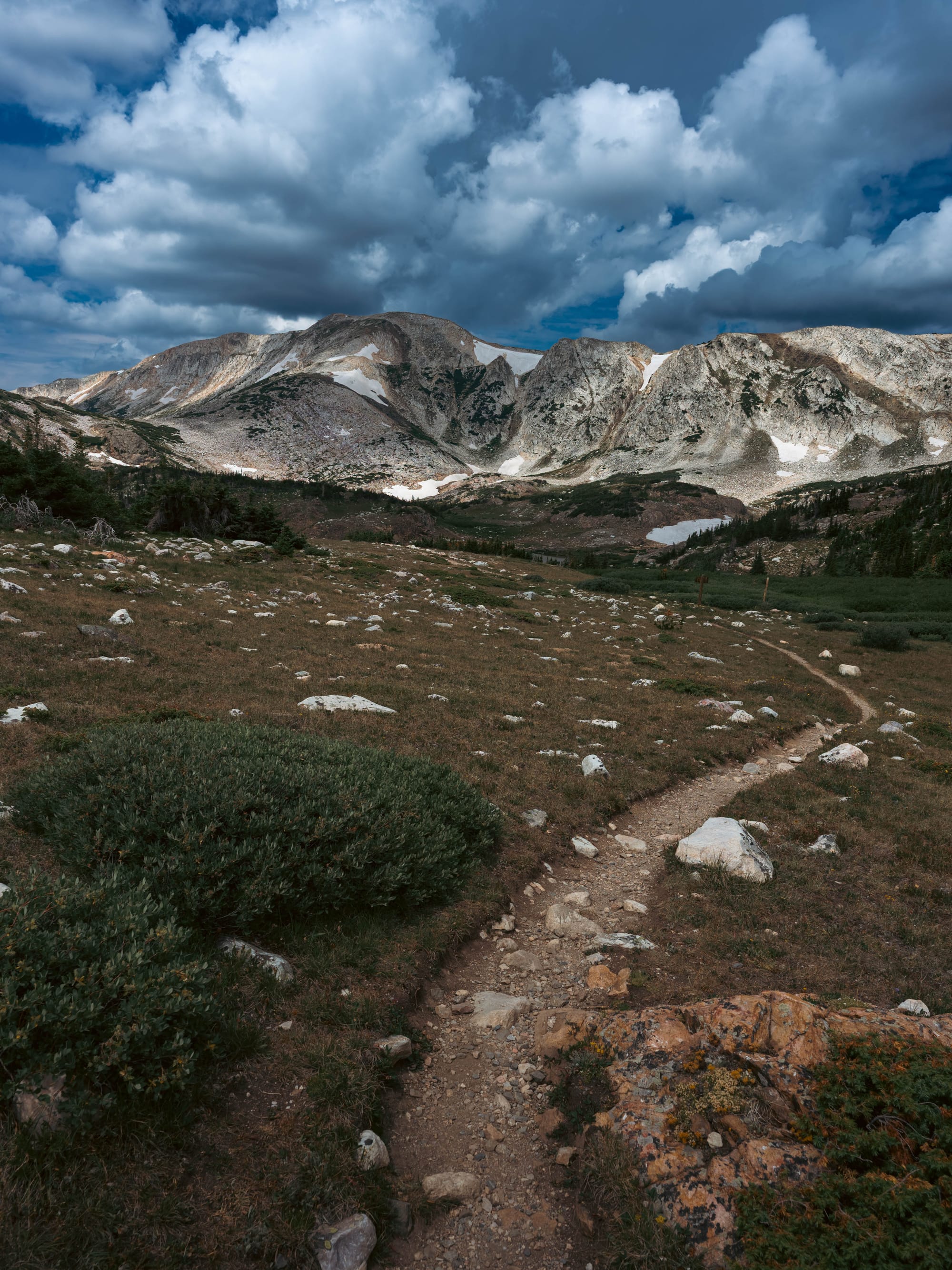
We chose one route for each of our three full days: Medicine Bow Peak, the Browns Peak loop, and a shorter trail run around Silver Lake and Meadow Falls.
Medicine Bow Peak
Medicine Bow Peak was the clear highlight.
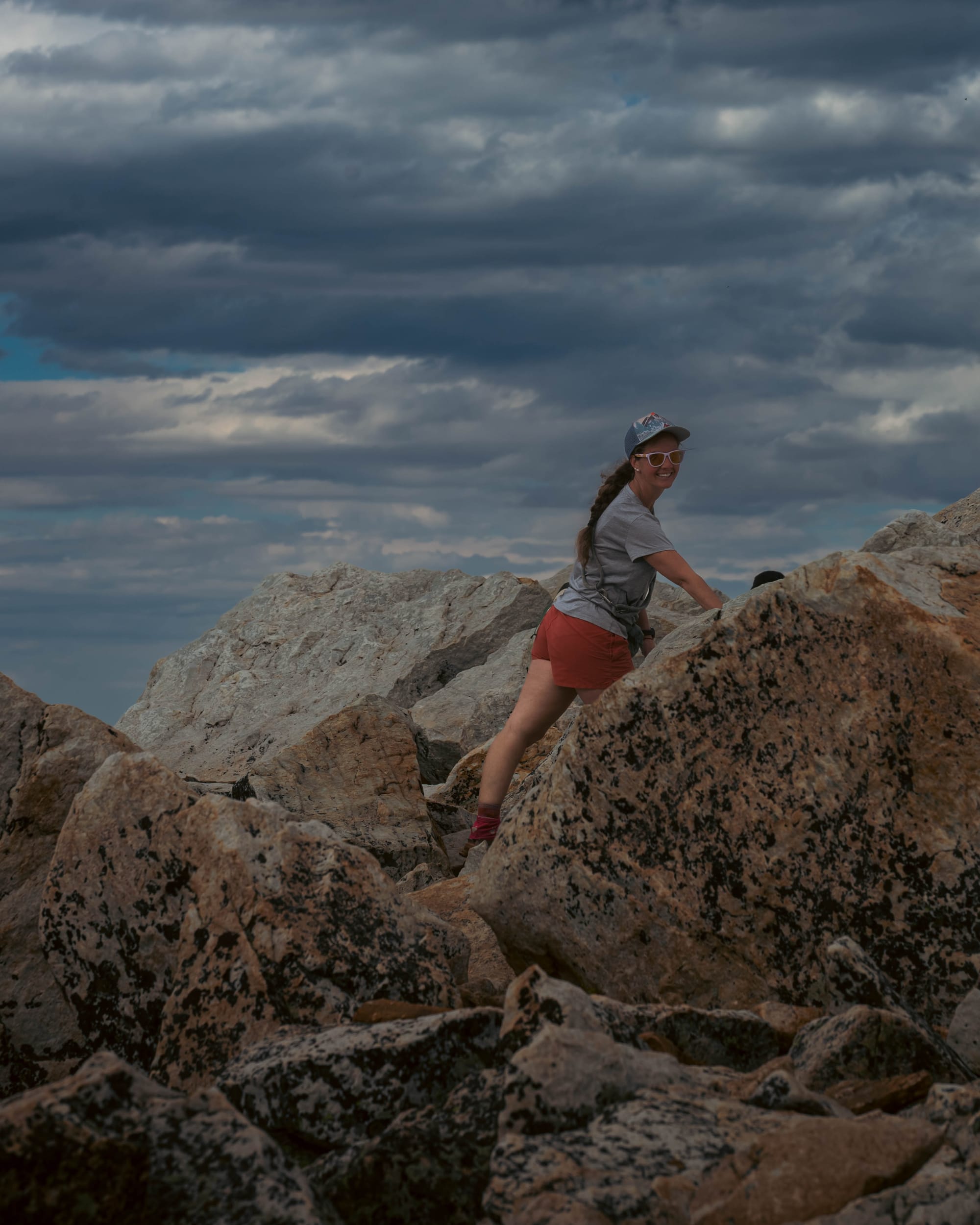
The loop climbed steadily before shifting onto larger rock, where the middle section became a sustained stretch of rock hopping. It was challenging enough to stay interesting without becoming technical.
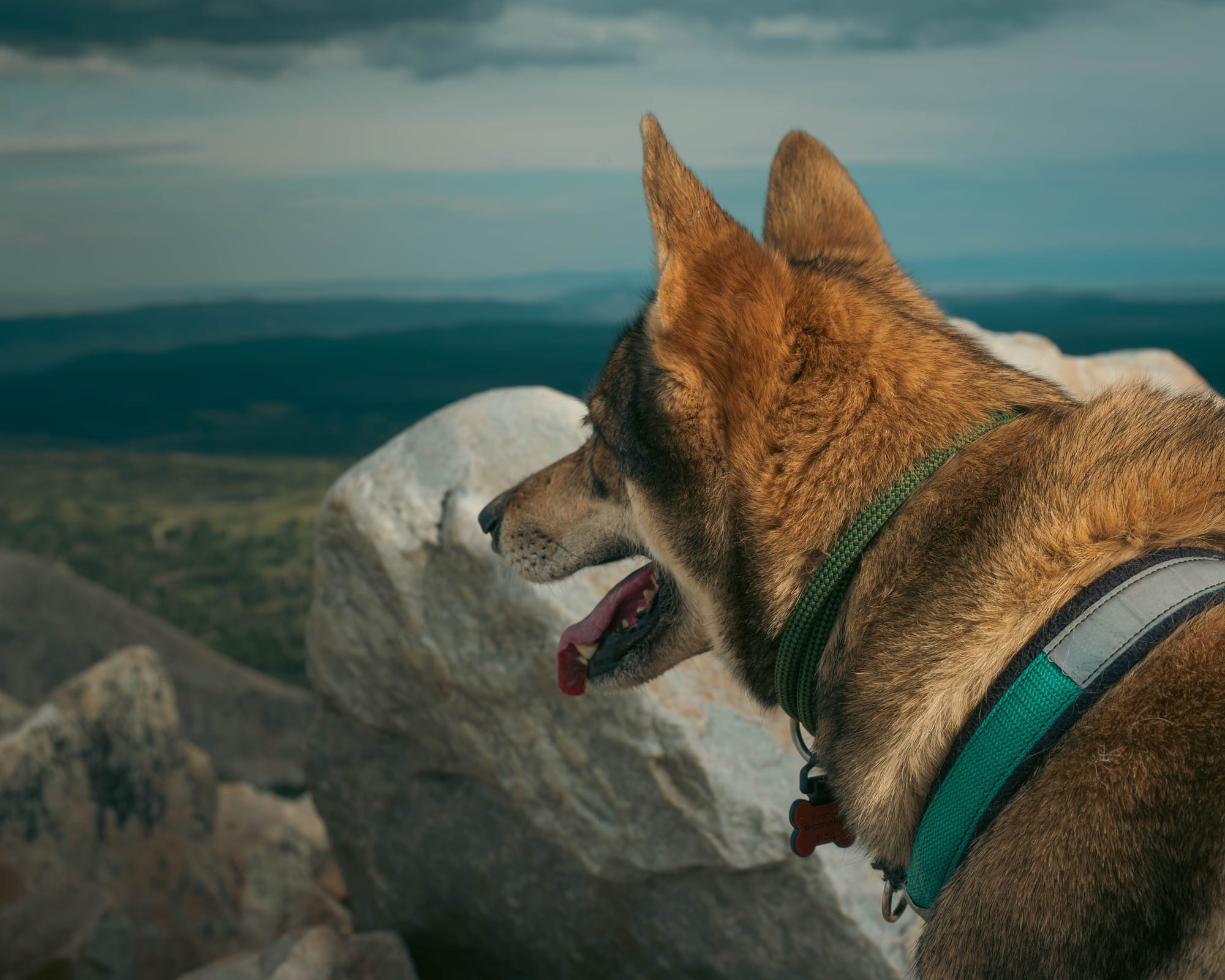
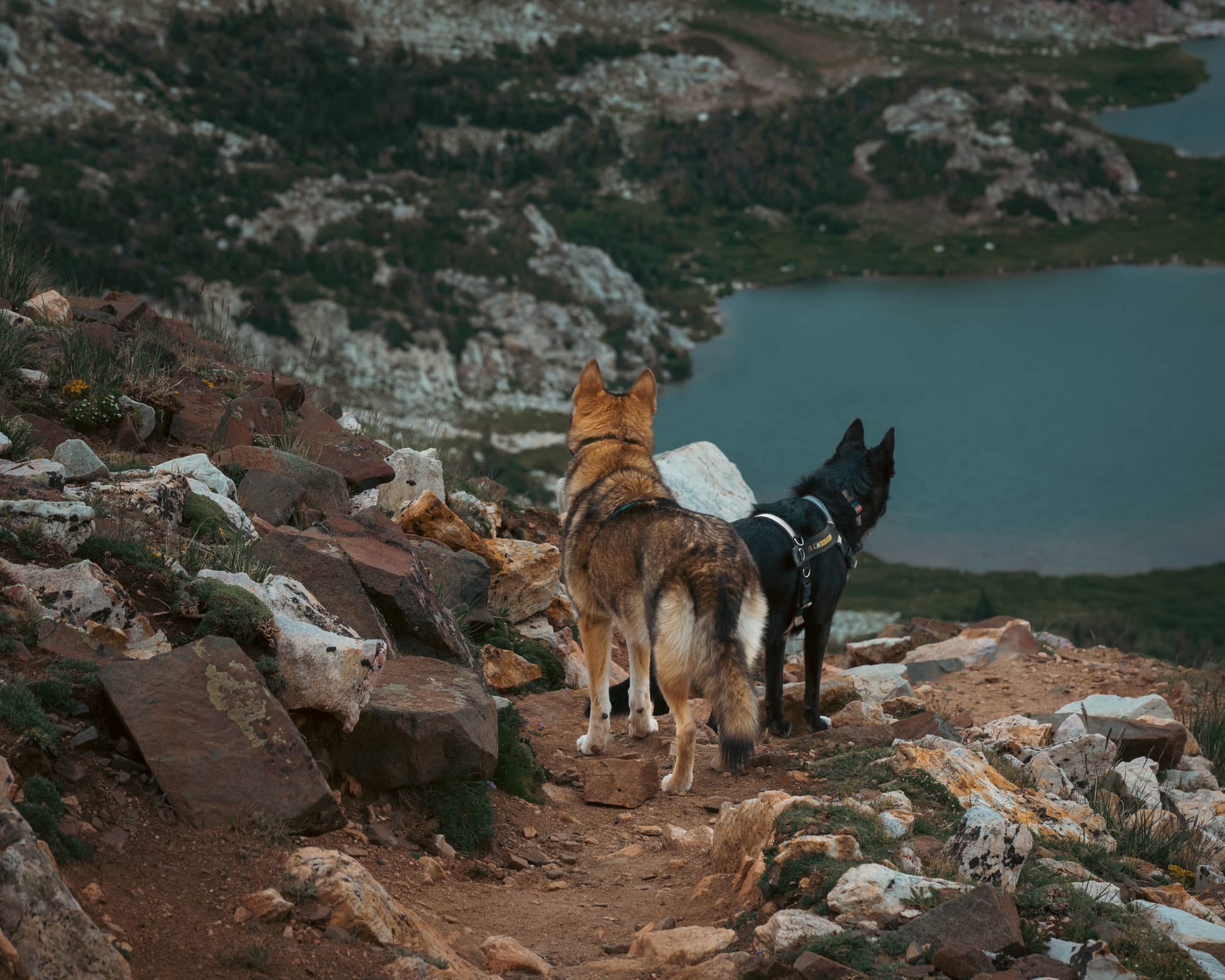
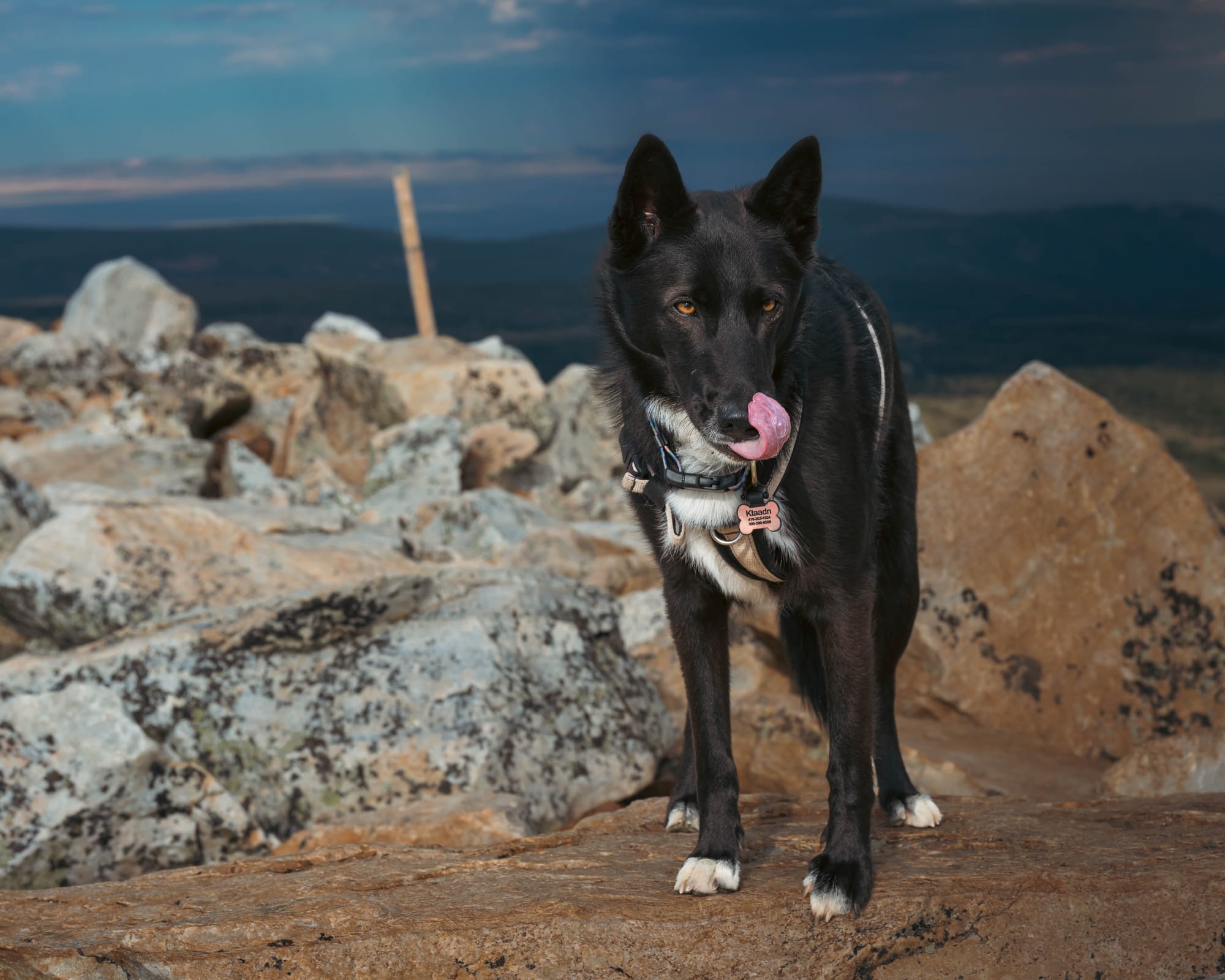
Sam, the dogs, and I completed the loop in ~7 miles with about 2,700 feet of climbing. The route reached a high point just above 12,000 feet. Everyone handled the terrain well. The exposed sections required attention, but the route never felt beyond what the distance suggested.
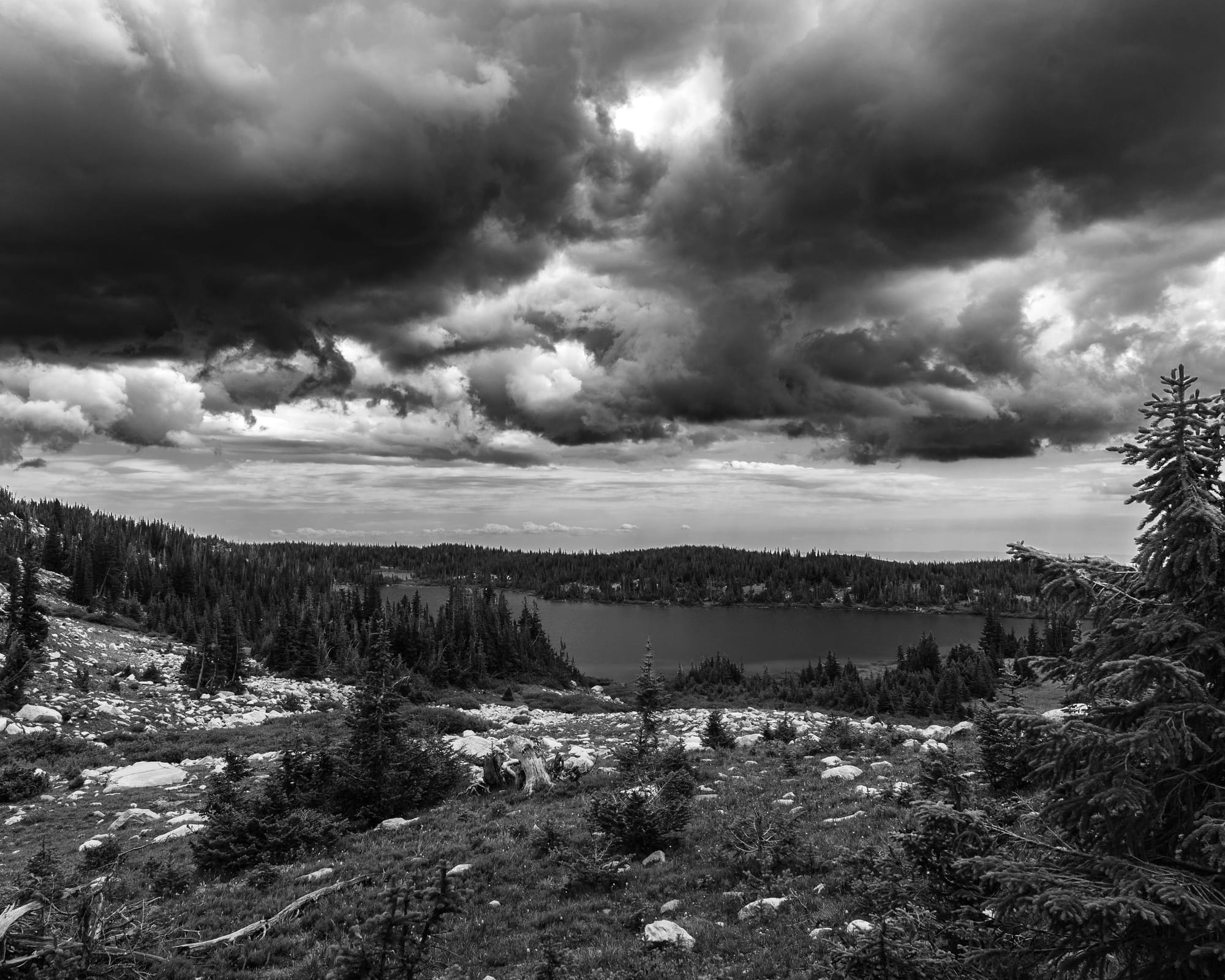
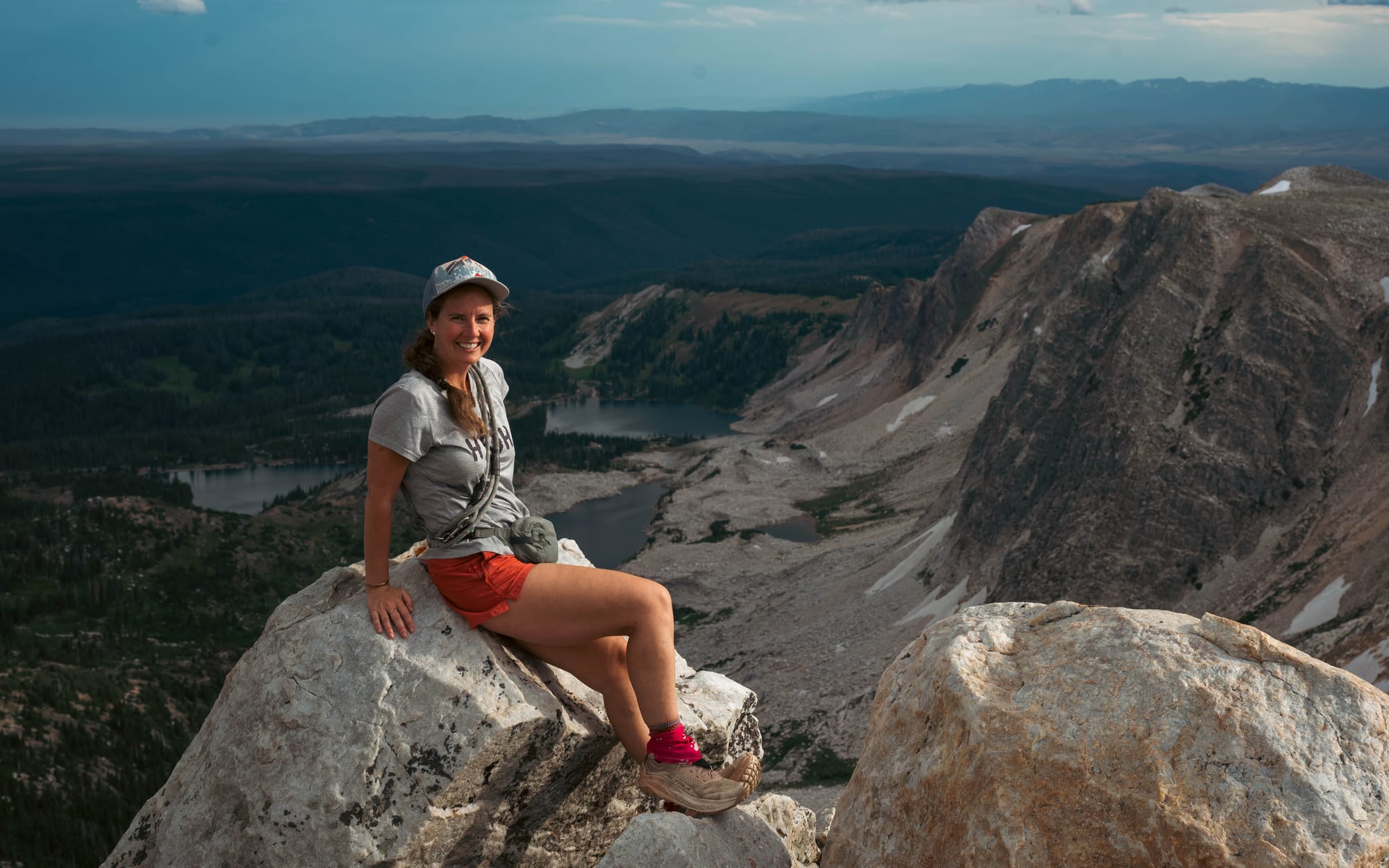
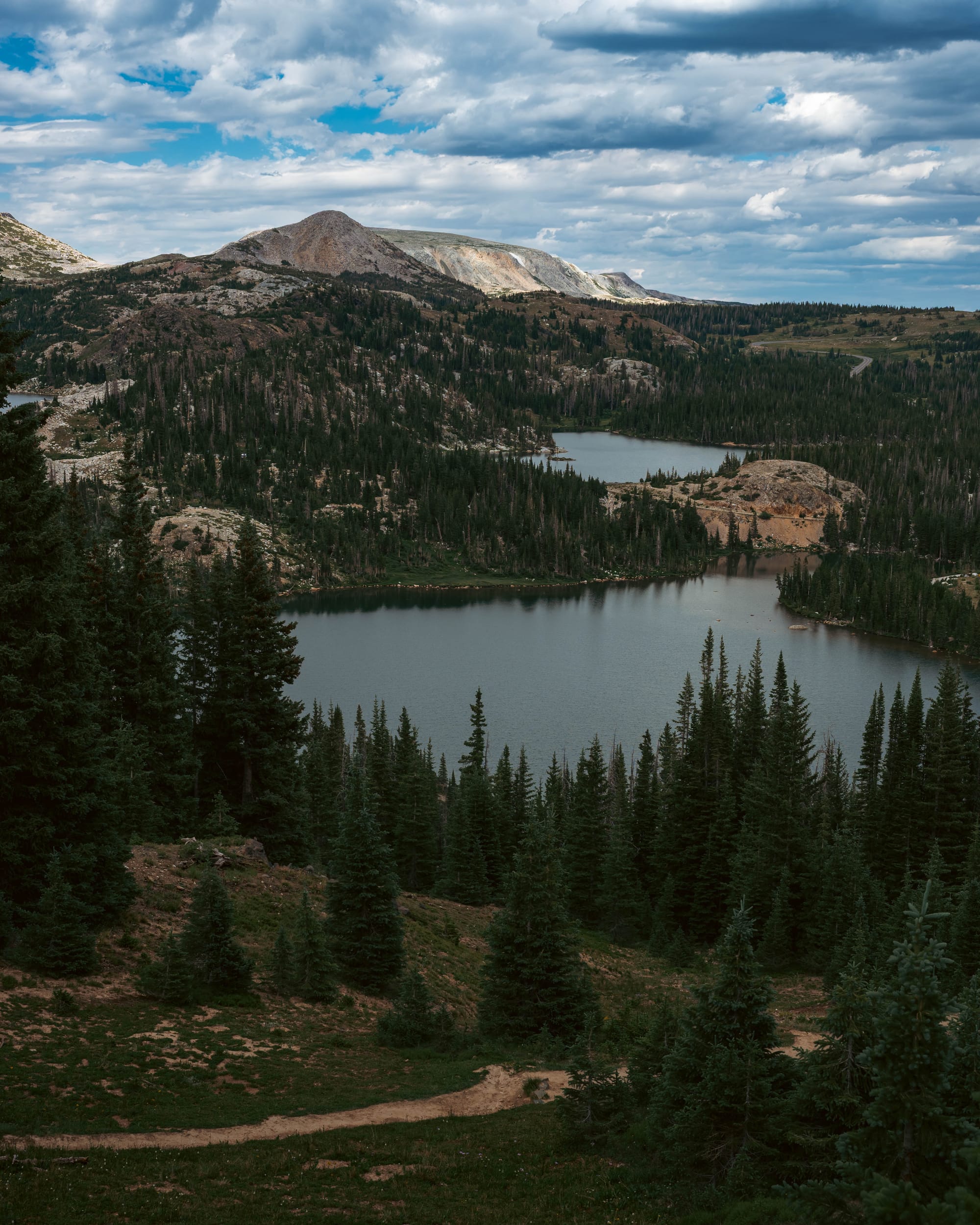
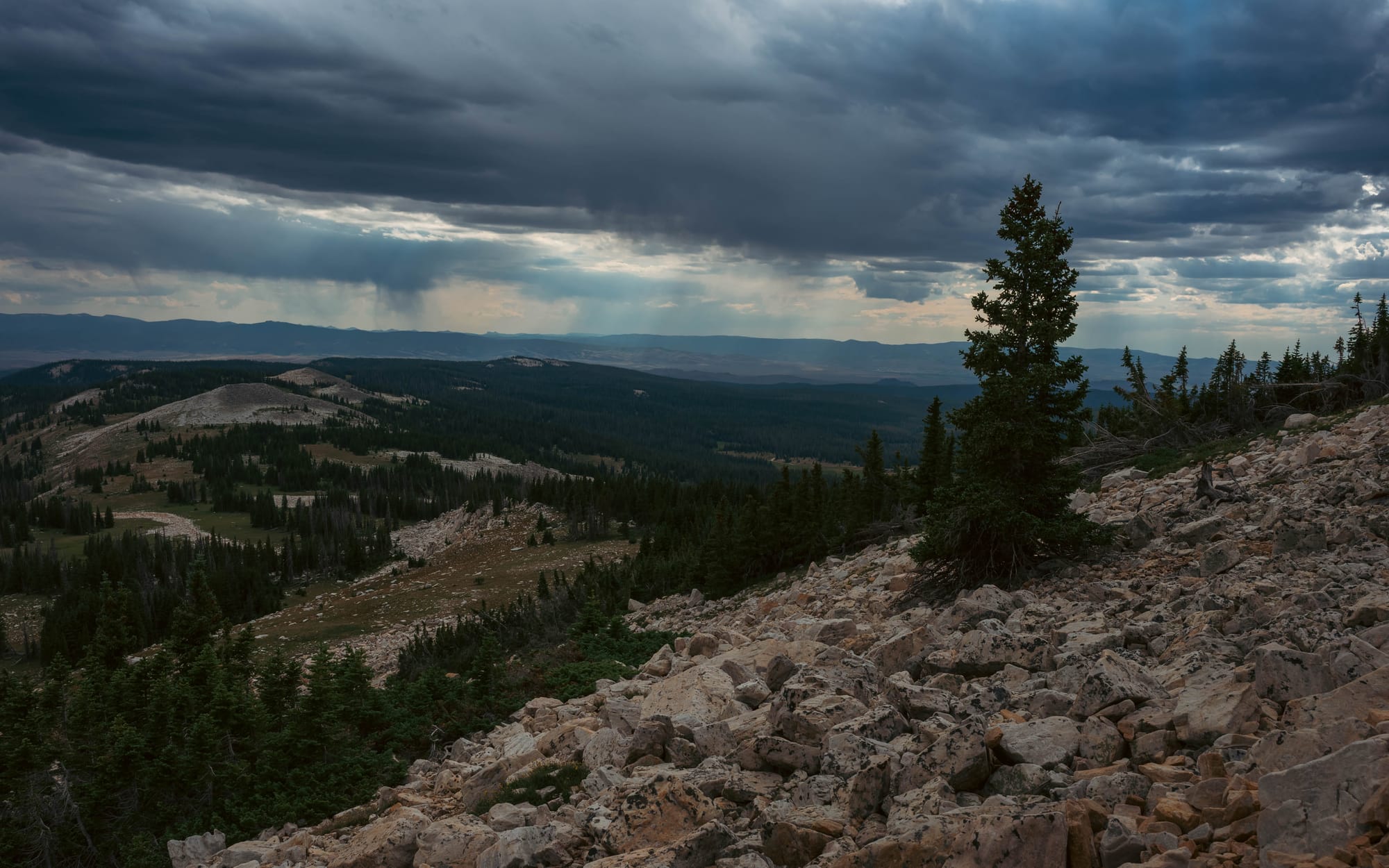
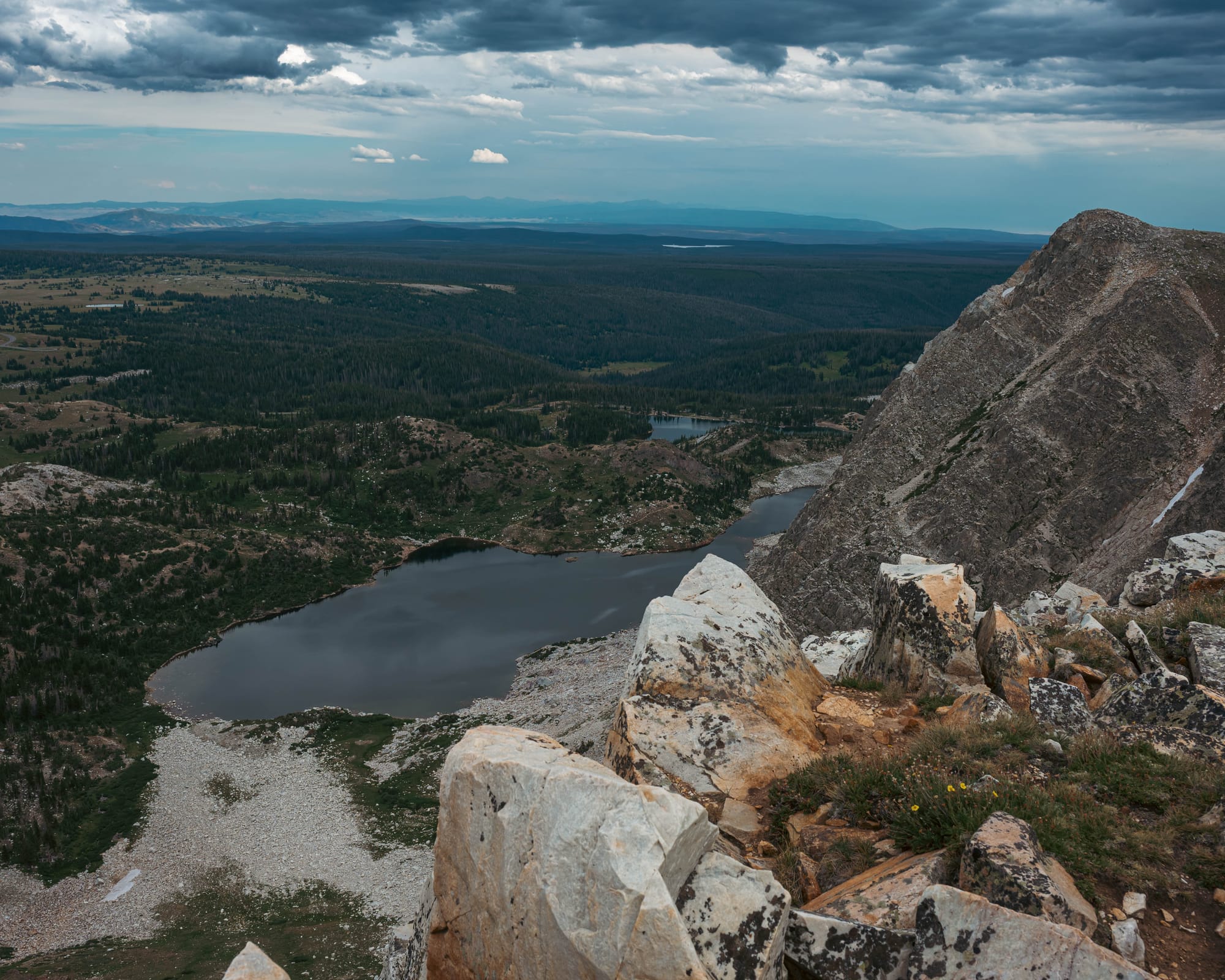
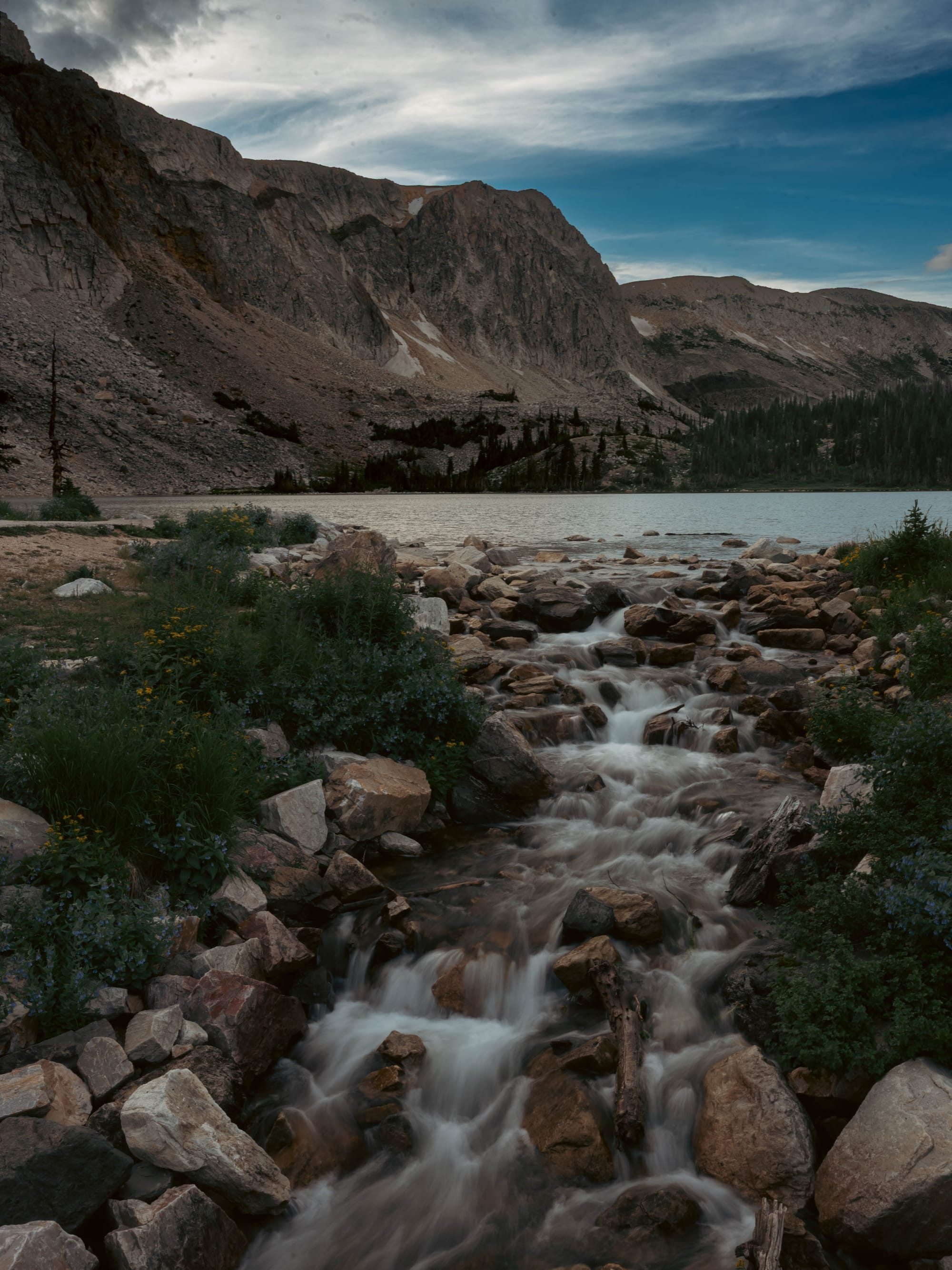
The summit brought the entire area into view. Alpine lakes filled the basins below, the main ridge dropped away in steep walls, and the surrounding forest stretched out beyond the rock.
What made the hike stand out was how much it packed into one route. It had a 12,000-foot summit, alpine lakes, glacial terrain, rock hopping, and broad views without requiring an all-day push.
It belongs in my top ten.
Browns Peak Loop
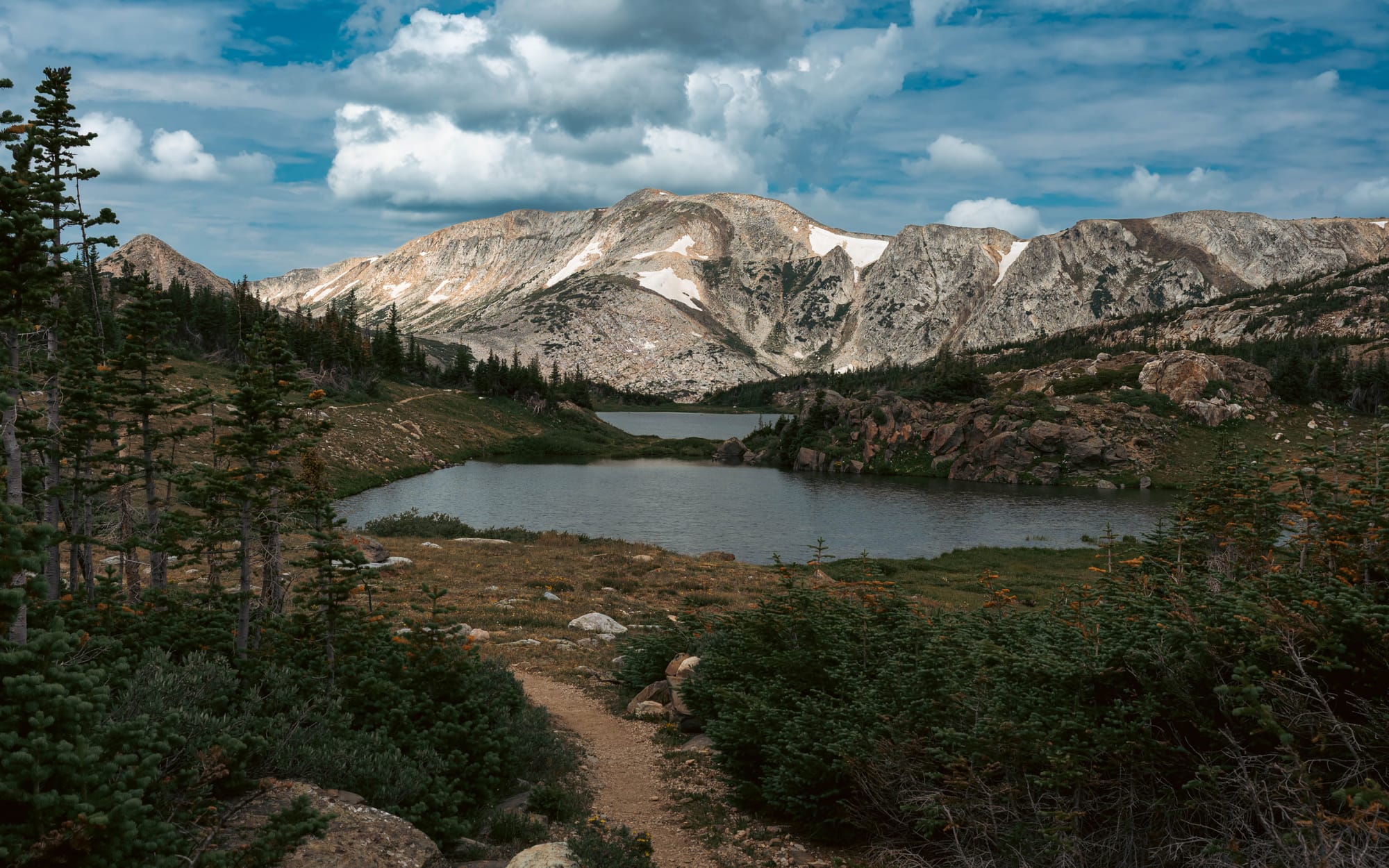
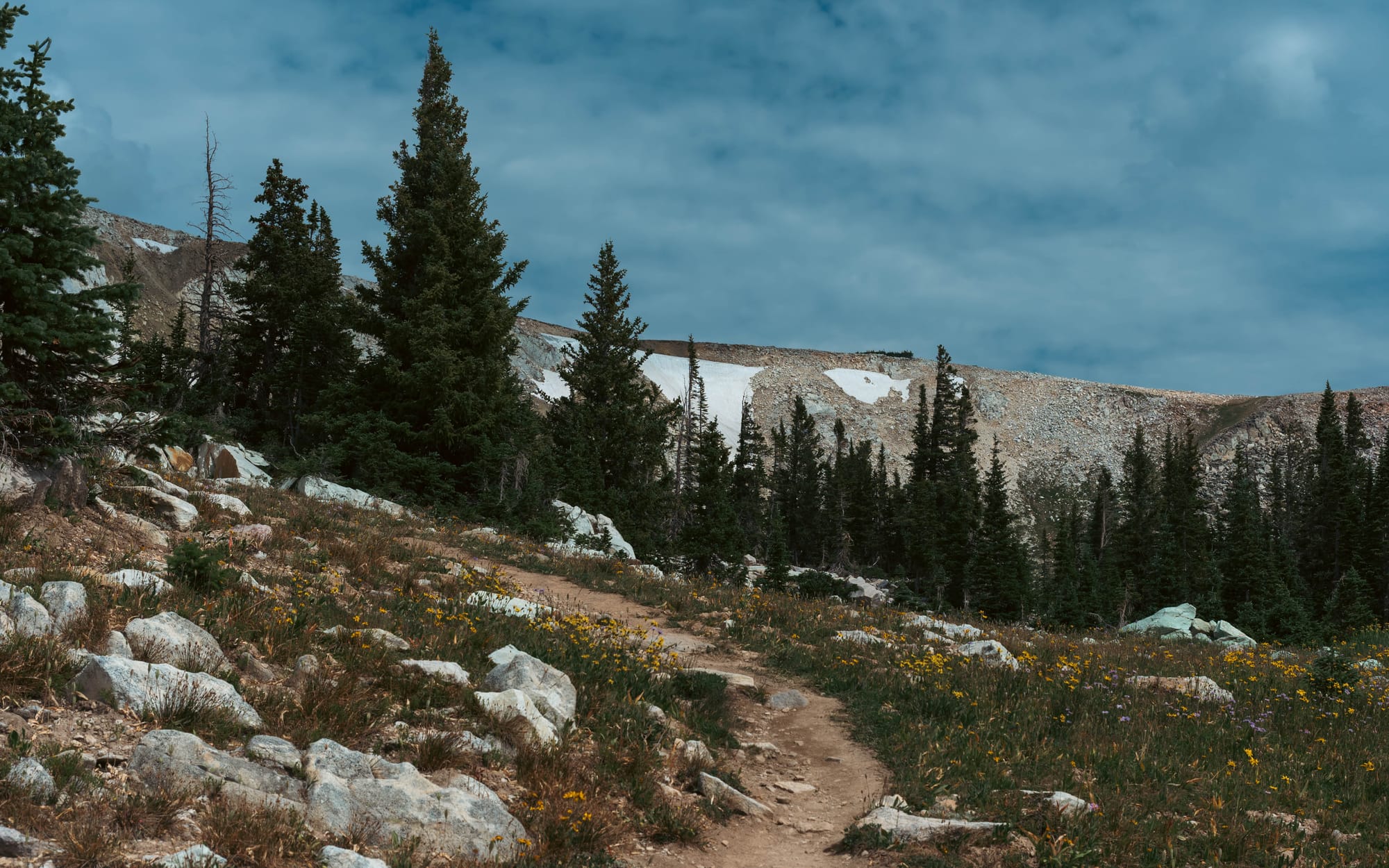
The Browns Peak loop gave me a longer day and a different look at the range.
I chose it partly as training before the Collegiate Loop and partly because it circled the other major formation in the area.The route covered ~12 miles with approximately 2,500 feet of climbing.
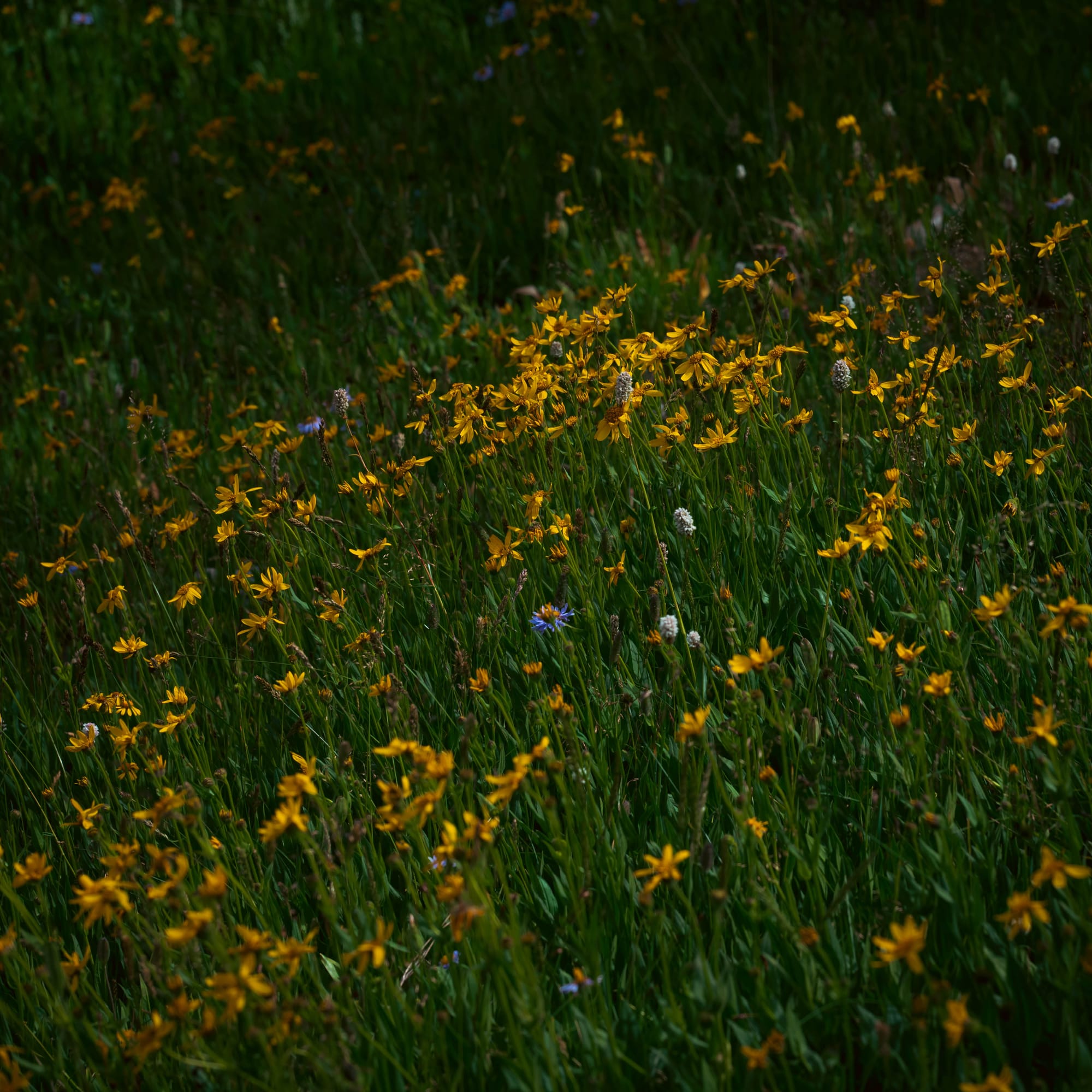
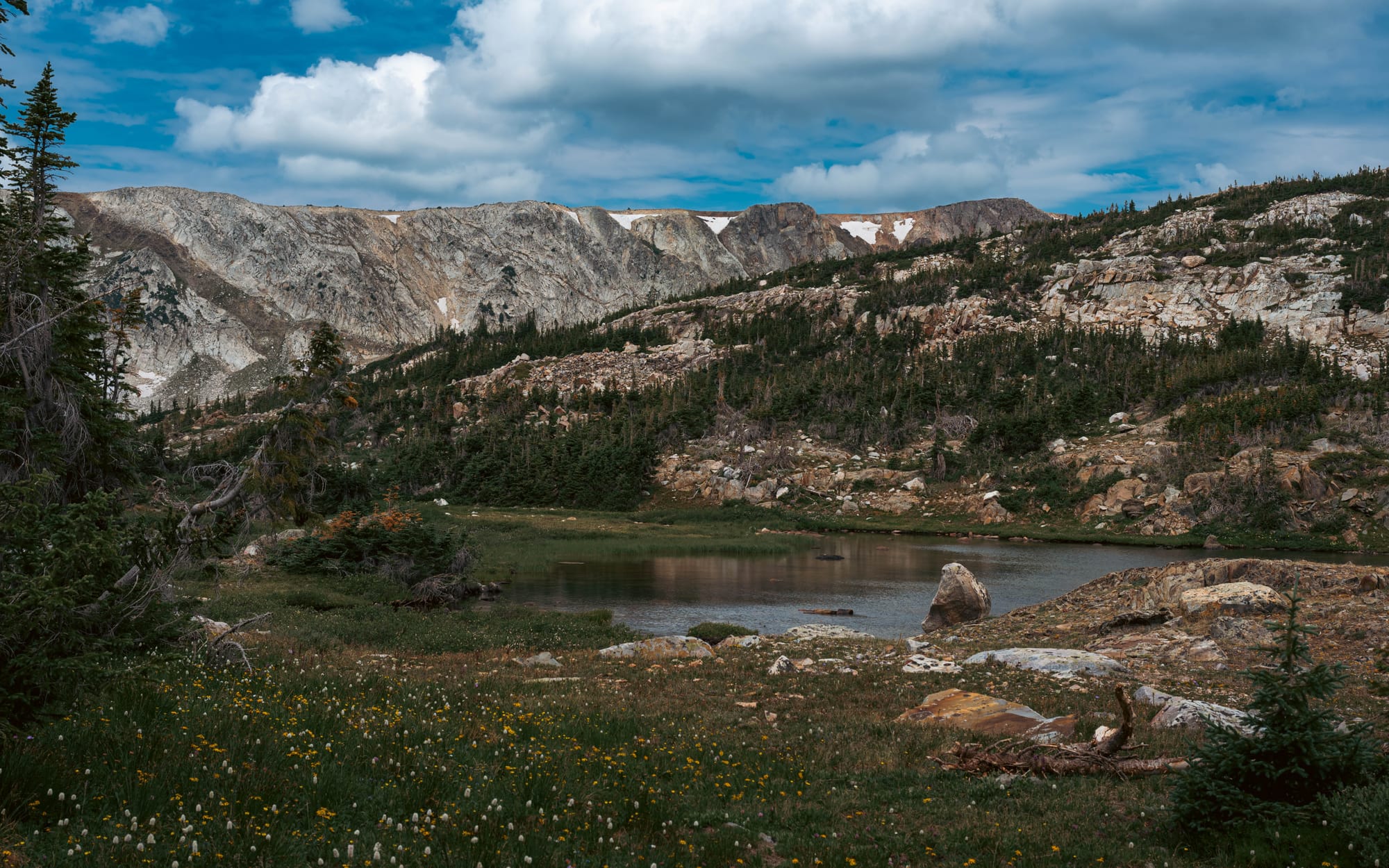
The route stayed on established trail with fewer sustained rock sections than Medicine Bow Peak. It passed more lakes, open meadows, and broad fields below the ridge.
Medicine Bow Peak concentrated the experience into a summit loop. Browns Peak spread it across a longer route and showed more of the terrain surrounding the main formations.
It was slightly less dramatic, but it gave me a better sense of the scale of the area.
Silver Lake and Meadow Falls
Our third outing was a shorter trail run around Silver Lake and Meadow Falls.
Sam signed up for the Mesa Marathon and the Zion ultramarathon, so running is becoming part of the next phase of our travels.
This loop gave us a useful starting point. It mixed forest, lake views, climbing, and uneven trail without turning into a technical run.
It was not meant to compete with the two larger hikes. It simply gave us another way to use the terrain and rounded out three very different days in the Snowy Range.
⚡ TL;DR
- Park highlight: A seven-mile summit route with alpine lakes, rock hopping, glacial terrain, and a 12,000-foot peak
- Best for: Hiking, trail running, alpine lakes, and exploring the Snowy Range
- Skip if: You want hookups, showers, or a polished RV campground
- Worth planning around?: Yes
Final Takeaway
Medicine Bow National Forest was one of the stronger hiking stops of our Wyoming route.
The area combined sharp alpine terrain, glacial lakes, open meadows, wildlife, and quiet forest without feeling overused. The scenic highway made access easy, but the landscape still felt rugged once we started hiking.
Ryan Park worked well as a base, and Medicine Bow Peak alone made the stop worthwhile.
We explored only one section of the forest. I will go back.