Wind Cave National Park
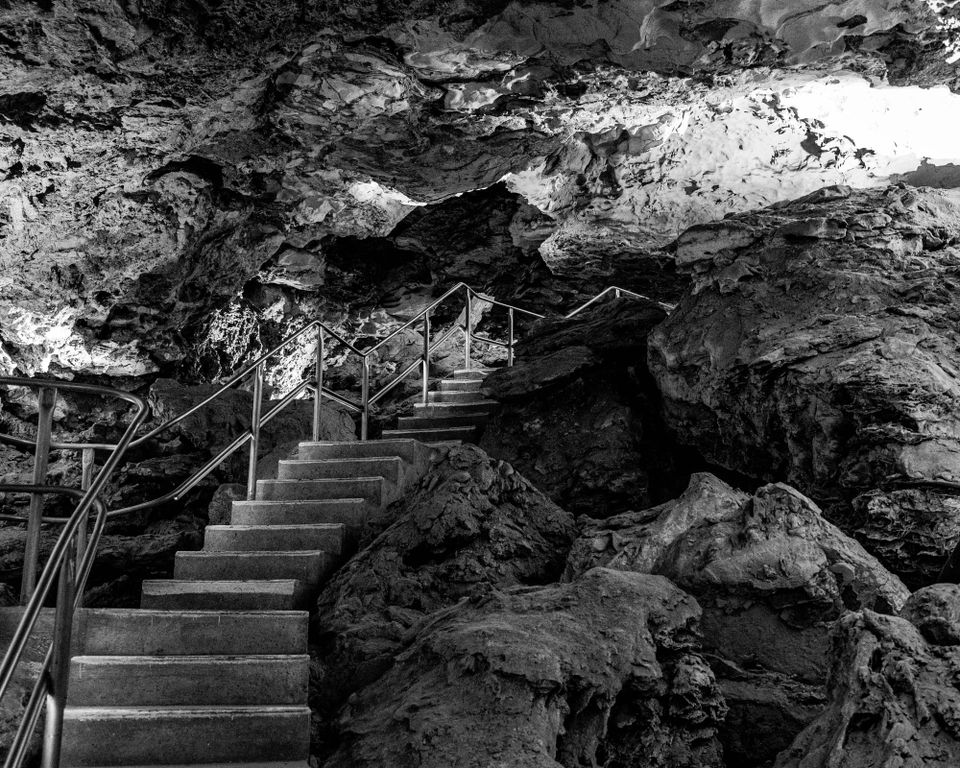
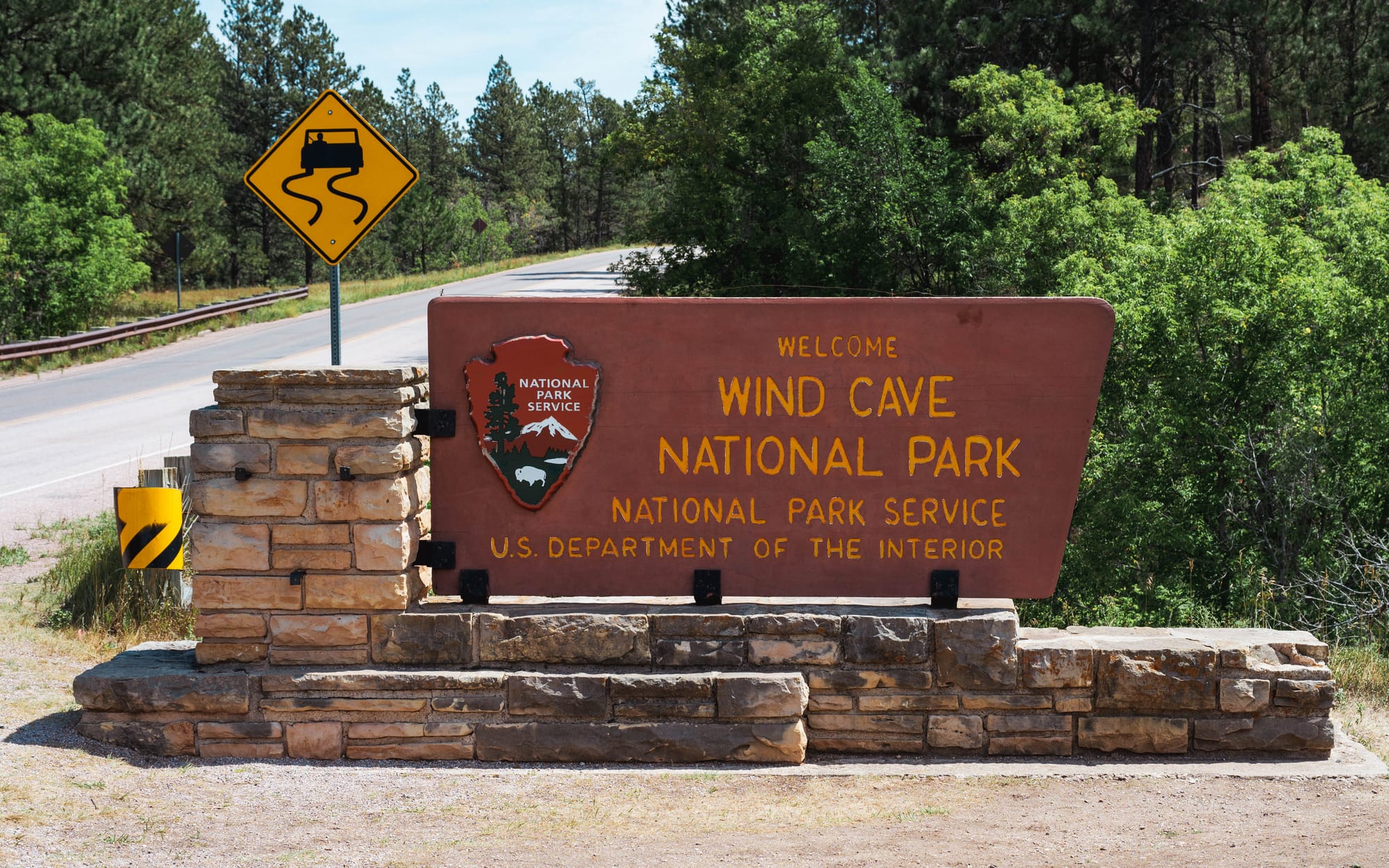
I thought getting to Wind Cave before the visitor center opened would be early enough.
Apparently not.
I arrived about fifteen minutes before opening without a cave-tour reservation and found more than fifty people already lined up outside. By the time I reached the counter, I managed to get the last ticket for the 9 a.m. Fairgrounds Tour.
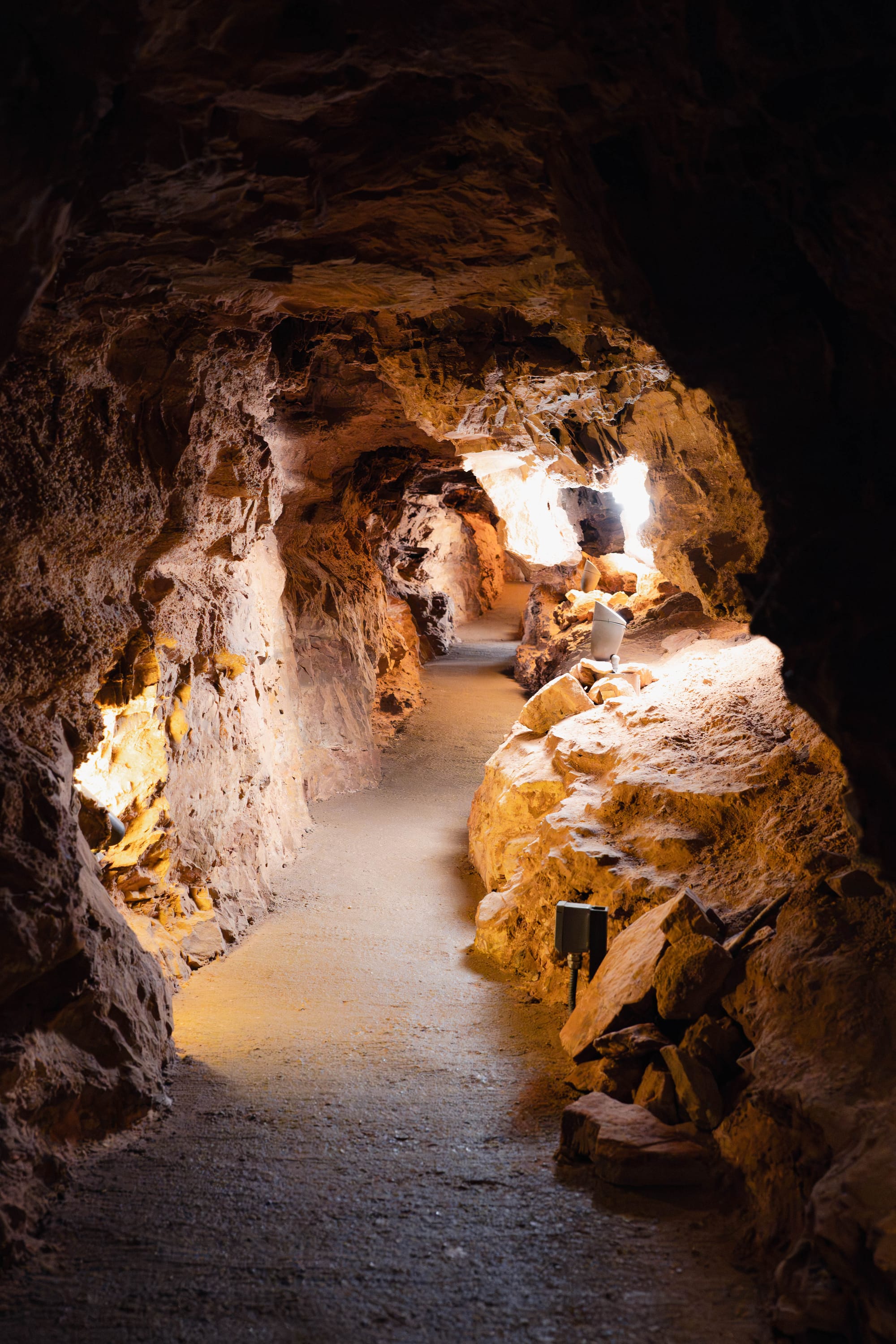
Our ranger was excellent, and it quickly became obvious that Wind Cave was going to be different from the other caves I had visited.
Florida Caverns, Lewis & Clark Caverns, and especially Carlsbad had conditioned me to look for stalactites, stalagmites, flowstone, and large decorated rooms.
Wind Cave had some familiar cave formations, but they were not what defined it.
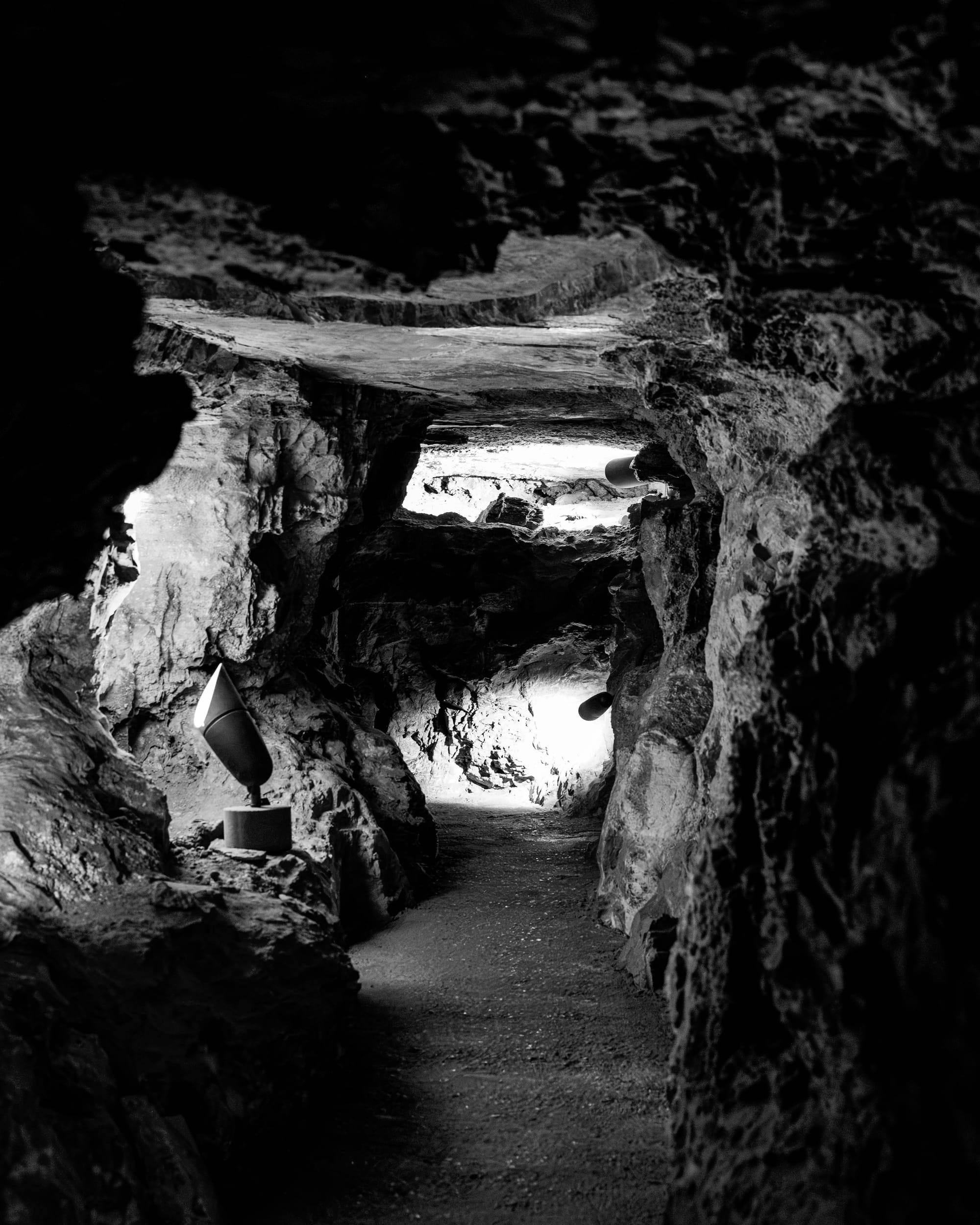
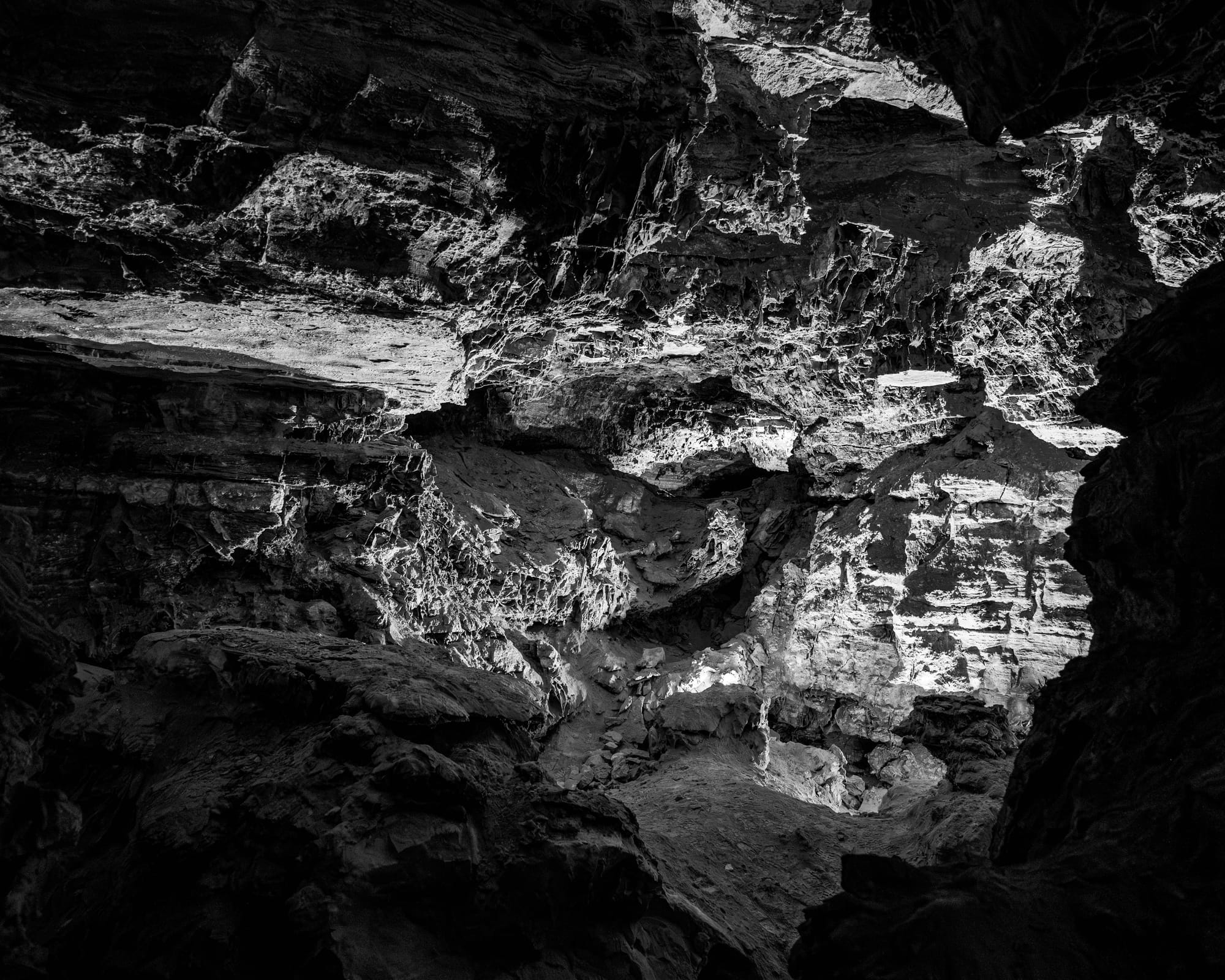
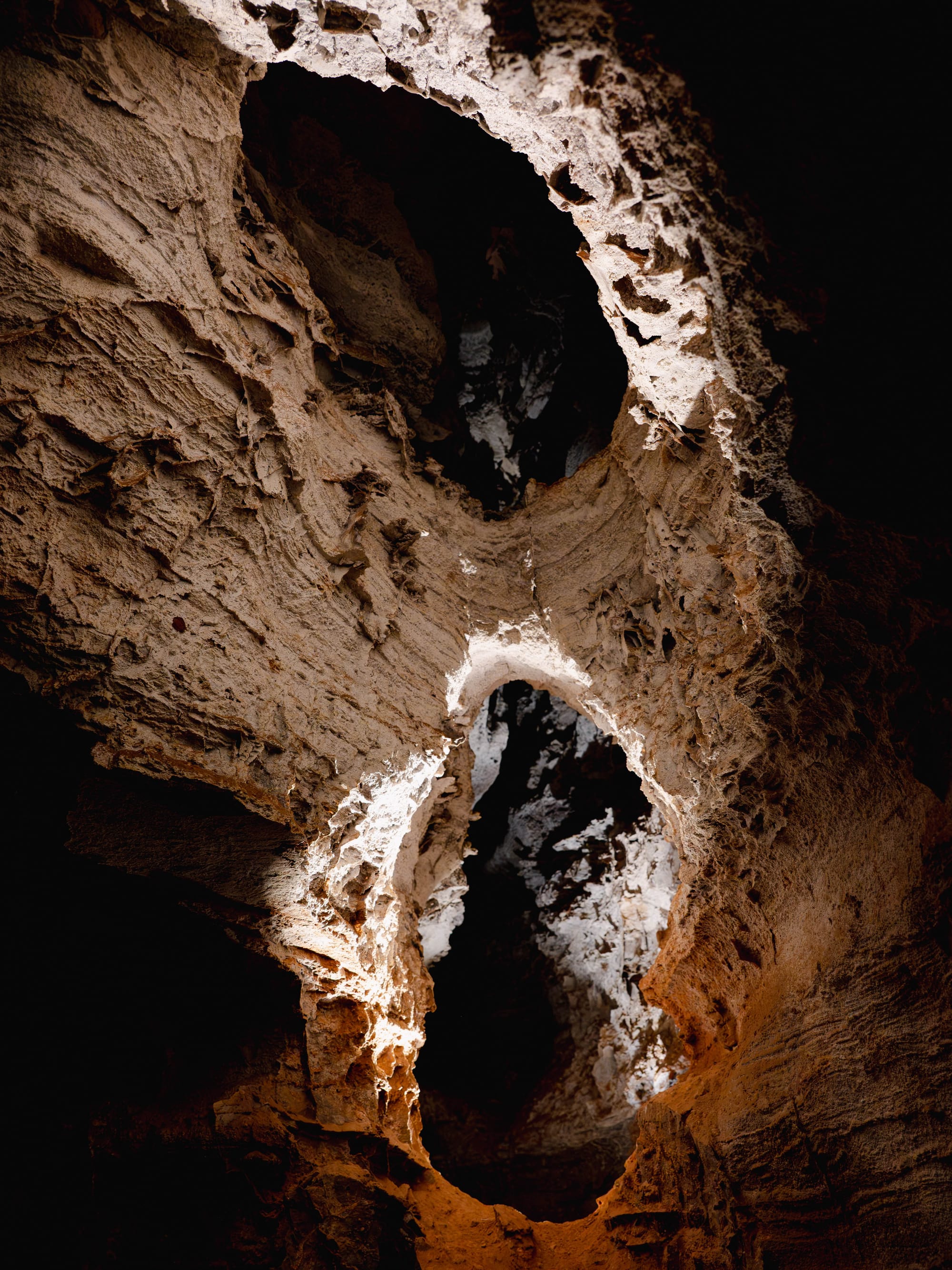
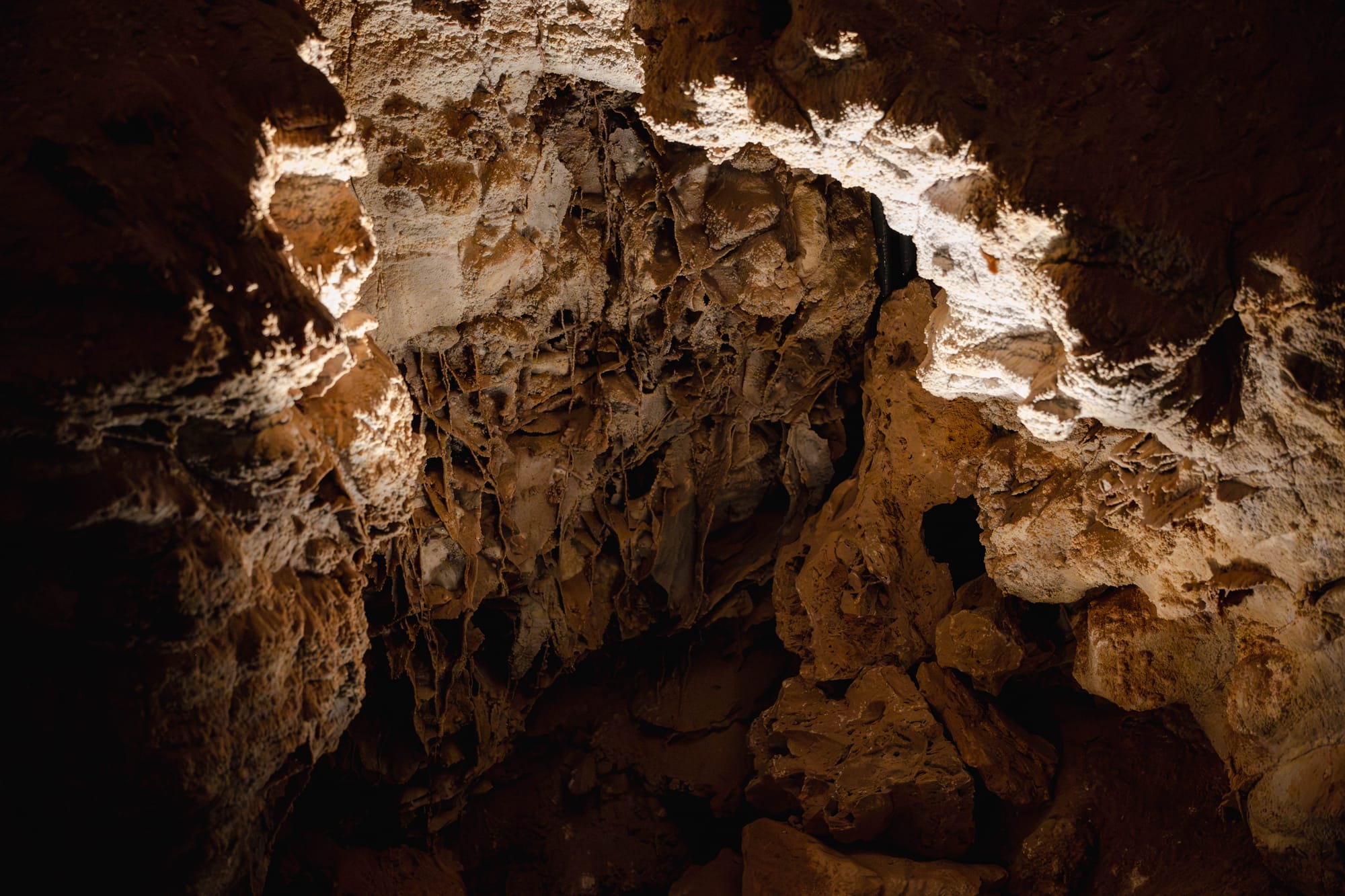
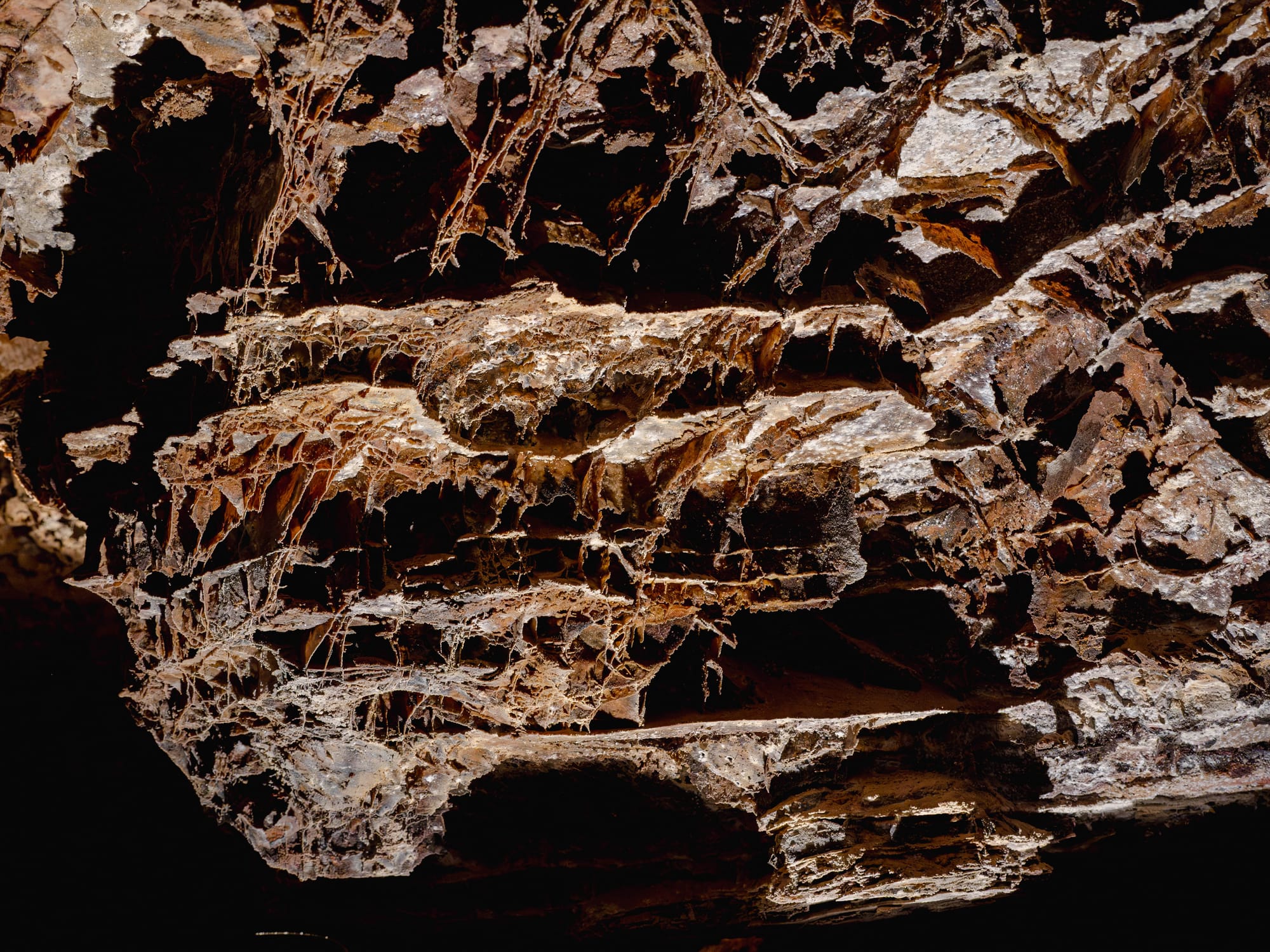
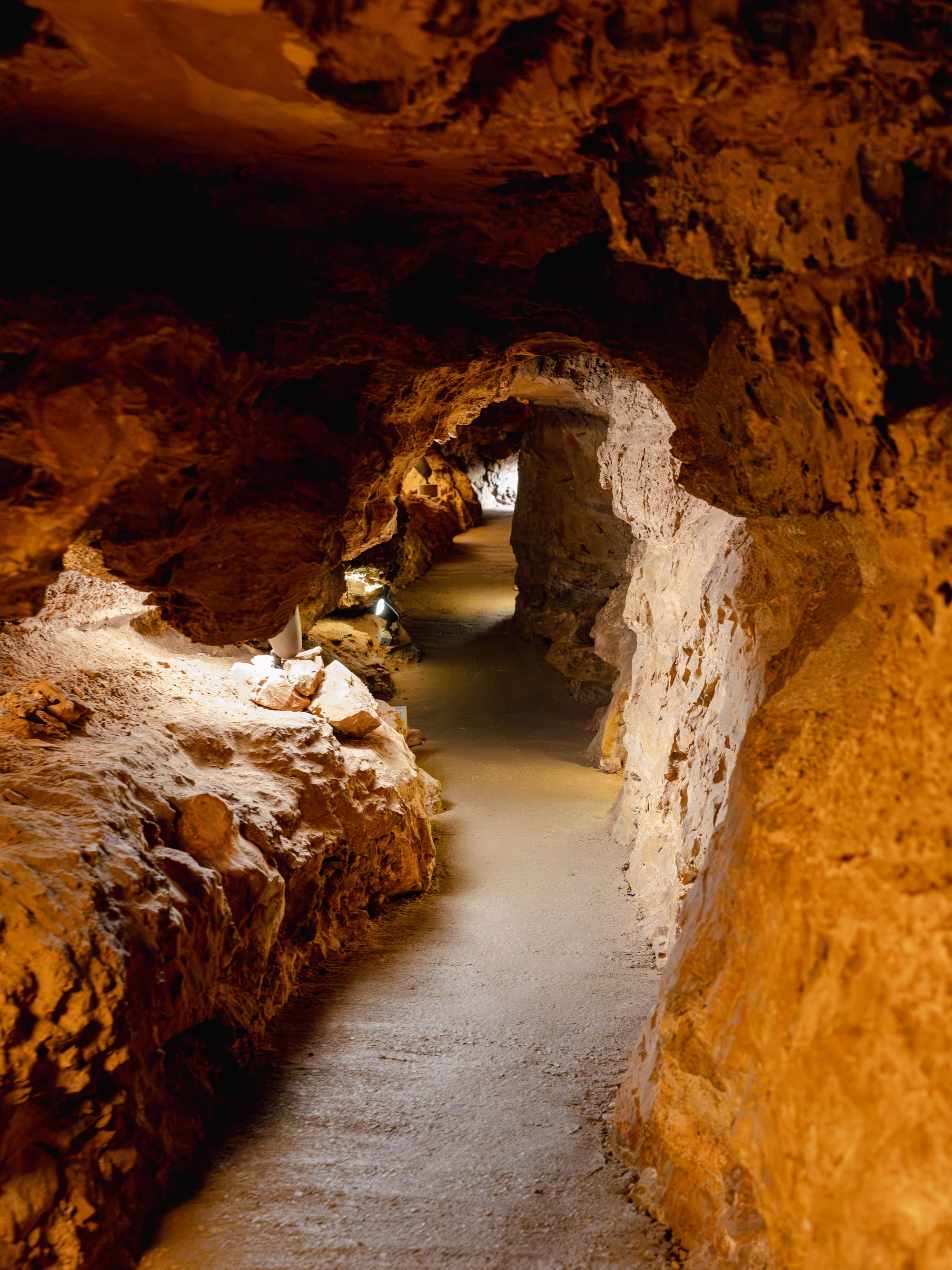
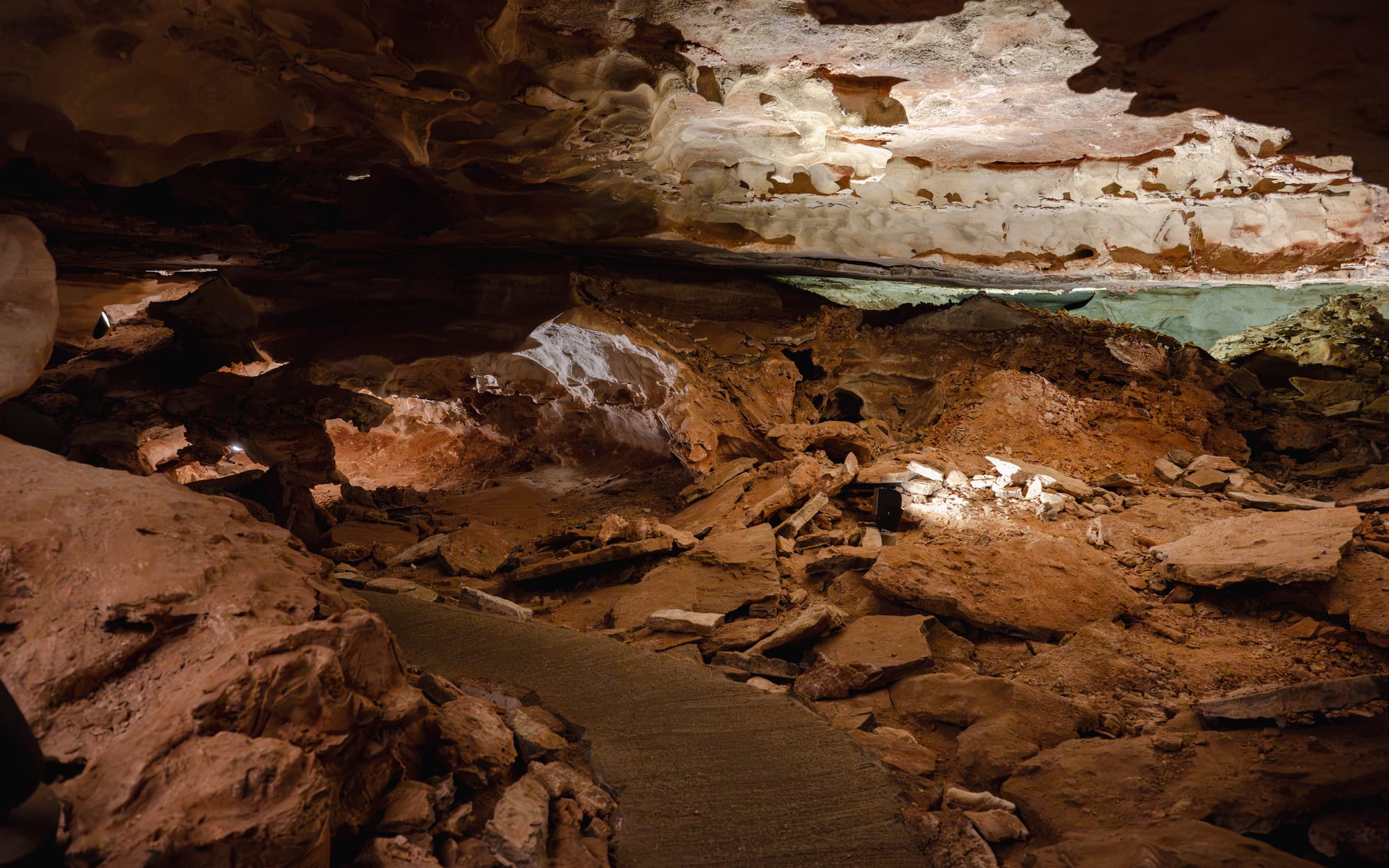
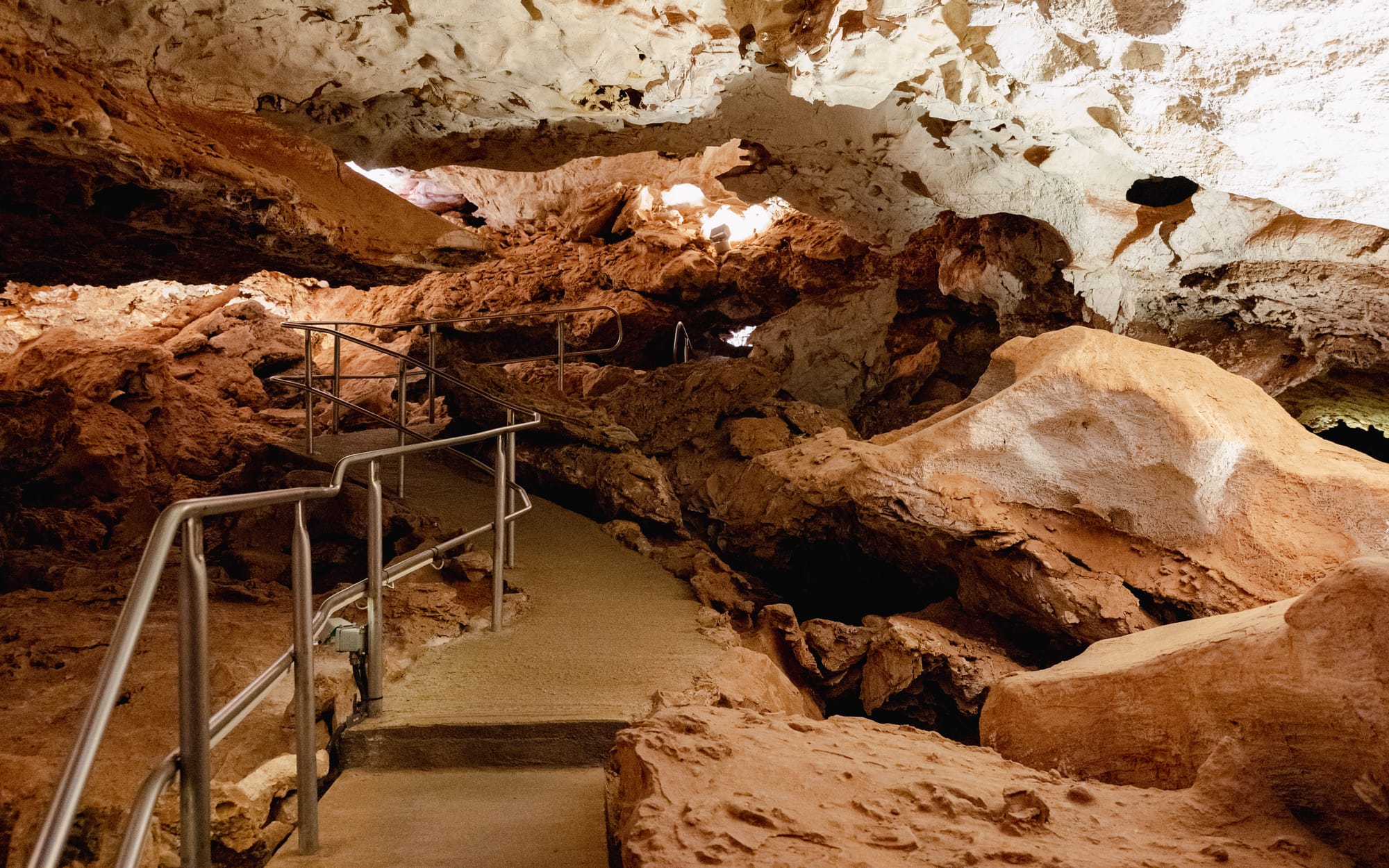
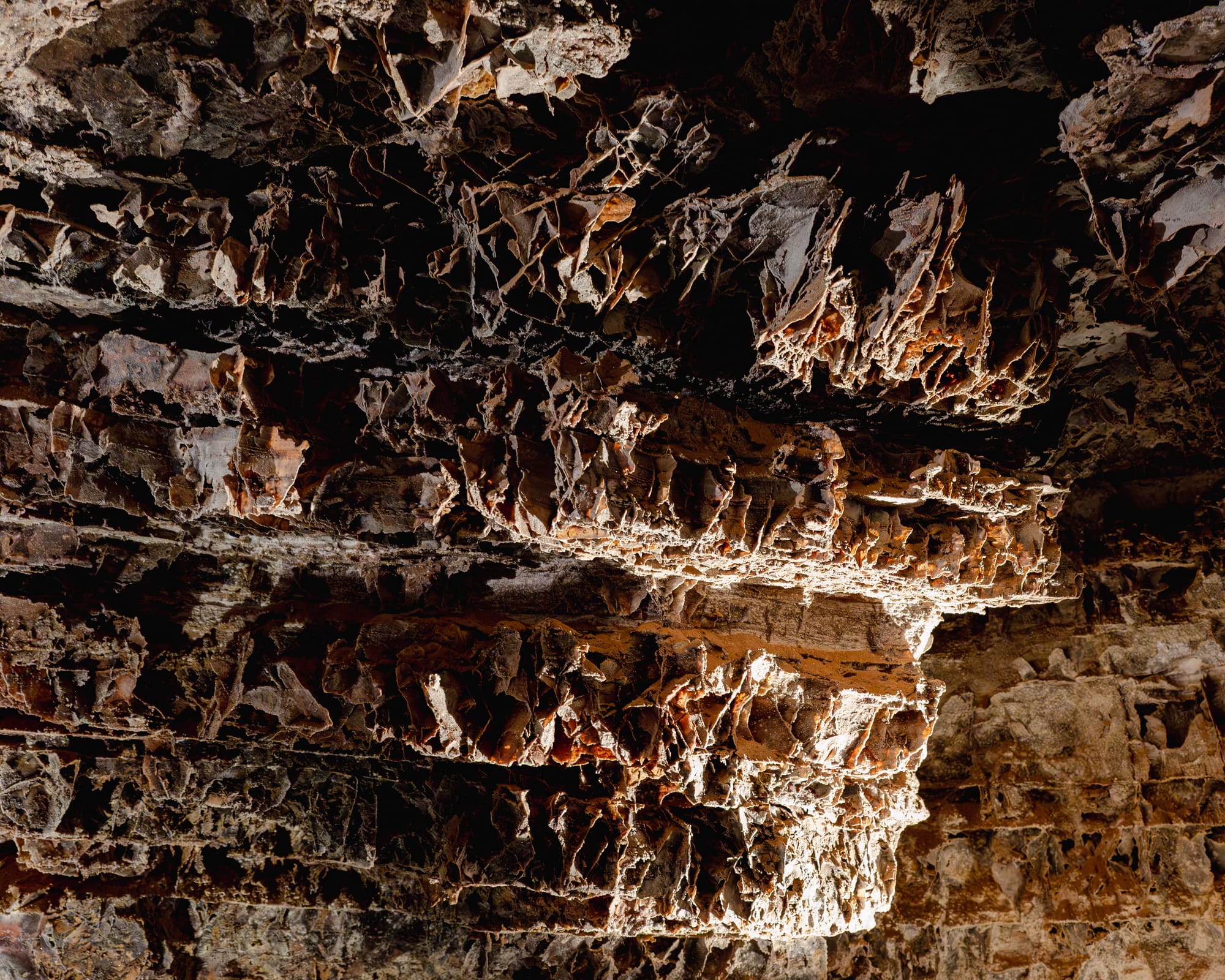
The walls changed from smooth, rounded passages to rough sections that looked almost torn apart. Thin blades of calcite crossed walls and ceilings in geometric patterns. In a couple of places, the ceiling was almost completely covered by them. One section looked like layers of the stuff had been stacked on top of one another.
It was boxwork, and I had never seen anything like it.
The more we moved through the cave, the more obvious the question became.
Why did this cave look so different?
🧭 Lay of the Land
- Location: Wind Cave National Park · South Dakota · 43.5561, -103.4772 · [Google Maps]
- Official site: Wind Cave National Park · National Park Service
- Landscape: Cave · Mixed-grass prairie
- Our visit: August 18, 2026 · Fairgrounds Tour + ~5-mile prairie hike
A Cave Older Than the Black Hills
The answer starts long before there were Black Hills.
The limestone containing Wind Cave was deposited roughly 350 million years ago beneath a shallow sea. Some of the earliest passages began forming around 320 million years ago, making portions of Wind Cave more than 300 million years old. The uplift that created the modern Black Hills came hundreds of millions of years later.
The cave did not form during one clean episode.
Passages opened, filled with sediment, reopened, and were altered again over enormous spans of time. That complicated history left different levels, passage shapes, mineral formations, and textures throughout the cave.
People knew about the cave long before anyone attempted to map it.
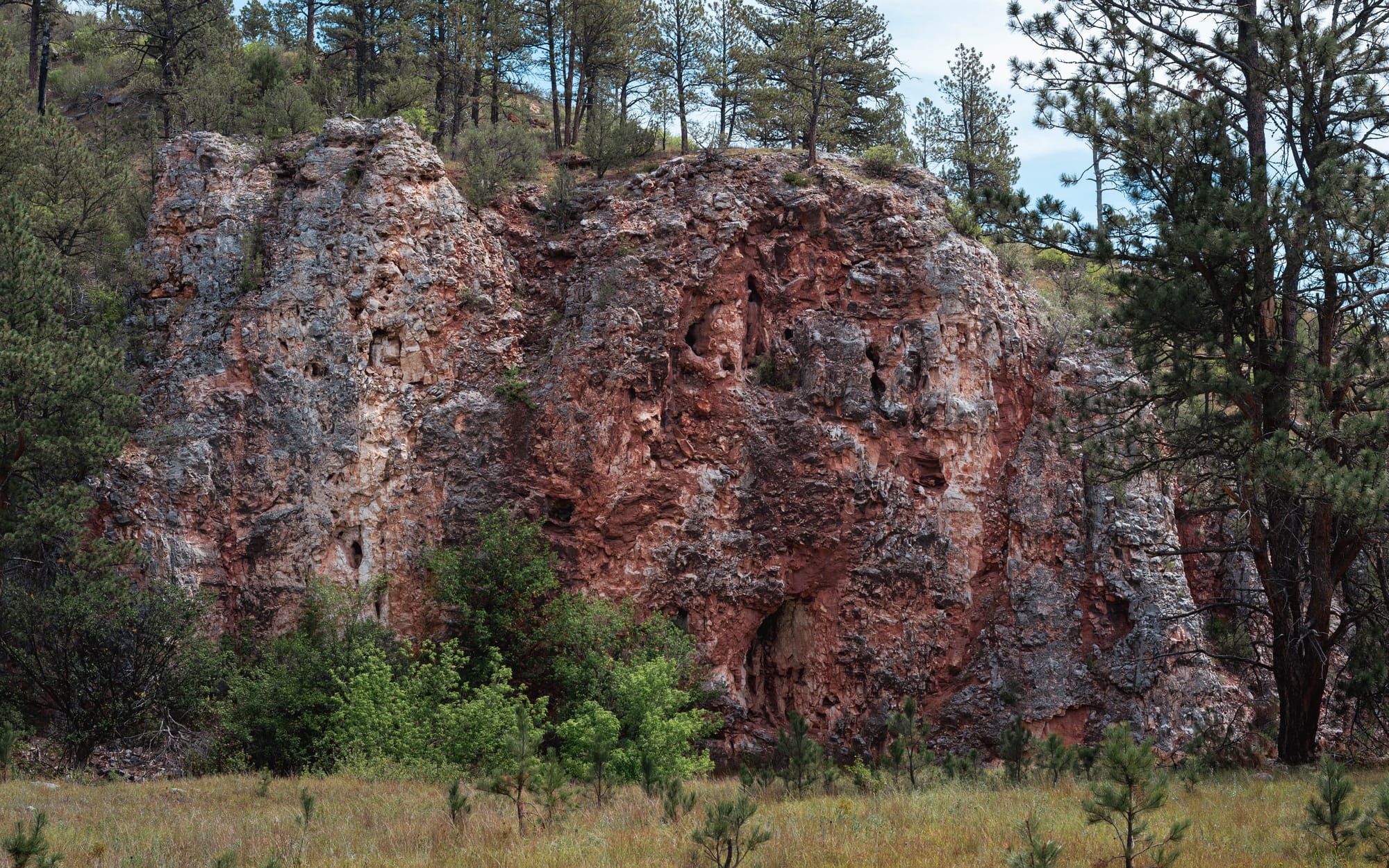
The cave is culturally significant and sacred to the Lakota, Cheyenne, and other Native nations with longstanding connections to the Black Hills. Archaeological evidence around the natural entrance also shows Indigenous use of the area before Euro-American exploration.
The first documented Euro-American encounter came in 1881, when Tom and Jesse Bingham heard air rushing from the cave's small natural entrance.
By the end of the decade, prospectors were searching the cave for valuable minerals. They didn't find much worth mining, but the McDonald family recognized a different opportunity.
They began exploring the cave and giving tours.
Alvin McDonald became one of its earliest and most important explorers, pushing farther into the cave by candlelight and leaving behind a detailed diary of what he found.
Early commercial tourism also damaged the cave. Formations were removed and sold as souvenirs, and competing claims over the site eventually helped build pressure for federal protection.
On January 9, 1903, Theodore Roosevelt signed legislation creating Wind Cave National Park.
It became the eighth national park in the United States and the first national park established specifically to protect a cave.
Why Wind Cave Looks Different
Knowing the cave's age and complicated history helped explain some of what we saw on the Fairgrounds Tour.
But its most obvious signature was hanging directly over our heads.
Boxwork is made from thin fins of calcite that intersect at different angles, creating patterns resembling boxes or honeycomb.
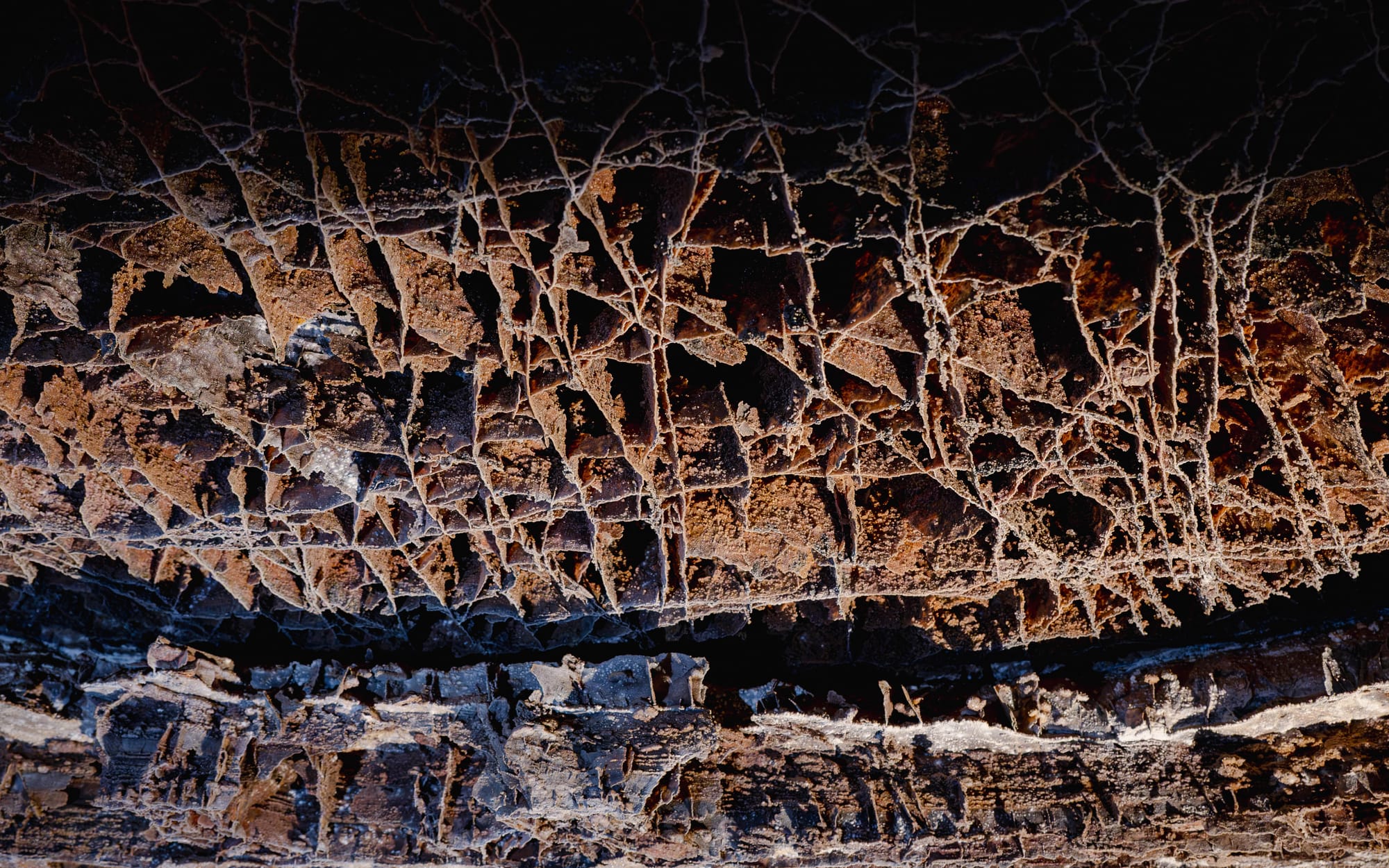
Unlike stalactites and stalagmites, boxwork was not primarily deposited into an already open cave.
Fractures in the limestone filled with minerals that later became calcite. As acidic water dissolved the surrounding limestone, those harder calcite-filled fractures remained behind.
The cave essentially dissolved away from them.
That made the ceilings on the Fairgrounds Tour even more impressive.
Some sections had isolated fins that were easy to pick out. Others were almost completely covered, with delicate pieces intersecting and overlapping until it was difficult to see where one layer ended and another began.
They looked incredibly fragile.
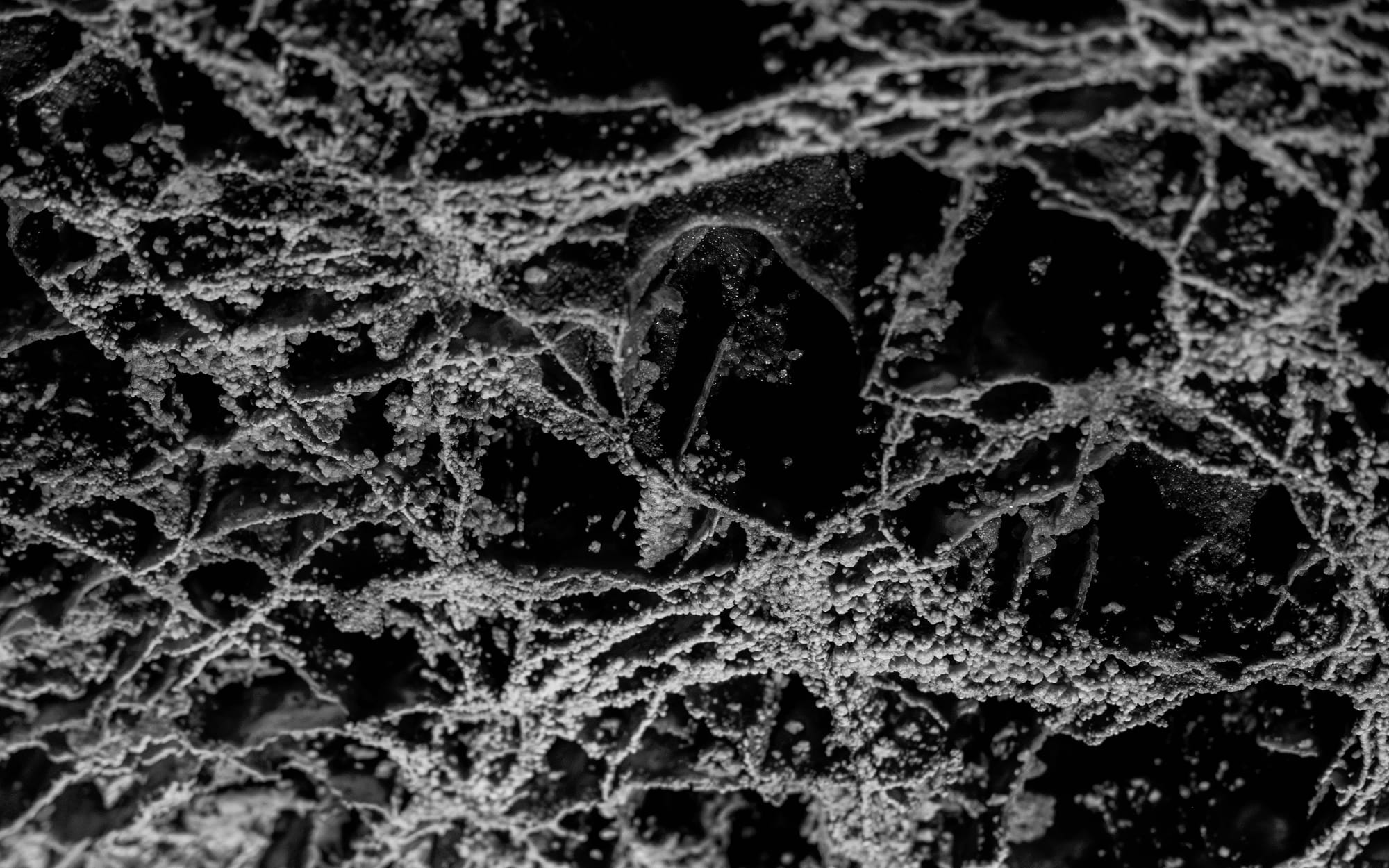
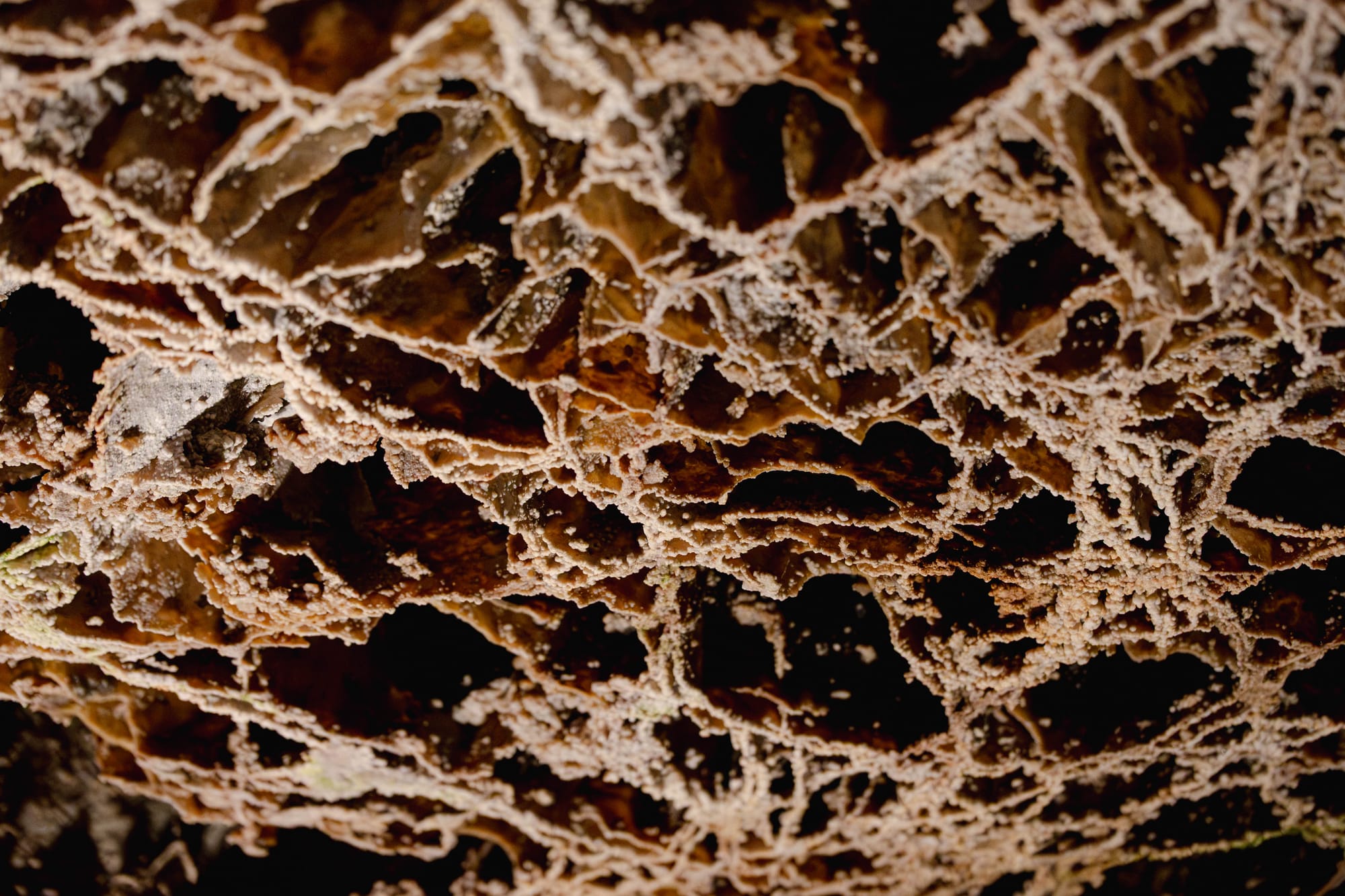
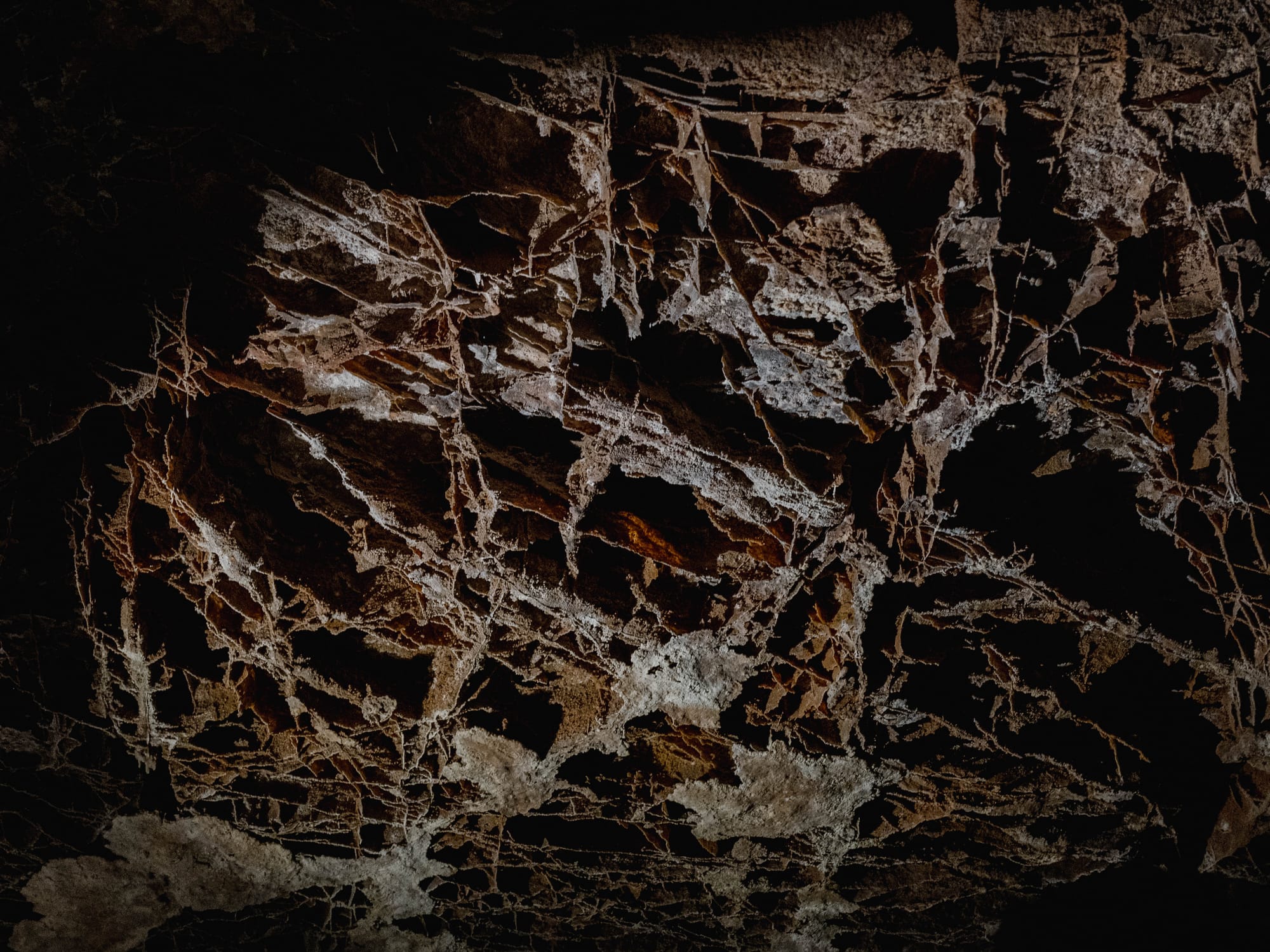
Wind Cave is not the only cave with boxwork, but nowhere else is it known in this abundance. The National Park Service says Wind Cave contains more well-developed boxwork than all other known caves combined.
The cave also lacks the heavy concentration of classic dripstone formations I had come to associate with places like Carlsbad. Relatively little surface water reaches many passages, so stalactites and stalagmites are uncommon.
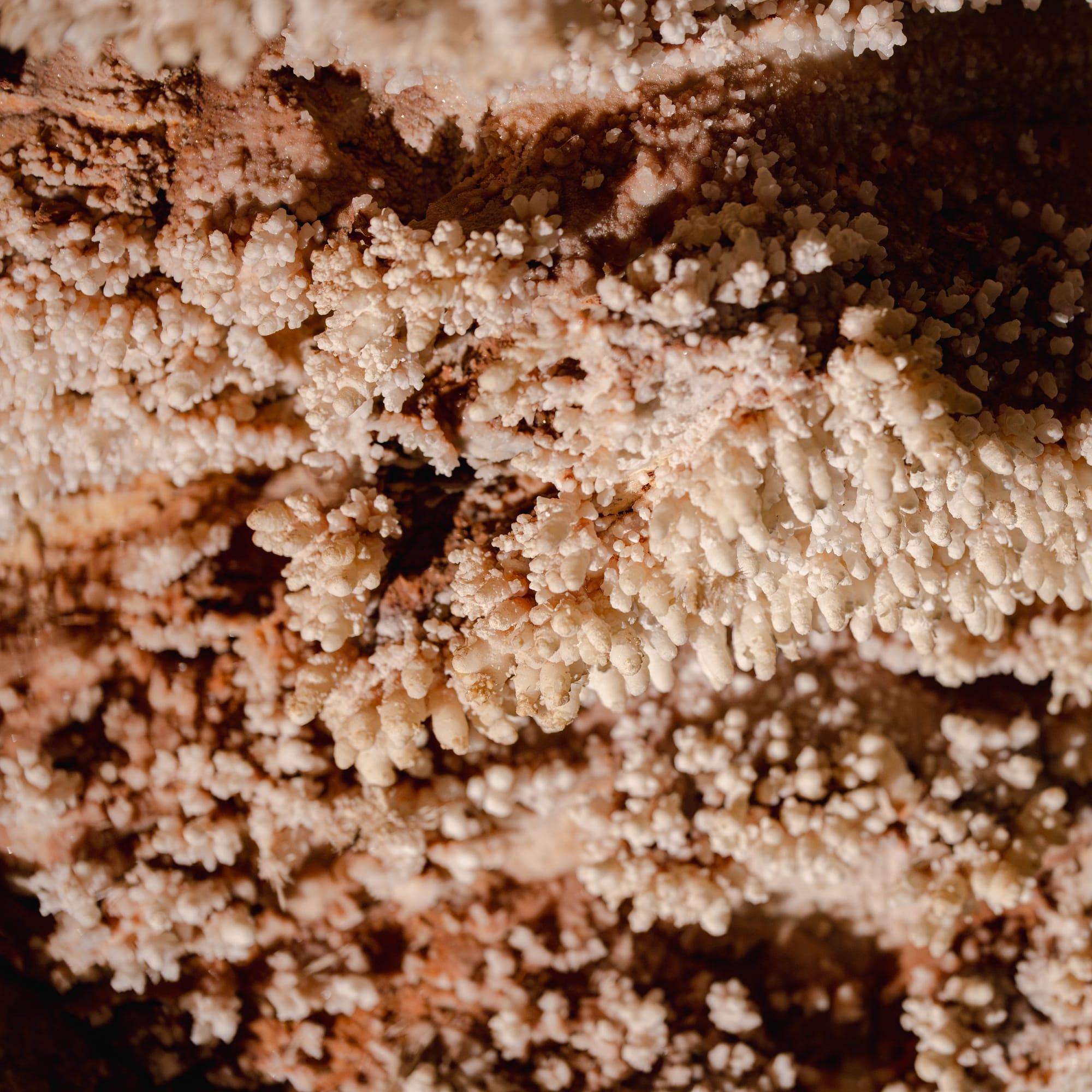
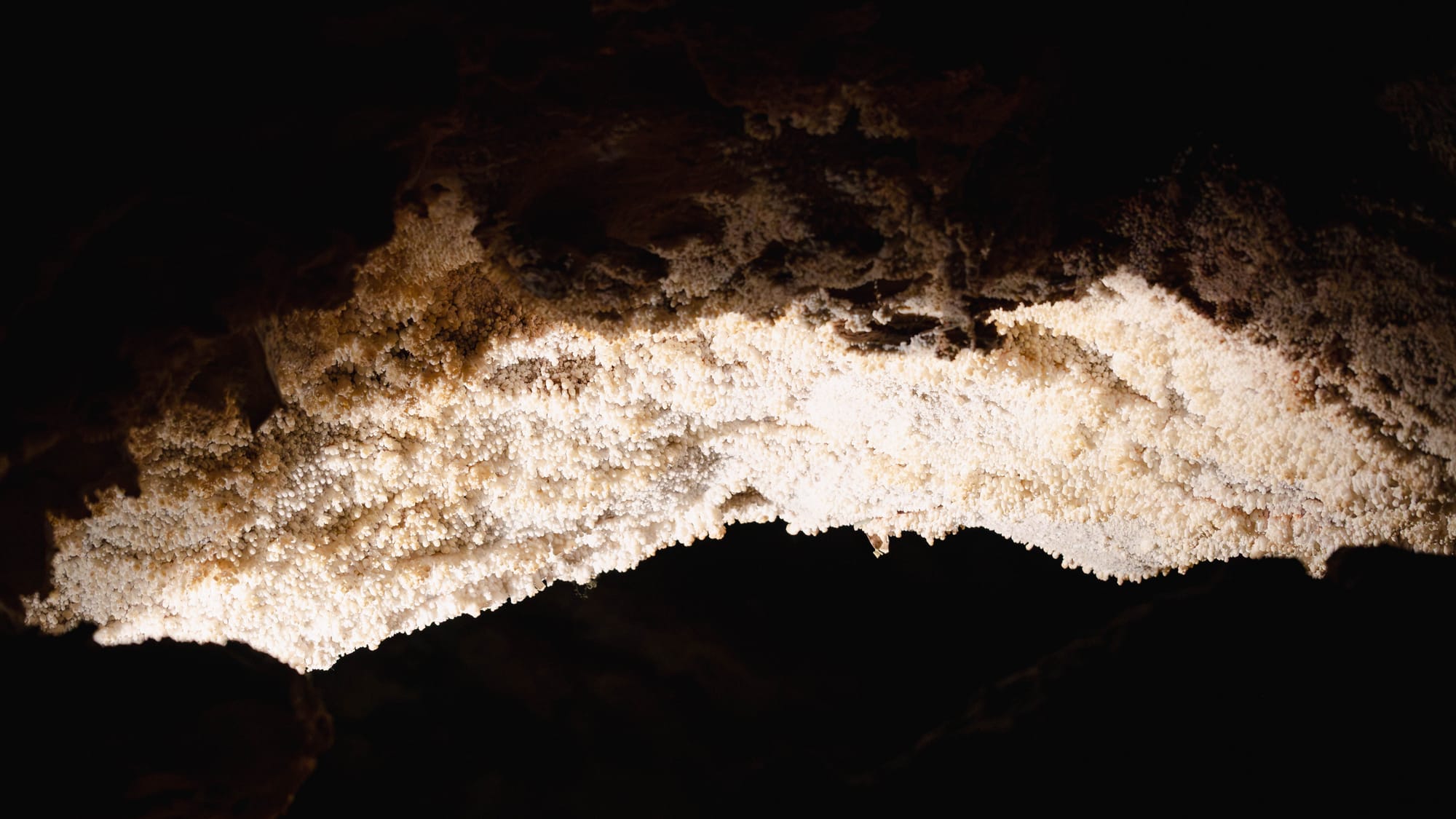
Instead, Wind Cave has boxwork, frostwork, popcorn, calcite crystals, old sediment fills, and passages that can look dramatically different from one another.
That was what made the Fairgrounds Tour so interesting.
One room could feel smooth and sculpted.
The next looked like the rock had been pulled apart from the inside.
Breathing Earth
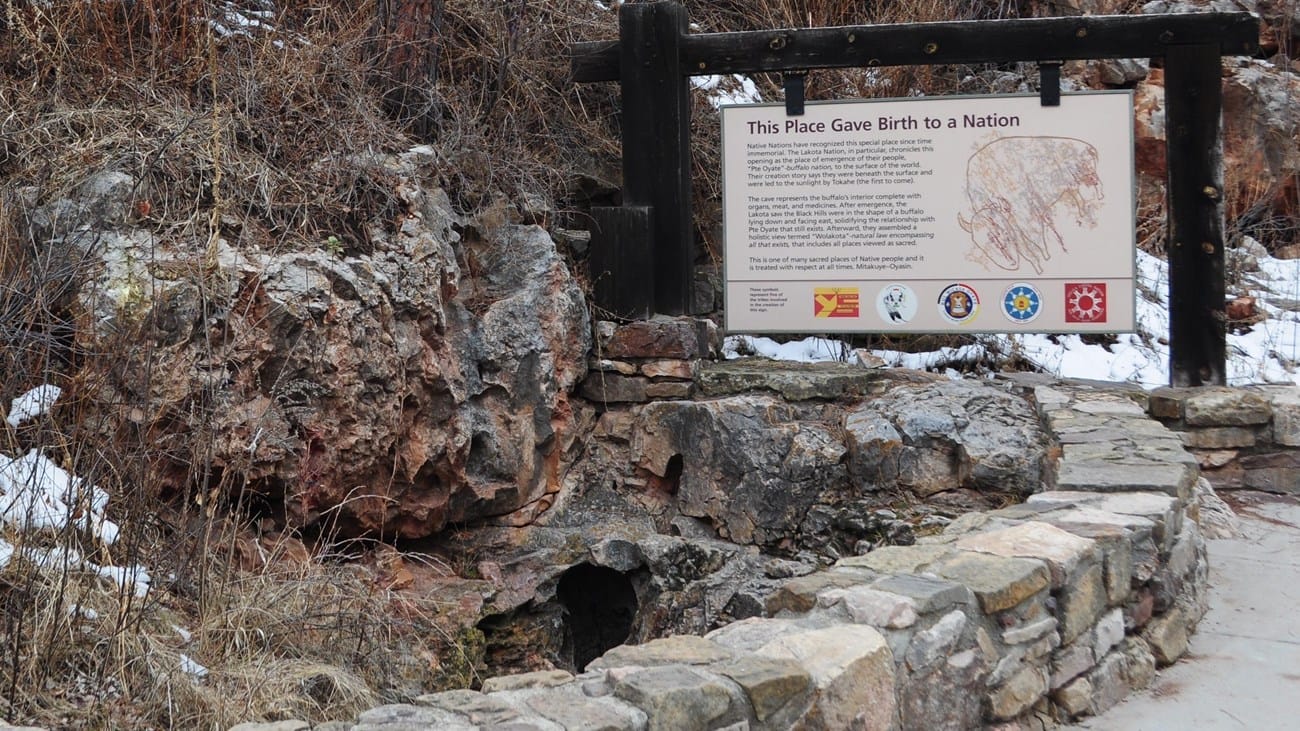
After the tour, I walked over to the natural entrance.
I knew it was small.
It was still smaller than I expected.
The opening is only about eight by ten inches, yet it connects to a cave system holding an enormous volume of air. Changes in atmospheric pressure outside create a pressure difference between the cave and the surface, forcing air through that tiny opening.
When outside pressure drops, the cave exhales.
When outside pressure rises, it inhales.
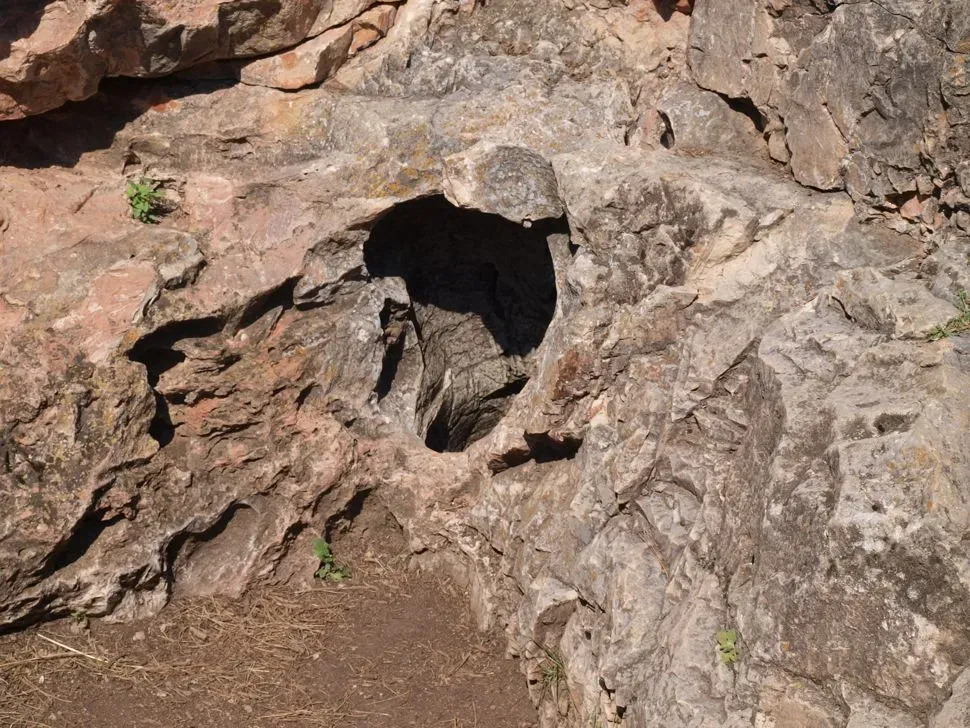
That morning, the ranger said the cave was exhaling at roughly 7 miles per hour.
The airflow gave Wind Cave its English name.
But the idea of a breathing cave is far older.
In modern Lakota, the place is known as Maka Oniye, or "breathing earth." Lakota oral tradition describes Oniya Oshoka, where the earth "breathes inside," as a passage toward the spirit world.
In one version of the emergence story shared by the Cheyenne Creek community of the Oglala Lakota, the first bison emerge through this passage. People later follow and are instructed to follow the bison that would provide what they needed to survive.
There are different versions of the story, as there are with many oral traditions.
The important point here is that the cave's breathing entrance carried meaning long before modern science explained the airflow or Congress drew a national park boundary around it.
The Prairie Above
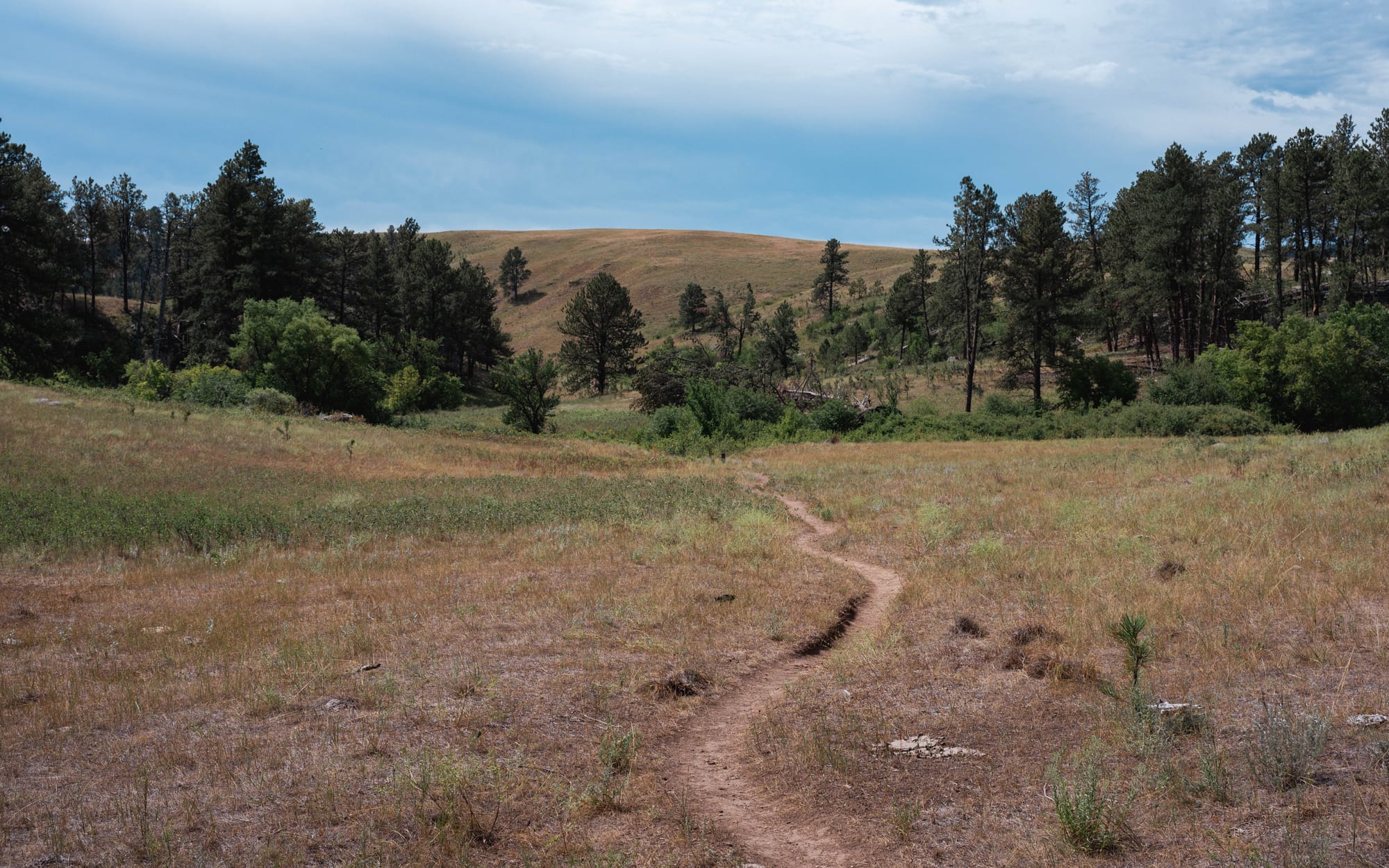
After spending the morning underground, I headed onto the prairie.
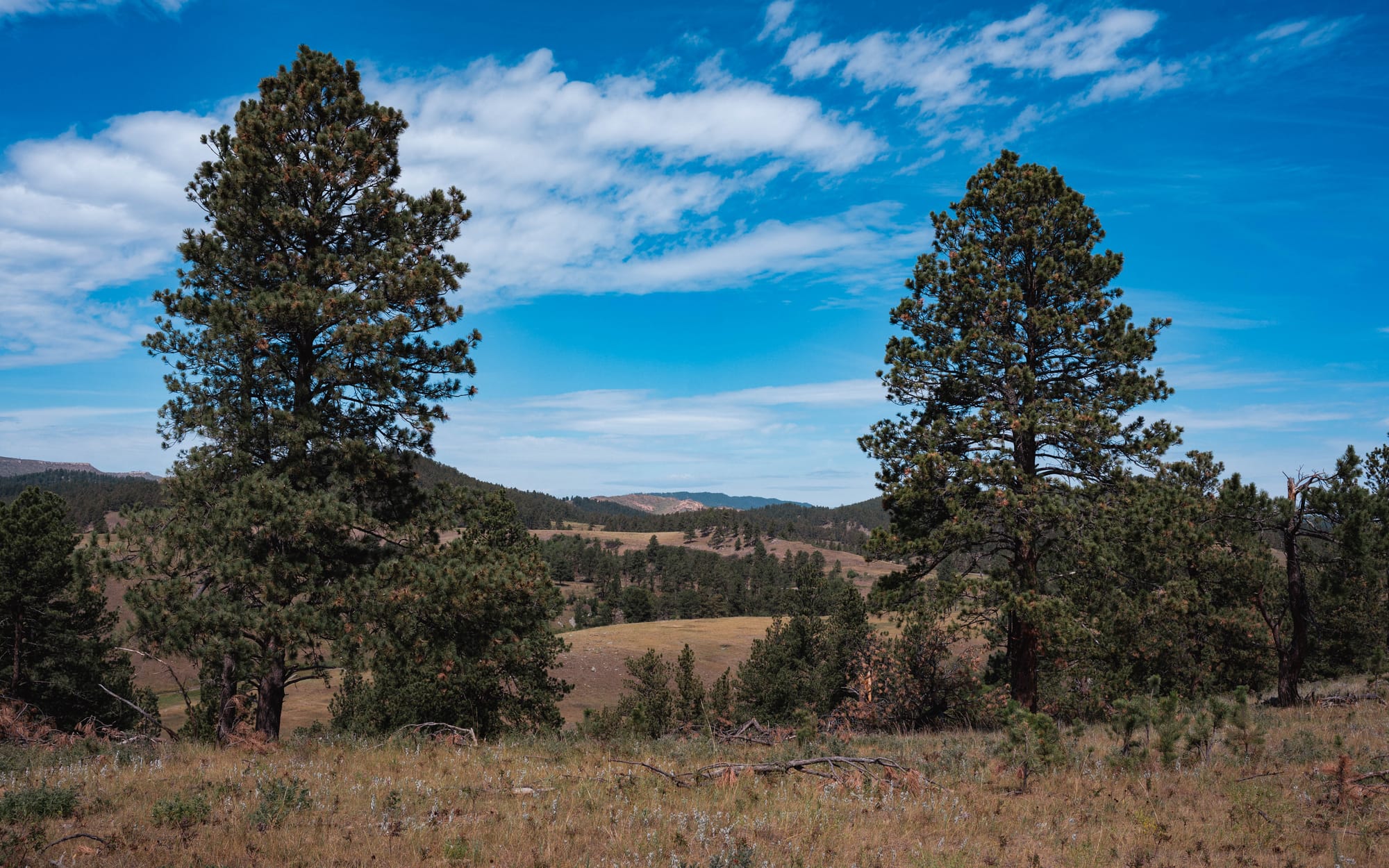
I linked the Lookout Point and Centennial trails into a loop of roughly five miles through the rolling grasslands above the cave.
It felt like a completely different park.
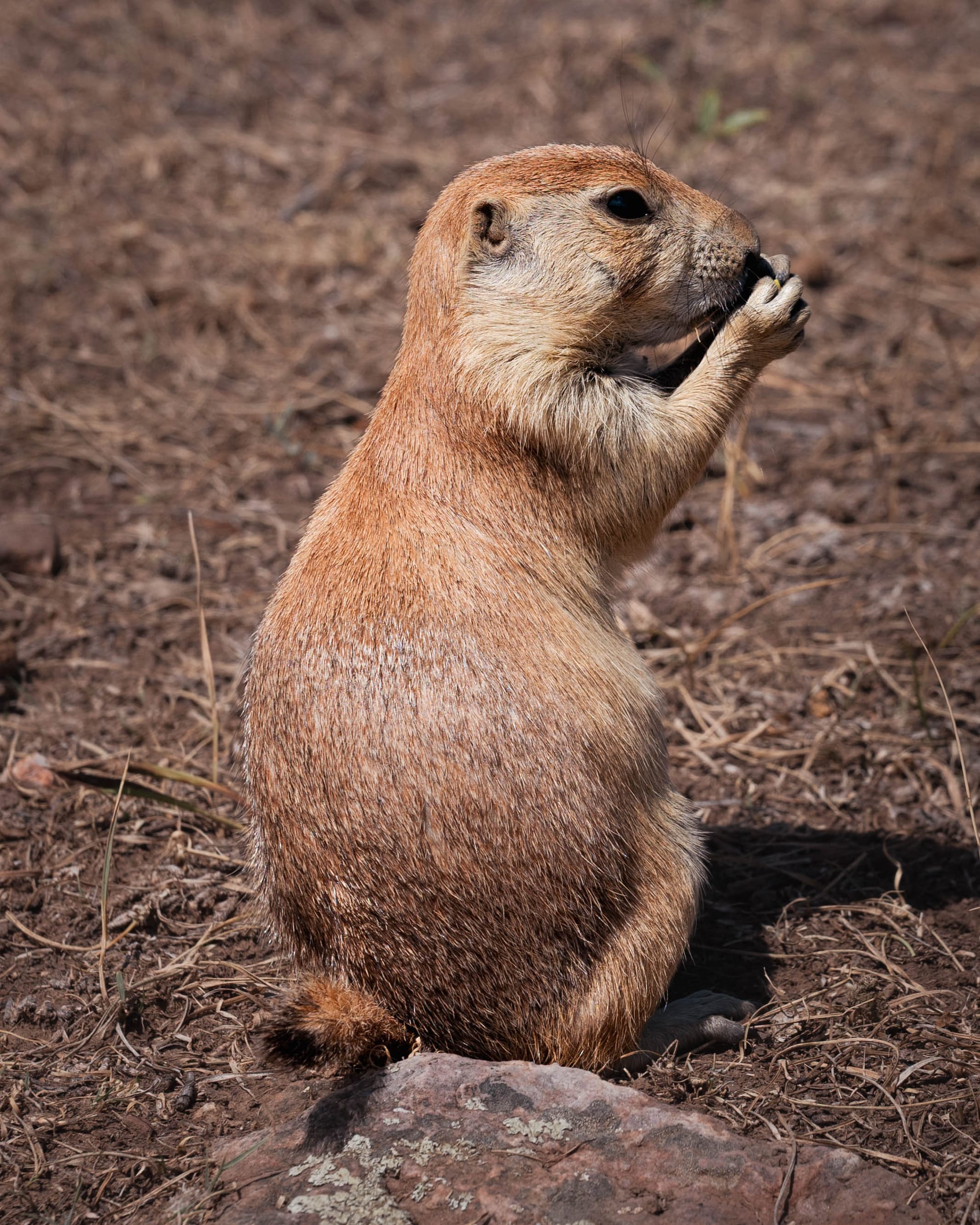
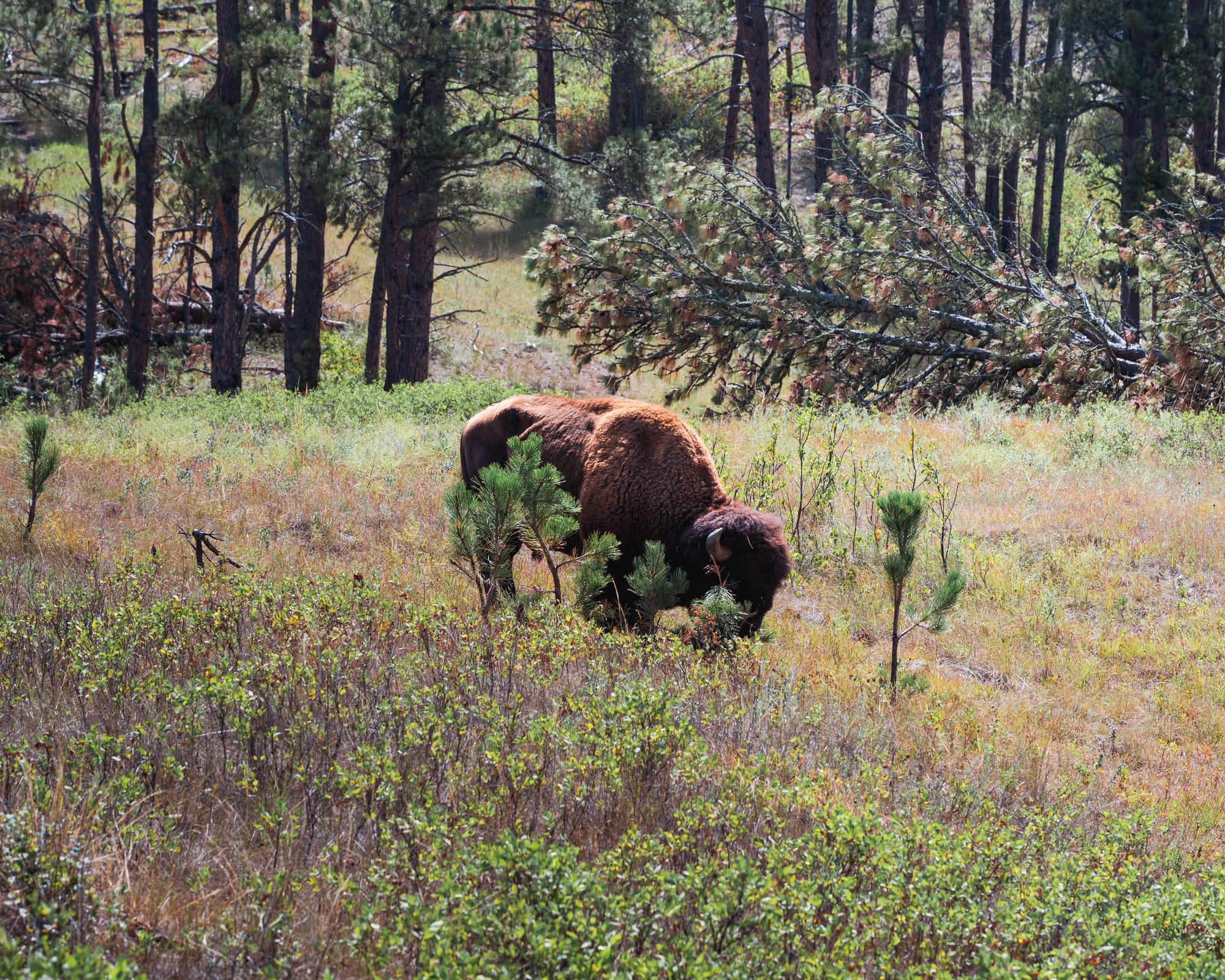
Prairie dogs were everywhere. Several large birds moved through the open country, although I was too far away to identify them. Later, I came across a lone bison moving across the grass.
The surface landscape was not part of the original reason Wind Cave became a national park.
By the early twentieth century, bison, elk, and pronghorn had been devastated across much of their former range. In 1912, Congress created the Wind Cave National Game Preserve around the park, and animals were brought here as part of early efforts to restore native wildlife populations. The preserve was eventually folded into the national park.
Today, Wind Cave protects a large mixed-grass prairie ecosystem alongside the cave beneath it.
Walking through it after hearing the Lakota emergence story gave the day an unexpected layer.
I had started the morning beneath the prairie, stood beside the small opening where the cave breathes, and then spent the afternoon walking across grasslands where bison still roam.
Somewhere along the way, Wind Cave stopped feeling like a cave with a national park sitting on top of it.
⚡ TL;DR
- Park highlight: Rare boxwork formations beneath a wide-open mixed-grass prairie
- Best for: Cave geology, ranger-led tours, wildlife, and prairie hiking
- Skip if: You have little interest in caves or grasslands
- Worth planning around?: Possibly
Final Thoughts
Wind Cave may be one of the more underrated national parks I have visited.
If caves interest you at all, the underground experience is worth it on its own. The boxwork, the passage shapes, and the sheer difference between Wind Cave and places like Carlsbad made the Fairgrounds Tour far more interesting than I expected.
But the park gets better once you come back above ground.
The breathing entrance ties the geology to a much older Lakota understanding of the place, while the prairie adds bison, prairie dog towns, and another entire ecosystem to what the park protects.
Wind Cave is not just a cave park.
It is a place where the underground world, the prairie above it, and the stories tied to both all belong together.
That is what made it stand out.